
Updated planning guide for 2026-2027
Africa Adventure Escapes Beyond Safari: Best Guide 2026-2027
Looking for adventure in Africa that goes beyond the traditional safari? Tanzania offers a wealth of experiences, from scaling Mount Kilimanjaro to relaxing on Zanzibar's beaches and immersing yourself in vibrant local cultures. This guide covers everything you need to plan your unique African adventure for 2026-2027.
WhatsApp +255616946642 | topguideadventures@gmail.com | info@topguideadventures.com
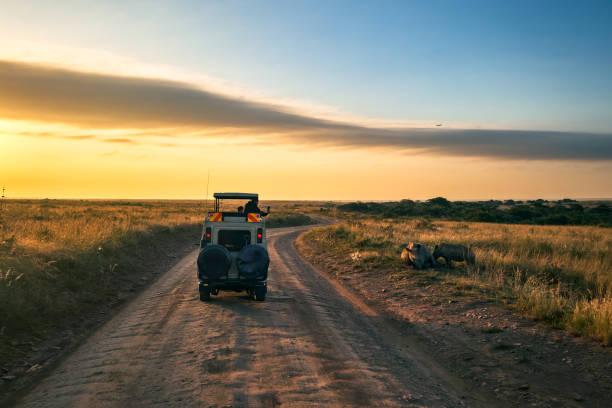
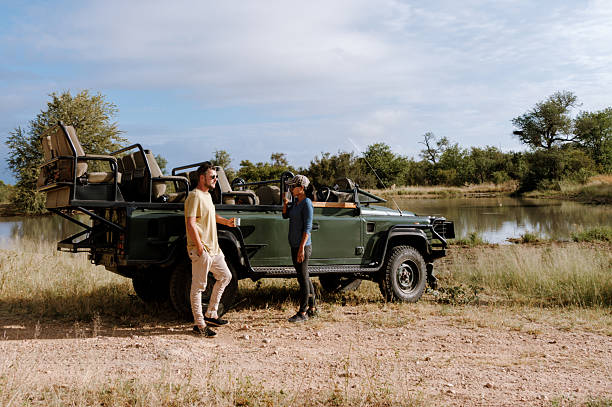
Africa Adventure Escapes Beyond Safari: Your Ultimate Planning Guide
When many people think of an African adventure, the iconic image of a safari often comes to mind. While Tanzania is world-renowned for its incredible wildlife viewing opportunities in places like the Serengeti and Ngorongoro Crater, the continent, and specifically Tanzania, offers a much broader spectrum of experiences. For travelers seeking Africa adventure escapes beyond safari, Tanzania presents a compelling destination brimming with diverse activities, breathtaking landscapes, and rich cultural encounters. From conquering the roof of Africa, Mount Kilimanjaro, to exploring the spice-scented islands of Zanzibar and engaging with local communities, your African journey can be as varied and unique as you desire. This guide is designed to help you craft an unforgettable adventure in 2026-2027, focusing on the extraordinary experiences that lie beyond the typical game drive.
Quick Answers
What are the main adventure activities in Tanzania besides safaris? Key activities include climbing Mount Kilimanjaro, trekking Mount Meru, exploring the spice islands of Zanzibar (diving, snorkeling, historical tours), cultural village visits, hiking in national parks other than for game drives, and water sports.
When is the best time for these adventures? Generally, the dry seasons (June to October and December to February) are ideal for trekking and many water activities. However, Zanzibar is pleasant year-round, though humidity is higher from November to March.
How long should I plan for an adventure trip? A comprehensive trip combining multiple activities could range from 10 days to 3 weeks or more, depending on your pace and interests.
Quick Facts: Tanzania Adventures Beyond Safari
| Aspect | Details |
|---|---|
| Primary Focus | Trekking, cultural immersion, island exploration, adventure sports |
| Key Destinations | Mount Kilimanjaro, Mount Meru, Zanzibar Archipelago, Arusha region, Southern Tanzania (for less-visited parks) |
| Best Time to Visit | Dry seasons (June-Oct, Dec-Feb) for trekking and hiking; Zanzibar is year-round but less humid Oct-Mar. |
| Duration | 5 days (Zanzibar focus) to 3+ weeks (multi-activity trip) |
| Traveler Type | Active individuals, couples, groups, families with older children, culture enthusiasts |
| Currency | Tanzanian Shilling (TZS) |
| Language | Swahili, English widely spoken in tourist areas |
Why Choose Tanzania for Adventures Beyond the Safari?
Tanzania’s appeal extends far beyond its world-class wildlife reserves. The country boasts a remarkable geographical diversity that lends itself to a wide array of adventurous pursuits. Its position in East Africa, with the Great Rift Valley carving through its landscape and the Indian Ocean lapping at its shores, creates a dynamic environment for exploration. For those looking for Africa adventure escapes beyond safari, Tanzania offers:
- The Roof of Africa: Mount Kilimanjaro, the continent’s highest peak, is a major draw for trekkers of all levels.
- Tropical Paradise: The Zanzibar Archipelago provides a stark contrast with its white-sand beaches, turquoise waters, and rich history.
- Cultural Depth: Tanzania is home to numerous ethnic groups, offering authentic opportunities to connect with local traditions and ways of life.
- Varied Terrain: From volcanic slopes and lush rainforests to coastal reefs and savannah highlands, the landscapes are incredibly diverse.
- Accessibility: While remote, key adventure hubs like Arusha are well-connected, making planning and logistics manageable.
The Crown Jewel: Climbing Mount Kilimanjaro
For many, climbing Mount Kilimanjaro is the ultimate African adventure. Standing at 5,895 meters (19,341 feet) above sea level, it’s the world’s tallest free-standing mountain and a bucket-list achievement for trekkers. Unlike other major peaks, Kilimanjaro does not require technical climbing skills, making it accessible to those with good physical fitness and determination. The journey itself is an adventure, passing through distinct ecological zones, from lush rainforest to alpine desert and the arctic summit zone.
Kilimanjaro Routes: Choosing Your Path
Selecting the right route is crucial for acclimatization, enjoyment, and success. The most popular routes offer varying levels of difficulty, scenery, and acclimatization profiles. For 2026-2027 travel, booking your spot early is recommended, especially for peak trekking seasons.
Popular Kilimanjaro Routes Comparison
| Route | Days | Scenery | Acclimatization | Difficulty | Success Rate |
|---|---|---|---|---|---|
| Marangu | 5-7 | Forest, moorland, alpine desert | Moderate | Moderate | Lower |
| Machame | 6-7 | Varied, stunning views | Good (‘climb high, sleep low’) | Challenging | Higher |
| Lemosho | 7-8 | Most scenic, varied landscapes | Excellent | Challenging | Higher |
| Northern Circuit | 9-10 | Longest, most scenic, best acclimatization | Excellent | Moderate to Challenging | Highest |
Key Considerations for Kilimanjaro:
- Fitness: While not technical, a good level of cardiovascular fitness is essential. Train by hiking, running, or cycling regularly.
- Acclimatization: This is the most critical factor for summit success. Longer routes with better acclimatization profiles significantly increase your chances.
- Guides and Porters: Choose a reputable operator that treats their crew well. This is vital for safety and ethical reasons.
- Gear: Proper clothing and equipment are non-negotiable for comfort and safety in extreme conditions.
Zanzibar: Beyond the Beaches
The Zanzibar Archipelago, often referred to as the “Spice Islands,” is a semi-autonomous part of Tanzania and a UNESCO World Heritage site. While its pristine beaches and turquoise waters are legendary, Zanzibar offers much more for the adventurous traveler. It’s a destination that blends relaxation with exploration, history, and vibrant culture.
Activities in Zanzibar:
- Stone Town Exploration: Wander through the labyrinthine alleys of Stone Town, discovering its rich history, Swahili and Arab influences, and the famous carved doors.
- Spice Tours: Learn about the cultivation and uses of cloves, nutmeg, cinnamon, vanilla, and other spices that have shaped Zanzibar’s history.
- Diving and Snorkeling: The waters around Mnemba Atoll and other reef systems are teeming with marine life, offering world-class diving and snorkeling opportunities.
- Prison Island (Changuu Island): Visit this historic island, known for its giant tortoises and snorkeling spots.
- Dolphin Tours: Experience swimming with dolphins in Kizimkazi, though ethical considerations are important here.
- Kayaking and Paddleboarding: Explore the calm waters and mangrove forests.
- Kite Surfing and Windsurfing: Particularly popular in Paje and Jambiani during specific seasons.
Best Time for Zanzibar:
Zanzibar is a year-round destination, but the best time for beach activities and water sports is during the dry seasons: June to October and December to February. The “long rains” typically occur from March to May, and the “short rains” in November. Humidity is highest from November to March.
Cultural Immersion and Community Tourism
Africa adventure escapes beyond safari can offer profound cultural experiences. Tanzania is rich in tribal diversity, and engaging respectfully with local communities provides invaluable insights into different ways of life. This type of travel supports local economies and fosters cross-cultural understanding.
Opportunities for Cultural Encounters:
- Maasai Village Visits: Learn about the traditions, social structures, and daily life of the iconic Maasai people. Ensure your visit is arranged through ethical operators who ensure fair benefit to the community.
- Hadza and Datoga Tribes (Lake Eyasi): For a more immersive experience, consider visiting the hunter-gatherer Hadza and the pastoralist Datoga tribes. This often involves overnight stays and participation in daily activities.
- Local Markets: Explore bustling markets in towns like Arusha or Moshi to experience local commerce and daily life.
- Homestays: Arranging homestays with local families offers an intimate glimpse into Tanzanian domestic life.
Ethical Considerations: When engaging in community tourism, it’s vital to choose operators who prioritize the well-being and cultural integrity of the communities they work with. Avoid exploitative “human safaris” and seek genuine, respectful interactions.
Other Adventure Activities and Destinations
Beyond Kilimanjaro and Zanzibar, Tanzania offers further opportunities for adventure:
- Mount Meru Trekking: A challenging but rewarding trek, often used as acclimatization for Kilimanjaro. It offers spectacular views and diverse wildlife in Arusha National Park.
- Gombe Stream National Park: Famous for chimpanzee trekking, offering a different primate experience than the savannah.
- Mahale Mountains National Park: Another prime location for chimpanzee encounters, set against the beautiful backdrop of Lake Tanganyika.
- Ruaha National Park: Tanzania’s largest park, offering a wilder, less crowded safari experience but also opportunities for walking safaris.
- Selous Game Reserve (Nyerere National Park): Known for its boat safaris and walking safaris, providing a unique perspective on wildlife.
- Waterfalls and Hiking: Explore areas around Moshi and Arusha for stunning waterfalls, hiking trails, and coffee plantation tours.
Tanzania Adventure Highlights Overview
North/Northeast: Mount Kilimanjaro, Mount Meru, Arusha National Park, Maasai cultural areas, key safari hubs.
Coastal/East: Zanzibar Archipelago (Stone Town, spice farms, beaches, diving).
West: Gombe Stream (Chimpanzees), Mahale Mountains (Chimpanzees), Lake Tanganyika.
South: Ruaha National Park, Selous Game Reserve (Nyerere NP) – offer walking safaris and a wilder feel.
Planning Your 2026-2027 Africa Adventure
Planning an adventure trip requires careful consideration. For 2026-2027, starting your planning early will ensure you get the best availability and prices, especially for popular activities like Kilimanjaro climbs.
Step-by-Step Planning Guide:
- Define Your Interests: What kind of adventure appeals most? Trekking, cultural immersion, island hopping, water sports, or a combination?
- Set Your Budget: Adventures can range from budget-friendly to luxury. Factor in flights, accommodation, activities, permits, gear, and personal expenses.
- Choose Your Destinations: Based on your interests and budget, select the regions and specific activities you want to focus on.
- Determine Travel Dates: Consider seasonality for weather and crowds. For 2026-2027, research specific peak and shoulder seasons for your chosen activities.
- Select a Reputable Tour Operator: This is crucial for safety, logistics, and an authentic experience. Look for operators with strong reviews, clear pricing, and ethical practices.
- Book Flights and Accommodation: Secure international flights and book your main accommodations or tour packages well in advance.
- Visa and Health Requirements: Check visa regulations for your nationality and consult your doctor about necessary vaccinations and malaria precautions.
- Gear and Packing: Create a detailed packing list based on your activities. Renting specialized gear (like for Kilimanjaro) is often an option.
- Travel Insurance: Ensure you have comprehensive travel insurance covering adventure activities, medical emergencies, and trip cancellations.
2026-2027 Planning Checklist
- [ ] Define primary adventure interests (trekking, culture, water sports, etc.)
- [ ] Establish a realistic budget for your trip
- [ ] Research and select key destinations within Tanzania
- [ ] Decide on travel dates, considering seasonality for 2026-2027
- [ ] Identify and vet reputable tour operators
- [ ] Book international and internal flights
- [ ] Confirm visa requirements and apply if necessary
- [ ] Consult doctor for vaccinations and health advice
- [ ] Purchase comprehensive travel insurance
- [ ] Create a detailed packing list
- [ ] Arrange any necessary gear rental or purchase
- [ ] Inform your bank of travel dates
- [ ] Learn a few basic Swahili phrases
- [ ] Download offline maps and useful apps
What to Expect: Practicalities and Preparation
Understanding what to expect will help you prepare adequately for your Africa adventure escapes beyond safari.
Altitude Sickness (Kilimanjaro):
This is a significant concern for Kilimanjaro climbs. Symptoms include headache, nausea, and dizziness. The best prevention is slow ascent, proper hydration, and avoiding alcohol. Choosing a longer route (7-10 days) is highly recommended for better acclimatization.
Weather Conditions:
Tanzania experiences tropical weather. Coastal areas are hot and humid. Mountainous regions can be cold, especially at higher altitudes. Expect sunshine, rain, and wind, often within the same day on Kilimanjaro.
Health and Safety:
- Malaria: Tanzania is a malaria-endemic country. Consult your doctor about prophylaxis and take precautions against mosquito bites (repellent, long sleeves/trousers at dawn and dusk).
- Water: Drink only bottled or purified water. Avoid ice in drinks unless you are sure it’s made from purified water.
- Sun Protection: High SPF sunscreen, hats, and sunglasses are essential, especially at altitude and on the coast.
- Food Safety: Eat at reputable establishments. Be cautious with street food.
- General Safety: Be aware of your surroundings, especially in crowded areas. Secure your valuables. Follow your guide’s instructions at all times.
Packing Essentials:
Your packing list will vary greatly depending on your chosen activities. For Kilimanjaro, think layers:
- Waterproof and windproof outer shell
- Insulated jacket (down or synthetic)
- Fleece layers
- Thermal base layers
- Warm hat and gloves
- Sun hat and sunglasses
- Sturdy, broken-in hiking boots
- Comfortable camp shoes
- High-quality sleeping bag (rated to -15°C or lower)
- Water bottles or hydration reservoir
- Sunscreen and lip balm with SPF
- Headlamp with extra batteries
- Personal first-aid kit
For Zanzibar and general travel:
- Lightweight, breathable clothing
- Swimwear
- Sandals and comfortable walking shoes
- Insect repellent
- Sunscreen
- Light rain jacket
- Modest clothing for visiting villages or Stone Town (shoulders and knees covered)
Common Mistakes to Avoid
To ensure your Africa adventure escapes beyond safari are smooth and enjoyable, be aware of common pitfalls:
- Underestimating Kilimanjaro: Many people do not train adequately or choose routes that are too short, leading to altitude sickness and summit failure.
- Poor Operator Choice: Opting for the cheapest operator can compromise safety, guide quality, and crew welfare.
- Inadequate Packing: Not bringing the right gear can make the experience uncomfortable or even dangerous, especially on Kilimanjaro.
- Ignoring Health Advice: Failing to take malaria precautions or get necessary vaccinations can lead to serious illness.
- Cultural Insensitivity: Not dressing modestly in local areas or being disrespectful during cultural visits.
- Overtourism on Zanzibar: While popular, seeking out less-visited beaches or activities can offer a more authentic experience.
- Not Budgeting for Extras: Many costs, like tips for guides and porters, park fees, and personal expenses, can add up.
Who Are These Adventures For?
Africa adventure escapes beyond safari in Tanzania cater to a diverse range of travelers:
- The Active Explorer: Those who enjoy physical challenges and want to push their limits, like climbing Kilimanjaro.
- The Culture Enthusiast: Travelers eager to learn about different traditions, interact with local communities, and gain a deeper understanding of the country.
- The Nature Lover: Beyond wildlife, those who appreciate diverse ecosystems, from rainforests and alpine deserts to coral reefs and spice plantations.
- The Relaxation Seeker: Individuals looking to combine adventure with downtime, such as trekking followed by beach relaxation in Zanzibar.
- The Family Adventurer: Families with older children or teenagers seeking educational and exciting experiences.
Alternatives and Complementary Experiences
While Tanzania is a powerhouse for adventure, consider these complementary experiences or alternatives:
- Kenya: Offers incredible cultural experiences (Maasai, Samburu) and diverse landscapes, plus the Great Migration.
- Uganda/Rwanda: Prime destinations for gorilla trekking and chimpanzee tracking.
- Ethiopia: Rich in history, unique culture, and dramatic landscapes like the Simien Mountains.
- Morocco: Offers trekking in the Atlas Mountains, desert adventures, and vibrant city culture.
Many travelers combine a Kilimanjaro climb with a Northern Circuit safari, or a Zanzibar holiday with a short mainland cultural tour. The possibilities for crafting a unique itinerary are vast.
Planning for 2026-2027: Key Considerations
As you plan your 2026-2027 adventure, keep these points in mind:
- Booking Window: For Kilimanjaro, booking 6-12 months in advance is wise, especially for specific dates or longer routes. Zanzibar accommodation and tours can often be booked closer, but popular spots fill up.
- Operator Research: Spend time thoroughly researching tour operators. Look for affiliations with professional bodies, read recent reviews, and inquire about their safety protocols and guide training.
- Sustainability: Consider operators with strong commitments to ecotourism and community benefit.
- Flexibility: While planning is key, maintaining some flexibility in your itinerary can allow for spontaneous discoveries or adjustments due to weather or personal pace.
- Travel Insurance Review: Ensure your policy specifically covers high-altitude trekking if you’re climbing Kilimanjaro, and any other high-risk adventure activities you plan.
Booking Your Tanzania Adventure
Choosing the right partner for your Africa adventure escapes beyond safari is paramount. A dedicated and experienced tour operator can handle the complex logistics, ensure your safety, and provide authentic experiences. When booking, consider:
- Customization: Can they tailor an itinerary to your specific needs and interests?
- Expertise: Do they have in-depth knowledge of Kilimanjaro, Zanzibar, and cultural tours?
- Support: What level of support do they offer before, during, and after your trip?
- Value for Money: Look beyond just the price; consider what is included, the quality of service, and the overall experience offered.
We specialize in crafting unforgettable adventure experiences in Tanzania, from challenging Kilimanjaro ascents to relaxing Zanzibar holidays and enriching cultural tours. Let us help you plan your perfect 2026-2027 adventure.
Contact us today to start planning your dream Africa adventure escapes beyond safari:
WhatsApp: +255616946642
Email: topguideadventures@gmail.com
Backup Email: info@topguideadventures.com
Frequently Asked Questions
Q1: Is it safe to travel to Tanzania for adventure activities?
A: Tanzania is generally safe for tourists, especially when traveling with reputable operators. Standard travel precautions apply. For Kilimanjaro, safety is paramount; choose operators with strong safety records and experienced guides. Always follow your guide’s instructions.
Q2: What is the best way to book a Kilimanjaro climb for 2026-2027?
A: Book through a reputable tour operator. They handle permits, park fees, guides, porters, food, and accommodation. Booking 6-12 months in advance is recommended for popular seasons and routes.
Q3: How much physical fitness is required for Kilimanjaro?
A: Good cardiovascular fitness is essential. You don’t need to be an elite athlete, but regular hiking, running, or cycling will significantly improve your chances of success and enjoyment.
Q4: Can I combine Kilimanjaro with a safari or Zanzibar?
A: Absolutely. This is a very popular combination. Many operators offer packages that include Kilimanjaro, a safari in the northern circuit parks, and a relaxing stay in Zanzibar. This provides a comprehensive Tanzanian experience.
Q5: What are the visa requirements for Tanzania?
A: Most nationalities require a visa. You can often obtain this on arrival at Kilimanjaro International Airport (JRO) or Julius Nyerere International Airport (DAR), or apply online in advance through the official Tanzanian immigration website.
Q6: How much should I tip guides and porters on Kilimanjaro?
A: Tipping is customary and expected. Operators usually provide guidelines. A general range might be $10-20 per day for the lead guide, $8-15 per day for assistant guides, and $6-10 per day for porters, per person. Check with your operator for their specific recommendations.
Q7: What is the currency in Tanzania?
A: The local currency is the Tanzanian Shilling (TZS). US Dollars are widely accepted for park fees, permits, and often for larger purchases, but it’s good to have Shillings for smaller expenses and local markets.
Q8: Are there specific health precautions for Zanzibar?
A: While Zanzibar is generally lower risk for malaria than the mainland, it’s still recommended to consult your doctor about prophylaxis. Mosquito repellent is advisable, especially during dawn and dusk. Ensure you drink bottled water.
Q9: What is the best time for Africa adventure escapes beyond safari in 2026?
A: For trekking Kilimanjaro, the dry seasons (June-October, December-February) are best. For Zanzibar, June-October and December-February offer less humidity and good conditions for water sports. Shoulder seasons (March, November) can offer fewer crowds and lower prices.
Q10: What kind of accommodation can I expect on Kilimanjaro?
A: On Kilimanjaro, accommodation is in basic mountain huts or tents, depending on the route. These are functional and provide shelter. Outside of the mountain, options range from budget guesthouses to luxury lodges and beach resorts.
Plan your Africa Adventure Escapes Beyond Safari with Top Guide Adventures
Tell us your travel dates, group size, comfort level, and dream experience. We will help you shape a clear, realistic, and memorable Tanzania itinerary.







 Veedesigner
 Fatma Kizanga
 Benjamin Waryuba
 Philip Philip
 John jr Itaja
 Antonia Optatus
 Edith Kanyere
 Neema Iddy
 Kelvin Boniphace
 Damari Maiga



