
Updated planning guide for 2026-2027
Africa Adventure Journeys For Repeat Travelers: Complete Guide 2026-2027
For travelers who have already experienced the iconic sights of Africa, the continent offers a wealth of deeper, more specialized adventures. This guide explores how to craft unforgettable Africa adventure journeys for repeat travelers, focusing on unique experiences beyond the first-time safari.
WhatsApp +255616946642 | topguideadventures@gmail.com | info@topguideadventures.com
Africa Adventure Journeys for Repeat Travelers: The Ultimate Guide
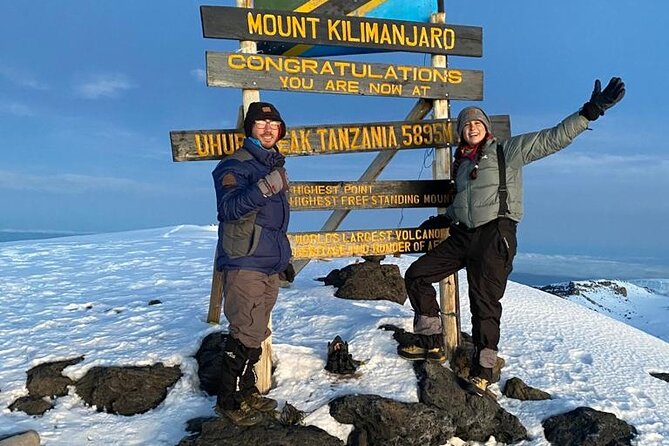
You’ve seen the Great Migration, perhaps stood at the foot of Kilimanjaro, or relaxed on Zanzibar’s shores. For the seasoned African explorer, the question isn’t *if* you’ll return, but *how* you’ll experience this captivating continent next. Africa adventure journeys for repeat travelers are about uncovering new layers, seeking out unique encounters, and pushing your boundaries in ways that resonate with your growing love for this diverse land. This guide is designed to help you craft your next unforgettable African expedition, moving beyond the well-trodden paths to discover experiences that truly speak to the returning adventurer.
Quick Answer: Africa adventure journeys for repeat travelers focus on niche interests like conservation volunteering, cultural immersion in remote communities, specialized wildlife tracking, multi-day trekking expeditions beyond Kilimanjaro, or exploring lesser-known parks and regions. Planning for 2026-2027 involves early booking for unique lodges, understanding seasonal nuances for specific activities, and working with operators who can customize deeply. The goal is to find experiences that offer profound connection and discovery, building upon previous African travel knowledge.
Table of Contents
- Quick Facts for Repeat African Adventurers
- Why Seek New Adventures in Africa?
- Defining the Repeat African Traveler
- Beyond the Iconic: New Avenues for Adventure
- Best Time to Plan for 2026-2027
- Sample Itinerary Ideas for Repeat Travelers
- What to Expect from Deeper African Journeys
- Essential Planning & Preparation
- Common Mistakes to Avoid
- Who are These Journeys Best Suited For?
- Alternatives to Consider
- Planning Your 2026-2027 Adventure
- Booking Your Bespoke African Journey
- Frequently Asked Questions
- Ready for Your Next African Adventure?
Quick Facts for Repeat African Adventurers
| Aspect | Details for Repeat Travelers |
|---|---|
| Focus | Niche interests, specialized activities, deeper cultural connection, conservation, remote exploration. |
| Destinations | Lesser-known parks, remote community areas, specific conservation projects, challenging treks. |
| Pace | Often slower, allowing for deeper engagement; can also be more physically demanding. |
| Accommodation | Boutique lodges, eco-camps, research stations, homestays; sometimes more rustic. |
| Guides | Specialist guides (e.g., ornithologists, cultural anthropologists, conservationists) are highly valued. |
| Planning Horizon | Longer lead times for unique experiences and specialized bookings (6-18 months). |
| Budget | Can vary widely; specialized tours or remote access may increase costs, but value is in uniqueness. |
| Key Considerations | Physical fitness, specific interests, ethical travel principles, flexibility. |
Why Seek New Adventures in Africa?
Africa is not a continent to be ‘done’ in a single visit. Its sheer scale, diversity, and depth mean that even after experiencing its most famous highlights, a universe of new possibilities awaits. For those who have felt the pull of the wild, the warmth of its people, and the rhythm of its landscapes, returning is a natural progression. The desire to explore Africa adventure journeys for repeat travelers stems from a craving for more profound experiences, a deeper understanding, and a connection that goes beyond the surface.
Repeat visitors often seek to:
- Deepen their understanding: Move from observing wildlife to understanding conservation challenges, or from experiencing cultural encounters to participating in community projects.
- Challenge themselves: Undertake more demanding treks, explore remote wilderness on foot, or navigate complex logistical journeys.
- Connect with nature on a different level: Focus on specific wildlife, learn tracking skills, or spend time in areas with minimal human presence.
- Contribute positively: Engage in responsible tourism, support local economies directly, or participate in conservation efforts.
- Discover the ‘unseen’: Venture into regions and experiences that are not on the typical tourist radar.
Defining the Repeat African Traveler
The repeat African traveler is distinct from the first-timer. They typically possess:
- Established knowledge: An understanding of safari etiquette, basic wildlife identification, and the general logistics of African travel.
- Clear preferences: They know what they liked (and didn’t like) about previous trips and have a more defined idea of what they want from their next adventure.
- Desire for authenticity: A move away from purely curated experiences towards more genuine, sometimes less polished, interactions.
- Greater independence: Often comfortable with more complex itineraries or less structured environments.
- A commitment to ethical travel: Increased awareness and a desire to travel responsibly, minimizing impact and maximizing positive contributions.
For these travelers, the planning process for Africa adventure journeys for repeat travelers is less about discovering *what* to do and more about refining *how* and *where* to do it with maximum impact and personal fulfillment.
Beyond the Iconic: New Avenues for Adventure
The allure of Africa for repeat travelers lies in its endless capacity to surprise and engage. Moving beyond the classic safari or beach holiday opens up a world of specialized and deeply rewarding experiences.
Conservation & Eco-Tourism Volunteering
Many travelers wish to give back. Opportunities range from assisting researchers in monitoring wildlife populations (e.g., tracking elephants, counting birds, monitoring marine life in Zanzibar) to participating in habitat restoration projects or supporting anti-poaching initiatives. These experiences offer a unique insight into the challenges and successes of conservation efforts on the ground.
Examples:
- Working with a wildlife research team in Botswana’s Okavango Delta.
- Assisting with sea turtle conservation on the coast of Kenya or Zanzibar.
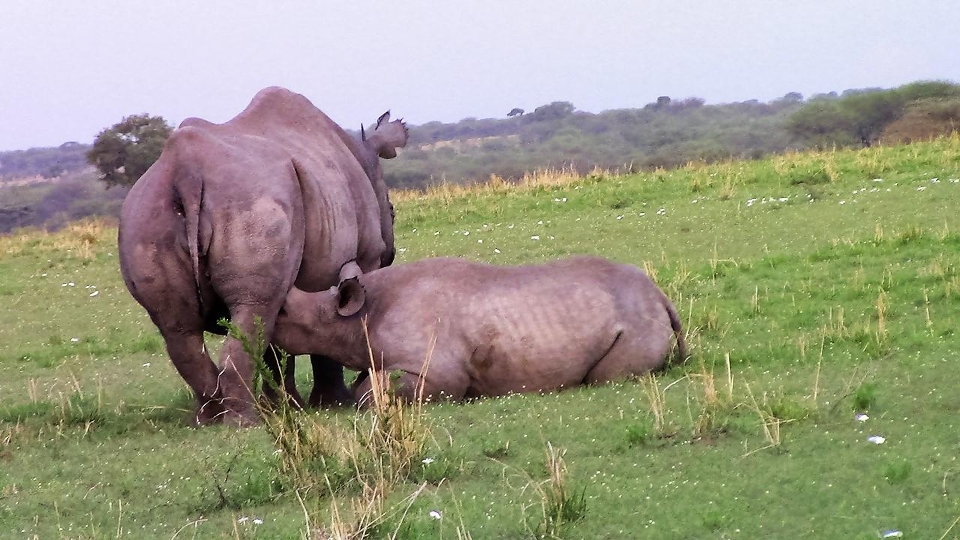
- Participating in a rhino monitoring program in South Africa or Namibia.
- Community-based conservation projects in rural Tanzania.
Deep Cultural Immersion
While initial trips might include brief cultural village visits, repeat travelers often seek more profound engagement. This could involve staying longer in a community, learning traditional crafts, participating in local daily life, or understanding ancestral traditions. This requires a sensitive approach and often involves working with local NGOs or community leaders.
Examples:
- Learning traditional weaving or pottery from the Himba people in Namibia.
- Participating in agricultural practices with a Maasai community in Kenya or Tanzania.
- Understanding the ancient rock-hewn churches and traditions of Ethiopia’s northern highlands.
- Homestays in rural villages in Uganda or Rwanda to understand local life.
Specialized Wildlife Encounters
Instead of general game drives, focus on specific interests. This could be birdwatching in prime ornithological hotspots, tracking predators with expert guides, or seeking out elusive nocturnal species. It might also involve visiting regions known for unique fauna not found elsewhere.
Examples:
- Gorilla and chimpanzee trekking in Rwanda, Uganda, or the Congo.
- Searching for the rare desert-adapted elephants in Namibia’s Kaokoveld.
- Birdwatching tours in Zambia’s Bangweulu Wetlands or the Okavango Delta.
- Marine life expeditions focusing on whale sharks or manta rays in specific seasons.
Offbeat Trekking & Mountaineering
Beyond Kilimanjaro, Africa boasts incredible mountain ranges and trekking opportunities. Consider the Simien Mountains in Ethiopia, Mount Kenya’s more challenging routes, the Rwenzori Mountains in Uganda, or even multi-day walking safaris in remote conservancies.
Examples:
- Trekking the Simien Mountains National Park, Ethiopia, for dramatic landscapes and endemic wildlife.
- Undertaking a guided walking safari in a private conservancy in Kenya or Tanzania.
- Attempting the challenging ascent of Mount Meru in Tanzania.
- Exploring the ‘Mountains of the Moon’ – the Rwenzori Mountains in Uganda.
Exploring Remote Regions
Venture into areas with fewer tourists, requiring more robust logistics and a spirit of adventure. This could include the vast wilderness of Namibia, the unique landscapes of Chad’s Ennedi Plateau, or the pristine coastlines of Madagascar.
Examples:
- Exploring the stark beauty of Namibia’s Skeleton Coast and Damaraland.
- Journeying to the remote parks of Northern Botswana, like Chobe’s Savuti region or Linyanti.
- Discovering the unique biodiversity of Madagascar’s national parks.
- Expeditions to regions like the Danakil Depression in Ethiopia for extreme landscapes.
Best Time to Plan for 2026-2027
The best time for Africa adventure journeys for repeat travelers depends heavily on the specific region and activity. Unlike first-time safaris where general dry seasons often suffice, specialized adventures require a more nuanced approach.
General Considerations for 2026-2027:
- Dry Seasons (June-October): Ideal for most wildlife viewing as animals congregate around water sources. Excellent for walking safaris and trekking where visibility is key.
- Wet Seasons (November-May): Can be magical for birdwatching (migratory birds arrive), dramatic landscapes, and fewer crowds. Lush vegetation can make wildlife spotting harder, but newborns are often present. This is also the best time for gorilla trekking in some regions due to greener foliage at lower altitudes.
- Shoulder Seasons (e.g., March-May, September-November): Often offer a good balance of weather, wildlife, and fewer crowds, potentially at better prices.
Specific Activity Timing:
- Gorilla/Chimpanzee Trekking: Generally good year-round, but the drier months (June-August, December-February) can mean easier trekking on muddier trails.
- Whale Shark/Manta Ray Seasons: Highly specific to locations (e.g., Mafia Island, Zanzibar, Mozambique). Research is crucial for these marine encounters.
- Birdwatching: The wet season (roughly October to April) is prime time due to the arrival of migratory birds.
- Cultural Festivals: Research local calendars for significant cultural events you might wish to witness.
Planning Ahead for 2026-2027: For unique lodges, specialized guides, and conservation projects, booking 9-18 months in advance is highly recommended. This ensures availability for the most sought-after experiences.
Sample Itinerary Ideas for Repeat Travelers
These are conceptual outlines to inspire your next Africa adventure journey for repeat travelers. They can be customized extensively.
Route 1: Conservation Focus (Kenya & Tanzania) – 14 Days
This itinerary blends hands-on conservation work with experiencing wildlife in unique conservancy settings.
| Day | Location | Activity | Focus |
|---|---|---|---|
| 1-3 | Laikipia Plateau, Kenya | Volunteer at a rhino sanctuary or wildlife research center. Learn about anti-poaching patrols, data collection. Stay at an eco-lodge. | Rhino conservation, research, community engagement. |
| 4-5 | Transfer to Amboseli National Park, Kenya | Focus on elephant research and monitoring. Guided walks in conservancies adjacent to the park. | Elephant behavior, habitat use, conservancy benefits. |
| 6-8 | Transfer to Northern Tanzania (e.g., West Kilimanjaro or Loliondo) | Engage with a Maasai community on a conservation initiative. Learn about traditional land management and human-wildlife conflict mitigation. Participate in a guided walking safari. | Maasai culture, human-wildlife coexistence, community-led conservation. |
| 9-11 | Tarangire National Park, Tanzania | Focus on predator-prey dynamics and baobab ecosystems. Guided drives and walking safaris in concessions. | Ecology, predator behavior, unique flora. |
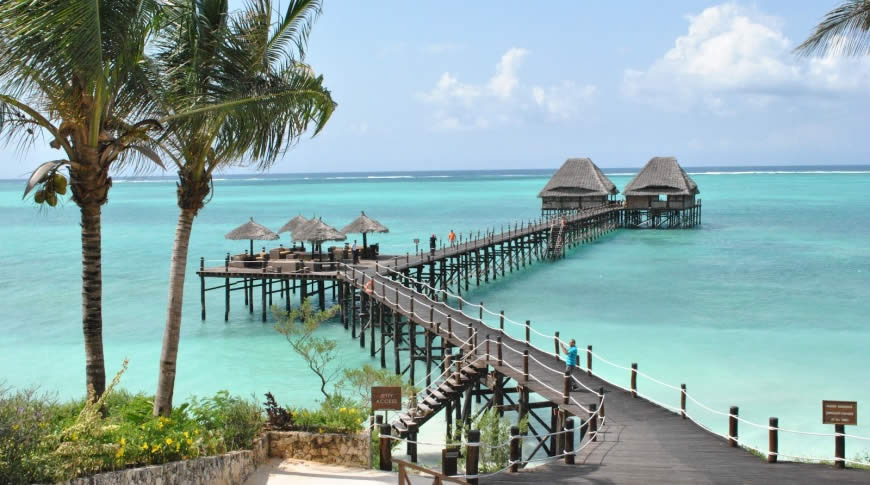
| 12-13 | Zanzibar (South East Coast) | Participate in a local marine conservation project (e.g., coral reef monitoring or mangrove restoration). Relax. | Marine conservation, local livelihoods, coastal ecosystems. |
| 14 | Depart Zanzibar |
Route 2: Cultural & Primate Immersion (Ethiopia & Rwanda) – 16 Days
This journey explores ancient cultures and offers intimate encounters with primates.
| Day | Location | Activity | Focus |
|---|---|---|---|
| 1-3 | Addis Ababa & Debre Libanos, Ethiopia | Explore historical sites in Addis. Visit the monastery at Debre Libanos, learn about Ethiopian Orthodox traditions. Hike in the surrounding gorges. | Ethiopian history, religious practices, natural landscapes. |
| 4-6 | Lalibela, Ethiopia | Deep dive into the rock-hewn churches. Engage with local priests and artisans. Explore surrounding villages. | Ancient architecture, religious pilgrimage, local life. |
| 7-9 | Gonder & Simien Mountains National Park, Ethiopia | Explore Gonder’s castles. Trek in the Simien Mountains, searching for endemic Gelada baboons and Walia ibex. Stay at a mountain lodge. | Imperial history, unique mountain fauna, dramatic scenery. |
| 10 | Fly Addis Ababa to Kigali, Rwanda | Arrive in Kigali, explore the Genocide Memorial. | Modern Rwandan history, reflection. |
| 11-13 | Volcanoes National Park, Rwanda | Two days of gorilla trekking. Optional golden monkey trek or hike to Dian Fossey’s tomb. Stay in a lodge near the park. | Gorilla conservation, primate behavior, mountain ecosystems. |
| 14-15 | Nyungwe Forest National Park, Rwanda | Chimpanzee trekking, canopy walk, explore diverse flora and fauna. | Chimpanzee behavior, rainforest ecology, biodiversity. |
| 16 | Depart Kigali |
Route 3: Remote Wilderness & Photography (Botswana & Namibia) – 18 Days
This journey focuses on vast, wild landscapes and exceptional wildlife photography opportunities in less-visited areas.
| Day | Location | Activity | Focus |
|---|---|---|---|
| 1-4 | Okavango Delta Panhandle, Botswana | Explore by mokoro (traditional canoe) and boat. Focus on birdlife and unique delta ecosystems. Stay at a remote camp. | Delta ecology, birding, slow exploration. |
| 5-8 | Linyanti Wildlife Reserve, Botswana | Focus on large predators (lions, wild dogs) and elephants. Guided drives and walking safaris in a private concession. Excellent for photography. | Predator behavior, elephant herds, photographic opportunities. |
| 9-11 | Fly to Windhoek, Namibia; Transfer to Damaraland | Explore ancient rock art at Twyfelfontein. Search for desert-adapted elephants and rhinos on guided drives. Stay in a unique desert lodge. | Geology, ancient cultures, desert-adapted wildlife. |
| 12-14 | Skeleton Coast National Park | Fly into a remote lodge. Explore shipwrecks, seal colonies, and stark coastal desert landscapes. Focus on atmospheric photography. | Coastal desert, marine life, extreme landscapes. |
| 15-17 | Etosha National Park (Private Concession/Western Side) | Focus on wildlife photography at waterholes, particularly in the less crowded western side of the park. Stay in exclusive lodges. | Wildlife photography, diverse species, exclusive access. |
| 18 | Depart Windhoek |
What to Expect from Deeper African Journeys
Africa adventure journeys for repeat travelers often involve a shift in expectations compared to a first-time, luxury safari.
- More physical engagement: Trekking, walking safaris, and active participation are common.
- Less predictable logistics: Remote travel can sometimes mean slower travel times, more changes, and a need for flexibility.
- Deeper immersion: Expect to spend more time in fewer locations, allowing for a richer understanding.
- Variable accommodation: While luxury is still available, expect more eco-lodges, research camps, or community guesthouses, which may offer fewer amenities but more authenticity.
- Specialized knowledge: Guides will often have deeper expertise in specific areas (e.g., botany, ornithology, cultural anthropology).
- Ethical considerations: A greater focus on responsible tourism, community benefit, and conservation impact.
- Potentially more challenging conditions: This could range from basic facilities in remote areas to tougher weather conditions during certain seasons.
Essential Planning & Preparation
Successful Africa adventure journeys for repeat travelers require meticulous planning tailored to your specific interests.
Choosing Your Focus
This is the most crucial step. Ask yourself:
- What aspect of Africa captivated me most on previous trips? (Wildlife, culture, landscapes, conservation?)
- What new skills or knowledge do I want to gain? (Tracking, photography, conservation science, local crafts?)
- What level of physical challenge am I comfortable with?
- What is my tolerance for rustic conditions versus the need for comfort?
- What ethical impact do I want my travel to have?
Once you have a focus (e.g., birding, cultural immersion, tracking, conservation), you can start researching specific destinations and operators.
Logistics and Travel
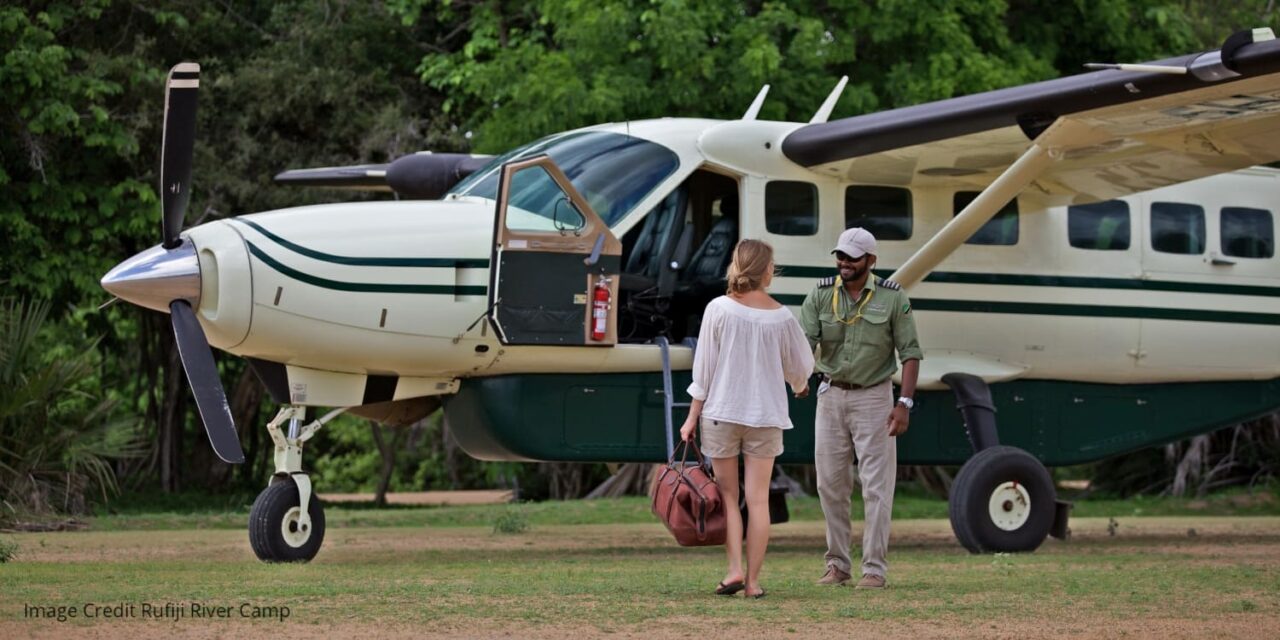
Flights: International flights are the first step. For multi-country trips, internal flights or charter flights are often necessary and can be expensive. Booking these early is vital.
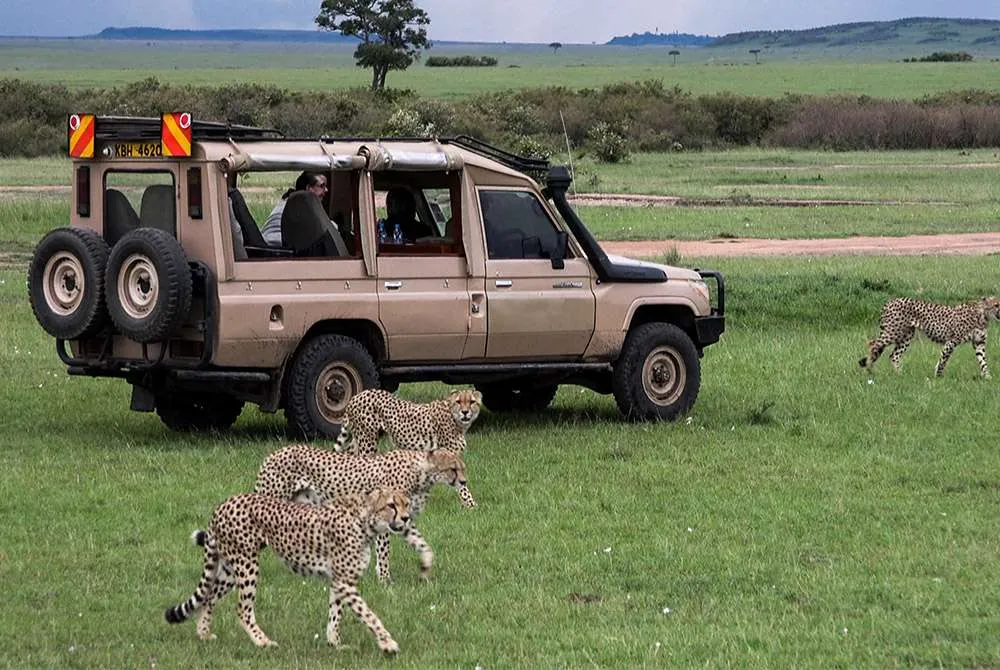
Ground Transport: This will vary from 4×4 vehicles for safaris to specialized vehicles for remote areas, or even boats and mokoros in delta regions. For trekking, porterage will be arranged.
Visas: Research visa requirements for each country well in advance. Some can be obtained on arrival, while others require pre-application.
Connectivity: Be prepared for limited or no internet/phone signal in many remote areas. This is part of the immersion, but ensure you have contact methods for emergencies.
Packing Essentials for Advanced Travelers
While many items are standard for African travel, repeat adventurers might refine their packing list:
- Layered Clothing: Essential for varying temperatures, especially on early morning drives or treks. Neutral, earth tones are best for wildlife viewing.
- Good Quality Footwear: Broken-in hiking boots are essential for trekking. Comfortable walking shoes for camp and light activities.
- Sun Protection: Wide-brimmed hat, high SPF sunscreen, sunglasses.
- Insect Repellent: With DEET or picaridin.
- Personal First-Aid Kit: Including any personal medications, blister treatment, pain relievers, antiseptic wipes.
- Binoculars: A good pair is invaluable for wildlife spotting.
- Camera Gear: Extra batteries, memory cards, telephoto lenses for wildlife, and perhaps a wide-angle for landscapes. A good camera bag.
- Headlamp/Torch: Essential for navigating camps at night.
- Reusable Water Bottle: Many camps offer filtered water refills.
- Power Bank/Adapter: For charging devices, especially if power is intermittent.
- Quick-Dry Towel: Useful for more rustic accommodations or day trips.
- Notebook and Pen: For journaling, sketching, or noting observations.
- Specific Gear: Depending on your focus – e.g., a bird guide book, specialized camera filters, waterproof bags.
What to Leave Behind: Bright colors, strong perfumes, excessive jewelry, unnecessary electronics.
Health & Safety Considerations
Vaccinations: Consult your doctor or a travel clinic 4-6 weeks before departure. Yellow fever vaccination is often required for entry between African countries. Malaria prophylaxis is recommended for many areas.
Travel Insurance: Comprehensive travel insurance, including medical evacuation, is non-negotiable. Ensure it covers the specific activities you plan to undertake (e.g., trekking at altitude).
Altitude Sickness: For treks, acclimatization is key. Ascend gradually, stay hydrated, and avoid alcohol and strenuous activity on your first few days at altitude.
Wildlife Safety: Always listen to your guide. Maintain a safe distance from all animals. Never feed wildlife. Be aware of your surroundings, especially when on foot.
Remote Area Safety: In less-visited regions, trust your guide implicitly. Understand local customs and respect them. Inform your operator of any dietary needs or medical conditions well in advance.
Common Mistakes to Avoid
Even experienced travelers can make missteps when planning deeper African adventures. Avoid these common pitfalls:
- Trying to do too much: Over-scheduling can lead to exhaustion and superficial experiences. Focus on quality over quantity.
- Underestimating travel times: Distances can be deceiving in Africa. Road conditions and flight schedules can cause delays.
- Not booking specialized guides: For niche interests, a general guide might not suffice. Invest in specialists.
- Ignoring seasonality for specific activities: Assuming peak safari season is best for all activities can mean missing out on prime birding or specific wildlife events.
- Packing inappropriate gear: Forgetting essentials like good walking shoes or packing bright clothing can hinder your experience.
- Failing to research ethical tourism operators: Ensure your chosen operator has a genuine commitment to sustainability and community benefit.
- Not having a flexible mindset: Things can and do change in Africa. Embrace the unexpected.
- Underestimating the cost of remote travel: Charter flights, exclusive concessions, and specialized guides can significantly increase costs. Budget realistically.
Who are These Journeys Best Suited For?
Africa adventure journeys for repeat travelers are ideal for:
- Passionate Wildlife Enthusiasts: Those who want to go beyond ticking off the Big Five and understand animal behavior, conservation challenges, or specific species.
- Culture Seekers: Travelers interested in authentic interactions, learning traditions, and understanding the complexities of local communities.
- Adventurous Trekkers: Individuals who enjoy physical challenges and exploring diverse mountain and wilderness landscapes.
- Conservation Advocates: Those who wish to contribute directly to wildlife protection or environmental projects.
- Photographers: Travelers looking for unique subjects, dramatic landscapes, and exceptional lighting conditions in less-crowded environments.
- The Curious and Open-Minded: Anyone who has enjoyed previous African trips and wants to explore new facets of the continent with a desire for deeper connection.
Alternatives to Consider
If your focus shifts, other African experiences might be suitable:
- Luxury Glamping Safaris: For those who want comfort alongside wildlife, but perhaps in more exclusive, private conservancies.
- Historical & Heritage Tours: Focusing on ancient civilizations, colonial history, or archaeological sites across North Africa or parts of East Africa.
- Culinary Journeys: Exploring the diverse food scenes of cities like Cape Town, Marrakech, or Nairobi, and rural food traditions.
- Art & Design Focused Trips: Discovering contemporary African art scenes, galleries, and craft traditions.
- Water-Based Adventures: Beyond Zanzibar, consider diving and snorkeling in Mozambique, exploring the Congo River, or sailing the coast of East Africa.
Planning Your 2026-2027 Adventure
Planning Africa adventure journeys for repeat travelers for 2026-2027 requires foresight. Here’s a timeline to consider:
| Timeframe Before Travel | Key Actions |
|---|---|
| 12-18 Months Out | Define your core interest (conservation, culture, trekking, photography). Research specialized operators. Identify key destinations and potential projects/lodges. Discuss custom itinerary ideas. Confirm general travel dates. |
| 9-12 Months Out | Book primary accommodation and internal flights, especially for unique lodges or remote camps. Secure spots for limited-availability activities (e.g., gorilla permits). Finalize itinerary with your operator. |
| 6-9 Months Out | Apply for necessary visas. Book international flights. Arrange travel insurance. Start researching specific packing needs. |
| 3-6 Months Out | Consult your doctor for vaccinations and malaria prophylaxis. Purchase specialized gear. Confirm all bookings and travel documents. Share itinerary with emergency contacts. |
| 1-3 Months Out | Finalize packing list. Get necessary currency. Practice any physical activities required for treks. Read up on local customs and etiquette. Confirm flight details. |
| Weeks Before | Pack your bags. Confirm airport transfers. Ensure all documents are easily accessible. Mentally prepare for the adventure! |
Booking Your Bespoke African Journey
When booking Africa adventure journeys for repeat travelers, especially custom or specialized trips, the choice of tour operator is paramount. Look for:
- Specialization: Operators who focus on specific regions or types of travel (e.g., conservation, trekking) often have deeper knowledge and contacts.
- Customization Expertise: They should be adept at crafting unique itineraries based on your interests, not just offering pre-set packages.
- Local Knowledge: A strong presence or deep understanding of the local areas you plan to visit is invaluable for authentic experiences and logistical efficiency.
- Ethical Commitment: Clear policies on sustainability, community engagement, and responsible wildlife viewing. Ask for examples of their work.
- Communication: Responsive and thorough communication is key. They should answer your questions clearly and proactively.
- Reviews & Testimonials: Look for feedback from travelers who have undertaken similar niche or advanced trips.
Working with Top Guide Adventures: For your next African adventure, especially if you’re seeking something beyond the typical tourist trail, consider partnering with experts who understand the nuances of crafting personalized experiences. We specialize in creating tailor-made journeys that cater to the discerning traveler looking for deeper engagement and unique adventure.
Contact us to discuss your vision:
- WhatsApp: +255616946642
- Email: topguideadventures@gmail.com
- Backup Email: info@topguideadventures.com
Frequently Asked Questions
Are Africa adventure journeys for repeat travelers significantly more expensive?
Not necessarily, but they can be. The cost depends on the level of exclusivity, remoteness, and specialization. For example, a conservation volunteering trip might involve basic accommodation but the value is in the experience. Conversely, chartering small aircraft to remote Botswana concessions will be costly. By focusing on your priorities, you can manage costs. Booking for 2026-2027 early can sometimes secure better rates.
How do I find legitimate conservation or volunteer opportunities?
Look for established organizations with transparent operations. Your tour operator should vet these opportunities thoroughly. Reputable programs will clearly outline what your contribution entails, what to expect, and how your participation benefits conservation or the community. Avoid programs that seem to primarily benefit the operator or offer ‘voluntourism’ without genuine impact.
Is it safe to travel to more remote areas of Africa?
Safety is a paramount concern, and reputable operators prioritize it. Remote travel inherently carries different risks. It requires meticulous planning, experienced guides, reliable communication systems, and thorough risk assessments. Traveling with a well-established company that has a strong track record in these regions significantly mitigates these risks.
What if I have specific dietary requirements for remote locations?
Always inform your tour operator of any dietary needs or allergies well in advance. Operators working in remote areas are usually experienced in catering to various requirements, often sourcing ingredients locally. However, the variety might be less than in urban centers, so clear communication is key.
How much physical fitness is required for these advanced journeys?
This varies greatly. Trekking expeditions require good cardiovascular fitness and stamina. Walking safaris are generally moderate, but can involve long hours on foot. Conservation projects might involve manual labor. It’s crucial to honestly assess your fitness level and discuss it with your operator to ensure the chosen itinerary is appropriate. For 2026-2027 trips, starting a fitness regime early is advisable.
Can I combine multiple countries for my next African adventure?
Yes, combining countries is common for repeat travelers looking to experience diverse landscapes and cultures. However, it adds complexity in terms of logistics, visas, and travel time. Efficient routing and reliable internal flights are essential. Operators specializing in multi-country trips are best equipped to handle this.
What is the typical group size for these specialized trips?
For Africa adventure journeys for repeat travelers focusing on niche experiences, group sizes are often smaller. This could range from private departures for couples or families to small groups of 6-10 people. Smaller groups allow for more flexibility, better wildlife viewing, and deeper engagement.
What are the visa requirements for repeat travelers visiting Tanzania in 2026-2027?
Visa requirements for Tanzania are generally consistent for all travelers. Most nationalities can obtain a visa upon arrival or apply online in advance. It’s always recommended to check the latest requirements with the Tanzanian embassy or consulate in your country of residence well before your planned travel dates for 2026-2027.
How do I choose between a guided group tour and a privately guided trip?
Guided group tours offer a set itinerary and a shared experience, often at a lower cost. Privately guided trips offer maximum flexibility, personalized attention, and the ability to tailor every aspect to your interests. For complex, niche, or deeply immersive Africa adventure journeys for repeat travelers, a private guide or a highly customized itinerary with a reputable operator is often the best choice.
What is the best way to prepare for a challenging trek like Mount Kenya or the Simien Mountains?
For treks in 2026-2027, preparation is key. Focus on cardiovascular fitness through running, cycling, or swimming. Incorporate strength training, especially for your legs and core. Practice hiking with a weighted backpack on varied terrain. Ensure you have appropriate gear, including broken-in hiking boots, and understand acclimatization strategies. Consult your operator for specific training advice.
Ready for Your Next African Adventure?
The spirit of Africa calls to those who have experienced its magic and seek more. Whether your passion lies in conservation, cultural depth, challenging treks, or the thrill of discovering hidden corners, Africa adventure journeys for repeat travelers offer boundless opportunities for profound discovery. Let us help you craft your next extraordinary expedition, tailored to your unique interests and aspirations.
We specialize in creating bespoke African experiences that go beyond the ordinary. From specialized safaris and Kilimanjaro treks to cultural immersions and conservation-focused adventures, we bring deep local knowledge and a passion for authentic travel.
Connect with our expert team to start planning your unforgettable journey for 2026-2027:
- WhatsApp us: +255616946642
- Email us: topguideadventures@gmail.com
- Or reach us at: info@topguideadventures.com
Your ultimate Africa adventure journey for repeat travelers awaits.
Plan your Africa Adventure Journeys for Repeat Travelers with Top Guide Adventures
Tell us your travel dates, group size, comfort level, and dream experience. We will help you shape a clear, realistic, and memorable Tanzania itinerary.

 Veedesigner
 Fatma Kizanga
 Benjamin Waryuba
 Philip Philip
 John jr Itaja
 Antonia Optatus
 Edith Kanyere
 Neema Iddy
 Kelvin Boniphace
 Damari Maiga



