
Updated planning guide for 2026-2027
Southern Africa Adventure Travel Guide: Complete 2026-2027
Planning an adventure in Southern Africa? This detailed guide covers everything you need to know for 2026-2027, from choosing destinations and activities to practical planning, budgeting, and booking your unforgettable trip.
WhatsApp +255616946642 | topguideadventures@gmail.com | info@topguideadventures.com
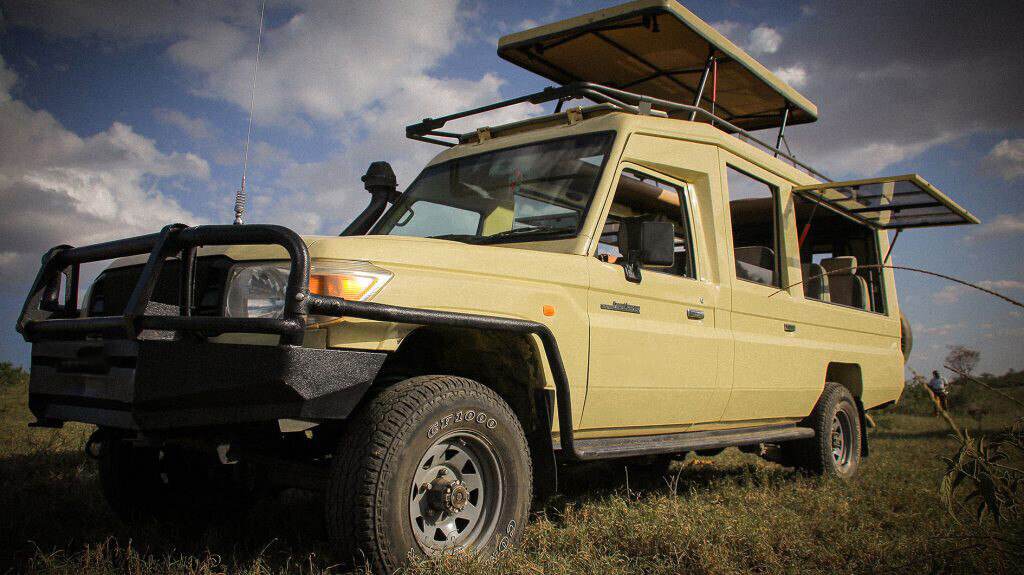
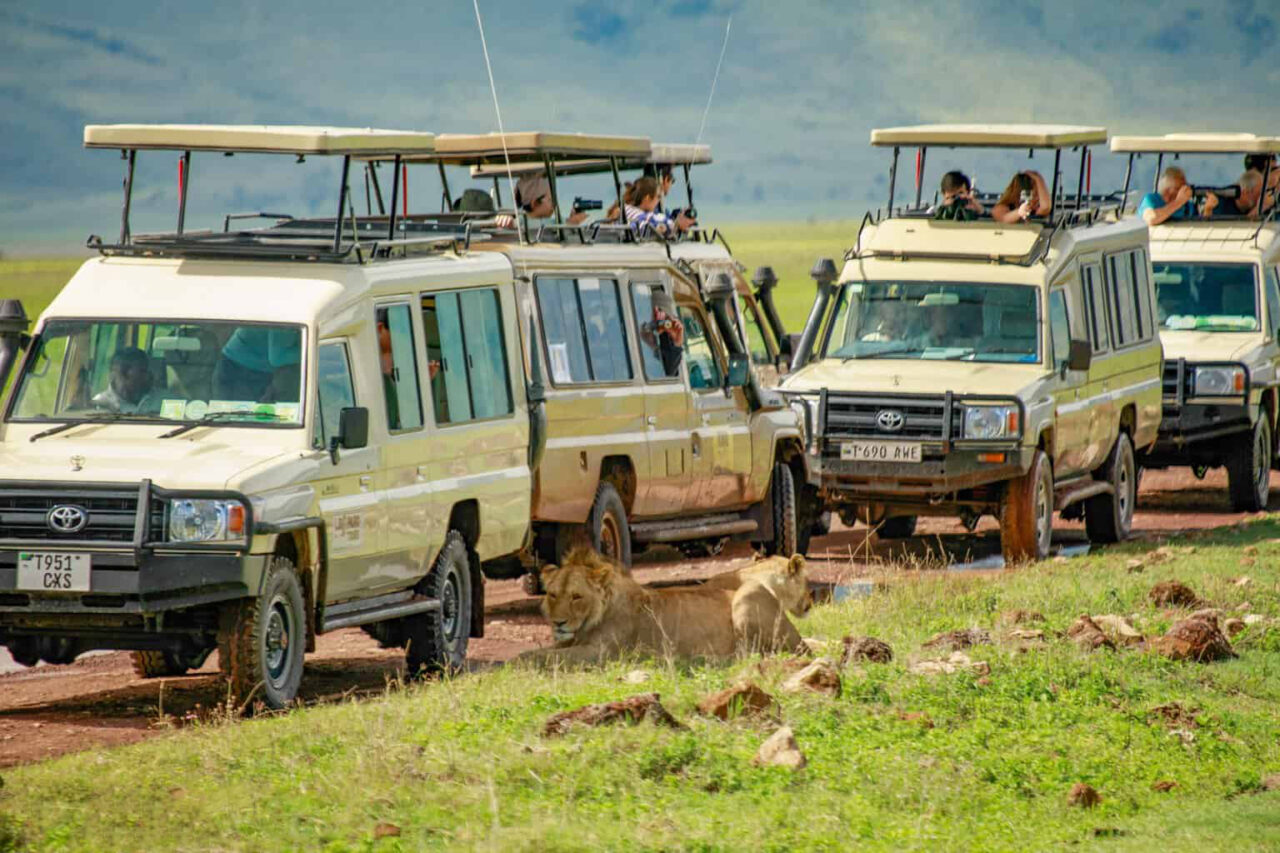
Southern Africa Adventure Travel Guide
Southern Africa offers an unparalleled playground for adventure travelers. From the vast plains of the Serengeti to the towering peaks of Kilimanjaro and the vibrant islands of Zanzibar, this region ignites the spirit of exploration. Whether you’re drawn to thrilling wildlife encounters, challenging treks, or immersive cultural experiences, a Southern Africa adventure promises memories that last a lifetime. This guide is designed to help you plan your perfect Southern Africa adventure travel experience for 2026-2027, covering essential planning details, popular destinations, and practical advice.
Table of Contents
- Quick Facts: Southern Africa Adventure Travel
- Southern Africa Adventure Overview
- Why Choose Southern Africa for Adventure?
- Best Time to Visit for Adventure
- Key Adventure Destinations & Activities
- Sample Southern Africa Adventure Itinerary
- What to Expect on Your Adventure
- Packing and Preparation Essentials
- Common Mistakes to Avoid
- Who is Southern Africa Adventure Travel For?
- Adventure Alternatives in Southern Africa
- Planning Your 2026-2027 Southern Africa Adventure
- Booking Your Southern Africa Adventure
- Frequently Asked Questions
Quick Facts: Southern Africa Adventure Travel
| Aspect | Details |
|---|---|
| Region | Southern Africa (focus on Tanzania, potentially others) |
| Primary Activities | Wildlife safaris, mountain trekking, cultural immersion, beach relaxation, water sports |
| Best For | Nature lovers, thrill-seekers, culture enthusiasts, photographers |
| Typical Trip Length | 7 days to 3 weeks (can be customized) |
| Key Countries | Tanzania, Kenya, Botswana, South Africa, Namibia, Zambia, Zimbabwe |
| Climate | Varies by location and season; generally tropical to semi-arid |
| Currency | Varies (e.g., Tanzanian Shilling, US Dollar widely accepted for tourism) |
| Language | English widely spoken in tourist areas; Swahili common in Tanzania |
Southern Africa Adventure Overview
Southern Africa is a vast and diverse continent offering a spectrum of adventure travel experiences. For the purposes of this guide, we will focus primarily on the incredible adventures available in Tanzania, a jewel of East Africa, renowned for its iconic wildlife, majestic mountains, and tropical islands. However, the spirit of Southern Africa adventure extends across its many nations, each providing unique opportunities for exploration.
Adventure in this region is not confined to adrenaline-pumping activities. It encompasses the thrill of discovery, the challenge of the unknown, and the deep connection forged with nature and local cultures. From the moment you arrive, you’ll find yourself immersed in landscapes that are both breathtaking and humbling, encountering wildlife in its natural habitat, and engaging with communities that offer a glimpse into rich traditions.
Why Choose Southern Africa for Adventure?
Southern Africa stands out for several compelling reasons for the adventure traveler:
- Unrivaled Wildlife Encounters: Home to the Great Migration, Big Five, and an astonishing array of biodiversity, safaris here are world-class.
- Iconic Natural Wonders: From Mount Kilimanjaro, Africa’s highest peak, to the Ngorongoro Crater and the beaches of Zanzibar, the natural beauty is immense.
- Diverse Activities: The opportunities for adventure are varied. You can trek challenging trails, explore underwater worlds, witness vast savannas, and delve into vibrant cultures.
- Cultural Richness: Engage with diverse ethnic groups, learn about ancient traditions, and experience the warm hospitality of the local people.
- Accessibility and Infrastructure: While wild, many key areas have well-developed tourism infrastructure, making adventure travel manageable and safe when planned correctly.
- Sense of Discovery: Many areas still feel untouched, offering a genuine sense of exploration and a chance to connect with nature on a profound level.
Best Time to Visit for Adventure
The ideal time for your Southern Africa adventure travel depends heavily on your chosen activities and destinations. Tanzania, our primary focus, has distinct seasons:
| Season | Months | Tanzania Safari Conditions | Kilimanjaro Trekking | Zanzibar Weather | Notes |
|---|---|---|---|---|---|
| Dry Season (Peak) | June – October | Excellent for game viewing, especially during the Great Migration in Serengeti. Green landscapes, but waterholes attract animals. Cooler temperatures. | Best trekking conditions, clear skies, and less rain. Popular and can be crowded. | Pleasant, less humid, sunny days, occasional light showers. Good for beach activities. | Ideal for most activities, but also the busiest and most expensive time. |
| Short Rains | November – December | Green season begins, fewer crowds, dramatic landscapes. Good for birdwatching. Some roads can be challenging. | Rainfall increases, can be muddy and slippery. Visibility may be reduced. | Hot and humid, with short, sharp rain showers, often in the afternoon. | Good value, fewer tourists, but weather can be unpredictable. |
| Long Rains (Low Season) | March – May | Lush landscapes, dramatic skies, great for photography. Very few tourists. Some roads may be impassable. | Heavy rainfall, often making trekking difficult and dangerous. Trails can be closed. | Hot, humid, and rainy. Heavy downpours are common, potentially impacting beach time. | Lowest prices, fewest crowds, but weather is a significant factor. Generally not recommended for Kilimanjaro. |
| Shoulder Season (Dry/Hot) | January – February | Generally dry and hot, good for safaris. calving season in Southern Serengeti. | Generally good trekking conditions, though can be hot. | Hot and humid, with occasional brief showers. | A good balance of weather and fewer crowds than the peak dry season. |
Key Adventure Destinations & Activities
Tanzania, a powerhouse of East African adventure, offers a remarkable range of experiences:
Northern Tanzania Circuit (Safari Focus)
- Serengeti National Park: Famous for the Great Migration, vast plains, and incredible predator-prey interactions. Activities: Game drives, hot air balloon safaris, walking safaris (in designated areas).
- Ngorongoro Conservation Area: A UNESCO World Heritage Site featuring the Ngorongoro Crater, a caldera teeming with wildlife, including the Big Five. Activities: Crater floor game drives, Maasai village visits, walking safaris on the crater rim.
- Tarangire National Park: Known for its large elephant herds and baobab trees. Activities: Game drives, walking safaris.
- Lake Manyara National Park: Famous for its tree-climbing lions and diverse birdlife. Activities: Game drives, canoeing (seasonal).
Mount Kilimanjaro (Trekking Focus)
- Mount Kilimanjaro: Africa’s highest peak at 5,895 meters (19,341 feet). A challenging but achievable climb for most reasonably fit individuals. Activities: Multi-day treks via various routes (Machame, Lemosho, Marangu, etc.).
Zanzibar Archipelago (Island Adventure)
- Zanzibar Island: Offers a blend of history, culture, and tropical beauty. Activities: Spice tours, exploring Stone Town, snorkeling, diving (Mnemba Atoll), kiteboarding, dhow cruises, relaxing on pristine beaches.
- Pemba Island: Less developed than Zanzibar, known for its pristine diving and snorkeling sites. Activities: Diving, snorkeling, exploring local life.
Sample Southern Africa Adventure Itinerary (Tanzania Focus)
This sample itinerary balances iconic safari experiences with a taste of Kilimanjaro’s grandeur and Zanzibar’s charm. It’s a 14-day adventure, customizable to your preferences and available time.
| Day | Location | Activity | Notes |
|---|---|---|---|
| 1 | Arusha | Arrival at Kilimanjaro International Airport (JRO), transfer to hotel. Briefing for your upcoming adventure. | Rest and acclimatize. |
| 2 | Arusha to Tarangire NP | Morning drive to Tarangire. Afternoon game drive. | Known for elephants and baobabs. |
| 3 | Tarangire to Serengeti NP | Full day game drive in the Serengeti, heading towards Central Serengeti. | Experience the vast plains and wildlife. |
| 4 | Serengeti National Park | Full day game drives in Serengeti. Optional hot air balloon safari at dawn. | Focus on predator sightings and migration (seasonal). |
| 5 | Serengeti to Ngorongoro | Morning game drive in Serengeti, then drive to Ngorongoro Conservation Area. Overnight at crater rim lodge. | Stunning views. |
| 6 | Ngorongoro Crater | Full day game drive inside the Ngorongoro Crater. | High concentration of wildlife. |
| 7 | Ngorongoro to Moshi/Kilimanjaro Base | Drive to Moshi town, the gateway to Kilimanjaro. Prepare for trek. | Meet your guides, gear check. |
| 8 – 12 | Mount Kilimanjaro Trek | Ascend Mount Kilimanjaro via a chosen route (e.g., Machame). (5 days) | Focus on acclimatization and reaching Uhuru Peak. (This section can be extended/modified to a full 7-day trek). |
| 13 | Descend Kilimanjaro & Transfer to Arusha/Airport | Complete descent, transfer to Arusha for relaxation or direct transfer to Zanzibar flight. | Celebrate your achievement. |
| 14 | Zanzibar | Fly to Zanzibar. Transfer to beach resort. Relax. | Enjoy the tropical island. |
| 15 | Zanzibar | Spice tour and Stone Town exploration. | Immerse in history and flavors. |
| 16 | Zanzibar | Snorkeling or diving trip to Mnemba Atoll. | Discover marine life. |
| 17 | Zanzibar | Relax on the beach or enjoy water sports. Departure. | Fond farewell to Tanzania. |
What to Expect on Your Adventure
Southern Africa adventure travel is an immersive experience. Expect:
- Early Mornings: Safaris often start at dawn to catch animals at their most active.
- Long Drives: Travel between destinations can involve significant time on the road, often on unpaved tracks. Game drives themselves are also a form of travel.
- Varying Accommodation: From luxury lodges and tented camps to basic mountain huts, your accommodation will depend on your itinerary and budget.
- Physical Demands: Trekking Kilimanjaro requires significant physical fitness. Safaris involve walking safaris and potentially climbing into and out of vehicles.
- Wildlife Encounters: While incredible, wildlife sightings are not guaranteed. Patience and expert guiding are key.
- Cultural Interactions: Opportunities to meet local communities are often part of the experience, offering valuable insights.
- Unpredictable Weather: Tropical climates can bring sudden rain showers or intense heat.
- Digital Detox: Connectivity can be limited in remote areas, offering a chance to disconnect.
Packing and Preparation Essentials
Proper preparation is crucial for a successful Southern Africa adventure.
Clothing:
- Neutral-colored clothing: Khaki, olive green, beige are best for safaris to avoid startling wildlife. Avoid bright colors and black/dark blue which can attract tsetse flies.
- Layering: Pack light, breathable layers. Mornings and evenings can be cool, especially on safari and at higher altitudes.
- Long-sleeved shirts and trousers: For sun protection and mosquito protection in the evenings.
- Fleece jacket or warm sweater: Essential for cooler mornings/evenings and for Kilimanjaro.
- Waterproof and windproof jacket: For rain and wind, especially on Kilimanjaro.
- Comfortable walking shoes/hiking boots: Broken-in hiking boots are essential for Kilimanjaro. Comfortable trainers for general use.
- Sandals or flip-flops: For relaxing at lodges.
- Sun hat: Wide-brimmed for maximum protection.
- Swimsuit: For Zanzibar or lodge pools.
Gear & Health:
- Sunscreen (high SPF): The equatorial sun is strong.
- Insect repellent: With DEET or Picaridin.
- Personal first-aid kit: Include any personal medications, pain relievers, antiseptic wipes, bandages, blister treatment.
- Reusable water bottle: Stay hydrated. Many lodges offer filtered water refills.
- Camera and extra batteries/memory cards: You’ll want to capture everything. A zoom lens is highly recommended for safaris.
- Binoculars: Essential for spotting wildlife at a distance.
- Headlamp or flashlight: Useful for navigating at night.
- Power adapter and portable charger: For keeping electronics charged.
- Dry bag: To protect electronics and valuables from dust and rain.
- Travel towel: Quick-drying microfiber towels are useful.
Important Documents & Health:
- Passport and Visas: Ensure your passport is valid for at least six months beyond your stay and has blank pages. Check visa requirements for your nationality.
- Vaccination Certificates: Yellow Fever vaccination may be required, especially if traveling from or transiting through certain countries. Consult your doctor well in advance.
- Travel Insurance: Comprehensive travel insurance covering medical emergencies, evacuation, trip cancellation, and lost belongings is non-negotiable.
- Malaria Prophylaxis: Consult your doctor about malaria prevention medication.
- Copies of important documents: Keep digital and physical copies of your passport, visa, insurance, and flight details separate from the originals.
Common Mistakes to Avoid
To ensure a smooth and enjoyable Southern Africa adventure travel experience, be aware of these common pitfalls:
- Underestimating travel times: Distances can be vast, and road conditions can slow travel significantly. Factor in buffer time.
- Packing too much: Luggage restrictions on small safari planes can be strict. Pack light and efficiently.
- Not booking in advance: Especially for peak season (June-October) and popular treks like Kilimanjaro, accommodation and permits sell out quickly.
- Ignoring health advice: Consult your doctor about vaccinations and malaria prevention well before your trip. Drink only treated or bottled water.
- Expecting guaranteed sightings: Wildlife is wild. While chances are high, respect that sightings depend on nature.
- Not respecting local culture: Dress modestly when visiting villages and be mindful of local customs and traditions. Ask permission before taking photos of people.
- Choosing the wrong Kilimanjaro route: Some routes offer better acclimatization than others. Research is key.
- Not budgeting for extras: Factor in tips, souvenirs, drinks, and optional activities.
- Relying solely on credit cards: While accepted in many tourist establishments, cash is essential for smaller purchases, tips, and in more remote areas.
Who is Southern Africa Adventure Travel For?
This type of travel is ideal for:
- Nature Enthusiasts: Those who want to witness diverse ecosystems and abundant wildlife in their natural habitats.
- Active Individuals: People who enjoy physical challenges like trekking, hiking, and water sports.
- Culture Seekers: Travelers interested in learning about different traditions, meeting local communities, and experiencing authentic African life.
- Photography Buffs: The landscapes, wildlife, and vibrant cultures offer endless photographic opportunities.
- Thrill-Seekers: Those looking for unique experiences like hot air balloon safaris or exploring remote areas.
- Families with Older Children: Many safaris and even Kilimanjaro treks can be adapted for adventurous families.
- Couples and Honeymooners: The romantic settings and unique experiences make it a popular choice for special occasions.
Adventure Alternatives in Southern Africa
While Tanzania offers incredible adventure, the broader Southern Africa region presents other compelling options:
- Botswana: Known for its exclusive, high-end safaris, particularly in the Okavango Delta and Chobe National Park. Offers mokoro (dugout canoe) excursions and walking safaris.
- Namibia: Famous for its dramatic desert landscapes, Sossusvlei dunes, wildlife in Etosha National Park, and the Skeleton Coast. Offers dune boarding, quad biking, and desert safaris.
- South Africa: Offers a wide range of adventures, from Kruger National Park safaris and shark cage diving near Gansbaai to hiking in the Drakensberg Mountains and exploring the Cape Peninsula.
- Zambia & Zimbabwe: Home to Victoria Falls, one of the world’s largest waterfalls, offering activities like white-water rafting, bungee jumping, and helicopter flights. Also offers excellent walking safaris in parks like South Luangwa.
- Malawi: Known as the “Lake of Stars” for Lake Malawi, offering excellent freshwater snorkeling, diving, and kayaking opportunities, alongside wildlife viewing in its national parks.
Each destination offers a distinct flavor of adventure, allowing you to tailor your journey to your specific interests.
Planning Your 2026-2027 Southern Africa Adventure
Planning your Southern Africa adventure travel for 2026-2027 requires foresight and attention to detail. Here’s a step-by-step approach:
- Define Your Adventure Type: What kind of adventure are you seeking? Pure wildlife focus? Trekking challenge? Cultural immersion? Beach relaxation combined with activities?
- Choose Your Destinations: Based on your adventure type, select the countries and specific parks or regions that best suit your interests. For a comprehensive experience in 2026-2027, consider combining safari, trekking, and island relaxation in Tanzania.
- Determine Your Travel Dates: Consult the ‘Best Time to Visit’ section. For 2026-2027, booking popular periods like June-October for safaris and Kilimanjaro treks should be done 8-12 months in advance.
- Set Your Budget: Southern Africa adventure travel can range from budget-friendly to luxury. Factor in flights, accommodation, park fees, activities, food, visas, insurance, and personal expenses. A mid-range safari in Tanzania can cost roughly $300-$500 per person per day, excluding international flights. Kilimanjaro treks vary significantly by route and operator, typically ranging from $2,000 to $4,000+. Zanzibar holidays can be more budget-friendly or luxurious depending on accommodation.
- Research Tour Operators: Look for reputable operators with good reviews, local expertise, and a commitment to responsible tourism. For Tanzania, operators like Top Guide Adventures are highly recommended.
- Book Key Components Early: Kilimanjaro permits, popular safari lodges, and flights should be booked well in advance, especially for 2026-2027 travel during peak seasons.
- Health Preparations: Schedule appointments with your doctor or a travel clinic at least 6-8 weeks before departure to discuss vaccinations and malaria prophylaxis.
- Visa Applications: Research and apply for any necessary visas well in advance.
- Travel Insurance: Purchase comprehensive travel insurance as soon as you book your trip.
- Physical Training: If trekking Kilimanjaro or planning active excursions, start a consistent fitness routine several months prior.
Booking Your Southern Africa Adventure
Booking your Southern Africa adventure travel for 2026-2027 requires careful consideration to ensure a safe, enjoyable, and well-organized trip. Working with a trusted tour operator is highly recommended, especially for complex itineraries involving multiple activities and locations.
Why Book with a Tour Operator?
- Expertise: Local operators have in-depth knowledge of destinations, wildlife patterns, best routes, and cultural nuances.
- Logistics Management: They handle all the complex arrangements, including park permits, accommodation bookings, internal flights, transfers, and guide arrangements.
- Safety and Support: Reputable operators prioritize safety, providing experienced guides and reliable vehicles. They offer support throughout your trip.
- Customization: Most operators can tailor itineraries to your specific interests, budget, and timeframe.
- Value: While it might seem more expensive upfront, operators often secure better rates for accommodation and services, and their expertise prevents costly mistakes.
Choosing the Right Operator:
- Read Reviews: Look for independent reviews on platforms like TripAdvisor, Google, and specialized travel forums.
- Check Credentials: Ensure they are properly licensed and registered.
- Ask Questions: Don’t hesitate to ask about their experience, safety protocols, guide qualifications, and sustainability practices.
- Clarity on Inclusions: Understand exactly what is and isn’t included in your package (e.g., park fees, meals, drinks, tips, laundry).
Booking Timeline (for 2026-2027):
- 12+ Months Out: For peak season travel, popular Kilimanjaro treks, or complex multi-country trips.
- 6-9 Months Out: For shoulder season travel or standard safari packages.
- 3-6 Months Out: For off-peak season travel or shorter, simpler trips.
For an exceptional Southern Africa adventure travel experience in Tanzania, consider reaching out to local experts. Top Guide Adventures specializes in creating unforgettable safari, Kilimanjaro, and Zanzibar experiences.
Ready to Plan Your Southern Africa Adventure?
Let our experienced team at Top Guide Adventures craft your perfect Southern Africa adventure travel journey. We offer bespoke safaris, Kilimanjaro treks, and Zanzibar holidays tailored to your dreams. Whether you’re planning for 2026 or 2027, we ensure an unforgettable experience.
Contact us today:
- WhatsApp: +255616946642
- Email: topguideadventures@gmail.com
- Backup Email: info@topguideadventures.com
We look forward to helping you plan your adventure of a lifetime!
Frequently Asked Questions
What is the best way to experience Southern Africa adventure travel?
The best way is to combine iconic wildlife viewing with active exploration and cultural immersion. For instance, a Tanzania itinerary might include Serengeti safaris, a Kilimanjaro trek, and relaxation on Zanzibar. Working with a local, experienced tour operator is highly recommended to manage logistics and ensure safety.
Is Southern Africa safe for adventure travel?
Southern Africa is generally safe for tourists, especially when traveling with reputable operators and adhering to safety guidelines. Common sense precautions, awareness of your surroundings, and following advice from guides are crucial. For specific concerns like health, consult your doctor about vaccinations and malaria prevention well in advance of your 2026-2027 trip.
What are the visa requirements for Southern Africa?
Visa requirements vary significantly by country and nationality. For Tanzania, many nationalities can obtain a visa on arrival or apply online in advance. It’s essential to check the specific requirements for each country you plan to visit well before your 2026-2027 travel dates. Your tour operator can often provide guidance.
How physically demanding is Southern Africa adventure travel?
The physical demands vary greatly. Safaris involve moderate activity like getting in and out of vehicles and short walks. Trekking Kilimanjaro is very demanding and requires good cardiovascular fitness and stamina. Activities like snorkeling or cultural village visits are generally less strenuous. Assess your fitness level honestly when planning.
What should I pack for a safari in Southern Africa?
Pack light, neutral-colored, breathable clothing for safaris. Essentials include long-sleeved shirts and trousers for sun/insect protection, a fleece or warm layer for cool mornings/evenings, a wide-brimmed hat, sunscreen, insect repellent, comfortable walking shoes, binoculars, and a camera. For Kilimanjaro, specialized trekking gear is required.
Can I do a Southern Africa adventure trip on a budget in 2026-2027?
While some Southern African adventures can be costly, it’s possible to manage the budget. Traveling during the shoulder or low seasons (e.g., April-May, November) can offer lower prices. Opting for mid-range accommodation, focusing on fewer destinations, and booking group tours can also help reduce costs. Self-driving is an option in some countries but requires significant planning and is not always recommended for first-time visitors seeking adventure.
What is the best time for Kilimanjaro trekking in 2026-2027?
The best times for trekking Kilimanjaro are during the dry seasons: January to March and June to October. These periods offer clearer skies, less rain, and better trail conditions. Avoid the long rainy season (March-May) and the short rains (November).
How much should I tip guides and staff on safari or Kilimanjaro?
Tipping is customary and greatly appreciated. For safaris, expect to tip your driver-guide daily. For Kilimanjaro, you tip the entire crew (guide, assistant guides, cook, porters) at the end of the trek. Specific amounts vary, but your tour operator will provide recommended tipping guidelines. These are typically budgeted separately.
What kind of wildlife can I expect to see on a Tanzania safari?
In Tanzania’s Northern Circuit, you can expect to see the Big Five (lion, leopard, elephant, rhino, buffalo), along with giraffes, zebras, wildebeest (especially during the Great Migration in the Serengeti), cheetahs, hyenas, hippos, crocodiles, and a vast array of bird species. The Ngorongoro Crater offers a particularly dense concentration of wildlife.
Is it possible to combine safari with beach holidays in Southern Africa?
Absolutely! Tanzania is a prime example, offering world-class safaris followed by relaxation and water sports in Zanzibar. Other combinations are possible in countries like Kenya (coast after safari) or Mozambique (diving and beaches after land-based safaris in neighboring countries).
Plan your Southern Africa Adventure Travel Guide with Top Guide Adventures
Tell us your travel dates, group size, comfort level, and dream experience. We will help you shape a clear, realistic, and memorable Tanzania itinerary.







 Veedesigner
 Fatma Kizanga
 Benjamin Waryuba
 Philip Philip
 John jr Itaja
 Antonia Optatus
 Edith Kanyere
 Neema Iddy
 Kelvin Boniphace
 Damari Maiga



