
Updated planning guide for 2026-2027
Budget Exploration Trips In Southern Africa: Affordable Planning Guide
Discover how to plan affordable and enriching exploration trips in Southern Africa. This comprehensive guide covers destinations, practical planning, budgeting, and essential tips for 2026-2027 adventures.
WhatsApp +255616946642 | topguideadventures@gmail.com | info@topguideadventures.com
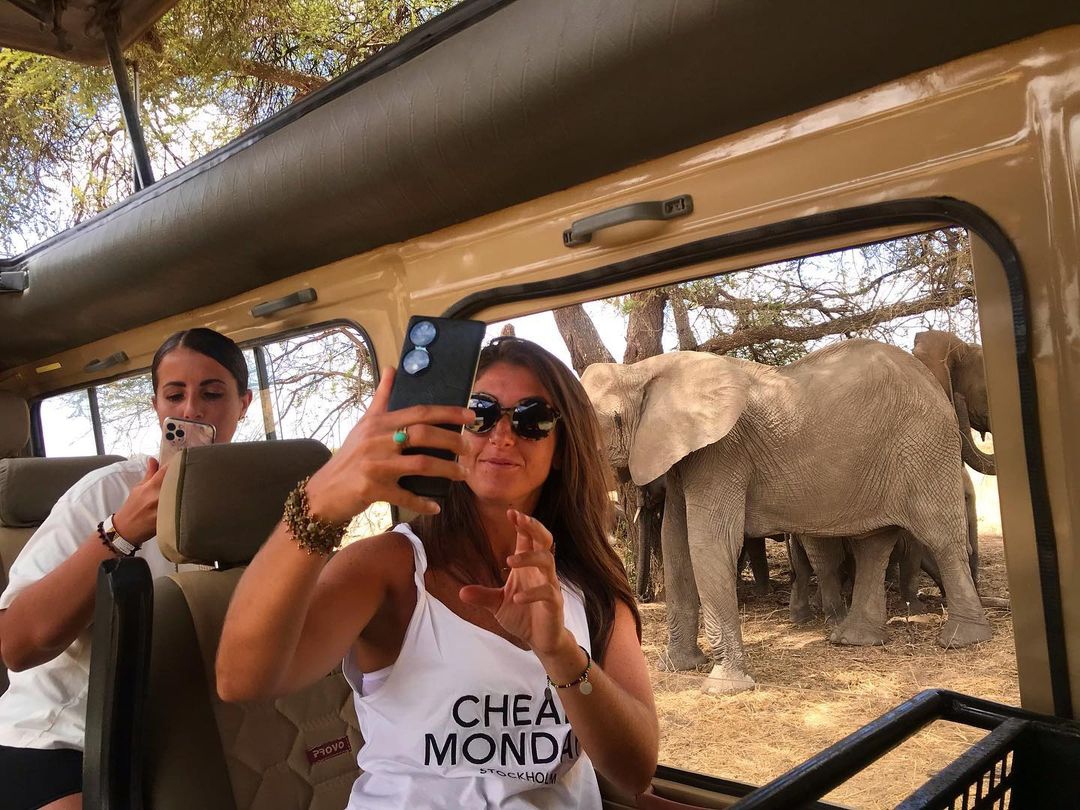
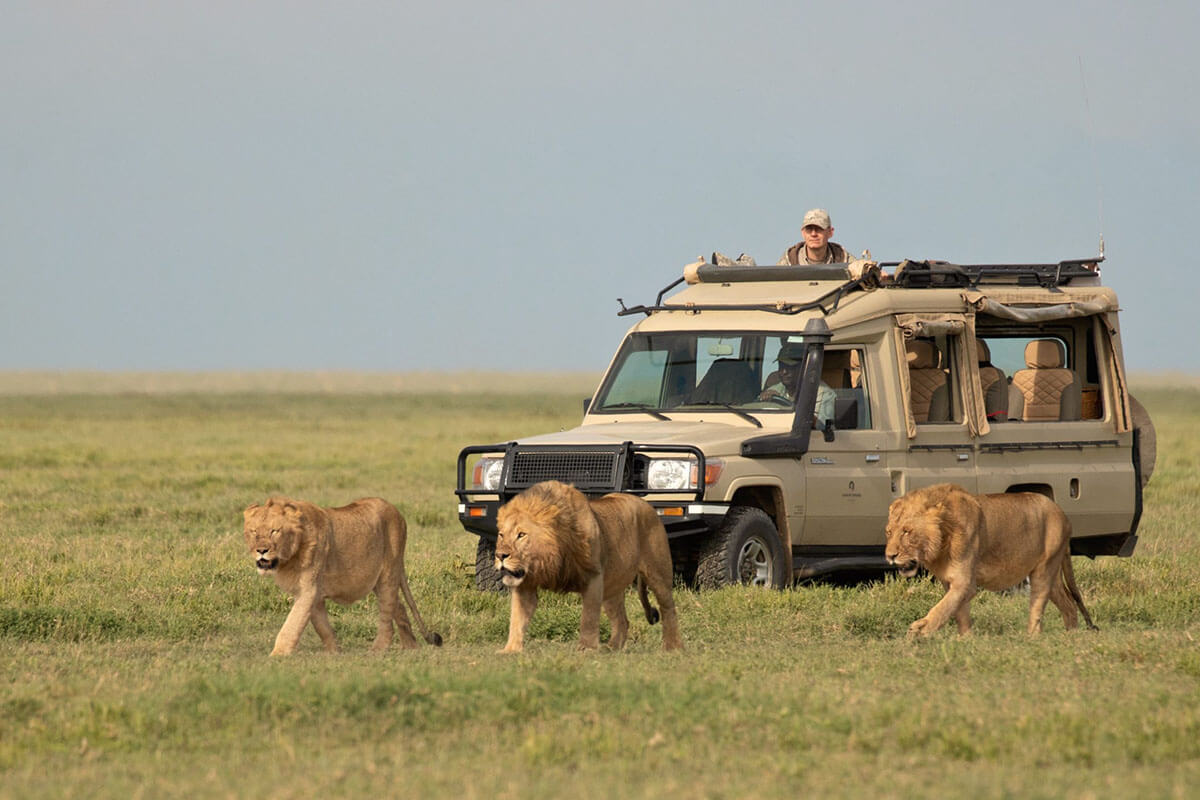
Southern Africa offers an incredible array of landscapes, wildlife, and cultures, making it a dream destination for many travelers. Yet, the idea of exploring this vast region often conjures images of significant expense. The good news is that with careful planning and smart choices, budget exploration trips in Southern Africa are not only possible but can be incredibly rewarding. This guide is designed to help you navigate the possibilities, from choosing your destinations to packing your bags, ensuring your adventure is both memorable and affordable.
Whether you’re drawn to the iconic savannas of Botswana, the dramatic coastlines of South Africa, or the cultural richness of Zimbabwe, understanding how to travel economically is key. We’ll cover everything you need to know to make your Southern African journey a reality in 2026-2027, focusing on practical advice to maximize your experience while minimizing costs.
Quick Facts: Budget Exploration Trips in Southern Africa
| Region Focus | Southern Africa (e.g., South Africa, Botswana, Namibia, Zimbabwe, Zambia, Tanzania) |
| Travel Style | Budget-conscious, independent, small group, overland tours |
| Key Activities | Wildlife safaris, cultural immersion, hiking, scenic drives, city exploration |
| Best Time to Travel (Budget) | Shoulder seasons (e.g., April-May, September-October) often offer lower prices and fewer crowds. Dry season (June-October) is popular for wildlife viewing but can be pricier. |
| Typical Budget Considerations | Accommodation (hostels, guesthouses, camping), transport (local buses, shared shuttles, self-drive), food (local markets, self-catering), activities (group tours, park fees). |
| Visa Requirements | Varies by nationality and country. Research well in advance. |
Table of Contents
- Southern Africa on a Shoestring: An Overview
- Why Budget Exploration Trips Matter
- Best Time to Visit for Budget Travelers (2026-2027)
- Top Destinations for Budget Exploration
- Crafting Your Budget Itinerary: Sample Routes
- What to Expect on Budget Exploration Trips
- Budget Accommodation Options
- Affordable Transportation Strategies
- Eating Well on a Budget
- Cost-Effective Activities and Safaris
- Essential Packing for Budget Travel
- Common Mistakes to Avoid
- Who Are Budget Exploration Trips Best For?
- Alternatives to Consider
- Planning Your 2026-2027 Trip: A Checklist
- Booking Advice for Budget Travelers
- Frequently Asked Questions (FAQs)
- Start Planning Your Southern Africa Adventure
Southern Africa on a Shoestring: An Overview
Southern Africa, a region brimming with natural wonders and vibrant cultures, often seems out of reach for budget-conscious travelers. However, the reality is that with strategic planning, an adventurous spirit, and a willingness to embrace local experiences, you can explore this magnificent part of the world without breaking the bank. Budget exploration trips in Southern Africa are about smart choices, prioritizing experiences over luxury, and leveraging local knowledge.
This region encompasses countries like South Africa, Botswana, Namibia, Zimbabwe, Zambia, and parts of Mozambique and Angola. Each offers unique attractions, from the Big Five on safari to the vastness of the Kalahari Desert, the Victoria Falls, and the historical significance of cities like Cape Town and Harare. The key to a successful budget trip lies in understanding which countries offer more affordable travel infrastructure, how to navigate transportation efficiently, and where to find value in accommodation and activities.
For instance, while Botswana is a premier safari destination, it can be one of the more expensive countries. Combining it with more affordable neighbors like South Africa or Namibia, or focusing on specific budget-friendly regions within these countries, can significantly reduce costs. Similarly, opting for overland tours that include transport, some accommodation, and guided activities can offer a structured yet economical way to see multiple highlights.
Why Budget Exploration Trips Matter
Traveling on a budget is not just about saving money; it often leads to a more authentic and immersive experience. When you’re not staying in high-end resorts, you’re more likely to interact with local communities, eat at local eateries, and use local transportation. This fosters a deeper understanding of the places you visit.
Budget exploration trips in Southern Africa encourage travelers to be more resourceful and adaptable. You learn to negotiate prices, find hidden gems, and rely on your own problem-solving skills. This can be incredibly empowering and lead to a stronger sense of accomplishment.
Furthermore, for many, a budget approach makes a dream trip possible. Southern Africa is a significant investment for many travelers, and by adopting a budget-friendly mindset, more people can experience its magic. It allows for longer stays, enabling a more thorough exploration of a country or region, rather than a rushed, superficial visit.
Best Time to Visit for Budget Travelers (2026-2027)
Timing is crucial for budget travel in Southern Africa. While peak seasons (often the dry season, June to October, for optimal wildlife viewing) command higher prices and larger crowds, the shoulder seasons and even parts of the wet season can offer significant savings.
| Season | Months | Pros for Budget Travelers | Cons for Budget Travelers | Example Destinations |
|---|---|---|---|---|
| Shoulder Season (Spring/Autumn) | April-May, September-October | Pleasant weather, fewer tourists, lower accommodation and flight prices. Wildlife is still active. | Some lodges might have slightly reduced services; weather can be transitional. | South Africa (Kruger, Garden Route), Botswana (Okavango Delta fringes), Namibia (Etosha). |
| Wet Season (Green Season) | November-March | Lowest prices for flights and accommodation. Lush landscapes, excellent birdwatching, baby animals born. | Rain can disrupt travel, especially in remote areas. Wildlife viewing can be harder as animals disperse and vegetation is thick. Higher humidity and temperatures in some areas. Malaria risk can be higher. | Zambia (South Luangwa – walking safaris), Tanzania (Serengeti – calving season), Zimbabwe (Hwange). |
| Peak Season (Dry Season) | June-October | Best wildlife viewing as animals congregate around water sources. Stable, cooler weather. | Highest prices for flights and accommodation. Most crowded. Essential to book well in advance. | All major safari destinations: Botswana, South Africa, Namibia, Zimbabwe, Zambia. |
For 2026-2027, consider targeting the shoulder months of April, May, September, and October. You’ll likely find a good balance of favorable weather, accessible wildlife, and reduced costs compared to the peak dry season. Traveling during the wet season (November to March) can offer the deepest discounts, especially if you are flexible with your safari plans and focus on areas less impacted by rain.
Top Destinations for Budget Exploration
While many countries in Southern Africa can be explored on a budget, some offer more infrastructure and options for cost-conscious travelers.
South Africa
South Africa is often the most accessible entry point for budget travelers due to its well-developed infrastructure, diverse accommodation options (from backpacker hostels to affordable guesthouses), and extensive public transport network.
- Highlights: Kruger National Park (self-drive safari options), Cape Town (Table Mountain, Robben Island, vibrant city life), Garden Route (scenic drives, adventure activities), Drakensberg Mountains (hiking).
- Budget Tips: Utilize backpacker hostels, self-cater, take intercity buses (like Intercape or Greyhound), consider self-driving for flexibility. Look for park entry fee discounts or affordable private reserves.
Namibia
Namibia’s vast, dramatic landscapes are a major draw. While self-driving is popular and can be cost-effective for groups, accommodation can be pricier. Camping is a very viable and affordable option here.
- Highlights: Sossusvlei (dunes), Etosha National Park (unique waterhole-centric safari), Swakopmund (adventure activities), Damaraland (desert-adapted wildlife).
- Budget Tips: Campgrounds are excellent and plentiful. Book a 4×4 if venturing into remote areas or opt for a standard vehicle if sticking to main routes. Group tours can be economical.
Zimbabwe
Home to the magnificent Victoria Falls and Hwange National Park, Zimbabwe can be surprisingly affordable, especially for safaris and activities.
- Highlights: Victoria Falls (one of the Seven Natural Wonders), Hwange National Park (excellent game viewing), Mana Pools National Park (walking safaris).
- Budget Tips: Stay in guesthouses or budget lodges near Victoria Falls. Look for local tour operators for activities. Hwange offers self-catering chalets and camping.
Zambia
Zambia is renowned for its authentic, off-the-beaten-path safari experiences, particularly walking safaris, which can sometimes be more affordable than traditional vehicle-based ones.
- Highlights: South Luangwa National Park (walking safari capital), Victoria Falls (from the Zambian side), Lower Zambezi National Park.
- Budget Tips: Camping and self-catering options are available in national parks. Focus on South Luangwa for incredible wildlife encounters at a reasonable cost, especially during the green season.
Botswana (Budget Focus)
Botswana is generally considered a luxury safari destination due to its high-cost conservation model. However, budget exploration is possible by focusing on specific areas and travel styles.
- Highlights: Okavango Delta, Chobe National Park, Moremi Game Reserve.
- Budget Tips: Camping is the most affordable way to stay within national parks. Overland tours that include camping and transport can be significantly cheaper than flying into lodges. Self-drive can be viable but requires careful planning and a robust vehicle. Consider visiting during the green season for lower rates.
Crafting Your Budget Itinerary: Sample Routes
Designing an itinerary requires balancing your interests with logistical feasibility and cost. Here are a couple of sample route ideas for budget exploration trips in Southern Africa, keeping 2026-2027 travel in mind.
Sample Route 1: Southern Africa Highlights (Approx. 3 Weeks)
This route focuses on iconic sights and offers a mix of self-drive and organized tours, suitable for those looking for a diverse experience.
Week 1: South Africa – Cape Town & Garden Route
- Days 1-4: Cape Town – Arrive, explore the city (Table Mountain, V&A Waterfront, Bo-Kaap). Stay in a backpacker hostel or budget guesthouse. Use local transport or ride-sharing.
- Days 5-7: Garden Route (West) – Rent a small car or join a budget tour. Visit Hermanus (whale watching in season), explore coastal towns like Wilderness, Knysna. Stay in guesthouses or campsites.
Week 2: South Africa – Safari & Travel North
- Days 8-11: Kruger National Park (Budget Safari) – Drive yourself or join a budget safari operator. Stay in park rest camps (self-catering chalets/camping). Focus on self-game drives.
- Days 12-14: Travel to Victoria Falls – Take an overland bus (e.g., from Johannesburg) or a budget flight to Livingstone (Zambia) or Victoria Falls (Zimbabwe).
Week 3: Zimbabwe/Zambia – Victoria Falls & Hwange/South Luangwa
- Days 15-17: Victoria Falls – Explore the falls, consider budget-friendly activities like a sunset cruise on the Zambezi or a guided tour of the rainforest. Stay in budget accommodation in Victoria Falls town or Livingstone.
- Days 18-21: Hwange NP (Zimbabwe) or South Luangwa NP (Zambia) – Opt for a budget camping safari or overland tour into one of these parks for a more authentic wildlife experience. Return travel from Livingstone/Victoria Falls.
Sample Route 2: Namibia Overland Adventure (Approx. 2-3 Weeks)
This route is ideal for those who love dramatic landscapes and are comfortable with camping and overland travel.
Week 1: Windhoek & Kalahari/Sossusvlei
- Days 1-2: Windhoek – Arrive, pick up rental vehicle (consider 4×4 for flexibility), stock up on supplies. Stay in a guesthouse or campsite.
- Days 3-5: Kalahari Desert or Sossusvlei – Drive south. Camp or stay in basic lodges. Explore desert landscapes. If Sossusvlei, stay near Sesriem for early access to dunes.
Week 2: Swakopmund & Skeleton Coast
- Days 6-9: Swakopmund/Walvis Bay – Coastal towns offering adventure activities (dune boarding, kayaking with seals). Stay in hostels or guesthouses. Explore the Skeleton Coast viewpoints.
Week 3: Etosha National Park & Return
- Days 10-14: Etosha National Park – Drive north to Etosha. Stay in park rest camps (self-catering chalets/camping) and self-drive for game viewing at waterholes.
- Days 15-16: Return to Windhoek – Drive back to Windhoek, drop off vehicle, depart.
Note: These are sample routes. For budget exploration trips in Southern Africa, consider overland tour companies that often have set itineraries covering multiple countries affordably. For 2026-2027, booking such tours early is advisable.
Illustrative Route Overview (Text-Based)
General Flow:
- Start Point: Johannesburg (South Africa) or Windhoek (Namibia) or Livingstone (Zambia)/Victoria Falls (Zimbabwe).
- Option A (South Africa Focus): Johannesburg -> Kruger NP -> (Fly/Bus) -> Cape Town -> Garden Route -> (Fly/Bus) -> Johannesburg.
- Option B (Namibia Focus): Windhoek -> Sossusvlei -> Swakopmund -> Etosha NP -> Windhoek.
- Option C (Victoria Falls Focus): Livingstone/Victoria Falls -> Hwange NP (Zimbabwe) or South Luangwa NP (Zambia) -> (Fly/Bus) -> Johannesburg.
- Overland Route: Often a circular route connecting major points like Cape Town, Windhoek, Victoria Falls, and potentially northern Botswana or Zambia.
Key Transport Corridors: Major roads connect cities like Johannesburg, Cape Town, and Windhoek. Bus networks are extensive between major towns. Internal flights can be costly; limit their use for budget trips.
What to Expect on Budget Exploration Trips
Budget travel in Southern Africa is about embracing the adventure and being prepared for a different style of travel than you might be accustomed to.
- Accommodation: Expect hostels, guesthouses, self-catering bungalows, and camping. Luxury lodges are generally out of budget. Campsites can range from basic to having good facilities.
- Transportation: You’ll likely use a mix of local buses (often crowded and slow), shared taxis or minibuses (matatus/combis), intercity coaches, and potentially a rental car if splitting costs with others. Overland trucks are a popular budget option for structured travel.
- Food: Eating at local markets, street food stalls, and self-catering will be your primary strategy. Restaurants in tourist hubs can be expensive; seek out local eateries away from the main drag.
- Activities: Prioritize key experiences. Many national park entry fees are reasonable, but guided activities like walking safaris or boat trips add up. Look for group discounts or opt for self-guided exploration where possible.
- Pace: Budget travel can sometimes mean a slower pace due to reliance on public transport or longer travel times. Embrace this as part of the experience.
- Comfort: Be prepared for less air conditioning, more basic amenities, and potentially longer journeys. This is part of the adventure!
Budget Accommodation Options
Your choice of accommodation significantly impacts your budget. Here are the most common and affordable options:
- Hostels/Backpacker Lodges: Found in most major towns and tourist hubs (e.g., Cape Town, Swakopmund, Victoria Falls). Offer dorm beds and private rooms, communal kitchens, and social atmospheres.
- Guesthouses/B&Bs: A step up from hostels, offering more privacy and often breakfast. Prices vary, but many are budget-friendly, especially outside peak season.
- Self-Catering Bungalows/Chalets: Common in national parks (e.g., Kruger, Etosha) and some tourist areas. Provide basic cooking facilities, saving money on food.
- Camping: The most budget-friendly option. Many national parks and private campsites offer pitches. Facilities can range from basic to excellent. Essential for budget safaris in places like Botswana.
- Overland Truck Accommodation: If you book an overland tour, accommodation is usually included – typically camping or basic lodge stays.
Affordable Transportation Strategies
Getting around Southern Africa affordably requires planning and flexibility.
- Local Buses & Minibuses: The cheapest way to travel between towns within a country. Can be slow, crowded, and routes might not always be direct.
- Intercity Coaches: Companies like Intercape, Greyhound, and Translux offer comfortable and relatively affordable travel between major cities in South Africa and neighboring countries.
- Shared Taxis/Shuttles: Often used for longer distances or routes not covered by buses. Prices are fixed but can be negotiated.
- Rental Cars: Can be cost-effective for groups sharing costs, especially for self-drive safaris (Kruger, Etosha) or exploring areas like the Garden Route. Factor in fuel, insurance, and potential 4×4 requirements. Book well in advance for 2026-2027.
- Overland Tours: Companies like Intrepid, G Adventures, or local operators offer tours on larger trucks, including transport, camping, and an itinerary. This is a very popular and often cost-effective way to see multiple countries.
- Hitchhiking: Possible in some areas, particularly South Africa, but comes with inherent risks and is not recommended for solo female travelers or those on a tight schedule.
Eating Well on a Budget
Food costs can add up quickly. Here’s how to eat affordably:
- Supermarkets & Local Markets: Your best friends. Stock up on bread, cheese, fruits, vegetables, and pre-made salads for lunches and snacks.
- Self-Catering: If your accommodation has a kitchen or braai (BBQ) facilities, cook your own meals. This is significantly cheaper than eating out.
- Local Eateries: Look for small, busy restaurants away from tourist centers. They often serve delicious, authentic food at local prices.
- Street Food: Many towns have vendors selling savory snacks like samoosas, pies, or grilled meats. Be mindful of hygiene.
- Picnics: Pack lunches for day trips or game drives.
Cost-Effective Activities and Safaris
Prioritize your must-do activities and look for ways to save.
- National Park Fees: These are often a necessary expense. Research if daily fees or multi-day passes are more economical.
- Self-Drive Safaris: In parks like Kruger or Etosha, self-driving is far cheaper than guided game drives. Renting a car and driving yourself, or joining a small group to share costs, is a great budget option.
- Walking Safaris: Often more affordable than vehicle safaris and offer a different perspective. Available in places like South Luangwa (Zambia) or parts of Kruger.
- Group Tours: Booking day tours or multi-day excursions as part of a group reduces individual costs.
- Free Activities: Enjoy city walking tours (tip-based), exploring local markets, hiking in non-park areas, and simply soaking in the atmosphere.
- Overland Safaris: These tours bundle transport, accommodation (often camping), and some activities, providing a clear budget for your trip.
Essential Packing for Budget Travel
Packing light and smart is crucial for budget travel, especially if using public transport or moving frequently.
- Backpack/Duffel Bag: Easier to manage than a hard suitcase on various transport.
- Lightweight Clothing: Breathable fabrics for warm climates. Layers for cooler evenings or higher altitudes. Neutral colors for safaris.
- Comfortable Walking Shoes: Essential for exploring cities and light hikes.
- Sandals/Flip-flops: For relaxing or around campsites.
- Sun Protection: High SPF sunscreen, wide-brimmed hat, sunglasses.
- Insect Repellent: With DEET for malaria-prone areas.
- Basic First-Aid Kit: Include plasters, antiseptic wipes, pain relievers, any personal medications.
- Reusable Water Bottle: Stay hydrated and reduce plastic waste. Water purification tablets or a filter bottle can save money and environmental impact.
- Travel Towel: Quick-drying and useful in hostels/campsites.
- Headlamp/Torch: Essential for navigating campsites or reading at night.
- Universal Travel Adapter: With surge protection.
- Power Bank: To keep electronics charged on the go.
- Small Daypack: For daily excursions.
- Camera & Extra Batteries/Memory Cards.
- Documents: Passport, visas, driver’s license, copies of all important documents (stored separately).
- Cash: Some local currency for smaller purchases, though cards are accepted in many places.
Common Mistakes to Avoid
Learning from others’ experiences can save you time, money, and frustration.
- Underestimating Travel Times: Distances are vast, and road conditions can be poor. Always allow more time than you think you’ll need.
- Not Booking in Advance (for peak times): Even on a budget, popular campsites or hostels can fill up, especially during holidays or peak safari seasons. For 2026-2027, early booking is wise for prime spots.
- Ignoring Visa Requirements: Research visa needs for each country well in advance. Some require applications months ahead.
- Over-reliance on Credit Cards: While widely accepted in cities, smaller towns and remote areas often require cash. ATMs can also be unreliable in some regions.
- Not Budgeting for Park Fees and Activities: These can be significant costs. Factor them into your daily budget.
- Packing Too Much: Lugging heavy bags on public transport is a hassle. Pack light and efficiently.
- Not Researching Local Customs: Understanding basic etiquette and cultural norms enhances your experience and shows respect.
- Assuming Everything is Cheap: While some things are affordable, tourist attractions and international-standard services can be expensive.
Who Are Budget Exploration Trips Best For?
Budget exploration trips in Southern Africa are ideal for:
- Young Travelers & Backpackers: Seeking adventure, social interaction, and the lowest possible costs.
- Students: With limited funds but a strong desire to see the world.
- Independent Travelers: Those who enjoy planning their own routes, are comfortable navigating independently, and are happy to use local services.
- Adventure Seekers: People who prioritize experiences over luxury and are adaptable to different conditions.
- Long-Term Travelers: Who can spend more time in fewer places, allowing for slower, more economical travel.
- Couples or Small Groups: Who can share costs for rental cars and accommodation, making self-drive safaris or independent travel more feasible.
Alternatives to Consider
If a full budget exploration trip doesn’t quite fit, consider these alternatives:
- Mid-Range Tours: Many operators offer tours that balance comfort and cost, including comfortable lodges and private transport, but at a higher price point than budget overland tours.
- Focus on One Country: Instead of trying to see multiple countries, focus your budget and time on one country that offers the experiences you desire most. South Africa, for example, can easily fill several weeks.
- Shorter, Focused Trips: A 10-day safari in Kruger or a week in Cape Town can be more manageable budget-wise than a multi-country overland journey.
- Luxury Lodge Stays (Off-Season): Sometimes, during the absolute low season, luxury lodges might offer deals that bring them closer to mid-range prices, though this is rare for true budget travelers.
Planning Your 2026-2027 Trip: A Checklist
Effective planning is the cornerstone of a successful budget trip. Use this checklist to prepare for your 2026-2027 Southern African adventure.
- Define Your Priorities: What are your must-see sights and activities? Wildlife? Culture? Scenery?
- Choose Your Countries: Based on interests and budget (e.g., South Africa, Namibia, Zimbabwe).
- Determine Trip Duration: How much time do you have?
- Research Best Time to Visit: Consider shoulder seasons for budget and weather balance.
- Set a Realistic Budget: Factor in flights, accommodation, transport, food, activities, visas, and a buffer for unexpected costs.
- Check Visa Requirements: For all countries you plan to visit. Apply early.
- Book International Flights: Search for deals and book in advance, especially for 2026-2027 travel.
- Book Key Accommodation/Tours: Especially if traveling during busy periods or opting for popular budget overland tours.
- Arrange Travel Insurance: Non-negotiable. Ensure it covers adventure activities.
- Health Precautions: Consult your doctor about vaccinations and malaria prophylaxis.
- Plan Internal Transport: Research bus routes, rental car options, or overland tour schedules.
- Create a Detailed Itinerary: Day-by-day plan, including accommodation and transport bookings.
- Pack Appropriately: Use the packing list provided.
- Inform Your Bank: About your travel dates and destinations to avoid card issues.
- Learn Basic Phrases: If venturing into non-English speaking areas.
Booking Advice for Budget Travelers
Making smart booking decisions can save you a significant amount of money.
- Book Flights Early: International flights are often the largest single expense. Use flight comparison sites and be flexible with dates if possible. For 2026-2027, start monitoring prices at least 6-9 months in advance.
- Overland Tour Operators: If opting for an overland tour, research reputable companies. Read reviews, compare itineraries, and book directly or through a trusted agent. Booking these tours several months ahead, especially for popular routes or peak seasons in 2026-2027, is recommended.
- Accommodation: Use booking sites like Booking.com or Hostelworld for hostels and guesthouses. For national parks, book directly through the park authorities’ websites or designated tour operators. Camping spots can often be booked on arrival, but it’s wise to check for popular parks.
- Rental Cars: Compare prices from different companies. Consider local operators as well as international brands. Book well in advance, especially for 4×4 vehicles.
- Activities: While some tours can be booked on arrival, popular activities or those requiring specific guides might need advance booking. Sometimes booking locally can yield better prices than online pre-booking, but this carries risk.
- Flexibility: Sometimes, being flexible with your travel dates or exact destinations can lead to last-minute deals, though this is less common for Southern Africa compared to some other regions.
Frequently Asked Questions (FAQs)
Q1: Is it possible to do budget exploration trips in Southern Africa in 2026-2027?
A: Absolutely. While Southern Africa can be perceived as expensive, budget exploration trips are very achievable with careful planning, choosing the right destinations and travel style, and being flexible. Focus on countries with good infrastructure like South Africa, opt for camping or hostels, use local transport, and self-cater where possible.
Q2: What is the cheapest country to visit in Southern Africa for budget travel?
A: South Africa generally offers the most budget-friendly options due to its extensive infrastructure, wide range of accommodation, and competitive prices for food and transport. Namibia is also good for camping. Zimbabwe and Zambia can be very affordable for safaris if you travel smartly.
Q3: How much does a budget safari cost in Southern Africa?
A: This varies greatly. A budget camping safari in a park like Kruger (South Africa) or Hwange (Zimbabwe) might cost around $100-$150 USD per day for transport, park fees, and basic camping. Overland tours covering multiple countries and including safaris can range from $1500-$3000 USD for a 2-3 week trip, averaging $100-$200 per day.
Q4: Is it safe to travel solo on a budget in Southern Africa?
A: Safety is a concern in many parts of the world, and Southern Africa is no exception. Solo budget travelers should exercise common sense: be aware of your surroundings, avoid displaying valuables, don’t walk alone at night in unfamiliar areas, and research specific safety advice for each city and country. Staying in reputable hostels and using trusted transport options are key.
Q5: What are the best budget-friendly safari options?
A: Self-drive safaris in national parks like Kruger (South Africa) or Etosha (Namibia) are very cost-effective. Budget overland tours that include camping and guided game drives are another excellent option. Walking safaris in Zambia or Zimbabwe can also offer great value and unique experiences.
Q6: How do I get around Southern Africa on a budget?
A: For intercity travel, use long-distance bus companies. Within cities, local buses and minibuses are cheapest. For longer distances between countries or a more structured trip, consider budget overland tours. Renting a car and sharing costs with others is also an option for specific routes.
Q7: What should I pack for a budget trip to Southern Africa?
A: Pack light and efficiently. Essentials include breathable clothing, comfortable walking shoes, sun protection, insect repellent, a travel towel, a reusable water bottle, a first-aid kit, and a universal adapter. A good backpack or duffel bag is preferable to a suitcase.
Q8: Are there any hidden costs I should be aware of?
A: Yes. Factor in visa fees, park entrance fees, potential border crossing fees, tips for guides and staff, travel insurance, vaccinations, and a buffer for unexpected expenses like vehicle repairs or medical needs. Always have a contingency fund.
Q9: Can I use my credit card everywhere?
A: Credit cards are widely accepted in larger towns, hotels, and tour operators. However, in smaller towns, local markets, and for smaller purchases, cash is essential. ATMs are available in most towns but can sometimes be unreliable or out of cash.
Q10: Is it worth booking an overland tour for budget exploration in 2026-2027?
A: For many, yes. Overland tours simplify logistics significantly, handling transport, accommodation (usually camping), and itinerary planning. They can be very cost-effective for seeing multiple countries, offering a structured yet adventurous way to explore Southern Africa on a budget.
Start Planning Your Southern Africa Adventure
Budget exploration trips in Southern Africa offer an unparalleled opportunity for adventure, discovery, and authentic experiences. By understanding the nuances of travel in this region, choosing your destinations wisely, and planning meticulously, you can create an unforgettable journey that fits your budget.
Whether you dream of witnessing the Great Migration in Tanzania, trekking Kilimanjaro, exploring the diverse landscapes of South Africa, or encountering incredible wildlife on a budget safari, we can help. As experienced tour operators specializing in Tanzania and with extensive knowledge of the wider Southern African region, we can assist in crafting custom itineraries, providing local insights, and ensuring your trip is both affordable and memorable.
Don’t let budget constraints hold you back from experiencing the magic of Southern Africa. Reach out to us to discuss your travel aspirations for 2026-2027 and beyond. Let’s make your dream adventure a reality!
Contact us today:
WhatsApp: +255616946642
Email: topguideadventures@gmail.com
Backup Email: info@topguideadventures.com
Plan your Budget Exploration Trips in Southern Africa with Top Guide Adventures
Tell us your travel dates, group size, comfort level, and dream experience. We will help you shape a clear, realistic, and memorable Tanzania itinerary.







 Veedesigner
 Fatma Kizanga
 Benjamin Waryuba
 Philip Philip
 John jr Itaja
 Antonia Optatus
 Edith Kanyere
 Neema Iddy
 Kelvin Boniphace
 Damari Maiga



