
Updated planning guide for 2026-2027
Photography Adventures In Southern Africa: Complete Guide 2026-2027
Discover the best of Southern Africa through your lens. This comprehensive guide covers everything you need to plan unforgettable photography adventures, from iconic wildlife to breathtaking landscapes.
WhatsApp +255616946642 | topguideadventures@gmail.com | info@topguideadventures.com
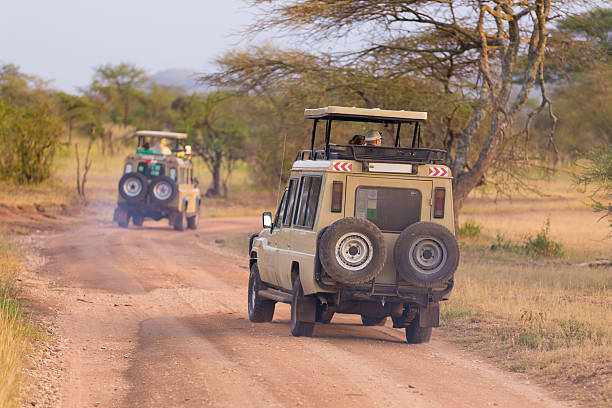
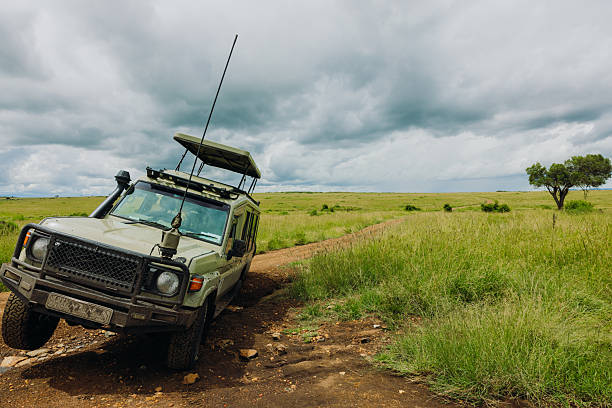
Photography Adventures in Southern Africa: Your Comprehensive Guide
Southern Africa offers a visual feast for photographers, from the thundering herds of the Serengeti to the stark beauty of the Namib Desert and the vibrant marine life of the Cape. Planning photography adventures in this diverse region requires attention to detail, understanding local conditions, and knowing where to find those award-winning shots. This guide provides everything you need to plan your photographic journey across Southern Africa, ensuring you capture its magic.
Quick Facts for Photography Adventures
| Aspect | Details |
|---|---|
| Primary Focus | Wildlife, Landscapes, Culture, People |
| Best Time to Visit (General) | Dry season (May-October) for wildlife viewing; Wet season (November-April) for birding and lush landscapes. Varies by specific location. |
| Key Countries for Photography | Tanzania, Kenya, Botswana, Namibia, South Africa, Zimbabwe, Zambia |
| Essential Gear | Telephoto lenses (300mm+), wide-angle lenses, sturdy tripod, camera cleaning kit, ample memory cards, extra batteries. |
| Travel Styles | Safari lodges, mobile camping, self-drive, guided tours, photographic workshops. |
The Allure of Southern Africa for Photographers
Southern Africa is a photographer’s paradise. The sheer abundance of wildlife, the dramatic and varied landscapes, and the rich cultural heritage provide endless opportunities for compelling imagery. Whether you’re aiming to capture the Great Migration in the Serengeti, the iconic desert elephants of Namibia, or the vibrant street life of Cape Town, this region delivers.
The appeal lies in its raw, untamed beauty and the chance to witness nature’s spectacles firsthand. Unlike more curated environments, Southern Africa’s photographic subjects often present themselves spontaneously, demanding quick reflexes and a keen eye. This unpredictability is part of the thrill, leading to truly unique and authentic images.
Why Plan Photography Adventures Here?
Unrivaled Wildlife Opportunities: Home to the Big Five (lion, leopard, elephant, rhino, buffalo) and countless other species, Southern Africa offers some of the most concentrated and accessible wildlife viewing on the planet. The Great Migration alone is a bucket-list event for wildlife photographers.
Diverse and Dramatic Landscapes: From the vast plains of the Maasai Mara and the Okavango Delta’s waterways to the towering peaks of Mount Kilimanjaro, the red dunes of Sossusvlei, and the rugged coastline of the Cape Peninsula, the landscapes are as breathtaking as the wildlife.
Rich Cultural Encounters: The region is home to diverse ethnic groups with unique traditions, attire, and ways of life. Capturing portraits and scenes of daily life can add a profound human element to your portfolio.
Accessibility and Infrastructure: While wild, many key areas are well-serviced by lodges, camps, and transport networks, making it feasible for photographers of all skill levels to access prime locations.
Unique Light Conditions: The golden hours in Africa are legendary, casting a warm, ethereal glow over the land. Early mornings and late afternoons offer the best light for wildlife and landscape photography.
The Thrill of the Chase: The dynamic nature of safaris means every game drive is different. Anticipating animal behavior, tracking elusive predators, and being ready for that unexpected moment is what makes photography adventures here so rewarding.
Choosing Your Photographic Destination
Southern Africa is vast, and different areas excel in specific photographic niches. Here’s a look at some top contenders:
Tanzania: The Great Migration and Iconic Parks
Tanzania is arguably the crown jewel for wildlife photography. The Serengeti National Park is world-renowned for hosting the Great Migration, a spectacular annual movement of over a million wildebeest and zebras. Capturing this phenomenon, especially river crossings, is a highlight for many photographers.
- Serengeti National Park: Essential for migration photography, large predator concentrations, and vast savannas.
- Ngorongoro Conservation Area: The crater floor offers dense wildlife populations in a unique caldera setting, ideal for capturing diverse species in close proximity.
- Tarangire National Park: Famous for its large elephant herds, baobab trees, and diverse birdlife, especially in the dry season.
- Mount Kilimanjaro: For landscape photographers, the ascent offers incredible views and unique alpine environments.
- Zanzibar: While not a safari destination, Stone Town offers rich cultural and architectural photography opportunities.
Botswana: The Okavango Delta and Exclusive Safaris
Botswana offers a more exclusive and pristine safari experience, particularly the Okavango Delta. This inland delta floods seasonally, creating a unique water-based ecosystem teeming with life.
- Okavango Delta: Mokoro (dugout canoe) safaris offer a low-angle perspective for wildlife and bird photography. Excellent for elephants, big cats, and water birds.
- Chobe National Park: Renowned for its massive elephant population and boat-based safaris along the Chobe River, providing unique photographic angles of wildlife coming to drink.
- Central Kalahari Game Reserve: Offers vast, arid landscapes and unique desert-adapted wildlife, including black-maned lions.
Namibia: Deserts, Dunes, and Wildlife
Namibia is a landscape photographer’s dream, with its dramatic deserts, towering sand dunes, and unique wildlife adapted to arid conditions.
- Sossusvlei and Deadvlei: Iconic red dunes and ancient camel thorn trees create surreal, graphic compositions, especially at sunrise and sunset.
- Etosha National Park: Famous for its vast salt pan and waterholes, which attract a concentration of diverse wildlife, making for excellent photographic opportunities.
- Damaraland: Home to desert-adapted elephants and black rhinos, set against rugged, mountainous terrain.
- Skeleton Coast: Offers dramatic coastal landscapes, shipwrecks, and unique desert-meets-ocean scenery.
South Africa: Variety and Accessibility
South Africa boasts incredible diversity, from the Big Five in Kruger to the marine life of the Cape and the dramatic Drakensberg Mountains.
- Kruger National Park: One of Africa’s largest reserves, offering excellent chances to see the Big Five and a wide range of other wildlife. Well-developed infrastructure.
- Cape Peninsula: Boulders Beach penguins, Cape Point’s dramatic cliffs, and diverse fynbos vegetation.
- Hermanus: World-renowned for land-based whale watching (June-November).
- Drakensberg Mountains: Stunning mountain vistas, hiking opportunities, and San rock art.
- Addo Elephant National Park: Large elephant populations and diverse habitats.
Kenya: The Maasai Mara and Birdlife
Neighboring Tanzania, Kenya’s Maasai Mara is another prime location for the Great Migration and offers incredible predator sightings.
- Maasai Mara National Reserve: Famous for its large lion prides, cheetahs, leopards, and dramatic wildebeest crossings (July-October).
- Amboseli National Park: Iconic views of elephants with Mount Kilimanjaro as a backdrop.
- Lake Nakuru: Historically known for its large flamingo population and rhinos.
Best Time for Photography Adventures: Seasonality Matters
Understanding the seasons is crucial for planning successful photography trips in Southern Africa, as it directly impacts wildlife behavior, vegetation, and light conditions.
Seasonal Highlights for Photographers
| Season | Months | Photographic Opportunities | Considerations |
|---|---|---|---|
| Dry Season | May – October | Wildlife: Animals congregate around permanent water sources, making them easier to spot. Excellent for predator sightings. Great Migration river crossings (July-September). Vegetation thins, improving visibility. Landscapes: Dramatic, stark scenes. Clear skies. |
Lower temperatures, can be cold in the mornings/evenings. Peak tourist season in some areas. Less lush greenery. |
| Wet Season (Green Season) | November – April | Wildlife: Newborn animals (calving season Jan-March) attract predators. Excellent for birding (migratory birds arrive). Lush vegetation, dramatic storm clouds. Landscapes: Vibrant greens, dramatic skies, waterfalls. |
Higher temperatures and humidity. Some roads may be impassable. Wildlife can be more dispersed. Lower tourist crowds and prices. |
Specific Timing for Key Events:
- Great Migration: Generally in the Serengeti (Tanzania) from January to March (calving season) and moving north towards the Mara River (Kenya/Tanzania border) from July to October for river crossings.
- Whale Watching (South Africa): June to November, peak sightings in Hermanus from August to October.
- Okavango Delta Flooding: Peak floodwaters are typically from June to August, transforming the landscape and water-based activities.
Planning Your Itinerary: A Sample Route (Tanzania Focus)
For a comprehensive photography adventure focused on wildlife and landscapes, a classic Northern Tanzania circuit is highly recommended. This itinerary balances iconic parks with diverse photographic opportunities.
14-Day Northern Tanzania Photography Itinerary (Sample)
-
Day 1-2: Arrive in Arusha / Moshi.
Settle in, prepare gear, and enjoy local scenery. Briefing on the upcoming safari. Optional visit to a local market for cultural photography.
-
Day 3-4: Tarangire National Park.
Focus on large elephant herds, baobab trees, and diverse birdlife. Excellent for morning and afternoon game drives. Consider a night game drive if available.
-
Day 5-6: Lake Manyara National Park.
Known for its tree-climbing lions, large baboon troops, and diverse bird species. The park’s compact size allows for focused photography.
-
Day 7-9: Serengeti National Park (Central/Seronera).
Prime predator territory. Focus on big cats, general game, and vast savanna landscapes. Sunrise and sunset drives are essential.
-
Day 10-11: Serengeti National Park (North/Lamai Wedge – Season Dependent).
If timing aligns with the migration, focus on river crossings (Mara River). This requires specific lodges or camps in the northern sector.
-
Day 12-13: Ngorongoro Conservation Area.
Descend into the crater for dense wildlife viewing – rhinos, hippos, lions, elephants. The unique caldera offers dramatic backdrops.
-
Day 14: Depart from Kilimanjaro International Airport (JRO).
Transfer back to the airport for your departure.
Note: This is a sample. Itineraries can be customized for longer durations, specific photographic interests (e.g., focusing solely on migration), or combined with other regions.
Route Illustration (Conceptual):
| Arusha/Moshi | → | Tarangire NP | → | Lake Manyara NP |
| Serengeti NP (Central) | → | Serengeti NP (North – Seasonal) | → | Ngorongoro Crater |
| Kilimanjaro Intl. Airport (JRO) |
What to Expect on Your Photography Adventure
Photography adventures in Southern Africa are intense, rewarding, and often require early mornings and late evenings. Here’s a breakdown of what to anticipate:
Early Mornings and Late Evenings
The best light for photography, often referred to as the ‘golden hour,’ occurs shortly after sunrise and before sunset. This is when animals are most active, and the light is soft and warm, creating beautiful shadows and highlights. Expect to be up before dawn and out on game drives until dusk.
Vehicle-Based Photography
Most wildlife photography in national parks is done from safari vehicles. These are typically open-sided 4x4s designed for game viewing. You’ll often have excellent vantage points, but space can be limited, especially with large camera equipment. Some operators offer specialized photographic vehicles with swivel seats and low-profile designs.
The Importance of Guides
Your safari guide is invaluable. They possess intimate knowledge of the animals’ habits, the best locations, and are skilled at spotting wildlife. A good guide will also understand a photographer’s needs, such as positioning the vehicle for optimal light and allowing ample time for shots.
Unpredictable Wildlife Encounters
While guides increase your chances, wildlife sightings are never guaranteed. Patience is key. Sometimes the most rewarding shots come after hours of waiting or unexpected encounters.
Landscape Photography Opportunities
Beyond wildlife, the landscapes themselves are subjects. Sunrises over the savanna, dramatic storm clouds, unique geological formations, and the vastness of the African sky offer ample opportunities for stunning landscape images.
Cultural Photography
If your itinerary includes visiting local villages or communities, remember to always ask permission before photographing people. Be respectful and consider offering a small payment or gift if appropriate, but always do so through your guide.
Essential Gear and Preparation
Proper gear and preparation are critical for a successful photography trip. Investing in the right equipment and knowing how to use it will make a significant difference.
Camera Equipment
- Camera Body: A DSLR or mirrorless camera with good low-light performance and fast autofocus. Consider a backup body.
- Lenses:
- Telephoto Lens: A 300mm, 400mm, 500mm, or even 600mm lens is essential for wildlife. A teleconverter can extend your reach.
- Mid-Range Zoom: A 70-200mm or 100-400mm lens is versatile for various subjects and lighter situations.
- Wide-Angle Lens: For landscapes, camp scenes, and the vast African sky (e.g., 16-35mm).
- Tripod/Monopod: Essential for stability, especially in low light or when using long lenses. A lightweight travel tripod is ideal. A monopod can offer support without the bulk.
- Batteries: Bring multiple fully charged batteries. Cold temperatures can drain them faster.
- Memory Cards: Plenty of high-speed, high-capacity SD or CF cards.
- Cleaning Kit: Lens cloths, air blower, lens cleaner for dust and dirt.
- Camera Bag: A comfortable, protective backpack or roller bag. Consider a smaller bag for daily game drives.
- Laptop/Tablet: For backing up photos and potential editing on the go. Ensure you have external hard drives for backups.
Clothing and Accessories
- Neutral-Colored Clothing: Khaki, beige, olive green, or brown are best to blend in. Avoid bright colors or black/white.
- Layers: Mornings and evenings can be cool, especially during the dry season. Bring fleeces or warm jackets.
- Sun Protection: Wide-brimmed hat, sunglasses, high SPF sunscreen.
- Comfortable Footwear: Sturdy walking shoes if you plan any walking safaris or light hikes.
- Insect Repellent: Especially important during the wet season.
Other Essentials
- Binoculars: Crucial for spotting wildlife before reaching for your camera.
- Power Bank: To charge devices on the go.
- Adapter: Ensure you have the correct plug adapter for the region.
Packing and Preparation Checklist
Pre-Trip Planning
- Book flights and accommodation well in advance (especially for peak seasons 2026-2027).
- Arrange safari vehicles and guides (consider photographic vehicle options).
- Purchase travel insurance covering photography gear.
- Check visa requirements for all countries.
- Get necessary vaccinations and malaria prophylaxis.
- Inform your bank about your travel dates.
- Download offline maps and useful apps.
Gear Preparation
- Test all camera equipment thoroughly. Clean lenses and sensors.
- Charge all batteries.
- Format all memory cards.
- Pack camera cleaning supplies.
- Ensure camera bag is comfortable and protective.
- Pack a travel adapter and power bank.
Packing List
- Camera bodies, lenses, batteries, memory cards
- Tripod/monopod
- Binoculars
- Neutral-colored clothing (layers)
- Sun hat, sunglasses, sunscreen
- Comfortable walking shoes
- Insect repellent
- Personal medications
- Passport, visas, copies of important documents
- Small backpack for daily excursions
Common Mistakes to Avoid
Even experienced photographers can make mistakes when planning trips to Southern Africa. Avoiding these common pitfalls will enhance your experience.
- Overpacking Camera Gear: While tempting, bringing too much equipment can be cumbersome, especially in safari vehicles. Focus on versatile, high-quality pieces.
- Underestimating Battery/Memory Needs: You don’t want to miss a shot because you ran out of power or space. Bring more than you think you’ll need.
- Not Respecting Wildlife: Never approach or feed wild animals. Maintain a safe distance. Your guide will manage this, but be mindful.
- Ignoring the Light: Shooting only during midday when the light is harsh will result in flat images. Prioritize golden hours.
- Failing to Prepare for Dust: African dust is pervasive. Protect your gear with covers and clean it regularly.
- Not Researching Seasonality: Visiting during the wrong season for your photographic goals (e.g., migration season outside of its timing) can lead to disappointment.
- Forgetting Binoculars: Essential for spotting distant wildlife and composing shots.
- Not Booking in Advance: Popular lodges and photographic safaris, especially for 2026-2027, book up months or even years ahead.
- Ignoring Local Customs: When photographing people or villages, always be respectful and ask permission.
Who Are Photography Adventures Best Suited For?
Photography adventures in Southern Africa appeal to a broad range of travelers, but they are particularly rewarding for:
- Dedicated Wildlife Photographers: Those who want to capture professional-quality images of Africa’s iconic animals.
- Enthusiast Photographers: Hobbyists looking to improve their skills and capture stunning memories of their travels.
- Nature Lovers: Individuals who appreciate the beauty of the natural world and want to document it through photography.
- Adventure Seekers: Those who enjoy the thrill of exploration, early mornings, and being immersed in the wild.
- Landscape Photographers: Individuals drawn to dramatic scenery, unique light, and vast horizons.
- Travelers Seeking Unique Experiences: Those looking for a more focused and immersive way to experience a destination.
These trips can be adapted for different fitness levels, as most photography happens from vehicles. However, if your itinerary includes walking safaris or trekking (like Kilimanjaro), a higher level of fitness will be required.
Alternatives to Consider
While Southern Africa is exceptional, other destinations offer incredible photographic opportunities:
- East Africa (Kenya & Tanzania): For the Great Migration, Maasai culture, and classic savanna landscapes.
- Galapagos Islands: Unique wildlife that is unafraid of humans, incredible for close-up shots.
- Antarctica: Stark, dramatic landscapes and unique wildlife like penguins and seals.
- Arctic (Svalbard/Greenland): Polar bears, Arctic foxes, stunning ice formations, and the Northern Lights.
- Costa Rica: Incredible biodiversity, rainforests, and vibrant birdlife.
However, for a combination of Big Five wildlife, iconic landscapes, and the raw drama of the African wilderness, Southern Africa remains unparalleled.
Planning Your 2026-2027 Photography Adventure
Planning ahead is key, especially for popular destinations and the upcoming 2026-2027 travel seasons. Here are some tips:
- Book Early: For prime safari seasons (especially migration times) and sought-after lodges or photographic safaris, book at least 12-18 months in advance for 2026 and 2027.
- Consider Off-Peak: The ‘green season’ (wet season) often offers fewer crowds, lower prices, and spectacular light and birdlife, making it a great choice for photographers.
- Specialized Tours: Look for tours specifically designed for photographers. These often use modified vehicles, have fewer guests per vehicle, and include guides experienced in photographic needs.
- Workshops: Consider joining a photography workshop led by a professional photographer. These offer intensive learning and access to prime locations.
- Flexibility: While planning is important, build some flexibility into your itinerary to adapt to wildlife movements or unexpected opportunities.
- Budgeting: Factor in costs for flights, accommodation, park fees, guides, and any specialized photography tours or equipment rentals. Prices for 2026-2027 are likely to reflect current trends with potential increases.
Booking Your Photography Adventure
Choosing the right tour operator is crucial for a successful photography adventure. You want a company that understands the nuances of photographic travel.
What to Look For in a Tour Operator:
- Experience with Photographers: Do they offer specialized photographic vehicles? Are their guides knowledgeable about photographic needs (e.g., positioning, light)?
- Customization: Can they tailor an itinerary to your specific photographic interests and pace?
- Reputation: Check reviews and testimonials from previous clients, especially photographers.
- Local Knowledge: A local operator often has better access, up-to-date information, and can offer more competitive pricing.
- Safety Standards: Ensure they adhere to high safety protocols for both guests and wildlife.
Contacting Us for Your Photography Adventure:
At Top Guide Adventures, we specialize in creating unforgettable travel experiences in Tanzania and across East Africa. We understand the unique requirements for photographers and can craft bespoke itineraries to help you capture the magic of Africa. Whether you’re aiming for the Great Migration, the vast plains of the Serengeti, or the unique landscapes of Kilimanjaro, we can help.
Let us help you plan your dream photography adventures in Southern Africa for 2026-2027. We offer:
- Customized safari itineraries.
- Expert guides with an eye for photographic opportunities.
- Options for specialized photographic vehicles.
- A commitment to responsible and sustainable tourism.
Get in touch to start planning:
WhatsApp: +255616946642
Email: topguideadventures@gmail.com
Backup Email: info@topguideadventures.com
Frequently Asked Questions (FAQs)
What is the best time of year for photography adventures in Southern Africa?
The best time depends on your photographic focus. The dry season (May-October) is excellent for wildlife viewing as animals gather at waterholes. The wet season (November-April) is ideal for birding, dramatic landscapes, and newborn animals, offering lush scenery and fewer crowds. For the Great Migration river crossings in the Serengeti/Maasai Mara, target July to September.
Do I need a special visa for photography adventures?
No, a standard tourist visa is typically required for most Southern African countries. However, visa requirements can change, so it’s essential to check the specific regulations for your nationality and destination well in advance of your 2026-2027 trip.
Are photographic vehicles necessary for my safari?
While not strictly necessary, photographic vehicles significantly enhance the experience for photographers. They often have lower sides, swivel seats, and more space for gear, allowing for better angles and comfort. Many specialized tours include them.
What is the recommended lens for wildlife photography in Africa?
A telephoto lens is crucial. A 300mm, 400mm, or 500mm lens is highly recommended for capturing distant wildlife. A 70-200mm or 100-400mm zoom lens is also very versatile for closer subjects or when space is limited.
How much memory card space should I bring?
It’s wise to bring ample space. For a typical 10-14 day safari, consider at least 256GB to 512GB of storage, spread across multiple cards. Shooting in RAW format uses more space. Bringing a portable hard drive for backups is also a good idea.
Is it safe to travel to Southern Africa for photography?
Southern Africa is generally safe for tourists, especially when traveling with reputable tour operators who prioritize safety. Always follow your guide’s instructions, be aware of your surroundings, and avoid displaying valuable equipment unnecessarily. Major tourist areas and national parks have good safety records.
Can I bring my drone for photography?
Drone regulations vary significantly by country and even by park within countries. In many national parks and conservation areas, drone usage is prohibited or heavily restricted to protect wildlife and maintain the natural environment. Always check the specific rules for your destination before traveling.
What about photography permits?
For standard wildlife and landscape photography within national parks, your park entry fees usually cover this. However, if you plan on professional commercial shoots, documentary filming, or specific activities like drone photography, separate permits might be required. Your tour operator can advise on this.
How can I get the best light for my photos?
The best light is during the ‘golden hours’ – the hour after sunrise and the hour before sunset. This light is soft, warm, and creates beautiful long shadows. Early morning and late afternoon game drives are essential for photographers.
Should I book a photography-specific tour or a general safari?
If photography is your primary goal, a photography-specific tour is highly recommended. These tours offer smaller group sizes, specialized vehicles, guides experienced with photographers’ needs, and often more flexible timing for shooting. A general safari is great, but a photo tour optimizes your chances for the best shots.
What should I pack to protect my gear from dust?
A good camera backpack or bag with padding is essential. Consider a rain cover or a dedicated dust cover for your camera and lens. Lens hoods also help protect the front element. Regularly cleaning your gear with a blower and microfiber cloth is crucial.
Conclusion: Capture the Essence of Africa
Photography adventures in Southern Africa offer an unparalleled opportunity to connect with nature and capture its raw beauty. From the dramatic wildlife spectacles of Tanzania and Kenya to the stark desert landscapes of Namibia and the diverse ecosystems of Botswana and South Africa, the photographic potential is immense. By understanding the best times to visit, preparing your gear meticulously, and choosing the right partners for your journey, you can create a portfolio of images that truly tell the story of this magnificent continent.
We are passionate about helping travelers experience the best of Africa through their lenses. Let us help you craft your perfect photography adventure for 2026-2027. Contact us today to discuss your vision and how we can bring it to life.
Ready to plan your photography adventure?
WhatsApp: +255616946642
Email: topguideadventures@gmail.com
Backup Email: info@topguideadventures.com
Plan your Photography Adventures in Southern Africa with Top Guide Adventures
Tell us your travel dates, group size, comfort level, and dream experience. We will help you shape a clear, realistic, and memorable Tanzania itinerary.







 Veedesigner
 Fatma Kizanga
 Benjamin Waryuba
 Philip Philip
 John jr Itaja
 Antonia Optatus
 Edith Kanyere
 Neema Iddy
 Kelvin Boniphace
 Damari Maiga



