
Updated planning guide for 2026-2027
Cultural Discovery Journeys In Southern Africa: Complete Guide 2026-2027
Discover the rich cultural tapestry of Southern Africa with our expert guide. Learn about traditions, history, and how to plan an immersive journey for 2026-2027.
WhatsApp +255616946642 | topguideadventures@gmail.com | info@topguideadventures.com
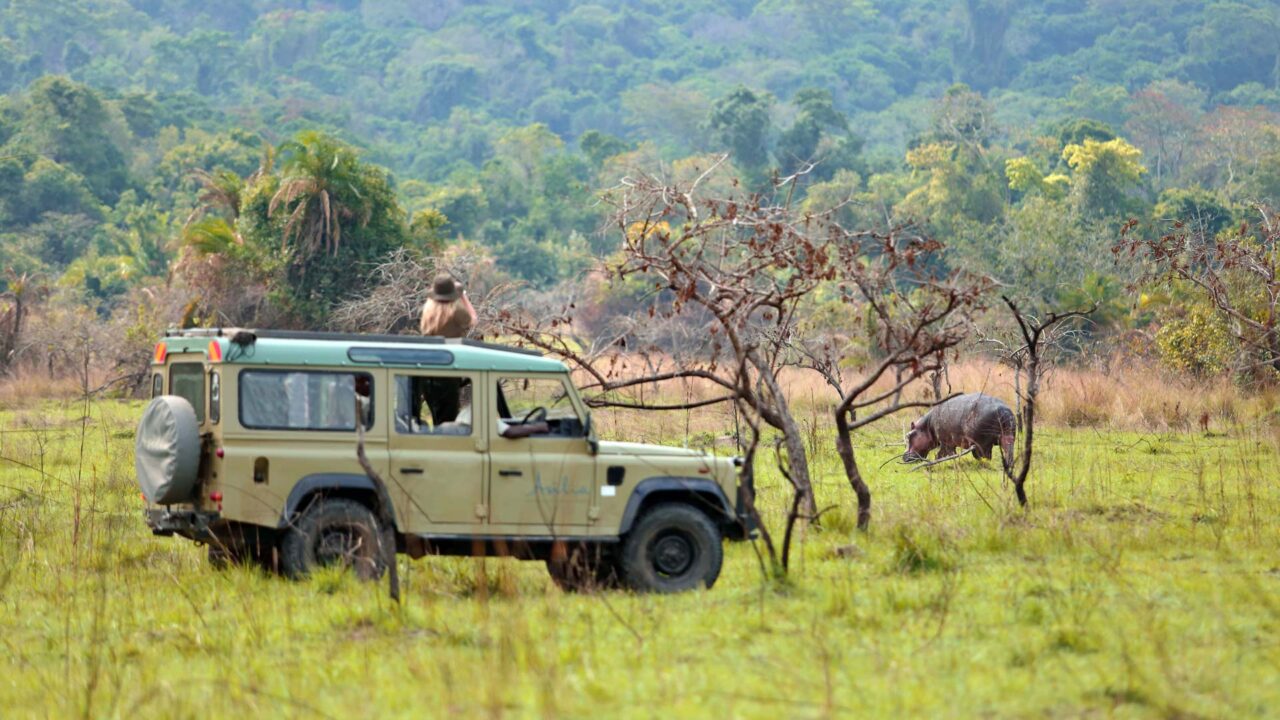
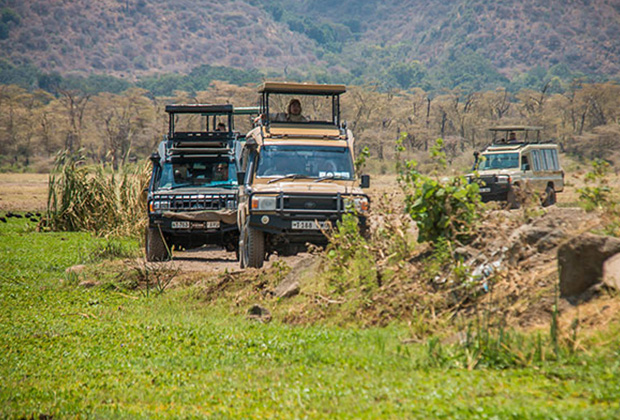
What Are Cultural Discovery Journeys in Southern Africa?
Cultural discovery journeys in Southern Africa offer a profound way to connect with the region’s diverse peoples, ancient traditions, and complex histories. Moving beyond typical tourist paths, these experiences focus on genuine interaction with local communities, understanding their way of life, and appreciating the heritage that shapes contemporary Southern Africa. This guide provides a detailed look at what these journeys entail, how to plan them, and what to expect, with specific considerations for 2026 and 2027 travel.
Table of Contents
- What Are Cultural Discovery Journeys in Southern Africa?
- Why Choose Cultural Discovery Journeys?
- Key Destinations for Cultural Exploration
- Understanding the Cultural Landscape
- Planning Your Cultural Journey 2026-2027
- Sample Itinerary Ideas
- What to Expect on a Cultural Tour
- Inclusions and Packing Essentials
- Common Mistakes to Avoid
- Who Are These Journeys For?
- Alternatives to Consider
- Booking Advice for 2026-2027
- Frequently Asked Questions
- Start Your Cultural Adventure
What Are Cultural Discovery Journeys in Southern Africa?
Cultural discovery journeys in Southern Africa are immersive travel experiences designed to foster a deep understanding and appreciation of the region’s diverse cultural heritage. Unlike standard sightseeing tours, these trips prioritize meaningful interactions with local people, participation in traditional activities, and exploration of historical sites that tell the story of the land and its inhabitants. This means visiting villages, engaging with artisans, learning about local customs and beliefs, and understanding the historical context of communities, from ancient hunter-gatherers to contemporary urban societies.
Why Choose Cultural Discovery Journeys?
Choosing a cultural discovery journey offers a richer, more rewarding travel experience. It allows travelers to:
- Gain authentic insights into local life, far from the usual tourist circuits.
- Support local communities directly through responsible tourism practices.
- Develop a deeper understanding of historical events and their lasting impact.
- Appreciate the diversity of languages, music, art, and culinary traditions.
- Create lasting memories through genuine human connections.
- See the landscape through the eyes of its people, understanding their relationship with the environment.
Key Destinations for Cultural Exploration
Southern Africa is a mosaic of cultures. While many countries offer rich cultural experiences, some stand out for their accessibility and depth of heritage:
| Country | Key Cultural Highlights | Unique Aspects |
|---|---|---|
| Tanzania | Maasai Bomas, Hadzabe bushmen, Swahili coast culture (Zanzibar), Chagga traditions. | Vast ethnic diversity, ancient traditions coexisting with modern life, rich coastal history. |
| Botswana | San (Bushmen) communities, traditional Tswana villages, storytelling and music. | Focus on indigenous peoples, conservation ethos, nomadic heritage. |
| Namibia | Himba villages, San rock art, Damara culture, colonial history in Swakopmund. | Desert-adapted cultures, ancient rock art sites, distinct ethnic groups. |
| South Africa | Zulu and Xhosa traditions, Apartheid Museum, Cradle of Humankind, diverse urban cultures (Cape Town, Johannesburg). | Complex history, vibrant arts scene, multiculturalism, ancient and modern influences. |
| Zimbabwe | Great Zimbabwe ruins, Shona sculpture, rural village life, Ndebele culture. | Ancient stone cities, unique artistic traditions, resilience of rural communities. |
Understanding the Cultural Landscape
Southern Africa is home to hundreds of ethnic groups, each with distinct languages, customs, social structures, and histories. Understanding this diversity is key to appreciating the region.
Indigenous Peoples
Groups like the San (Bushmen) in Botswana and Namibia represent some of the oldest continuous cultures on Earth, with traditions stretching back tens of thousands of years. Their knowledge of the land, tracking skills, and unique spiritual beliefs offer a window into humanity’s origins. Respectful engagement with these communities is paramount, often facilitated by local guides and tour operators who have established trust.
Bantu Migrations and Kingdoms
The Bantu migrations, which occurred over millennia, spread agricultural practices, ironworking, and new languages across much of Southern Africa. This led to the formation of complex societies and kingdoms, such as the Zulu Kingdom in South Africa or the ancient city of Great Zimbabwe. Understanding these historical movements provides context for the current ethnic makeup and political landscapes of the region.
Colonial and Post-Colonial Influences
The arrival of European colonial powers brought significant changes, including new languages, religions, political systems, and economic structures. The legacy of colonialism, including the brutal system of Apartheid in South Africa, has profoundly shaped the region’s societies. Cultural journeys often explore these historical sites and contemporary efforts towards reconciliation and identity.
Swahili Coast and Island Cultures
Along the coast, particularly in Tanzania and Zanzibar, a unique Swahili culture emerged from the interaction between African peoples and Arab, Persian, and Indian traders. This is evident in the architecture, language, cuisine, and religious practices of cities like Stone Town in Zanzibar, offering a distinct cultural experience from the mainland.
Planning Your Cultural Journey 2026-2027
Planning a culturally immersive trip requires careful consideration. For 2026-2027, early booking is advisable due to increasing demand for authentic experiences.
Define Your Interests
What aspects of culture most fascinate you? Are you drawn to ancient history, traditional music and dance, indigenous communities, contemporary art, or culinary traditions? Tailoring your journey to your specific interests will make it more rewarding.
Choose Your Destinations Wisely
While many countries offer cultural richness, some are better suited for specific types of experiences. For indigenous cultures, Botswana and Namibia are excellent. For a blend of history, modern culture, and diverse traditions, South Africa is a strong choice. For ancient traditions and Swahili heritage, Tanzania and Zanzibar are ideal.
Select the Right Tour Operator
This is crucial for cultural discovery. Look for operators with a proven track record of responsible tourism, strong local partnerships, and guides who are knowledgeable and respectful. Operators specializing in cultural immersion or community-based tourism are often the best choice. For Tanzania, consider operators like Best Tanzania tour operator, who can tailor experiences to include cultural elements.
Consider the Best Time to Travel
The best time often depends on the specific region and activities. For cultural festivals, research local calendars. For visiting remote communities, consider the dry season for easier travel. For general exploration, the shoulder seasons (April-May, September-October) often offer pleasant weather and fewer crowds.
Best Time to Visit Key Cultural Regions (General Guide)
| Region/Country | Dry Season (Best for travel, wildlife) | Green Season (Lush, fewer crowds, potentially lower prices) | Shoulder Seasons (Good balance) |
|---|---|---|---|
| Tanzania (Mainland) | June – October | November – March (excluding Christmas/New Year) | April – May |
| Zanzibar | June – October, December – February | March – May | November, March |
| Botswana | May – October | November – April | N/A (Distinct dry/wet seasons) |
| Namibia | May – October | November – April | N/A (Distinct dry/wet seasons) |
| South Africa (Kruger/North) | May – October | November – April | N/A |
| South Africa (Cape Town/West) | November – March (Summer) | April – May, September – October (Autumn/Spring) | June – August (Winter, can be rainy) |
Duration of Your Trip
Cultural immersion takes time. A minimum of 10-14 days is recommended for a focused cultural experience in one country. For multi-country trips, allow at least 3-4 weeks.
Budget Considerations
Cultural journeys can vary in cost. Community-based tourism often offers more affordable options, while privately guided, exclusive experiences will be at the higher end. Factor in costs for accommodation, transport, activities, guides, and community contributions.
Sample Itinerary Ideas
Here are a couple of sample itinerary concepts to illustrate cultural discovery journeys. These are flexible and can be customized.
Sample 1: Tanzania Cultural Immersion (14 Days)
Focus: Maasai culture, Hadzabe interaction, Swahili heritage.
- Days 1-2: Arusha & Chagga Culture Arrive in Arusha. Visit a local Chagga village, learn about coffee farming, and experience traditional hospitality.
- Days 3-5: Maasai Mara Plains Travel to the Maasai Mara region. Spend time with a Maasai community, learn about their traditions, cattle herding, and daily life. Participate in a guided walk.
- Days 6-8: Lake Eyasi & Hadzabe Journey to Lake Eyasi. Spend time with the Hadzabe hunter-gatherers, observing their traditional hunting and gathering techniques (with respect and permission). Learn about their ancient way of life.
- Days 9-11: Zanzibar’s Stone Town Fly to Zanzibar. Explore the UNESCO World Heritage site of Stone Town, its narrow alleys, historical buildings, spice markets, and vibrant Swahili culture. Visit a spice farm.
- Days 12-13: Zanzibar Coastal Village Visit a coastal village to understand fishing traditions and island life. Enjoy local cuisine and relax.
- Day 14: Departure Depart from Zanzibar.
Sample 2: Southern Africa Indigenous & History Tour (21 Days)
Focus: San culture, rock art, historical sites, diverse traditions.
- Days 1-3: Windhoek & San Culture (Namibia) Arrive in Windhoek. Travel north towards Damaraland or Etosha region to visit a community-run San cultural project. Learn about their history and connection to the land.
- Days 4-6: Himba Encounters (Namibia) Journey to the remote Kaokoveld to meet Himba people. Understand their unique customs, adornments, and semi-nomadic lifestyle through respectful guided visits.
- Days 7-9: San Rock Art & Spitzkoppe (Namibia) Explore ancient San rock art sites. Visit the Spitzkoppe for its dramatic granite peaks and cultural significance.
- Days 10-12: Okavango Delta & San Heritage (Botswana) Fly into the Okavango Delta region. Engage with local communities and learn about the San heritage that predates the delta’s current inhabitants.
- Days 13-15: Gaborone & Tswana Traditions (Botswana) Travel to Gaborone. Visit a traditional Tswana village to learn about their social structures, crafts, and history.
- Days 16-18: Great Zimbabwe Ruins (Zimbabwe) Travel to Zimbabwe to explore the magnificent Great Zimbabwe ruins, a testament to a powerful ancient civilization.
- Days 19-20: Bulawayo & Ndebele Culture (Zimbabwe) Visit Bulawayo to learn about Ndebele culture, their history, and traditions. Explore local craft markets.
- Day 21: Departure Depart from Harare or Victoria Falls.
What to Expect on a Cultural Tour
Cultural discovery journeys are about experience and connection. Be prepared for:
- Authentic Interactions: Expect to engage directly with local people. This might involve sharing meals, participating in daily chores, or listening to stories.
- Basic Facilities: Accommodation in remote communities may be basic but clean and comfortable. Embrace the simplicity.
- Unpredictable Moments: Travel in Africa can be unpredictable. Flexibility and a good sense of humor are essential.
- Learning and Observation: Much of the experience is about observing, listening, and learning. Be curious and ask respectful questions.
- Cultural Sensitivity: Dress modestly when visiting villages. Ask permission before taking photos of people. Be mindful of local customs and etiquette.
- Language Barriers: While guides will translate, learning a few basic phrases in the local language (e.g., “hello,” “thank you”) can go a long way.
- Emotional Impact: Witnessing different ways of life and understanding complex histories can be emotionally moving.
Inclusions and Packing Essentials
What’s included will vary by tour operator and itinerary. Generally, expect:
Typical Inclusions
| Included | Often Not Included |
|---|---|
| Accommodation | International flights |
| Most meals (especially in communities) | Visas |
| Ground transportation (4×4 vehicles, local transport) | Travel insurance |
| Local guides and community guides | Personal expenses (souvenirs, drinks) |
| Activities and entrance fees (as per itinerary) | Tips for guides and drivers |
| Community contributions/fees | Optional activities |
Packing Essentials for Cultural Journeys
Pack light, versatile, and respectfully. Consider these items:
- Clothing: Lightweight, breathable fabrics. Long-sleeved shirts and trousers for sun and insect protection, and modesty. A warm layer for evenings. Comfortable walking shoes and sandals. A scarf or sarong can be useful.
- Sun Protection: High SPF sunscreen, wide-brimmed hat, sunglasses.
- Insect Repellent: With DEET or Picaridin.
- Health: Personal first-aid kit, any necessary medications, hand sanitizer. Consult your doctor about vaccinations and malaria precautions.
- Photography: Camera, extra batteries, memory cards. Be mindful of where and when you photograph.
- Documents: Passport (with sufficient validity), visas, copies of important documents, vaccination certificates.
- Gifts: Small, practical gifts for communities (e.g., school supplies, pens, basic medical items) are sometimes appreciated, but consult your tour operator first. Avoid giving money directly unless guided.
- Notebook and Pen: For journaling and sketching.
Common Mistakes to Avoid
To ensure a respectful and enriching experience, avoid these common pitfalls:
- Treating communities as exhibits: Remember these are people’s homes and lives, not a zoo. Engage with respect and humility.
- Taking photos without permission: Always ask first. Some people may decline, and that must be respected.
- Imposing your own values: Be open-minded. Different cultures have different ways of doing things. Avoid judgment.
- Not being flexible: Schedules can change due to local conditions, weather, or invitations. Embrace spontaneity.
- Underestimating the need for cultural sensitivity: Dress and behave appropriately. Research local customs beforehand.
- Overpacking: Luggage space can be limited, especially in smaller vehicles or remote areas.
- Expecting luxury in remote areas: Understand that basic facilities are part of the experience.
- Not booking with a responsible operator: Choose companies that genuinely benefit local communities and practice ethical tourism.
Who Are These Journeys For?
Cultural discovery journeys in Southern Africa are ideal for:
- Curious Travelers: Those who want to understand the ‘why’ behind what they see.
- Lifelong Learners: Individuals eager to gain new perspectives and knowledge.
- Responsible Tourists: Travelers committed to ethical and sustainable travel practices.
- Those Seeking Authenticity: People looking for genuine experiences beyond typical tourist attractions.
- History Buffs: Individuals fascinated by ancient civilizations, oral traditions, and the impact of history.
- Adventurous Spirits: Those comfortable with a degree of unpredictability and basic accommodations.
They are generally not suited for travelers seeking a purely luxury resort experience or those who prefer highly structured, predictable itineraries with no room for spontaneity.
Alternatives to Consider
While cultural discovery is unique, other travel styles in Southern Africa might appeal:
- Classic Safari: Focuses on wildlife viewing in national parks and reserves. While you might encounter local communities near parks, the primary goal is fauna.
- Adventure Travel: Emphasizes activities like hiking, white-water rafting, bungee jumping, and exploring natural landscapes.
- Beach Holidays: Centered around relaxation on the coast, particularly popular in Zanzibar, Mozambique, and South Africa.
- Luxury Escapes: High-end lodges, fine dining, and exclusive experiences, often with less emphasis on deep cultural immersion.
- Self-Drive Tours: Offers flexibility but requires significant planning and knowledge of local conditions. Cultural interaction might be more incidental.
Many trips can blend elements. For instance, a safari can include a visit to a Maasai village, or a beach holiday in Zanzibar can incorporate a historical walking tour of Stone Town.
Booking Advice for 2026-2027
Booking your cultural discovery journey for 2026 or 2027 requires foresight. Here’s how to approach it:
Booking Checklist for 2026-2027
- Research Operators: Look for specialists in cultural tours or responsible tourism. Read reviews and check their affiliations.
- Contact Directly: Reach out to operators to discuss your interests and ask specific questions about their community engagement. For Tanzania, consider contacting topguideadventures@gmail.com or info@topguideadventures.com, or via WhatsApp at +255616946642.
- Understand Inclusions: Get a detailed breakdown of what your tour package covers.
- Ask About Community Benefits: Inquire how your tour contributes positively to the local communities you visit.
- Confirm Guide Qualifications: Ensure guides are knowledgeable about both the culture and responsible interaction.
- Read the Fine Print: Understand cancellation policies, payment schedules, and insurance requirements.
- Book Flights Separately: Often, international flights are not included. Book these once your tour is confirmed.
- Visa Requirements: Check visa needs for all countries well in advance.
- Travel Insurance: Essential. Ensure it covers medical emergencies, evacuation, and trip cancellations.
- Book Early: For 2026-2027, popular tours and community stays can book up months, even a year, in advance.
Working with a reputable tour operator is key. They can navigate local complexities, ensure respectful interactions, and create a well-organized itinerary that maximizes your cultural discovery. For a personalized cultural discovery journey in Tanzania, Best Tanzania tour operator can help craft an unforgettable experience.
Frequently Asked Questions
1. Is it respectful to visit indigenous communities?
Yes, it can be, provided it’s done ethically and respectfully. This means traveling with reputable operators who have established relationships with communities, ensuring your visit benefits them directly (e.g., through community fees, purchasing crafts), and always acting with humility and respect for their customs and privacy. Always ask permission before taking photos.
2. What kind of interactions can I expect with local people?
Interactions vary greatly. You might share a meal, learn traditional crafts, listen to stories and music, participate in daily activities like fetching water or preparing food (if invited), or simply have conversations facilitated by your guide. The goal is mutual understanding and exchange.
3. Are cultural tours safe?
Safety is a priority for responsible tour operators. They work with experienced guides, use reliable transport, and are knowledgeable about local conditions. Standard travel precautions apply, and it’s crucial to have comprehensive travel insurance. For specific safety concerns, always discuss with your tour operator.
4. What if I don’t speak the local language?
Most cultural tours are led by guides fluent in English and at least one local language. They act as interpreters and cultural bridges. Learning a few basic greetings in the local language is always appreciated and can enhance your interactions.
5. How much should I tip?
Tipping is customary for guides, drivers, and lodge staff. Your tour operator should provide specific guidelines. For community visits, it’s often better to contribute through purchasing crafts or making a group donation to the community fund, as advised by your guide.
6. What if I have dietary restrictions?
It’s essential to inform your tour operator of any dietary restrictions or allergies well in advance. While many operators can accommodate common needs, some remote or traditional meals might be limited. Be prepared for simpler fare in some community settings.
7. Can I visit communities on my own?
While technically possible in some areas, it is strongly discouraged. Traveling independently without established contacts can lead to misunderstandings, disrespectful interactions, and potentially unsafe situations. It’s best to go with a reputable guide or tour operator.
8. How far in advance should I book my 2026-2027 trip?
For popular cultural tours, especially those involving specific community stays or unique experiences, booking 9-12 months in advance is recommended for 2026-2027 travel. This ensures availability and allows for proper planning.
9. What are the visa requirements for Southern Africa?
Visa requirements vary significantly by nationality and country. It’s crucial to check the specific requirements for each country you plan to visit well before your trip. Many countries offer e-visas or visas on arrival, but this is not universal.
10. How can I ensure my trip is sustainable?
Choose operators committed to sustainability, respect local environments and cultures, minimize waste, conserve water and energy, and support local economies by buying local products and services. Ethical tourism is about leaving a positive impact.
Start Your Cultural Adventure
Cultural discovery journeys in Southern Africa offer an unparalleled opportunity to connect with the soul of the continent. By engaging with its people, understanding its history, and appreciating its diverse traditions, you can create a travel experience that is both profoundly enriching and deeply memorable. Planning ahead, choosing wisely, and approaching your journey with an open heart and mind are key to unlocking the magic of Southern Africa’s cultural heritage.
Ready to plan your own cultural discovery journeys in Southern Africa? Contact us to discuss a tailor-made itinerary that aligns with your interests and values. We specialize in creating authentic, responsible travel experiences.
Let’s Plan Your Journey
For expert advice and custom itinerary planning for cultural discovery journeys in Southern Africa, get in touch:
WhatsApp: +255616946642
Email: topguideadventures@gmail.com
Backup Email: info@topguideadventures.com
We look forward to helping you craft an unforgettable adventure for 2026-2027!
Plan your Cultural Discovery Journeys in Southern Africa with Top Guide Adventures
Tell us your travel dates, group size, comfort level, and dream experience. We will help you shape a clear, realistic, and memorable Tanzania itinerary.







 Veedesigner
 Fatma Kizanga
 Benjamin Waryuba
 Philip Philip
 John jr Itaja
 Antonia Optatus
 Edith Kanyere
 Neema Iddy
 Kelvin Boniphace
 Damari Maiga



