
Updated planning guide for 2026-2027
Namibia Coast And Desert Expeditions: Complete Guide 2026-2027
Explore the dramatic landscapes of Namibia's coast and desert on an unforgettable expedition. This guide provides practical planning details, itinerary ideas, and booking advice.
WhatsApp +255616946642 | topguideadventures@gmail.com | info@topguideadventures.com
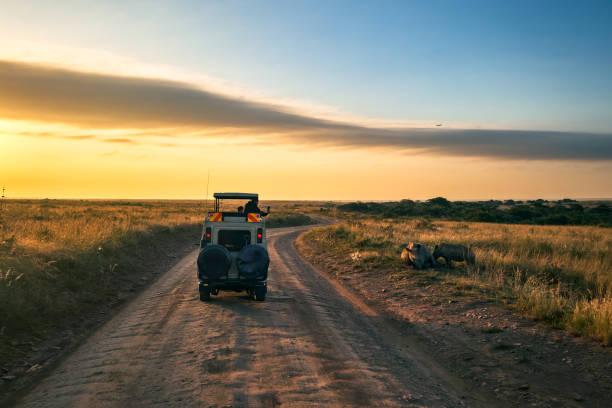
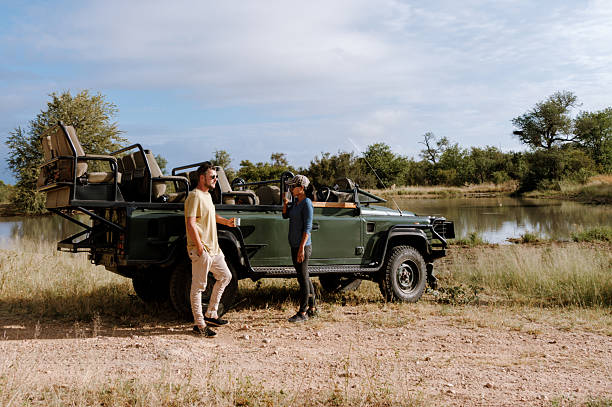
Namibia Coast and Desert Expeditions: The Ultimate Guide
Namibia’s coast and desert offer a travel experience unlike any other. From the stark beauty of the Skeleton Coast to the towering dunes of Sossusvlei, this is a land of dramatic contrasts and unparalleled adventure. For those seeking a journey that combines raw natural beauty with unique wildlife encounters and a sense of profound remoteness, a Namibia coast and desert expedition is an excellent choice. This comprehensive guide will walk you through everything you need to know to plan an unforgettable trip for 2026-2027.
While our expertise lies in Tanzania’s safaris and treks, we understand the allure of other incredible African destinations. This guide is crafted to provide you with the in-depth knowledge needed to plan your Namibian adventure, covering key aspects from itinerary design to practical preparation.
Quick Overview: Namibia’s Coastal & Desert Wonders
| Feature | Details |
|---|---|
| Key Destinations | Skeleton Coast, Sossusvlei, Deadvlei, Swakopmund, Walvis Bay, Lüderitz, Kolmanskop |
| Primary Activities | Dune driving, desert trekking, wildlife viewing (marine & desert adapted), photography, historical site exploration, adventure sports |
| Best Time to Visit | April to October (cooler, drier season) |
| Typical Duration | 7-14 days for a focused expedition |
| Travel Style | Self-drive, guided 4×4 tours, fly-in safaris |
| Key Considerations | Vast distances, remote locations, extreme temperatures, need for preparation |
Why Choose a Namibia Coast and Desert Expedition?
Namibia presents a unique proposition for travelers. It’s a country of immense scale, low population density, and breathtaking landscapes that feel ancient and untouched. A Namibia coast and desert expedition appeals to:
- Photographers: The light, colors, and textures of the desert and coast provide endless photographic opportunities. Sunrise and sunset over the dunes are legendary.
- Adventure Seekers: From quad biking in the dunes to exploring shipwrecks along the coast, there are plenty of adrenaline-pumping activities.
- Nature Enthusiasts: Witness desert-adapted wildlife like elephants, lions, and rhinos in unexpected environments, and explore unique marine life in Walvis Bay.
- Culture & History Buffs: Discover ghost towns like Kolmanskop and learn about the diamond rush history of Lüderitz.
- Those Seeking Solitude: The sheer vastness of Namibia means you can often find yourself completely alone amidst spectacular scenery.
Understanding Namibia’s Unique Geography
The Namib Desert is one of the oldest deserts in the world, stretching along the Atlantic coast. This creates a fascinating interface between ocean and arid land.
- The Namib Desert: Characterized by its towering sand dunes, particularly in the Sossusvlei and Deadvlei areas. These dunes are some of the highest in the world, sculpted by wind over millennia.
- The Skeleton Coast: A rugged and remote stretch of coastline known for its fog, shipwrecks, and hardy wildlife. It’s a place of stark beauty and a testament to nature’s power.
- The Atlantic Coast: Popular hubs like Swakopmund and Walvis Bay offer a cooler climate and a gateway to marine activities.
Best Time for Your Namibia Coast and Desert Expedition (2026-2027)
Namibia experiences distinct seasons, and the timing of your visit can significantly impact your experience. For a Namibia coast and desert expedition, the cooler, drier months are generally preferred.
| Period | Weather & Conditions | Wildlife & Activities | Pros | Cons |
|---|---|---|---|---|
| April – May | Cooler temperatures, decreasing humidity, pleasant days, colder nights. | Good for wildlife viewing as animals congregate around water sources. Ideal for hiking and dune activities. | Comfortable temperatures, beautiful light for photography, fewer crowds than peak season. | Nights can be quite cold. |
| June – August | Coldest months, dry with minimal rain. Daytime temperatures are pleasant, but nights are freezing. Coastal fog is common. | Excellent for wildlife viewing. Marine life is active. The dry conditions make driving easier. | Ideal for desert exploration without extreme heat. Less dust. Excellent visibility. | Very cold nights and early mornings, especially in the desert. Fog can impact coastal views. |
| September – October | Temperatures begin to rise but remain pleasant. Still dry, with increasing chances of early rains towards end of October. | Good wildlife viewing. The landscape starts to show hints of green as rains approach. Marine activities are excellent. | Warm, sunny days, still cool nights. Good balance of conditions. | Can start to get hotter towards late October. |
| November – March | Hot summer months, with potential for rain, especially in the interior. Coastal areas remain cooler due to ocean currents. | Vegetation is greener. Birdlife is abundant. Desert adapted wildlife may be more dispersed. | Lush landscapes, excellent for birdwatching, fewer tourists, potentially lower prices. | Extreme heat in the desert can be challenging. Rain can make some roads impassable. Coastal fog can be persistent. |
Sample Route & Area Overview: Namibia Coast and Desert Expedition
A typical Namibia coast and desert expedition often begins or ends in Windhoek, the capital. Here’s a common flow, which can be customized based on your interests and time.
Focus Areas:
- Windhoek: Arrival, vehicle pickup, last-minute supplies.
- Sossusvlei & Deadvlei: The iconic red dunes of the Namib-Naukluft Park.
- Swakopmund & Walvis Bay: Coastal towns offering adventure activities and marine life.
- Skeleton Coast: Exploring its northern reaches, shipwrecks, and unique landscapes.
- Lüderitz & Kolmanskop: Ghost town and diamond mining history.
Sample Itinerary (10 Days):
Day 1: Arrival in Windhoek
Arrive at Hosea Kutako International Airport (WDH). Pick up your rental vehicle (ideally a 4×4). Overnight in Windhoek to prepare for your journey.
Day 2: Windhoek to Sossusvlei Region
Drive south-west towards the Namib Desert (approx. 5-6 hours). Settle into your lodge or campsite near Sesriem.
Day 3: Sossusvlei & Deadvlei Exploration
Enter the Namib-Naukluft Park at sunrise. Climb Dune 45, visit Big Daddy, and explore the surreal Deadvlei with its ancient camelthorn trees. Visit Sesriem Canyon.
Day 4: Sossusvlei to Swakopmund
Drive west towards the coast (approx. 4-5 hours). The landscape changes dramatically as you descend towards the Atlantic. Arrive in Swakopmund.
Day 5: Swakopmund & Walvis Bay Activities
Choose from activities like marine cruises in Walvis Bay (dolphins, seals, pelicans), kayaking, quad biking in the dunes, sandboarding, or exploring Swakopmund town.
Day 6: Swakopmund to Skeleton Coast (Southern Section)
Drive north along the coast. Visit the Zeila shipwreck near Henties Bay. Explore the southern part of the Skeleton Coast National Park, perhaps visiting Cape Cross Seal Reserve.
Day 7: Skeleton Coast to Damaraland (Optional Detour)
Continue north or head inland towards Damaraland for desert-adapted elephants and unique rock formations (e.g., Spitzkoppe, Twyfelfontein). This adds driving time and requires careful planning.
Day 8: Return towards Swakopmund/Walvis Bay or Inland
Depending on your chosen route, start making your way back south or towards your next destination. If you went to Damaraland, this is a longer driving day.
Day 9: Walvis Bay to Lüderitz (Long Drive or Fly)
This is a very long driving day (8-10 hours) if driving. Alternatively, a fly-in safari can cover this distance efficiently. If driving, consider breaking the journey.
Day 10: Kolmanskop & Lüderitz Exploration, Departure Prep
Visit the fascinating ghost town of Kolmanskop. Explore Lüderitz. Begin your journey back towards Windhoek (a very long drive, best done over two days or by flying).
Important Note on Distances: Namibia is vast. Driving times are estimates and do not account for road conditions, stops, or wildlife sightings. Always factor in extra time and plan fuel stops carefully.
Detailed Exploration of Key Destinations
Sossusvlei, Deadvlei, and the Namib-Naukluft Park
This is the quintessential Namibian desert landscape. The park is immense, covering over 50,000 sq km.
- The Dunes: Famous for their vibrant red and orange hues, caused by iron oxide. They are constantly shifting, shaped by prevailing winds.
- Dune 45: A popular, accessible dune for sunrise climbs.
- Big Daddy: One of the highest dunes, offering panoramic views.
- Deadvlei: A stark white clay pan dotted with the skeletal remains of ancient camelthorn trees, preserved by the arid climate. It’s a photographer’s dream.
- Sesriem Canyon: A narrow gorge carved by the Tsauchab River, offering a cool respite and interesting geological formations.
Tips: Enter the park at sunrise to experience the best light and cooler temperatures. Wear sturdy shoes, bring plenty of water, and use sunscreen and hats. Consider a 4×4 for accessing the deeper sandy tracks.
Swakopmund and Walvis Bay: Coastal Adventures
These adjacent towns offer a cooler climate and a different facet of Namibia.
- Swakopmund: A charming town with German colonial architecture. It serves as a hub for adventure activities.
- Walvis Bay: Namibia’s main port, renowned for its lagoon teeming with birdlife, including flamingos. It’s the departure point for marine excursions.
- Marine Cruises: Spot seals, dolphins, pelicans, and sometimes whales. Enjoy fresh oysters and sparkling wine on board.
- Adventure Sports: Quad biking, sandboarding, paragliding, and scenic flights over the dunes are popular.
Tips: Book activities in advance, especially during peak season. The ocean can be cold; bring layers.
The Skeleton Coast: A Land of Shipwrecks and Mystery
This desolate coastline is named for the whale bones and shipwrecks that litter its shores, remnants of vessels lost to fog and treacherous currents.
- Shipwrecks: The remains of vessels like the Zeila and Dunedin Star are poignant reminders of the coast’s dangers.
- Cape Cross Seal Reserve: Home to a massive colony of Cape fur seals. The smell is intense, but the sight of thousands of seals is remarkable.
- Desert-Adapted Wildlife: Despite its harshness, the coast supports animals like desert elephants, lions, and jackals that have adapted to the arid conditions.
- Remote Lodges: A few exclusive lodges offer unique experiences within the Skeleton Coast National Park.
Tips: Access to the Skeleton Coast National Park is restricted. You can drive along the coast road (B2) to accessible points like Cape Cross. Deeper exploration often requires a guided tour or fly-in safari.
Lüderitz and Kolmanskop: A Glimpse into the Past
Lüderitz is a coastal town with a rich diamond mining history. Nearby Kolmanskop is a hauntingly beautiful ghost town.
- Kolmanskop: Once a thriving diamond mining settlement, it was abandoned after the diamond fields depleted. Sand has since filled many of the buildings, creating an eerie, photogenic scene.
- Lüderitz: Explore the colorful German colonial architecture, visit Diaz Point, and learn about the town’s history.
Tips: Kolmanskop tours are essential to understand the history. Book in advance. The drive to Lüderitz is long; consider it as part of a longer itinerary.
What to Expect on a Namibia Coast and Desert Expedition
Prepare for a journey of contrasts and extremes:
- Vastness and Remoteness: Distances are enormous. You will spend significant time driving. Cell signal can be unreliable outside towns.
- Extreme Temperatures: Deserts are known for significant temperature fluctuations. Days can be hot, while nights can drop below freezing. Coastal areas are generally milder but can be foggy and windy.
- Unpredictable Conditions: Roads can range from well-maintained tarmac to gravel and deep sand. Weather can change, impacting travel plans.
- Self-Sufficiency: Especially if self-driving, you need to be prepared with ample water, food, fuel, and spare tires.
- Incredible Scenery: Expect breathtaking vistas, unique geological formations, and unparalleled desert light.
- Wildlife Encounters: While not a traditional safari, you can see desert-adapted wildlife and abundant marine life.
Inclusions and Packing for Your Expedition
Your packing list will depend on your travel style (self-drive vs. guided tour) and the time of year. However, some items are essential for any Namibia coast and desert expedition.
Essential Packing List:
- Clothing: Layers are key. Lightweight, breathable long-sleeved shirts and trousers (for sun protection and cooler evenings), t-shirts, warm fleece or jacket, windbreaker, comfortable walking shoes/hiking boots, sandals/flip-flops, hat with a wide brim, sunglasses.
- Sun Protection: High SPF sunscreen, lip balm with SPF, after-sun lotion.
- Health & First Aid: Personal medication, basic first-aid kit (band-aids, antiseptic wipes, pain relievers, motion sickness medication if needed), insect repellent (though less of an issue in the desert).
- Hydration: Reusable water bottles. Even if your tour provides water, having your own is good practice.
- Navigation & Tech: Camera and extra batteries/memory cards, power bank, GPS device or reliable offline maps on your phone, travel adapter (Type D/M).
- Documents: Passport, visa (if required), driver’s license (international if needed), copies of important documents, travel insurance details.
- Miscellaneous: Small backpack for day trips, binoculars, headlamp or flashlight, wet wipes, hand sanitizer, any personal comfort items.
For Self-Drivers:
- A reliable 4×4 vehicle is highly recommended.
- Ensure it’s equipped with at least two spare tires, a high-lift jack, shovel, and tire repair kit.
- Carry extra water (at least 5 liters per person per day) and non-perishable food.
- Have a satellite phone or communication device for remote areas.
- Carry detailed maps and a GPS.
For Guided Tours:
- Your tour operator will typically provide vehicle, fuel, and guide.
- Confirm what meals, accommodation, and activities are included.
- Packing advice will be provided by the operator.
Common Mistakes to Avoid
Planning a Namibia coast and desert expedition requires attention to detail. Avoid these common pitfalls:
- Underestimating Distances: Namibia is huge. Don’t try to cram too much into a short itinerary. Allow ample driving time and buffer days.
- Not Preparing for Heat and Cold: Pack for extreme temperature variations. Dehydration is a serious risk in the desert.
- Insufficient Water and Fuel: Always carry more water than you think you need. Plan your fuel stops meticulously; stations can be hundreds of kilometers apart.
- Driving After Dark: This is extremely dangerous due to wildlife on roads and poor visibility. Stick to daylight hours for driving.
- Ignoring Road Conditions: Gravel roads can be corrugated, sandy patches can be deep, and some routes are only passable with a 4×4. Check conditions before setting off.
- Not Booking in Advance: Accommodation and popular activities, especially in peak season (June-August), can book up months ahead.
- Lack of Communication: In remote areas, cell service is non-existent. Inform someone of your itinerary and expected return times. Consider a satellite device if venturing far off the beaten path.
- Overlooking Vehicle Preparedness (Self-Drive): A standard car is not suitable for most of Namibia’s desert tracks. Ensure your rental vehicle is robust and properly equipped.
Who is a Namibia Coast and Desert Expedition Best For?
This type of trip is ideal for travelers who:
- Appreciate vast, dramatic landscapes and unique natural phenomena.
- Are comfortable with long drives and remote environments.
- Enjoy photography and are eager to capture stunning desert light.
- Seek adventure and are open to activities like dune climbing, quad biking, or marine excursions.
- Are self-sufficient and enjoy a degree of independence (especially if self-driving).
- Are looking for a less crowded, more profound travel experience compared to some other African destinations.
It might be less suitable for those who:
- Prefer constant connectivity and readily available amenities.
- Dislike long periods of driving.
- Are not comfortable with extreme temperatures or basic accommodation options.
- Are looking for a traditional big-game safari experience (though wildlife can be found, it’s not the primary focus).
Alternatives to a Namibia Coast and Desert Expedition
While Namibia offers a unique blend, similar experiences can be found elsewhere:
| Destination | Similarities | Differences | Best For |
|---|---|---|---|
| Atacama Desert, Chile | Extreme desert landscapes, unique geological formations, stargazing, remote feel. | Less emphasis on coastal elements, different wildlife, more established tourist infrastructure in parts. | Stargazing, unique desert geology, otherworldly landscapes. |
| Morocco (Sahara Desert) | Vast sand dunes, desert trekking (camel treks), unique cultural experiences. | More populated desert regions, different flora/fauna, strong cultural immersion focus. Coastal areas are distinct from desert. | Cultural desert experiences, accessible dune landscapes. |
| Australia (Outback) | Vast arid landscapes, unique wildlife, sense of isolation, indigenous culture. | Different geology (rock formations more than towering dunes), unique marsupial wildlife, different climate zones. | Vast open spaces, unique wildlife, indigenous heritage. |
| Egypt (Western Desert) | Desert landscapes, ancient history, remote oases, unique formations (e.g., White Desert). | Strong historical/archaeological focus, different type of desert formations, less emphasis on coastal desert interface. | Ancient history, unique desert formations, oases. |
Planning Your Namibia Coast and Desert Expedition for 2026-2027
Planning ahead is crucial for a successful Namibia trip, especially for 2026-2027. Here’s a guide to help you structure your preparations.
1. Define Your Travel Style and Priorities
- Self-Drive: Offers maximum flexibility but requires significant planning, a robust 4×4, and confidence in navigating remote areas.
- Guided 4×4 Tour: Provides expert local knowledge, handles logistics, and often accesses areas difficult for self-drivers. More structured.
- Fly-in Safari: The most comfortable and time-efficient way to cover vast distances, but also the most expensive.
What are your must-sees? Sossusvlei? Skeleton Coast? Adventure sports? Prioritize based on your interests and available time.
2. Determine Your Travel Dates
Refer to the ‘Best Time to Visit’ section. For 2026-2027, consider the cooler dry season (April-October) for the most comfortable experience, or the shoulder seasons (April/May, September/October) for a balance of good weather and fewer crowds.
3. Duration of Your Trip
A focused Namibia coast and desert expedition typically requires at least 7-10 days. For a more comprehensive experience, 14 days or more is ideal, allowing for slower travel and deeper exploration, perhaps including areas like Damaraland or Fish River Canyon.
4. Budget Considerations
Namibia can range from moderately expensive to very high-end, depending on your choices:
- Accommodation: Camping is the most budget-friendly, followed by guesthouses and mid-range lodges. Luxury lodges and fly-in safaris are the most expensive.
- Transport: Self-drive costs include vehicle rental, fuel, and park fees. Guided tours and fly-in safaris have higher upfront costs but cover more.
- Activities: Adventure sports, scenic flights, and guided excursions add to the overall cost.
5. Booking Timeline (2026-2027 Travel)
| Timeframe | Action |
|---|---|
| 12+ Months Before | Research destinations, travel styles, and potential tour operators. Book prime accommodation or lodges for peak season. Book international flights. |
| 6-9 Months Before | Book internal flights (if applicable). Secure your preferred tour operator or vehicle rental. Book popular activities. |
| 3-6 Months Before | Finalize itinerary. Obtain necessary visas or permits. Purchase travel insurance. Start compiling packing list. |
| 1-3 Months Before | Confirm all bookings. Get any necessary vaccinations or health advice. Purchase travel gear. |
| 2-4 Weeks Before | Exchange currency. Download offline maps. Pack your bags. Inform bank of travel dates. |
Booking Your Namibia Coast and Desert Expedition
Choosing the right way to book is crucial for a smooth experience.
Working with a Tour Operator
For a Namibia coast and desert expedition, partnering with a reputable tour operator can simplify logistics immensely. They can:
- Design custom itineraries tailored to your interests.
- Arrange all accommodation, transport (including 4×4 rentals or guided vehicles), and activities.
- Provide expert advice on seasonality, road conditions, and safety.
- Offer peace of mind, especially for remote travel.
When selecting an operator, look for:
- Experience with Namibia, specifically desert and coastal tours.
- Positive reviews and testimonials.
- Clear communication and transparency in pricing and inclusions.
- A commitment to sustainable tourism practices.
While our primary focus is on Tanzania, we can offer insights into what makes a great tour operator. For your Namibia trip, ensure you find specialists in that region.
Self-Driving Considerations
If you opt for a self-drive trip, meticulous planning is paramount:
- Vehicle Rental: Book a robust 4×4 well in advance. Ensure it has adequate ground clearance and is equipped for desert travel. Understand the insurance terms and conditions thoroughly.
- Navigation: Invest in good maps and a reliable GPS. Offline map apps are essential.
- Communication: Consider renting a satellite phone for emergencies.
- Fuel: Plan your fuel stops. Don’t let your tank drop below half full when traveling between towns.
- Supplies: Carry plenty of water, non-perishable food, and a basic toolkit.
Safety and Health
Namibia is generally a safe country for tourists, but standard precautions apply:
- Road Safety: As mentioned, avoid driving at night. Be cautious on gravel roads.
- Theft: Secure your belongings, especially in towns and at rest stops.
- Health: Consult your doctor about malaria prophylaxis if you plan to travel to northern Namibia (though less of a concern for the coast and main desert areas). Drink bottled or purified water.
- Desert Safety: Stay hydrated. Inform others of your travel plans. Respect wildlife from a distance.
Frequently Asked Questions (FAQs)
Q1: How long should a Namibia coast and desert expedition be?
A1: A minimum of 7-10 days is recommended for a focused trip covering key highlights like Sossusvlei and Swakopmund. For a more in-depth experience, 14 days or more allows for exploring further or spending more time in each location.
Q2: Is a 4×4 essential for a Namibia coast and desert trip?
A2: While some main roads are paved, a 4×4 is highly recommended, especially for accessing Sossusvlei’s inner park roads, exploring the Skeleton Coast, or if you plan on venturing onto less-maintained tracks. It provides peace of mind and greater flexibility.
Q3: What is the best way to see the Skeleton Coast?
A3: You can drive along the coastal road to accessible points like Cape Cross. For deeper exploration within the Skeleton Coast National Park, a guided tour or a fly-in safari is often necessary due to permit requirements and the challenging terrain.
Q4: Can I visit Namibia in the summer (November-March)?
A4: Yes, you can, but be prepared for extreme heat, especially in the desert interior. This season is also the ‘green season’ with potential for rain, which can make some roads impassable. It’s less crowded and can be more affordable.
Q5: What are the costs involved in a Namibia coast and desert expedition for 2026-2027?
A5: Costs vary significantly based on accommodation, transport, and activities. Budget travelers might opt for camping and self-driving, while luxury travelers might choose lodges and fly-in safaris. Expect higher costs for guided tours and exclusive lodges. Park entrance fees are also applicable.
Q6: Is Namibia safe for solo female travelers?
A6: Namibia is considered one of the safer African countries for solo travelers. However, standard precautions should always be taken, especially regarding personal safety in towns and avoiding driving alone at night.
Q7: What kind of wildlife can I expect to see?
A7: On the coast, expect abundant marine life like seals, dolphins, and diverse bird species. In the desert, look for desert-adapted elephants, rhinos, lions, and various reptiles and insects. It’s not a big-game safari destination in the same vein as Tanzania, but wildlife encounters are unique.
Q8: Do I need a visa for Namibia?
A8: Visa requirements depend on your nationality. Many nationalities can enter Namibia visa-free for tourism purposes for up to 90 days. Always check the latest requirements with your country’s embassy or the Namibian Ministry of Home Affairs.
Q9: What’s the best way to book a Namibia coast and desert expedition for 2027?
A9: For a comprehensive and hassle-free experience, booking through a reputable tour operator specializing in Namibia is highly recommended. They can tailor an itinerary to your specific needs and manage all logistics, ensuring a smooth journey.
Q10: What are the essential items to pack for a desert expedition?
A10: Pack layers of clothing for temperature fluctuations, robust sun protection (hat, sunscreen, sunglasses), comfortable walking shoes, a reusable water bottle, a camera, and a basic first-aid kit. For self-drivers, consider a satellite phone or communication device.
Your Namibia Coast and Desert Expedition Awaits
A Namibia coast and desert expedition offers an extraordinary journey into one of Africa’s most visually stunning and geologically unique regions. From the colossal dunes of Sossusvlei to the wild shores of the Skeleton Coast, this is a land that inspires awe and wonder. Careful planning, attention to detail, and choosing the right travel style will ensure your adventure is everything you hope for.
While our expertise is deeply rooted in the magnificent landscapes and wildlife of Tanzania, we appreciate the global desire for exceptional travel experiences. If you are planning a Namibia coast and desert expedition for 2026-2027, ensure you connect with specialists who can craft your perfect itinerary.
For any inquiries about planning adventure travel or seeking advice on what makes a great expedition, feel free to reach out. We’re passionate about creating unforgettable journeys.
Planning Your Next Adventure?
While we specialize in Tanzania, we understand the desire for diverse African experiences. If you’re considering a Namibia coast and desert expedition or any other African adventure, we are happy to offer advice. For Tanzanian safaris, Kilimanjaro treks, or Zanzibar holidays, you can reach us:
WhatsApp: +255616946642
Email: topguideadventures@gmail.com
Backup Email: info@topguideadventures.com
Plan your Namibia Coast and Desert Expeditions with Top Guide Adventures
Tell us your travel dates, group size, comfort level, and dream experience. We will help you shape a clear, realistic, and memorable Tanzania itinerary.







 Veedesigner
 Fatma Kizanga
 Benjamin Waryuba
 Philip Philip
 John jr Itaja
 Antonia Optatus
 Edith Kanyere
 Neema Iddy
 Kelvin Boniphace
 Damari Maiga



