
Updated planning guide for 2026-2027
Responsible Exploration Journeys: Complete Guide 2026-2027
Discover how to plan and experience Responsible Exploration Journeys in Tanzania. This comprehensive guide covers ethical travel, sustainable practices, and practical tips for your 2026-2027 adventure.
WhatsApp +255616946642 | topguideadventures@gmail.com | info@topguideadventures.com
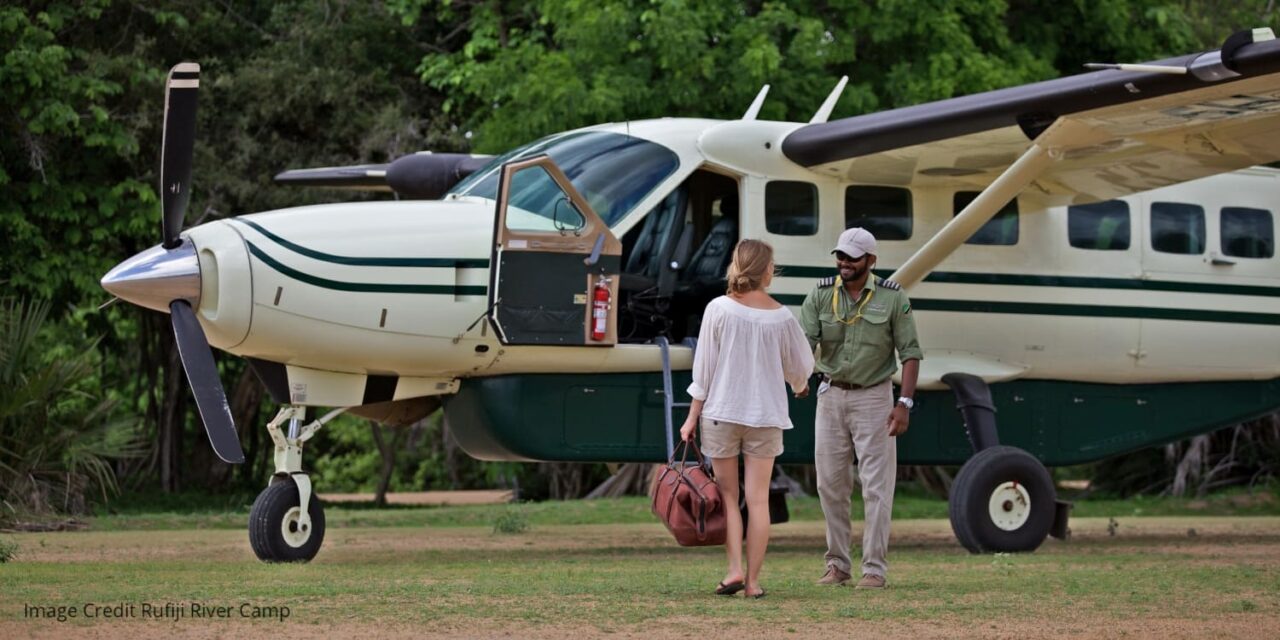
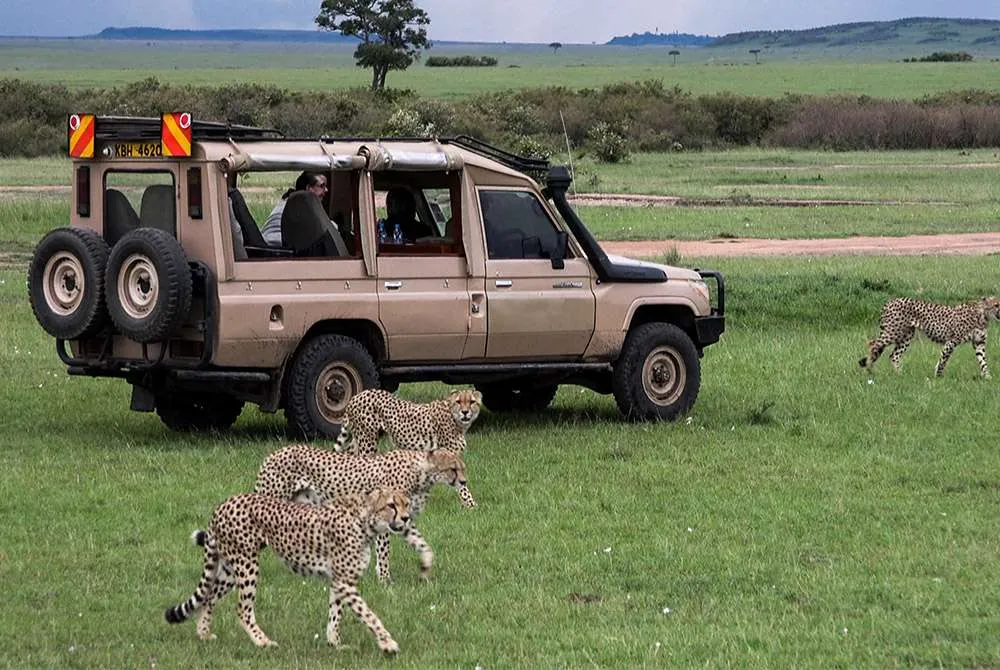
Responsible Exploration Journeys: Your Essential Guide to Ethical Travel in Tanzania
Planning a trip to Tanzania is an exciting prospect, promising encounters with iconic wildlife, breathtaking landscapes, and vibrant cultures. As travelers become more conscious of their impact, the desire for Responsible Exploration Journeys grows. This means ensuring your adventure benefits local communities, conserves the environment, and respects cultural heritage. This guide provides a comprehensive overview of how to plan and undertake such journeys in Tanzania, focusing on ethical practices, sustainable choices, and practical advice for 2026-2027.
Choosing responsible travel options doesn’t mean compromising on the quality of your experience. In fact, it often enhances it, leading to more authentic interactions and a deeper connection with the places you visit. Whether you’re dreaming of a Serengeti safari, a Kilimanjaro climb, or a tranquil Zanzibar escape, understanding the principles of responsible exploration will help you make informed decisions.
Quick Facts: Responsible Exploration Journeys in Tanzania
| Aspect | Details |
|---|---|
| Primary Focus | Minimizing negative impact, maximizing positive contributions to local communities and environment. |
| Key Destinations | Serengeti, Ngorongoro, Kilimanjaro, Zanzibar, Tarangire, Lake Manyara, Southern Parks (Selous/Ruaha). |
| Activities | Ethical wildlife viewing, community visits, eco-lodges, responsible trekking, cultural immersion. |
| Best Time for Planning (2026-2027) | Book 6-12 months in advance, especially for peak seasons (June-October, December-February). |
| Traveler Profile | Conscious travelers, eco-tourists, those seeking authentic experiences, families, adventure seekers. |
| Key Considerations | Choosing reputable operators, supporting local businesses, waste management, wildlife respect, cultural sensitivity. |
Table of Contents
- Why Responsible Exploration Journeys Matter in Tanzania
- Understanding Responsible Tourism Principles
- Best Time for Responsible Exploration Journeys (2026-2027)
- Planning Your Responsible Exploration Route
- Ethical Safari Planning
- Responsible Kilimanjaro Trekking
- Sustainable Zanzibar Holidays
- What to Expect on a Responsible Journey
- Essential Inclusions and Packing for Responsibility
- Common Mistakes to Avoid
- Who Are Responsible Exploration Journeys Best For?
- Alternatives to Consider
- 2026-2027 Planning & Booking Advice
- Frequently Asked Questions
- Ready for Your Responsible Tanzanian Adventure?
Why Responsible Exploration Journeys Matter in Tanzania
Tanzania is a treasure trove of natural wonders and cultural richness, but these assets are fragile. Responsible tourism is not just a trend; it’s a necessity for preserving these wonders for future generations and ensuring that tourism benefits the people who call Tanzania home.
- Environmental Conservation: Tanzania’s national parks and protected areas are vital for biodiversity. Responsible practices minimize pollution, conserve water, reduce habitat disturbance, and support conservation efforts through park fees and eco-friendly operations.
- Community Empowerment: Tourism can be a powerful engine for economic development. Responsible journeys prioritize hiring local guides, using local suppliers, staying in community-owned lodges, and purchasing locally made crafts. This ensures that tourist spending directly benefits Tanzanian communities.
- Cultural Preservation: Tanzania has diverse ethnic groups with rich traditions. Responsible travel involves respectful engagement with local cultures, supporting cultural heritage sites, and avoiding practices that could commodify or disrespect traditions.
- Wildlife Welfare: Ethical wildlife viewing means observing animals in their natural habitat without causing them stress or altering their behavior. This includes maintaining safe distances, avoiding feeding animals, and choosing operators who adhere to strict wildlife viewing guidelines.
Understanding Responsible Tourism Principles
Responsible tourism is built on several core principles that guide decision-making for both travelers and tour operators:
- Minimize Impact: Reducing your ecological footprint by conserving resources, managing waste effectively, and choosing low-impact transportation where possible.
- Maximize Benefits: Ensuring that the economic benefits of tourism are distributed fairly within the local community. This means supporting local businesses, artisans, and service providers.
- Respect Local Culture: Engaging with local communities in a way that is respectful of their customs, traditions, and beliefs. This includes dressing appropriately, asking permission before taking photos, and learning a few basic Swahili phrases.
- Conserve Natural Resources: Protecting wildlife, habitats, and natural landscapes. This involves following park rules, staying on designated paths, and supporting conservation initiatives.
- Educate and Engage: Learning about the local environment and culture, and sharing this knowledge to foster greater appreciation and understanding.
Best Time for Responsible Exploration Journeys (2026-2027)
While Tanzania is a year-round destination, certain periods align better with responsible travel considerations and offer distinct experiences. Planning for 2026-2027 requires understanding these seasonal nuances.
| Period | Description | Responsible Travel Notes |
|---|---|---|
| Dry Season (June – October) | Clear skies, cooler temperatures, ideal for wildlife viewing as animals congregate around water sources. The Great Migration is typically in the Serengeti. Excellent for Kilimanjaro trekking. | High season. Book well in advance (6-12 months for 2026-2027). Higher demand means more vehicles; choose operators who manage group sizes and distances. Supports conservation through park fees. |
| Short Rains (November – December) | Lush landscapes, fewer crowds, migratory birds arrive. Good for birdwatching and photography. Wildlife is more dispersed. | Shoulder season. Fewer crowds can mean a more intimate experience. Supports local communities during a less busy period. |
| Long Rains (March – May) | Greenest landscapes, dramatic skies, calving season for wildebeest in the southern Serengeti. Lowest prices. Very few tourists. | Low season. Offers a unique perspective with fewer vehicles. Supports local economies during a typically slower time. Be prepared for potential travel disruptions, especially on unpaved roads. Kilimanjaro trekking is generally not recommended due to rain and mud. |
| Shoulder Seasons (Late May, Early June, Late October, Early November) | Transition periods offering a mix of good weather and fewer crowds. | Good balance for planning 2026-2027 trips, potentially finding more availability and slightly lower prices than peak season, with good conditions. |
Planning Your Responsible Exploration Route
Designing a Tanzanian itinerary that aligns with responsible exploration involves thoughtful choices about destinations, activities, and accommodations. Consider these sample route frameworks:
Northern Circuit Focus (Classic Safari)
This is Tanzania’s most popular safari circuit, known for its high concentration of wildlife.
| Leg | Location | Duration | Responsible Focus |
|---|---|---|---|
| 1 | Arusha / Kilimanjaro Airport (JRO) | 1 night | Acclimatize, meet your local guide. Choose eco-lodges near Arusha. |
| 2 | Tarangire National Park | 1-2 nights | Famous for baobab trees and large elephant herds. Support lodges with community engagement programs. |
| 3 | Lake Manyara National Park | 1 night | Tree-climbing lions, diverse birdlife. Focus on guided walks to minimize impact. |
| 4 | Ngorongoro Conservation Area | 1-2 nights | Crater floor safaris. Stay in lodges within the conservation area or nearby villages that contribute to local development. Respect Maasai cultural heritage. |
| 5 | Serengeti National Park | 3-5 nights | The heart of the Great Migration. Choose mobile camps that move with the herds to minimize environmental impact, or lodges with strong conservation policies. Strict adherence to wildlife viewing distances. |
| 6 | Return to Arusha / JRO | 1 night | Opportunity to visit local craft markets supporting artisans directly. |
Southern Circuit Focus (Wilder Experience)
Offers a more remote and less crowded experience, ideal for those seeking true wilderness.
| Leg | Location | Duration | Responsible Focus |
|---|---|---|---|
| 1 | Dar es Salaam / JNIA | 1 night | Transit point. Choose accommodations with local employment initiatives. |
| 2 | Selous Game Reserve (Nyerere National Park) | 2-3 nights | Vast wilderness, boat safaris on the Rufiji River. Focus on lodges that actively participate in anti-poaching and community projects. |
| 3 | Ruaha National Park | 3-4 nights | Tanzania’s largest park, known for its large predators and rugged landscapes. Opt for lodges committed to conservation research and local employment. |
| 4 | Return to Dar es Salaam | 1 night | Connect with local culture through community-based tourism initiatives if time allows. |
Kilimanjaro & Zanzibar Combination
A popular pairing for adventure and relaxation.
| Leg | Location | Duration | Responsible Focus |
|---|---|---|---|
| 1 | Arusha / JRO | 1-2 nights | Preparation for Kilimanjaro. Meet your local trekking team. Choose eco-friendly lodges. |
| 2 | Kilimanjaro Trek | 5-9 days | Choose operators with ethical porters’ policies, waste management plans, and focus on Leave No Trace principles. Support local guides and crew. |
| 3 | Arusha / JRO | 1 night | Rest and recover. |
| 4 | Zanzibar | 4-7 nights | Stay in eco-conscious resorts, support local food vendors, engage respectfully with Stone Town culture, choose sustainable water activities (e.g., avoiding crowded dolphin tours). |
| 5 | Depart from Zanzibar (ZNZ) or return to JRO | – | – |
Ethical Safari Planning
Safari is the quintessential Tanzanian experience. Making it responsible requires attention to detail:
- Operator Selection: Choose a tour operator with a clear commitment to sustainability and ethical practices. Look for certifications (though rare in Tanzania), ask about their environmental policies, community engagement, and staff welfare. Top Guide Adventures prioritizes these aspects.
- Vehicle Choice: Opt for well-maintained 4×4 safari vehicles driven by experienced guides. Ensure the operator adheres to park rules regarding vehicle numbers at sightings and off-road driving.
- Wildlife Viewing: Maintain a respectful distance from animals. Never feed them or encourage them to approach. Avoid loud noises. Limit time spent at sightings to allow animals to move freely. Follow guide instructions precisely.
- Waste Management: Pack out everything you pack in. Avoid single-use plastics. Use reusable water bottles. Operators should have strict waste disposal protocols.
- Park Fees: A significant portion of your tour cost goes towards park fees, which directly fund conservation efforts. Understand where these fees are allocated.
- Supporting Local: Choose lodges that employ local staff and source food locally. Visit local villages or community projects only through reputable operators who ensure genuine benefit and respectful interaction.
Responsible Kilimanjaro Trekking
Climbing Kilimanjaro is a significant undertaking. Responsible trekking focuses on the well-being of climbers, porters, and the mountain environment.
- Porter Welfare: This is paramount. Choose operators who treat their porters ethically, ensuring they are paid fairly, provided with adequate food and shelter, and are not overloaded. Look for companies that are members of organizations like the Kilimanjaro Porters Assistance Project (KPAP).
- Leave No Trace: Pack out all trash, including organic waste. Stay on designated trails to prevent erosion. Avoid disturbing wildlife.
- Environmental Impact: Use designated campsites. Avoid campfires; use gas stoves. Conserve water. Understand the fragile alpine ecosystem.
- Health and Safety: Choose operators with experienced, certified guides who are trained in high-altitude first aid and recognize signs of altitude sickness. Proper acclimatization is key.
- Route Choice: While all routes offer unique challenges, some are considered more responsible due to their environmental management and porter policies. Discuss options with your operator.
Sustainable Zanzibar Holidays
Zanzibar offers beautiful beaches, rich history, and unique culture. Sustainable tourism here focuses on protecting its marine life, supporting local communities, and preserving its heritage.
- Accommodation: Select eco-lodges and hotels that implement water conservation, solar power, waste reduction, and employ local staff.
- Marine Conservation: If engaging in water activities like snorkeling or diving, choose operators who respect marine life. Avoid touching coral, feeding fish, or participating in tours that disturb dolphins or other marine creatures.
- Cultural Respect: When exploring Stone Town, dress modestly (covering shoulders and knees). Ask permission before photographing people. Support local artisans by buying crafts directly from them, but be prepared to negotiate prices respectfully.
- Local Economy: Eat at local restaurants, hire local guides for tours, and buy produce from local markets. This ensures your money stays within the island’s economy.
- Waste Reduction: Zanzibar faces challenges with waste management. Be mindful of your plastic consumption and dispose of waste responsibly.
What to Expect on a Responsible Journey
Experiencing Tanzania through a responsible lens means a few adjustments, but they lead to a richer trip:
- Authenticity: Expect more genuine interactions with local people and a deeper understanding of their way of life.
- Informed Guides: Your guides will likely be knowledgeable not only about wildlife but also about local culture, conservation efforts, and sustainable practices.
- Mindful Experiences: You might spend a little more time observing wildlife from a distance, or engaging in activities that have a lower environmental footprint.
- Community Connection: Opportunities to visit local villages or projects that are genuinely supported by tourism, offering insights into daily life.
- Resourcefulness: You might encounter situations where water or electricity are used more consciously, and waste management is a visible priority.
Essential Inclusions and Packing for Responsibility
Packing thoughtfully is a key part of responsible travel. Consider these items:
| Category | Item | Responsible Rationale |
|---|---|---|
| Hydration | Reusable Water Bottle & Filter/Purifier | Drastically reduces plastic waste. Avoids buying bottled water. |
| Waste Management | Small Reusable Bag for Personal Trash | To carry wrappers, tissues, etc., until a proper bin is found. |
| Clothing | Modest, Earth-toned Clothing (for safari & villages) | Blends with the environment, shows respect in cultural settings. Avoids bright colors that can disturb wildlife. |
| Lightweight Rain Gear (especially for rains/trekking) | Essential for comfort, reduces need for disposable ponchos. | |
| Toiletries | Biodegradable Soap/Shampoo | Minimizes water pollution, especially important near rivers or sensitive ecosystems. |
| Reef-Safe Sunscreen | Protects your skin without harming marine life when swimming. | |
| General | Headlamp/Torch with Rechargeable Batteries | Reduces battery waste. Essential for campsites and early mornings. |
| Durable, Broken-in Hiking Boots (for Kilimanjaro) | Prevents blisters and injury, reducing potential need for emergency evacuations. | |
| Small First-Aid Kit with Personal Medications | Self-sufficiency reduces burden on local guides/medical services. | |
| Optional but Recommended | Small Gifts for Community Visits (e.g., school supplies) | Ensure these are appropriate and requested by the community, not imposed. Avoid giving money directly to children. |
Common Mistakes to Avoid
Even with good intentions, travelers can make mistakes. Be aware of these:
- Choosing the Cheapest Option: The lowest price often comes at the expense of ethical practices, porter welfare, or conservation efforts. Invest in responsible operators.
- Ignoring Local Customs: Not researching or respecting local dress codes, social norms, or traditions can lead to unintentional offense.
- Over-Reliance on Single-Use Plastics: Not bringing reusable water bottles or refusing plastic bags contributes to waste problems.
- Disturbing Wildlife: Getting too close, making noise, or feeding animals can harm them and disrupt ecosystems.
- Supporting Unethical Practices: Participating in activities that exploit people or animals, such as poorly managed orphanage visits or exploitative cultural performances.
- Not Planning Ahead: Last-minute bookings, especially for popular seasons like 2026-2027, can limit your choices for responsible operators and accommodations.
Who Are Responsible Exploration Journeys Best For?
Responsible Exploration Journeys are ideal for:
- Conscious Travelers: Individuals who want their travel to have a positive impact, not just a minimal one.
- Eco-Tourists: Those prioritizing environmental sustainability and seeking out eco-friendly accommodations and activities.
- Cultural Enthusiasts: Travelers interested in authentic cultural exchanges and supporting local communities respectfully.
- Families: Parents who want to instill values of environmental stewardship and cultural respect in their children through travel.
- Adventure Seekers: Those looking for thrilling experiences like Kilimanjaro treks or remote safaris, but who want to ensure these adventures are conducted ethically.
- First-Time Tanzania Visitors: A responsible approach provides a well-rounded and ethical introduction to the country’s wonders.
Alternatives to Consider
While Tanzania offers unparalleled experiences, other destinations or travel styles might appeal depending on your priorities:
- Different African Destinations: Consider Botswana for its high-value, low-impact tourism model, or Rwanda for its strong conservation focus on gorilla trekking.
- Domestic Tourism: If international travel feels less responsible for you, explore responsible tourism options within your own country.
- Volunteer Tourism (with caution): While some volunteer opportunities can be beneficial, many are criticized for being exploitative or ineffective. Thorough research is crucial.
- Slow Travel: Spending more time in fewer places, reducing transit emissions and allowing for deeper immersion and local support.
2026-2027 Planning & Booking Advice
Planning your Responsible Exploration Journeys for 2026-2027 requires strategic foresight:
- Book Early: For peak seasons (June-October 2026/2027 and December-February 2026/2027), aim to book 9-12 months in advance. This is especially true for Kilimanjaro climbs and popular lodges.
- Research Operators Thoroughly: Don’t just look at prices. Read reviews, check their sustainability policies, and ask direct questions about porter welfare, waste management, and community involvement. Companies like Top Guide Adventures are committed to these principles.
- Consider Shoulder Seasons: For 2026-2027, traveling in November or April/May can offer a good balance of weather, fewer crowds, and potentially better availability for responsible accommodations.
- Customization is Key: Work with your tour operator to tailor your itinerary to your specific interests and responsible travel goals.
- Understand Inclusions: Clearly know what your tour package covers, especially regarding park fees, accommodation standards, and guide services.
- Travel Insurance: Essential for any trip, ensure yours covers medical emergencies, trip cancellations, and potentially adventure activities.
Frequently Asked Questions
Q1: What makes a journey “responsible” in Tanzania?
A: A responsible journey in Tanzania prioritizes minimizing negative environmental and social impacts while maximizing positive contributions. This includes ethical wildlife viewing, supporting local economies, respecting cultural heritage, and conserving natural resources.
Q2: How can I ensure my safari operator is ethical?
A: Research their sustainability policies, check for community partnerships, ask about their waste management and staff treatment (especially porters for Kilimanjaro). Look for operators with a strong local presence and reputation, like Top Guide Adventures.
Q3: Is it possible to have a luxury experience while traveling responsibly?
A: Absolutely. Many high-end lodges and operators in Tanzania are now investing heavily in sustainable practices, eco-friendly infrastructure, and community development, proving that luxury and responsibility can go hand-in-hand for your 2026-2027 trips.
Q4: What should I do about plastic waste on my trip?
A: Bring a reusable water bottle and a filter or purification tablets. Refuse single-use plastics whenever possible and carry a small bag for personal waste until you can dispose of it properly.
Q5: How much does a responsible safari in Tanzania cost?
A: Costs vary greatly depending on accommodation style, duration, and activities. Responsible travel often means investing slightly more in operators committed to ethical practices, which can mean higher prices than budget options, but offers greater value and positive impact. Expect costs to be competitive for 2026-2027 planning.
Q6: Are there specific community tourism projects I can visit?
A: Yes, many reputable tour operators can arrange visits to villages, schools, or conservation projects that genuinely benefit from tourism. It’s important these are arranged respectfully and with the community’s consent.
Q7: What is the best way to respect local culture in Tanzania?
A: Dress modestly, especially when visiting villages or towns. Learn a few basic Swahili phrases. Always ask permission before taking photos of people. Be open to learning and engage with humility.
Q8: How far in advance should I book for 2027?
A: For popular times like the dry season or major events, booking 9-12 months in advance is highly recommended for 2027 to secure preferred operators and accommodations.
Q9: What are the main ethical concerns on Kilimanjaro?
A: The primary concern is porter welfare – fair wages, proper gear, and adequate food/shelter. Environmental impact, such as littering and trail erosion, is also critical.
Q10: Can I combine a safari with responsible trekking in less than two weeks?
A: Yes, a combination of a short Northern Circuit safari (4-5 days) and a Kilimanjaro trek (6-7 days) is feasible within a 14-day timeframe, though it would be fast-paced. A more relaxed pace for both would require at least 18-21 days.
Ready for Your Responsible Tanzanian Adventure?
Planning Responsible Exploration Journeys in Tanzania is a rewarding endeavor that ensures your travel positively impacts this incredible country. By choosing ethically, you contribute to conservation, support local communities, and create more meaningful memories.
Let us help you craft an unforgettable and responsible Tanzanian experience for 2026-2027. Whether it’s a thrilling safari, a challenging Kilimanjaro trek, or a serene Zanzibar holiday, we are dedicated to providing sustainable and authentic travel.
Contact us today to start planning:
WhatsApp: +255616946642
Email: topguideadventures@gmail.com
Backup Email: info@topguideadventures.com
Let’s make your next adventure a force for good!
Plan your Responsible Exploration Journeys with Top Guide Adventures
Tell us your travel dates, group size, comfort level, and dream experience. We will help you shape a clear, realistic, and memorable Tanzania itinerary.







 Veedesigner
 Fatma Kizanga
 Benjamin Waryuba
 Philip Philip
 John jr Itaja
 Antonia Optatus
 Edith Kanyere
 Neema Iddy
 Kelvin Boniphace
 Damari Maiga



