
Updated planning guide for 2026-2027
West Africa Solo Travel Adventures: Complete Guide 2026-2027
Discover the vibrant cultures and diverse landscapes of West Africa on an unforgettable solo journey. This guide provides practical advice for planning your West Africa solo travel adventures, from essential preparation to booking your ideal trip in 2026-2027.
WhatsApp +255616946642 | topguideadventures@gmail.com | info@topguideadventures.com
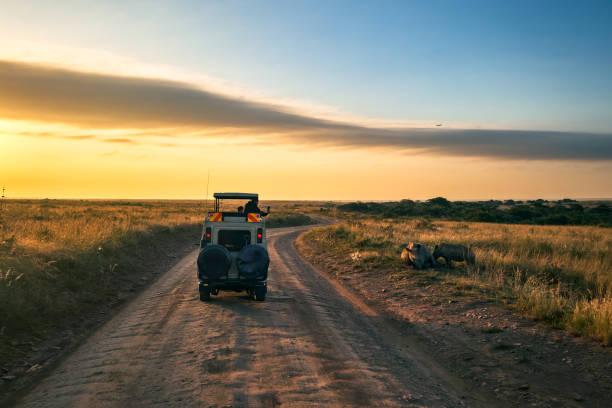
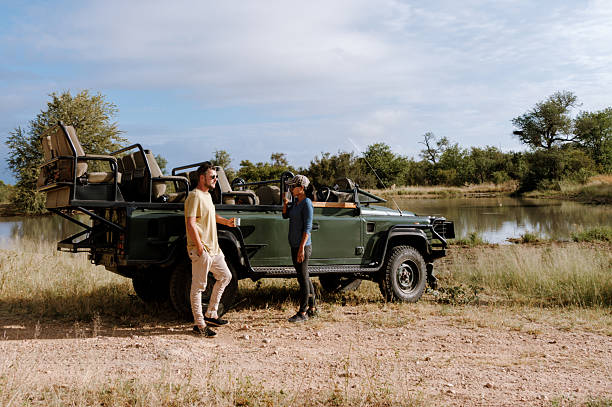
Your Comprehensive Guide to West Africa Solo Travel Adventures
Venturing into West Africa as a solo traveler offers a profound connection with rich history, diverse cultures, and warm hospitality. This region, often overlooked by mainstream tourism, presents a unique opportunity for authentic experiences. Planning West Africa solo travel adventures requires careful consideration, from understanding local customs to navigating transportation and ensuring personal safety. This guide is designed to equip you with the knowledge needed to plan a rewarding and memorable trip, whether you’re seeking bustling markets, ancient traditions, or stunning natural beauty. We’ll cover everything from initial planning and choosing destinations to practical tips for on-the-ground experiences throughout 2026 and 2027.
Quick Answer: Is West Africa Suitable for Solo Travelers?
Yes, West Africa is absolutely suitable for solo travelers willing to prepare and approach the journey with an open mind and a spirit of adventure. While it presents different challenges than more established tourist routes, the rewards of cultural immersion, genuine interactions, and off-the-beaten-path exploration are immense. With proper planning, awareness, and respect for local customs, solo travel in West Africa can be incredibly fulfilling.
Table of Contents
- West Africa Solo Travel Adventures: An Overview
- Why Choose West Africa for Solo Travel?
- Best Time to Visit West Africa for Solo Travel
- Popular Destinations for West Africa Solo Travel Adventures
- Sample Itineraries for Solo Explorers
- What to Expect: Culture, People, and Daily Life
- Safety and Awareness for Solo Travelers
- Preparation and Packing Essentials
- Navigating West Africa: Transportation Tips
- Common Mistakes to Avoid
- Who Are West Africa Solo Travel Adventures Best For?
- Alternatives to West Africa
- Planning Your West Africa Solo Trip for 2026-2027
- Booking Your West Africa Solo Adventure
- Frequently Asked Questions (FAQs)
West Africa Solo Travel Adventures: An Overview
West Africa is a vast and geographically diverse region stretching from Senegal to Cameroon, encompassing countries like Ghana, Togo, Benin, Nigeria, and Côte d’Ivoire. It’s a land where ancient kingdoms meet vibrant contemporary life, where dense rainforests give way to savannas and coastlines. For the solo traveler, West Africa offers an unfiltered glimpse into daily life, a chance to engage with traditions that have endured for centuries, and the opportunity to explore places far from the typical tourist trail. It’s a region that rewards curiosity, adaptability, and a genuine interest in understanding different ways of life. Your West Africa solo travel adventures will likely be characterized by rich cultural exchanges, lively markets, and the discovery of unique historical sites.
Why Choose West Africa for Solo Travel?
The allure of West Africa for solo travelers lies in its authenticity and the depth of cultural experiences it offers. Unlike destinations with highly developed tourist infrastructure, West Africa often requires a more hands-on approach, which can be incredibly rewarding for independent explorers. Here’s why it stands out:
- Authentic Cultural Immersion: Experience local life without the filter of mass tourism. Engage with communities, witness traditional ceremonies, and learn about history directly from locals.
- Rich History and Heritage: Explore the legacies of powerful empires like the Ashanti and Dahomey, visit slave trade fortresses, and discover ancient art and architecture.
- Vibrant Arts and Music Scene: West Africa is the birthplace of numerous music genres and artistic expressions. Live music is often a part of daily life, offering spontaneous entertainment.
- Diverse Landscapes: From the beaches of Senegal and Ghana to the deserts of Mauritania and the rainforests of Sierra Leone, the natural environments are varied and captivating.
- Warm Hospitality: Despite initial reserve, West Africans are known for their friendliness and welcoming nature, especially when travelers show genuine interest and respect.
- Off-the-Beaten-Path Exploration: For the traveler seeking to escape crowds and discover places few others have seen, West Africa is an ideal choice.
Best Time to Visit West Africa for Solo Travel
The climate in West Africa varies significantly across the region, but generally, the best time for solo travel adventures is during the dry seasons, which typically run from November to April. This period offers more comfortable temperatures and less humidity, making exploration easier. However, specific timing can depend on the country:
| Country/Region | Best Time (Dry Season) | Shoulder Seasons (Rainy, but manageable) | Notes |
|---|---|---|---|
| Senegal, Gambia | November – May | June – October (can be humid) | Coastal areas remain pleasant. |
| Ghana, Togo, Benin | November – March | April – May, October – November | Avoid peak harmattan (dusty winds) in Jan/Feb if sensitive. |
| Nigeria | November – March | April – May, October – November | Southern regions are more humid. |
| Mali, Burkina Faso | November – February | March – April, October – November | Temperatures can be very high in March/April. |
| Sierra Leone, Liberia | November – April | May – October (heavy rains) | Coastal humidity is high year-round. |
Important Considerations:
- Rainy Season: While travel is possible, heavy rains can disrupt transport and make some areas inaccessible. However, it’s also a time of lush landscapes and fewer tourists.
- Harmattan: From December to March, a dusty, dry wind blows from the Sahara, reducing visibility and affecting air quality.
- Festivals: Research local festivals, as these can be highlights of your trip but also mean higher prices and crowds.
Popular Destinations for West Africa Solo Travel Adventures
Several countries offer particularly rewarding experiences for solo travelers, balancing accessibility with rich cultural offerings.
Ghana
Often cited as one of the most stable and welcoming countries in West Africa, Ghana is an excellent starting point for solo adventurers. It boasts a rich history, including slave trade castles, vibrant markets, and beautiful beaches.
- Highlights: Cape Coast Castle, Elmina Castle, Kakum National Park (canopy walk), Accra’s markets (Makola, Arts Centre), Kumasi (Ashanti culture), Volta Region (waterfalls, nature).
- Solo Traveler Appeal: Good infrastructure for tourists, friendly locals, relatively easy to navigate.
Senegal
Known for its laid-back atmosphere, vibrant music scene, and French colonial architecture, Senegal offers a unique blend of cultures. Dakar is a dynamic capital, while islands like Gorée offer poignant history.
- Highlights: Gorée Island, Dakar’s markets and nightlife, Îles du Saloum (mangroves, birdlife), Saint-Louis (colonial charm, jazz festival), Toubab Dialaw (art village).
- Solo Traveler Appeal: French influence means some infrastructure, good public transport options, welcoming culture.
Benin
For those fascinated by Voodoo culture, ancient kingdoms, and unique traditions, Benin is a compelling destination. It’s smaller and easier to traverse than some neighbors.
- Highlights: Ouidah (Voodoo heartland, Python Temple), Ganvié (stilt village), Abomey (Dahomey Kingdom palaces), Pendjari National Park (wildlife).
- Solo Traveler Appeal: Distinct cultural experiences, manageable size, friendly and curious locals.
Togo
Togo offers a concentrated dose of West African culture, from bustling markets to remote villages and beautiful landscapes. It’s a compact country, making it easy to see a lot in a short time.
- Highlights: Lomé’s Grand Marché, Togoville (historical Voodoo site), Kpalimé (scenic hills, crafts), Kara region (hill tribes, traditional villages).
- Solo Traveler Appeal: Compact size, diverse landscapes, relatively affordable, good for cultural exploration.
Côte d’Ivoire (Ivory Coast)
A more developed economy with a French influence, Côte d’Ivoire offers modern cities, lush rainforests, and diverse ethnic groups. It’s a good option for those seeking a slightly more comfortable travel experience while still being deeply cultural.
- Highlights: Abidjan (modern capital, markets), Yamoussoukro (Basilica), Tai National Park (rainforest, wildlife), Grand-Bassam (colonial coastal town).
- Solo Traveler Appeal: Good infrastructure, diverse experiences, vibrant culinary scene.
Sample Itineraries for Solo Explorers
These are sample routes, adaptable based on your interests and time. They focus on countries known for relative ease of travel for solo visitors.
Itinerary 1: Ghana – History, Culture, and Nature (10-14 Days)
- Days 1-3: Accra – Arrive, explore Independence Square, Kwame Nkrumah Mausoleum, Makola Market, Arts Centre. Day trip to Aburi Botanical Gardens.
- Days 4-5: Cape Coast/Elmina – Travel to the coast. Visit Cape Coast Castle and Elmina Castle to learn about the transatlantic slave trade. Explore the towns.
- Day 6: Kakum National Park – Canopy walkway experience and rainforest exploration. Return to Cape Coast.
- Days 7-8: Kumasi – Travel to Kumasi, the Ashanti Kingdom’s capital. Visit Manhyia Palace Museum, National Cultural Centre, and nearby craft villages (Adanwomase, Ntonso).
- Days 9-11: Volta Region – Travel to the Volta Region. Visit Wli Waterfalls, Tafi Atome Monkey Sanctuary, and explore the scenic landscapes around Lake Volta.
- Day 12: Return to Accra – Travel back to Accra for departure or further exploration.
- Optional Extension: Add 2-3 days for beach relaxation in Busua or exploration of the Nzulezu stilt village.
Itinerary 2: Senegal & Gambia – Culture, Islands, and Coast (12-16 Days)
- Days 1-3: Dakar – Arrive in Dakar. Visit Gorée Island, explore the IFAN Museum, visit the African Renaissance Monument, experience the markets and music scene.
- Days 4-5: Îles du Saloum – Travel south to Toubacouta. Take boat trips through the mangroves, bird watching, visit traditional villages.
- Days 6-7: Saint-Louis – Travel north to the historic city of Saint-Louis. Explore the colonial architecture, cross the Faidherbe Bridge, enjoy the jazz scene.
- Days 8-10: Gambia (Optional) – Cross the border into The Gambia. Visit Banjul, explore the markets, take a boat trip on the Gambia River, visit Katchikally Crocodile Pool. (Note: Border crossings can take time).
- Days 11-13: Coastal Senegal/Gambia – Relax on the beaches of Saly (Senegal) or Kololi (Gambia).
- Day 14: Return to Dakar – Travel back to Dakar for departure.
Itinerary 3: Benin & Togo – Voodoo, Kingdoms, and Villages (10-14 Days)
- Days 1-2: Lomé, Togo – Arrive in Lomé. Explore the Grand Marché, Akodessewa Fetish Market, Independence Monument.
- Days 3-4: Kpalimé, Togo – Travel to the scenic hills. Hike, visit coffee and cocoa plantations, explore craft workshops.
- Day 5: Togoville, Togo – Visit the historical Voodoo center on the shores of Lake Togo.
- Day 6: Border Crossing to Ouidah, Benin – Travel to Ouidah, the spiritual heart of Voodoo. Visit the Python Temple, Sacred Forest, Door of No Return.
- Day 7: Ganvié, Benin – Visit the stilt village of Ganvié on Lake Nokoué. Experience life on the water.
- Days 8-9: Abomey, Benin – Explore the historical palaces of the Dahomey Kingdom, a UNESCO World Heritage site.
- Day 10: Return to Lomé or Cotonou – Travel to Cotonou (Benin’s economic capital) for departure, or return to Lomé.
- Optional Extension: Add 2-3 days for Pendjari National Park in northern Benin for wildlife viewing (requires more time and potentially flights).
What to Expect: Culture, People, and Daily Life
West African cultures are incredibly diverse, but some common threads exist. Understanding these will greatly enhance your solo travel adventures:
- Pace of Life: Things often move at a slower pace. Patience is key. Appointments may not be kept precisely, and delays are common.
- Social Interactions: Greetings are very important. Always greet people when entering a shop, restaurant, or village. Showing respect for elders is paramount.
- Family and Community: Family ties are strong, and community is central to life. You might be invited to share a meal or join a celebration.
- Religion: Islam and Christianity are dominant, but traditional animist beliefs (like Voodoo in Benin and Togo) are often practiced alongside or integrated with them. Be respectful of religious sites and practices.
- Markets: Markets are the vibrant heart of most towns and cities. They are bustling, colorful, and offer a fantastic opportunity to observe daily life and practice your bargaining skills (politely).
- Hospitality: While initial interactions might seem reserved, West Africans are generally very hospitable. A smile and a few words of the local language go a long way.
- Photography: Always ask permission before taking photos of people, especially children or in religious contexts. Some may ask for a small fee.
Safety and Awareness for Solo Travelers
Safety is a primary concern for any solo traveler, and West Africa is no exception. While generally safe, it requires heightened awareness and sensible precautions.
General Safety Tips:
- Trust Your Instincts: If a situation feels uncomfortable or unsafe, remove yourself from it.
- Be Aware of Your Surroundings: Especially in crowded markets, bus stations, and tourist areas, be mindful of pickpockets and petty theft. Keep valuables secure and out of sight.
- Avoid Walking Alone at Night: Stick to well-lit, populated areas if you must be out after dark. Taxis are recommended for late-night travel.
- Be Cautious with Strangers: While many people are genuinely helpful, be wary of overly friendly strangers who offer unsolicited help or tours, especially if they seem to be leading you somewhere secluded or trying to sell you something aggressively.
- Inform Someone of Your Plans: Let a friend, family member, or your accommodation know your general itinerary and check in regularly.
- Research Local Scams: Familiarize yourself with common scams in the region (e.g., the ‘friendship bracelet’ scam, overcharging for taxis).
- Respect Local Laws and Customs: Dress modestly, especially when visiting religious sites or rural areas. Avoid public displays of affection.
- Alcohol and Drugs: Consume alcohol responsibly. Drug use is illegal and carries severe penalties.
Health Considerations:
- Vaccinations: Consult your doctor or a travel clinic well in advance of your trip regarding recommended vaccinations (Yellow Fever is often mandatory, Hepatitis A, Typhoid, etc.) and malaria prophylaxis.
- Water: Drink only bottled or purified water. Avoid ice in drinks unless you are certain it’s made from purified water.
- Food Safety: Eat at busy, reputable establishments. Ensure food is cooked thoroughly and served hot. Peel fruits and vegetables yourself.
- Sun Protection: Use sunscreen, wear a hat, and stay hydrated.
Political Stability and Travel Advisories:
Always check your government’s travel advisories for the countries you plan to visit. The political situation can change, and some areas may be subject to unrest or specific risks. Countries like Niger and Mali have experienced increased instability in recent years, so thorough research is crucial for 2026-2027 planning.
Preparation and Packing Essentials
Thorough preparation is key to a smooth solo journey. Packing light but smart will make a significant difference.
Pre-Trip Preparation:
- Visas: Research visa requirements for your nationality for each country you plan to visit. Apply well in advance.
- Travel Insurance: Comprehensive travel insurance is non-negotiable. Ensure it covers medical emergencies, evacuation, and theft.
- Flights and Accommodation: Book international flights and your first few nights of accommodation in advance. For longer stays, you can be more flexible.
- Currency: Understand the local currency for each country. While ATMs are available in major cities, it’s wise to carry some USD or Euros for emergencies and smaller countries. Inform your bank of your travel dates.
- Language: French is widely spoken in many West African countries, alongside English in Ghana and Sierra Leone. Learning a few basic phrases in French or the local language (e.g., Wolof in Senegal, Twi in Ghana) is highly appreciated.
- Mobile Phone: Consider getting a local SIM card upon arrival for cheaper calls and data. Ensure your phone is unlocked.
Packing List for West Africa Solo Travel Adventures:
- Clothing: Lightweight, breathable fabrics (cotton, linen). Long-sleeved shirts and trousers for sun protection and mosquito protection. Modest clothing (covering shoulders and knees) is recommended, especially for women and when visiting villages or religious sites. A light rain jacket for unexpected showers. A warmer layer for evenings or air-conditioned transport.
- Footwear: Comfortable walking shoes or sturdy sandals. Flip-flops for guesthouses/showers. Hiking boots if planning serious trekking.
- Health Kit: Personal medications, basic first-aid supplies (band-aids, antiseptic wipes, pain relievers), insect repellent (with DEET), hand sanitizer, rehydration salts, any personal prescriptions.
- Documents: Passport (with at least 6 months validity), visa copies, flight confirmations, insurance details, vaccination certificates, passport photos (for visas on arrival or local permits). Keep digital copies separate.
- Electronics: Universal travel adapter, power bank, camera, phone, chargers.
- Miscellaneous: Small backpack for day trips, reusable water bottle, small padlock (for hostels/luggage), sunglasses, sun hat, quick-dry towel, basic toiletries.
What to Leave Behind: Expensive jewelry, large amounts of cash, unnecessary electronics, anything you’d be devastated to lose.
Navigating West Africa: Transportation Tips
Getting around West Africa is an adventure in itself. Embrace the local methods for an authentic experience.
- Public Buses/Coaches: Companies like Intercity STC (Ghana) or local bus services connect major cities. They can be crowded, slow, and sometimes uncomfortable, but they are the most economical option.
- Shared Taxis/Minibuses (Tro-tros): These are ubiquitous and a primary mode of transport for locals. They are cheap but can be cramped and drivers may push limits. Agree on the fare before you depart.
- Private Taxis: More comfortable and flexible but more expensive. Always negotiate the fare before starting your journey. For longer distances, you can sometimes hire a taxi for the day or for a specific route.
- Car Hire: Renting a car with a driver is often the most practical and comfortable option for solo travelers, especially for exploring off-the-beaten-path areas or when time is limited. It removes the stress of navigation and local driving customs.
- Boats: Essential for accessing some areas, like the stilt village of Ganvié in Benin or navigating rivers and coastlines in Senegal.
- Domestic Flights: Available in larger countries like Nigeria and Ghana, but can be expensive and are not always reliable.
Booking Advice: For longer bus journeys or hiring cars, it’s often best to book a day or two in advance at the bus station or through your accommodation. For private drivers, reputable tour operators can arrange this.
Common Mistakes to Avoid
Learning from others’ experiences can save you time and hassle. Here are common pitfalls for West Africa solo travel adventures:
- Underestimating Travel Times: Distances may seem short on a map, but road conditions, traffic, and frequent stops mean journeys often take much longer than expected. Build buffer time into your itinerary.
- Not Learning Basic Phrases: While English is spoken in some areas, knowing a few words of French or the local language significantly improves interactions.
- Relying Solely on ATMs: While ATMs exist in cities, they can be unreliable or out of cash. Always carry a reasonable amount of USD/Euros for emergencies.
- Ignoring Local Customs: Failing to dress modestly or greet people properly can cause offense. Research and respect local etiquette.
- Over-scheduling: Trying to see too much in too little time leads to exhaustion and missed opportunities for spontaneous experiences.
- Being Too Trusting or Too Suspicious: Find a balance. Be open to meeting people and accepting genuine offers of help, but remain vigilant against scams and safety risks.
- Not Carrying Enough Water and Snacks: Especially on longer journeys or in remote areas, access to amenities can be scarce.
Who Are West Africa Solo Travel Adventures Best For?
These adventures are ideal for:
- Adventurous Souls: Those who enjoy stepping outside their comfort zone and embracing the unexpected.
- Cultural Enthusiasts: Travelers eager to immerse themselves in diverse traditions, history, and daily life.
- Independent Explorers: Individuals who prefer to chart their own course, meet locals, and have authentic interactions.
- Budget-Conscious Travelers: While not always the cheapest region, it offers great value for money if you utilize local transport and guesthouses.
- Photographers and Artists: The vibrant colors, rich textures, and compelling human subjects offer endless inspiration.
- Those Seeking Authenticity: Travelers looking for genuine experiences away from mass tourism.
It may NOT be the best choice for: Travelers who prefer highly structured tours, luxury accommodations throughout, guaranteed predictable services, or those who are easily stressed by logistical challenges or cultural differences.
Alternatives to West Africa
If West Africa doesn’t feel like the right fit for your solo travel aspirations, consider these regions that also offer rich cultural experiences and are generally more accessible for solo travelers:
- East Africa (Tanzania, Kenya): Famous for safaris, Mount Kilimanjaro, and Zanzibar. Offers excellent tourist infrastructure and a wide range of activities.
- North Africa (Morocco, Egypt): Rich history, distinct cultures, vibrant souks, and ancient sites. Generally well-established tourist routes.
- Southeast Asia (Thailand, Vietnam, Cambodia): Very popular with solo travelers due to excellent infrastructure, affordability, diverse cultures, and delicious food.
- South America (Peru, Colombia): Incredible history, stunning landscapes, vibrant cultures, and a growing tourism scene.
Planning Your West Africa Solo Trip for 2026-2027
Planning ahead is crucial for a successful trip, especially when considering the nuances of West African travel. Here’s a guide for planning your West Africa solo travel adventures for 2026-2027:
Timeline for Planning:
| Timeframe | Key Tasks |
|---|---|
| 12+ Months Before | Initial research: countries, interests, general budget. Start saving. |
| 6-9 Months Before | Refine itinerary. Check visa requirements. Book international flights (often cheaper). Consult doctor about vaccinations. Research travel insurance. |
| 3-5 Months Before | Apply for visas. Book key internal transport or tours if needed. Purchase travel insurance. Get necessary vaccinations. Start learning basic phrases. |
| 1-2 Months Before | Confirm all bookings. Pack and test gear. Inform bank of travel dates. Get local currency for initial expenses. Finalize health precautions. |
| 1-2 Weeks Before | Make digital and physical copies of all documents. Share itinerary with a contact. Confirm airport transfers. Final packing. |
Key Considerations for 2026-2027:
- Evolving Political Landscapes: Keep an eye on regional stability. Countries bordering those with recent instability may require extra caution.
- Travel Trends: As more travelers seek authentic experiences, some destinations might see increased visitor numbers. Booking accommodations and transport in advance, especially during peak season, is advisable.
- Sustainability: Consider how your travel impacts local communities and the environment. Support local businesses and practice responsible tourism.
Booking Your West Africa Solo Adventure
When booking your West Africa solo travel adventures, consider a mix of independent planning and leveraging local expertise.
Independent Booking:
For well-trodden routes and major cities, you can book flights, accommodations (hotels, guesthouses), and some bus tickets online through standard booking platforms. This offers flexibility and can be cost-effective.
Using Local Tour Operators/Guides:
For a more in-depth and hassle-free experience, especially in more remote areas or for specific cultural activities, consider using local tour operators. They can arrange:
- Private Drivers/Cars: Essential for comfort and navigating challenging roads.
- Local Guides: Invaluable for understanding culture, history, and navigating local markets and villages.
- Customized Itineraries: Tailored to your interests and pace.
- Accommodation: They often have access to good, reliable guesthouses that might not be listed online.
When choosing a tour operator: Look for those with good reviews, clear communication, and a focus on responsible tourism. Don’t hesitate to ask detailed questions about inclusions, safety protocols, and local guides.
For your West Africa solo travel adventures, especially if you are looking for a well-organized and culturally rich experience, consider contacting us. We specialize in creating tailored adventures in Tanzania, but we can also connect you with trusted partners for West African experiences.
WhatsApp: +255616946642
Email: topguideadventures@gmail.com
Backup Email: info@topguideadventures.com
Frequently Asked Questions (FAQs)
Q1: Is West Africa safe for solo female travelers?
A1: Yes, with proper precautions, West Africa can be safe for solo female travelers. It’s advisable to dress modestly, be aware of your surroundings, avoid walking alone at night, and trust your instincts. Building a rapport with locals and using reputable guides or drivers can significantly enhance safety and the overall experience. Ghana and Senegal are often cited as particularly welcoming.
Q2: What is the best way to get around between countries in West Africa?
A2: For longer distances between countries, flying is the quickest but most expensive option. Overland travel is common via shared taxis or buses. Border crossings can sometimes be slow and require patience. Research specific routes and potential visa requirements for transit countries.
Q3: How much money should I budget for a solo trip to West Africa?
A3: Costs vary significantly by country and travel style. Budget travelers using local transport and guesthouses might spend $50-$70 per day. Mid-range travelers using private taxis and nicer hotels could spend $100-$150+ per day. This excludes international flights and major visa fees. Planning for 2026-2027, it’s wise to add a small buffer for potential inflation.
Q4: Do I need to speak French to travel in West Africa?
A4: While French is the official language in many countries (Senegal, Benin, Togo, Côte d’Ivoire), English is widely spoken in Ghana and Sierra Leone. In tourist areas and major cities, you can often get by with English and gestures. However, learning basic French phrases or local greetings will greatly enhance your interactions.
Q5: What are the essential vaccinations for West Africa?
A5: Yellow Fever vaccination is mandatory for entry into most West African countries, and you’ll need proof of it. Other recommended vaccinations often include Hepatitis A, Typhoid, Tetanus, and Diphtheria. Malaria prophylaxis is also strongly advised. Consult a travel clinic 6-8 weeks before your trip for personalized advice.
Q6: Is it easy to find accommodation as a solo traveler?
A6: Yes, in major cities and tourist hubs, you’ll find a range of accommodations from budget guesthouses and hostels to mid-range hotels. In more remote areas, options might be limited to basic guesthouses or homestays, which can offer incredible cultural experiences.
Q7: How important is bargaining in West African markets?
A7: Bargaining is a common practice in most markets. It’s expected, but it should be done politely and with a smile. Have a price in mind, start lower, and be prepared to meet somewhere in the middle. If the price isn’t right, it’s perfectly acceptable to walk away politely.
Q8: What should I do if I get sick?
A8: Ensure you have comprehensive travel insurance that covers medical emergencies and evacuation. Know the location of the nearest reputable clinic or hospital. Drink plenty of bottled water and rest. If symptoms are severe, seek medical attention immediately. Your tour operator can assist in such situations.
Q9: Can I use my credit cards in West Africa?
A9: Credit cards are generally accepted only in larger hotels, upscale restaurants, and some larger shops in major cities. For most transactions, especially in markets and smaller towns, cash is king. It’s essential to carry enough local currency or USD/Euros.
Q10: What are the main cultural differences I should be aware of?
A10: Key differences include the importance of greetings, strong community and family ties, respect for elders, a more relaxed approach to time, and often a blend of formal religions with traditional beliefs. Patience, politeness, and a willingness to observe and learn are crucial.
Ready to Plan Your West Africa Solo Travel Adventures?
West Africa offers an unparalleled journey for the solo traveler seeking depth, authenticity, and adventure. While planning your West Africa solo travel adventures, remember that preparation is key to a safe and rewarding experience. For expert advice, customized itineraries, or assistance in navigating the complexities of travel in this incredible region, our partners can help. Whether you’re dreaming of safaris in Tanzania or exploring the vibrant cultures of West Africa, we can guide you.
Contact us to start planning your unforgettable journey for 2026-2027:
WhatsApp: +255616946642
Email: topguideadventures@gmail.com
Backup Email: info@topguideadventures.com
Plan your West Africa Solo Travel Adventures with Top Guide Adventures
Tell us your travel dates, group size, comfort level, and dream experience. We will help you shape a clear, realistic, and memorable Tanzania itinerary.

 Veedesigner
 Fatma Kizanga
 Benjamin Waryuba
 Philip Philip
 John jr Itaja
 Antonia Optatus
 Edith Kanyere
 Neema Iddy
 Kelvin Boniphace
 Damari Maiga



