
Updated planning guide for 2026-2027
Architecture And Heritage Exploration: Complete Guide 2026-2027
Explore the captivating architectural and heritage sites of Tanzania. This comprehensive guide details historical influences, key locations, planning tips, and how to book an unforgettable cultural exploration for your 2026-2027 travels.
WhatsApp +255616946642 | topguideadventures@gmail.com | info@topguideadventures.com

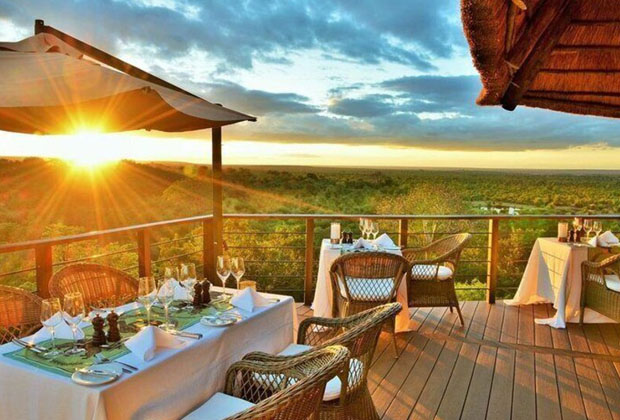
Architecture and Heritage Exploration: A Comprehensive Tanzania Travel Guide
Tanzania, a nation rich in history and cultural diversity, offers more than just its world-renowned wildlife safaris and pristine beaches. Beneath the surface lies a fascinating world of architecture and heritage, shaped by centuries of trade, migration, and colonial influence. For travelers seeking a deeper understanding of this East African gem, an exploration of its built environment and historical narratives provides invaluable insights. This guide is designed for those interested in the intricate details of Architecture and Heritage Exploration in Tanzania, offering practical advice and detailed information for planning your journey in 2026 and 2027.
Table of Contents
- Quick Facts
- Tanzania’s Architectural & Heritage Tapestry
- Why Explore Tanzania’s Architecture and Heritage?
- Key Historical Influences on Tanzanian Architecture
- Major Architecture and Heritage Exploration Sites
- Sample Itinerary: A Cultural Journey Through Time
- What to Expect During Your Exploration
- Planning Your Architecture and Heritage Trip for 2026-2027
- Best Time to Visit for Heritage Exploration
- Packing Essentials for Cultural Exploration
- Common Mistakes to Avoid
- Who is Architecture and Heritage Exploration Best Suited For?
- Alternative Cultural Experiences in Tanzania
- Booking Your Tanzania Architecture and Heritage Tour
- Frequently Asked Questions
Quick Facts
| Aspect | Details |
|---|---|
| Primary Focus | Historical buildings, cultural sites, architectural styles, local traditions. |
| Key Regions | Zanzibar, Stone Town, Bagamoyo, Kilwa Kisiwani, Dar es Salaam, Tanga. |
| Dominant Influences | Swahili, Arab, Persian, Indian, German, British. |
| Travel Style | Cultural tours, historical walks, guided explorations, independent discovery. |
| Best For | History buffs, cultural enthusiasts, photographers, curious travelers. |
| Typical Duration | 3-7 days for dedicated heritage focus, integrated into longer trips. |
Tanzania’s Architectural & Heritage Tapestry
Tanzania’s history is a complex weave of indigenous African cultures, extensive trade networks with the Middle East and Asia, and periods of European colonization. This rich past is visibly preserved in its architecture and heritage sites. From the ancient coral stone buildings of Zanzibar’s Stone Town to the remnants of German colonial administration and the bustling modern metropolises, each structure tells a story. Understanding these influences is key to appreciating the country’s unique identity.
The Swahili coast, in particular, is a treasure trove of architectural marvels. For centuries, it was a hub for trade routes connecting Africa with Arabia, Persia, India, and beyond. This interaction led to the development of a distinct Swahili culture and architectural style, characterized by intricately carved wooden doors, flat roofs, courtyards, and the use of coral stone and mangrove timber. These elements are most famously showcased in Stone Town, Zanzibar, a UNESCO World Heritage site, but also appear in other coastal towns like Bagamoyo and Kilwa.
Later periods brought German and British colonial rule, leaving their mark in administrative buildings, churches, and residential architecture, often characterized by grander, more European designs. Modern Tanzania continues to evolve, with contemporary architecture reflecting the nation’s aspirations while often incorporating traditional motifs.
Why Explore Tanzania’s Architecture and Heritage?
Choosing to focus on architecture and heritage during your Tanzania tour offers a profound connection to the country’s soul. It moves beyond the visual spectacle of wildlife and the relaxation of beach holidays to engage with the human stories that have shaped Tanzania. Here’s why this approach is rewarding:
- Deeper Cultural Understanding: Buildings are more than just structures; they are physical manifestations of history, beliefs, social structures, and economic activities. Exploring them provides context to the people and their way of life.
- Unique Travel Experiences: While safaris are iconic, a heritage tour offers a different kind of adventure, one that engages the mind and fosters a more nuanced appreciation of the destination.
- Rich Visuals: From the detailed carvings of Zanzibari doors to the imposing colonial-era forts, the aesthetic appeal is immense, offering fantastic photographic opportunities.
- Connection to History: Walk in the footsteps of sultans, explorers, traders, and colonial administrators. Visit sites where pivotal historical events unfolded.
- Supporting Local Economies: By visiting heritage sites and engaging with local guides, you contribute directly to the preservation of these invaluable cultural assets and support local communities.
Key Historical Influences on Tanzanian Architecture
Tanzania’s architectural styles are a direct reflection of its diverse history. Understanding these influences is crucial for appreciating the distinct features you’ll encounter:
- Indigenous African Traditions: Before external influences, various African ethnic groups had their own building techniques, often using local materials like mud, thatch, wood, and stone, adapted to regional climates and needs.
- Swahili and Arab/Persian Trade (8th-15th Centuries onwards): This is perhaps the most significant influence, especially along the coast. It introduced:
- Coral Stone Construction: Buildings made from cut coral blocks, often plastered.
- Intricate Wood Carvings: Especially on doors and windows, featuring geometric patterns and floral motifs.
- Courtyard Houses: Designed for privacy and to mitigate the heat, often with shaded verandas.
- Flat Roofs: Suitable for the warm climate, sometimes used for gathering or sleeping on cooler nights.
- Mosques and Minarets: Reflecting the Islamic faith that spread through trade.
- Indian Merchant Influence (Concurrent with Arab Trade): Indian traders brought their own architectural ideas, often seen in residential buildings and shops, sometimes incorporating decorative elements and specific structural designs.
- Omani Sultanate (17th-19th Centuries): The Omani Arabs significantly influenced Zanzibar, consolidating Swahili culture and leaving behind grander structures like palaces and fortifications.
- German Colonial Era (Late 19th – Early 20th Century): The Germans introduced European administrative and residential styles. Look for:
- Sturdy, functional buildings: Often with wide verandas, designed for tropical climates.
- Churches and Government Offices: Exhibiting a blend of European and colonial aesthetics.
- Railway infrastructure: Including stations and associated buildings.
- British Colonial Era (Post WWI): The British continued to build in a similar vein, often focusing on administrative centers, schools, and public facilities. Their style can be seen in the use of concrete, brick, and more standardized designs.
- Modern Tanzanian Architecture: Contemporary buildings often aim to blend modern functionality with nods to traditional Swahili or African designs, using new materials and techniques.
Major Architecture and Heritage Exploration Sites
While Tanzania offers heritage discoveries across the country, several locations stand out for their concentration of significant architectural and historical sites. Planning your itinerary around these areas will maximize your exploration.
1. Zanzibar Archipelago (Especially Stone Town)
A UNESCO World Heritage site, Stone Town is the undisputed crown jewel for architecture and heritage exploration in Tanzania. Its narrow, winding streets are lined with hundreds of historically significant buildings, showcasing the unique Swahili-Arab-Indian-European fusion.
- What to see:
- House of Wonders (Beit-al-Ajaib): The largest and grandest building in Stone Town, once the Sultan’s ceremonial palace.
- Old Fort (Ngome Kongwe): Built by the Omanis, it’s one of the oldest buildings in Stone Town and now hosts cultural events and shops.
- Sultan’s Palace Museum (Beit-el-Sahel): Offers insight into the lives of Zanzibar’s sultans.
- Forodhani Gardens: A vibrant waterfront area, perfect for evening strolls and experiencing local life.
- Anglican Cathedral and Slave Market Site: A poignant reminder of Zanzibar’s history with the slave trade.
- Intricately Carved Doors: Nearly every historic building features unique, ornate wooden doors, a signature of Swahili craftsmanship.
- Other Islands: Explore historical ruins on Changuu (Prison Island) or the Persian Baths at Kizimkazi.
2. Bagamoyo
Located on the mainland coast, north of Dar es Salaam, Bagamoyo is a historically vital port town, once the capital of German East Africa and a major center for the slave trade. It offers a more laid-back, less touristy heritage experience compared to Stone Town.
- What to see:
- Kaole Ruins: Ancient coral stone ruins dating back to the 13th century, believed to be part of a larger trading settlement.
- German Boma (Fort): The remnants of the German administration building.
- Old Town Streets: Explore the historic buildings, including old churches, mosques, and colonial-era structures.
- Slave Market Site: A significant historical location related to the ivory and slave trade.
- The Dhow Port: Witness traditional dhows still being built and used for trade.
3. Kilwa Kisiwani and Songo Mnara
Further south on the coast, these two island sites (accessible by boat) are UNESCO World Heritage sites and represent the peak of Swahili civilization’s maritime trade power between the 9th and 16th centuries.
- What to see:
- Great Mosque of Kilwa: One of the oldest mosques in East Africa.
- Palace of Husuni Kubwa: The ruins of a grand palace complex, showcasing impressive architecture and mosaic work.
- Fort Gereza: A 19th-century Omani fort.
- Songo Mnara Ruins: Another important settlement with remnants of houses, mosques, and a palace.
4. Dar es Salaam
Tanzania’s largest city and former capital, Dar es Salaam, offers a mix of colonial buildings and more modern developments. It’s a good starting point for understanding the country’s evolution.
- What to see:
- National Museum: Houses historical artifacts and exhibits that provide context for the country’s heritage.
- Askari Monument: A prominent landmark commemorating African soldiers in WWII.
- Old Post Office and State House: Examples of colonial-era architecture.
- Azania Front Lutheran Church: A historic church with distinctive architecture.
- The Central Railway Station: A colonial-era transport hub.
5. Tanga Region
This northern coastal region has historical significance as a former German administrative center and a hub for sisal plantations. It offers a glimpse into the German colonial past.
- What to see:
- Amboni Caves: While natural, they have historical significance and local legends.
- German Boma and Railway Station: Remnants of the colonial era in Tanga town.
- Sisal Plantations: Many old plantation houses and processing facilities, some still operational, offer insight into the region’s economic history.
Sample Itinerary: A Cultural Journey Through Time (7 Days)
This sample itinerary focuses on key heritage sites. It can be customized to fit your interests and available time. This is a suggested route for Architecture and Heritage Exploration.
| Day | Location | Focus | Activities |
|---|---|---|---|
| 1 | Dar es Salaam | Arrival & Colonial Past | Arrive at Julius Nyerere International Airport (DAR). Transfer to hotel. Visit the National Museum and explore colonial buildings like the Old Post Office and Askari Monument. |
| 2 | Bagamoyo | Ancient Roots & Colonial Echoes | Day trip to Bagamoyo. Visit the Kaole Ruins, the German Boma, and the historical town center. Learn about its significance as a former capital and slave trading post. Return to Dar es Salaam. |
| 3 | Zanzibar (Stone Town) | Swahili-Arab Heritage | Fly from Dar es Salaam to Zanzibar. Check into your hotel in Stone Town. Begin exploring the UNESCO World Heritage site, focusing on the architecture, narrow streets, and iconic carved doors. Visit the Old Fort. |
| 4 | Zanzibar (Stone Town) | Sultanate & Slave Trade History | Continue exploring Stone Town. Visit the Sultan’s Palace Museum, the Anglican Cathedral and former Slave Market site. Wander through the vibrant markets and soak in the atmosphere. |
| 5 | Zanzibar (Spice Tour & North/East Coast) | Cultural Immersion & Coastal Heritage | Take a guided spice tour to learn about Zanzibar’s historical trade. Optionally, visit historical sites like the Persian Baths or explore the coast for traditional fishing villages and dhow building. |
| 6 | Kilwa Kisiwani (Optional Extension) | Ancient Maritime Power | (Requires an additional 2-3 days) Fly or drive south to Kilwa Masoko and take a boat to Kilwa Kisiwani. Explore the magnificent ruins of the Great Mosque, Husuni Kubwa palace, and Fort Gereza. Overnight near Kilwa. |
| 7 | Departure | Reflection | Depending on your flight schedule, enjoy a final breakfast in Zanzibar or Dar es Salaam. Transfer to the airport for your onward journey. |
Note: The Kilwa extension requires significant travel time and is best incorporated into a longer trip. For a 7-day trip, focusing on Dar es Salaam and Zanzibar is more practical.
What to Expect During Your Exploration
An Architecture and Heritage Exploration in Tanzania offers a unique set of experiences. Be prepared for:
- Walking Tours: Most heritage sites, especially Stone Town and Bagamoyo, involve extensive walking. Wear comfortable shoes.
- Varying Conditions: Some historical sites are well-preserved and accessible, while others are ruins that require careful navigation. Weather can be hot and humid.
- Local Guides: Engaging local guides is highly recommended. They possess invaluable knowledge about the history, architecture, and local stories that enrich the experience immensely.
- Interactions: You’ll encounter local life unfolding around historical sites. Be respectful of residents and their customs.
- Sensory Experience: Expect vibrant markets, the scent of spices, the call to prayer, the sound of local music, and the visual feast of diverse architectural styles.
- Pace: Heritage exploration often benefits from a slower pace, allowing time to absorb details and appreciate the nuances of each location.
Planning Your Architecture and Heritage Trip for 2026-2027
Planning is key to a successful and enriching heritage tour. Consider these aspects for your 2026-2027 travels:
Key Planning Steps:
- Define Your Focus: Are you interested in Swahili coast history, colonial architecture, or a broader cultural overview? This will shape your destinations.
- Choose Your Destinations: Zanzibar (Stone Town) is essential. Consider Bagamoyo or Kilwa for mainland coastal history.
- Determine Trip Length: A dedicated heritage tour might be 3-7 days. For a broader Tanzania experience, allocate 2-3 days per key heritage site.
- Select Travel Style: Do you prefer guided tours, independent exploration with a local guide, or a mix?
- Book Flights and Accommodation: Secure international flights and internal travel (flights or ferries) well in advance, especially for 2026-2027. Accommodation in historic areas can be popular.
- Arrange Local Transportation: Within cities, taxis or walking are common. For inter-town travel, consider private transfers or scheduled buses/flights.
- Factor in Guides: Research and book reputable local guides for key sites like Stone Town and Bagamoyo.
- Visa Requirements: Check current visa regulations for Tanzania for your nationality.
- Health Precautions: Consult your doctor regarding vaccinations and malaria prophylaxis.
- Budget: While not exact prices, consider costs for flights, accommodation, tours, guides, entrance fees, and meals.
Best Time to Visit for Heritage Exploration
The best time for heritage exploration largely aligns with Tanzania’s dry seasons, which offer more comfortable weather for walking and sightseeing.
- June to October: This is the main dry season. Skies are generally clear, temperatures are moderate, and humidity is lower. It’s ideal for exploring outdoor heritage sites and walking through towns. This period is popular, so book ahead for 2026-2027.
- December to February: Another dry season, though often hotter and more humid than the June-October period. It’s still a good time for heritage tours, with fewer crowds than the peak dry season.
- March to May: This is the long rainy season. While heavy downpours can occur, they often don’t last all day. Some travelers find this period offers a more authentic experience with fewer tourists and lower prices. However, travel on unpaved roads can be challenging, and some boat trips might be affected.
- November: A transitional month, usually with short rains. Can be a good option if you prefer fewer crowds.
For heritage exploration, consistent pleasant weather for walking is preferred, making the dry seasons (June-October and December-February) the most suitable choices.
Packing Essentials for Cultural Exploration
Packing smart will enhance your comfort and enjoyment during your architecture and heritage exploration.
- Lightweight, Breathable Clothing: Cotton or linen fabrics are ideal for the warm climate.
- Modest Attire: Especially when visiting religious sites or more traditional communities, pack long trousers/skirts and tops that cover shoulders. A light scarf is versatile.
- Comfortable Walking Shoes: Essential for exploring Stone Town’s cobblestones or ruins.
- Sun Protection: Wide-brimmed hat, sunglasses, and high SPF sunscreen.
- Insect Repellent: Particularly for evenings and if staying near water.
- Reusable Water Bottle: Stay hydrated and reduce plastic waste.
- Small Backpack/Daypack: For carrying water, camera, sunscreen, and guidebooks.
- Camera and Extra Batteries/Memory Cards: You’ll want to capture the intricate details.
- Power Adapter and Portable Charger: For keeping your devices charged.
- Basic First-Aid Kit: Include any personal medications.
- Hand Sanitizer: Useful when out and about.
- A Good Guidebook or Offline Maps: For navigation and historical information.
Common Mistakes to Avoid
To ensure your heritage exploration is as smooth and rewarding as possible, be aware of these common pitfalls:
- Underestimating Walking: Stone Town’s charm lies in its walkability, but it requires a lot of footwork. Don’t pack too many activities into one day.
- Not Hiring Local Guides: You’ll miss out on the depth of historical and cultural context that only a knowledgeable local guide can provide.
- Ignoring Dress Codes: While Zanzibar is relatively relaxed, showing respect at religious sites and in more conservative areas is important. Dress modestly.
- Rushing Through Sites: Heritage exploration is about absorbing details. Allow ample time to appreciate the craftsmanship and history.
- Not Staying in Historic Areas: For the full experience, consider staying in a historic hotel within Stone Town or near heritage sites.
- Overlooking Mainland Coastal Sites: Many travelers focus solely on Zanzibar, missing the equally rich history of places like Bagamoyo and Kilwa.
- Not Factoring in Travel Time: Moving between sites, especially on the mainland, can take longer than expected.
- Assuming All Sites are Well-Maintained: Some ruins require careful navigation. Be prepared for uneven terrain.
- Not Learning Basic Swahili Phrases: A few greetings can go a long way in fostering positive interactions.
Who is Architecture and Heritage Exploration Best Suited For?
This type of travel appeals to a specific kind of explorer:
- History Enthusiasts: Anyone fascinated by the layers of history, trade routes, and cultural exchange that have shaped East Africa.
- Culture Vultures: Travelers who seek to understand the living heritage and traditions of a place, not just its past.
- Architectural Aficionados: Individuals with an interest in diverse building styles, from ancient coral stone to colonial structures and intricate carvings.
- Photographers: The unique textures, colors, and historical settings offer endless photographic opportunities.
- Slow Travelers: Those who prefer to immerse themselves in a destination, taking time to absorb details rather than rushing through checklists.
- Curious Explorers: Travelers looking for experiences beyond the typical tourist trail, seeking deeper connections and understanding.
- Those Combining Interests: Travelers who enjoy safaris or beach holidays but want to add a meaningful cultural dimension to their trip.
Alternative Cultural Experiences in Tanzania
While architecture and heritage exploration is a distinct pursuit, Tanzania offers many other ways to engage with its culture:
- Community-Based Tourism: Stay in local villages, participate in daily activities, and learn about traditional life directly from residents.
- Cultural Heritage Tourism (Chagga, Maasai): Visit communities like the Chagga on the slopes of Kilimanjaro to learn about their coffee farming and traditions, or engage with Maasai cultural centers to understand their nomadic lifestyle.
- Craft Markets and Artisan Workshops: Explore local markets for unique crafts, wood carvings, textiles, and art. Visit workshops to see artisans at work.
- Culinary Tours: Experience Tanzania through its food. Sample local dishes, visit markets, and learn about traditional cooking methods.
- Music and Dance Performances: Seek out opportunities to witness traditional music and dance, which are integral parts of many Tanzanian cultures.
- Historical Site Integration: Combine visits to heritage sites with other popular activities. For example, explore Stone Town before or after a Zanzibar beach holiday, or visit Bagamoyo on your way to or from a safari.
Booking Your Tanzania Architecture and Heritage Tour
Booking a specialized tour or integrating heritage exploration into your broader Tanzania trip requires careful consideration. Here’s how to approach it for 2026-2027:
Working with a Local Tour Operator: This is often the most effective way to arrange a comprehensive and well-organized heritage exploration. A good operator can:
- Design Custom Itineraries: Tailor your trip to your specific interests in architecture and history.
- Arrange Expert Local Guides: Ensure you have knowledgeable guides for sites like Stone Town, Bagamoyo, and Kilwa.
- Secure Accommodation: Book hotels, including boutique options in historic areas.
- Manage Logistics: Handle internal flights, transfers, and ferry bookings.
- Provide Insights: Offer advice on the best times to visit, local customs, and hidden gems.
When booking for 2026-2027:
- Book Early: Popular accommodations and flights, especially during peak seasons, get booked up months in advance.
- Communicate Your Interests Clearly: Be specific about your desire for architecture and heritage. Mention specific sites or types of buildings you wish to see.
- Ask About Inclusions: Understand what is covered in your tour package (guides, entrance fees, accommodation, meals, transport).
- Check for Flexibility: Ensure there’s room for spontaneous exploration or adjustments to the itinerary.
- Read Reviews: Look for testimonials from travelers who have undertaken similar cultural or heritage tours.
Key Contacts for Planning Your Heritage Tour:
For personalized assistance with planning your Architecture and Heritage Exploration in Tanzania, reach out to our experienced team:
- WhatsApp: +255616946642
- Email: topguideadventures@gmail.com
- Backup Email: info@topguideadventures.com
We specialize in creating unique travel experiences that go beyond the ordinary, connecting you deeply with Tanzania’s rich history and vibrant culture.
Frequently Asked Questions
Q1: Is Tanzania only about safaris and beaches, or is there significant cultural tourism?
A1: While safaris and Zanzibar’s beaches are world-famous, Tanzania possesses a deep and rich cultural heritage. Architecture and heritage exploration, visiting historical sites like Stone Town, Bagamoyo, and Kilwa, engaging with local communities, and understanding traditional ways of life are significant and rewarding aspects of tourism in Tanzania. Our tours for 2026-2027 highlight these cultural dimensions.
Q2: What are the most important historical influences on Tanzanian architecture?
A2: The most prominent influences include indigenous African traditions, Swahili and Arab/Persian trade (resulting in coral stone buildings and intricate carvings), Indian merchant designs, and later, German and British colonial architecture. These blend together to create a unique architectural landscape.
Q3: How much time should I allocate for architecture and heritage exploration?
A3: For a dedicated heritage focus, a minimum of 3-5 days is recommended to explore key sites like Stone Town and perhaps one mainland coastal town. If you’re integrating this into a larger trip, allocating 1-2 days per major heritage site (e.g., 2 days for Stone Town, 1 day for Bagamoyo) is a good approach.
Q4: Is Stone Town, Zanzibar, safe for independent exploration?
A4: Stone Town is generally considered safe for tourists, including for independent exploration. However, like any busy historical city, it’s wise to be aware of your surroundings, keep valuables secure, and avoid walking alone in dimly lit, deserted alleys late at night. Hiring a licensed local guide for your first day is highly recommended to get acquainted with the layout and history.
Q5: What is the best way to travel between mainland heritage sites like Dar es Salaam and Bagamoyo?
A5: The most convenient way is usually a private transfer or taxi. The drive from Dar es Salaam to Bagamoyo takes approximately 1.5 to 2 hours, depending on traffic. Public transport (dala-dalas) is available but can be slow and less comfortable for tourists.
Q6: Are there entrance fees for heritage sites?
A6: Yes, most significant heritage sites, museums, and historical buildings in Tanzania have entrance fees. These fees contribute to the preservation and maintenance of the sites. Your tour operator will typically include these in the package, or they will be payable locally.
Q7: Can I combine architecture and heritage exploration with a safari or beach holiday in 2026-2027?
A7: Absolutely! This is a very common and recommended way to experience Tanzania. You can easily combine a few days exploring Stone Town and the coast with a safari in the Serengeti or Tarangire, or relax on the beaches of Zanzibar after a cultural immersion. Our team can help craft a balanced itinerary for your 2026-2027 trip.
Q8: What kind of clothing is appropriate when visiting historical and religious sites in Tanzania?
A8: It’s advisable to dress modestly. This means covering your shoulders and knees. For women, a light scarf can be useful for covering your head when entering mosques or for extra modesty. Comfortable walking shoes are essential.
Q9: Are there specific tours focused solely on architecture and heritage?
A9: While many general cultural tours include heritage sites, specialized tours focusing exclusively on architecture and heritage are available, particularly for those with a deep academic or personal interest. We can design such bespoke itineraries for your 2026-2027 travels.
Q10: What are the visa requirements for Tanzania?
A10: Visa requirements vary by nationality. Many nationalities can obtain a visa upon arrival at major airports, while others may need to apply in advance through an embassy or online. It’s crucial to check the latest requirements for your country well before your planned travel in 2026-2027.
Ready to Explore Tanzania’s Rich Heritage?
Tanzania’s architectural and heritage sites offer a profound journey through history, culture, and human ingenuity. From the labyrinthine alleys of Stone Town to the ancient ruins of Kilwa, each location tells a unique story waiting to be discovered. If you’re planning an Architecture and Heritage Exploration for 2026 or 2027 and seeking an authentic, insightful, and well-organized experience, our expert team is here to help.
Let us craft your perfect Tanzanian cultural adventure. Contact us today to start planning your unforgettable journey:
- WhatsApp: +255616946642
- Email: topguideadventures@gmail.com
- Backup Email: info@topguideadventures.com
We look forward to helping you discover the historical heart of Tanzania.
Plan your Architecture and Heritage Exploration with Top Guide Adventures
Tell us your travel dates, group size, comfort level, and dream experience. We will help you shape a clear, realistic, and memorable Tanzania itinerary.


 Veedesigner
 Fatma Kizanga
 Benjamin Waryuba
 Philip Philip
 John jr Itaja
 Antonia Optatus
 Edith Kanyere
 Neema Iddy
 Kelvin Boniphace
 Damari Maiga



