
Updated planning guide for 2026-2027
West Africa Adventure Travel Explained: Complete Guide 2026-2027
Planning a West Africa adventure? This detailed guide covers everything from itinerary ideas and best times to visit, to safety, packing, and how to book your unforgettable 2026-2027 trip.
WhatsApp +255616946642 | topguideadventures@gmail.com | info@topguideadventures.com
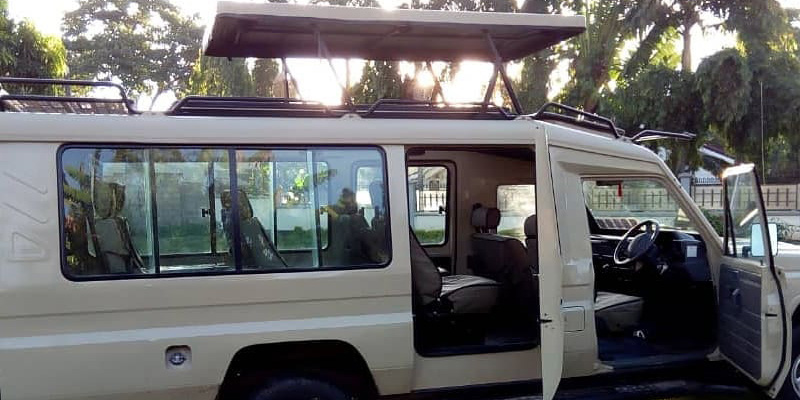
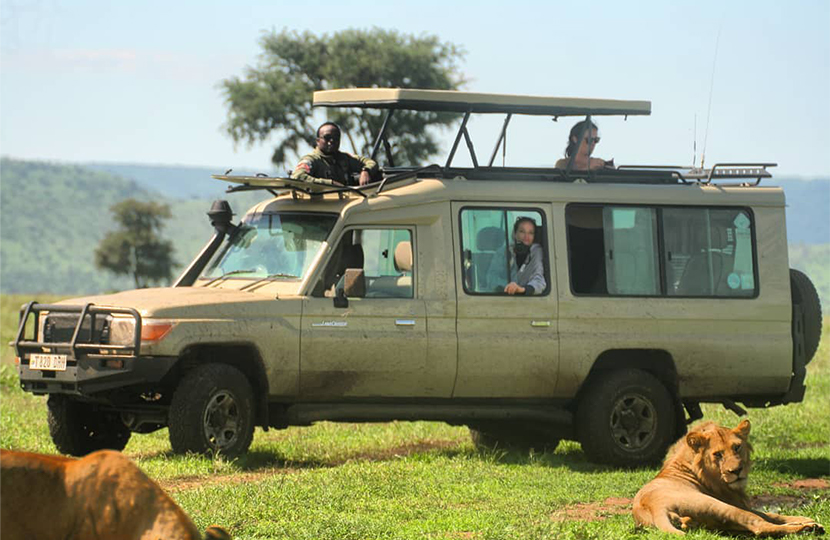
West Africa Adventure Travel Explained: Your Essential Planning Guide
West Africa adventure travel offers a rich tapestry of experiences, from vibrant cultures and historical sites to stunning natural landscapes and unique wildlife encounters. While often overshadowed by other African destinations, this region provides an authentic and deeply rewarding journey for those seeking something beyond the ordinary. This guide breaks down what West Africa adventure travel entails, helping you plan a memorable trip for 2026-2027.
Table of Contents
- Quick Facts About West Africa Adventure Travel
- What is West Africa Adventure Travel?
- Why Choose West Africa for Your Next Adventure?
- Best Time to Visit West Africa for Adventure
- Popular Destinations for West Africa Adventure
- Sample West Africa Adventure Itineraries
- What to Expect on a West Africa Adventure Trip
- Inclusions, Packing, and Preparation
- Common Mistakes to Avoid
- Who is West Africa Adventure Travel Best For?
- Alternatives to Consider
- Planning Your 2026-2027 West Africa Adventure
- Booking Your West Africa Adventure
- Frequently Asked Questions
Quick Facts About West Africa Adventure Travel
| Aspect | Details |
|---|---|
| Region | Westernmost region of Africa, comprising multiple countries. |
| Adventure Types | Cultural immersion, historical exploration, nature hikes, wildlife viewing, bustling markets, music and dance experiences, coastal exploration. |
| Key Countries | Senegal, Ghana, Benin, Togo, Ivory Coast, Mali, Burkina Faso, Nigeria, Sierra Leone, Liberia, Guinea, Gambia. |
| Best Time to Travel | Generally November to March (dry season) for most countries. Varies by specific location and climate. |
| Visa Requirements | Vary significantly by nationality and country. Research is essential. |
| Health Precautions | Consult a travel doctor well in advance for vaccinations and malaria prophylaxis. |
| Currency | Multiple currencies, including West African CFA franc (XOF), Nigerian Naira (NGN), Ghanaian Cedi (GHS), etc. |
| Language | French and English are common official languages, with hundreds of local languages spoken. |
What is West Africa Adventure Travel?
West Africa adventure travel is about engaging deeply with a region renowned for its rich history, diverse cultures, and captivating landscapes. It moves beyond passive sightseeing to active participation and authentic discovery. This kind of travel often involves exploring bustling cities, visiting ancient historical sites like Timbuktu or the slave castles of Ghana, trekking through national parks, experiencing traditional village life, and immersing yourself in the rhythm of local music and festivals.
Unlike safaris focused solely on wildlife in East or Southern Africa, West Africa adventure travel emphasizes cultural exchange, historical understanding, and exploring varied environments. It’s for the traveler who is curious, adaptable, and eager to connect with people and places on a more profound level. The “adventure” here comes not just from physical activity, but from the journey itself – navigating different transportation, communicating across language barriers, and experiencing daily life that may be vastly different from your own.
Why Choose West Africa for Your Next Adventure?
The allure of West Africa lies in its authenticity and the genuine experiences it offers. Here’s why it should be on your adventure travel radar:
- Unspoiled Authenticity: West Africa is less frequented by mass tourism, meaning you can experience cultures and landscapes in a more genuine, unadulterated way. Interactions with locals are often more personal and meaningful.
- Rich History and Culture: This region is the cradle of powerful ancient empires (like Mali and Songhai), a key site of the transatlantic slave trade, and a vibrant hub of contemporary art, music, and fashion. Exploring its history is a journey through pivotal moments in human civilization.
- Diverse Landscapes: From the Sahara Desert fringes in Mali and Burkina Faso to the tropical rainforests of Ivory Coast and Ghana, the savannas of Senegal, and the extensive coastlines, West Africa offers a surprising variety of natural environments to explore.
- Vibrant Music and Arts Scene: West Africa is a global powerhouse for music (think Afrobeat, Highlife, Manding music) and art. Experiencing live performances, visiting art studios, and exploring local crafts is a highlight for many.
- Warm Hospitality: Despite economic challenges in some areas, the people of West Africa are often incredibly welcoming and generous, eager to share their traditions and way of life with visitors.
- Off-the-Beaten-Path Appeal: For travelers seeking to escape the crowds and discover destinations that offer unique stories and perspectives, West Africa is an ideal choice.
Best Time to Visit West Africa for Adventure
The ideal time for West Africa adventure travel depends heavily on the specific countries you plan to visit, as the region spans diverse climatic zones. However, a general guideline for most of the region is the dry season.
| Period | Climate & Activities | Notes |
|---|---|---|
| November to March | Dry Season: Generally cooler, less humid, and minimal rainfall. Ideal for trekking, exploring cities, and desert regions. Skies are often clear, perfect for photography. | This is peak season for many West African countries. Expect pleasant temperatures, though desert areas can be cold at night. Harmattan winds can cause dust haze in some areas. |
| April to May | Shoulder Season/Pre-Rainy: Temperatures begin to rise, and humidity increases. Short, localized rains may start. | A good time to travel for fewer crowds and potentially lower prices. Vegetation starts to turn greener. |
| June to October | Rainy Season: Higher humidity, frequent rainfall, especially in the southern tropical regions. Can be very hot in the Sahel. | Rainfall can make some roads impassable, particularly in rural areas. However, landscapes are lush and green, and it’s the best time to see certain wildlife. Fewer tourists. Travelers seeking specific cultural festivals might target this period. Northern regions (Sahel) experience extreme heat. |
Specific Country Considerations for 2026-2027:
- Senegal & Gambia: November to March is prime. April to May can be pleasant before intense heat.
- Ghana & Ivory Coast: November to March for dry, pleasant weather. April to June can see some rain.
- Mali & Burkina Faso: November to February is best for cooler desert exploration. March to May become very hot. Rainy season (July-September) can disrupt travel.
- Nigeria: Dry seasons are generally December to February and July to August.
Always check the specific climate for your chosen destinations within West Africa, as microclimates exist.
Popular Destinations for West Africa Adventure
West Africa is a vast region, and adventure can be found in many countries. Here are some of the most compelling destinations for adventurous travelers:
Senegal
- Highlights: Gorée Island (historical), Pink Lake (Lac Rose), vibrant Dakar, Sine Saloum Delta (birdwatching, kayaking), Toubab Dialaw (art village), Fouta Djallon highlands (trekking, waterfalls).
- Adventure Type: Cultural immersion, historical sites, coastal exploration, nature.
Ghana
- Highlights: Cape Coast and Elmina Castles (slave trade history), Kakum National Park (canopy walk), bustling Accra, Ashanti region (traditional crafts, culture), Mole National Park (wildlife), Volta Region (waterfalls, hiking).
- Adventure Type: Deep historical immersion, nature, wildlife, cultural encounters.
Benin
- Highlights: Ouidah (voodoo culture, historical sites), Ganvié (stilt village), Pendjari National Park (wildlife, though security can be a concern), Abomey (Royal Palaces), Nokoué Lake.
- Adventure Type: Voodoo culture, unique village life, wildlife, history.
Togo
- Highlights: Lomé (markets, culture), Koutammakou (Tamberma Valley – UNESCO site, unique traditional architecture), Fazao Malfakassa National Park, Togolese Highlands (hiking).
- Adventure Type: Cultural architecture, nature, hiking, markets.
Mali (Note: Travel advisories should be checked carefully)
- Highlights: Timbuktu (historical/cultural hub), Dogon Country (unique architecture, culture, hiking), Djenné (Great Mosque), Bamako (culture, music).
- Adventure Type: Ancient history, unique cultural landscapes, desert exploration. (Requires very careful planning due to security concerns).
Ivory Coast (Côte d’Ivoire)
- Highlights: Abidjan (modern city, culture), Yamoussoukro (Basilica), Tai National Park (rainforest, wildlife), Man (mountainous region, traditional villages), Grand Bassam (colonial history).
- Adventure Type: Rainforest exploration, diverse culture, history, modern cities.
Sample West Africa Adventure Itineraries
Crafting a West Africa adventure requires thoughtful itinerary design. Here are two sample routes, focusing on different interests. These are conceptual and can be customized for 2026-2027 travel.
Sample Route 1: Cultural & Historical Immersion (Ghana & Togo) – 14 Days
| Day | Location | Activities | Focus |
|---|---|---|---|
| 1-2 | Accra, Ghana | Arrive, explore Jamestown, Independence Square, National Museum, Makola Market. | Urban culture, history, markets. |
| 3-4 | Cape Coast/Elmina, Ghana | Visit Cape Coast Castle, Elmina Castle, learn about the slave trade history. | Deep historical immersion. |
| 5 | Kakum National Park, Ghana | Canopy walkway experience, rainforest exploration. | Nature, adventure. |
| 6 | Kumasi, Ghana | Explore the Ashanti Kingdom, visit Manhyia Palace, craft villages (Kente, Adinkra). | Cultural heritage, crafts. |
| 7 | Travel to Lomé, Togo | Border crossing, settle into Lomé. | Transition. |
| 8-9 | Lomé, Togo | Explore Grand Marché, Fetish Market, Presidential Palace area, Independence Monument. | Urban culture, unique markets. |
| 10-11 | Koutammakou (Tamberma Valley), Togo | Visit UNESCO World Heritage site, explore traditional ‘Tata Somba’ houses, interact with local communities. Requires 4×4 and local guides. | Unique architecture, cultural immersion. |
| 12 | Togolese Highlands (e.g., Kpalimé region) | Light hiking, explore coffee/cocoa plantations, craft workshops. | Nature, rural life. |
| 13 | Return to Lomé | Last-minute souvenir shopping, relax. | Wrap-up. |
| 14 | Depart from Lomé | Departure. | End of journey. |
Sample Route 2: Coastal & Cultural Exploration (Senegal & Gambia) – 10 Days
| Day | Location | Activities | Focus |
|---|---|---|---|
| 1-3 | Dakar & Gorée Island, Senegal | Arrive in Dakar. Explore the city, visit the African Renaissance Monument. Day trip to Gorée Island (UNESCO slave history site). | Urban culture, pivotal history. |
| 4 | Lac Rose (Pink Lake) & Thies | See the unique pink waters, learn about salt harvesting. Visit a traditional craft village near Thies. | Natural wonder, local crafts. |
| 5 | Sine Saloum Delta | Travel to Toubab Dialaw or Joal-Fadiouth. Explore mangrove ecosystems, birdwatching, visit the shell island of Joal-Fadiouth. Kayaking options. | Nature, coastal ecosystems. |
| 6 | Travel to Banjul, Gambia | Cross the border into Gambia. Settle in Banjul or nearby. | Transition. |
| 7-8 | Banjul & River Gambia | Explore Banjul markets, visit Kunta Kinte Island (roots of Alex Haley’s story), boat trip on the River Gambia, birdwatching in Abuko Nature Reserve. | History, river life, nature. |
| 9 | Coastal Gambia (e.g., Serekunda) | Visit the beaches, explore local fishing villages, perhaps a cooking class. | Coastal life, relaxation. |
| 10 | Depart from Banjul | Departure. | End of journey. |
These are starting points. For 2026-2027, consider incorporating specific festivals, longer treks, or deeper dives into particular cultural groups.
What to Expect on a West Africa Adventure Trip
West Africa adventure travel is rewarding but comes with its own set of expectations. It’s crucial to be prepared for a different pace of life and infrastructure.
- Infrastructure: Roads can be in poor condition, especially outside major cities. Transportation might involve shared taxis, buses, or private 4×4 vehicles. Expect delays and bumpy rides.
- Accommodation: Options range from comfortable hotels in capital cities to simpler guesthouses, lodges, and homestays in rural areas. Luxury is not the primary focus for most adventure travelers here; authenticity is.
- Connectivity: Wi-Fi can be spotty and slow, especially outside urban centers. Mobile phone service is generally better, and local SIM cards are affordable.
- Food: Expect flavorful local cuisine based on rice, yams, cassava, plantains, and various stews. Fresh fruits are abundant. Be mindful of hygiene when eating from street vendors.
- Pace of Life: Things often move at a slower pace. Patience and flexibility are key. Embrace the unexpected.
- Cultural Sensitivity: Dress modestly, especially in rural areas and religious sites. Always ask permission before taking photos of people. Learn a few basic phrases in French or local languages.
- Health and Safety: This is paramount. Malaria is prevalent, and other tropical diseases are a risk. Personal safety requires awareness, especially in crowded areas.
Inclusions, Packing, and Preparation
Proper preparation is vital for a successful West Africa adventure. Your tour operator will provide a detailed packing list, but here are general guidelines.
Typical Inclusions in a Tour Package:
- Accommodation (hotels, guesthouses)
- Private transportation (4×4 vehicles, vans)
- Some meals (often breakfast, sometimes lunch/dinner depending on itinerary)
- English-speaking local guides
- Entrance fees to national parks and historical sites
- Activities as per itinerary (e.g., boat trips, cultural village visits)
Common Exclusions:
- International flights
- Visa fees
- Travel insurance (mandatory)
- Vaccination costs
- Most lunches and dinners (to allow flexibility)
- Personal expenses (souvenirs, drinks, tips)
- Optional activities
Essential Packing List:
- Clothing: Lightweight, breathable fabrics (cotton, linen). Long-sleeved shirts and trousers for sun and insect protection. Modest clothing for visiting villages and religious sites (shoulders and knees covered). A light to medium jacket for cooler evenings or desert nights. Comfortable walking shoes and sandals. Swimsuit.
- Health: Personal first-aid kit, insect repellent with DEET, hand sanitizer, anti-malarial medication, any personal prescriptions.
- Documents: Passport (with at least 6 months validity), visas, flight details, travel insurance policy, vaccination certificates, copies of important documents (stored separately).
- Gear: Small backpack for day trips, reusable water bottle, universal power adapter, power bank, headlamp or flashlight, camera, binoculars (optional for wildlife).
- Money: A mix of cash (USD, EUR for exchange) and ATM cards. Inform your bank of your travel dates.
Key Preparation Steps:
- Consult Your Doctor: Visit a travel clinic 4-6 weeks before departure for recommended vaccinations (Yellow Fever is often mandatory, Hepatitis A, Typhoid) and malaria prophylaxis.
- Visa Research: Check visa requirements for your nationality for each country you plan to visit. Apply well in advance.
- Travel Insurance: Secure comprehensive travel insurance that covers medical emergencies, evacuation, and trip cancellation.
- Learn Basic Phrases: Knowing a few words in French or local languages significantly enhances interactions.
- Currency: Understand the local currencies and exchange rates. ATMs are available in major cities but can be unreliable elsewhere.
- Cultural Briefing: Read up on the customs and etiquette of the regions you’ll be visiting.
Common Mistakes to Avoid
To ensure your West Africa adventure is as smooth and enjoyable as possible, be aware of these common pitfalls:
- Underestimating Travel Times: Distances might look short on a map, but poor road conditions and frequent stops mean journeys take much longer than expected. Build buffer time into your itinerary.
- Not Researching Visas Adequately: Visa requirements can be complex and vary greatly. Failing to get the correct visas in advance can lead to significant problems at borders or airports.
- Ignoring Health Precautions: Skipping vaccinations or malaria medication is a serious risk. Always follow medical advice.
- Expecting Western Standards: Infrastructure, services, and even attitudes may differ. Approach with an open mind and a spirit of adaptability.
- Over-Scheduling: Trying to cram too many destinations into a short trip leads to exhaustion and superficial experiences. Focus on quality over quantity.
- Not Carrying Enough Local Currency: While cards are accepted in some places, cash is king in many markets and rural areas. ATMs can be unreliable, so carry sufficient cash for your needs.
- Failing to Learn Basic Phrases: Even a few words of French or a local greeting can open doors and foster goodwill.
- Not Respecting Local Customs: Dress codes, photography etiquette, and social norms vary. Be observant and respectful.
- Assuming Safety: While generally welcoming, West Africa does have areas with security concerns. Stay informed about local conditions and heed advice from your guides and local authorities.
Who is West Africa Adventure Travel Best For?
West Africa adventure travel is not for everyone, but it is ideal for a specific type of traveler:
- The Curious Explorer: Those driven by a deep desire to understand different cultures, histories, and ways of life.
- The Patient Traveler: Individuals who can handle delays, unexpected changes, and a slower pace of life without becoming frustrated.
- The Adaptable Adventurer: People who are comfortable with basic accommodations, varying levels of comfort, and navigating different environments.
- The Culturally Sensitive: Travelers who are respectful of local traditions, customs, and people, and seek genuine interactions.
- The History Buff: Those fascinated by ancient empires, colonial legacies, and the complex history of the transatlantic slave trade.
- The Off-the-Beaten-Path Seeker: Individuals who want to discover destinations that are less touristy and offer a more authentic, less curated experience.
- The Photographer/Documentarian: Those who want to capture unique landscapes, vibrant street life, and compelling human stories.
It may be less suitable for travelers who prioritize luxury, predictable itineraries, Western-style amenities, or those who are easily unsettled by cultural differences or challenging travel conditions.
Alternatives to Consider
If West Africa adventure travel seems a bit too intense or doesn’t quite align with your interests, consider these alternatives:
- East Africa (Tanzania, Kenya): For classic wildlife safaris, iconic landscapes, and Mount Kilimanjaro trekking. This is a more established adventure travel destination with robust infrastructure.
- Southern Africa (South Africa, Namibia, Botswana): Offers diverse landscapes from deserts to coastlines, excellent wildlife viewing, adventure activities like bungee jumping and shark cage diving, and well-developed tourist infrastructure.
- North Africa (Morocco, Egypt): Focuses on ancient history, desert landscapes (Sahara), vibrant souks, unique architecture, and distinct Islamic culture. Easier accessibility and often more familiar tourist infrastructure.
- Central Africa (Rwanda, Uganda): For mountain gorilla trekking and chimpanzee encounters, combined with lush rainforests and volcanic landscapes. Offers a specific, high-impact wildlife adventure.
While these regions offer incredible adventures, they often provide a different flavor of experience compared to the rich cultural and historical depth found in West Africa.
Planning Your 2026-2027 West Africa Adventure
Planning a trip to West Africa for 2026-2027 requires foresight and careful organization. Here’s a timeline and checklist to guide you:
2026-2027 Planning Checklist
- 12+ Months Out:
- 10-12 Months Out:
- 6-9 Months Out:
- 3-5 Months Out:
- 1-2 Months Out:
- 1-2 Weeks Out:
Detailed Planning Steps for 2026-2027:
- Define Your Interests: What do you want to see and do? History, culture, music, nature, wildlife, specific ethnic groups? This will shape your destination choices and itinerary.
- Choose Your Countries: Based on your interests, select 2-3 countries that offer the experiences you desire and are logistically feasible to combine. For 2026-2027, consider countries with stable tourism sectors.
- Determine Trip Length: West African travel is often slow. A minimum of 10-14 days is recommended for one country, and 3-4 weeks for a multi-country trip.
- Research Best Time to Visit: Align your travel dates with the dry season for most countries, or consider the rainy season if you’re seeking specific experiences like lush landscapes or fewer crowds.
- Budgeting: West Africa can range from budget-friendly to moderately expensive, depending on your travel style and chosen countries. Factor in flights, visas, accommodation, transport, food, activities, and a contingency fund.
- Select a Reputable Tour Operator: For West Africa, a local or specialized operator is highly recommended due to the complexities of logistics, safety, and local knowledge. Look for operators with strong reviews and experience in the region.
- Book Flights: Once your itinerary is firm, book international flights.
- Apply for Visas: Start the visa application process early. Some visas can take weeks or months to process.
- Health Preparations: Schedule your doctor’s appointment for vaccinations and malaria advice. Get any necessary prescriptions.
- Pack Appropriately: Follow the packing guidelines, ensuring you have suitable clothing, first-aid, and essential gear.
- Inform Yourself: Read guidebooks, watch documentaries, and familiarize yourself with the local customs and potential challenges.
Booking Your West Africa Adventure
Booking a West Africa adventure requires diligence, especially for travelers new to the region. Here’s how to approach it for your 2026-2027 trip:
Choosing a Tour Operator:
- Local Expertise is Key: For West Africa, working with a local or specialized tour operator is highly advisable. They possess invaluable knowledge of logistics, local customs, safety, and reliable local contacts.
- Research and Reviews: Look for operators with a strong online presence, positive testimonials (on independent sites if possible), and clear communication channels.
- Customization: Ensure the operator can tailor itineraries to your interests, pace, and budget.
- Transparency: A good operator will be clear about what is included and excluded in their packages, and provide realistic expectations about the travel experience.
When to Book:
- Peak Season (November-March): Book 6-9 months in advance, especially if you have specific dates or require custom arrangements.
- Shoulder/Off-Season: You might have more flexibility, but booking 3-6 months ahead is still recommended.
What to Look For in a Package:
- Realistic Itinerary: Does it allow for reasonable travel times and sufficient exploration?
- Accommodation Quality: Does it match your comfort level? Are options varied?
- Guide Quality: Are guides knowledgeable, experienced, and able to communicate effectively?
- Logistics: How is transport arranged? Are border crossings considered?
- Support: What kind of support is offered during the trip? Is there an emergency contact?
Making the Decision:
When you’re ready to plan your West Africa adventure travel, consider reaching out to experienced operators who understand the nuances of the region. For personalized assistance with crafting your 2026-2027 journey, feel free to contact us.
Ready to Plan Your West Africa Adventure?
Let us help you design an unforgettable West Africa adventure travel experience for 2026-2027. We specialize in creating tailored itineraries that focus on cultural immersion, historical discovery, and authentic exploration. Get in touch to discuss your dream trip!
WhatsApp: +255616946642
Email: topguideadventures@gmail.com
Backup Email: info@topguideadventures.com
Frequently Asked Questions
Q1: Is West Africa safe for adventure travel in 2026-2027?
Safety in West Africa varies by country and region. While many areas are welcoming and safe for tourists, it’s crucial to stay informed about current travel advisories from your government. Petty crime can occur in cities. Some border regions or specific countries may have higher security risks. Traveling with a reputable local guide or tour operator significantly enhances safety by providing local knowledge and support.
Q2: What are the essential vaccinations for West Africa?
Essential vaccinations often include Yellow Fever (usually mandatory), Hepatitis A, Typhoid, and Tetanus. Malaria prophylaxis is also highly recommended for most of the region. It is vital to consult a travel doctor or clinic at least 4-6 weeks before your departure for personalized advice based on your health and itinerary.
Q3: How do I get around West Africa?
Transportation varies. In cities, you might use taxis or ride-sharing apps. Between cities and countries, options include public buses, shared taxis, minivans, and sometimes domestic flights. For adventure travel, private 4×4 vehicles are often used for comfort and access to remote areas. Road conditions can be challenging.
Q4: What is the currency in West Africa?
There isn’t one single currency. The West African CFA franc (XOF) is used in eight countries (Benin, Burkina Faso, Guinea-Bissau, Ivory Coast, Mali, Niger, Senegal, Togo). Other countries have their own currencies, such as the Ghanaian Cedi (GHS) and Nigerian Naira (NGN). It’s advisable to carry some USD or EUR for exchange and be aware of local exchange rates.
Q5: Can I travel independently in West Africa, or is a guided tour necessary?
Independent travel is possible, especially in more developed countries like Ghana or Senegal, and for experienced travelers. However, for a first-time West Africa adventure, a guided tour, especially one organized by a local operator, is highly recommended. They handle complex logistics, provide essential cultural insights, ensure safety, and facilitate access to remote areas and communities.
Q6: What kind of food can I expect in West Africa?
West African cuisine is diverse and flavorful, often featuring staples like rice (e.g., Jollof rice), yams, plantains, cassava, and millet. Stews and soups made with vegetables, meats, and fish are common. Dishes can be spicy. Fresh tropical fruits are abundant and delicious. Be mindful of food hygiene when eating from street stalls.
Q7: Is it possible to see wildlife in West Africa?
Yes, though not on the same scale or density as East Africa. Countries like Benin (Pendjari National Park), Ghana (Mole National Park), and Ivory Coast (Tai National Park) offer opportunities to see diverse wildlife, including elephants, lions, antelopes, and various bird species. However, infrastructure for wildlife viewing can be less developed.
Q8: What is the best way to prepare for the heat and humidity?
Pack lightweight, breathable clothing made from natural fibers like cotton or linen. Stay hydrated by drinking plenty of bottled or purified water. Avoid strenuous activities during the hottest parts of the day. Wear hats and sunscreen. Your tour operator can advise on specific conditions for your itinerary.
Q9: How much should I budget for West Africa adventure travel in 2026-2027?
Costs vary significantly. A comfortable mid-range trip focusing on 1-2 countries might range from $200-$350 USD per person per day, excluding international flights. This covers accommodation, private transport, guides, and some meals. Budget travelers can spend less by using local transport and simpler accommodations, while luxury options will be more expensive. Always factor in visas, vaccinations, insurance, and personal expenses.
Q10: What are the main cultural considerations for visiting West Africa?
Respect for elders is paramount. Dress modestly, especially when visiting villages or religious sites. Always ask permission before taking photos of people. It’s polite to greet people and learn a few basic phrases. Be aware that gift-giving or small tips can be appreciated in certain contexts, but avoid assuming everyone expects payment for interaction. Research specific customs for the countries you are visiting.
Plan Your Unforgettable West Africa Adventure Travel
West Africa adventure travel offers a profound journey into vibrant cultures, rich histories, and diverse landscapes. For a well-organized and authentic experience in 2026-2027, partner with experts. We are dedicated to creating bespoke West Africa adventure travel itineraries that align with your interests and provide lasting memories.
Contact us to start planning:
WhatsApp: +255616946642
Email: topguideadventures@gmail.com
Backup Email: info@topguideadventures.com
Plan your West Africa Adventure Travel Explained with Top Guide Adventures
Tell us your travel dates, group size, comfort level, and dream experience. We will help you shape a clear, realistic, and memorable Tanzania itinerary.







 Veedesigner
 Fatma Kizanga
 Benjamin Waryuba
 Philip Philip
 John jr Itaja
 Antonia Optatus
 Edith Kanyere
 Neema Iddy
 Kelvin Boniphace
 Damari Maiga



