
Updated planning guide for 2026-2027
Sahara Desert Expedition Journeys: Complete Guide 2026-2027
Your comprehensive guide to planning an unforgettable Sahara Desert expedition journey. We cover everything from choosing the right route and timing to essential packing lists and booking tips for your 2026-2027 adventure.
WhatsApp +255616946642 | topguideadventures@gmail.com | info@topguideadventures.com
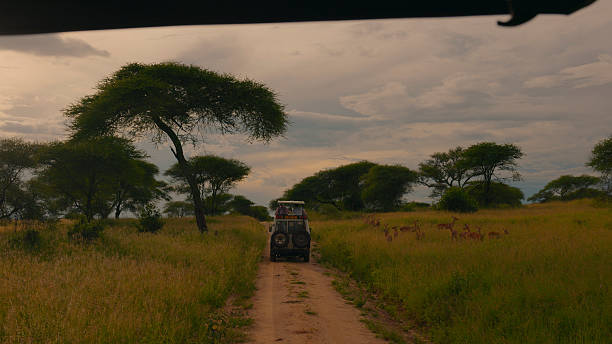
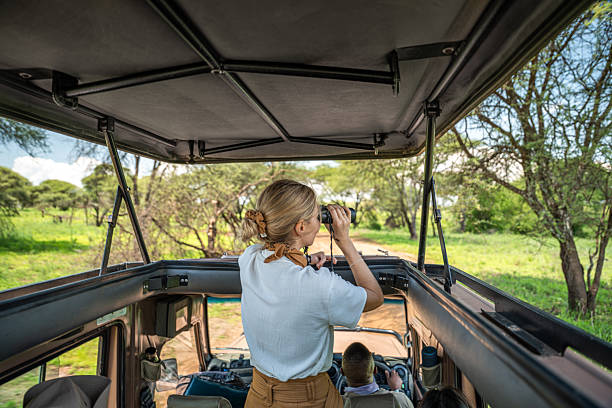
Sahara Desert Expedition Journeys: Your Ultimate Planning Guide
The Sahara Desert, a vast expanse of golden dunes and ancient landscapes, calls to the adventurous spirit. Planning a Sahara Desert expedition journey is more than just booking a trip; it’s preparing for an immersion into one of the world’s most iconic and awe-inspiring environments. Whether you envision camel treks under starry skies, exploring remote oases, or experiencing the profound silence of the desert, careful planning is key to a successful and memorable adventure. This guide provides everything you need to know for your 2026-2027 Sahara expedition.
This guide is designed to equip you with the knowledge to plan and execute your Sahara Desert expedition journey, from understanding the different regions and activities to practical advice on logistics, safety, and what to expect. We aim to cover all aspects, ensuring your adventure is both thrilling and well-prepared.
Quick Facts About Sahara Desert Expeditions
| Aspect | Details |
|---|---|
| Largest Hot Desert | Covers much of North Africa |
| Primary Activities | Camel trekking, 4×4 safaris, camping, stargazing, cultural immersion |
| Popular Entry Points | Morocco (Merzouga, Zagora), Tunisia (Douz), Egypt (Siwa, White Desert) |
| Best Time to Visit | October to April (cooler months) |
| Typical Duration | 2-7 days for most excursions, longer for deeper exploration |
| Accommodation | Desert camps (basic to luxury), guesthouses, hotels (at fringes) |
| Key Considerations | Heat, sun protection, water intake, cultural respect, booking with reputable operators |
Table of Contents
- Sahara Desert: An Overview
- Why Undertake a Sahara Desert Expedition Journey?
- Key Regions for Sahara Desert Expeditions
- Best Time to Plan Your Sahara Expedition
- Sample Sahara Desert Expedition Routes & Itineraries
- What to Expect During Your Sahara Journey
- Inclusions, Packing, and Preparation
- Common Mistakes to Avoid
- Who is a Sahara Desert Expedition Journey Best For?
- Alternatives to a Full Sahara Expedition
- Planning Your Sahara Expedition for 2026-2027
- Booking Your Sahara Desert Expedition Journey
- Frequently Asked Questions (FAQs)
Sahara Desert: An Overview
The Sahara Desert is the largest hot desert in the world, stretching across a vast area of North Africa. It is not a monolithic entity but a diverse landscape encompassing towering sand dunes, rocky plateaus, arid mountains, and scattered oases. Its sheer scale is difficult to comprehend, covering parts of over ten countries. For travelers, the Sahara offers a profound sense of isolation, natural beauty, and a glimpse into ancient ways of life. Experiencing a Sahara Desert expedition journey means stepping into a world where the elements dictate the rhythm of life, and the night sky reveals a brilliance rarely seen in urban environments.
The term ‘Sahara’ comes from the Arabic word ‘ṣaḥrāʼ’, meaning ‘desert’. This immense region has been a crossroads of cultures and trade for millennia, traversed by caravans carrying salt, gold, and spices. Today, it continues to captivate explorers, photographers, and anyone seeking an escape from the ordinary. The iconic Erg Chebbi and Erg Chigaga dunes in Morocco, the dramatic landscapes of the White Desert in Egypt, or the vast plains of Tunisia all offer unique facets of this incredible desert.
Why Undertake a Sahara Desert Expedition Journey?
The allure of the Sahara lies in its raw, untamed beauty and the profound sense of peace it offers. Undertaking a Sahara Desert expedition journey is a chance to:
- Experience Unparalleled Natural Beauty: Witness breathtaking sunsets and sunrises over endless dunes, marvel at the star-filled night sky free from light pollution, and explore unique geological formations.
- Disconnect and Reconnect: Escape the constant connectivity of modern life. The desert provides a unique opportunity for introspection and to connect with nature on a primal level.
- Adventure and Challenge: Camel treks, 4×4 excursions, and camping under the stars offer a thrilling sense of adventure. It’s a chance to push personal boundaries in a safe, guided environment.
- Cultural Immersion: Interact with local Berber and Tuareg communities, learn about their traditions, hospitality, and ancient desert survival skills.
- Photography Opportunities: The shifting sands, dramatic light, and vast panoramas offer endless inspiration for photographers.
- Sense of Scale and Serenity: The sheer vastness of the Sahara instills a sense of perspective and tranquility.
Each Sahara Desert expedition journey is a personal quest, offering a unique blend of adventure, discovery, and personal reflection.
Key Regions for Sahara Desert Expeditions
While the Sahara spans many countries, certain regions are particularly well-suited and accessible for tourist expeditions. Each offers distinct landscapes and experiences.
Morocco: The Classic Sahara Experience
Morocco is perhaps the most popular gateway to the Sahara, offering well-established routes and a range of accommodation from basic to luxurious desert camps. The most famous dune fields are:
- Erg Chebbi (Merzouga): Famous for its towering, orange-hued dunes. It’s highly accessible and offers a classic desert experience with camel treks, 4×4 tours, and overnight stays in camps.
- Erg Chigaga (M’Hamid): Larger and more remote dunes than Erg Chebbi, offering a more wild and authentic feel. Reaching Erg Chigaga typically involves a longer camel trek or a 4×4 journey over rugged terrain.
Expeditions from Marrakech or Fes often include a scenic drive through the Atlas Mountains and visits to Ait Benhaddou and Ouarzazate before reaching the desert fringes.
Tunisia: Gateway to the Grand Erg Oriental
Tunisia offers access to the Grand Erg Oriental, a vast area of sand dunes. Douz is often referred to as the ‘Gateway to the Sahara’.
- Douz: Known for its palm groves and excellent opportunities for camel treks and desert safaris. It offers a more traditional desert town feel.
- Ksar Ghilane: A remote oasis with a hot spring, offering a unique camping experience within the dunes.
Tunisian desert trips can be combined with visits to Roman ruins and troglodyte cave dwellings.
Egypt: Unique Desert Landscapes
Egypt’s Sahara expeditions focus on distinct geological wonders rather than vast dune seas like Morocco.
- White Desert (Farafra Oasis): Famous for its surreal, chalk-white rock formations that resemble giant mushrooms, icebergs, and animals. It’s a landscape unlike any other.
- Black Desert: Characterized by volcanic rock formations and hills scattered across the sand.
- Siwa Oasis: While not strictly a desert expedition in the dune sense, Siwa offers a unique desert island experience with its salt lakes, ancient ruins, and lush date palm groves.
Egyptian desert trips are often multi-day 4×4 safaris starting from Cairo or Bahariya Oasis.
Best Time to Plan Your Sahara Expedition
The Sahara experiences extreme temperature fluctuations. Planning your Sahara Desert expedition journey during the cooler months is crucial for comfort and enjoyment. The ideal period is generally from October to April.
- Autumn (October – November): Pleasant temperatures, sunny days, and cool evenings. This is a prime time for desert travel.
- Winter (December – February): The coolest months. Daytime temperatures are mild and comfortable, perfect for trekking and exploring. Nights can be quite cold, sometimes dropping below freezing, so warm clothing is essential.
- Spring (March – April): Temperatures begin to rise, offering warm days and mild evenings. This period can also see occasional sandstorms (sirocco winds), though they are usually short-lived.
Avoid: The summer months (June to August) are extremely hot, with daytime temperatures often exceeding 45°C (113°F) and sometimes reaching 50°C (122°F). While expeditions can still occur, they are physically demanding and require meticulous heat management.
Sample Sahara Desert Expedition Routes & Itineraries
The duration and specific route of your Sahara Desert expedition journey will depend on your chosen region and the operator. Here are examples for Morocco, a popular choice.
Route Example 1: 3-Day Erg Chebbi Expedition (from Marrakech)
Day 1: Marrakech to Dades Valley/Gorges
- Early morning departure from Marrakech.
- Cross the High Atlas Mountains via the Tizi n’Tichka pass.
- Visit the UNESCO World Heritage site of Ait Benhaddou.
- Continue through Ouarzazate (the “Hollywood of Africa”).
- Drive through the Valley of Roses and the Dades Valley.
- Overnight in a guesthouse or hotel in the Dades Gorges.
Day 2: Dades Valley to Merzouga (Erg Chebbi)
- Morning exploration of the Dades Gorges.
- Travel to Todra Gorge, known for its dramatic canyon walls.
- Continue towards Merzouga, the gateway to Erg Chebbi dunes.
- Meet your camel caravan in the late afternoon.
- Camel trek into the Erg Chebbi dunes to reach your desert camp.
- Enjoy sunset over the dunes.
- Dinner and overnight in a Berber desert camp.
Day 3: Merzouga to Marrakech
- Wake up early for sunrise over the dunes.
- Camel trek back to Merzouga village.
- Breakfast and refresh.
- Begin the journey back to Marrakech, taking a different route through the Draa Valley for varied scenery.
- Late evening arrival in Marrakech.
Route Example 2: 4-Day Erg Chigaga Expedition (from M’Hamid)
Day 1: M’Hamid to Erg Chigaga
- Arrive in M’Hamid, the last oasis town before the deep desert.
- Meet your guide and camel team.
- Begin a camel trek into the desert, passing through different landscapes (e.g., acacia trees, smaller dunes).
- Arrive at a desert camp near Erg Chigaga for overnight.
Day 2: Erg Chigaga Exploration & Camel Trek
- Full day dedicated to exploring the vast Erg Chigaga dunes.
- Options for longer camel treks, hiking on the dunes, or a 4×4 excursion to explore further.
- Enjoy the remote silence and magnificent dune scenery.
- Overnight at the desert camp.
Day 3: Erg Chigaga to Sacred Oasis (or similar)
- Morning camel trek or 4×4 drive away from the main Erg Chigaga dunes.
- Explore different desert areas, perhaps visiting nomadic families (if arranged and respectful).
- Camp overnight in a more remote or scenic location, like a sacred oasis.
Day 4: Sacred Oasis to M’Hamid & onward
- Final morning in the desert.
- Camel trek or 4×4 drive back to M’Hamid.
- Depart from M’Hamid, continuing your journey (e.g., towards Zagora or back to Marrakech/Ouarzazate).
These are illustrative routes. Many operators offer customisable Sahara Desert expedition journey options. For Tanzania, while not a desert destination, we specialize in unique adventures. If you’re interested in desert experiences, we can connect you with trusted partners or offer insights into similar vast natural landscapes.
What to Expect During Your Sahara Journey
A Sahara Desert expedition journey is an immersive experience that engages all your senses. Here’s what you can anticipate:
- The Landscape: Expect vast, open spaces. Dunes can stretch as far as the eye can see, constantly shifting with the wind. You’ll also encounter rocky plains (hamada), gravel deserts (reg), and potentially dry riverbeds (wadi).
- The Silence: The profound silence of the desert is often striking. It’s a quiet that allows for deep thought and a connection to the environment.
- The Stars: At night, the sky transforms. With no light pollution, the Milky Way, constellations, and shooting stars are incredibly vivid. It’s a truly humbling spectacle.
- Camel Trekking: Camels are surprisingly comfortable once you get used to their gait. They are the traditional mode of transport and offer a unique perspective. Your guide will assist you with mounting and dismounting.
- 4×4 Safaris: For reaching more remote areas or covering larger distances quickly, 4×4 vehicles are common. They offer a different kind of desert thrill, navigating sandy tracks and dunes.
- Desert Camps: Accommodation ranges from basic tents with shared facilities to luxurious camps with private tents, en-suite bathrooms, and comfortable furnishings. Most camps offer communal dining areas and traditional music around a campfire.
- Food: Meals are typically traditional North African cuisine, such as tagines, couscous, grilled meats, and fresh bread, prepared by your guides or camp staff. Plenty of water and mint tea will be provided.
- Temperatures: Days can be warm to hot, even in winter. Nights, especially in winter, can be surprisingly cold, requiring layers of warm clothing.
- Digital Detox: Mobile signal and Wi-Fi are generally unavailable in the deep desert. Embrace the opportunity to disconnect.
Inclusions, Packing, and Preparation
Proper preparation is vital for a comfortable and safe Sahara Desert expedition journey. Your tour operator should provide a detailed list, but here’s a general guide.
Typical Inclusions in a Sahara Expedition Package:
| Included | Often Not Included |
|---|---|
| Accommodation (desert camp, hotels/guesthouses en route) | International flights |
| Meals as specified (usually breakfast, lunch, dinner) | Travel insurance |
| Camel trekking or 4×4 transport in the desert | Tips for guides and drivers |
| Experienced local guides | Alcoholic beverages |
| Camp facilities (e.g., beds, blankets, shared bathrooms) | Personal expenses (souvenirs, extra drinks) |
| Water during excursions | Visa fees (if applicable) |
Essential Packing List:
- Clothing:
- Lightweight, breathable long-sleeved shirts and trousers (to protect from sun and sand). Natural fabrics like cotton or linen are good.
- Warm layers: fleece jacket, down vest, or warm sweater for cold desert nights.
- A warm hat or beanie for evenings and early mornings.
- Scarf or bandana (a ‘cheche’ or ‘tagelmust’ is traditional and useful for sun and dust protection).
- Comfortable walking shoes or sturdy boots.
- Sandals or flip-flops for camp.
- Socks (plenty of them).
- Sun Protection:
- High SPF sunscreen (face and body).
- Sunglasses (polarized are best).
- Wide-brimmed hat or cap.
- Health & Hygiene:
- Personal first-aid kit (band-aids, antiseptic wipes, pain relievers, any personal medication).
- Hand sanitizer.
- Wet wipes.
- Insect repellent (though usually not a major issue in the deep desert).
- Any personal toiletries (biodegradable options are appreciated).
- Gear:
- Headlamp or flashlight with extra batteries (essential for navigating camp at night).
- Reusable water bottle.
- Power bank for charging devices (electricity in camps can be limited or non-existent).
- Camera and extra memory cards/batteries.
- Small backpack for day trips and carrying essentials.
- Travel towel (quick-drying).
- Book or journal for downtime.
- Documents & Money:
- Passport and visa (if required).
- Copies of important documents (stored separately).
- Cash for tips and personal expenses (local currency is usually best).
Preparation Tips:
- Hydration: Start hydrating well before your trip. Continue drinking plenty of water throughout your expedition, even if you don’t feel thirsty.
- Physical Fitness: While not overly strenuous, a basic level of fitness is beneficial for camel riding and walking on sand.
- Mental Preparedness: Be ready for basic facilities, limited connectivity, and potential temperature extremes. Embrace the simplicity and adventure.
- Cultural Sensitivity: Dress modestly, especially when interacting with local communities. Learn a few basic phrases in Arabic or the local dialect.
Common Mistakes to Avoid
To ensure your Sahara Desert expedition journey is smooth and enjoyable, be aware of these common pitfalls:
- Underestimating the Cold: Many travelers focus on the heat and forget how cold desert nights can get, especially in winter. Pack warm layers.
- Dehydration: Not drinking enough water is a serious risk. Always carry and consume water regularly.
- Inadequate Sun Protection: The desert sun is intense. Failing to use sunscreen, hats, and protective clothing can lead to severe sunburn.
- Booking with Unreliable Operators: Opt for established companies with good reviews and clear safety protocols. Avoid last-minute, unvetted deals.
- Packing Too Much: Space in transport and camps can be limited. Pack essentials only. A duffel bag is often more practical than a rigid suitcase.
- Expecting Constant Connectivity: Signal is rare. Prepare to be offline and enjoy the experience.
- Ignoring Cultural Norms: Dress modestly and be respectful of local customs and traditions.
- Not Informing Operator of Dietary Needs: If you have allergies or dietary restrictions, inform your tour operator well in advance.
Who is a Sahara Desert Expedition Journey Best For?
A Sahara Desert expedition journey appeals to a wide range of travelers, but it’s particularly suited for:
- Adventure Seekers: Those who enjoy exploring remote landscapes, engaging in unique activities like camel trekking, and embracing the spirit of exploration.
- Nature Enthusiasts: Individuals fascinated by desert ecosystems, stargazing, and the raw beauty of arid environments.
- Culture Enthusiasts: Travelers interested in learning about Berber and Tuareg traditions, hospitality, and desert life.
- Photographers: The dramatic light, vast dunes, and unique landscapes offer endless photographic opportunities.
- Those Seeking Solitude: Anyone looking to disconnect from the hustle and bustle of city life and find peace in a vast, quiet environment.
- Budget to Luxury Travelers: Options exist for various budgets, from basic camping to high-end glamping experiences.
It is generally not recommended for very young children who may struggle with the heat or long travel times, individuals with severe mobility issues (though some operators can accommodate), or those who require constant creature comforts and connectivity.
Alternatives to a Full Sahara Expedition
If a multi-day deep desert expedition isn’t quite right for you, or if you’re combining a Sahara trip with other destinations, consider these alternatives:
- Day Trips to Desert Edges: Many cities on the Sahara’s fringe (like Marrakech or Ouarzazate) offer day trips that take you to nearby desert landscapes or smaller dune areas for a taste of the desert experience without an overnight stay.
- Oasis Visits: Exploring the lush oases on the edge of the desert, such as Siwa in Egypt or various oases in Morocco’s Draa Valley, offers a different perspective on desert life, combining natural beauty with historical sites.
- Desert Landscapes within Other Tours: Some longer tours in North Africa may include drives through desert regions or visits to unique geological sites that offer a desert feel without being a full expedition.
- Short Overnight Stays: Opt for a 1-night desert camp experience. This provides the essential elements – camel ride, sunset/sunrise, overnight camping – in a shorter timeframe.
For travelers interested in vast, natural landscapes but perhaps not sand dunes, our core offerings in Tanzania—like the Serengeti, Ngorongoro Crater, and Mount Kilimanjaro—provide incredible wilderness experiences with their own unique challenges and beauty.
Planning Your Sahara Expedition for 2026-2027
Planning ahead is always wise, especially for popular travel periods. Here are some considerations for your Sahara Desert expedition journey in 2026 and 2027:
- Book Early for Peak Season: The most popular months (October-April) tend to book up, particularly for reputable operators and desirable camps. Aim to book at least 6-12 months in advance for 2026-2027 travel, especially if you have specific dates or requirements.
- Research Operators Thoroughly: Look for operators with strong online reviews, clear communication, and a commitment to responsible tourism. Check their safety records and emergency protocols.
- Consider Customization: Many operators allow you to tailor your Sahara Desert expedition journey. Discuss your interests, fitness level, and desired comfort with them.
- Visa and Entry Requirements: Check the latest visa regulations for the country you plan to visit well in advance of your 2026-2027 trip.
- Travel Insurance: Ensure your travel insurance covers adventure activities like camel trekking and 4×4 excursions in remote areas. Read the policy details carefully.
- Health Preparations: Consult your doctor about any recommended vaccinations or health precautions for the region you’ll be visiting.
- Budgeting: While exact prices vary, factor in not just the tour cost but also flights, visas, insurance, tips, and personal spending money. Understand what’s included in your package.
For specific advice tailored to your travel style, whether it’s an adventure in Tanzania or elsewhere, reach out to us. We can guide you through planning for 2026 and 2027.
Booking Your Sahara Desert Expedition Journey
Choosing the right operator is paramount for a safe and fulfilling Sahara Desert expedition journey. Here’s how to approach booking:
Steps to Booking:
- Identify Your Preferred Region: Decide which country and specific desert area (e.g., Erg Chebbi, Erg Chigaga, White Desert) appeals most to you.
- Research Tour Operators: Look for companies with a strong reputation, positive reviews (on platforms like TripAdvisor, Google Reviews), and transparent pricing. Consider operators that specialize in desert expeditions or have strong desert components in their offerings.
- Compare Itineraries and Inclusions: Ensure the itinerary matches your interests and that you understand exactly what is included (meals, transport, activities, accommodation level).
- Check for Sustainability and Ethics: Look for operators who employ local guides, respect the environment, and engage positively with local communities.
- Communicate Clearly: Contact potential operators with your questions. Assess their responsiveness, clarity, and willingness to customize.
- Understand Payment Terms: Be clear about deposit requirements, payment schedules, and cancellation policies. Reputable operators will have these clearly stated.
- Confirm Details: Before finalizing, reconfirm all aspects of your Sahara Desert expedition journey: dates, inclusions, meeting points, and emergency contacts.
When to Book for 2026-2027:
For the peak season (October to April) of 2026-2027, booking 6 to 12 months in advance is highly recommended. For the shoulder seasons (May, September), 3-6 months in advance might suffice, but popular operators still fill up.
While our expertise lies in the stunning landscapes of Tanzania, we understand the desire for diverse adventures. If your Sahara Desert expedition journey plans lead you to seek assistance with booking or advice on reputable operators in North Africa, we can point you in the right direction. For your Tanzanian adventures, or if you need a referral for Sahara trips, contact us:
WhatsApp: +255616946642
Email: topguideadventures@gmail.com
Backup Email: info@topguideadventures.com
Frequently Asked Questions (FAQs)
What is the best way to experience the Sahara Desert?
The most popular and immersive ways to experience the Sahara Desert are through camel trekking and 4×4 safaris, often combined with overnight stays in desert camps. This allows you to witness the changing light, experience the silence, and sleep under the stars.
Is it safe to travel to the Sahara Desert?
When traveling with reputable tour operators who prioritize safety, the Sahara Desert is generally safe. These operators are experienced in desert conditions, have communication protocols, and employ knowledgeable local guides. It’s crucial to choose your operator wisely and follow their guidance.
What should I wear on a Sahara Desert expedition journey?
Lightweight, loose-fitting clothing that covers your arms and legs is ideal for sun protection during the day. For the cold desert nights, especially in winter, pack warm layers like fleece, a down jacket, and a warm hat. A scarf is essential for protecting your face from sun and sand.
How much water should I drink in the desert?
Staying hydrated is critical. You should aim to drink at least 3-4 liters of water per day, possibly more if it’s very hot or you’re very active. Your tour operator will provide water, but it’s wise to carry your own reusable bottle.
Can I use my phone or camera in the desert?
Yes, you can use your phone and camera. However, be mindful of sand getting into equipment. Protect your devices from dust and heat. Mobile phone signal is usually non-existent in remote desert areas, so be prepared to be offline.
What kind of accommodation can I expect in a desert camp?
Accommodation varies greatly. Options range from basic tents with shared facilities to luxurious glamping setups with private tents, comfortable beds, and even en-suite bathrooms. Most camps offer communal dining and gathering areas.
Do I need to tip my guides and drivers?
Tipping is customary and appreciated for good service. The amount varies by country and group size, but your tour operator can provide specific recommendations for tipping your Sahara Desert expedition journey guides and drivers.
What if I’m a solo traveler planning a Sahara Desert expedition journey?
Solo travelers are very welcome on Sahara expeditions. Many operators cater to solo travelers, often pairing them with others in shared tents or rooms to manage costs. It’s a great way to meet fellow travelers.
What are the main differences between Erg Chebbi and Erg Chigaga in Morocco?
Erg Chebbi (near Merzouga) has taller, more accessible, and vibrantly colored dunes, making it popular and slightly more developed. Erg Chigaga (near M’Hamid) is larger, wilder, and more remote, offering a more authentic and less crowded experience, but requires more travel time and effort to reach.
When should I book my Sahara Desert expedition journey for 2026-2027?
For the popular cooler season of 2026-2027 (October to April), it is advisable to book your Sahara Desert expedition journey at least 6 to 12 months in advance to secure your preferred operator and dates.
Are there any specific health precautions for the Sahara?
Besides staying hydrated and protecting yourself from the sun, consult your doctor about any necessary vaccinations or malaria precautions, depending on the specific region of the Sahara you plan to visit and your overall travel itinerary. Basic travel first-aid supplies are also recommended.
Ready for Your Sahara Desert Expedition Journey?
The Sahara Desert offers an unparalleled adventure, a chance to connect with nature and yourself in a landscape of profound beauty and tranquility. Whether you’re drawn to the iconic dunes of Morocco, the unique formations of Egypt, or the vastness of Tunisia, a well-planned Sahara Desert expedition journey promises memories that last a lifetime.
While our primary focus is on the incredible wildlife safaris, Kilimanjaro climbs, and beach holidays in Tanzania, we are passionate about helping travelers experience the world’s most extraordinary destinations. If your journey leads you to the Sahara, or if you’re considering other unique adventures, don’t hesitate to reach out. We can offer advice or connect you with trusted partners for your Sahara Desert expedition journey planning for 2026-2027 and beyond.
Contact us for expert advice and booking assistance:
WhatsApp: +255616946642
Email: topguideadventures@gmail.com
Backup Email: info@topguideadventures.com
Plan your Sahara Desert Expedition Journeys with Top Guide Adventures
Tell us your travel dates, group size, comfort level, and dream experience. We will help you shape a clear, realistic, and memorable Tanzania itinerary.







 Veedesigner
 Fatma Kizanga
 Benjamin Waryuba
 Philip Philip
 John jr Itaja
 Antonia Optatus
 Edith Kanyere
 Neema Iddy
 Kelvin Boniphace
 Damari Maiga



