
Updated planning guide for 2026-2027
Budget Desert Travel Journeys: Affordable Planning Guide 2026-2027
Discover how to plan unforgettable and affordable desert travel journeys in Tanzania. This comprehensive guide covers everything from choosing the right safari to packing essentials and booking advice for 2026-2027.
WhatsApp +255616946642 | topguideadventures@gmail.com | info@topguideadventures.com

Budget Desert Travel Journeys: An Expert Guide to Affordable Adventures in Tanzania
Dreaming of vast, starry nights, the thrill of spotting wildlife against a dramatic landscape, and the unique silence of the African wilderness? Tanzania offers some of the most iconic desert and semi-desert environments on the planet, from the Serengeti plains to the unique landscapes of Lake Natron. Planning budget desert travel journeys doesn’t mean sacrificing experience; it means smart planning, informed choices, and focusing on what truly matters: the adventure itself. This guide is designed for travelers looking to explore Tanzania’s arid and semi-arid wonders without breaking the bank, focusing on practical advice for 2026-2027.
Quick Answer:
Planning budget desert travel journeys in Tanzania involves selecting the right time of year, opting for group tours or mid-range accommodations, focusing on key parks like Serengeti and Ngorongoro (with careful budgeting), and booking with experienced local operators. Prioritize essential wildlife viewing and cultural experiences over luxury amenities to maximize your adventure within a set budget for 2026-2027.
Table of Contents
- Quick Facts About Tanzania’s Desert-Like Regions
- Understanding Tanzania’s Desert and Semi-Desert Landscapes
- Why Budget Desert Travel Journeys Matter in Tanzania
- Best Time to Plan Your Budget Desert Travel Journeys
- Key Destinations for Budget Desert Travel Journeys
- Sample Budget Desert Travel Journey Itinerary (7 Days)
- What to Expect on Your Budget Desert Journey
- Typical Inclusions and Exclusions in Budget Tours
- Packing Essentials for Desert Travel Journeys
- Pre-Trip Preparation Checklist
- Common Mistakes to Avoid on Budget Desert Travel Journeys
- Who Are Budget Desert Travel Journeys Best Suited For?
- Exploring Alternatives to Traditional Desert Safaris
- Planning Your Budget Desert Travel Journeys for 2026-2027
- Booking Advice for Budget Desert Travel Journeys
- Frequently Asked Questions (FAQs)
Quick Facts About Tanzania’s Desert-Like Regions
| Aspect | Details |
|---|---|
| Primary Regions | Northern Circuit (Serengeti, Ngorongoro Conservation Area, Tarangire), Lake Natron area, Southern Tanzania (less desert-like but arid in parts) |
| Climate | Dry, hot days; cooler nights. Distinct wet and dry seasons. |
| Wildlife Highlights | The Great Migration (wildebeest, zebra), Big Five, diverse birdlife, unique flora. |
| Key Activities | Game drives, bird watching, cultural visits, walking safaris (in select areas), photography. |
| Budget Considerations | Park fees, accommodation, transport, guide services are major costs. Group tours and self-drive (with guide) are cost-effective. |
| Best Time for Budget Travel | Shoulder seasons (e.g., March-May, September-October) often offer lower prices and fewer crowds. Dry season (June-October) is peak for wildlife but can be pricier. |
Understanding Tanzania’s Desert and Semi-Desert Landscapes
When we talk about “desert” in Tanzania, it’s important to understand that it’s not typically the sand-dune landscape of the Sahara. Instead, Tanzania’s arid and semi-arid regions are characterized by vast savannas, dry grasslands, acacia woodlands, and unique geological formations that can feel very remote and expansive. The Serengeti National Park, for instance, is a quintessential example of a vast, dry grassland ecosystem, especially during the dry season. The Ngorongoro Conservation Area presents a caldera that supports a dense concentration of wildlife in a unique, enclosed environment. Further north, the stark, volcanic landscapes around Lake Natron, with its soda lakes and active volcano Ol Doinyo Lengai, offer a different kind of desert beauty. These areas are defined by low rainfall, high temperatures, and vegetation adapted to harsh conditions.
These environments are not static; they are dynamic ecosystems shaped by seasonal rains and the movements of wildlife. The famous Great Migration, a spectacle of millions of wildebeest and zebras, is intrinsically linked to the availability of grazing, which dictates their movement across these dry plains. Understanding this natural rhythm is key to appreciating the essence of budget desert travel journeys.
Why Budget Desert Travel Journeys Matter in Tanzania
Tanzania is renowned for its world-class safari destinations, but the cost can be a significant barrier for many. Budget desert travel journeys make these incredible experiences accessible. By focusing on value without compromising safety or the quality of wildlife viewing, travelers can witness natural wonders that few places on Earth can match. These journeys are about the raw beauty of nature, the thrill of discovery, and connecting with the wild on a profound level. A well-planned budget trip allows for more flexibility, longer stays, or the opportunity to visit more locations within a single trip. It emphasizes the core elements of a safari: the animals, the landscapes, and the local culture, stripping away the unnecessary luxuries to focus on authentic experiences. This approach also often leads to more intimate encounters with nature and a deeper appreciation for the resilience of life in these challenging environments.
Best Time to Plan Your Budget Desert Travel Journeys
Timing is crucial for both the experience and the budget. While the dry season (June to October) is often considered the peak safari season due to abundant wildlife viewing and easier game drives (less mud, more concentrated animals), it also commands the highest prices and attracts the largest crowds. For budget desert travel journeys, consider the shoulder seasons or the early part of the dry season:
- Shoulder Seasons (March – May, September – October): These periods often see lower accommodation rates and fewer tourists. The landscape is still beautiful, and wildlife viewing remains excellent. March to May is the ‘long rains’ period, which can mean lush scenery and baby animals, but also potentially challenging road conditions and some lodges might be closed or offer discounts. September and October are excellent – the end of the dry season means animals are concentrated around water sources, and prices may start to dip before the peak season fully kicks in.
- Early Dry Season (June): This month marks the transition to the dry season. You get good wildlife viewing, fewer crowds than July-September, and prices are often more moderate than the absolute peak.
- Avoid Peak Prices: Generally, avoid July, August, and December-February if your primary goal is budget travel, as these are peak times for both weather and visitor numbers, driving up costs significantly.
For specific wildlife events like the Great Migration river crossings in the Serengeti, the timing is more precise (typically July-September in the Grumeti River, and August-October in the Mara River), which might necessitate booking further in advance and accepting slightly higher costs during those specific weeks. However, even then, smart booking with a local operator can secure better rates.
Key Destinations for Budget Desert Travel Journeys
Tanzania offers a variety of landscapes that fit the bill for budget desert travel journeys. The Northern Circuit is the most famous and accessible, offering incredible value if planned correctly:
- Serengeti National Park: The quintessential African savanna. Its vast plains are home to an incredible density of wildlife, including the Great Migration. While it can be expensive, focusing on specific areas or traveling in shoulder seasons can make it more budget-friendly. Opting for public campsites or mid-range tented camps are excellent budget options.
- Ngorongoro Conservation Area: Home to the Ngorongoro Crater, a UNESCO World Heritage Site teeming with wildlife. The crater floor is a compact ecosystem offering high chances of spotting the Big Five. While park fees are substantial, a single day’s game drive here can be incredibly rewarding. Budget travelers might opt for staying outside the crater rim in nearby Karatu or Arusha and doing a day trip.
- Tarangire National Park: Famous for its large elephant herds and baobab trees, Tarangire is particularly spectacular during the dry season (June-October) when animals congregate around the Tarangire River. It’s often less crowded and can be more affordable than the Serengeti or Ngorongoro.
- Lake Natron: A more remote and starkly beautiful destination. It’s known for its breeding grounds for Lesser Flamingos, its dramatic soda lakes, and the imposing Ol Doinyo Lengai volcano. This is a destination for the more adventurous budget traveler, often requiring 4×4 transport and basic lodging, but offering a unique, off-the-beaten-path experience.
- Arusha National Park: Closer to Arusha town, this park offers Mount Meru, Momella Lakes, and Ngurdoto Crater. It’s a good option for a shorter, more affordable safari experience, including walking safaris.
While the Southern Circuit (Selous, Ruaha) offers incredible wilderness, it’s generally less accessible and can be more expensive for budget travelers due to longer travel times and more remote logistics. For focused budget desert travel journeys, the Northern Circuit usually provides the best balance of accessibility, wildlife, and potential for cost savings.
Sample Budget Desert Travel Journey Itinerary (7 Days)
This itinerary focuses on the Northern Circuit, balancing iconic sights with budget-conscious choices. It assumes a group safari or a self-drive with a guide arrangement for cost-effectiveness. Accommodation would typically be in public campsites or budget-friendly tented camps.
| Day | Location | Activities | Budget Notes |
|---|---|---|---|
| Day 1 | Arusha | Arrival, transfer to accommodation, safari briefing. | Overnight in a budget guesthouse or hostel in Arusha. |
| Day 2 | Tarangire National Park | Full-day game drive. Focus on elephants and baobabs. | Camp overnight inside Tarangire (public campsite) or just outside. Packed lunches to save money. |
| Day 3 | Lake Manyara National Park & drive to Ngorongoro area | Morning game drive in Lake Manyara (known for tree-climbing lions). Drive to Karatu/Ngorongoro rim area. | Stay in budget lodge/campsite in Karatu. Packed lunches. |
| Day 4 | Ngorongoro Crater | Full-day game drive on the crater floor. High chance of seeing Big Five. | Picnic lunch inside the crater. Stay in Karatu again or a rim campsite if budget allows and pre-booked. |
| Day 5 | Serengeti National Park (Central) | Drive to Serengeti, game drive en route. Visit Seronera area. | Overnight in a public campsite in Seronera. This is key for budget. Packed lunches. |
| Day 6 | Serengeti National Park (Central/East) | Morning game drive. Optional hot air balloon safari (significant extra cost, not typically budget). Drive towards the park exit/boundary. | Overnight in a public campsite near the exit or back towards Karatu. |
| Day 7 | Arusha & Departure | Drive back to Arusha. Optional souvenir shopping. Transfer to airport. | Budget lunch in Arusha. |
Note: This is a fast-paced itinerary. A longer trip (e.g., 10-14 days) would allow for more in-depth exploration of the Serengeti and potentially include other areas like Lake Natron or the Maasai Mara (across the border in Kenya, not covered here). The cost savings come from using public campsites, packed lunches, and potentially joining a larger group safari.
What to Expect on Your Budget Desert Journey
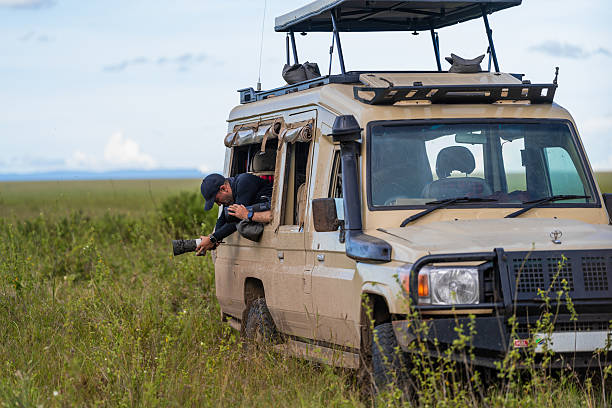
Budget desert travel journeys in Tanzania are about immersion and authenticity. You’ll likely be traveling in a 4×4 safari vehicle, often with a pop-up roof for game viewing. Your accommodation will vary:
- Campsites: These range from basic public campsites with shared ablutions (toilets and showers) to more organized, often privately managed, campsites. You’ll sleep in a tent, sometimes a comfortable safari tent with beds, and meals are prepared by a camp cook or your safari guide. This is the most budget-friendly option.
- Budget Lodges/Tented Camps: These offer more comfort than campsites, with en-suite bathrooms and sometimes a dining area or small bar. They are a step up in price but still represent good value.
Expect early mornings for game drives, as this is when animals are most active and the light is best for photography. Days can be hot, especially in the dry season, so hydration and sun protection are vital. Nights can be surprisingly cool, especially at higher altitudes like the Ngorongoro rim. Your guide will be knowledgeable about wildlife, local customs, and driving you to prime viewing spots. Meals are typically hearty and filling, often served buffet-style at camps or lodges. The focus is on the natural world – the sounds, sights, and smells of the African bush.
Typical Inclusions and Exclusions in Budget Tours
Understanding what’s included in your budget safari package is crucial to avoid unexpected costs. Always clarify this with your tour operator.
| Typically Included | Typically Excluded |
|---|---|
| Park entrance fees (for the duration of the safari) | International flights to/from Tanzania |
| Accommodation (as per your chosen level – e.g., camping, budget lodge) | Visa fees |
| All meals during the safari (breakfast, lunch, dinner) | Travel insurance (essential!) |
| Safari vehicle and experienced driver/guide | Tips for guides and camp staff |
| Drinking water in the vehicle | Alcoholic and soft drinks, personal expenses |
| Crater service fees (for Ngorongoro) | Optional activities (e.g., hot air balloon safari, walking safaris) |
| Government taxes and levies | Gratuities for drivers, cooks, porters (if applicable) |
Packing Essentials for Desert Travel Journeys
Packing light and smart is key for any safari, especially a budget one where luggage space might be limited in vehicles. Think layers and neutral colors.
Clothing:
- Neutral-colored clothing: Khaki, olive green, beige, brown. Avoid bright colors (can scare animals) and dark blue/black (can attract tsetse flies).
- Lightweight long-sleeved shirts and trousers: For sun protection during the day and warmth in the evenings.
- T-shirts and shorts: For warmer parts of the day.
- Fleece jacket or warm sweater: Evenings and early mornings can be cool.
- Waterproof/windproof jacket: Useful for unexpected rain or windy conditions.
- Comfortable walking shoes/boots: Broken in.
- Sandals or flip-flops: For relaxing at camp/lodge.
- Swimsuit: Some lodges have pools.
- Hat: Wide-brimmed for sun protection.
- Scarf or bandana: For dust and sun protection.
Other Essentials:
- Sunscreen: High SPF.
- Insect repellent: With DEET.
- Sunglasses.
- Binoculars: Essential for wildlife viewing!
- Camera and extra batteries/memory cards.
- Headlamp or flashlight: For navigating campsites at night.
- Personal toiletries: Biodegradable if possible.
- Small first-aid kit: With personal medications.
- Reusable water bottle.
- Adapter for electronics (Type D or G plugs).
- Small backpack or daypack: For essentials during game drives.
- Dry bag: To protect electronics from dust and moisture.
Tip: Most operators allow a soft duffel bag (around 15-20kg) for the safari vehicle. Hard suitcases are often not permitted. Check with your operator.
Pre-Trip Preparation Checklist
A little preparation goes a long way for a smooth and enjoyable trip. Here’s a checklist for your budget desert travel journeys:
| Task | Status (Done/To Do) | Notes |
|---|---|---|
| Book flights to Kilimanjaro International Airport (JRO) | Aim for arrival in Arusha. | |
| Secure your Tanzanian Visa | Check current requirements; often available on arrival or online. | |
| Get necessary vaccinations and malaria prophylaxis | Consult your doctor or a travel clinic well in advance (4-6 weeks). | |
| Purchase comprehensive travel insurance | Ensure it covers medical emergencies and evacuation. | |
| Choose and book your budget safari operator | Get quotes, read reviews, compare inclusions carefully. | |
| Pack appropriate clothing and gear | Refer to the packing list above. | |
| Inform your bank of travel dates | To avoid card blocking. Carry some USD cash for tips and incidentals. | |
| Learn a few basic Swahili phrases | ‘Jambo’ (Hello), ‘Asante’ (Thank you) go a long way. | |
| Download offline maps and useful apps | e.g., Google Maps, wildlife identification apps. | |
| Arrange airport transfers | Often included by the safari operator. |
Common Mistakes to Avoid on Budget Desert Travel Journeys
To ensure your budget desert travel journeys are successful, be aware of common pitfalls:
- Booking the absolute cheapest option without research: While budget is key, a safari is a significant investment. Extremely cheap tours might cut corners on guide quality, vehicle maintenance, safety, or food, leading to a poor experience or even danger. Vet your operator thoroughly.
- Not clarifying inclusions/exclusions: Unexpected costs for park fees, meals, or activities can quickly blow your budget. Get a detailed itinerary and list of inclusions/exclusions in writing.
- Underestimating park fees: Park fees in Tanzania are substantial and a major component of safari costs. Ensure they are clearly stated and included in your quote.
- Ignoring the dry season’s intensity: Evenings and early mornings can be surprisingly cold, especially in the Ngorongoro area. Not packing warm layers is a common oversight.
- Overpacking: Luggage restrictions in safari vehicles are real. Pack light and stick to essentials.
- Not booking in advance: Especially if you’re traveling during shoulder seasons or want specific budget accommodations (like popular campsites), booking several months ahead is wise for 2026-2027.
- Forgetting travel insurance: This is non-negotiable. Medical emergencies or trip cancellations can be very costly without it.
- Expecting luxury on a budget: Understand that budget travel means prioritizing experiences over amenities. Embrace the camping or basic lodge experience.
- Not factoring in tips: While budget-focused, tipping guides and staff is customary and important for their livelihood. Research appropriate tipping amounts.
Who Are Budget Desert Travel Journeys Best Suited For?
Budget desert travel journeys are ideal for:
- Younger travelers and backpackers: Students, gap year adventurers, and those with flexible travel schedules often prioritize experience over comfort.
- Solo travelers: Joining group safaris is an excellent way for solo travelers to experience Tanzania affordably and safely, while also meeting like-minded people.
- Couples and small groups on a tight budget: Sharing costs for a private safari can still be economical, or joining a group tour provides a fixed, lower price point.
- Experienced travelers: Those who have traveled extensively in developing countries and are comfortable with more basic accommodations and logistics.
- Nature and wildlife enthusiasts: Travelers whose primary motivation is seeing animals and experiencing the wilderness, rather than luxury amenities.
- Travelers seeking authentic experiences: Camping and interacting with guides and local staff often lead to more genuine cultural exchanges.
If you are seeking five-star lodges, gourmet dining, and private, uninterrupted game drives with a dedicated concierge service, then a budget approach might not align with your expectations. However, if your heart is set on witnessing the magic of Tanzania’s plains and wildlife without a hefty price tag, these journeys are perfect.
Exploring Alternatives to Traditional Desert Safaris
While the Northern Circuit is king for safaris, Tanzania offers other ways to experience its wilder, drier landscapes:
- Walking Safaris: In certain areas (like parts of the Serengeti or Selous), guided walking safaris offer a different perspective, allowing you to connect with the environment on foot. These are often more intimate and can be more budget-friendly for a day activity.
- Cultural Tourism: Visiting Maasai villages or other local communities can provide insights into life in these arid regions. Many local guides are from these communities and can facilitate respectful interactions.
- Day Trips from Arusha: For a shorter, more affordable taste of the wild, consider day trips to Arusha National Park or a visit to a local coffee plantation or hot springs near Arusha.
- Combining with Zanzibar: For a diverse trip, combine a shorter safari (e.g., 3-4 days) with beach relaxation in Zanzibar. This can help manage overall costs by balancing safari expenses with more affordable island stays.
Planning Your Budget Desert Travel Journeys for 2026-2027
Planning ahead is essential for securing the best deals and ensuring a smooth experience for your 2026-2027 trip. Here’s a timeline and some specific tips:
- 12-18 Months Out (Early 2025 – Mid 2026): Start researching tour operators. Look for companies that specialize in budget or mid-range safaris and have excellent reviews. Get initial quotes to understand pricing structures and what’s included. If you’re targeting specific peak migration dates (e.g., river crossings in July-September 2027), book this far in advance.
- 9-12 Months Out (Mid 2026 – Late 2026): Finalize your choice of tour operator and book your safari. This is also a good time to book international flights, as prices tend to rise closer to departure.
- 6-9 Months Out (Late 2026 – Early 2027): Book your accommodation in Arusha before and after your safari.
- 3-6 Months Out (Early 2027 – Mid 2027): Consult your doctor for vaccinations and malaria advice. Arrange your visa if required. Purchase travel insurance. Start gathering your packing list and begin shopping for any necessary gear.
- 1-3 Months Out (Mid 2027 – Late 2027): Confirm all your bookings. Pack your bags. Make copies of important documents (passport, visa, insurance). Exchange some currency.
- 1-2 Weeks Out: Finalize any last-minute arrangements. Inform your bank of your travel dates.
Tip for 2026-2027: The travel industry can fluctuate. Keep an eye on flight deals and consider travel during less popular months within the shoulder seasons for the best value. Flexibility with your exact travel dates can also lead to significant savings.
Booking Advice for Budget Desert Travel Journeys
Securing a reputable and reliable tour operator is the most critical step in planning budget desert travel journeys. Here’s how to do it:
- Prioritize Local Operators: While international operators exist, local Tanzanian companies often offer more competitive pricing and have a deeper understanding of the ground logistics, parks, and local culture. They also contribute directly to the local economy.
- Get Multiple Quotes: Don’t settle for the first quote you receive. Contact at least 3-5 reputable operators and compare their itineraries, inclusions, and prices.
- Read Reviews Extensively: Look for reviews on independent platforms like TripAdvisor, Google, and safari forums. Pay attention to recent reviews and comments about guides, vehicles, safety, and customer service.
- Communicate Clearly: Be specific about your budget, interests, and desired level of accommodation (e.g., “public campsites only,” “mid-range tented camps”). Ask detailed questions about what is included.
- Check Vehicle and Guide Quality: For budget safaris, ensure the operator uses well-maintained 4×4 vehicles and employs experienced, certified guides. A good guide significantly enhances the safari experience.
- Understand Payment Terms: Reputable operators will require a deposit to secure your booking and full payment closer to your travel date. Be wary of operators asking for full payment upfront or only accepting untraceable payment methods.
- Ask About Group Sizes: If you’re opting for a group safari, know the maximum group size. Smaller groups generally offer a better experience.
- Negotiate (Carefully): While prices are often fixed, especially for standard packages, sometimes there’s a small window for negotiation, particularly if you’re booking a longer trip or traveling in the off-season. However, don’t push too hard, as it could compromise quality.
Contact Us for Your Budget Desert Travel Journeys:
Ready to plan your affordable adventure? Let us help you craft the perfect budget desert travel journey. We understand the nuances of Tanzania’s parks and can tailor an itinerary to fit your budget and interests.
WhatsApp: +255616946642
Email: topguideadventures@gmail.com
Backup Email: info@topguideadventures.com
Frequently Asked Questions (FAQs)
What is the average cost of a budget safari in Tanzania for 2026-2027?
Exact costs vary greatly depending on the length of the safari, number of parks visited, accommodation type (camping is cheapest), and group size. For a 7-day budget camping safari in Tanzania during 2026-2027, you might expect prices ranging from approximately $150 to $250 USD per person per day. This typically covers park fees, accommodation, meals, and guide services. Always get a detailed quote.
Are budget desert travel journeys safe?
Yes, budget desert travel journeys can be very safe when planned with a reputable operator. Safety is paramount, and experienced guides are trained to handle wildlife encounters and ensure traveler well-being. Choosing a company that prioritizes vehicle maintenance, employs experienced guides, and adheres to park regulations is key.
Can I do a budget safari if I’m traveling solo?
Absolutely. Solo travelers often find budget desert travel journeys by joining group safaris. This is an excellent way to share costs, meet other travelers, and experience Tanzania affordably and safely.
What’s the difference between a budget and a luxury safari?
The primary differences lie in accommodation (camping/basic lodges vs. luxury lodges/tented camps), vehicle type (standard safari 4×4 vs. custom-built, often with more amenities), group size (larger groups for budget vs. private for luxury), meal quality, and included services (e.g., private guides, sundowners). Budget safaris focus on the core wildlife experience, while luxury safaris add comfort, exclusivity, and finer details.
How much should I budget for tips on a budget safari?
Tipping is customary and appreciated. For a 7-day camping safari, a general guideline is $15-20 USD per day for the guide/driver and $10-15 USD per day for the cook (if applicable). This is usually pooled or divided among the crew. It’s best to confirm with your operator for their specific recommendations.
What if I want to see the Great Migration as part of my budget desert travel journeys?
Seeing the Great Migration requires careful timing, as the herds move constantly. The best times to see specific events like river crossings are typically July-September in the Western Corridor/Grumeti River and August-October in the Northern Serengeti/Mara River. While these periods can be peak season, booking a budget camping safari well in advance for 2026 or 2027 will still offer the most cost-effective way to witness this spectacle.
Can I combine a budget safari with Zanzibar?
Yes, combining a budget safari with Zanzibar is a very popular and achievable travel plan. Many operators can arrange a short safari (e.g., 3-4 days) followed by a flight to Zanzibar for beach time. This allows for a diverse experience within a reasonable budget for 2026-2027.
What are the essential items I must pack for a desert safari?
Essential items include neutral-colored clothing (long sleeves/trousers for sun protection), a warm fleece/jacket for cool evenings, a hat, sunglasses, high SPF sunscreen, insect repellent, a good pair of binoculars, a camera, a headlamp, and a small first-aid kit. Remember to pack light, preferably in a soft duffel bag.
Is it better to book a budget safari in advance or upon arrival?
It is highly recommended to book your budget desert travel journeys in advance, especially for 2026-2027. Booking ahead secures your spot, allows you to compare operators and prices thoroughly, and often gets you better deals on flights and accommodation. Last-minute bookings can be more expensive and offer fewer choices.
What kind of food can I expect on a budget safari?
On budget safaris, especially camping ones, meals are typically prepared by a dedicated cook or your safari guide. Expect hearty, filling meals like stews, grilled meats, rice, pasta, vegetables, and fresh fruit. Packed lunches are common during full-day game drives. While not gourmet, the food is usually plentiful and designed to provide energy for long days of exploration.
Ready for Your Budget Desert Travel Journey?
Tanzania’s vast plains and incredible wildlife are waiting. Planning budget desert travel journeys is entirely achievable with the right information and a trusted partner. Whether you dream of witnessing the Great Migration, spotting the Big Five in the Ngorongoro Crater, or exploring the unique landscapes of Tarangire, we can help you create an unforgettable adventure that respects your budget.
Contact us today to start planning your 2026-2027 budget desert travel journey. Let’s make your African safari dreams a reality!
WhatsApp: +255616946642
Email: topguideadventures@gmail.com
Backup Email: info@topguideadventures.com
Plan your Budget Desert Travel Journeys with Top Guide Adventures
Tell us your travel dates, group size, comfort level, and dream experience. We will help you shape a clear, realistic, and memorable Tanzania itinerary.







 Veedesigner
 Fatma Kizanga
 Benjamin Waryuba
 Philip Philip
 John jr Itaja
 Antonia Optatus
 Edith Kanyere
 Neema Iddy
 Kelvin Boniphace
 Damari Maiga



