
Updated planning guide for 2026-2027
Family-Friendly Desert Adventures: Complete Guide 2026-2027
Plan your ultimate family-friendly desert adventure in Tanzania. This comprehensive guide covers everything from choosing the best desert experiences to packing essentials and booking with confidence for 2026-2027.
WhatsApp +255616946642 | topguideadventures@gmail.com | info@topguideadventures.com
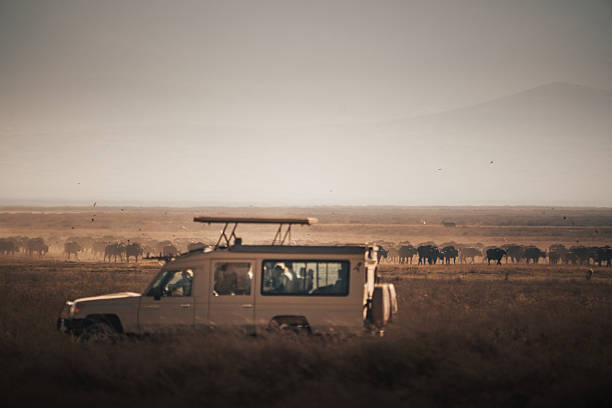
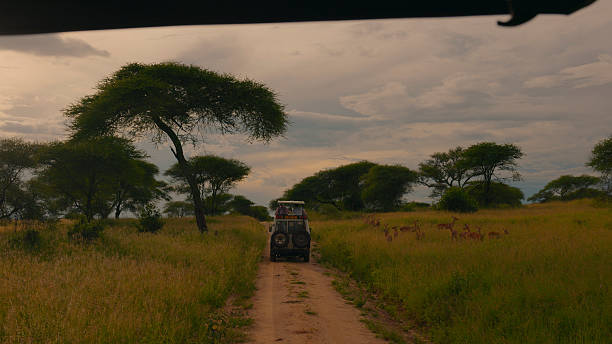
Your Ultimate Guide to Family-Friendly Desert Adventures in Tanzania
When you think of Tanzania, images of vast savannas teeming with wildlife and the iconic silhouette of Mount Kilimanjaro likely come to mind. However, Tanzania also offers a unique and compelling desert landscape, perfect for families seeking an adventure beyond the typical safari. These arid and semi-arid regions present a different kind of wonder, with unique flora, fauna, and cultural experiences that can be incredibly engaging for children and adults alike. Planning family-friendly desert adventures requires careful consideration of activities, timing, and safety, ensuring everyone has a memorable and enjoyable experience. This guide provides an in-depth look at how to create an unforgettable desert journey for your family in Tanzania, with planning insights for 2026 and 2027.
From the stark beauty of the Maasai Steppe to the dramatic landscapes surrounding Lake Natron, Tanzania’s desert and semi-desert areas offer a wealth of opportunities for exploration. These regions are less crowded than the famous national parks, offering a more intimate connection with nature and local cultures. For families, this translates to a more personalized and potentially less overwhelming travel experience. We will explore what makes these areas ideal for families, how to plan your trip effectively, what to expect, and how to book the right tour.
| Aspect | Details |
|---|---|
| Primary Regions | Maasai Steppe, Lake Natron area, parts of northern Tanzania |
| Best Age Group | 5+ (depending on activity intensity and duration) |
| Key Activities | Cultural visits, light hiking, bird watching, geological exploration, stargazing, camel rides (limited) |
| Climate | Hot and dry, with significant temperature fluctuations between day and night. Rainy seasons are short but can impact accessibility. |
| Accommodation | Lodges, tented camps, homestays (basic to comfortable) |
| Travel Style | Adventure, cultural immersion, educational, nature exploration |
Table of Contents
- Why Choose Desert Adventures for Your Family?
- Best Time for Family Desert Adventures
- Key Destinations for Family Desert Adventures
- Sample 3-Day Family Desert Adventure Itinerary
- What to Expect: Desert Environment and Wildlife
- Engaging Activities for All Ages
- Packing Essentials for Desert Trips
- Preparation and Safety Considerations
- Common Mistakes to Avoid
- Who Are Family Desert Adventures Best Suited For?
- Alternatives to Desert Adventures in Tanzania
- Planning Your 2026-2027 Family Desert Adventure
- Booking Your Family Desert Adventure
- Frequently Asked Questions (FAQs)
Why Choose Desert Adventures for Your Family?
Tanzania’s desert and semi-desert regions offer a unique educational and adventurous experience that can be profoundly impactful for families. Unlike the bustling national parks, these areas often provide a more serene and focused environment for learning and discovery.
- Educational Value: Children can learn about different ecosystems, geology, unique plant life adapted to arid conditions, and the resilience of communities living in these environments. The starkness of the landscape often sparks curiosity and questions.
- Cultural Immersion: Many desert regions are home to indigenous communities, such as the Maasai. Visiting villages offers a chance to understand traditional lifestyles, social structures, and customs, providing a rich cultural exchange that broadens perspectives.
- Unique Scenery: The landscapes are dramatically different from the typical savanna. Think vast open plains, dramatic escarpments, volcanic features, and unique salt lakes. This visual variety keeps children engaged and provides stunning backdrops for family photos.
- Reduced Crowds: While popular parks can be busy, desert areas are often less frequented. This means more personal interactions with guides, more space for children to explore safely, and a greater sense of discovery.
- Stargazing: With minimal light pollution, desert nights offer spectacular views of the stars. This can be a magical experience for families, fostering wonder and a connection to the universe.
- Adventure Opportunities: While not extreme, activities like guided walks, exploring geological formations, and learning about survival in arid environments offer a sense of adventure that appeals to all ages.
Best Time for Family Desert Adventures
The climate in Tanzania’s desert and semi-desert regions is characterized by dry heat and significant temperature differences between day and night. Understanding the seasons is crucial for family comfort and accessibility.
| Period | Weather Conditions | Pros for Families | Cons for Families |
|---|---|---|---|
| Dry Season (June – October) | Hot, sunny days. Cooler nights. Minimal rainfall. | Ideal for outdoor activities, comfortable for walking and exploring. Roads are generally good. | Can be very hot during midday. Water sources may be scarce, so hydration is key. Peak tourist season in other parts of Tanzania, but desert areas remain less crowded. |
| Short Rains (November – December) | Intermittent, light showers. Still generally warm. | Landscapes can become greener. Fewer tourists. Pleasant temperatures. | Rain can sometimes disrupt travel plans or make certain tracks muddy. Some activities might be affected. |
| Long Rains (March – May) | Heavy, prolonged rainfall. Cooler temperatures. | Very few tourists. Lush landscapes. Excellent for birdwatching in some areas. | Many roads and tracks can become impassable. High humidity. Not ideal for extensive exploration in desert areas. Activities might be limited. |
| Shoulder Seasons (January – February) | Hot and humid, with occasional thunderstorms. | Generally good for travel, though heat can be intense. Post-rain greening. | Can be very hot. Thunderstorms can occur, but often pass quickly. |
For family-friendly desert adventures, the dry season (June to October) is generally the most recommended period. The consistent sunshine and dry conditions make it perfect for exploring outdoor landscapes. However, be prepared for midday heat and ensure everyone stays well-hydrated. The shoulder months of January and February can also be good, provided you can tolerate the heat and occasional afternoon showers.
Key Destinations for Family Desert Adventures
Tanzania’s desert and semi-desert environments are concentrated in the northern and central parts of the country, often bordering more famous safari destinations. These areas offer unique geological, ecological, and cultural insights.
Northern Tanzania Desert & Semi-Desert Overview
- The Maasai Steppe: This vast area stretches east and south of Tarangire National Park. It’s characterized by acacia woodlands, open grasslands, and is the traditional homeland of the Maasai people. It offers opportunities for cultural village visits and exploring the unique semi-arid landscape.
- Lake Natron Area: Located north of the Rift Valley escarpment, Lake Natron is a soda lake known for its striking red hue and its role as a breeding ground for Lesser Flamingos. The surrounding landscape is stark, volcanic, and dramatic, with views of Ol Doinyo Lengai, an active volcano. Activities here are more focused on geology, birdlife, and understanding the unique ecosystem.
- Chyulu Hills (bordering Tsavo): While not strictly a desert, the eastern fringes can be arid and volcanic, offering dramatic landscapes and opportunities for walking and cultural encounters, especially with Maasai communities.
- Kondoa Irangii Rock-Art Sites: A UNESCO World Heritage site in central Tanzania, these ancient rock paintings offer a glimpse into prehistoric human life. The surrounding areas are semi-arid and can be explored as part of a broader cultural and historical tour.
Note: These areas are often visited in conjunction with classic safari circuits (Serengeti, Ngorongoro, Tarangire) as extensions or alternative experiences.
The Maasai Steppe: Culture and Open Plains
The Maasai Steppe is perhaps the most accessible and family-friendly of Tanzania’s desert-like regions. It’s a place where traditional Maasai life continues relatively undisturbed, set against a backdrop of expansive plains and scattered acacia trees. It shares borders with Tarangire National Park, meaning you can easily combine a desert experience with a traditional safari.
Family Appeal:
- Maasai Village Visits: Authentic and respectful visits to Maasai bomas (homesteads) are a highlight. Children can see traditional housing, learn about daily life, witness Maasai dances, and perhaps even try their hand at some traditional activities like making fire or milking a goat. Guides ensure these visits are educational and culturally sensitive.
- Guided Walks: Explore the plains on foot with Maasai guides who can point out medicinal plants, animal tracks, and explain survival techniques in the arid environment. These walks are usually gentle and tailored to the family’s pace.
- Wildlife Spotting: While not as dense as in national parks, the Steppe hosts wildlife like zebras, wildebeest, giraffes, and various antelope species. Birdlife is also abundant.
- Photography: The vast landscapes and the iconic Maasai people in their vibrant shukas offer incredible photographic opportunities.
Lake Natron: A Starkly Beautiful Landscape
Lake Natron is a more remote and geologically dramatic destination. Its stark beauty, volcanic surroundings, and the vibrant flamingo population (during breeding season) make it a unique adventure. It’s best suited for families with slightly older children or those with a keen interest in natural history and geology.
Family Appeal:
- Flamingo Viewing: During breeding seasons (typically August-October, but variable), the lake is a vital nursery for hundreds of thousands of Lesser Flamingos. This is a spectacular sight.
- Ol Doinyo Lengai: This active volcano is sacred to the Maasai. For adventurous families with older teens, a night climb can be arranged, though it’s strenuous and challenging. Shorter hikes to viewpoints offer stunning vistas.
- Waterfalls and Hot Springs: Explore nearby waterfalls (like the Engare Sero waterfalls) where you can cool off, and discover natural hot springs.
- Geological Wonders: The landscape is rich in volcanic formations, ancient lava flows, and unique mineral deposits. Guides can explain the geological processes that shaped the area.
- Cultural Encounters: Maasai communities also inhabit this region, offering opportunities for respectful cultural exchange.
Sample 3-Day Family Desert Adventure Itinerary
This sample itinerary focuses on the Maasai Steppe, offering a blend of culture, nature, and gentle adventure suitable for most families. It can be customized and extended.
Day 1: Arrival in the Maasai Steppe & Cultural Immersion
- Morning: Arrive at Arusha Airport (ARK) or Kilimanjaro International Airport (JRO). Meet your guide and transfer to your lodge/camp in the Maasai Steppe region (approx. 2-3 hours drive).
- Afternoon: Settle in, have lunch. In the late afternoon, visit a local Maasai village. Engage with the community, learn about their traditions, watch a demonstration of traditional dancing, and understand their way of life. Children often enjoy interacting with Maasai children.
- Evening: Return to your lodge/camp for dinner. Enjoy the quiet of the plains and perhaps some stargazing.
Day 2: Guided Walks and Wildlife Exploration
- Morning: After breakfast, set out on a guided walking safari with a Maasai guide. Explore the local flora and fauna, learn about medicinal plants, track animal signs, and enjoy the open landscape. This is a great way for kids to engage actively with their surroundings.
- Lunch: Enjoy a picnic lunch in a scenic spot within the Steppe.
- Afternoon: A gentle game drive in the buffer zones around national parks or within community conservancies. Look for zebras, wildebeest, giraffes, and various antelope species that roam these plains.
- Evening: Return to camp. After dinner, a guided night walk (if appropriate for the children’s ages and comfort level) to spot nocturnal creatures or simply to experience the desert night.
Day 3: Scenic Views and Departure
- Morning: Enjoy a final breakfast. Depending on your flight schedule, you might have time for a short hike to a viewpoint for panoramic views of the Steppe or a visit to a local market (if available and appropriate).
- Late Morning: Begin your transfer back to Arusha or Kilimanjaro International Airport for your onward journey.
This itinerary is a template. For Lake Natron, days would involve visits to waterfalls, potential flamingo viewing, and exploration of volcanic landscapes, possibly with a visit to Ol Doinyo Lengai base camp.
What to Expect: Desert Environment and Wildlife
Tanzania’s desert and semi-desert regions are distinct from the lush savannas found in popular national parks. Understanding these differences is key to a successful family trip.
The Landscape:
- Aridity: Expect dry, often dusty conditions. Vegetation is sparse, dominated by drought-resistant plants like acacia trees, thorny shrubs, and hardy grasses.
- Vast Open Spaces: The plains can stretch for miles, offering expansive views. This can be awe-inspiring but also means wildlife sightings might be more spread out compared to concentrated areas.
- Geological Features: Depending on the region, you might encounter volcanic rocks, dry riverbeds, salt pans, and unique rock formations. Lake Natron’s landscape is particularly dramatic and volcanic.
- Temperature Fluctuations: Days can be very hot, especially during midday. Nights can become surprisingly cool, sometimes even cold, particularly during the dry season. Layers are essential.
Wildlife:
- Adapted Species: Wildlife here is adapted to arid conditions. You’ll find animals like zebras, wildebeest, various gazelles and antelopes (e.g., gerenuk, dik-dik), giraffes, and elephants in areas like the Maasai Steppe.
- Birdlife: Many bird species thrive in these environments, especially around water sources or during certain seasons.
- Flamingos (Lake Natron): The presence of millions of flamingos at Lake Natron during breeding season is a significant draw.
- Less Dense Sightings: Wildlife is generally more dispersed than in areas with abundant water and vegetation. Patience and a good guide are crucial for spotting animals.
- Nocturnal Animals: The cooler nights are ideal for spotting nocturnal creatures during guided walks or drives.
Cultural Context:
- Maasai Communities: These areas are traditional Maasai lands. Expect to encounter Maasai herders and villages. Respectful interaction is paramount.
- Simpler Infrastructure: Accommodation and facilities might be more basic than in major tourist hubs, focusing on an authentic experience.
Engaging Activities for All Ages
Keeping children engaged and excited is key to a successful family adventure. Desert regions offer a variety of activities that can be both fun and educational.
- Guided Nature Walks: Led by experienced local guides, these walks allow families to explore the environment up close. Children can learn about tracking, identify plants, and understand the delicate balance of the ecosystem. Keep walks short and pace them according to the children’s energy levels.
- Cultural Village Visits: An authentic Maasai village experience can be fascinating for children. They can see traditional homes (manyattas), learn about daily chores, witness dances, and interact with local children. Ensure the visit is respectful and benefits the community.
- Stargazing Sessions: Away from city lights, the desert sky is brilliant. Many camps offer guided stargazing, where guides can point out constellations and share local folklore about the stars. This can be a magical end to the day.
- Bird Watching: The semi-arid regions attract a variety of bird species. Binoculars can make this a fun scavenger hunt for kids.
- Geological Exploration: At places like Lake Natron, exploring volcanic formations, learning about soda lakes, and visiting waterfalls can be exciting for curious minds.
- Storytelling: Guides and local hosts can share stories about the land, its history, and its people, bringing the environment to life for younger travelers.
- Photography Challenges: Encourage older children to take photos of specific things: the most interesting plant, the smallest animal, the biggest view, etc.
- Campfire Activities: Evenings around a campfire can be a time for games, singing, or simply sharing stories and experiences from the day.
Packing Essentials for Desert Trips
Packing for a desert adventure requires a focus on sun protection, hydration, and layering for temperature changes. Here’s a comprehensive list for families:
Clothing:
- Lightweight, breathable long-sleeved shirts and trousers: Protects from sun and insects. Neutral colors are best for wildlife viewing.
- T-shirts and shorts: For warmer parts of the day or relaxing at camp.
- Fleece jacket or warm sweater: Essential for cool evenings and early mornings.
- Waterproof/windproof jacket: For unexpected showers or wind.
- Comfortable walking shoes/hiking boots: Broken in before the trip.
- Sandals or flip-flops: For around the camp.
- Wide-brimmed hats: Crucial for sun protection.
- Swimsuit: If your accommodation has a pool or for visiting waterfalls.
- Socks: Several pairs, including moisture-wicking ones.
Gear & Accessories:
- Reusable water bottles: Staying hydrated is critical.
- Sunscreen: High SPF.
- Insect repellent: With DEET or Picaridin.
- Sunglasses: With UV protection.
- Small backpack/daypack: For carrying essentials during walks and drives.
- Binoculars: For wildlife and bird spotting.
- Camera and extra batteries/power bank: Plenty of photo opportunities.
- Headlamps or flashlights: Essential for navigating at night.
- Personal first-aid kit: With any necessary personal medications, plus basics like plasters, antiseptic wipes, pain relievers, and motion sickness medication.
- Hand sanitizer.
- Wet wipes.
- Small towel: Quick-drying.
- Book or travel journal: For downtime.
- Small games or activity books for kids.
Documents & Money:
- Passports and visas.
- Copies of important documents (stored separately).
- Travel insurance details.
- Cash for tips and small purchases.
Tip for families: Pack light but smart. Most camps provide laundry services, but check in advance. Ensure children have comfortable clothing that doesn’t restrict movement.
Preparation and Safety Considerations
Safety is paramount when traveling with children, especially in remote desert environments. Thorough preparation and awareness are key.
Health & Hydration:
- Consult Your Doctor: Before your trip, consult your doctor or a travel clinic about recommended vaccinations (e.g., Hepatitis A, Typhoid) and malaria prophylaxis. Discuss specific concerns for children.
- Stay Hydrated: This cannot be stressed enough. Encourage children to drink water regularly, even if they don’t feel thirsty. Carry plenty of water on all excursions. Electrolyte supplements can be helpful.
- Sun Protection: Use sunscreen diligently, wear hats, and seek shade during the hottest parts of the day. Children’s skin is particularly sensitive.
- Food Safety: Eat food prepared by your lodge or reputable caterers. Be cautious with uncooked vegetables or fruits if you are unsure of their preparation.
Environmental Safety:
- Stay with Your Guide: Never wander off alone, especially during walks or in unfamiliar areas. Guides are trained to navigate the terrain and understand potential hazards.
- Wildlife Awareness: While large predators are less common in these specific desert areas compared to prime safari parks, it’s still important to maintain a safe distance from all wildlife. Listen to your guide’s instructions.
- Terrain: The ground can be uneven, dusty, or rocky. Supervise children closely during walks to prevent trips and falls.
- Water Bodies: If visiting lakes or rivers, be aware of potential hazards like strong currents, slippery banks, or biting insects.
Cultural Sensitivity:
- Respect Local Customs: Teach children to be respectful when visiting villages. Ask permission before taking photos of people. Dress modestly when visiting communities.
- Interaction: Encourage polite interactions. Learning a few Swahili greetings can go a long way.
Emergency Preparedness:
- Communication: Ensure your guide has a reliable way to communicate in emergencies (satellite phone or reliable mobile signal).
- First-Aid: Have a well-stocked first-aid kit and know how to use its contents.
Common Mistakes to Avoid
Planning a family trip to a less-visited region like Tanzania’s desert areas can be incredibly rewarding, but it’s wise to avoid common pitfalls.
- Underestimating the Heat and Sun: Many families underestimate how intense the sun can be, even outside of the hottest months. This leads to sunburn and dehydration. Always pack and use sun protection and stay hydrated.
- Not Packing Appropriately: Assuming desert means only hot weather and forgetting warm layers for the evenings and early mornings. Also, neglecting sturdy walking shoes for comfortable sandals.
- Over-Scheduling Activities: Trying to cram too much into each day. Children need downtime. Desert environments can be tiring due to heat and dust. A slower pace is often better.
- Ignoring Cultural Etiquette: Being unaware of or disregarding local customs when visiting villages can lead to misunderstandings or offense. Always travel with a guide who can advise on appropriate behavior.
- Expecting Big Five Sightings: While wildlife is present, these areas are not known for the density of iconic safari animals like lions, leopards, rhinos, elephants, and buffalo in the same way as parks like Serengeti or Ngorongoro. Manage expectations to avoid disappointment.
- Insufficient Hydration Planning: Not carrying enough water on excursions or not encouraging children to drink consistently.
- Choosing the Wrong Accommodation: Opting for accommodation that isn’t family-friendly or lacks necessary amenities (like mosquito nets or good sanitation) can negatively impact the experience.
- Not Considering Travel Time: Distances in Tanzania can be long. Factor in travel time between locations and to/from airports when planning your itinerary.
- Booking Last Minute: Especially for family travel and specific accommodation requests, booking well in advance is advisable for 2026-2027.
Who Are Family Desert Adventures Best Suited For?
Family-friendly desert adventures in Tanzania are a fantastic option for specific types of families and travelers:
- Curious and Adventurous Families: Those who enjoy exploring beyond the typical tourist trails and are eager to learn about different environments and cultures.
- Families Seeking Educational Experiences: Parents who want their children to gain a deeper understanding of ecology, geology, and diverse human cultures. The unique landscapes and communities provide rich learning opportunities.
- Travelers Looking for Cultural Immersion: Families interested in authentic interactions with local communities, like the Maasai, and understanding their way of life.
- Nature Enthusiasts: Those who appreciate stark beauty, unique flora and fauna adapted to arid conditions, and the tranquility of open spaces. Birdwatchers will also find much to enjoy.
- Families Wanting a Break from Crowds: If you prefer a more intimate travel experience away from the hustle and bustle of popular national parks, these regions offer a peaceful alternative.
- Families with Children Aged 5 and Up: While younger children can manage short excursions, the activities are generally best suited for children who can walk comfortably for moderate periods, understand instructions, and appreciate cultural learning. The intensity can be adjusted.
- Travelers Interested in Geology and Volcanology: The dramatic landscapes around Lake Natron, in particular, offer a fascinating geological study.
These adventures might be less suitable for families with very young toddlers who require constant supervision and easy access to amenities, or for those who are primarily seeking high-density big game viewing and luxurious, resort-style accommodations.
Alternatives to Desert Adventures in Tanzania
While desert adventures offer a unique perspective, Tanzania is incredibly diverse. If the arid landscapes aren’t quite what you’re looking for, consider these alternatives:
- Classic Northern Circuit Safaris: The quintessential Tanzanian experience. Explore Serengeti National Park for vast plains and the Great Migration, Ngorongoro Crater for its dense wildlife population within a caldera, and Tarangire National Park for its elephants and baobab trees. This is ideal for families focused on abundant wildlife viewing.
- Zanzibar Archipelago: For a tropical beach holiday combined with culture and history. Explore Stone Town’s UNESCO World Heritage site, relax on pristine white-sand beaches, go snorkeling or diving, and visit spice farms. Perfect for families seeking relaxation and water activities.
- Mount Kilimanjaro Trekking: For active families with older children (typically 10+ or 12+ depending on the route and child’s fitness), a Kilimanjaro trek offers an incredible challenge and a chance to reach the roof of Africa. Several routes cater to different fitness levels.
- Lake Victoria & Cultural Tours: Explore the shores of Lake Victoria, visit fishing villages, and experience the local culture. This offers a different pace and a focus on community life and aquatic environments.
- Mahale Mountains National Park: For a more remote and adventurous experience, this park offers chimp trekking in lush rainforests. It’s a more challenging destination to reach but incredibly rewarding for wildlife encounters.
Each of these offers a distinct facet of Tanzania’s appeal, catering to different interests and adventure levels.
Planning Your 2026-2027 Family Desert Adventure
Planning ahead is crucial for a smooth and enjoyable family trip, especially for popular travel years like 2026 and 2027. Here’s a guide to help you prepare.
1. Define Your Family’s Interests:
- Discuss what everyone hopes to get from the trip. Is it cultural immersion, learning about nature, a sense of adventure, or a combination?
- Consider the ages and energy levels of your children. Are they keen hikers, or do they prefer shorter, more varied activities?
2. Choose the Right Destination & Season:
- Based on your interests, select a region like the Maasai Steppe for culture or Lake Natron for dramatic geology.
- Refer to the ‘Best Time’ section to pick a season that suits your family’s comfort levels and desired activities. For 2026-2027, booking popular dry season months (June-October) early is recommended.
3. Determine Trip Duration:
- A minimum of 3-4 days is recommended for a focused desert experience, allowing for travel time and a reasonable pace. Longer trips can incorporate more activities or combine with other Tanzanian destinations.
4. Budget Considerations:
- Costs will vary based on accommodation style (basic camps vs. comfortable lodges), duration, private versus group tours, and included activities.
- Factor in flights, visas, travel insurance, vaccinations, tips, and personal expenses.
5. Health and Safety Preparations:
- Book Medical Consultations Early: For 2026-2027 travel, schedule appointments with your doctor or a travel clinic at least 6-8 weeks before departure.
- Research Travel Insurance: Ensure your policy covers adventure activities and medical evacuation.
6. Booking Timeline for 2026-2027:
- 12-18 Months Out: For peak seasons (June-October) in 2026 or 2027, start researching tour operators and destinations. Consider booking if you have specific accommodation preferences or require a highly customized itinerary.
- 6-12 Months Out: Finalize your itinerary and book with your chosen tour operator. This is essential for securing preferred lodges or camps, especially for family rooms.
- 3-6 Months Out: Apply for visas if required. Purchase necessary gear and clothing.
- 1-3 Months Out: Confirm all bookings. Get necessary vaccinations. Pack your bags.
7. Flexibility:
- While planning is key, remain flexible. Weather can change, and sometimes the best experiences are spontaneous. A good tour operator will help you navigate any unexpected situations.
Booking Your Family Desert Adventure
Choosing the right tour operator is crucial for a successful family desert adventure. Here’s how to approach booking:
1. Research Reputable Tour Operators:
- Look for companies specializing in Tanzania and family travel.
- Read reviews (on independent sites like TripAdvisor, Google Reviews) focusing on family experiences.
- Check for professional affiliations or certifications.
2. Inquire About Family-Specific Services:
- Do they offer family-friendly accommodation options?
- Can they tailor activities to different age groups and energy levels?
- Do they have experience with child safety in remote environments?
- What is their child policy regarding age limits for certain activities?
3. Understand Inclusions and Exclusions:
- Inclusions: Typically include accommodation, meals (specify which ones), park fees, guide services, vehicle and driver, and planned activities.
- Exclusions: Usually involve international flights, visas, travel insurance, tips, drinks, personal expenses, and optional activities. Clarify everything.
4. Ask Detailed Questions:
- What is the guide-to-guest ratio?
- What type of vehicle will be used? Is it comfortable for long drives?
- What are the safety protocols in place?
- What are the cancellation and refund policies?
- Can they provide references from other families?
5. Get a Detailed Itinerary:
- Ensure the itinerary clearly outlines daily activities, travel times, and accommodation details.
- Make sure it aligns with your family’s pace and interests.
6. Payment and Contracts:
- Understand the deposit requirements and payment schedule.
- Read the terms and conditions carefully before signing.
7. Trust Your Gut:
- Choose an operator you feel comfortable communicating with and who answers your questions thoroughly and promptly. For your family-friendly desert adventures in 2026-2027, clear communication is key.
Contact Us to Plan Your Family Desert Adventure:
We specialize in creating memorable and safe family adventures in Tanzania, including unique desert and semi-desert experiences. Let us help you craft the perfect itinerary for 2026 or 2027.
WhatsApp: +255616946642
Email: topguideadventures@gmail.com
Backup Email: info@topguideadventures.com
Frequently Asked Questions (FAQs)
What age is appropriate for family desert adventures?
Generally, children aged 5 and above can enjoy these adventures, provided they are reasonably active and can follow instructions. The pace and activities can be adjusted for younger children, but very young toddlers might find the heat and dust challenging. For strenuous activities like climbing Ol Doinyo Lengai, older teens (14+) are recommended.
Are these desert areas safe for families?
Yes, with proper planning and guidance, these areas are safe. Tanzania has experienced guides and tour operators who prioritize safety. Key safety measures include staying hydrated, using sun protection, respecting wildlife, and always staying with your guide. For 2026-2027 travel, reputable operators will have robust safety protocols.
What kind of wildlife can we expect to see?
While not as dense as in major safari parks, you can expect to see animals adapted to arid conditions, such as zebras, wildebeest, various antelope species (dik-dik, gazelles), giraffes, and sometimes elephants in areas like the Maasai Steppe. Lake Natron is famous for its vast flocks of flamingos during breeding seasons.
What is the best time of year for family desert adventures?
The dry season, from June to October, is generally the best. The weather is consistent, and temperatures are manageable for outdoor activities, although midday can be hot. The shoulder months of January and February can also be suitable if you can tolerate the heat.
Do we need to pack special clothing?
Yes, packing is important. Focus on lightweight, breathable clothing in neutral colors for daytime, and warm layers (fleece, jacket) for cool evenings and mornings. Wide-brimmed hats, sturdy walking shoes, and sun protection are essential. Refer to the packing list in this guide for details.
What are the accommodation options like?
Accommodation ranges from comfortable lodges and tented camps with en-suite facilities to more basic, authentic camps. Many are designed to blend with the environment and offer a genuine desert experience. Family rooms or adjoining tents are often available.
How much walking is involved?
The amount of walking can be tailored. Guided nature walks are usually gentle and can be as short or long as the family desires. Cultural visits involve walking around villages. Strenuous hikes are optional and suited for older, fitter family members.
What if my child gets sick?
Ensure you have a comprehensive travel insurance policy that covers medical emergencies and evacuation. Your tour operator will have emergency protocols and access to medical facilities or evacuation services if needed. Carrying a well-stocked first-aid kit is also crucial.
Can we combine desert adventures with a safari or Zanzibar?
Absolutely. This is a popular and recommended approach. You can easily combine a few days in the desert regions with a classic safari in parks like Tarangire, Ngorongoro, or Serengeti, or conclude your trip with relaxation on the beaches of Zanzibar. This provides a well-rounded Tanzanian experience for 2026-2027.
What are the main differences between the Maasai Steppe and Lake Natron for families?
The Maasai Steppe is ideal for cultural immersion and gentle wildlife viewing on open plains. Lake Natron offers more dramatic, volcanic landscapes, unique geological features, and the spectacle of flamingos, often requiring more adventurous spirit and suitable for families with slightly older children interested in geology and natural phenomena.
Ready for Your Family-Friendly Desert Adventure?
Tanzania’s desert and semi-desert regions offer a unique, educational, and adventurous experience that can create lasting memories for your family. From the vibrant culture of the Maasai Steppe to the stark beauty of Lake Natron, these landscapes provide a different perspective on this incredible country.
Planning is key to ensuring comfort, safety, and enjoyment for everyone. By understanding the best times to visit, packing appropriately, and choosing the right activities, you can craft an unforgettable journey. For your family-friendly desert adventures in 2026-2027, let our expert team help you every step of the way.
Contact us today to start planning your personalized Tanzanian desert adventure:
WhatsApp: +255616946642
Email: topguideadventures@gmail.com
Backup Email: info@topguideadventures.com
Plan your Family-Friendly Desert Adventures with Top Guide Adventures
Tell us your travel dates, group size, comfort level, and dream experience. We will help you shape a clear, realistic, and memorable Tanzania itinerary.







 Veedesigner
 Fatma Kizanga
 Benjamin Waryuba
 Philip Philip
 John jr Itaja
 Antonia Optatus
 Edith Kanyere
 Neema Iddy
 Kelvin Boniphace
 Damari Maiga



