
Updated planning guide for 2026-2027
4-Day Southern Tanzania Safari — Selous / Nyerere Highlights: Best Guide
Discover the wild heart of Tanzania with a 4-day safari in Nyerere National Park (formerly Selous Game Reserve). This comprehensive guide covers everything you need to know for an unforgettable adventure in 2026-2027.
WhatsApp +255616946642 | topguideadventures@gmail.com | info@topguideadventures.com
Your Ultimate 4-Day Southern Tanzania Safari: Nyerere National Park Highlights
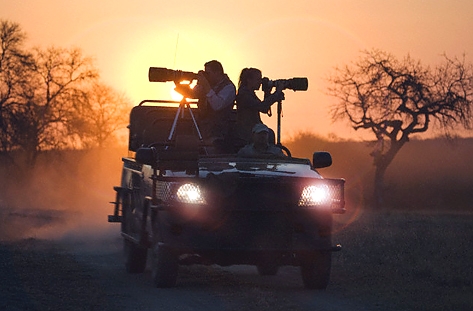
A 4-day Southern Tanzania safari focusing on Nyerere National Park (formerly Selous Game Reserve) offers an exceptional introduction to one of Africa’s most expansive and wild protected areas. Far from the more crowded northern circuit parks, Nyerere provides a sense of raw, untamed wilderness. This itinerary is designed to give you a concentrated yet rich experience of its unique landscapes and abundant wildlife, including boat safaris on the Rufiji River, game drives through diverse habitats, and walking safaris for an up-close encounter with nature.
This guide is crafted for travelers looking for a deep dive into planning their adventure. We’ll cover what makes Nyerere special, the best times to visit, a sample itinerary, what to expect, essential packing advice, common pitfalls to avoid, and how to book your 2026-2027 safari with confidence.
Quick Facts About Nyerere National Park
| Feature | Details |
|---|---|
| Location | Southern Tanzania |
| Formerly Known As | Selous Game Reserve |
| Size | Approximately 50,000 sq km (one of the largest reserves in Africa) |
| Key Wildlife | Elephants, hippos, crocodiles, lions, leopards, wild dogs, buffalo, diverse birdlife. Less common for large cheetah or rhino sightings compared to northern parks. |
| Unique Activities | Boat safaris on the Rufiji River, walking safaris, game drives. |
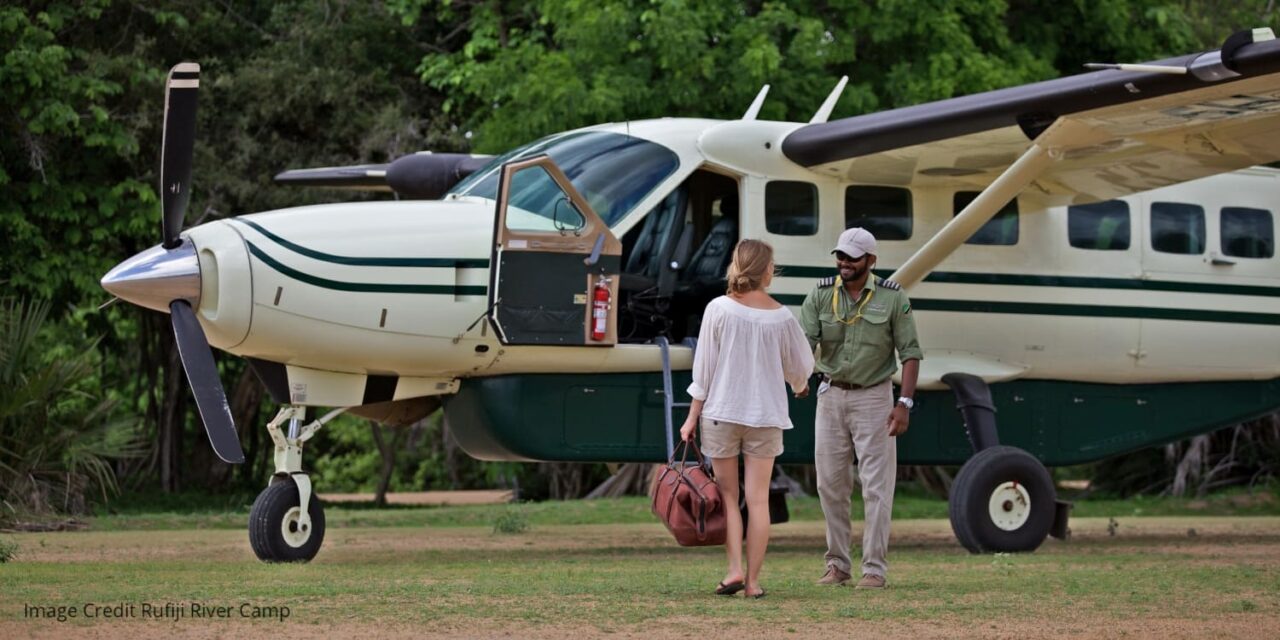
| Accessibility | Fly-in via small bush planes from Arusha or Dar es Salaam; limited road access can be very long. |
| Best Time to Visit | Dry season (June to October) for game viewing; Wet season (November to May) offers lush landscapes and birdwatching, but some roads can be challenging. |
Table of Contents
- Nyerere National Park: A Wilderness Unlike Any Other
- Why Choose a 4-Day Southern Tanzania Safari in Nyerere?
- When is the Best Time to Visit Nyerere National Park?
- Nyerere National Park: Area Overview and Key Zones
- Sample 4-Day Nyerere National Park Safari Itinerary
- What to Expect on Your Nyerere Safari
- Safari Inclusions, Packing Essentials, and Preparation
- Common Mistakes to Avoid on a Nyerere Safari
- Who is a 4-Day Nyerere Safari Best Suited For?
- Alternatives to a 4-Day Nyerere Safari
- Planning Your 2026-2027 Nyerere Safari
- Booking Your 4-Day Southern Tanzania Safari
- Frequently Asked Questions (FAQs)
Nyerere National Park: A Wilderness Unlike Any Other
Nyerere National Park, formerly the Selous Game Reserve, is a UNESCO World Heritage Site and one of Africa’s largest wildlife sanctuaries. Its sheer scale means that much of it remains wild and undeveloped, offering a genuine sense of exploration. Unlike the more popular northern parks like Serengeti and Ngorongoro, Nyerere’s ecosystem is dominated by the mighty Rufiji River and its tributaries, creating unique habitats that support a different array of wildlife and offer distinct safari experiences.
The park’s landscape is varied, featuring miombo woodlands, acacia savannas, open grasslands, and dense riverine forests. The Rufiji River, in particular, is a lifeline, supporting vast populations of hippos and crocodiles, and attracting elephants, buffalo, and a rich diversity of birdlife. The southern part of the park, which was historically the core of the Selous Game Reserve, is renowned for its wild dog and lion populations. The park’s size and relatively lower visitor numbers mean that encounters often feel more intimate and less crowded.
Why Choose a 4-Day Southern Tanzania Safari in Nyerere?
A 4-day safari in Nyerere National Park is a perfectly crafted timeframe for experiencing the essence of this vast wilderness. It allows for a balanced exploration of the park’s diverse offerings without feeling rushed. Here’s why this duration is ideal:
- Concentrated Experience: Four days are enough to engage in the three primary safari activities: game drives, boat safaris, and walking safaris. This variety is crucial for understanding the park’s ecosystem and maximizing wildlife viewing opportunities.
- Logistical Efficiency: Given the travel time to Nyerere, often involving a flight from Dar es Salaam or Arusha, a 4-day trip provides sufficient time on the ground to justify the travel investment. It balances travel with exploration.
- Diverse Habitats: This duration allows you to explore different zones within the park, from the riverine areas rich in aquatic life and predators to the more open plains where grazers and their hunters roam.
- Sense of Discovery: While you won’t see every corner of Nyerere in four days (it’s enormous!), this timeframe provides a deep enough immersion to appreciate its wild character, sense of space, and the thrill of potentially encountering rare species.
- Perfect for Shorter Trips: For travelers with limited vacation time, a 4-day safari is a substantial adventure that can be combined with other Tanzanian destinations like Zanzibar or a brief visit to Dar es Salaam, offering a taste of Tanzania’s mainland wonders.
When is the Best Time to Visit Nyerere National Park?
Nyerere National Park experiences distinct wet and dry seasons, each offering a unique safari experience. Understanding these seasons is key to planning your 4-day Southern Tanzania safari for 2026 or 2027.
| Season | Months | Pros | Cons | Best For |
|---|---|---|---|---|
| Dry Season | June – October |
Vegetation thins, making wildlife easier to spot. Animals congregate around water sources. Pleasant temperatures. |
Peak tourist season, potentially higher prices. Can be dusty. |
Prime wildlife viewing, especially large mammals. |
| Shoulder Season (Early Dry) | May – June |
Green landscapes from the rains, fewer crowds, good wildlife viewing as animals start to gather. |
Some areas might still be recovering from rains. |
Balance of scenery and wildlife, fewer crowds. |
| Wet Season | November – May |
Lush, green landscapes. Excellent for birdwatching (migratory birds arrive). Fewer tourists, lower prices. River levels are high, ideal for boat safaris. |
Thicker vegetation can make spotting some animals harder. Some roads may become impassable, limiting access to certain areas. Humidity increases. |
Photographers, birdwatchers, those seeking a quieter experience, and keen boat safari enthusiasts. |
For a 4-day Southern Tanzania safari, the dry season (June to October) is generally recommended for optimal game viewing. However, the shoulder months of May and November can offer a good compromise with beautiful scenery and fewer visitors. If birdwatching is a priority, the wet season is fantastic.
Nyerere National Park: Area Overview and Key Zones
Nyerere National Park is vast, and a 4-day trip will focus on specific, accessible, and wildlife-rich areas. The park is generally divided into two main zones for tourism, based on the former Selous Game Reserve structure:
Conceptual Map of Nyerere National Park (Simplified for 4-Day Trip)
Imagine a large, irregular shape representing the park.
- Northern Sector (Near Mtemere Gate / Kiba Gate): This is the most accessible area, typically reached by flight to the Mtemere airstrip. It borders the Rufiji River and offers excellent opportunities for boat safaris. Game drives here focus on the riverine forests and adjacent woodlands. This is often the primary focus for shorter trips due to its accessibility and concentration of wildlife, particularly hippos, crocodiles, and diverse birdlife.
- Central/Southern Sector (Further Inland): This vast area is less frequented and can be explored on longer safaris or by those with more time. It offers more remote wilderness experiences and is known for its predator populations. Access can be more challenging and might require specialized 4×4 vehicles and more extensive travel within the park. For a 4-day safari, this area is usually not the main focus unless specifically requested and planned with longer travel times.
Key Features:
- Rufiji River: The lifeline of the park, supporting aquatic life and attracting terrestrial animals. Boat safaris are a highlight here.
- Stiegler’s Gorge: A dramatic gorge carved by the Rufiji River, offering scenic views. It’s located in the central part of the park.
- Miombo Woodlands: Covering large parts of the park, these woodlands are home to elephants, wild dogs, and various antelopes.
- Game Viewing Tracks: A network of tracks allows for game drives, with the density of tracks varying by sector.
Your 4-day itinerary will likely concentrate on the northern sector and its immediate surroundings to maximize wildlife viewing time and minimize travel within the park.
Sample 4-Day Nyerere National Park Safari Itinerary
This sample itinerary is designed for a 4-day Southern Tanzania safari, focusing on the most rewarding experiences Nyerere National Park has to offer. It assumes arrival by light aircraft into Mtemere Airstrip.
Day 1: Arrival in Nyerere & Rufiji River Exploration
- Morning: Fly from Dar es Salaam (or Arusha, with a connection) to Mtemere Airstrip in Nyerere National Park.
- Mid-morning: Meet your guide and transfer to your lodge/camp. After a brief rest and check-in, head out for your first activity.
- Afternoon: Embark on a thrilling boat safari along the Rufiji River. This is a highlight of Nyerere, offering close-up views of large pods of hippos, basking crocodiles, elephants coming to drink, and a spectacular array of water birds, including kingfishers, fish eagles, and herons.
- Evening: Return to your lodge for dinner and overnight.
Day 2: Game Drives in Diverse Habitats
- Morning: After breakfast, set out for a full-day game drive. Explore the woodlands and savannas of Nyerere, searching for lions, leopards, buffalo, giraffes, zebras, and various antelope species. Your guide will focus on areas known for recent sightings.
- Lunch: Enjoy a packed picnic lunch at a scenic spot within the park.
- Afternoon: Continue your game drive, perhaps venturing towards different waterholes or river tributaries. The goal is to cover varied terrain to increase your chances of spotting different animals.
- Evening: Return to the lodge for relaxation, dinner, and overnight.
Day 3: Walking Safari & More Game Drives
- Early Morning: Experience the bush on foot with a guided walking safari. This offers a unique perspective, allowing you to appreciate the smaller details of the ecosystem – tracks, plants, insects – and to feel the pulse of the wild. Walking safaris are typically conducted in designated areas and are led by an armed ranger for safety. You might encounter buffalo, antelopes, and learn about the flora and fauna from your guide.
- Late Morning: Return to camp for brunch/lunch.
- Afternoon: Head out for another game drive, perhaps focusing on areas you haven’t explored or revisiting spots where you had interesting sightings. You could also opt for a sunset game drive, ending with sundowner drinks in a picturesque location.
- Evening: Dinner and overnight at the lodge.
Day 4: Final Game Drive & Departure
- Early Morning: Enjoy a final early morning game drive to catch the animals during their most active period. This is another opportunity to spot elusive predators or observe herds of grazers.
- Late Morning: Return to your lodge for breakfast and check-out.
- Mid-day: Transfer to Mtemere Airstrip for your flight back to Dar es Salaam or your next destination.
Note: This itinerary can be customized based on your interests and the specific location of your chosen lodge/camp.
What to Expect on Your Nyerere Safari
A 4-day Southern Tanzania safari in Nyerere National Park is a deeply rewarding experience, but it’s different from a northern circuit safari. Here’s what you can anticipate:
- Sense of Space and Wilderness: Nyerere is vast. You’ll often feel like you have the park to yourself, with long stretches between sightings and a profound sense of being in untouched nature.
- Abundant Hippos and Crocodiles: The Rufiji River is teeming with hippos and crocodiles. Boat safaris provide incredible opportunities to observe them in their natural environment, often in large numbers.
- Predator Sightings: Nyerere is known for its lion and wild dog populations. While sightings are never guaranteed, the chances are good, especially during the dry season. Leopards are also present but are more elusive.
- Elephants and Buffalo: Large herds of elephants and buffalo are common sights, often seen congregating near water sources or grazing in open areas.
- Birdlife: The park boasts an incredible diversity of bird species, particularly around the river systems. Birdwatchers will be delighted.
- Unique Activities: The combination of game drives, boat safaris, and walking safaris offers a multi-dimensional way to experience the wildlife and landscape.
- Lodging: Accommodation ranges from comfortable mid-range lodges to luxurious tented camps, often strategically located for optimal wildlife viewing and access to activities. Expect excellent service and delicious meals.
- Logistics: Travel to Nyerere is typically by light aircraft, which adds to the adventure and saves considerable time compared to road travel. The lodges will arrange transfers from the airstrip.
- Road Conditions: While game drives are on established tracks, some routes can be rough, especially after rain. Your vehicle and guide will be equipped to handle this.
Safari Inclusions, Packing Essentials, and Preparation
To ensure your 4-day Southern Tanzania safari is comfortable and memorable, proper preparation is key. Here’s what to consider:
Typical Safari Inclusions
Most safari packages for Nyerere National Park, booked through reputable operators, will include:
- Accommodation at your chosen lodge or camp.
- All meals (breakfast, lunch, dinner) at the lodge.
- Park entry fees and conservation fees.
- All scheduled safari activities (game drives, boat safaris, walking safaris).
- Services of a professional English-speaking safari guide.
- Shared 4×4 safari vehicle for game drives (or private if arranged).
- Bottled water during game drives.
- Internal flights to/from Nyerere National Park (often included in package prices, but confirm).
What’s Usually Not Included:
- International flights.
- Visa fees.
- Travel insurance (mandatory).
- Gratuities for guides and lodge staff.
- Alcoholic and soft drinks (unless specified).
- Personal expenses (souvenirs, laundry, etc.).
Packing Essentials for Your Safari
Pack light and smart. Soft-sided duffel bags are usually required for light aircraft flights due to weight and space restrictions.
- Clothing:
- Neutral-colored clothing (khaki, beige, light brown, olive green). Avoid bright colors and black/dark blue (can attract tsetse flies).
- Lightweight long-sleeved shirts and trousers for sun protection and evenings.
- T-shirts and comfortable shorts for daytime.
- A warm fleece or jacket for cool early mornings and evenings.
- Swimsuit (some lodges have pools).
- Comfortable walking shoes or hiking boots (for walking safaris).
- Sandals or flip-flops for around the lodge.
- Socks.
- Pajamas.
- Accessories:
- Sun hat with a wide brim.
- Sunglasses.
- Binoculars (essential for wildlife viewing).
- Camera with extra batteries and memory cards. Consider a zoom lens.
- Power bank or universal adapter (check plug type for Tanzania – Type D/G).
- Insect repellent (with DEET).
- Sunscreen (high SPF).
- Small backpack for day trips.
- Headlamp or small flashlight.
- Toiletries:
- Personal toiletries (biodegradable options are appreciated).
- Hand sanitizer.
- Basic first-aid kit (band-aids, antiseptic wipes, pain relievers, motion sickness medication, any personal prescriptions).
- Documents & Money:
- Passport (with at least 6 months validity) and visa.
- Flight tickets and itinerary.
- Travel insurance details.
- Credit cards and some USD cash for tips and personal purchases.
Preparation Checklist
- Health: Consult your doctor about vaccinations (Yellow Fever may be required) and malaria prophylaxis well in advance of your travel date for 2026-2027.
- Visa: Check visa requirements for your nationality. You can often apply online or upon arrival.
- Travel Insurance: Ensure you have comprehensive travel insurance covering medical emergencies, evacuation, and trip cancellation.
- Fitness: While not strenuous, be prepared for early mornings and potentially bumpy rides. Walking safaris require moderate mobility.
- Camera Gear: Clean lenses, ensure batteries are charged, and bring plenty of storage.
- Learn Basic Swahili Phrases: A few words like ‘Jambo’ (Hello) and ‘Asante’ (Thank you) are always appreciated.
Common Mistakes to Avoid on a Nyerere Safari
To make the most of your 4-day Southern Tanzania safari, be aware of these common pitfalls:
- Underestimating Travel Time: Nyerere is remote. Factor in flight times and transfers. Don’t try to cram too much into a short trip by attempting to combine it with distant locations on the same day.
- Expecting Serengeti-like Crowds: Nyerere offers a different kind of experience. If you’re looking for constant action and dense wildlife herds like in the Serengeti during migration, Nyerere might feel quieter, though its unique charm is in its vastness and specific wildlife concentrations.
- Ignoring the Rufiji River’s Importance: Don’t skip the boat safari! It’s one of Nyerere’s signature experiences and offers views of wildlife not seen from a vehicle.
- Packing Inappropriately: Stick to neutral colors. Avoid bright clothing and dark colors that attract tsetse flies, which can be prevalent in some areas.
- Not Bringing Binoculars: Wildlife can be distant. Binoculars are essential for a truly immersive viewing experience.
- Not Booking in Advance: Especially for peak seasons in 2026-2027, lodges and flights fill up. Booking early ensures your preferred accommodation and flight times.
- Not Having Travel Insurance: This is non-negotiable. Medical emergencies or trip disruptions can happen, and insurance is vital.
- Overpacking for Flights: Adhere strictly to the weight limits for light aircraft flights (usually 15-20 kg total, including hand luggage). Soft-sided bags are a must.
- Expecting Constant Wi-Fi: Connectivity can be limited or non-existent in many camps. Embrace the digital detox and focus on the incredible nature around you.
Who is a 4-Day Nyerere Safari Best Suited For?
A 4-day Southern Tanzania safari in Nyerere National Park is an excellent choice for a specific type of traveler:
- Nature Enthusiasts: Those who appreciate vast, unspoiled landscapes and a sense of genuine wilderness.
- Wildlife Photographers: The unique light, diverse habitats, and opportunities for intimate sightings make it a great photographic destination.
- Adventure Seekers: Travelers looking for a safari experience that includes walking safaris and boat safaris, offering different perspectives than standard game drives.
- Those Seeking Solitude: Visitors who prefer a less crowded safari experience and enjoy the feeling of having large areas of nature to themselves.
- Birdwatchers: The Rufiji River system and surrounding areas are a haven for a remarkable variety of bird species.
- Travelers Combining Destinations: A 4-day Nyerere trip can be easily combined with a beach holiday in Zanzibar or a city break in Dar es Salaam, offering a well-rounded Tanzanian experience.
- First-Time Safari-Goers (with the right expectations): While different from the north, Nyerere offers a fantastic introduction to African wildlife and safari life, provided visitors understand its unique characteristics.
- Repeat Safari Goers: Those who have experienced the northern circuit and are looking for a different, more remote, and wilder safari destination.
Alternatives to a 4-Day Nyerere Safari
While Nyerere is exceptional, other destinations in Tanzania offer different safari experiences. If a 4-day Southern Tanzania safari isn’t quite what you’re looking for, consider these alternatives:
- Northern Circuit (Serengeti, Ngorongoro, Tarangire, Lake Manyara): This is Tanzania’s classic safari circuit.
- Best for: High concentrations of wildlife, the Great Migration (Serengeti), iconic predators, the unique Ngorongoro Crater ecosystem, and generally easier logistics for shorter trips due to more flight options and better road networks.
- Duration: A 4-day trip here would likely focus on 1-2 parks, e.g., Serengeti and Ngorongoro.
- Ruaha National Park: Located further south than Nyerere, Ruaha is Tanzania’s largest national park.
- Best for: Wild, remote landscapes, large elephant herds, significant predator populations (lions, wild dogs), and a true sense of adventure. It’s less focused on riverine activities than Nyerere.
- Duration: A 3-4 day trip is feasible, often requiring flights from Dar es Salaam.
- Mikumi National Park: Closer to Dar es Salaam than Nyerere or Ruaha, making it accessible for day trips or short overnight stays.
- Best for: Easy access for short trips, good general wildlife viewing (including elephants, zebras, giraffes, and lions), and a taste of Tanzanian savanna. It’s smaller and can feel less wild than Nyerere.
- Duration: Can be done as a long day trip or a 2-day/1-night safari.
- Katavi National Park: One of Tanzania’s most remote and wild parks, known for its large herds of buffalo and elephants, and high predator numbers.
- Best for: True wilderness adventurers seeking off-the-beaten-path experiences. It requires more time and effort to reach.
- Duration: Typically requires a minimum of 3-4 days just for the park itself, plus travel.
For a 4-day trip specifically, Nyerere offers a unique blend of riverine beauty and classic savanna wildlife viewing that is hard to replicate elsewhere. If proximity to Dar es Salaam is paramount, Mikumi is an option, but for a true wilderness immersion, Nyerere or Ruaha are superior choices.
Planning Your 2026-2027 Nyerere Safari
Planning ahead is crucial for a successful safari, especially when looking at dates for 2026 and 2027. Here’s a guide to help you:
Timeline for Booking
- 12-18 Months Out: If you’re planning a safari during peak season (June-October) or have specific lodges or flight dates in mind, start researching and contacting tour operators. This is also a good time to consider custom itineraries for 2026-2027.
- 9-12 Months Out: Finalize your itinerary and book your preferred accommodation and internal flights. This is especially important for popular lodges or if you need specific room configurations.
- 6-9 Months Out: Confirm all bookings. Arrange your visas and start looking into travel insurance. Consult your doctor about necessary vaccinations and malaria prevention for your 2026-2027 trip.
- 3-6 Months Out: Purchase any gear you need (binoculars, camera equipment, specific clothing).
- 1-3 Months Out: Reconfirm all flight details and safari arrangements. Make final payments. Pack your bags.
- 1-2 Weeks Out: Get any necessary currency. Inform your bank of your travel dates. Finalize packing and ensure all documents are in order.
Key Considerations for 2026-2027
- Seasonality: Decide which season best suits your priorities (wildlife viewing, birdwatching, crowds, budget). For a 4-day Nyerere safari, the dry season (June-October) is excellent for game viewing.
- Flight Availability: Internal flights to Nyerere (Mtemere Airstrip) are operated by small charter companies. Availability can be limited, especially during peak travel times. Booking these flights as part of your package is essential.
- Lodge Selection: Nyerere has a range of lodges and tented camps. Consider your budget, desired comfort level, and location when choosing. Some are closer to the river for boat safaris, others are deeper in the bush.
- Budgeting: Safari costs can vary significantly. Factor in flights, accommodation, park fees, activities, meals, and extras like tips and drinks. Be realistic about what a quality 4-day safari package will cost for 2026-2027.
- Flexibility: While planning is key, maintaining some flexibility can be beneficial, especially concerning flight schedules which can sometimes be affected by weather.
Booking Your 4-Day Southern Tanzania Safari
Choosing the right tour operator is paramount for a successful and stress-free safari. Here’s how to approach booking your 4-day Southern Tanzania safari:
- Research Reputable Operators: Look for tour operators with a strong online presence, positive reviews (though be discerning), and clear contact information. Experience with Nyerere National Park specifically is a plus.
- Get Multiple Quotes: Contact 2-3 operators to compare itineraries, inclusions, and pricing. Ensure you are comparing like-for-like packages.
- Ask Detailed Questions: Don’t hesitate to ask about everything – the type of vehicle, guide experience, meal inclusions, cancellation policies, and what happens in case of flight delays. For 2026-2027 bookings, confirm that prices are stable or what potential adjustments might occur.
- Confirm Inclusions: Double-check that park fees, internal flights, activities, and accommodation are clearly listed. Understand what is excluded.
- Payment Terms: Understand the deposit requirements and the final payment deadline. Reputable companies will have clear terms and conditions.
- Communication is Key: A good operator will be responsive, knowledgeable, and patient with your questions. They should make you feel confident and well-informed.
- Consider a Local Operator: Booking with a Tanzanian-based operator like Best Tanzania tour operator often means better local knowledge, potentially more competitive pricing, and direct support on the ground.
When you’re ready to plan your adventure, reach out to us. We specialize in creating personalized safari experiences in Nyerere National Park and across Tanzania. We can help you craft the perfect 4-day Southern Tanzania safari that meets your interests and budget for 2026-2027.
Contact Us:
WhatsApp: +255616946642
Email: topguideadventures@gmail.com
Backup Email: info@topguideadventures.com
Frequently Asked Questions (FAQs)
Q1: What is the difference between Nyerere National Park and Selous Game Reserve?
Nyerere National Park is the new name for the area that was formerly known as Selous Game Reserve. The park was officially renamed in 2019 to honor Julius Nyerere, Tanzania’s first president, and to align with national park regulations. The core tourism areas and experiences remain largely the same.
Q2: Is a 4-day safari enough for Nyerere National Park?
Yes, a 4-day safari is a good duration for Nyerere. It allows for a concentrated experience of its main attractions, including boat safaris on the Rufiji River, game drives, and potentially a walking safari, without feeling overly rushed. You’ll get a solid feel for the park’s unique environment.
Q3: What kind of wildlife can I expect to see on a 4-day Southern Tanzania safari in Nyerere?
You can expect to see large numbers of hippos and crocodiles on the Rufiji River, elephants, buffalo, giraffes, zebras, various antelopes (like impala, hartebeest), and a rich diversity of birdlife. Predators such as lions and wild dogs are present, and leopards are also found, though they are more elusive. Sightings of cheetahs and rhinos are rare in Nyerere compared to some northern parks.
Q4: How do I get to Nyerere National Park for a 4-day trip?
The most common and efficient way is by light aircraft from Dar es Salaam (Julius Nyerere International Airport – JNIA) or Arusha. Flights typically land at Mtemere Airstrip. Road travel is possible but takes many hours and is often rough, making it impractical for a 4-day trip.
Q5: Is Nyerere National Park safe for tourists in 2026-2027?
Yes, Nyerere National Park is considered safe for tourists. The park is managed by experienced rangers, and safari activities are conducted by professional guides who are trained to handle wildlife encounters safely. Walking safaris are always accompanied by an armed ranger. Standard travel precautions for Tanzania should be followed, and it’s essential to have comprehensive travel insurance.
Q6: What is the best accommodation type in Nyerere?
Accommodation in Nyerere ranges from rustic tented camps to more luxurious lodges. Many are situated along the Rufiji River or in scenic locations. The choice depends on your budget and preference for comfort. All offer an immersive experience in nature.
Q7: Can I combine Nyerere with other destinations in a short trip?
Absolutely. A 4-day Nyerere safari is often combined with a few days on the beaches of Zanzibar. This offers a fantastic contrast between wildlife adventure and relaxation. It can also be combined with a brief stay in Dar es Salaam.
Q8: What should I pack for a 4-day Nyerere safari?
Pack light, neutral-colored clothing (long sleeves/trousers for sun protection), a warm layer for cool mornings, comfortable walking shoes, a hat, sunglasses, insect repellent, sunscreen, binoculars, and a camera. Soft-sided luggage is essential for light aircraft flights.
Q9: Are there any malaria risks in Nyerere National Park?
Yes, malaria is present in Tanzania, including Nyerere National Park. It is highly recommended to consult your doctor about malaria prophylaxis before your trip. Using insect repellent and wearing long sleeves/trousers in the evenings also helps prevent bites.
Q10: What are the main differences between Nyerere and the Northern Circuit?
Nyerere is larger, less developed, and offers unique boat safaris on the Rufiji River, plus walking safaris. It generally has fewer tourists and a more ‘wild’ feel. The Northern Circuit (Serengeti, Ngorongoro, etc.) is more famous for the Great Migration, higher densities of certain animals (like wildebeest and zebras during migration), and more established tourist infrastructure, including more roads and lodges. For a 4-day trip, Nyerere offers a distinct, river-focused wilderness experience.
Ready for Your 4-Day Southern Tanzania Safari Adventure?
A 4-day safari in Nyerere National Park is an unforgettable journey into the heart of Tanzania’s wild landscapes. From the majestic Rufiji River to the diverse wildlife roaming its plains, this park offers an authentic and exhilarating safari experience. Planning for 2026-2027 gives you ample time to secure the best options and prepare for an incredible adventure.
Whether you’re seeking close encounters with hippos on a boat safari, the thrill of a walking safari, or the excitement of spotting lions on a game drive, Nyerere delivers. Let us help you craft your perfect 4-day Southern Tanzania safari — Selous / Nyerere Highlights. We handle all the details, from flights and accommodation to guided activities, ensuring a seamless and memorable trip.
Contact us today to start planning your dream safari:
WhatsApp: +255616946642
Email: topguideadventures@gmail.com
Backup Email: info@topguideadventures.com
Plan your 4-Day Southern Tanzania Safari — Selous / Nyerere Highlights with Top Guide Adventures
Tell us your travel dates, group size, comfort level, and dream experience. We will help you shape a clear, realistic, and memorable Tanzania itinerary.







 Veedesigner
 Fatma Kizanga
 Benjamin Waryuba
 Philip Philip
 John jr Itaja
 Antonia Optatus
 Edith Kanyere
 Neema Iddy
 Kelvin Boniphace
 Damari Maiga



