
Updated planning guide for 2026-2027
6-Day Selous Wildlife & Walking Safari: Best Guide 2026-2027
Discover the untamed beauty of the Selous Game Reserve with a unique 6-day wildlife and walking safari. This comprehensive guide covers everything you need to know for an unforgettable adventure in 2026-2027.
WhatsApp +255616946642 | topguideadventures@gmail.com | info@topguideadventures.com
6-Day Selous Wildlife & Walking Safari: Your Ultimate Planning Guide
A 6-Day Selous Wildlife & Walking Safari offers an intimate and thrilling way to experience one of Africa’s largest and most remote wildlife sanctuaries. Unlike conventional game drives, a walking safari allows you to connect with the bush on foot, engaging all your senses and providing a perspective that vehicles simply cannot match. This guide is designed for travelers seeking a deep dive into the Selous Game Reserve, covering everything from planning your trip for 2026-2027 to what to expect on the ground.
The Selous, now officially Nyerere National Park, is a UNESCO World Heritage Site renowned for its vast wilderness, diverse ecosystems, and significant populations of elephants, lions, hippos, crocodiles, and wild dogs. Combining game drives with guided walking expeditions creates a dynamic and unforgettable safari experience. Whether you’re a seasoned safari-goer or a first-timer, this 6-day itinerary provides a balanced exploration of the park’s wonders.
Quick Overview: 6-Day Selous Safari
| Feature | Details |
|---|---|
| Duration | 6 Days / 5 Nights |
| Focus | Wildlife viewing, walking safaris, boat safaris, game drives |
| Location | Nyerere National Park (formerly Selous Game Reserve), Tanzania |
| Key Activities | Guided bush walks, boat trips on the Rufiji River, game drives, bird watching |
| Wildlife Highlights | Elephants, lions, leopards, cheetahs, wild dogs, hippos, crocodiles, diverse birdlife |
| Accommodation | Tented camps, lodges (various comfort levels) |
| Best Time to Travel (2026-2027) | June to October (dry season) and December to February (short dry season) |
Why Choose a 6-Day Selous Wildlife & Walking Safari?
The Selous offers a different feel from the more famous northern circuit parks like the Serengeti and Ngorongoro Crater. It’s larger, less crowded, and boasts a wilder, more untamed atmosphere. A 6-day trip allows for a thorough exploration without feeling rushed, incorporating varied activities that cater to different interests and fitness levels.
Intimate Wildlife Encounters: Walking safaris bring you closer to the natural world. You’ll learn to track animals by their spoor, identify plants and insects, and understand the subtle signs of the bush. Guided by experienced rangers, these walks are conducted with safety as the top priority, focusing on animals that are less dangerous or from a safe distance.
Diverse Landscapes: The park features miombo woodlands, open grasslands, riverine forests, and the mighty Rufiji River system. This variety supports a rich biodiversity, and different activities are suited to exploring these distinct environments.
Variety of Activities: A 6-day safari here isn’t just about driving. You can enjoy boat safaris along the Rufiji River, offering unique perspectives on hippos, crocodiles, and water birds. Game drives cover larger areas, and the walking safaris provide a ground-level, sensory experience. This combination ensures you see the park from multiple angles.
Fewer Crowds: Compared to the northern parks, the Selous generally sees fewer tourists, especially outside peak seasons. This offers a more exclusive and peaceful safari experience, allowing for genuine immersion in nature.
When is the Best Time for Your 6-Day Selous Safari in 2026-2027?
The Selous experiences distinct wet and dry seasons, each offering unique advantages for wildlife viewing and safari activities.
| Period | Weather | Wildlife Viewing | Safari Experience | Considerations |
|---|---|---|---|---|
| Dry Season (June – October 2026 & 2027) | Sunny, cooler temperatures, minimal rainfall. Roads are generally good. | Excellent. Animals congregate around water sources, making them easier to spot. Vegetation thins. | Ideal for game drives and walking safaris. Boat safaris are also good. | Peak season, higher demand, potentially higher prices. Walking safaris are best during this period due to lower risk of thick vegetation hiding animals or dangerous encounters. |
| Green Season (November – March 2026 & 2027) | Short rains in Nov/Dec, longer rains Jan-Mar. Hot and humid. Roads can become challenging. | Good, especially for birdwatchers as migratory birds arrive. Newborn animals are common. Some areas can be difficult to access. | Boat safaris are excellent. Game drives might be limited in certain areas. Walking safaris are possible but require careful planning due to weather and vegetation. | Lower prices, fewer tourists. Lush scenery. Best for photographers. |
| Shoulder Seasons (May, November) | Transition periods, can have mixed weather. | Variable, often good as animals start to concentrate or disperse. | Good balance of conditions and fewer crowds. | Often offer good value for money. |
For a 6-Day Selous Wildlife & Walking Safari, the dry season (June to October) is generally recommended. The thinner vegetation and concentrated wildlife make sightings more reliable, and the drier conditions are better suited for extensive walking expeditions. However, the green season can offer a unique photographic experience and lower costs for travelers visiting in 2026 or 2027.
Sample 6-Day Selous Wildlife & Walking Safari Itinerary
This is a sample itinerary designed to offer a comprehensive experience of the Selous Game Reserve, balancing game drives, walking safaris, and boat trips. It can be customized based on your preferences and the specific camps you choose.
Day 1: Arrival in Dar es Salaam & Transfer to Selous
- Arrive at Julius Nyerere International Airport (DAR) in Dar es Salaam.
- Meet your guide and transfer to the domestic airport for a scheduled or charter flight to the Selous airstrip.
- Upon arrival at the airstrip, you will be met by your camp’s representative.
- Short game drive en route to your chosen lodge or tented camp.
- Check in, enjoy lunch, and relax.
- Late afternoon/early evening game drive to start exploring the reserve.
- Return to camp for dinner and overnight stay.
Day 2: Walking Safari & Game Drives
- Early morning wake-up call.
- After breakfast, head out for your first guided walking safari. Your ranger will focus on tracks, signs, and the smaller details of the bush.
- Return to camp for brunch or lunch.
- Afternoon game drive, exploring a different sector of the park, perhaps focusing on areas known for predators or large herds.
- Dinner and overnight at the camp.
Day 3: Rufiji River Boat Safari & Game Drives
- Morning game drive focusing on areas accessible by vehicle.
- Return to camp for lunch.
- Afternoon boat safari on the Rufiji River. This is a fantastic opportunity to see hippos, crocodiles, elephants bathing, and a wide array of water birds, including kingfishers, herons, and fish eagles.
- Dinner and overnight at the camp.
Day 4: Full Day Exploration – Walking & Driving
- Enjoy an early breakfast and set out for a full day of exploration.
- This day can be tailored: perhaps a longer walking safari in the morning, followed by a picnic lunch in the bush, and then a game drive in the afternoon.
- Alternatively, combine a shorter walk with a comprehensive game drive covering areas you haven’t seen yet.
- Dinner and overnight at the camp.
Day 5: Further Exploration & Optional Activities
- Another day to immerse yourself in the Selous.
- Options include another walking safari, a different game drive route, or revisiting a favorite spot.
- Some camps may offer additional activities like night drives (if permitted in the specific area) or cultural visits to nearby villages.
- Enjoy a final evening sundowner and farewell dinner.
Day 6: Departure
- Enjoy a final early morning game drive or a leisurely breakfast.
- Transfer to the airstrip for your scheduled flight back to Dar es Salaam.
- Connect with your international flight or onward travel arrangements.
Route and Area Overview
The Nyerere National Park (Selous) is vast, covering over 50,000 square kilometers, though only a portion is open to tourism. The main areas accessible for safari activities are typically in the northern and central parts of the park, which are more easily reached from the airstrips and lodges. The Rufiji River is a central feature, and boat safaris often concentrate on its navigable sections.
Conceptual Route Map:
- Arrival Airstrip: Typically near the northern or central park entrance areas.
- Camp Location: Lodges and tented camps are strategically located for access to wildlife viewing areas and the Rufiji River.
- Game Drive Routes: Network of tracks reaching diverse habitats – woodlands, grasslands, riverine forests. Focus on areas known for predators, elephants, and wild dogs.
- Walking Safari Zones: Designated areas, often guided by armed rangers, focusing on foot trails and specific ecosystems.
- Rufiji River Access Points: Locations for boat safaris, offering views of aquatic wildlife and birdlife.
- Departure Airstrip: Usually the same as the arrival point.
Note: Specific routes and zones depend on wildlife movements, seasonal conditions, and lodge locations.
What to Expect on a Walking Safari
A walking safari is a fundamentally different experience from a vehicle-based one. It’s about immersion, observation, and learning.
- Sensory Experience: You’ll hear the rustle of leaves, smell the earth and vegetation, feel the sun and breeze, and see details often missed from a car.
- Expert Guides: You will be accompanied by at least one, often two, armed and highly trained guides. They are experts in tracking, animal behavior, and bushcraft. Their primary role is your safety and education.
- Focus on Details: Expect to learn about animal tracks, droppings, vegetation, insects, and bird calls. The guides will teach you how to interpret the signs of the bush.
- Encountering Wildlife: While you won’t be tracking lions on foot for a close-up photo, you might encounter herds of impala, zebras, giraffes, or observe elephants from a safe distance. The guides are skilled at assessing animal behavior and ensuring a safe encounter. You might also see smaller creatures like dik-diks, warthogs, and various bird species.
- Pace and Fitness: Walks are usually at a relaxed pace to allow for observation. They can range from 1-3 hours. A moderate level of fitness is beneficial, as you’ll be walking on uneven terrain.
- Safety Protocols: Always follow your guide’s instructions. They will brief you on safety procedures, including what to do if you encounter dangerous animals. Generally, maintaining a quiet demeanor, not running, and staying behind the guide are key.
What to Expect on a Boat Safari
Boat safaris on the Rufiji River offer a tranquil yet exciting perspective.
- Abundant Hippos and Crocodiles: The river is teeming with hippos, often seen basking in large pods. Crocodiles are also frequently spotted basking on the banks or lurking in the water.
- Birdlife: This is a paradise for birdwatchers. Expect to see diverse species including fish eagles, kingfishers, herons, storks, and many more.
- Elephants and Other Mammals: Elephants often come down to the river to drink and bathe. You might also spot buffalo, giraffes, and antelopes coming to the riverbanks.
- Relaxed Pace: The boat moves slowly, allowing for excellent photographic opportunities and a peaceful way to observe wildlife.
What to Expect on a Game Drive
Game drives utilize 4×4 vehicles, allowing you to cover more ground and reach areas not accessible on foot.
- Predator Spotting: Drives are essential for seeking out predators like lions, leopards, cheetahs, and African wild dogs. Guides use their knowledge and communication networks to find active areas.
- Large Mammals: You’ll have opportunities to see large herds of elephants, buffalo, giraffes, zebras, wildebeest, and various antelope species.
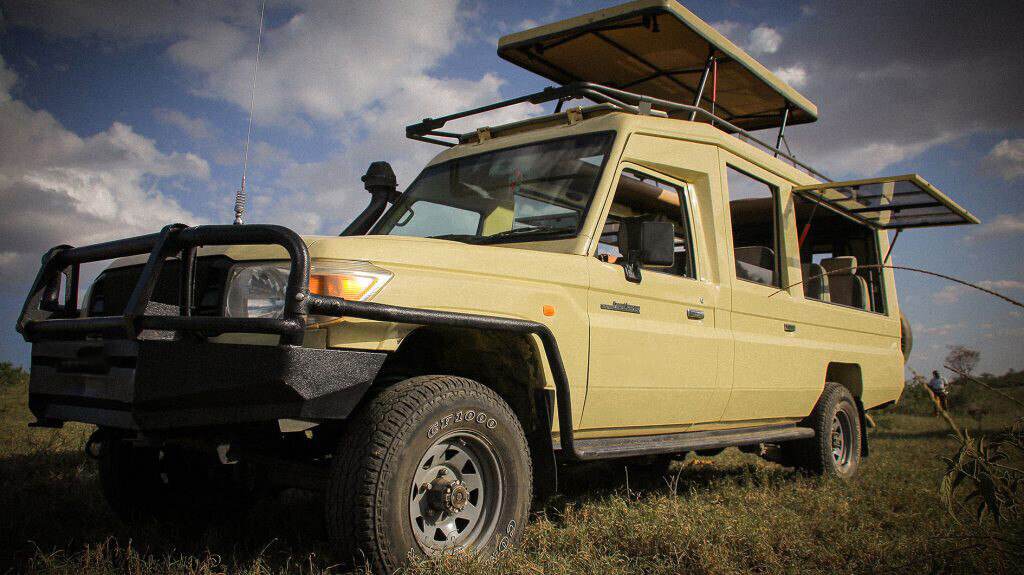
- Comfort and Accessibility: Vehicles are designed for game viewing, often with pop-up roofs. This is the most comfortable way to explore, especially during hot weather or when covering long distances.
- Sunrise and Sunset Safaris: Early morning and late afternoon drives are often the most productive for spotting animals.
Packing and Preparation for Your 6-Day Selous Safari
Packing for a Tanzanian safari, especially one involving walking, requires careful consideration. The key is to pack light, comfortable, and practical items.
Clothing Essentials:
- Neutral-Colored Clothing: Earth tones (khaki, beige, olive green, brown) are best. Avoid bright colors, black, and dark blue, which can attract insects or be too hot. White can get dirty quickly.
- Layers: Mornings and evenings can be cool, especially in the dry season. Pack long-sleeved shirts and trousers for sun protection and warmth. T-shirts and lighter trousers are suitable for warmer parts of the day.
- Comfortable Walking Shoes: Sturdy, broken-in hiking boots are essential for walking safaris.
- Comfortable Camp Shoes: Sandals or trainers for relaxing at the lodge.
- Hat: A wide-brimmed hat for sun protection.
- Lightweight Rain Jacket: Especially if traveling during the shoulder or green seasons.
- Swimsuit: Some lodges have pools.
- Socks: Plenty of comfortable socks, including some thicker ones for walking.
Gear and Accessories:
- Binoculars: A must-have for spotting wildlife at a distance.
- Camera: With extra batteries and memory cards. A zoom lens is highly recommended.
- Sunscreen: High SPF.
- Insect Repellent: With DEET.
- Personal First-Aid Kit: Including any personal medications, antiseptic wipes, plasters, pain relievers, and anti-diarrhea medication.
- Hand Sanitizer: For use when facilities are not readily available.
- Reusable Water Bottle: To stay hydrated and reduce plastic waste.
- Small Backpack/Daypack: For carrying essentials during walks and drives.
- Headlamp or Small Flashlight: Useful for navigating camps at night.
- Adapter: For charging electronics (Tanzania uses Type D and G sockets, 230V).
- Sunglasses.
- Small Towel: Quick-drying is best.
Documents and Money:
- Passport: With at least six months’ validity.
- Visa: Check requirements for your nationality.
- Yellow Fever Certificate: May be required.
- Travel Insurance Details.
- Cash: For tips and souvenirs (USD is widely accepted, smaller denominations are useful).
Important Note for Walking Safaris: Your guides will provide specific instructions regarding footwear and clothing for walking. Long trousers are often recommended for protection against thorns and insects, even in warmer weather.
Common Mistakes to Avoid
Planning a safari can be complex. Avoiding common pitfalls will ensure a smoother and more enjoyable experience.
- Overpacking: Especially if you’re flying on small bush planes, there are strict luggage weight limits (usually 15-20kg total, soft bags only). Pack light and efficiently.
- Choosing the Wrong Time to Travel: Visiting during the peak of the rainy season can mean difficult road conditions and less concentrated wildlife. Research the best time for your priorities.
- Underestimating Walking Safari Requirements: Not bringing appropriate footwear or not being prepared for the physical aspect of walking can limit your enjoyment.
- Not Booking in Advance: For popular seasons in 2026-2027, lodges and flights can book up quickly.
- Ignoring Luggage Restrictions: Soft-sided duffel bags are essential for small aircraft transfers. Hard suitcases are often not permitted.
- Bright Clothing: Wearing bright colors can disturb wildlife and attract insects. Stick to neutral, earthy tones.
- Expecting Big City Amenities: Remote lodges offer comfort but might have limited Wi-Fi or power. Embrace the digital detox.
- Not Budgeting for Tips: Tipping guides, camp staff, and drivers is customary and appreciated.
- Ignoring Safety Briefings: Always listen to your guides, especially during walking safaris. Their instructions are paramount for your safety.
Who is the 6-Day Selous Wildlife & Walking Safari Best For?
This specific safari itinerary is ideal for:
- Adventurous Travelers: Those who want to experience the bush on foot and are comfortable with a more rustic, wild environment.
- Nature Enthusiasts: People who appreciate detailed observation, tracking, and learning about the ecosystem beyond just spotting the ‘Big Five’.
- Photographers: The diverse landscapes, varied light, and unique perspectives from walking and boat safaris offer fantastic photographic opportunities.
- Travelers Seeking Fewer Crowds: Those who prefer a more exclusive and less commercialized safari experience compared to the northern circuit.
- Couples and Small Groups: The intimate nature of walking safaris and the remote camps make it perfect for couples or friends.
- First-Time Safari Goers (with caveats): While it offers a unique experience, first-timers should be aware of the ‘wilder’ nature of Selous and the specific safety protocols for walking. A blend with a few days in a more conventional park might suit some.
Alternatives to a 6-Day Selous Safari
While the Selous is exceptional, Tanzania offers other incredible safari destinations. Consider these if your priorities differ:
| Option | Key Differences | Best For |
|---|---|---|
| 6-Day Northern Circuit (Serengeti, Ngorongoro) | Iconic landscapes, famous for the Great Migration, higher density of predators, more developed infrastructure, can be crowded. Less emphasis on walking safaris in core areas. | First-time safari-goers, those prioritizing the ‘Big Five’ and dramatic wildlife action, and iconic scenery. |
| 7-Day Ruaha National Park Safari | Tanzania’s largest park, known for its large elephant and lion populations, wild dogs, and rugged terrain. Offers a more remote and wild experience than Selous, with excellent walking safari opportunities. Generally more expensive to access. | Experienced safari-goers seeking a truly wild and less-visited park with excellent predator sightings and walking safaris. |
| 5-Day Mikumi & Udzungwa Mountains | Mikumi is easily accessible from Dar, offering good wildlife viewing. Udzungwa offers hiking and primate viewing in a different ecosystem. Shorter duration. | Travelers with limited time, those combining wildlife with hiking, or as an add-on to a beach holiday. Less ‘wild’ than Selous. |
| 4-Day Selous Safari (Focus on Boat & Game Drive) | A shorter version, typically focusing on the Rufiji River and main game drive circuits. Less time for in-depth walking. | Travelers with very limited time or those who prefer primarily boat and vehicle-based viewing. |
Planning Your 2026-2027 Trip: Key Considerations
Booking your 6-Day Selous Wildlife & Walking Safari for 2026 or 2027 requires thoughtful planning. Here are some key points to consider:
- Flights: International flights arrive at Kilimanjaro International Airport (JRO) or Julius Nyerere International Airport (DAR) in Dar es Salaam. For Selous, you’ll typically fly into DAR and then take a domestic flight to the Selous airstrip. Book international flights well in advance for better prices.
- Internal Flights: Scheduled bush flights are the most efficient way to reach Selous from Dar. These are operated by companies like Coastal Aviation or Auric Air. Booking these through your tour operator is recommended as they manage the logistics.
- Accommodation: Selous offers a range of accommodations from basic tented camps to luxury lodges. Consider your budget and desired comfort level. Options include:
- Luxury Camps: High-end amenities, private bathrooms, excellent service, often in prime locations.
- Mid-Range Camps: Comfortable canvas tents or chalets, good service, essential amenities.
- Budget Camps: More basic facilities, but still offer an authentic safari experience.
- Choosing a Tour Operator: A reputable local tour operator is invaluable for arranging internal flights, accommodation, park fees, and guided activities. They have on-the-ground knowledge and can tailor the itinerary to your needs. Look for operators with good reviews and clear communication.
- Park Fees: Nyerere National Park has daily conservation fees, vehicle fees, and activity fees (walking, boat). These are usually included in your tour package but are a significant part of the cost.
- Health Precautions: Consult your doctor about necessary vaccinations (e.g., Yellow Fever) and malaria prophylaxis well in advance of your travel dates in 2026-2027.
- Travel Insurance: Comprehensive travel insurance is essential, covering medical emergencies, trip cancellations, and lost luggage.
Booking Your 6-Day Selous Wildlife & Walking Safari
Securing your safari adventure is straightforward when you work with experienced professionals. Here’s how to proceed:
1. Research and Choose an Operator: Look for Tanzanian tour operators with a strong track record in Selous and walking safaris. Check reviews on platforms like TripAdvisor or ask for recommendations. Top Guide Adventures is a specialist in Tanzanian safaris and can help craft your perfect itinerary.
2. Get a Custom Quote: Contact your chosen operator with your preferred travel dates for 2026 or 2027, the number of travelers, your accommodation preferences (budget, mid-range, luxury), and any specific interests (e.g., photography, birdwatching). They will then provide a detailed itinerary and quote.
3. Review the Itinerary and Inclusions: Ensure you understand exactly what is included in your package (accommodation, meals, park fees, transfers, activities, guides) and what is not (international flights, visas, tips, personal expenses, drinks).
Sample Inclusions/Exclusions
| Included | Not Included |
|---|---|
| Accommodation for 5 nights | International flights |
| All meals (breakfast, lunch, dinner) | Visa fees |
| Park entrance fees for Nyerere National Park | Tanzania visa |
| Game drives in a 4×4 vehicle | Travel insurance |
| Guided walking safaris | Tips for guides and lodge staff |
| Boat safari on the Rufiji River | Drinks (alcoholic and non-alcoholic, unless specified) |
| Experienced, English-speaking guide | Personal expenses (souvenirs, laundry) |
| Airstrip transfers | Optional activities not listed |
| Scheduled internal flights (e.g., Dar-Selous-Dar) | Vaccinations and medications |
4. Deposit and Payment: Typically, a deposit is required to confirm your booking, with the balance due a few weeks before your departure. Confirm the payment schedule with your operator.
5. Final Preparations: Once booked, focus on packing, health preparations, and getting excited!
Ready to plan your adventure? Contact Top Guide Adventures for a personalized quote and tailor-made itinerary for your 6-Day Selous Wildlife & Walking Safari in 2026 or 2027.
WhatsApp: +255616946642
Email: topguideadventures@gmail.com
Backup Email: info@topguideadventures.com
Frequently Asked Questions (FAQs)
Q1: Is a 6-day safari enough for Selous?
A: Yes, a 6-day safari provides a good amount of time to experience the highlights of Selous Game Reserve, including game drives, walking safaris, and boat trips. It allows for a balanced exploration without feeling rushed.
Q2: Are walking safaris safe in Selous?
A: Walking safaris are conducted with the utmost safety protocols. You will be accompanied by experienced, armed rangers who are trained to handle wildlife encounters. It’s crucial to follow their instructions precisely. The focus is on observing the environment and smaller details, and encounters with large, dangerous animals are managed with significant distance and caution.
Q3: What is the difference between Selous and Nyerere National Park?
A: Nyerere National Park is the new official name for the former Selous Game Reserve. The park was expanded and renamed in 2021 to better protect its ecosystems. For travelers, the experience remains largely the same in the areas traditionally visited for safaris.
Q4: What kind of wildlife can I expect to see on a 6-day Selous safari?
A: Selous is known for its large elephant and buffalo herds, hippos, crocodiles, and a healthy population of wild dogs. You can also see lions, leopards, cheetahs, giraffes, zebras, various antelopes, and abundant birdlife. While the ‘Big Five’ are present, leopards and rhinos (which are rare and protected) are harder to spot than in some other parks.
Q5: What are the luggage restrictions for flights to Selous?
A: Scheduled bush flights typically have a strict luggage limit of 15-20 kg (33-44 lbs) per person, including hand luggage. Luggage must be in soft-sided duffel bags, not hard suitcases, as they need to fit into the small cargo holds of light aircraft.
Q6: Do I need vaccinations for Tanzania in 2026-2027?
A: It is highly recommended to consult your doctor or a travel clinic at least 4-6 weeks before your trip. Yellow Fever vaccination may be required depending on your travel route. Malaria prophylaxis is also strongly advised for Selous. Other routine vaccinations should be up-to-date.
Q7: How much should I tip my guide and camp staff?
A: Tipping is customary and appreciated. A general guideline for a 6-day safari is around $10-15 USD per guest per day for your driver-guide, and $5-10 USD per guest per day for lodge staff (shared among them). Your tour operator can provide more specific recommendations for 2026-2027 travel.
Q8: Can I do a 6-day Selous Wildlife & Walking Safari in the green season?
A: Yes, you can. The green season (November to March) offers lush scenery and fewer crowds, often at lower prices. However, some roads might be less accessible, and the vegetation is denser, which can make wildlife spotting slightly more challenging than in the dry season. Walking safaris are still possible but require flexibility due to weather.
Q9: What is the best accommodation type for a walking safari?
A: Camps located closer to walking safari zones and riverine areas often provide the best access. Many lodges and tented camps offer a mix of walking safaris, game drives, and boat trips. Consider camps that specialize in or are well-equipped for walking safaris, often having experienced guides and safety protocols in place.
Q10: Is Selous suitable for families with children?
A: While Selous offers incredible wildlife, walking safaris may have age restrictions (often 12 or 16 years old) due to safety concerns. Families with younger children might prefer to focus on game drives and boat safaris. It’s best to discuss age suitability with your tour operator for your 2026-2027 trip.
Book Your Unforgettable 6-Day Selous Wildlife & Walking Safari Today!
Experience the raw, untamed beauty of Nyerere National Park (Selous) with a carefully crafted 6-Day Selous Wildlife & Walking Safari. This adventure promises intimate wildlife encounters, breathtaking landscapes, and a deep connection with the African bush. Let Top Guide Adventures, your trusted Tanzanian tour operator, handle all the details for your 2026-2027 journey.
We specialize in creating personalized safari experiences that match your interests and budget. From arranging seamless flights to selecting the perfect accommodation and ensuring expert guiding, we are committed to making your safari dreams a reality.
Don’t miss out on this incredible opportunity to explore one of Africa’s most magnificent wilderness areas. Contact us now to start planning your bespoke safari:
WhatsApp: +255616946642
Email: topguideadventures@gmail.com
Backup Email: info@topguideadventures.com
Plan your 6-Day Selous Wildlife & Walking Safari with Top Guide Adventures
Tell us your travel dates, group size, comfort level, and dream experience. We will help you shape a clear, realistic, and memorable Tanzania itinerary.







 Veedesigner
 Fatma Kizanga
 Benjamin Waryuba
 Philip Philip
 John jr Itaja
 Antonia Optatus
 Edith Kanyere
 Neema Iddy
 Kelvin Boniphace
 Damari Maiga



