
Updated planning guide for 2026-2027
5-Day Conservation Safari — Learn & Volunteer With Rangers: Best Guide
A unique 5-day conservation safari in Tanzania offers a hands-on opportunity to learn about wildlife protection and actively contribute alongside experienced rangers. This guide details what to expect, how to prepare, and why this experience is invaluable for the eco-conscious traveler.
WhatsApp +255616946642 | topguideadventures@gmail.com | info@topguideadventures.com
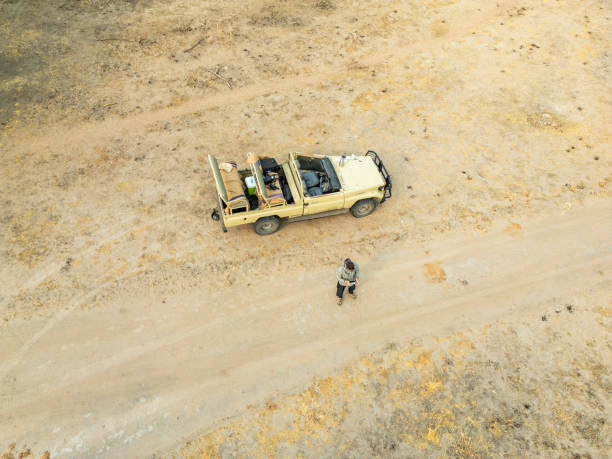
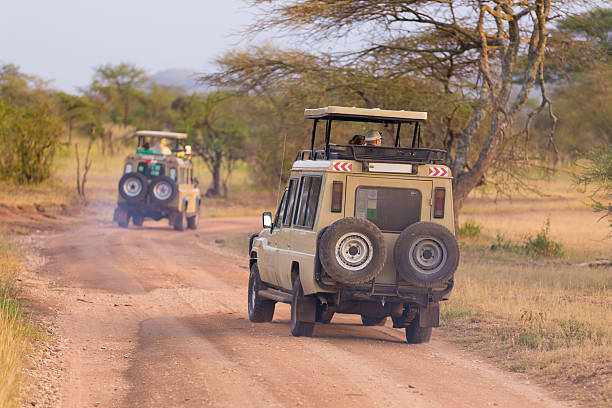
5-Day Conservation Safari: Learn & Volunteer with Rangers
Imagine spending five days not just observing wildlife, but actively participating in its preservation. Our 5-day conservation safari offers precisely this unique opportunity. This isn’t your typical game drive; it’s an immersive experience designed for travelers who want to go deeper, learn from the experts on the front lines of conservation, and contribute meaningfully to protecting Tanzania’s incredible biodiversity. You’ll work alongside dedicated rangers, gaining firsthand insight into the challenges and triumphs of safeguarding natural habitats and endangered species. This is your chance to connect with nature on a profound level, understand conservation efforts from the ground up, and make a tangible difference during your 2026 or 2027 adventure.
This guide provides everything you need to plan your 5-day conservation safari, from understanding the program’s core elements to practical preparation and booking advice.
Table of Contents
- Quick Facts
- Program Overview
- Why Choose a Conservation Safari?
- Best Time to Travel
- Location and Potential Routes
- Sample 5-Day Itinerary
- What to Expect on the Ground
- Inclusions and Exclusions
- Packing and Preparation Checklist
- Common Mistakes to Avoid
- Who is This Safari Best For?
- Alternatives to Consider
- Planning Your 2026-2027 Safari
- Booking Your Conservation Safari
- Frequently Asked Questions
Quick Facts
| Aspect | Details |
|---|---|
| Duration | 5 Days / 4 Nights |
| Focus | Wildlife conservation, ranger support, learning about conservation challenges. |
| Activities | Patrols, anti-poaching unit support, habitat monitoring, data collection, community engagement, wildlife tracking, educational sessions. |
| Accommodation | Field camps, basic lodges, or ranger outposts (varies by project). |
| Meals | Typically provided at camp/lodge, often simple and hearty. |
| Physicality | Moderate to high; involves walking, sometimes in rugged terrain, and early starts. |
| Group Size | Small, typically 2-8 participants for focused work. |
| Contribution | Direct support to conservation projects and ranger teams. |
| Best For | Passionate individuals, students, aspiring conservationists, those seeking an authentic, hands-on experience. |
Program Overview
A 5-day conservation safari is an intensive, short-term program designed to immerse participants in the daily realities of wildlife conservation in Tanzania. Unlike traditional safaris that focus on viewing wildlife from a vehicle, this experience places you alongside local rangers and conservationists. Your activities will be dictated by the needs of the conservation project at the time, but commonly include:
- Participating in patrols: Accompanying rangers on foot or by vehicle to monitor wildlife, check for poaching signs, and secure park boundaries.
- Data collection: Assisting in recording wildlife sightings, animal behavior, or environmental data. This information is crucial for research and management.
- Habitat monitoring: Helping to assess the health of ecosystems, identify threats like encroachment or invasive species, and potentially assist in restoration efforts.
- Anti-poaching support: While you won’t be engaging in direct confrontation, you might assist in setting up camera traps, maintaining equipment, or learning about intelligence gathering.
- Community engagement: Understanding the human element of conservation, which often involves interacting with local communities and learning about human-wildlife conflict mitigation.
- Educational sessions: Receiving briefings from rangers on local ecology, conservation challenges, and the specific goals of the project you are supporting.
The focus is on learning, contributing, and experiencing the environment in a way that respects its wild nature and supports ongoing conservation efforts. Accommodation is usually functional, prioritizing proximity to work areas, often in shared tents or basic rooms at field stations.
Why Choose a Conservation Safari?
This type of safari appeals to a specific kind of traveler – one who seeks more than just picturesque views. It’s for those who want to understand the ‘why’ behind conservation and be part of the ‘how’.
- Meaningful Impact: Your participation directly supports conservation initiatives, providing valuable manpower and resources. This is travel with a purpose.
- Authentic Experience: You get a behind-the-scenes look at conservation work, far removed from the typical tourist paths. You’ll see the bush through the eyes of those who protect it daily.
- In-depth Learning: Gain practical knowledge about wildlife, ecosystems, and conservation strategies from seasoned professionals. It’s an unparalleled educational opportunity.
- Connect with Rangers: Build relationships with dedicated local rangers, learning about their challenges, motivations, and the incredible commitment required for their work.
- Support Local Communities: Many conservation projects work closely with local communities, and you may get exposure to these vital partnerships.
- Personal Growth: The experience can be physically and mentally rewarding, pushing you out of your comfort zone and fostering a deeper appreciation for nature and conservation efforts.
Best Time to Travel
The best time for a 5-day conservation safari in Tanzania often aligns with the dry seasons, as these periods are generally more favorable for wildlife viewing and fieldwork. However, conservation work happens year-round, and your activities might be influenced by the specific project’s needs and location.
Dry Seasons (June to October, and December to February):
- Pros: Less rainfall means easier travel on unpaved roads, clearer skies for observation, and wildlife congregating around water sources, making patrols and sightings more efficient.
- Cons: Can be busier with general tourists, and some areas might be hotter.
Green Seasons (November, and March to May):
- Pros: Lush landscapes, fewer tourists, potentially lower prices, and it’s the birthing season for many animals (though this can also mean more dispersed prey).
- Cons: Rainfall can make some areas inaccessible, patrols might be more challenging, and visibility can be reduced.
For planning your 2026-2027 trip, consider that specific conservation activities might be more suitable during certain times. For instance, habitat restoration might be easier during or just after the rains, while anti-poaching patrols are often intensified during drier periods when animals are more concentrated. Always consult with your tour operator about the specific project’s schedule.
Location and Potential Routes
Tanzania boasts vast wilderness areas, and conservation projects are active in several key regions. Your 5-day conservation safari will likely be based in or near one of these critical wildlife zones:
1. Serengeti Ecosystem (e.g., Grumeti Reserve, Northern Serengeti):
- Focus: Protecting the Great Migration, managing human-wildlife conflict on the fringes, anti-poaching, and habitat integrity.
- Activities: Might involve patrols along the Mara River, monitoring predator-prey dynamics, or working with anti-poaching units.
2. Ruaha National Park & surrounding areas:
- Focus: This is a stronghold for elephants, lions, and wild dogs. Conservation here often deals with vast landscapes, poaching threats, and human-wildlife conflict as communities expand.
- Activities: Foot patrols, snare removal, wildlife monitoring, and potentially working on projects focused on reducing elephant-human conflict.
3. Selous Game Reserve (Nyerere National Park) / Southern Tanzania:
- Focus: Protecting large mammal populations, particularly elephants and wild dogs, and managing vast, less-visited wilderness areas.
- Activities: River patrols, monitoring wildlife corridors, and supporting ranger operations in a more remote setting.
4. Kilimanjaro Foothills / Community Conservancies:
- Focus: Protecting biodiversity in buffer zones around national parks, working with local communities on sustainable land use, and mitigating human-wildlife conflict (e.g., elephants raiding crops).
- Activities: Community outreach, habitat restoration, monitoring wildlife movements near settlements, and supporting ranger patrols in these sensitive areas.
Sample Route Illustration (Conceptual):
| Day 1: Arrival at regional airstrip, transfer to field camp near [Specific Reserve/Park]. Briefing on conservation goals and safety protocols. Introduction to rangers. Short introductory patrol. |
| Day 2: Full day assisting with wildlife monitoring patrols. Focus on tracking specific species or surveying a particular area. Data recording. Evening briefing. |
| Day 3: Habitat assessment or specific conservation task (e.g., snare removal, camera trap deployment). Possible community interaction session (if applicable to the project). |
| Day 4: Support anti-poaching unit operations (e.g., equipment maintenance, intelligence gathering support, or joining a patrol). Learning about ranger challenges. Final evening debrief. |
| Day 5: Morning activity (e.g., short patrol or follow-up on tasks). Transfer back to the airstrip for departure. |
The exact location and route will depend on the specific conservation project partnered with, and the needs of the rangers at the time of your visit. Best Tanzania Tour Operator will match you with a suitable project based on your interests and the current conservation priorities.
Sample 5-Day Itinerary
This is a generalized itinerary. Actual activities will vary based on the specific conservation project and ranger needs.
Day 1: Arrival and Introduction
- Morning: Arrive at the nearest regional airstrip (e.g., Seronera Airstrip for Serengeti, Mtemere Airstrip for Selous, or a local community airstrip).
- Transfer: Met by your guide and transferred to the conservation field camp or ranger station.
- Welcome & Briefing: Meet the lead ranger or conservation manager. Receive an overview of the conservation area, the specific project goals, safety protocols, and introduction to the team.
- Afternoon: Short, guided introductory patrol around the camp to familiarize yourself with the immediate environment and basic tracking techniques.
- Evening: Dinner at the camp. Discussion about the day’s activities and the plan for the following days.
Day 2: Wildlife Monitoring and Patrols
- Early Morning: Breakfast followed by a full day out with rangers. This could involve vehicle-based patrols or extended foot patrols in designated areas.
- Activities: Focus on wildlife sightings and data recording (species, numbers, location, behavior). Learn to identify tracks and signs. Assist in checking patrol routes for any signs of illegal activity.
- Midday: Packed lunch in the bush.
- Late Afternoon: Return to camp. Data entry and debriefing session.
- Evening: Dinner and informal Q&A with rangers about their work.
Day 3: Habitat Assessment or Specific Task
- Morning: After breakfast, engage in a specific conservation task. This might include:
- Habitat assessment: Surveying vegetation, checking for erosion, or identifying invasive species.
- Snare removal: Accompanying rangers on patrols specifically looking for and removing poaching snares.
- Camera trap deployment/checking: Setting up or retrieving data from camera traps used for wildlife monitoring.
- Afternoon: Depending on the project, this could involve educational outreach with a local community, or continuing with the morning’s task.
- Evening: Dinner and sharing of experiences.
Day 4: Anti-Poaching Support and Ranger Insights
- Full Day: Support operational aspects of anti-poaching efforts. This is not about direct engagement with poachers but assisting the rangers in their mission.
- Activities: Could involve maintaining equipment, learning about communication systems, assisting with logistics for patrols, or joining a patrol focused on securing key areas.
- Focus: Gain a deeper understanding of the challenges faced by rangers, including long hours, difficult terrain, and the psychological toll.
- Evening: Farewell dinner with the ranger team. Reflection on the week’s contributions and learning.
Day 5: Departure
- Morning: A final, shorter patrol or a recap of conservation successes and ongoing challenges.
- Breakfast: Enjoy a final meal at the camp.
- Transfer: Bid farewell to the ranger team and transfer back to the regional airstrip for your onward journey.
What to Expect on the Ground
This experience is designed to be immersive and hands-on, which means it differs significantly from a typical tourist safari. Be prepared for:
- Basic Accommodation: Expect field camps, tents, or simple lodges. Hot showers might not always be available, and electricity could be limited (generator hours or solar). Comfort is secondary to functionality and proximity to conservation work.
- Simple Meals: Food will be hearty and nutritious, often prepared by camp staff or cooks. Expect local staples like rice, beans, ugali, vegetables, and occasional meat or fish. Dietary requirements should be communicated in advance.
- Early Starts: Conservation work often begins at dawn to maximize daylight hours and capitalize on wildlife activity.
- Physical Demands: You will be walking, sometimes for extended periods, in potentially uneven terrain and varying weather conditions. You need a reasonable level of fitness.
- Limited Connectivity: Mobile phone signal and internet access are often scarce or non-existent in remote field locations. Embrace the digital detox.
- Working with a Team: You’ll be integrated into the ranger team. This requires flexibility, a willingness to follow instructions, and a respectful attitude towards their expertise and methods.
- Focus on Conservation, Not Just Sightings: While you will see wildlife, the primary goal is not ticking off species. Your attention will be on the tasks at hand, the environment, and the conservation mission.
- Safety First: Rangers are highly trained professionals. You will be briefed on all safety procedures, and your movements will be guided by them to ensure your well-being.
Inclusions and Exclusions
While specific inclusions and exclusions can vary between tour operators and projects, here’s a general guide:
| Typically Included | Typically Excluded |
|---|---|
| Accommodation at field camp/lodge for 4 nights. | International flights to/from Tanzania. |
| All meals (breakfast, lunch, dinner) during the program. | Domestic flights to/from the nearest airstrip (if required). |
| Purified drinking water. | Visa fees for Tanzania. |
| Activities with rangers as per the program. | Travel insurance (mandatory). |
| Park fees and conservation fees directly related to the project activities. | Personal expenses (souvenirs, laundry, alcoholic beverages). |
| Local guiding and supervision by conservation staff/rangers. | Tips for guides, rangers, and camp staff. |
| Transfers between the local airstrip and the field camp. | Vaccinations and any personal medical expenses. |
| Contribution to the specific conservation project. | Gratuities for drivers/guides on days outside the core conservation program (if applicable). |
Packing and Preparation Checklist
Packing smart is essential for comfort and effectiveness. Focus on practical, durable items.
Clothing:
- Lightweight, neutral-colored safari clothing (long-sleeved shirts and trousers for sun and insect protection). Avoid bright colors.
- Warm fleece or jacket for cooler evenings and early mornings.
- Comfortable walking boots, broken in before you travel.
- Several pairs of moisture-wicking socks.
- Hat with a wide brim for sun protection.
- Bandana or buff.
- Swimsuit (if accommodation has facilities).
Gear:
- Refillable water bottle.
- High-quality binoculars (essential for wildlife observation).
- Camera with extra batteries and memory cards.
- Headlamp or flashlight with spare batteries.
- Small backpack for day trips.
- Sunscreen (high SPF).
- Insect repellent (with DEET or Picaridin).
- Personal first-aid kit with any personal medications.
- Hand sanitizer.
- Quick-dry towel.
- Power bank or solar charger if electricity is limited.
- Field guides for birds and mammals (optional, but recommended).
Documents & Money:
- Passport (valid for at least 6 months) and visa (if required).
- Copies of passport, visa, and flight details.
- Travel insurance details.
- Cash (USD for tips, small denominations useful) and credit/debit cards.
Important Notes:
- Luggage Restrictions: If flying by small bush plane, luggage is usually restricted to 15-20 kg (33-44 lbs) in soft-sided bags.
- Respectful Attire: While in villages or interacting with local communities, dress modestly (covering shoulders and knees).
- Medications: Bring any prescription medications in their original packaging, along with a doctor’s note if necessary.
Common Mistakes to Avoid
To ensure a smooth and rewarding experience, be aware of these common pitfalls:
- Underestimating Physicality: Assuming it’s just like a regular safari. Be prepared for walking and being outdoors for long periods.
- Packing Inappropriately: Bringing too many non-essential items or not enough practical clothing for the environment and activities.
- Lack of Flexibility: Conservation work is dynamic. Plans can change based on wildlife movements, ranger needs, or weather. Go with the flow.
- Expecting Luxury: This is a field-based program. Manage expectations regarding accommodation, amenities, and food.
- Not Disclosing Health Issues: Failing to inform the tour operator about any medical conditions or dietary restrictions that could affect your participation.
- Ignoring Safety Briefings: Not paying close attention to safety instructions from rangers can put yourself and others at risk.
- Focusing Solely on Sightings: Forgetting that the primary purpose is conservation work and learning, not just spotting animals for photos.
- Over-reliance on Technology: Bringing too many gadgets and becoming frustrated by the lack of connectivity. Embrace the disconnect.
- Inadequate Travel Insurance: Not having comprehensive travel insurance that covers medical emergencies, evacuation, and trip cancellation.
Who is This Safari Best For?
This 5-day conservation safari is ideal for:
- Passionate Wildlife Enthusiasts: Those with a deep love for animals and a desire to understand their conservation.
- Aspiring Conservationists: Students or individuals considering a career in wildlife management or conservation.
- Eco-Conscious Travelers: People who want their travel to have a positive impact and support sustainable tourism practices.
- Adventurous Spirits: Individuals who enjoy hands-on experiences, are comfortable with basic living conditions, and seek authenticity.
- Educational Travelers: Those looking for an immersive learning experience about ecosystems, wildlife behavior, and conservation challenges.
- Short-Term Volunteers: People who have limited time but want to contribute meaningfully to a conservation cause.
It is generally not suitable for:
- Travelers seeking luxury accommodation and fine dining.
- Those who are not physically able to undertake moderate walking or early starts.
- Individuals who are uncomfortable with basic facilities or limited connectivity.
- Families with very young children, unless specifically arranged and suitable for the project.
Alternatives to Consider
If a 5-day conservation safari isn’t the perfect fit, or you wish to explore other ways to connect with Tanzania’s nature and conservation:
- Standard Tanzania Safari: For classic wildlife viewing, focus on national parks like Serengeti, Ngorongoro, Tarangire, and Ruaha. This offers incredible game drives but less direct conservation involvement.
- Longer Conservation Volunteering Projects: For a deeper dive, consider programs lasting one week or more that might involve more extensive fieldwork, research assistance, or community-based conservation initiatives.
- Community-Based Tourism Projects: Engage with local communities through homestays or cultural tours that support sustainable livelihoods and conservation awareness.
- Walking Safaris: These offer a more intimate connection with the bush, often guided by experienced rangers or guides who can share deep ecological knowledge.
- Research Expeditions: Some operators partner with scientific research projects, offering opportunities to assist researchers in data collection (often requires longer commitments).
- Conservation-Focused Lodges: Stay at lodges that actively contribute to conservation efforts, support local communities, and offer educational programs for guests. You can often arrange short volunteer activities through them.
Planning Your 2026-2027 Safari
Planning ahead is key for a successful 5-day conservation safari, especially for 2026 and 2027. Early booking is recommended due to the specialized nature of these programs and limited availability.
- Choose Your Project: Research different conservation areas and projects. Do you want to focus on anti-poaching, habitat restoration, or specific species? Best Tanzania Tour Operator can guide you based on current needs and your interests.
- Book Well in Advance: For 2026 and 2027 trips, aim to book at least 6-12 months in advance, particularly if you have specific dates in mind or are traveling during peak seasons.
- Health Preparations: Consult your doctor or a travel clinic 4-6 weeks before your trip regarding necessary vaccinations (e.g., Yellow Fever, Typhoid, Hepatitis A) and malaria prophylaxis.
- Visa Requirements: Check the latest visa regulations for Tanzania for your nationality. Many nationalities can obtain a visa on arrival or apply online.
- Travel Insurance: Ensure you have comprehensive travel insurance that covers medical emergencies, evacuation from remote areas, and trip cancellation. This is non-negotiable.
- Fitness Preparation: Start a fitness routine that includes walking and some endurance training to ensure you can comfortably participate in daily activities.
- Financial Planning: Factor in all costs, including flights, visas, insurance, vaccinations, and personal expenses. Understand what your tour package covers.
- Communication: Discuss any specific needs, concerns, or questions with your tour operator well in advance.
Booking Your Conservation Safari
When booking your 5-day conservation safari, partner with a reputable and experienced tour operator. Here’s what to look for and how to proceed:
- Research Operators: Look for tour operators specializing in Tanzania safaris and conservation travel. Check reviews and testimonials, focusing on those that mention responsible tourism and conservation partnerships.
- Direct Communication: Contact operators directly to discuss your interest in a conservation safari. Ask detailed questions about the projects they support, the daily activities, accommodation, and what makes their program unique.
- Confirm Project Details: Ensure you understand which specific conservation project you will be supporting. Inquire about the rangers’ role, the conservation challenges, and how your contribution helps.
- Understand the Itinerary: Get a clear outline of the 5-day program, including the balance between fieldwork, learning, and downtime.
- Inclusions/Exclusions: Carefully review what is and isn’t included in the price to avoid unexpected costs.
- Payment Terms: Understand the deposit requirements, payment schedule, and cancellation policy.
- Ask About Safety: Inquire about safety protocols, ranger training, and emergency procedures.
- Confirm Contribution: Clarify how a portion of your fee directly supports the conservation efforts.
Ready to make a difference? Contact Best Tanzania Tour Operator to discuss your 5-day conservation safari. Our team is dedicated to providing authentic, impactful, and well-organized travel experiences that benefit both our travelers and Tanzania’s precious wildlife.
Get in touch:
- WhatsApp: +255616946642
- Email: topguideadventures@gmail.com
- Backup Email: info@topguideadventures.com
Frequently Asked Questions
What is the minimum age for this conservation safari?
Generally, participants must be 16 or 18 years old to join. This depends on the specific project’s policies and insurance requirements. Younger travelers might be accommodated on a case-by-case basis with parental consent and supervision, but it’s best to confirm with the tour operator.
Do I need any special skills or experience?
No prior experience is required. Enthusiasm, a willingness to learn, and a good attitude are the most important qualifications. Rangers will provide all necessary training and guidance for the tasks at hand.
What is the typical group size for a 5-day conservation safari?
These programs are designed for small groups to ensure a focused and impactful experience. Group sizes typically range from 2 to 8 participants, allowing for close interaction with the rangers and effective participation in activities.
What are the biggest conservation challenges in Tanzania that I might encounter?
Common challenges include poaching (for ivory, bushmeat, and other wildlife products), human-wildlife conflict (especially as human populations expand near protected areas), habitat loss and fragmentation, and the impact of climate change. Your program will likely focus on one or more of these areas.
Can I choose which conservation project I support?
While you can express preferences based on your interests (e.g., specific animals, types of work), the final placement often depends on the current needs of the conservation projects partnered with the tour operator and the availability of spots during your chosen dates for 2026 or 2027.
What is the difference between this and a standard safari?
A standard safari focuses on wildlife viewing from a vehicle, with an emphasis on photography and observation. A conservation safari is hands-on, involving active participation in conservation tasks alongside rangers, with a focus on learning and contributing to protection efforts.
Is it safe to participate in these activities?
Safety is paramount. You will be working under the direct supervision of experienced rangers who are trained in safety protocols for working in wildlife areas. You will receive thorough briefings on safety procedures and follow their guidance at all times. You will not be placed in dangerous situations.
What kind of contribution does my fee make?
A significant portion of your fee goes directly towards supporting the conservation project. This can include funding ranger salaries, purchasing essential equipment (like GPS devices, uniforms, vehicles), supporting anti-poaching initiatives, and contributing to community outreach programs.
What if I have specific dietary needs?
It’s crucial to inform your tour operator about any dietary restrictions or allergies well in advance of your trip. While operators do their best to accommodate, options in remote field camps can be limited. Simple, hearty meals are the norm.
Can I extend my trip to include a regular safari or Zanzibar?
Absolutely. Many travelers combine their 5-day conservation safari with a more traditional safari experience in another park or a relaxing trip to Zanzibar. Best Tanzania Tour Operator can help you craft a comprehensive itinerary for your 2026-2027 travels.
Plan Your Impactful 5-Day Conservation Safari
A 5-day conservation safari is a powerful way to connect with Tanzania’s wild heart and contribute to its future. It’s an experience that stays with you, offering insights and a sense of purpose far beyond a typical vacation. If you’re ready to learn from rangers, support critical conservation work, and experience the African bush in a deeply meaningful way, this is the adventure for you.
Let Best Tanzania Tour Operator help you plan your 2026 or 2027 conservation safari. We work with dedicated teams on the ground to ensure your experience is authentic, rewarding, and makes a real difference.
Contact us today to learn more and book your conservation safari:
- WhatsApp: +255616946642
- Email: topguideadventures@gmail.com
- Backup Email: info@topguideadventures.com
Plan your 5-Day Conservation Safari — Learn & Volunteer with Rangers with Top Guide Adventures
Tell us your travel dates, group size, comfort level, and dream experience. We will help you shape a clear, realistic, and memorable Tanzania itinerary.







 Veedesigner
 Fatma Kizanga
 Benjamin Waryuba
 Philip Philip
 John jr Itaja
 Antonia Optatus
 Edith Kanyere
 Neema Iddy
 Kelvin Boniphace
 Damari Maiga



