
Updated planning guide for 2026-2027
3-Day Photographic Workshop — Tarangire Sunrise Sessions: Best Safari Guide
Discover the ultimate guide to a 3-Day Photographic Workshop focused on Tarangire's stunning sunrise sessions. Learn about wildlife, photography techniques, planning, and how to book your unforgettable Tanzania safari experience.
WhatsApp +255616946642 | topguideadventures@gmail.com | info@topguideadventures.com
3-Day Photographic Workshop — Tarangire Sunrise Sessions: Your Expert Planning Guide
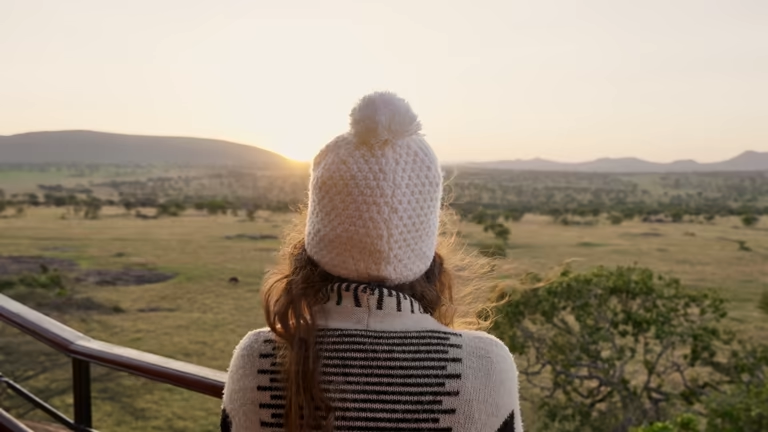
The golden hour in Tarangire National Park is a spectacle that photographers dream of. Capturing the first light as it bathes the iconic acacia trees and illuminates the vast savannah, often with elephants and other wildlife moving into view, presents a unique challenge and an unparalleled reward. A dedicated 3-Day Photographic Workshop — Tarangire Sunrise Sessions is designed for enthusiasts eager to refine their skills in one of Africa’s most photogenic landscapes. This guide provides an in-depth look at how to plan, prepare for, and make the most of such an immersive photographic journey in Tanzania, ensuring your 2026 or 2027 adventure is a resounding success.
This workshop isn’t just about seeing wildlife; it’s about understanding light, composition, and timing to create compelling images. Tarangire, known for its large elephant herds, baobab trees, and diverse birdlife, offers a rich subject matter, especially during the magical hours of dawn. We’ll cover everything from itinerary planning and essential gear to understanding local conditions and maximizing your photographic output.
Quick Facts: Tarangire Sunrise Photography Workshop
| Duration | 3 Days / 2 Nights |
|---|---|
| Primary Focus | Wildlife photography, landscape photography, sunrise light, specific photographic techniques. |
| Best Time to Visit (Photography) | Dry season (June to October) for clear light and wildlife concentration; shoulder seasons (March-May, November-December) can offer dramatic skies and fewer crowds. |
| Key Wildlife Subjects | Elephants, lions, leopards, giraffes, zebras, wildebeest, diverse bird species. |
| Accommodation Style | Tented camps, lodges (ranging from mid-range to luxury). |
| Typical Start Point | Arusha, Tanzania. |
Why Choose Tarangire for a Sunrise Photography Workshop?
Tarangire National Park stands out for several reasons that make it an ideal location for a focused photographic workshop, particularly one centered around sunrise.
- Abundant Elephants: Tarangire is famously home to some of the largest elephant herds in Tanzania. During the dry season, these herds congregate around the Tarangire River, offering incredible opportunities for close-up and environmental portraits of these magnificent animals, especially as they begin their day.
- Iconic Baobab Trees: The park is dotted with ancient, majestic baobab trees. These distinctive silhouettes against the rising sun create dramatic and artistic compositions, adding a strong landscape element to your wildlife shots.
- Golden Light and Atmosphere: The early morning light in Tarangire is soft, warm, and directional, perfect for highlighting textures, creating atmospheric mist, and casting long shadows. This light accentuates wildlife and landscapes beautifully.
- Birdlife: Tarangire boasts over 550 bird species, making it a paradise for ornithological photographers. The dawn chorus and early morning activity provide excellent shooting opportunities.
- Accessibility: Relatively easy to access from Arusha, Tarangire is often part of the Northern Circuit safaris, making it logistically convenient for a short, focused trip.
Understanding the Tarangire Sunrise Experience
A sunrise session in Tarangire is more than just waking up early. It involves strategic planning and a deep appreciation for the natural rhythm of the park. The best photographic opportunities occur in the hour or so before and after the sun breaches the horizon.
The Light: The ‘golden hour’ provides soft, diffused light that is flattering for both wildlife and landscapes. It allows for rich colors, subtle details, and a sense of depth. As the sun climbs higher, the light becomes harsher, but this can be used for dramatic silhouettes or to highlight specific textures.
Wildlife Activity: Many animals are most active in the cooler hours of the early morning. Predators might be finishing a night’s hunt, while herbivores are on the move to find fresh grazing or water. This is often when you’ll see elephants emerging from the bush or lions on the prowl.
Atmosphere: Depending on the season, you might encounter morning mist rising from the river or dew-kissed landscapes. These elements add mood and character to your photographs.
Logistics: To capture the sunrise, you need to be positioned in the park before or precisely at dawn. This means staying inside or very near the park boundaries and starting your game drive well before sunrise. This is where a dedicated workshop shines, as it handles these crucial timings.
Best Time for Tarangire Sunrise Photography
| Period | Pros for Photography | Cons |
|---|---|---|
| June – October (Dry Season) | Concentrated wildlife around the Tarangire River, clear skies, excellent light, fewer mosquitoes. High chances of seeing large elephant herds. | Peak tourist season, can be busier, dustier conditions. |
| November – December (Short Rains/Early Dry) | Green landscapes emerging, dramatic skies, good wildlife sightings, fewer crowds than peak dry season. | Intermittent rain showers possible, light can be less predictable. |
| January – February (Dry Season) | Good wildlife viewing, clear skies, beautiful light. Often a good time for bird photography as resident birds are present. | Can be hot, wildlife might be more dispersed if water is available elsewhere. |
| March – May (Long Rains) | Lush green scenery, dramatic clouds, potential for moody, atmospheric shots. Very few tourists. | Rain can disrupt game drives, wildlife may be harder to spot in thick vegetation, muddy conditions, higher mosquito presence. Not ideal for a dedicated sunrise workshop unless specific atmospheric conditions are sought. |
Sample 3-Day Photographic Workshop Itinerary: Tarangire Sunrise Sessions
This sample itinerary is structured to maximize photographic opportunities, focusing on sunrise and golden hour light. It assumes a start and end in Arusha.
Day 1: Arrival in Tarangire & First Light Exploration
- Morning (Approx. 7:00 AM): Depart from Arusha after an early breakfast. Your private safari vehicle and expert guide, experienced in photographic safaris, will pick you up. The drive to Tarangire National Park takes about 2-3 hours.
- Late Morning (Approx. 9:30 AM): Enter Tarangire National Park. Begin a game drive en route to your lodge or camp, looking for early morning subjects and interesting light on the landscape. Focus on Baobab trees and any visible wildlife.
- Lunch (Approx. 1:00 PM): Arrive at your accommodation for check-in and lunch. Briefing on the afternoon’s photography plan and any specific techniques to focus on.
- Afternoon (Approx. 3:00 PM): Depart for an afternoon game drive. This is a prime time to capture wildlife as they become more active. Focus on composition, leading lines, and capturing animal behavior. Look for elephants, lions, and giraffes.
- Late Afternoon/Sunset (Approx. 5:30 PM – 6:30 PM): Find a scenic spot to photograph the sunset. Your guide will help position the vehicle for optimal light and background. Discuss post-sunset photography techniques if applicable.
- Evening: Return to your lodge/camp for dinner. Review photos from the day, discuss challenges and successes, and prepare for the early start tomorrow.
Day 2: Dedicated Sunrise & Full Day Photography
- Pre-Dawn (Approx. 5:00 AM): Wake up for an early breakfast or a packed breakfast/coffee. Depart from your lodge/camp before sunrise to reach prime photographic locations.
- Sunrise (Approx. 6:00 AM – 7:30 AM): Capture the magic of the Tarangire sunrise. Focus on silhouettes of baobabs, elephants, or other wildlife against the vibrant sky. Work on capturing the mood and atmosphere of the dawn.
- Morning Game Drive (Approx. 7:30 AM – 12:00 PM): Continue your game drive as the light becomes brighter. Focus on detailed wildlife shots, bird photography, and capturing interactions. Explore different areas of the park, including the Tarangire River.
- Lunch (Approx. 12:30 PM): Enjoy lunch at a picnic site within the park or return to your lodge for a midday break.
- Afternoon Game Drive (Approx. 2:00 PM – 6:00 PM): Another extensive game drive. This session can focus on specific photographic challenges, such as capturing fast-moving animals, using a shallow depth of field for portraits, or working with challenging light conditions.
- Evening: Return to your lodge/camp for dinner. A dedicated session might be held to review images, discuss editing workflows, or focus on a specific aspect of photography.
Day 3: Final Sunrise & Departure
- Pre-Dawn (Approx. 5:00 AM): Final sunrise photography session. You might choose a different location than Day 2 to capture varied light and scenery. Focus on elements you may have missed or want to refine.
- Morning Game Drive (Approx. 7:00 AM – 11:00 AM): A final game drive as you make your way towards the park gate. This is an opportunity to capture any species you haven’t yet seen or to get different angles on familiar subjects.
- Late Morning (Approx. 11:00 AM): Exit Tarangire National Park.
- Lunch (Approx. 12:00 PM): Lunch en route back to Arusha, or upon arrival in Arusha.
- Afternoon: Arrive back in Arusha. Transfer to your hotel or the airport for your onward journey.
What to Expect from Your Photographic Workshop
A 3-Day Photographic Workshop — Tarangire Sunrise Sessions is an intensive, hands-on experience. It’s tailored to help you improve your photography skills in a real-world, challenging, and rewarding environment.
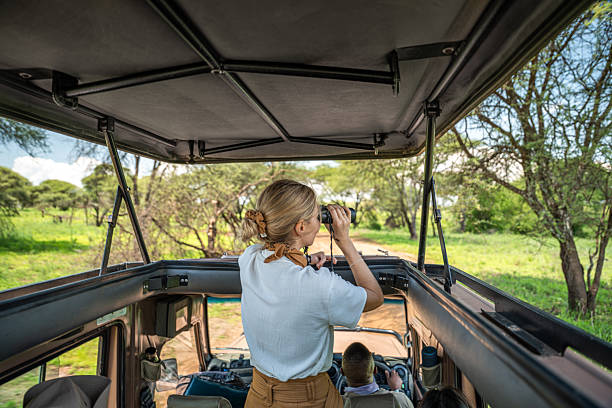
- Expert Guidance: You’ll be accompanied by a knowledgeable safari guide who understands photographic needs – positioning the vehicle for light, allowing ample time for shots, and identifying prime wildlife viewing spots. If the workshop is led by a professional photographer, you’ll receive direct instruction on camera settings, composition, and storytelling.
- Early Mornings: Expect to be up before dawn each day to maximize the sunrise and early morning light. This is non-negotiable for capturing the best photographic moments.
- Extended Game Drives: The focus is on photography, so game drives are often longer and more flexible than standard safaris, allowing ample time to wait for the perfect shot or for animals to behave naturally.
- Vehicle Setup: Safari vehicles are typically open-sided or pop-top, offering unobstructed views. Some workshops might use specialized vehicles or arrangements to facilitate photography.
- Learning Opportunities: Beyond just shooting, expect informal or formal sessions on camera settings, understanding light, composition rules and how to break them, wildlife behavior for photography, and potentially basic editing tips.
- Comfortable but Rustic Accommodation: Lodges and tented camps in Tarangire offer comfort and immersion in nature, but they are typically not five-star luxury hotels. Expect comfortable beds, en-suite bathrooms (usually), and delicious meals, all within the park’s environment.
- Focus on Light: The entire workshop is built around the quality of light – the soft, warm glow of sunrise and sunset, and the challenges and opportunities of midday light.
Essential Gear for Your Photography Workshop
Having the right gear can significantly enhance your photographic experience. While a professional setup isn’t mandatory, certain items are highly recommended for a safari photography workshop.
Camera Body and Lenses:
- DSLR or Mirrorless Camera: A camera that allows manual control over settings (aperture, shutter speed, ISO) is essential.
- Telephoto Lens: A 70-200mm, 100-400mm, or longer lens is crucial for wildlife photography. The longer, the better for capturing distant subjects.
- Wide-Angle Lens: Useful for landscapes, baobabs, and environmental portraits of wildlife. A 24-70mm or similar is versatile.
- Prime Lens: A fast prime lens (e.g., 50mm f/1.8 or 85mm f/1.8) can be excellent for low-light situations and portraits.
Accessories:
- Plenty of Memory Cards: You’ll be taking a lot of photos. Bring more than you think you’ll need.
- Extra Batteries: Keep them charged and ready. Consider a portable charger or power bank.
- Tripod or Monopod: While difficult in a moving vehicle, a monopod can offer stability. Some workshops might have opportunities for tripod use.
- Camera Bag: A comfortable, durable bag that can protect your gear from dust.
- Lens Cleaning Kit: Essential for keeping your lenses free of dust and smudges. Microfiber cloths, lens cleaner, and a blower brush are vital.
- Rain Cover/Sleeve: For your camera, especially during the rainy season or if unexpected showers occur.
- Binoculars: For spotting wildlife and enjoying the scenery when not actively shooting.
- Laptop/Tablet: For reviewing and backing up photos each evening.
Personal Items:
- Layered Clothing: Mornings can be cool, while afternoons are warm. Neutral, earth-toned colors are best to avoid startling wildlife.
- Comfortable Shoes: For walking around camps.
- Sun Protection: Hat, sunglasses, sunscreen.
- Insect Repellent: Especially for evenings and during the wet season.
- Reusable Water Bottle: Stay hydrated.
Preparation and What to Pack
Proper preparation ensures you can focus on photography without worry. Here’s a breakdown of what to consider:
Pre-Trip Preparations:
- Visa Requirements: Check the latest visa regulations for Tanzania well in advance of your 2026-2027 trip.
- Vaccinations and Health: Consult your doctor or a travel clinic regarding recommended vaccinations (e.g., Yellow Fever, Hepatitis A) and malaria prophylaxis.
- Travel Insurance: Comprehensive travel insurance, including medical evacuation, is highly recommended.
- Camera Gear Check: Ensure all your equipment is in working order. Test batteries, lenses, and memory cards. Consider bringing a spare camera body if possible.
- Photography Skills Refresh: If possible, practice shooting in low light and with telephoto lenses before you go. Review basic camera settings.
- Understand Tarangire: Research the park’s wildlife, landscape, and common photographic subjects.
Packing List Essentials:
- Clothing: Lightweight, breathable, neutral-colored clothing (khaki, beige, green, brown). Long-sleeved shirts and trousers for sun and insect protection. A warm fleece or jacket for cool mornings and evenings.
- Footwear: Comfortable walking shoes or hiking boots for around camp, and closed-toe shoes for game drives.
- Headwear: A wide-brimmed hat for sun protection and a beanie or warm hat for cold mornings.
- Sun Protection: High SPF sunscreen, sunglasses.
- Insect Repellent: Containing DEET or Picaridin.
- Personal First-Aid Kit: With any personal medications.
- Toiletries: Basic toiletries. Camps often provide some.
- Adapter and Power Bank: For charging electronics. Tanzania uses Type G sockets (UK style), 230V.
- Notebook and Pen: For jotting down camera settings, observations, or thoughts.
- Snacks: While meals are provided, some travelers prefer their own preferred snacks.
Common Mistakes to Avoid
To ensure your photographic workshop is a success, be aware of potential pitfalls:
- Overpacking Camera Gear: While essential, too much gear can be cumbersome. Focus on versatile lenses.
- Underestimating Battery Needs: Always bring more batteries and chargers than you think you’ll need. Power sources can be limited.
- Not Practicing Low-Light Photography: Sunrise and sunset are low-light situations. Practice shooting in dim conditions before you travel.
- Ignoring Your Guide: Your guide is invaluable for finding wildlife and positioning the vehicle. Communicate your photographic needs.
- Failing to Respect Wildlife: Maintain a safe distance. Never feed animals or make loud noises that disturb them. Your guide will enforce this.
- Not Protecting Gear from Dust: Safari dust is pervasive. Keep your camera and lenses clean and protected when not in use.
- Missing the Sunrise: The whole point of the workshop! Be ready before dawn.
- Not Having Travel Insurance: Essential for unexpected medical emergencies or trip cancellations.
- Forgetting to Back Up Photos: Have a system for backing up your images daily.
Who is This Workshop Best Suited For?
This specialized workshop is ideal for a specific type of traveler:
- Dedicated Photographers: Individuals who are passionate about photography and want to improve their wildlife and landscape shots.
- Enthusiasts with Manual Control: Those who own and understand how to use cameras with manual settings (DSLR or Mirrorless).
- Early Risers: People who are comfortable waking up before dawn for the best light and opportunities.
- Travelers Seeking a Focused Experience: Those who want to immerse themselves in photography and are less concerned with ticking off every single animal species.
- Individuals or Small Groups: The nature of a workshop often lends itself to individuals or couples/friends who share a passion for photography.
It might not be the best fit for:
- Casual Smartphone Users: While you can take great photos with a phone, this workshop is geared towards more advanced camera use.
- Those Who Prefer Sleeping In: The core of the workshop is built around early morning light.
- Travelers Seeking a Relaxed Pace: This is an active, focused trip.
- Budget Travelers: Specialized workshops can be more expensive than standard safaris due to expert guiding and specialized focus.
Alternatives to a 3-Day Tarangire Sunrise Photography Workshop
If a dedicated 3-day workshop isn’t quite right, or you want to explore other options, consider these alternatives:
- Standard Tarangire Safari: Enjoy Tarangire’s wildlife and landscapes on a typical 2-3 day safari. You’ll still get great photo opportunities, especially during sunrise and sunset, but without the intensive photographic focus.
- Extended Northern Circuit Photography Safari: Combine Tarangire with other parks like the Serengeti, Ngorongoro Crater, and Lake Manyara for a longer photography-focused safari (e.g., 7-10 days). This allows for more diverse landscapes and wildlife.
- General Wildlife Photography Workshop in Serengeti: For iconic vast plains and the Great Migration (seasonal), a workshop in the Serengeti might be preferred.
- Custom Photography Tour: Work with a tour operator to design a private safari that incorporates your specific photographic interests and pace across multiple parks. This offers maximum flexibility.
- Day Trip Photography: While not ideal for sunrise, a day trip to Tarangire from Arusha can still yield good photos if you start extremely early and stay late. However, you miss the crucial early morning light and the immersion of staying within the park.
Planning Your 2026-2027 Trip
Booking a specialized trip like a 3-Day Photographic Workshop — Tarangire Sunrise Sessions requires careful planning. For 2026 and 2027, early booking is advisable, especially if you have specific dates in mind.
Key Planning Steps:
- Define Your Goals: What do you want to achieve photographically? Are you focusing on elephants, birds, landscapes, or a mix?
- Choose Your Operator: Select a reputable tour operator with experience in photographic safaris. Look for those who understand the specific needs of photographers (vehicle setup, timing, guide knowledge).
- Select Dates: Consider the best time of year for photography (dry season is often preferred for light and wildlife concentration). Book well in advance, especially for peak seasons in 2026-2027.
- Budget: Specialized workshops can range in price. Understand what is included (guide, vehicle, accommodation, park fees, meals, photographic instruction).
- Gear Preparation: Start planning your equipment needs months in advance.
- Health and Visas: Address these well ahead of time.
Booking Timeline Suggestion (2026-2027)
| Time Before Departure | Key Actions |
|---|---|
| 12+ Months | Research tour operators, define trip goals, consider peak seasons for 2026-2027. |
| 9-12 Months | Contact operators for quotes and availability. Book your preferred workshop. Secure flights. |
| 6-9 Months | Start planning camera gear, order specialized equipment if needed. |
| 3-6 Months | Consult doctor for vaccinations and malaria prophylaxis. Apply for visas if required. Purchase travel insurance. |
| 1-3 Months | Finalize packing list. Test camera gear. Confirm all bookings. |
| 2-4 Weeks | Pack. Make copies of important documents. Notify bank of travel dates. |
Booking Your Photographic Workshop
When booking your 3-Day Photographic Workshop — Tarangire Sunrise Sessions, choose a partner who understands the nuances of photographic travel. At Top Guide Adventures, we specialize in crafting bespoke safari experiences that cater to photographers.
What to Look For in a Tour Operator:
- Experience with Photographers: Do they understand the need for extra time at sightings, optimal vehicle positioning, and knowledgeable guides?
- Customization: Can they tailor the itinerary to your specific photographic interests?
- Reputation: Check reviews and testimonials from previous clients, especially photographers.
- Clear Inclusions/Exclusions: Understand exactly what your package covers (park fees, accommodation, meals, guide services, photographic instruction).
Our Commitment:
Top Guide Adventures is dedicated to providing exceptional safari experiences. For your 3-Day Photographic Workshop — Tarangire Sunrise Sessions, we offer:
- Expert guides with a keen eye for photographic opportunities and wildlife behavior.
- Flexible itineraries designed to maximize golden hour light.
- Comfortable and well-located accommodation.
- Personalized service from planning to your return.
Let us help you capture the magic of Tarangire at dawn. We are passionate about creating unforgettable photographic journeys for our clients planning for 2026 and 2027.
Ready to Capture Tarangire’s Sunrise?
Contact us today to discuss your personalized 3-Day Photographic Workshop — Tarangire Sunrise Sessions. Our team is ready to help you plan an incredible photography adventure in Tanzania for 2026-2027.
WhatsApp: +255 616 946 642
Email: topguideadventures@gmail.com
Backup Email: info@topguideadventures.com
Frequently Asked Questions (FAQs)
1. What is the main benefit of a dedicated photography workshop versus a standard safari?
A dedicated photography workshop focuses intensely on capturing high-quality images. This means guides are trained to position vehicles for optimal light and animal behavior, allowing more time at sightings for photographers. It often includes specific photographic instruction, whereas a standard safari prioritizes seeing a variety of animals and experiences at a more general pace.
2. Do I need professional camera equipment for this workshop?
No, you don’t need professional-grade equipment. However, you will need a camera that allows manual control over settings (aperture, shutter speed, ISO). A telephoto lens (e.g., 70-200mm or longer) is highly recommended for wildlife. Enthusiasts with entry-level DSLRs or mirrorless cameras can still achieve excellent results with good technique and guidance.
3. How early do we have to wake up for sunrise sessions?
For sunrise sessions, you typically need to be on your way from the lodge or camp at least 30-45 minutes before the actual sunrise time. This means waking up around 5:00 AM or 5:30 AM, depending on the season and your lodge’s location within or near the park.
4. What is the best time of year for a Tarangire sunrise photography workshop in 2026-2027?
The dry season, from June to October, is generally considered the best time. Wildlife, especially elephants, congregates around the Tarangire River, and the light is often clear and dramatic. However, the shoulder seasons can offer unique atmospheric conditions and fewer crowds.
5. Can I bring my drone for aerial shots?
Drone usage is strictly regulated and often prohibited within Tanzanian National Parks. It’s essential to check the latest park rules and regulations before your trip. Most photographic workshops do not include drone photography due to these restrictions.
6. What kind of accommodation can I expect?
Accommodation typically includes comfortable lodges or tented camps within or near Tarangire National Park. These offer en-suite facilities, comfortable beds, and good meals, providing an immersive safari experience. Options can range from mid-range to luxury, depending on your budget and preference.
7. Will there be specific photography instruction?
This depends on the workshop provider. Some workshops are led by professional photographers who offer hands-on instruction. Others rely on experienced safari guides who understand photographic needs. It’s best to clarify the level of photographic instruction included when booking.
8. What should I do to prepare my camera gear?
Ensure all batteries are fully charged and bring spares. Clean your lenses thoroughly. Pack extra memory cards. If you have different lenses, ensure they are working correctly. Familiarize yourself with your camera’s manual settings and any specific functions you plan to use.
9. Is it possible to do a 3-day photography workshop in other parks?
Yes, while Tarangire offers unique advantages for sunrise photography, similar workshops can be arranged in other parks like the Serengeti, which is renowned for its vast plains and the Great Migration. The focus and subjects would differ.
10. How far in advance should I book a 2026-2027 photography workshop?
For specialized trips like photographic workshops, especially during peak seasons, booking 9-12 months in advance is highly recommended to secure your preferred dates and the best guides/lodges.
Book Your Unforgettable Tarangire Photography Experience
A 3-Day Photographic Workshop — Tarangire Sunrise Sessions offers an unparalleled opportunity to hone your photography skills amidst breathtaking African landscapes and wildlife. Let Top Guide Adventures craft your perfect photographic safari for 2026 or 2027. We combine expert guiding with a deep understanding of what photographers need.
Get in touch with us to start planning:
WhatsApp: +255 616 946 642
Email: topguideadventures@gmail.com
Backup Email: info@topguideadventures.com
Plan your 3-Day Photographic Workshop — Tarangire Sunrise Sessions with Top Guide Adventures
Tell us your travel dates, group size, comfort level, and dream experience. We will help you shape a clear, realistic, and memorable Tanzania itinerary.







 Veedesigner
 Fatma Kizanga
 Benjamin Waryuba
 Philip Philip
 John jr Itaja
 Antonia Optatus
 Edith Kanyere
 Neema Iddy
 Kelvin Boniphace
 Damari Maiga



