
Updated planning guide for 2026-2027
4-Day Zanzibar Marine Conservation Experience: Complete Travel Guide 2026-2027
Discover a unique 4-Day Zanzibar Marine Conservation Experience. This comprehensive guide covers everything you need to know for an impactful and memorable trip to Zanzibar's vibrant underwater world, including planning, itineraries, and what to expect in 2026-2027.
WhatsApp +255616946642 | topguideadventures@gmail.com | info@topguideadventures.com


What is a 4-Day Zanzibar Marine Conservation Experience?
A 4-Day Zanzibar Marine Conservation Experience is a focused, short-term immersion into the vital efforts being made to protect Zanzibar’s rich and diverse marine ecosystems. Unlike a typical beach holiday, this type of trip prioritizes learning about, observing, and contributing to the preservation of coral reefs, marine species, and coastal habitats. It combines elements of responsible tourism with educational activities, offering travelers a deeper connection to the ocean and a tangible understanding of conservation challenges and successes. This experience is designed for those who wish to make their Zanzibar visit more meaningful by actively engaging with local conservation initiatives.
| Quick Facts: 4-Day Zanzibar Marine Conservation Experience |
|---|
| Duration: 4 Days / 3 Nights |
| Focus: Marine conservation, coral reef health, marine life observation, community involvement, environmental education. |
| Key Locations: Mnemba Atoll, Chumbe Island, Kizimkazi (seasonal), local marine research centers, coastal villages. |
| Activities: Snorkeling, diving (optional, often with a conservation focus), guided reef walks, educational talks, beach clean-ups, potential participation in monitoring programs. |
| Best Time to Visit: Dry seasons (June-October, December-February) for best visibility and calm seas. However, marine life is present year-round. Consider migration patterns for specific species. |
| Accommodation: Eco-lodges, guesthouses focused on sustainability, or standard hotels with a commitment to responsible practices. |
| Traveler Type: Environmentally conscious travelers, snorkelers, divers, marine enthusiasts, students, families seeking educational holidays. |
Table of Contents
- Overview of the Experience
- Why Zanzibar’s Marine Life Needs Conservation
- Best Time for Your 4-Day Conservation Trip (2026-2027)
- Key Conservation Hotspots in Zanzibar
- Sample 4-Day Itinerary: A Marine Conservation Journey
- What to Expect During Your Experience
- Inclusions, Packing, and Preparation
- Common Mistakes to Avoid
- Who is This Experience Best Suited For?
- Alternatives to a Dedicated Conservation Trip
- Planning Your Trip for 2026-2027
- Booking Your 4-Day Zanzibar Marine Conservation Experience
- Frequently Asked Questions (FAQs)
Overview of the Experience
A 4-Day Zanzibar Marine Conservation Experience is more than just a holiday; it’s a chance to connect with nature on a deeper level and understand the critical role marine ecosystems play. Over these four days, you’ll typically engage with local conservation projects, learn from marine biologists or local experts, and witness firsthand the beauty and fragility of Zanzibar’s underwater world. Activities often include guided snorkeling or diving trips to protected areas like Mnemba Atoll, visits to marine research stations, and opportunities to participate in citizen science or clean-up initiatives. The focus is on education and responsible interaction, ensuring your visit benefits, rather than harms, the local environment. This structured approach allows you to gain significant insight into marine conservation within a short timeframe.
Why Zanzibar’s Marine Life Needs Conservation
Zanzibar, an archipelago off the coast of Tanzania, boasts an incredible biodiversity in its marine environment. Its coral reefs are vibrant ecosystems, supporting a vast array of fish, sea turtles, dolphins, and other marine creatures. These reefs act as natural barriers, protecting the coastline from erosion, and are a significant source of food and income for local communities through fishing and tourism. However, this precious environment faces numerous threats:
- Climate Change: Rising sea temperatures lead to coral bleaching, a process where corals expel their symbiotic algae, turning white and often dying. Ocean acidification also weakens coral structures.
- Pollution: Runoff from agriculture, untreated sewage, and plastic waste directly impact water quality, harming marine life and damaging sensitive habitats.
- Destructive Fishing Practices: Methods like bottom trawling, using dynamite, or cyanide fishing can devastate coral reefs and deplete fish stocks, threatening the long-term sustainability of fisheries.
- Overfishing: Unsustainable fishing pressures can disrupt the delicate balance of the marine food web.
- Coastal Development: Unmanaged coastal development can lead to habitat destruction and increased pollution.
Conservation efforts are crucial not only to preserve the natural beauty that attracts visitors but also to safeguard the livelihoods of Zanzibaris and maintain the ecological health of the western Indian Ocean. Supporting initiatives through dedicated experiences helps fund research, protection, and community education programs.
Best Time for Your 4-Day Conservation Trip (2026-2027)
While Zanzibar’s marine life is active year-round, certain periods offer optimal conditions for experiencing its underwater wonders, which is crucial for a conservation-focused trip where visibility and calm waters enhance the observation and learning experience. Planning your 4-day marine conservation experience for the drier months generally provides the best conditions.
| Seasonality for Marine Conservation Experience |
|---|
| June to October (Dry Season): This is often considered the prime time. The seas are generally calm, with excellent visibility, making it ideal for snorkeling and diving. The weather is pleasant with lower humidity. This period is excellent for spotting a wide range of marine life. |
| November (Short Rains): Visibility can be reduced, and seas can be choppier. However, it’s still possible to have great experiences, and fewer crowds might be an advantage. |
| December to February (Dry Season/Hot Season): Another excellent window. Visibility is typically very good, and the water is warm. This period is fantastic for marine activities. |
| March to May (Long Rains): This period sees the heaviest rainfall. Seas can be rough, visibility poor, and many boat trips may be cancelled. While marine life is still present, the experience might be significantly impacted. This is generally the least recommended time for marine-focused activities. |
| Seasonal Sightings: Whale sharks are often sighted around the northern coast between October and March, particularly near the Mnemba Atoll area. Humpback whales migrate through these waters between July and October. Planning your 2026 or 2027 trip around these specific times can add an extraordinary dimension to your conservation experience. |
For your 2026 or 2027 trip, aiming for the periods between June-October or December-February will likely offer the most rewarding conditions for observing and learning about marine conservation efforts.
Key Conservation Hotspots in Zanzibar
Zanzibar offers several key locations where marine conservation is actively practiced and can be experienced by visitors. These areas are known for their rich biodiversity and the ongoing efforts to protect them.
Zanzibar Marine Conservation Areas Overview
This is a conceptual map illustrating the general locations of key marine conservation activities. Actual tour routes may vary based on specific programs and conditions.
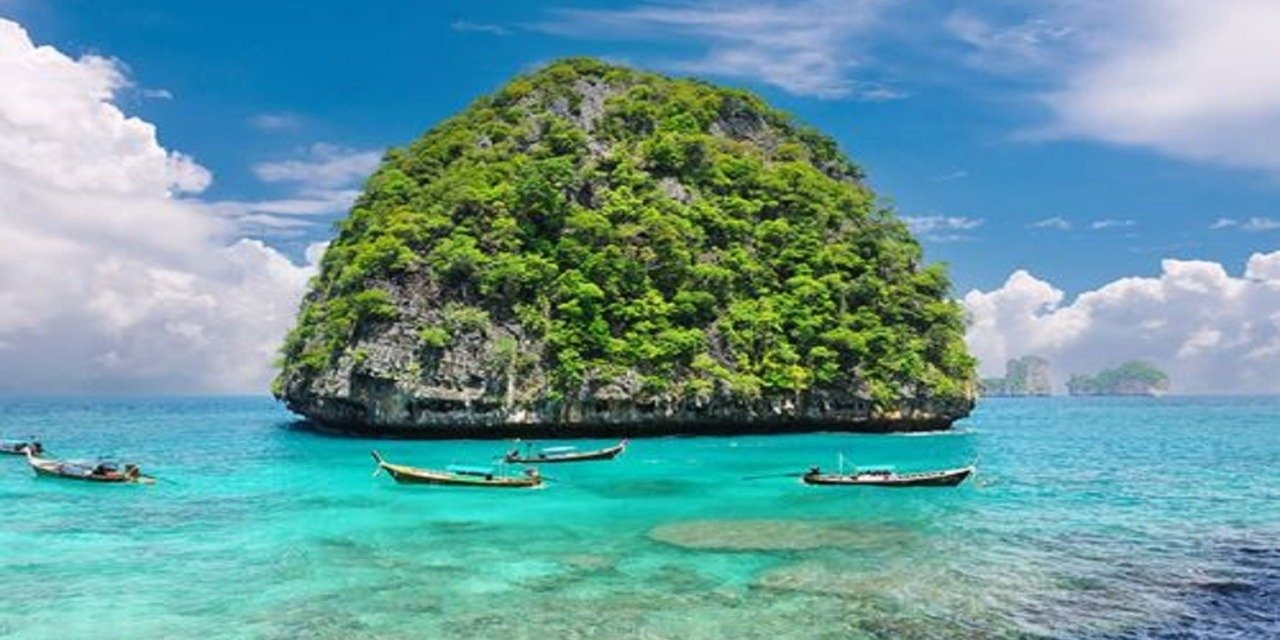
- Mnemba Atoll: Located off the northeast coast, this private island and its surrounding reef are a protected marine conservation area. It’s renowned for its spectacular coral gardens, abundant fish life, and as a crucial breeding ground for green sea turtles. It’s also a prime spot for dolphin watching (bottlenose and humpback dolphins) and during certain months, whale shark encounters. Conservation efforts here focus on regulating fishing, preventing damage to the reef, and responsible wildlife viewing.
- Chumbe Island Coral Park: This is a pioneering example of private sector-led conservation in Zanzibar. Chumbe Island is a designated nature reserve with a strictly protected coral reef sanctuary and a forest reserve. Visitors can stay at an award-winning eco-lodge, participate in guided snorkeling tours led by local rangers, and learn about the reef’s health and biodiversity through educational sessions. It’s a model for sustainable tourism and marine protection.
- Kizimkazi: Situated on the southern tip of Zanzibar, Kizimkazi is historically known for its resident pods of bottlenose dolphins. While dolphin tours are popular, it’s essential to choose operators who follow responsible viewing guidelines to minimize stress on the animals. Conservation efforts in this region are increasingly focusing on sustainable tourism practices and protecting the local marine environment from pollution and overfishing. The season for dolphin sightings is generally good year-round, though calm seas improve visibility.
- Local Marine Research Centers & NGOs: Various smaller projects and research stations are scattered across the island, often focusing on specific issues like coral restoration, sea turtle rehabilitation, or monitoring marine pollution. Participation in these might be arranged through specialized tour operators or directly with the organizations.
Sample 4-Day Itinerary: A Marine Conservation Journey
This sample itinerary provides a structure for a 4-day marine conservation experience, blending education, practical involvement, and appreciation of Zanzibar’s underwater beauty. It can be customized based on your interests and the availability of conservation programs.
Day 1: Arrival and Introduction to Marine Ecology
- Morning: Arrive at Zanzibar Airport (ZNZ), transfer to your eco-lodge or chosen sustainable accommodation, likely on the east or northeast coast for proximity to marine sites.
- Afternoon: Welcome briefing and an introductory session on Zanzibar’s marine ecosystems, conservation challenges, and the objectives of your experience. This might be led by a local marine biologist or conservationist. Learn about coral reef biology and the importance of biodiversity.
- Late Afternoon: Gentle orientation walk along the coast, discussing coastal ecosystems, mangrove importance (if applicable), and observing local fishing practices from a distance.
- Evening: Dinner at the lodge, followed by a presentation or documentary on marine life conservation in the region.
Day 2: Mnemba Atoll Exploration and Reef Health
- Morning: Boat trip to Mnemba Atoll. This is a protected marine area, renowned for its vibrant coral reefs and diverse fish species. Your guide will focus on responsible snorkeling or diving, highlighting areas of coral health and identifying various marine inhabitants.
- During the trip: Learn about the atoll’s conservation status, the importance of Mnemba as a marine protected area, and observe dolphins if they are present, adhering to strict ethical viewing guidelines. Discussions will cover the impact of tourism and fishing on the atoll’s ecosystem.
- Lunch: Enjoy a picnic lunch on a nearby beach or on the boat.
- Afternoon: Return to your lodge. Participate in a short workshop on identifying common coral species and reef fish, or a beach clean-up activity if organized by your lodge or tour operator.
- Evening: Free time to relax or attend a Q&A session with a marine expert.
Day 3: Chumbe Island Eco-Experience or Local Conservation Project
- Option A (Chumbe Island): Full day trip to Chumbe Island Coral Park. Travel by boat to this privately managed conservation success story. Participate in guided snorkeling tours in the marine sanctuary, led by local rangers who will explain the reef’s ecology and conservation management. Explore the island’s forest reserve and learn about its unique terrestrial biodiversity. Stay overnight at the award-winning eco-lodge if the program allows for a longer stay, or return in the late afternoon.
- Option B (Local Project): Visit a local marine conservation project. This could involve a visit to a sea turtle rehabilitation center (if operational and ethical), a coral nursery, or a community-based marine management initiative. You might assist with simple tasks like preparing food for rescued animals, planting coral fragments, or learning about their monitoring techniques.
- Evening: Return to your lodge. Reflect on the day’s learnings. A final discussion might focus on how to apply conservation principles in daily life.
Day 4: Dolphin Watching Ethically (Kizimkazi) & Departure
- Morning: Early morning trip to Kizimkazi (southern Zanzibar). Focus on ethical dolphin watching. Your operator will use responsible practices, maintaining distance and minimizing disturbance to the dolphins. Learn about dolphin behavior and the conservation challenges they face in this area, including the impact of irresponsible tourism.
- Late Morning: Visit a local community project or a small conservation outpost in the south if time permits, to understand local perspectives on marine resource management.
- Lunch: Enjoy a final Zanzibari lunch.
- Afternoon: Transfer to Zanzibar Airport (ZNZ) for your departure, carrying with you a deeper understanding and appreciation for marine conservation.
What to Expect During Your Experience
A 4-Day Zanzibar Marine Conservation Experience is designed to be educational, engaging, and impactful. Here’s what you can generally anticipate:
- Expert Guidance: You will be accompanied by knowledgeable guides, often local marine biologists, conservationists, or trained rangers who are passionate about Zanzibar’s marine environment. They will share insights into the local ecology, conservation efforts, and challenges.
- Hands-on Learning: Expect interactive sessions, not just passive observation. This could include learning to identify species, understanding reef health indicators, participating in beach clean-ups, or assisting with data collection if a specific project allows.
- Responsible Wildlife Viewing: The emphasis will be on observing marine life without disturbing it. This means adhering to strict guidelines for snorkeling, diving, and boat trips, especially when encountering dolphins or sea turtles. Operators will prioritize the well-being of the animals.
- Focus on Sustainability: Your accommodation and chosen activities will likely reflect a commitment to sustainability, from waste management and energy use to supporting local communities and conservation initiatives.
- Educational Content: Lectures, presentations, and discussions will be integrated into the program to deepen your understanding of marine science, conservation strategies, and the socio-economic aspects of marine resource management.
- Physical Activity: While not overly strenuous, the experience involves snorkeling or diving, which requires basic swimming ability. Boat trips can involve some time in the sun. Walks on the beach or island trails are also part of the itinerary.
- Connection with Local Culture: You’ll likely interact with local communities, gaining insights into how their lives are intertwined with the ocean and their role in conservation.
- Variable Conditions: Weather and sea conditions can influence visibility and the ability to conduct certain activities. Flexibility is key.
Inclusions, Packing, and Preparation
To ensure you have a comfortable and productive 4-Day Zanzibar Marine Conservation Experience, careful preparation is essential. Here’s a guide to what might be included in a tour package and what you should pack.
| Typical Inclusions | What to Pack |
|---|---|
| Accommodation: 3 nights in eco-friendly lodging. | Clothing: Lightweight, breathable clothing (cotton or linen). Long-sleeved shirts and trousers for sun protection and evenings. Swimwear. A light rain jacket or poncho (especially outside the dry season). Sarong or beach cover-up. |
| Meals: Daily breakfast, lunch, and dinner as per itinerary. Often at your lodge or at designated picnic spots. | Footwear: Sandals or flip-flops. Water shoes for rocky shorelines or boat entry. Comfortable walking shoes if exploring islands or villages. |
| Activities & Excursions: Guided snorkeling trips, boat transfers to Mnemba Atoll or Chumbe Island, educational sessions, potential participation in clean-ups or workshops. | Sun Protection: High SPF reef-safe sunscreen (crucial for marine environments), wide-brimmed hat, sunglasses (polarized are best for water). |
| Transfers: Airport transfers and transfers between activities as specified. | Health & Hygiene: Personal first-aid kit, insect repellent, hand sanitizer, any personal medications. Motion sickness medication if prone to seasickness. |
| Expert Guides: Services of local marine guides and conservation educators. | Gear: Reusable water bottle (to minimize plastic use). Snorkel mask and fins (though often provided, having your own ensures a good fit). Underwater camera (optional, but great for documenting). Binoculars (for spotting marine life from the boat). |
| Conservation Contribution: Often, a portion of the tour cost goes directly to supporting local conservation projects. | Documents: Passport, visa (if required), travel insurance details, copies of important documents. Cash (USD or Tanzanian Shillings) for small purchases or tips. |
| Exclusions: International flights, visa fees, travel insurance, personal expenses, tips for guides/staff, optional diving equipment rental or courses. | Optional: A journal to record your observations and learnings. A small dry bag for protecting electronics on boat trips. |
Preparation Notes:
- Swimming Ability: Ensure you are comfortable swimming, as snorkeling is a primary activity.
- Physical Fitness: While not demanding, you should be able to comfortably get in and out of boats and manage a snorkel mask and fins.
- Environmental Awareness: Read up on coral reef etiquette and responsible tourism practices before you go.
- Reef-Safe Sunscreen: This is non-negotiable. Standard sunscreens contain chemicals that can damage coral reefs. Look for mineral-based sunscreens with zinc oxide or titanium dioxide.
Common Mistakes to Avoid
To maximize your 4-Day Zanzibar Marine Conservation Experience and ensure it’s both enjoyable and truly beneficial, be aware of potential pitfalls. Avoiding these common mistakes will lead to a more rewarding trip.
- Choosing the Wrong Tour Operator: Not all operators prioritize conservation. Some may engage in unethical wildlife viewing practices (e.g., chasing dolphins, touching coral). Thoroughly research operators and choose those with a clear commitment to sustainability and marine protection. Look for affiliations with conservation groups or certifications.
- Ignoring Environmental Guidelines: This is critical. Do not touch, stand on, or collect coral. Do not feed marine animals. Use only reef-safe sunscreen. Dispose of all waste properly, and participate in clean-ups when offered. Your actions have a direct impact.
- Expecting a Standard Beach Holiday: While Zanzibar is beautiful, this experience has a specific focus. Don’t expect non-stop relaxation or typical tourist activities. Embrace the educational and conservation aspects.
- Underestimating the Sun: The equatorial sun is strong. Not using adequate sun protection can lead to severe sunburn, impacting your comfort and ability to participate in activities.
- Not Being Prepared for Weather Changes: Even in the dry season, brief showers can occur. Outside the dry season, rain can be significant, affecting boat trips and visibility. Flexibility is key.
- Overpacking or Underpacking: Pack light and smart, focusing on quick-drying, breathable clothing and essential sun protection. Forgetting key items like reef-safe sunscreen or appropriate footwear can be inconvenient.
- Not Engaging with Local Experts: Your guides and conservationists are there to share their knowledge. Ask questions, participate in discussions, and show genuine interest. This enhances your learning and shows respect.
- Expecting to See Specific Animals at Will: Marine life sightings are not guaranteed. While locations like Mnemba are rich, animals move. Appreciate what you see and understand that nature is unpredictable.
- Contributing to Pollution: Avoid single-use plastics. Carry a reusable water bottle and refuse plastic bags. Proper waste disposal is paramount.
Who is This Experience Best Suited For?
A 4-Day Zanzibar Marine Conservation Experience is a specialized trip that appeals to a particular type of traveler. It’s ideal for individuals and groups who:
- Are Environmentally Conscious: Travelers who care deeply about the planet and want their holidays to reflect their values. They are mindful of their impact and seek to contribute positively.
- Have a Passion for Marine Life: Anyone fascinated by the underwater world, from colorful fish and coral gardens to larger marine mammals like dolphins and turtles.
- Seek Educational Travel: Those who want to learn and gain a deeper understanding of ecosystems, conservation science, and local environmental challenges. This is not just a vacation; it’s an educational journey.
- Enjoy Snorkeling or Diving: While diving is optional, snorkeling is a core activity. A reasonable level of comfort in the water is necessary.
- Are Looking for a Unique Experience: Travelers who want to go beyond typical tourist trails and engage in something more meaningful and distinctive.
- Are Short on Time but Want Impact: The 4-day format is perfect for those who can’t commit to a longer conservation volunteer program but still want to make a difference and learn significantly in a short period.
- Families Seeking Educational Opportunities: Parents looking for a trip that educates their children about nature, conservation, and responsible travel can find this experience incredibly valuable.
- Students or Researchers: Those studying marine biology, environmental science, or related fields might find this a great introductory or supplementary experience.
It’s less suited for travelers solely seeking relaxation on the beach, a party atmosphere, or extensive cultural immersion without an environmental focus. The emphasis is distinctly on the marine environment and its protection.
Alternatives to a Dedicated Conservation Trip
If a full 4-day dedicated marine conservation experience isn’t quite what you’re looking for, or if you want to supplement it with other activities, consider these alternatives or complementary options in Zanzibar:
- Eco-Tourism Focused Stays: Many lodges and resorts in Zanzibar market themselves as eco-friendly. While not a structured conservation program, staying at such places often means they support local conservation initiatives, use sustainable practices, and can offer guided eco-tours. You can choose a lodge with a strong environmental ethos and incorporate snorkeling or diving trips with responsible operators.
- General Snorkeling/Diving Tours: Standard tours to Mnemba Atoll or other dive sites are widely available. While not explicitly conservation-focused, you can choose operators who emphasize responsible practices. You can then supplement this by visiting a local marine park or conservation center independently if possible.
- Volunteering Programs: For a more in-depth commitment, longer-term marine conservation volunteer programs exist in East Africa, though these typically require more time than four days and often involve fees for participation and accommodation.
- Cultural & Historical Tours with an Environmental Lens: Explore Stone Town, visit spice farms, and learn about Zanzibar’s history. While not marine-focused, understanding the human element and how historical trade and modern development impact the island can provide context for conservation issues.
- Island Hopping with Conservation Stops: Combine a visit to mainland Tanzania for a safari with a shorter stay in Zanzibar. You could dedicate one or two days to marine activities with a conservation angle, rather than a full four days.
- Focusing on Specific Marine Life: If you’re particularly interested in dolphins, you could focus on responsible dolphin watching tours from Kizimkazi. If sea turtles are your passion, research centers that may offer educational visits.
The key is to research and select activities and operators that align with your desire for responsible tourism, even if the entire trip isn’t a formal conservation program.
Planning Your Trip for 2026-2027
Planning a successful 4-Day Zanzibar Marine Conservation Experience for 2026 or 2027 involves attention to detail, especially regarding the specialized nature of the trip and the best times to visit. Here’s a guide to help you prepare:
2026-2027 Planning Checklist
- Define Your Priorities: What aspects of marine conservation interest you most? Coral reefs? Specific species like turtles or dolphins? Community involvement? This helps tailor your itinerary.
- Choose the Right Season: As discussed, June-October and December-February offer the best marine conditions. For 2026-2027, consult with tour operators about specific weather patterns closer to your travel dates. Consider seasonal wildlife migrations (e.g., whale sharks) if they align with your interests.
- Research and Select Operators Carefully: Look for tour operators or lodges with a proven track record in eco-tourism and marine conservation. Check their websites for details on their conservation partnerships, sustainability practices, and guide qualifications. Read reviews focusing on responsible tourism.
- Book in Advance: Especially if traveling during peak seasons (December-February) or if you’re targeting a specific conservation project with limited spots, book your 4-day experience well in advance for 2026-2027.
- Understand Inclusions/Exclusions: Clearly know what your package covers (accommodation, meals, activities, guides, transfers) and what it doesn’t (flights, visas, insurance, tips, personal expenses).
- Secure Travel Insurance: Ensure your policy covers adventure activities like snorkeling or diving, and includes medical evacuation. This is crucial for any international trip.
- Check Visa Requirements: Verify current visa regulations for Tanzania for your nationality well ahead of your travel dates in 2026 or 2027.
- Health Precautions: Consult your doctor about recommended vaccinations and malaria prophylaxis for Zanzibar. Pack a personal first-aid kit.
- Pack Appropriately: Focus on lightweight, quick-drying clothing, robust sun protection (especially reef-safe sunscreen), and any personal gear you prefer (like your own snorkel mask).
- Budgeting: Factor in costs for the tour package, flights, visa, insurance, tips, and personal spending money. While exact prices vary, be prepared for specialized eco-tours to be priced competitively with other quality Zanzibar experiences.
- Learn Basic Swahili Phrases: A few simple phrases can enhance your interactions with local communities and staff.
- Environmental Etiquette: Familiarize yourself with responsible marine tourism guidelines before you arrive.
By following these planning steps, you can ensure your 4-day conservation adventure in Zanzibar is well-organized, impactful, and memorable for 2026-2027.
Booking Your 4-Day Zanzibar Marine Conservation Experience
Securing your 4-Day Zanzibar Marine Conservation Experience requires careful selection of a reputable provider. As a dedicated Tanzania tour operator, we specialize in crafting meaningful travel experiences that respect the environment and local communities.
When booking with us or any provider, consider the following:
- Direct Communication: Reach out directly to tour operators like Best Tanzania tour operator. This allows for clear communication, customization of your itinerary, and direct answers to your questions regarding conservation practices and inclusions.
- Ask Specific Questions: Don’t hesitate to ask about the conservation projects you’ll be supporting, the qualifications of your guides, the environmental policies of the accommodation, and the responsible wildlife viewing protocols.
- Customization: A good operator will be willing to tailor the 4-day itinerary to your specific interests, whether it’s a focus on coral restoration, sea turtle monitoring, or ethical dolphin watching.
- Transparency: Ensure the operator is transparent about what your package includes and excludes, as well as how your booking contributes to conservation efforts.
- Payment and Confirmation: Understand the payment schedule, cancellation policies, and the confirmation process. Reputable operators will provide clear booking agreements.
Ready to book your impactful 4-Day Zanzibar Marine Conservation Experience?
Contact Best Tanzania tour operator today to discuss your personalized itinerary. Our team is passionate about responsible tourism and can help you create an unforgettable journey that benefits Zanzibar’s precious marine ecosystems.
WhatsApp: +255616946642
Email: topguideadventures@gmail.com
Backup Email: info@topguideadventures.com
Let us help you plan a trip that makes a difference in 2026-2027!
Frequently Asked Questions (FAQs)
- Q1: Is a 4-day trip enough to make a difference in marine conservation?
- While four days is a short time, it’s sufficient for an impactful educational experience. You gain significant knowledge, contribute through participation in activities like clean-ups, and your direct financial support helps fund ongoing conservation work. It raises awareness and inspires responsible behavior.
- Q2: What level of swimming ability is required for the marine conservation experience?
- A comfortable swimming ability is essential, as snorkeling is a primary activity. You should be able to tread water and swim a reasonable distance. If you are not a strong swimmer, notify your tour operator in advance; they may be able to offer flotation devices or more guided assistance.
- Q3: Are there specific conservation projects I can volunteer with for a few hours?
- Some programs might incorporate opportunities for light participation, such as beach clean-ups or assisting at a research station with simple tasks. Genuine volunteering for specific projects usually requires a longer commitment than a 4-day tour, but your tour operator can clarify what level of participation is possible.
- Q4: What are the key marine animals I might see?
- You can expect to see a wide variety of colorful reef fish, sea turtles (green turtles are common), various types of coral, and possibly dolphins (bottlenose and humpback). During specific seasons, whale sharks may also be sighted. Sightings are never guaranteed, as these are wild animals.
- Q5: Is it safe to snorkel or dive in Zanzibar?
- Generally, yes. However, safety depends on conditions and following guide instructions. Always use reputable operators who brief you on safety procedures, stay within designated areas, and are aware of currents. Using a life vest for snorkeling is recommended for less confident swimmers. For diving, ensure you are certified and use a PADI/SSI accredited dive center.
- Q6: Can I bring my own snorkeling gear?
- Yes, you can. If you have your own mask and snorkel, bringing them ensures a comfortable fit and familiar equipment. However, most tour operators provide good quality gear as part of the package.
- Q7: What is the difference between a conservation experience and a regular Zanzibar holiday?
- A regular holiday focuses on relaxation and enjoyment, often with standard tourist activities. A marine conservation experience integrates learning and participation in environmental protection efforts. While beautiful beaches and relaxation are still part of it, the core purpose is education and contribution to marine preservation.
- Q8: How can I ensure my sunscreen is reef-safe for 2026-2027?
- Look for sunscreens that are “reef-safe” or “reef-friendly.” Key ingredients to avoid are oxybenzone and octinoxate, which are known to harm coral. Opt for mineral-based sunscreens containing non-nano zinc oxide or titanium dioxide. Always check the label carefully.
- Q9: What are the typical costs associated with this experience?
- Costs vary based on the operator, accommodation level, and specific activities included. A 4-day experience will typically cover accommodation, meals, guided excursions, conservation contributions, and transfers. It’s generally priced at a premium compared to standard tours due to the specialized nature and expert guidance. Contact us for a personalized quote for 2026-2027.
- Q10: What happens if the weather is bad during my trip?
- Bad weather, especially heavy rain or strong winds, can impact marine visibility and make boat trips unsafe. Reputable operators will have contingency plans, which might include rescheduling activities, offering alternative land-based educational sessions, or providing a partial refund if activities cannot proceed. Flexibility is key when planning for Zanzibar.
Ready to plan your 4-Day Zanzibar Marine Conservation Experience for 2026 or 2027?
Let us at Best Tanzania tour operator guide you through creating an unforgettable and meaningful journey. We are committed to responsible tourism that supports Zanzibar’s incredible marine heritage.
Get in touch today:
WhatsApp: +255616946642
Email: topguideadventures@gmail.com
Backup Email: info@topguideadventures.com
We look forward to helping you craft an exceptional conservation adventure!
Plan your 4-Day Zanzibar Marine Conservation Experience with Top Guide Adventures
Tell us your travel dates, group size, comfort level, and dream experience. We will help you shape a clear, realistic, and memorable Tanzania itinerary.



 Veedesigner
 Fatma Kizanga
 Benjamin Waryuba
 Philip Philip
 John jr Itaja
 Antonia Optatus
 Edith Kanyere
 Neema Iddy
 Kelvin Boniphace
 Damari Maiga



