
Updated planning guide for 2026-2027
2-Day Safari Layover — Quick Wildlife Hit From Kilimanjaro Airport Guide
Squeeze the most out of a short layover with a 2-day safari from Kilimanjaro Airport. Discover how to experience Tanzania's incredible wildlife even with limited time.
WhatsApp +255616946642 | topguideadventures@gmail.com | info@topguideadventures.com
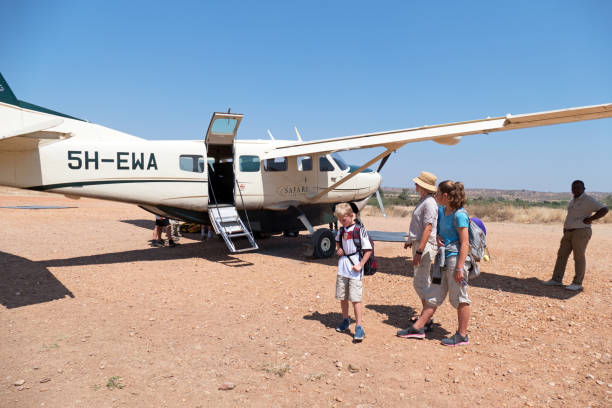

2-Day Safari Layover: Quick Wildlife Hit From Kilimanjaro Airport
Arriving at Kilimanjaro International Airport (JRO) often marks the beginning or end of a Tanzanian adventure, whether you’re heading for a Kilimanjaro climb, a Zanzibar beach escape, or a longer safari circuit. For many travelers, flight schedules create a natural layover period. Instead of spending these precious hours solely at the airport, consider turning a layover into a memorable 2-day safari layover, a brief but potent encounter with Tanzania’s iconic wildlife. This guide is designed for those seeking a concentrated wildlife experience without the commitment of a week-long expedition, focusing on maximizing a short window from JRO.
A short safari from Kilimanjaro Airport is entirely feasible and can provide a fantastic introduction to Tanzania’s natural wonders. It’s about smart planning, choosing accessible parks, and understanding what’s achievable in a limited timeframe. This approach allows you to witness incredible animals and landscapes, adding a significant highlight to your journey, even if your time in Tanzania is brief.
This comprehensive guide will walk you through everything you need to know to plan and execute a successful 2-day safari layover, from understanding the logistics of flying into JRO to choosing the right park, crafting an itinerary, and preparing for your short but impactful wildlife adventure. We’ll cover what to expect, common pitfalls to avoid, and how to book with confidence for your 2026 or 2027 travel plans.
Quick Answer: Is a 2-Day Safari Layover From Kilimanjaro Airport Possible?
Yes, absolutely. A 2-day safari layover from Kilimanjaro Airport (JRO) is not only possible but can be a highly rewarding experience. It requires careful selection of nearby national parks, efficient logistics, and a clear understanding of time constraints. Parks like Tarangire National Park and Lake Manyara National Park are excellent choices due to their proximity to Arusha (the gateway town to JRO) and their rich biodiversity, offering a good chance to see a variety of wildlife within a short period.
Table of Contents
- Quick Facts About 2-Day Safaris From JRO
- Overview: The 2-Day Safari Layover Concept
- Why Consider a 2-Day Safari Layover?
- Best Time for a Short Safari From Kilimanjaro Airport
- Choosing Your Park: Tarangire vs. Lake Manyara
- Sample 2-Day Safari Itinerary from JRO
- What to Expect on Your Quick Safari
- What’s Included and What to Pack
- Common Mistakes to Avoid
- Who is a 2-Day Safari Layover Best For?
- Alternatives to a 2-Day Layover Safari
- Planning Your 2026-2027 Layover Safari
- Booking Your 2-Day Safari Layover
- Frequently Asked Questions (FAQs)
Quick Facts About 2-Day Safaris From JRO
| Aspect | Details |
|---|---|
| Focus Keyword | 2-Day Safari Layover From Kilimanjaro Airport |
| Primary Airport | Kilimanjaro International Airport (JRO) |
| Typical Gateway Town | Arusha (approx. 45-60 min drive from JRO) |
| Recommended Parks | Tarangire National Park, Lake Manyara National Park |
| Wildlife Potential | High (elephants, lions, giraffes, zebras, wildebeest, diverse birdlife) |
| Logistics | Requires pre-arranged transport and accommodation |
| Travel Style | Short, intensive, wildlife-focused |
| Best For | Travelers with limited time, transit passengers, first-time visitors to Tanzania |
| Years Covered | 2026, 2027 planning |
Overview: The 2-Day Safari Layover Concept
The concept of a 2-day safari layover from Kilimanjaro Airport (JRO) is designed to bridge the gap between arriving in Tanzania and your onward travel, or between two separate travel legs. Instead of waiting at the airport or spending your time in a hotel in Arusha without experiencing the country’s main draw, you can immerse yourself in a brief but intense safari adventure. This typically involves a pick-up directly from JRO, a drive to a nearby national park, two days of game drives, an overnight stay in a lodge or tented camp, and then a return transfer to JRO for your departing flight or onward journey.
The key to success with such a short trip is efficiency and proximity. Fortunately, the Northern Circuit of Tanzania, famous for its parks like the Serengeti and Ngorongoro Crater, has several gems within a few hours’ drive of JRO. Tarangire National Park and Lake Manyara National Park stand out as prime candidates for a 2-day excursion due to their accessibility, diverse wildlife, and the ability to see a significant amount in a short time.
This type of safari is not about covering vast distances or seeing every single species. It’s about a concentrated dose of the Tanzanian wilderness, focusing on iconic animals and the thrill of game drives. It’s a taste of what Tanzania has to offer, often leaving travelers wanting to return for a more extended exploration.
Why Consider a 2-Day Safari Layover?
Several compelling reasons make a 2-day safari layover an attractive option:
- Maximize Limited Time: If your international flights dictate a significant gap between arrival and departure, or between two separate flights with a substantial layover, this is an excellent way to use that time productively and memorably.
- Introduction to Tanzania: For first-time visitors, it offers a quick but authentic taste of the Tanzanian safari experience, potentially inspiring a future, longer trip.
- Efficient Wildlife Viewing: Parks like Tarangire are renowned for their large elephant herds and diverse predator populations, offering high chances of exciting sightings even in two days.
- Convenience: With pre-arranged transport from JRO, you avoid the hassle of finding your own way to Arusha and then arranging separate safari logistics. Everything is handled for you.
- Bridging Journeys: If you’re flying into JRO for a Kilimanjaro trek and then flying out later, or flying from a safari to Zanzibar, a 2-day stop can add an unexpected highlight.
- Affordable Introduction: While not a budget option, a 2-day safari is more affordable than a week-long safari, making the wonder of the African bush accessible to more travelers.
Best Time for a Short Safari From Kilimanjaro Airport
The best time for a 2-day safari layover from Kilimanjaro Airport (JRO) largely depends on what you want to see and the general weather patterns in Tanzania’s Northern Circuit. The parks accessible for short trips, like Tarangire and Lake Manyara, are year-round destinations, but certain periods offer distinct advantages:
- June to October (Dry Season): This is generally considered the peak season. The weather is dry and sunny, with less humidity. Wildlife tends to congregate around remaining water sources, making them easier to spot. Tarangire, in particular, is famous for its large elephant herds during the dry season. This period is ideal for consistent wildlife viewing.
- November to March (Wet Season / Short Rains): The landscape becomes lush and green, offering beautiful scenery. Birdlife is often at its most vibrant with migratory birds present. While the rains can sometimes disrupt game drives, they are often short, intense afternoon showers rather than all-day downpours. Wildlife is more dispersed as water is plentiful, but it’s still possible to see a great deal. This is also a less crowded and potentially more affordable time. Many predators give birth during this season, offering chances to see young cubs.
- April to May (Long Rains): This is the low season. Heavy rains can make some roads difficult to navigate, and wildlife viewing might be more challenging as animals spread out. However, if you are looking for the absolute lowest prices and don’t mind the possibility of rain, you can still have a rewarding experience.
For a 2-day layover, aiming for the dry season (June-October) often provides the most reliable and concentrated wildlife viewing, which is crucial when time is limited. However, the shoulder months (like late October/early November or late March/April) can offer a good balance of decent weather, fewer crowds, and excellent wildlife opportunities.
Choosing Your Park: Tarangire vs. Lake Manyara
For a swift 2-day safari layover from Kilimanjaro Airport (JRO), the choice of park is critical for maximizing your wildlife encounters. Tarangire National Park and Lake Manyara National Park are the two most logical and rewarding options due to their proximity to Arusha and JRO, and their distinct ecosystems and wildlife populations.
Tarangire National Park
Why it’s great for a short safari:
- Elephant Haven: Tarangire is famous for its massive elephant herds, especially during the dry season (June-October). You can often see dozens, if not hundreds, of elephants in a single day.
- Diverse Habitats: The park features rolling hills, acacia woodlands, and the Tarangire River, attracting a wide array of wildlife.
- Predator Sightings: It’s also known for its tree-climbing lions (though sightings are never guaranteed) and a good population of leopards and cheetahs.
- Birdlife: Tarangire is a birdwatcher’s paradise, with over 550 species recorded.
- Accessibility: It’s a reasonable drive (around 2-3 hours) from Arusha and JRO, making it logistically feasible for a 2-day trip.
What to expect: Expect to see large herds of elephants, giraffes, zebras, wildebeest, buffalo, and a variety of antelope species. The landscape is characterized by iconic baobab trees.
Lake Manyara National Park
Why it’s great for a short safari:
- Compact Size: Lake Manyara is relatively small, allowing for extensive game viewing in a shorter period.
- Diverse Ecosystems: Within its boundaries, you’ll find a shallow alkaline lake, groundwater forests, and acacia woodlands, supporting a surprising variety of animals.
- Tree-Climbing Lions: While Tarangire is also known for them, Lake Manyara is historically famous for its lions that have a habit of climbing trees.
- Abundant Wildlife: It boasts a high density of baboons, elephants, giraffes, zebras, wildebeest, and hippos. The lake itself is often teeming with flamingos (seasonally) and other water birds.
- Proximity: It’s even closer to Arusha and JRO than Tarangire (around 1.5-2 hours), making it highly efficient for a very short trip.
What to expect: Expect dense forests, stunning lake views, and a chance to see large troops of baboons. You’ll likely encounter elephants, giraffes, and a plethora of bird species. The park’s compact nature means you can cover a good amount of ground in a single day.
Recommendation for a 2-Day Safari Layover:
For a 2-day safari layover, Tarangire National Park often edges out Lake Manyara for its sheer density of large mammals, especially elephants, and its more expansive feel. However, if you have very little time or prefer a more varied landscape with a higher chance of seeing primates like baboons, Lake Manyara is an excellent alternative. Some operators can even combine a brief visit to Lake Manyara on the way to or from Tarangire if logistics permit, though this can feel rushed.
A common and highly effective strategy is to dedicate one full day to Tarangire, staying overnight nearby, and then perhaps a short morning game drive in Lake Manyara on the way back to JRO, or simply focusing entirely on Tarangire for the most immersive experience.
Sample 2-Day Safari Itinerary from JRO
This sample itinerary is designed for a traveler arriving at Kilimanjaro International Airport (JRO) and looking to maximize a 2-day safari layover, focusing on Tarangire National Park, known for its elephants and diverse wildlife. This assumes arrival on Day 1 morning and departure on Day 2 evening.
| Day | Morning | Afternoon | Evening |
|---|---|---|---|
| Day 1: Arrival & Tarangire Bound |
Arrive at Kilimanjaro International Airport (JRO). You’ll be met by your safari guide holding a sign with your name. Briefing and departure for Tarangire National Park (approx. 2-3 hour drive). |
Enter Tarangire National Park. Begin your first game drive en route to your lodge/camp. Focus on spotting elephants, giraffes, zebras, and various antelope. Lunch at a picnic spot or lodge. |
Continue afternoon game drive. Check into your lodge/tented camp. Dinner and overnight stay in Tarangire. |
| Day 2: Tarangire Exploration & Departure |
Early morning game drive in Tarangire National Park. This is often the best time to see predators and active wildlife. Return to the lodge for breakfast. |
Depart Tarangire with a final game drive. Drive back towards Arusha/JRO area. Lunch en route or in Arusha. |
Transfer to Kilimanjaro International Airport (JRO) for your onward flight. Ensure your flight departure time allows for travel and airport procedures (at least 3-4 hours before flight). |
Notes on this itinerary:
- This itinerary assumes a morning arrival on Day 1 and an evening departure on Day 2. Adjustments will be needed based on your actual flight times.
- Accommodation options range from comfortable mid-range lodges to more luxurious tented camps.
- The driving times are approximate and can vary based on road conditions and wildlife sightings.
- This itinerary can be adapted to include Lake Manyara, but it would likely make the experience more rushed. For example, Day 1 could be Tarangire, overnight, and Day 2 morning game drive in Lake Manyara before heading to JRO.
- This is a suggestion; your tour operator can customize it based on your interests and schedule.
What to Expect on Your Quick Safari
A 2-day safari layover is an intense but rewarding experience. Here’s what you can generally expect:
- Intensive Game Drives: You’ll spend a significant portion of your time in a 4×4 safari vehicle, actively searching for wildlife. Game drives are typically conducted in the early morning and late afternoon when animals are most active.
- Close Wildlife Encounters: Tanzania’s parks are home to an incredible density and variety of animals. You can expect to see large herds of herbivores like elephants, zebras, wildebeest, and giraffes. Predator sightings (lions, cheetahs, leopards) are possible but not guaranteed in such a short timeframe.
- Scenic Landscapes: Beyond the animals, you’ll witness the stunning natural beauty of Tanzania, from the iconic baobab trees of Tarangire to the acacia woodlands and open savannah.
- Professional Guiding: Your experienced safari guide will be knowledgeable about animal behavior, tracking, and the local environment, enhancing your experience and increasing your chances of sightings.
- Comfortable Accommodation: Overnight stays will be in lodges or tented camps. These typically offer comfortable rooms, en-suite bathrooms, and delicious meals. The experience is designed to be comfortable and convenient, allowing you to relax after a day of exploring.
- Logistical Efficiency: From airport pick-up to drop-off, your tour operator will manage all the logistics, including park fees, vehicle, guide, and accommodation. This ensures a smooth and stress-free experience, crucial when time is limited.
- Early Mornings: To make the most of daylight and animal activity, expect early starts for morning game drives.
- Dust and Heat: Safari vehicles can get dusty, and the climate can be warm, especially during certain times of the year.
It’s important to manage expectations. A 2-day trip is a snapshot. You won’t see the vast migrations of the Serengeti or the Ngorongoro Crater’s unique ecosystem. However, for a quick hit of wildlife, it’s incredibly effective and deeply memorable.
What’s Included and What to Pack
When booking a 2-day safari layover, understanding what’s typically included in the package and what you need to bring is essential for a comfortable and prepared trip.
Typical Inclusions:
- Airport Transfers: Pick-up from JRO and drop-off back at JRO.
- Private Safari Vehicle: A 4×4 safari vehicle with a pop-up roof for optimal game viewing, driven by a professional English-speaking guide.
- Park Entrance Fees: All necessary fees for the national parks visited (e.g., Tarangire).
- Accommodation: One night’s stay in a lodge or tented camp, including meals (usually dinner on Day 1 and breakfast/lunch on Day 2).
- Meals: As specified in the itinerary, typically lunch and dinner on Day 1, and breakfast and lunch on Day 2. This often includes bottled water in the vehicle.
- Crater/Park Fees: These are usually included.
What’s Typically Excluded:
- International flights to and from JRO.
- Visa fees.
- Gratuities for your guide.
- Personal expenses (souvenirs, alcoholic beverages, laundry).
- Travel insurance.
- Tips for lodge staff.
What to Pack for Your 2-Day Safari Layover:
Given the short duration, pack light and efficiently. Focus on essentials:
| Category | Items |
|---|---|
| Clothing |
|
| Health & Hygiene |
|
| Documents & Money |
|
| Gear & Accessories |
|
Tip: Pack light! Most lodges and camps have laundry services, though it might take a day or two. For a 2-day trip, you might not need laundry, but it’s good to know. Ensure your carry-on bag has essentials like medication and documents in case of checked luggage delays.
Common Mistakes to Avoid
To ensure your 2-day safari layover is a success and not a source of stress, be aware of these common mistakes:
- Underestimating Travel Times: Distances in Tanzania can be deceiving. Always factor in realistic driving times, potential road conditions, and time for spontaneous wildlife stops. A 2-3 hour drive can easily turn into 4 hours.
- Booking Too Late: Especially for peak seasons (2026-2027), popular lodges and safari vehicles get booked up quickly. Last-minute bookings can lead to limited options or higher prices.
- Not Clarifying Flight Times: Ensure your safari operator knows your exact arrival and departure flight numbers and times. A layover safari needs precise timing. Miscalculating this could mean missing your flight or having an uncomfortably short safari.
- Over-Packing: With limited time, you don’t need a vast wardrobe. Pack efficiently to avoid hassle.
- Ignoring Park Choice: Trying to fit in too many parks or choosing a park that’s too far away for a 2-day trip is a recipe for disappointment. Stick to accessible options like Tarangire or Lake Manyara.
- Not Budgeting for Extras: While park fees and accommodation are usually included, remember to budget for tips, souvenirs, and any personal purchases.
- Not Having Travel Insurance: This is crucial for any trip. Ensure your policy covers medical emergencies, trip cancellations, and lost luggage.
- Expecting Guaranteed Sightings: While Tanzania offers incredible wildlife, nature is unpredictable. Don’t set expectations so high that any missed sighting leads to disappointment. Enjoy the entire experience.
- Not Communicating Needs: If you have specific dietary requirements, mobility issues, or interests (e.g., birding, photography), communicate them clearly to your tour operator well in advance.
- Rushing the Airport Transfer: Always allow ample time to get from the park to JRO. A 2-day safari ending on Day 2 afternoon needs to factor in at least 3-4 hours before your flight departure time for the drive, potential traffic, and airport check-in procedures.
Who is a 2-Day Safari Layover Best For?
A 2-day safari layover from Kilimanjaro Airport (JRO) is a niche but highly beneficial offering for specific types of travelers:
- Transit Passengers: Individuals whose international flight schedules involve a long layover in Kilimanjaro (JRO) and who wish to experience something more than just the airport.
- Time-Constrained Travelers: Those on shorter trips to Tanzania who want a quick, impactful wildlife experience without committing to a full week or more.
- Pre/Post-Trek Add-on: Climbers of Mount Kilimanjaro or trekkers who have a few extra days before or after their climb and want to add a safari element.
- Pre/Post-Zanzibar Add-on: Travelers flying into JRO and then heading directly to Zanzibar, or vice-versa, who want a taste of the mainland’s wildlife.
- First-Time Visitors: As an introductory safari, it provides a fantastic glimpse into the magic of Tanzania’s wildlife and landscapes, potentially encouraging a return for a more extensive trip.
- Honeymooners/Couples: A short, romantic safari can be a perfect start or end to a honeymoon, offering adventure and beautiful scenery.
- Solo Travelers: A well-organized 2-day safari is a safe and efficient way for solo travelers to experience wildlife without the complexities of independent travel in a short timeframe.
- Photography Enthusiasts: While brief, it offers ample opportunities for stunning wildlife photography, especially with a focus on accessible parks like Tarangire.
Essentially, anyone with a genuine interest in seeing African wildlife and who finds themselves with approximately 48-60 hours of usable time around JRO can benefit immensely from this type of quick safari.
Alternatives to a 2-Day Layover Safari
While a 2-day safari layover is fantastic for a quick wildlife fix, other options exist if your time or interests differ. Here are a few alternatives:
- Day Trip to Arusha National Park:
- Description: A shorter, more accessible option from Arusha/JRO. Arusha National Park is home to Mount Meru, Momella Lakes, and the Ngurdoto Crater. It offers good chances to see giraffes, zebras, buffaloes, and various monkeys, including the rare colobus monkey. You can also do walking safaris here.
- Pros: Very close to Arusha (about 1 hour), can be done as a single long day trip, more affordable than an overnight safari.
- Cons: Less likely to see large predators or the massive elephant herds found in Tarangire. It feels less ‘wild’ and more like a park visit.
- Cultural Visits Around Arusha:
- Description: Instead of wildlife, focus on local culture. Visit Maasai villages, local markets, coffee plantations, or craft centers near Arusha.
- Pros: Offers a different perspective on Tanzania, educational and engaging.
- Cons: No wildlife viewing.
- Relaxing in Arusha:
- Description: If you prefer a more relaxed pace, stay in a comfortable lodge or hotel in Arusha. Enjoy local cuisine, explore the town, or simply rest before your onward journey.
- Pros: Relaxing, no early starts or long drives.
- Cons: Misses the primary draw of Tanzania – its wildlife.
- Longer Safari (if time permits):
- Description: If you discover you have an extra 1-2 days, consider extending to a 3-4 day safari that could potentially include Ngorongoro Crater or a brief visit to the Serengeti.
- Pros: Much more comprehensive wildlife experience, chance to see a greater variety of animals and landscapes.
- Cons: Requires more time and a larger budget.
For travelers specifically looking for a wildlife encounter that is more substantial than a day trip but fits within a tight schedule, the 2-day safari layover remains the most effective and immersive option.
Planning Your 2026-2027 Layover Safari
Planning a 2-day safari layover for 2026 or 2027 requires a bit of foresight to ensure everything aligns perfectly with your flight schedule and expectations. Here’s a step-by-step approach:
- Confirm Flight Details: The absolute first step is to know your arrival and departure times at JRO. This dictates the window you have for a safari. Understand if you are arriving early morning and departing late evening, or if you have overnight gaps.
- Determine Your Budget: While a 2-day safari is shorter, it still involves park fees, vehicle hire, guide, accommodation, and meals. Get a clear idea of what you’re willing to spend. This will help in choosing the right operator and accommodation level.
- Research Tour Operators: Look for reputable Tanzanian tour operators specializing in Northern Circuit safaris. Check reviews, ask for recommendations, and ensure they have experience with short layover trips. For 2026-2027 travel, booking 6-12 months in advance is advisable, especially for peak season.
- Choose Your Park: As discussed, Tarangire National Park is often the top choice for its wildlife density and accessibility. Lake Manyara is a good secondary option. Discuss with your operator which is best suited to your specific flight times and interests.
- Craft Your Itinerary: Work with your operator to create a realistic itinerary. Ensure it includes sufficient game drive time and accounts for travel to and from JRO, plus airport check-in.
- Book in Advance: Once you’ve chosen an operator and itinerary, book your safari. This secures your vehicle, guide, and accommodation, especially important for popular periods in 2026 and 2027.
- Confirm Inclusions/Exclusions: Double-check what your safari package covers (park fees, meals, accommodation, transfers) and what you need to budget for separately (tips, drinks, personal expenses).
- Prepare Documentation: Ensure your passport is valid for at least six months beyond your stay, and check visa requirements for Tanzania. Have copies of all travel documents.
- Pack Smart: Refer to the packing list provided earlier. Pack light, neutral-colored clothing, essentials for sun and insect protection, and any personal items.
- Health Precautions: Consult your doctor about necessary vaccinations and malaria precautions well in advance of your 2026 or 2027 trip.
- Communication: Provide your tour operator with your full contact details and ensure you have a way to communicate with them before and during your trip (e.g., WhatsApp).
Planning ahead is key for a smooth 2-day safari layover. It allows you to focus on enjoying the incredible wildlife and landscapes without any last-minute worries.
Booking Your 2-Day Safari Layover
Booking a 2-day safari layover from Kilimanjaro Airport (JRO) is straightforward when you work with the right people. Here’s how to approach it for your 2026-2027 travels:
- Find a Reputable Operator: Your first step is to identify a trusted Tanzanian tour operator. Look for companies with strong online reviews, clear communication channels, and a proven track record of handling short safaris and airport transfers. Companies that specialize in Northern Circuit safaris are usually best.
- Initial Contact: Reach out to your chosen operator with your specific request: a 2-day safari layover from JRO, including your flight arrival and departure dates and times. Be as precise as possible.
- Discuss Options and Itinerary: The operator will suggest suitable parks (likely Tarangire or Lake Manyara) and propose an itinerary. Discuss your interests – are you more focused on elephants, birds, or general wildlife? This helps tailor the experience.
- Request a Detailed Quote: Ensure the quote clearly outlines what is included (park fees, accommodation, meals, vehicle, guide, transfers) and what is excluded (tips, drinks, personal items). For 2026-2027, prices can fluctuate, so get a firm quote for your travel dates.
- Ask Questions: Don’t hesitate to ask about the type of vehicle, the guide’s experience, accommodation standards, and cancellation policies. Clear communication is vital.
- Payment and Confirmation: Once you agree on the itinerary and price, the operator will likely require a deposit to secure your booking. The balance is typically paid closer to your travel date. Ensure you receive a formal confirmation and booking voucher.
- Pre-Departure Communication: In the weeks leading up to your trip, maintain communication. Confirm meeting points at JRO, the guide’s contact details, and any last-minute arrangements.
- Consider Package Deals: Sometimes, operators offer packages that combine a short safari with other services like Kilimanjaro treks or Zanzibar transfers. If you’re using one operator for multiple parts of your trip, inquire about potential package benefits.
Direct Contact Information:
For a personalized and efficient booking experience for your 2-day safari layover, consider contacting Top Guide Adventures:
- WhatsApp: +255616946642
- Email: topguideadventures@gmail.com
- Backup Email: info@topguideadventures.com
Mentioning your specific need for a short layover safari will help them tailor the best possible experience for your limited time in Tanzania for 2026 or 2027.
Frequently Asked Questions (FAQs)
Q1: Can I really do a safari in just two days from Kilimanjaro Airport?
A1: Absolutely. A 2-day safari layover is very feasible. Parks like Tarangire and Lake Manyara are close enough to JRO to allow for meaningful game drives and an overnight stay, providing a genuine safari experience within a short timeframe. It’s about efficient planning and choosing accessible locations.
Q2: What is the best park for a 2-day safari from JRO?
A2: Tarangire National Park is generally recommended for its high concentration of wildlife, especially elephants, and its accessibility from JRO (approx. 2-3 hours drive). Lake Manyara National Park is another excellent, slightly closer option, known for its diverse birdlife, baboons, and tree-climbing lions.
Q3: What are the typical costs for a 2-day safari layover?
A3: Exact prices vary based on the operator, accommodation standard, and time of year. However, expect costs to cover park entry fees, vehicle and guide hire, accommodation, and meals. It’s more affordable than a longer safari but still a significant investment. For 2026-2027, it’s best to get a direct quote from operators like Top Guide Adventures.
Q4: What time should my flight arrive and depart for this to work?
A4: For a full 2-day safari, you’ll ideally want to arrive at JRO by mid-morning on Day 1 and depart no earlier than late evening on Day 2. This allows for travel time, two substantial game drives, and an overnight stay. Your operator can advise on the minimum required time based on your flight schedule.
Q5: Do I need to book this in advance for 2026 or 2027?
A5: Yes, it is highly recommended to book your 2-day safari layover well in advance, especially if you plan to travel during peak seasons in 2026 or 2027. This ensures availability of guides, vehicles, and preferred accommodation.
Q6: What kind of wildlife can I expect to see in 2 days?
A6: In Tarangire, expect to see large herds of elephants, giraffes, zebras, wildebeest, buffalo, and various antelope. Lions and other predators are possible but not guaranteed. Lake Manyara offers excellent chances for baboons, elephants, hippos, and abundant birdlife.
Q7: What should I pack for such a short trip?
A7: Pack light and efficiently. Essentials include neutral-colored clothing, a warm layer for evenings, sun protection (hat, sunscreen), insect repellent, camera, binoculars, and personal medications. Most lodges provide amenities like towels and toiletries.
Q8: Is it safe to do a safari during a layover?
A8: Yes, with a reputable tour operator, a 2-day safari layover is very safe. Operators handle all logistics, and you’ll be accompanied by an experienced guide. The key is to stick to the itinerary provided by your operator and follow their safety guidelines.
Q9: Can I combine this with other activities?
A9: Given the tight schedule of a layover, it’s best to focus solely on the safari to maximize wildlife viewing. Trying to add other activities would likely make the experience too rushed and detract from the safari itself.
Q10: What if my flight is delayed?
A10: This is why clear communication with your tour operator is vital. If your flight is delayed, contact them immediately. Reputable operators will do their best to adjust the schedule or reschedule your safari if possible, though terms vary by operator and booking policy.
Ready for Your Quick Wildlife Hit?
Don’t let a layover at Kilimanjaro Airport (JRO) be wasted time. Turn it into an unforgettable adventure with a 2-day safari layover. Experience the thrill of seeing elephants, giraffes, and a host of other African wildlife in their natural habitat. This is your chance for a concentrated dose of Tanzania’s magic.
Let us help you plan and execute the perfect short safari. We specialize in creating memorable, efficient, and safe wildlife experiences tailored to your schedule. Whether you’re planning for 2026 or 2027, we can ensure your layover is a highlight of your journey.
Contact us today to discuss your 2-day safari layover:
- WhatsApp: +255616946642
- Email: topguideadventures@gmail.com
- Backup Email: info@topguideadventures.com
Get ready for an incredible wildlife encounter, right from your Kilimanjaro Airport layover!
Plan your 2-Day Safari Layover — Quick Wildlife Hit from Kilimanjaro Airport with Top Guide Adventures
Tell us your travel dates, group size, comfort level, and dream experience. We will help you shape a clear, realistic, and memorable Tanzania itinerary.


 Veedesigner
 Fatma Kizanga
 Benjamin Waryuba
 Philip Philip
 John jr Itaja
 Antonia Optatus
 Edith Kanyere
 Neema Iddy
 Kelvin Boniphace
 Damari Maiga



