
Updated planning guide for 2026-2027
5-Day Community & Conservation Safari — Support Local Projects: Best Guide
A comprehensive guide to the 5-Day Community & Conservation Safari in Tanzania, focusing on responsible travel, supporting local initiatives, and ethical wildlife viewing. Plan your impactful journey for 2026-2027.
WhatsApp +255616946642 | topguideadventures@gmail.com | info@topguideadventures.com
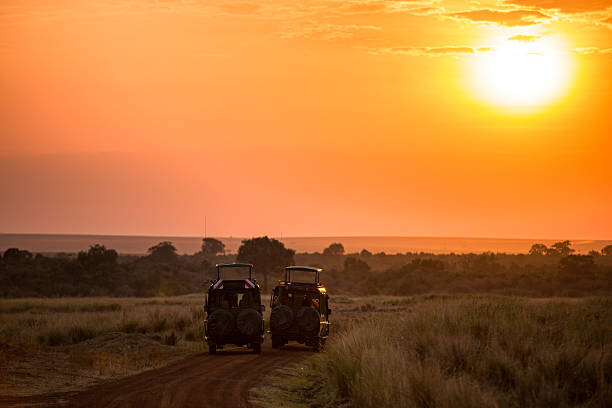
5-Day Community & Conservation Safari: Your Essential Travel Guide
Choosing a 5-Day Community & Conservation Safari means more than just seeing wildlife; it’s about actively contributing to the preservation of Tanzania’s natural wonders and supporting the people who live alongside them. This unique safari experience goes beyond traditional game drives, integrating meaningful interactions with local communities and direct support for conservation efforts. If you’re planning a trip to Tanzania in 2026 or 2027 and want your travel to make a positive difference, this guide is for you.
This detailed exploration covers everything you need to know to plan and book an unforgettable 5-Day Community & Conservation Safari. We’ll look at what makes this safari different, how to choose the right itinerary, what to expect on the ground, and how your journey directly benefits local projects.
Quick Facts: 5-Day Community & Conservation Safari
| Aspect | Details |
|---|---|
| Duration | Typically 5 Days / 4 Nights |
| Focus | Wildlife viewing, community engagement, conservation support |
| Key Regions | Northern Tanzania (e.g., Tarangire, Manyara, Ngorongoro Crater fringe, Arusha region villages) |
| Accommodation | Lodges, tented camps (often community-owned or supporting local initiatives), guesthouses |
| Activities | Game drives, guided walks, village visits, cultural exchanges, conservation project site visits, local craft workshops |
| Best Time to Travel | Dry seasons (June-October, December-February) for wildlife; shoulder seasons for fewer crowds and vibrant local life. Consider specific community event calendars for 2026-2027. |
| Traveler Type | Conscious travelers, eco-tourists, cultural enthusiasts, families seeking educational experiences, those wanting to give back. |
What is a Community & Conservation Safari?
A 5-Day Community & Conservation Safari is designed to offer a more holistic and responsible travel experience in Tanzania. Unlike standard safaris that primarily focus on wildlife viewing, this model integrates direct engagement with local communities and tangible support for conservation initiatives. The core idea is to ensure that tourism benefits the people and environments it touches.
This type of safari often partners with lodges, camps, and tour operators committed to ethical practices. These partners typically:
- Employ local staff and provide fair wages.
- Source food and supplies from local communities.
- Invest a portion of their profits into community development projects (e.g., schools, healthcare, water access).
- Support wildlife conservation programs (e.g., anti-poaching patrols, habitat restoration, wildlife research).
- Facilitate respectful cultural exchanges with local tribes and villages.
During your 5-day adventure, you might visit a Maasai village to learn about their traditions, participate in a tree-planting initiative, visit a school supported by tourism revenue, or learn about ranger training programs. The goal is to foster understanding, respect, and a direct connection between your travel and positive outcomes on the ground.
Why Choose a 5-Day Community & Conservation Safari?
The impact of tourism can be profound, and choosing a responsible safari ensures that impact is positive. A 5-Day Community & Conservation Safari offers several compelling advantages:
Meaningful Contribution
Your travel expenditure directly supports vital projects. Instead of just paying for a service, you’re investing in education, healthcare, sustainable livelihoods, and wildlife protection. This provides a deep sense of satisfaction knowing your holiday contributes to tangible good.
Authentic Cultural Immersion
These safaris prioritize genuine interactions. You’ll have opportunities to learn from local people about their way of life, traditions, and challenges, fostering mutual respect and understanding. This is far removed from staged cultural performances and offers a glimpse into real daily life.
Enhanced Wildlife Understanding
By supporting conservation efforts, you indirectly contribute to protecting the very wildlife you’ve come to see. Learning about conservation challenges and successes from local rangers or researchers adds a richer dimension to your wildlife viewing experience.
Sustainable Travel Practices
These tours often adhere to strict environmental guidelines, minimizing their footprint. This includes waste management, water conservation, and using eco-friendly accommodations.
Unique Itinerary Opportunities
Combining iconic wildlife areas with community visits offers a more complete picture of Tanzania. You get the thrill of spotting the Big Five while also connecting with the human element of this incredible country.
Best Time to Travel for Your 5-Day Safari (2026-2027)
The ideal timing for your 5-Day Community & Conservation Safari depends on your priorities, whether it’s optimal wildlife viewing, pleasant weather, or specific community events.
| Period | Wildlife Viewing | Weather | Community Activities & Crowds | Notes for 2026-2027 |
|---|---|---|---|---|
| June – October (Dry Season) | Excellent. Animals congregate around water sources. Great for Great Migration viewing in Serengeti (timing varies). | Cooler temperatures, sunny days, very little rain. Ideal for walking safaris. | Generally good, but can be busier due to peak tourist season. Community projects often run year-round. | High demand for accommodations. Book well in advance for 2026-2027. Consider early June or late October for slightly fewer crowds. |
| November – December (Short Rains / Green Season) | Good. Wildlife disperses slightly but is still abundant. Newborn animals appear. | Short, unpredictable showers, often in the afternoon. Warmer temperatures. Lush landscapes. | Quieter tourist season. Opportunities for more intimate community interactions. | Great value. Landscapes are beautiful. Good for birdwatching. |
| January – February (Dry Season / calving season) | Excellent. Especially in Southern Serengeti for the Great Migration calving season. Animals are concentrated. | Hot and dry, can have occasional short showers. | Moderate tourist numbers. Some community festivals may occur. | Prime time for calving season. Can be hot. |
| March – May (Long Rains) | Fair. Wildlife disperses widely. Can be challenging for game viewing due to vegetation. | Heavy, prolonged rainfall. Can impact road conditions. | Low tourist season. Best prices. Great for photographers due to dramatic skies and lush scenery. | Potential for excellent deals. Roads can be difficult, especially in March and April. Community projects are often more accessible. |
For a 5-Day Community & Conservation Safari, the dry seasons (June-October and January-February) are often preferred for optimal wildlife viewing. However, the shoulder seasons (November-December and March-May) can offer a more authentic experience with fewer tourists, potentially leading to deeper community engagement and better rates for 2026-2027 travel.
Sample Itinerary: Northern Tanzania Focus
This sample itinerary focuses on the Northern Circuit, which offers a concentration of iconic wildlife parks and accessible communities. This is a common route for a 5-Day Community & Conservation Safari, balancing wildlife encounters with cultural immersion.
Day 1: Arrival in Arusha & Community Welcome
- Arrive at Kilimanjaro International Airport (JRO).
- Meet your guide and transfer to a lodge or guesthouse near Arusha.
- After settling in, visit a local community project supported by your tour operator. This could be a women’s cooperative, a school, or a vocational training center.
- Engage with community members, learn about their initiatives, and perhaps purchase local crafts.
- Evening briefing about your safari and welcome dinner.
Day 2: Tarangire National Park – Elephants and Conservation Insights
- Morning drive to Tarangire National Park, famous for its large elephant herds and iconic baobab trees.
- Full day game drive. Look for elephants, lions, giraffes, zebras, and diverse birdlife.
- Learn about anti-poaching efforts or wildlife corridor initiatives in the park from your guide, who often has local insights.
- Overnight at a tented camp or lodge, ideally one that employs local staff and contributes to conservation.
Day 3: Lake Manyara National Park & Maasai Village Experience
- Morning drive to Lake Manyara National Park, known for its tree-climbing lions, flamingos, and diverse ecosystems.
- Enjoy a morning game drive. The park is compact and offers excellent opportunities to see various animals in a single day.
- Afternoon visit to a traditional Maasai village. This is a structured, respectful encounter where you can learn about their nomadic lifestyle, social structure, and how they coexist with wildlife. You may participate in a demonstration of traditional beadwork or learn about their cattle culture.
- Overnight near the park or in a community-run campsite.
Day 4: Ngorongoro Crater Rim & Conservation Area Exploration
- Drive towards the Ngorongoro Conservation Area.
- Visit a conservation project or a research center focused on wildlife management or human-wildlife conflict resolution.
- Enjoy a scenic game drive along the crater rim, with breathtaking views of the caldera.
- Optional: Visit the Olduvai Gorge museum, a significant paleoanthropological site.
- Overnight at a lodge on the crater rim or in a nearby community campsite.
Day 5: Departure or Extension
- Enjoy a final breakfast with views of the crater.
- Depending on your flight schedule, you might have time for a short community visit or a final souvenir shopping opportunity in Arusha.
- Transfer to Kilimanjaro International Airport (JRO) for your departure.
This itinerary is a template. Your 5-Day Community & Conservation Safari can be customized to include specific projects or parks based on your interests and the operator’s partnerships for 2026-2027.
Key Destinations and Conservation Projects
While this itinerary focuses on the Northern Circuit, community and conservation initiatives are woven throughout Tanzania’s tourism landscape.
Arusha Region
- Community Projects: Many tour operators in Arusha partner with schools (e.g., for desks, books, teacher support), women’s groups (e.g., for crafts, agriculture), and health clinics.
- Conservation Focus: Reforestation projects, local environmental education programs.
Tarangire National Park
- Conservation: Focus on managing large elephant populations, protecting migration corridors that link to other ecosystems, and mitigating human-wildlife conflict on the park’s borders.
- Community Link: Support for local rangers, employment for local guides and camp staff.
Lake Manyara National Park
- Conservation: Protecting diverse habitats, including the groundwater forest and alkaline lake, and studying the unique predator-prey relationships.
- Community Link: Partnerships with local Maasai communities for cultural tourism, supporting their land rights and sustainable practices.
Ngorongoro Conservation Area
- Conservation: A UNESCO World Heritage site, it’s a unique model of human-wildlife cohabitation. Conservation efforts focus on managing grazing rights for pastoralists alongside wildlife protection, preventing poaching, and preserving the delicate ecosystem of the crater.
- Community Link: The Maasai and Datoga people live within the conservation area, and responsible tourism aims to benefit them through employment, cultural tourism, and support for their traditional ways of life.
Other Potential Areas for Community & Conservation Focus
- Southern Tanzania (e.g., Ruaha, Selous): While often more remote and requiring longer trips, these areas have significant conservation projects focusing on elephants, wild dogs, and habitat preservation, often with community involvement in anti-poaching and sustainable resource management.
- Coastal Areas (e.g., Mafia Island): Marine conservation projects focused on coral reefs, whale sharks, and sea turtles, often involving local fishing communities in sustainable tourism initiatives.
What to Expect on Your 5-Day Community & Conservation Safari
This safari offers a rich, multi-faceted experience. Here’s what you can anticipate:
Wildlife Viewing
You will still experience incredible wildlife encounters. Expect game drives in open-top 4×4 vehicles, guided bush walks (where permitted), and opportunities to see the iconic animals of Tanzania. The focus is on ethical viewing – respecting animal space and avoiding disturbance.
Community Engagement
Interactions are designed to be respectful and educational. You might:
- Visit a Maasai boma (homestead) or village.
- Participate in a workshop (e.g., beading, cooking, farming).
- Visit a local school or clinic to see how tourism funds are utilized.
- Hear stories and learn about traditions directly from community members.
It’s important to approach these interactions with an open mind and genuine curiosity, understanding that you are a guest.
Conservation Activities
Depending on the specific tour and partnerships, you might:
- Visit a wildlife research station or conservation center.
- Learn about anti-poaching patrols and their challenges.
- Participate in a tree-planting or habitat restoration activity.
- Hear from park rangers or conservationists about current issues.
Accommodation
Expect a range of accommodations, often prioritizing those with strong community links or conservation commitments. This could include:
- Tented Camps: Often in prime locations, offering a blend of comfort and immersion in nature. Many are locally owned or employ local staff.
- Lodges: Ranging from comfortable to luxurious, many are built with sustainable materials and employ local people.
- Community Guesthouses/Campsites: These offer a more rustic experience and ensure that revenue directly benefits the local community.
Guides
Your guide is crucial. For a community and conservation safari, guides are typically local, knowledgeable about wildlife, culture, and conservation challenges. They act as your interpreter, educator, and facilitator for meaningful interactions.
Packing and Preparation for Your Safari
Packing for a 5-Day Community & Conservation Safari is similar to a standard safari, with a few additions to consider for community visits and the conservation aspect.
Clothing
- Neutral Colors: Khaki, beige, olive green, light brown. Avoid bright colors (which can startle wildlife) and dark blue/black (which can attract tsetse flies).
- Lightweight, Breathable Fabrics: For comfort in the heat.
- Layers: Mornings and evenings can be cool, especially at higher altitudes (like Ngorongoro).
- Long-Sleeved Shirts and Trousers: For sun protection, insect protection, and modesty during village visits.
- T-shirts and Shorts/Skirts: For warmer parts of the day.
- Fleece Jacket or Warm Sweater: Essential for early morning/late evening game drives.
- Rain Jacket/Poncho: Lightweight and waterproof, especially if traveling during the shoulder seasons.
- Comfortable Walking Shoes: For around camps and lodges.
- Sandals/Flip-flops: For relaxing.
- Hat: Wide-brimmed for sun protection.
Footwear
- Closed-toe shoes: For game drives and walks. Hiking boots are good if you plan on significant walking.
- Comfortable shoes for camp: Sandals or trainers.
Health and Safety
- Insect Repellent: With DEET or Picaridin.
- Sunscreen: High SPF.
- Personal First-Aid Kit: With any personal medications.
- Hand Sanitizer: Essential for hygiene.
- Malaria Prophylaxis: Consult your doctor well in advance.
- Vaccinations: Check with your doctor or a travel clinic for recommended vaccinations for Tanzania.
Gear and Accessories
- Binoculars: Crucial for wildlife viewing.
- Camera: With extra batteries and memory cards. Consider a zoom lens.
- Adapter: Tanzania uses Type G sockets (UK style).
- Power Bank: For charging devices on the go.
- Reusable Water Bottle: To minimize plastic waste.
- Small Backpack/Daypack: For carrying essentials during game drives.
- Headlamp or Flashlight: Useful in camps at night.
For Community Visits
- Modest Clothing: Shoulders and knees should be covered when visiting villages. Long skirts, loose trousers, and t-shirts are appropriate.
- Small Gifts (Optional): If you wish to bring a gift, consult your tour operator. School supplies (pens, notebooks) or practical items are often appreciated, but avoid giving money directly unless advised.
- Small denomination currency: If you plan to buy handicrafts.
Common Mistakes to Avoid
To ensure your 5-Day Community & Conservation Safari is as rewarding as possible, be aware of these common pitfalls:
- Choosing a Generic Tour Operator: Not all operators have genuine, impactful community and conservation partnerships. Research operators thoroughly to ensure their commitment is authentic and not just a marketing tactic. Look for certifications or affiliations with reputable NGOs if possible.
- Expecting a Staged Cultural Experience: Authentic community visits are about learning and exchange, not a performance. Be prepared for genuine interactions that might not always be polished.
- Disrespectful Behavior: Always ask permission before taking photos of people. Dress modestly when visiting villages. Listen more than you speak and show respect for local customs and traditions.
- Over-reliance on Gadgets: While cameras are essential, don’t let them become a barrier to experiencing the moment. Put down the camera and soak in the sights, sounds, and smells.
- Ignoring Environmental Impact: Minimize plastic use by carrying a reusable water bottle. Dispose of waste responsibly. Avoid purchasing souvenirs made from endangered species (e.g., ivory, certain animal skins).
- Not Researching Conservation Projects: Understand what projects your tour supports. Knowing the details can enhance your appreciation and allow for more informed questions and engagement.
- Packing Inappropriately: Forgetting layers, or bringing only bright clothing, can detract from your comfort and experience.
- Assuming All Safaris Are the Same: A community and conservation safari is fundamentally different from a standard wildlife-focused trip. Manage your expectations accordingly.
Who is This Safari Best Suited For?
The 5-Day Community & Conservation Safari appeals to a specific type of traveler:
- Conscious Travelers: Those who are aware of the environmental and social impact of their travel choices and actively seek ways to minimize negative effects and maximize positive ones.
- Eco-Tourists: Individuals prioritizing sustainable travel, responsible resource use, and the protection of natural environments.
- Cultural Enthusiasts: Travelers eager to learn about different ways of life, engage respectfully with local communities, and gain a deeper understanding of Tanzanian culture.
- Families Seeking Educational Experiences: Parents looking for a trip that is not only fun but also educational, teaching children about wildlife conservation, different cultures, and the importance of giving back.
- Impact-Driven Individuals: People who want their travel money to directly support tangible development and conservation initiatives.
- Travelers Seeking Authenticity: Those looking for experiences beyond the typical tourist trail, seeking genuine connections and deeper understanding.
This safari is less suited for travelers who are solely focused on ticking off a list of animals at the quickest pace possible or those who prefer purely luxury, hands-off experiences without any engagement.
Alternatives to a 5-Day Community & Conservation Safari
While this safari offers a unique blend, other options exist depending on your primary interests:
- Classic Northern Circuit Safari (5 Days): Focuses purely on wildlife viewing in parks like Tarangire, Manyara, and the Serengeti/Ngorongoro. Offers maximum game drive time.
- Walking Safari: Often in areas like Ruaha or Selous (though less common for 5-day trips), emphasizing a deeper connection with the bush on foot. Community elements might be secondary or absent.
- Luxury Safari: High-end lodges, private guides, and exclusive experiences. While some luxury operators have CSR initiatives, the focus is typically on comfort and exclusivity.
- Cultural Tourism Focused Trip: Longer trips that might include homestays, visiting multiple tribes (e.g., Hadzabe, Datoga), and deep cultural immersion, potentially with less emphasis on iconic wildlife parks.
- Volunteer Tourism: For travelers wanting to dedicate more time to specific projects, though this usually requires a longer commitment than 5 days and is a different type of travel.
The 5-Day Community & Conservation Safari strikes a balance, providing a taste of iconic wildlife and meaningful engagement within a limited timeframe.
Planning Your 2026-2027 Safari: Key Considerations
Planning ahead is crucial, especially for specialized safaris like this one. Here are key points for your 2026-2027 trip:
Choosing the Right Tour Operator
This is paramount. Look for operators with:
- Demonstrable Community Partnerships: Ask for details about the projects they support and how.
- Commitment to Conservation: Inquire about their environmental policies and support for wildlife initiatives.
- Local Ownership/Staff: Prioritizing local employment ensures benefits stay within Tanzania.
- Positive Reviews: Especially those mentioning responsible tourism aspects.
- Transparency: Clear communication about what your money supports.
Customization
A 5-day trip is short, so customization is key. Discuss your specific interests with your operator. Do you want to focus on education, women’s empowerment, or wildlife conservation? Tailor the itinerary to align with your passions.
Booking Timeline for 2026-2027
- 12-18 Months in Advance: For peak season travel (June-October, January-February) or if you have very specific lodge/camp requests. This is especially important for popular community-run accommodations.
- 6-12 Months in Advance: For shoulder season travel or if you have some flexibility.
- 3-6 Months in Advance: For off-season travel, though availability can still be an issue for specialized tours.
Budget Considerations
A 5-Day Community & Conservation Safari might be priced similarly to a mid-range to upper-mid-range classic safari. The ‘conservation’ and ‘community’ elements often mean partnering with lodges and projects that have higher operational costs but also higher impact. Costs typically cover:
- Park entrance fees (a significant portion).
- Accommodation.
- Vehicle and guide hire.
- Meals.
- Community project contributions (sometimes a specific daily fee or included in the tour cost).
Be prepared for costs to be higher than basic budget safaris, reflecting the ethical sourcing and direct contributions.
Booking Advice for Your Impactful Safari
When you’re ready to book your 5-Day Community & Conservation Safari, keep these points in mind:
- Direct Communication is Key: Contact your chosen tour operator directly. This allows for the most personalized service and clarifies all your questions regarding community and conservation aspects.
- Ask Specific Questions: Don’t hesitate to ask about the specific projects supported, how the funds are used, the qualifications of your guides, and the operator’s sustainability policies.
- Read the Itinerary Carefully: Ensure it balances wildlife viewing with meaningful community and conservation interactions as per your expectations.
- Understand Inclusions and Exclusions: What is covered in the price? Park fees, meals, accommodation, activities, park transfers, conservation fees, community visit fees?
- Payment Terms: Understand the deposit requirements, balance payment schedule, and cancellation policy.
- Travel Insurance: Always purchase comprehensive travel insurance that covers trip cancellation, medical emergencies, and evacuation.
- Visa Requirements: Check the visa requirements for Tanzania for your nationality well in advance.
For a personalized and impactful 5-Day Community & Conservation Safari tailored to your interests for 2026 or 2027, reach out to us. We are dedicated to creating responsible travel experiences that benefit both visitors and local communities.
Ready to Plan Your Safari?
Contact us today to design your unique 5-Day Community & Conservation Safari. We’ll help you create an itinerary that aligns with your travel goals and ensures a positive impact.
WhatsApp: +255616946642
Email: topguideadventures@gmail.com
Backup Email: info@topguideadventures.com
Frequently Asked Questions (FAQs)
Q1: What is the main difference between a standard safari and a community & conservation safari?
A: A standard safari primarily focuses on wildlife viewing. A community & conservation safari integrates this with meaningful engagement with local communities and direct support for conservation projects, aiming for a more responsible and impactful travel experience.
Q2: How much of my tour cost actually goes to community projects?
A: This varies by operator. Reputable operators are transparent about this. Some include a specific daily conservation fee, others channel a percentage of profits, and some partner with lodges where revenue directly supports local initiatives. Always ask your operator for specifics.
Q3: Will I be able to interact with local people?
A: Yes, these safaris are designed for respectful cultural exchange. You can expect opportunities to visit villages, learn about traditions, and sometimes participate in workshops or visit community-run enterprises.
Q4: What kind of conservation projects can I expect to support?
A: Projects can range from anti-poaching efforts, wildlife research, habitat restoration, anti-poaching ranger support, to community-based conservation education programs. The specific projects depend on the operator’s partnerships and the region.
Q5: Is a 5-day trip long enough to experience both wildlife and community aspects?
A: Yes, a well-designed 5-day itinerary can effectively balance these. It provides enough time for a couple of key park visits and a meaningful community interaction, offering a good introduction. For deeper dives, longer trips are available.
Q6: What is the best time of year for a 5-Day Community & Conservation Safari in 2026-2027?
A: The dry seasons (June-October and January-February) offer excellent wildlife viewing. However, shoulder seasons (November-December, March-May) can provide fewer crowds and potentially more intimate community experiences, along with better value for 2026-2027 travel.
Q7: What should I pack for community visits?
A: Pack modest clothing that covers your shoulders and knees. Comfortable walking shoes are also recommended. It’s also good to have small denomination currency if you plan to purchase local crafts.
Q8: Are these safaris more expensive than standard safaris?
A: They can be. The cost often reflects the ethical sourcing, higher operational standards for sustainability, and direct contributions to community and conservation efforts. However, the value lies in the positive impact and richer experience.
Q9: How can I ensure my chosen operator is genuinely committed to community and conservation?
A: Research their website for details on their partnerships, ask for specific examples of projects they support, check for reviews that mention these aspects, and communicate directly with them about your expectations.
Q10: Can I customize a 5-day itinerary to focus on a specific community or conservation issue?
A: Absolutely. This is a key advantage of working with a good tour operator. Discuss your specific interests, and they can tailor the itinerary to include visits to projects or communities that align with your passions for your 2026-2027 trip.
Plan Your Responsible Tanzania Adventure
A 5-Day Community & Conservation Safari offers a unique opportunity to connect with Tanzania’s incredible wildlife, vibrant cultures, and essential conservation work. Make your next journey a force for good. Let us help you craft an unforgettable and impactful 5-day experience for 2026 or 2027.
Get in touch today:
WhatsApp: +255616946642
Email: topguideadventures@gmail.com
Backup Email: info@topguideadventures.com
Plan your 5-Day Community & Conservation Safari — Support Local Projects with Top Guide Adventures
Tell us your travel dates, group size, comfort level, and dream experience. We will help you shape a clear, realistic, and memorable Tanzania itinerary.







 Veedesigner
 Fatma Kizanga
 Benjamin Waryuba
 Philip Philip
 John jr Itaja
 Antonia Optatus
 Edith Kanyere
 Neema Iddy
 Kelvin Boniphace
 Damari Maiga



