
Updated planning guide for 2026-2027
6-Day Masai Mara Photographic Safari — Migration Season: Best Guide
Discover the magic of the Great Migration with a 6-day photographic safari in the Masai Mara. This comprehensive guide details the best times for 2026-2027, essential photography tips, a sample itinerary, and how to book your unforgettable wildlife adventure.
WhatsApp +255616946642 | topguideadventures@gmail.com | info@topguideadventures.com

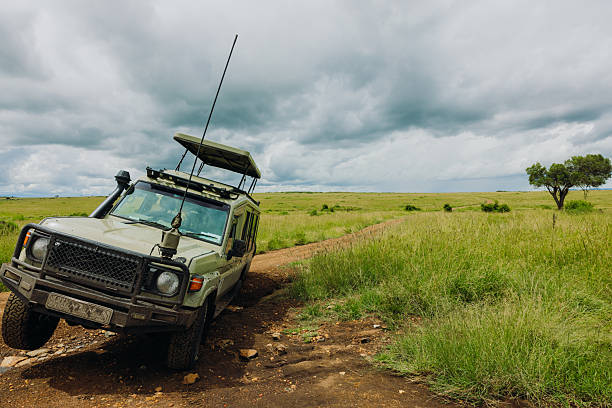
6-Day Masai Mara Photographic Safari: Migration Season 2026-2027
The Masai Mara National Reserve in Kenya is a world-renowned wildlife haven, particularly famous for hosting the Great Migration. This incredible natural spectacle sees millions of wildebeest, zebras, and gazelles journey across the plains in search of greener pastures, creating unparalleled opportunities for wildlife photography. A 6-day Masai Mara photographic safari during migration season offers an immersive experience, capturing dramatic predator-prey interactions and breathtaking landscapes. This guide provides everything you need to plan and execute a successful photographic expedition to the Mara during this peak wildlife event for 2026 and 2027.
Quick Answer: A 6-day Masai Mara photographic safari during migration season (typically July to October) is ideal for witnessing the wildebeest river crossings. It requires careful planning regarding timing, accommodation, photography gear, and working with experienced guides to maximize sightings and capture stunning images. Booking for 2026 and 2027 is recommended well in advance.
Table of Contents
- Overview: The Great Migration and Masai Mara
- Why Focus on Migration Season for Photography?
- Best Time for a 6-Day Masai Mara Photographic Safari (2026-2027)
- Masai Mara Region Overview for Photographers
- Sample 6-Day Masai Mara Photographic Safari Itinerary
- What to Expect on Your Photographic Safari
- Essential Photography Tips for the Mara Migration
- Photography Gear Recommendations
- Packing List for Your Safari
- Common Mistakes to Avoid
- Who is This Safari Best Suited For?
- Alternative Safari Experiences
- Planning Your 2026-2027 Safari
- Booking Your 6-Day Masai Mara Photographic Safari
- Frequently Asked Questions
Overview: The Great Migration and Masai Mara
The Masai Mara National Reserve, bordering Tanzania’s Serengeti National Park, forms a vast ecosystem that supports one of the planet’s most astounding wildlife events: the Great Migration. Each year, over 1.5 million wildebeest, along with hundreds of thousands of zebras and antelopes, undertake a perilous journey driven by the rains and the availability of fresh grazing land. This movement is not a single event but a continuous cycle, with different phases occurring throughout the year.
The Mara’s rolling grasslands, acacia woodlands, and riverine forests provide a stunning backdrop for this natural drama. Its high concentration of predators, including lions, leopards, cheetahs, hyenas, and wild dogs, makes it a prime location for observing the intense predator-prey dynamics that define the migration. For photographers, the sheer scale and raw intensity of the migration offer once-in-a-lifetime opportunities to capture iconic wildlife images.
Why Focus on Migration Season for Photography?
While the Masai Mara is a year-round wildlife destination, the migration season elevates the photographic potential significantly. The concentration of animals, particularly the wildebeest and zebra herds, is immense. This density leads to:
- River Crossings: The most sought-after photographic moments are the dramatic crossings of the Mara River. Witnessing thousands of wildebeest plunge into the water, navigating strong currents and crocodile-infested depths, is an unforgettable and intensely photogenic event.
- Predator Activity: The large herds attract a significant number of predators, leading to increased hunting opportunities. Photographers have a higher chance of capturing lions stalking wildebeest, cheetahs chasing gazelles, or leopards in trees with their kills.
- Vast Herds: The sheer scale of the moving herds creates breathtaking panoramic shots and allows for capturing the vastness of the African savanna teeming with life.
- Calving Season (early in the year): While not strictly migration season, the calving season in the Serengeti (around January-March) precedes the migration north. This attracts predators and offers opportunities for newborn sightings, though river crossings are absent.
For a 6-day Masai Mara photographic safari, timing your visit during the migration peak ensures you are present for the most dynamic and visually compelling wildlife action.
Best Time for a 6-Day Masai Mara Photographic Safari (2026-2027)
The timing of the Great Migration is influenced by rainfall patterns, making it somewhat variable year to year. However, general trends hold true.
| Period | Location | Key Wildlife Activity | Photographic Opportunities | Crowds & Conditions |
|---|---|---|---|---|
| July – October | Masai Mara (Kenya) | Wildebeest & Zebra herds in the Mara; River crossings are frequent, especially August-September. | River crossings, predator-prey action, vast herds, big cats. | Peak season, higher prices, dry conditions, large crowds. |
| November – December | Masai Mara / Serengeti border | Herds begin moving south towards the Serengeti. Some resident wildlife remains. | Good resident wildlife sightings, fewer crowds, potentially greener landscapes. | Shoulder season, moderate prices, short rains may start. |
| January – March | Serengeti (Tanzania) | Calving season in the southern Serengeti; herds are spread out. | Calving, newborn animals, predator activity, vast open plains. | Dry season in Serengeti, moderate crowds, hot. (Not Mara-focused) |
| April – May | Serengeti (Tanzania) | Long rains; herds begin to disperse and move north. | Dramatic skies, lush landscapes, fewer tourists. | Low season, lowest prices, heavy rains, some tracks may be impassable. (Not Mara-focused) |
For a 6-day Masai Mara photographic safari focused on the migration, the period from July through October is paramount. August and September are often considered the prime months for witnessing the dramatic river crossings, which are the highlight for many photographers. For 2026 and 2027, expect these months to be highly sought after.
Masai Mara Region Overview for Photographers
The Masai Mara National Reserve is a large protected area, and understanding its geography is key for photographers aiming to position themselves for the best sightings during migration season.
Masai Mara Key Areas for Migration Photography:
- Mara River: The lifeblood of the migration. Areas around the river, particularly between the central Mara River crossings and the northern boundary, are crucial. Iconic crossing points are often found here.
- Kichwa Tembo Area: North-central Mara, often good for general game viewing and predator sightings.
- Talek River Area: Central Mara, offering a good mix of plains and riverine habitats.
- Musiara Swamp: Known for resident wildlife and predator action.
- Serengeti Border (Southern Mara): Herds can be seen moving towards or away from the border, depending on the exact timing.
- Loita Plains (outside the reserve): Sometimes herds can be found here before or after entering the main reserve, offering a different photographic perspective.
Your 6-day itinerary will likely focus on areas accessible from your chosen lodge or camp, with your guide strategically moving you to where the migration herds and associated predators are most active. Proximity to the Mara River is a significant advantage during peak crossing times.
Sample 6-Day Masai Mara Photographic Safari Itinerary
This sample itinerary is designed to maximize photographic opportunities during the migration season. It assumes arrival into the Masai Mara airstrip and focuses on game drives and strategic positioning.
Day 1: Arrival in the Masai Mara & Afternoon Game Drive
- Morning: Arrive at a Masai Mara airstrip (e.g., Ol Kiombo, Kichwa Tembo). Meet your dedicated photographic guide and vehicle.
- Transfer to your lodge/camp, settling in and enjoying lunch.
- Afternoon: First game drive. Focus on general game viewing and getting acquainted with the Mara’s landscapes and resident wildlife. Look for early signs of migration herds moving into the area.
- Evening: Return to camp for dinner and overnight.
Day 2: Mara River Crossings & Predator Action
- Early Morning: Depart before sunrise for a full-day game drive. Head towards the Mara River, seeking out potential crossing points. Spend time observing wildebeest herds gathering at the riverbanks.
- Midday: Picnic lunch in the bush. Continue tracking predators known to frequent the river areas, such as lions, hyenas, and crocodiles.
- Late Afternoon: Continue game drives, focusing on any river crossing activity or predator hunts.
- Evening: Return to camp for dinner and overnight.
Day 3: Exploring the Plains & Big Cat Encounters
- Early Morning: Game drive focused on the open plains, looking for cheetahs and lions. The migration herds provide ample prey, increasing predator sightings.
- Midday: Return to camp for lunch and a rest.
- Afternoon: Game drive exploring different sectors of the reserve, perhaps heading towards areas known for leopards.
- Evening: Sundowners in a scenic location, followed by dinner.
Day 4: Full Day Dedicated to Migration Dynamics
- Full Day: Spend the entire day with your guide, following the movement of the migration herds. This could involve tracking herds moving towards the river, observing grazing patterns, or waiting for a dramatic crossing. Patience is key.
- Meals: Picnic lunch in the field.
- Evening: Return to camp for relaxation and sharing photos.
Day 5: Special Interest Photography & Scenic Views
- Early Morning: Focus on specific photographic interests – perhaps birdlife, smaller mammals, or specific predator prides. Explore areas with unique landscapes.
- Midday: Optional: Hot air balloon safari at dawn (additional cost) for incredible aerial views of the migration and sunrise over the Mara. Return for brunch.
- Afternoon: Final game drive, revisiting favorite spots or seeking out new photographic opportunities.
- Evening: Farewell dinner at the lodge/camp.
Day 6: Final Morning Game Drive & Departure
- Early Morning: One last game drive to capture any final desired shots.
- Breakfast: Return to camp for breakfast.
- Transfer to the airstrip for your onward flight.
Note: This itinerary is a suggestion and can be customized based on your specific photographic interests and the real-time movements of the wildlife.
What to Expect on Your Photographic Safari
A 6-day Masai Mara photographic safari during migration season is an intense and rewarding experience. Here’s what you can generally expect:
- Early Mornings and Late Evenings: The best light for photography is during the golden hours – sunrise and sunset. Expect to be out in the field from dawn until dusk, with a break during the hottest part of the day.
- Long Hours in the Vehicle: While comfortable, safari vehicles mean spending extended periods seated. Your photographic guide will be skilled at finding the best vantage points and positioning the vehicle for optimal shots.
- Variable Weather: While generally dry during migration season, expect cool mornings and evenings, and potentially hot, sunny days. Rain showers can occur.
- Dust: Game drives on dirt tracks generate dust. Keep your gear protected.
- Intense Wildlife Encounters: The sheer volume of animals and the predator-prey interactions can be exhilarating and sometimes confronting.
- Camaraderie: You’ll likely be sharing your vehicle with a small group (unless on a private charter), fostering a shared experience.
- Remote Locations: Accommodations can range from luxury lodges to tented camps, offering varying levels of comfort but always prioritizing immersion in nature.
Essential Photography Tips for the Mara Migration
Capturing the drama of the migration requires more than just a good camera. Here are key tips:
- Know Your Gear: Understand your camera’s settings, especially autofocus modes, burst shooting, and ISO capabilities. Practice before you go.
- Shoot in RAW: This format provides the most flexibility for post-processing, essential for adjusting exposure and colors in challenging light.
- Master Exposure: Use aperture priority (Av/A) or manual (M) mode. Be prepared to adjust exposure compensation frequently due to the bright sky and dark subjects (animals).
- Focus on the Eyes: Always aim for sharp focus on the animal’s eyes. Use continuous autofocus (AI Servo/AF-C) for moving subjects.
- Burst Mode is Your Friend: For action shots like river crossings or hunts, use your camera’s fastest burst mode to capture a sequence of images.
- Shutter Speed: For freezing action, use a fast shutter speed (1/1000s or higher). For a sense of motion blur in a river crossing, you might experiment with slower speeds, but this is risky.
- Composition: Think beyond just the animal. Include the environment, use leading lines, and look for interesting angles. Rule of thirds is a good starting point.
- Light: Use the golden hours (early morning and late afternoon) for soft, warm light. Midday sun can be harsh, but it’s also when animals are often active during migration.
- Patience: Wildlife photography, especially during the migration, requires immense patience. Be prepared to wait for hours for that perfect moment.
- Work with Your Guide: Your guide is your greatest asset. Communicate your photographic goals and listen to their advice on animal behavior and positioning.
Photography Gear Recommendations
While you don’t need the most expensive gear, having the right equipment significantly enhances your photographic experience.
- Camera Body: A DSLR or mirrorless camera with good autofocus and low-light performance.
- Lenses:
- Telephoto Zoom: A 100-400mm, 150-600mm, or similar is essential for wildlife. This allows you to fill the frame from a distance.
- Wide-Angle Lens: For landscapes, camp scenes, or capturing animals in their environment (e.g., 24-70mm).
- Prime Lens (Optional): A 300mm or 400mm prime can offer superior image quality and wider apertures for low light.
- Tripod/Monopod: Highly recommended for stabilizing longer lenses, especially in low light or when using high zoom. A monopod is more practical in a vehicle.
- Extra Batteries and Memory Cards: You’ll be shooting a lot. Ensure you have plenty of power and storage.
- Lens Cleaning Kit: Essential for dealing with dust. Microfiber cloths, a blower, and lens cleaning solution.
- Camera Bag: A comfortable backpack or shoulder bag to carry your gear. Consider one with padding and easy access.
- Rain Cover: For your camera and lens, especially if traveling during the shoulder seasons.
- Binoculars: Not strictly photography gear, but vital for spotting wildlife from afar, helping your guide and you find subjects.
Note: Many lodges offer charging facilities, but it’s wise to bring a universal adapter and power bank.
Packing List for Your Safari
Comfort and practicality are key for a safari. Layering is essential due to temperature fluctuations.
- Clothing:
- Neutral-colored clothing (khaki, green, brown) – avoid bright colors or white.
- Long-sleeved shirts and trousers (for sun and insect protection).
- T-shirts and shorts.
- Warm fleece or jacket for cool mornings and evenings.
- Waterproof and windproof jacket.
- Comfortable walking shoes or hiking boots (if any walking is planned).
- Sandals or flip-flops for camp.
- Socks.
- Sleepwear.
- Swimsuit (for lodges with pools).
- Accessories:
- Sun hat with a wide brim.
- Sunglasses.
- Scarf or bandana (useful for dust).
- Insect repellent (with DEET).
- Sunscreen (high SPF).
- Lip balm with SPF.
- Small backpack or daypack.
- Reusable water bottle.
- Personal first-aid kit.
- Any personal medications.
- Hand sanitizer.
- Travel-sized toiletries.
- Camera gear (as listed above).
- Binoculars.
- Book or e-reader.
- Headlamp or small flashlight.
- Travel adapter and power bank.
- Copies of important documents (passport, visa, insurance).
Important: Safari flights often have strict baggage weight limits (usually 15-20kg per person in soft bags). Check with your tour operator.
Common Mistakes to Avoid
To ensure a smooth and enjoyable 6-day Masai Mara photographic safari, be aware of these common pitfalls:
- Booking Too Late: Migration season is peak time. Accommodation and flights book up months, sometimes a year, in advance for 2026 and 2027.
- Choosing the Wrong Accommodation: Location matters. Staying deep inside the reserve or closer to the Mara River can significantly improve game viewing and reduce travel time to prime migration spots.
- Not Hiring a Dedicated Photographic Guide: While standard guides are excellent, a photographic guide understands your needs (vehicle positioning, light, patience for shots) and can make a huge difference.
- Underestimating Camera Gear Needs: Not bringing enough battery power, memory cards, or the right lenses can lead to missed opportunities.
- Ignoring the Light: Shooting only during midday means missing the best photographic light.
- Not Being Patient: Wildlife photography requires patience. Don’t expect instant action; sometimes waiting pays off immensely.
- Wearing the Wrong Clothes: Bright colors can disturb wildlife and attract insects. Stick to neutral tones.
- Overpacking: Especially for internal flights with strict weight limits. Soft-sided duffels are usually preferred.
- Not Protecting Gear from Dust: The Mara can be dusty. Keep your equipment clean and protected.
- Expecting Too Much Too Soon: The migration is a natural event. River crossings, while iconic, are not guaranteed every day or even every week. Flexibility and expert guidance are key.
Who is This Safari Best Suited For?
A 6-day Masai Mara photographic safari during migration season is ideal for:
- Passionate Wildlife Photographers: Those who want to capture iconic images of the Great Migration, river crossings, and predator-prey action.
- Serious Wildlife Enthusiasts: Individuals who appreciate the grandeur of nature and want to witness one of the world’s greatest wildlife spectacles.
- Travelers Seeking Peak Wildlife Action: Visitors who prioritize seeing large herds and dramatic wildlife events over other aspects of a safari.
- Those Who Appreciate Dedicated Guiding: Travelers who value the expertise of a specialized photographic guide to maximize their chances of getting great shots.
- Return Visitors to Africa: While suitable for first-timers, those who have experienced a safari before might seek the intensity of the migration.
It might be less suitable for travelers seeking a completely relaxed pace, those on a very tight budget (as migration season is peak season), or those who are not particularly interested in photography.
Alternative Safari Experiences
While the migration is spectacular, other safari experiences in East Africa offer different, yet equally rewarding, opportunities.
| Experience | Best For | Timing | Key Highlights |
|---|---|---|---|
| Masai Mara (Non-Migration Season) | General game viewing, excellent predator sightings, fewer crowds, lower prices. | January-June, November-December. | Abundant resident wildlife, beautiful green landscapes after rains. |
| Serengeti (Tanzania) – Calving Season | Witnessing newborn animals, dramatic predator action, vast open plains. | January-March. | Calving wildebeest, lions, cheetahs, golden light on plains. |
| Serengeti (Tanzania) – Migration North | Witnessing herds moving north, potential river crossings in Grumeti/Moru River. | June-July. | Herds in western/northern Serengeti, different river dynamics. |
| Selous Game Reserve (Tanzania) | Southern Tanzania’s vast wilderness, boat safaris, wild dogs, diverse habitats. | Year-round (dry season June-October best for concentrated game). | Boat safaris on Rufiji River, large elephant herds, rare wild dogs. |
| Ruaha National Park (Tanzania) | Remote, wild, large predator populations, unique landscapes. | Dry season (June-November) for concentrated game. | Huge elephant herds, high lion and wild dog numbers, dramatic scenery. |
For those specifically interested in the Great Migration, the choice often comes down to the Masai Mara (Kenya) or the Serengeti (Tanzania), depending on the time of year and the specific phase of the migration you wish to witness. A 6-day Masai Mara photographic safari offers a focused, high-impact experience.
Planning Your 2026-2027 Safari
Planning ahead is crucial, especially for peak season travel in 2026 and 2027. Here’s a timeline and key considerations:
- 12-18 Months in Advance:
- Research tour operators and lodges. Read reviews, compare offerings.
- Determine your budget. Migration season is premium pricing.
- Start contacting operators for availability and quotes for 2026-2027.
- Book your preferred accommodation and photographic guide. These are the first to fill up.
- 9-12 Months in Advance:
- Book international flights to Nairobi (NBO) or Kilimanjaro (JRO) if combining with Tanzania.
- Secure internal flights to Masai Mara airstrips.
- Apply for any necessary visas.
- 6-9 Months in Advance:
- Purchase travel insurance (highly recommended).
- Start planning your packing list.
- 3-6 Months in Advance:
- Confirm all bookings and itinerary details.
- Get any necessary vaccinations or malaria prophylaxis (consult your doctor).
- 1-2 Months in Advance:
- Purchase camera gear, memory cards, batteries. Test everything.
- Finalize your packing.
- Notify your bank of your travel dates.
- 1-2 Weeks Before Departure:
- Exchange currency if needed.
- Pack your bags.
- Confirm flight details.
Booking early for 2026 and 2027 is the single most important step for securing the best guides, camps, and flight times during the peak migration period.
Booking Your 6-Day Masai Mara Photographic Safari
When booking your 6-day Masai Mara photographic safari during migration season, consider the following:
- Choose a Reputable Tour Operator: Look for operators with specific expertise in photographic safaris and the Masai Mara. Check their client testimonials and affiliations.
- Inquire About Photographic Guides: Does the operator offer specialized photographic guides? These guides are trained to assist photographers with vehicle positioning, understanding light, and being patient.
- Understand Inclusions: Clarify what is included in your package: accommodation, all meals, park fees, game drives, guide services, internal flights, transfers, and any specific activities (e.g., bush walks).
- Accommodation Type: Decide between luxury lodges, comfortable tented camps, or more rustic options. Location relative to the Mara River and migration routes is critical for migration season.
- Vehicle Type: Ensure the safari vehicle is suitable for photography – ideally a pop-top 4×4 with ample space and good visibility. Request a window seat if sharing. For private charters, you have more control.
- Payment Terms: Understand the deposit and final payment schedule.
- Cancellation Policy: Be aware of the terms and conditions for cancellations.
- Customization: Work with your operator to tailor the itinerary to your specific photographic interests and pace.
Contact Us to Plan Your 2026-2027 Safari:
For expert advice and a tailor-made 6-day Masai Mara photographic safari during migration season, get in touch with our team. We specialize in creating unforgettable photographic journeys. We can help you navigate the best timing for 2026 and 2027, select the ideal camps, and pair you with an experienced photographic guide.
WhatsApp: +255616946642
Email: topguideadventures@gmail.com
Backup Email: info@topguideadventures.com
Frequently Asked Questions
What is the best month for wildebeest river crossings in the Masai Mara during migration season?
The most dramatic wildebeest river crossings in the Masai Mara typically occur between late August and October. While crossings can happen earlier or later, these months offer the highest probability of witnessing this iconic event. For your 2026 or 2027 safari, aiming for September or early October is often recommended for the best chances.
Is a 6-day safari long enough for the Masai Mara migration?
Yes, a 6-day safari is a good duration for experiencing the Masai Mara during migration season. It allows for sufficient time to travel to the reserve, settle in, undertake multiple game drives in different areas, and dedicate time to observing the migration’s dynamics and potential river crossings. Longer stays (7-8 days) offer more in-depth exploration, but 6 days provides a solid, impactful experience.
What is the difference between a standard guide and a photographic guide?
A standard safari guide is excellent at spotting wildlife and navigating the reserve. A photographic guide has specialized knowledge in wildlife photography. They understand optimal vehicle positioning for light and composition, are patient enough to wait for photographic moments, and can advise on camera settings. They are trained to assist photographers in capturing the best possible shots.
Can I do a private 6-day Masai Mara photographic safari?
Absolutely. Private safaris offer the most flexibility. You can charter a private vehicle and guide, meaning your itinerary, pace, and focus are entirely up to you. This is highly recommended for serious photographers who want to maximize their shooting opportunities without compromise. This is available for 2026 and 2027 bookings.
What are the costs involved in a 6-day Masai Mara photographic safari?
Costs vary significantly based on accommodation standard, whether you opt for a private vehicle/guide, and the time of year. Migration season is peak season, so prices are higher. Expect costs to include park fees, accommodation, meals, internal flights, and guide services. Luxury lodges and private guiding will increase the price substantially compared to mid-range tented camps and shared vehicles.
What about malaria risk during the migration season?
Malaria is present in the Masai Mara. It is a risk year-round, though lower during the dry migration season (July-October) compared to the rainy seasons. It is crucial to consult your doctor about malaria prophylaxis and take personal precautions such as using insect repellent and wearing long sleeves/trousers in the evenings.
Is it safe to travel to the Masai Mara during the migration?
Yes, the Masai Mara is a safe destination for tourists when traveling with reputable operators and guides. The reserve is well-managed, and guides are highly trained to ensure guest safety. The primary risks are associated with wildlife encounters, which are managed by experienced guides who maintain safe distances. Road conditions can be rough, but safari vehicles are designed for them.
What is the best way to photograph river crossings?
Photographing river crossings requires patience, luck, and good positioning. Arrive at the river early, stay with the herds, and work with your guide to find a safe and strategic vantage point. Have your camera settings ready for fast action (high ISO, fast shutter speed, continuous autofocus, burst mode). Be prepared for dust and spray. It’s advisable to protect your gear.
Can I combine a Masai Mara safari with other destinations?
Yes, it’s common to combine a Masai Mara safari with other destinations in Kenya or Tanzania. Popular combinations include Lake Nakuru, Amboseli National Park (for elephants), or flying to Zanzibar for a beach extension. If you’re planning a multi-country trip for 2026 or 2027, ensure you factor in travel time and visa requirements.
What should I do if I don’t see the migration on my safari?
While the migration is the main draw, the Masai Mara is home to abundant resident wildlife year-round. You will still see lions, leopards, cheetahs, elephants, giraffes, and numerous other species. Your guide will work diligently to find the best sightings. Even without a dramatic river crossing, the sheer volume of animals on the plains during migration season is incredible.
Book Your Unforgettable 6-Day Masai Mara Photographic Safari
Witnessing the Great Migration is a profound experience, and capturing it through photography is a dream for many. A 6-day Masai Mara photographic safari during migration season, especially planned for 2026 or 2027, offers an unparalleled opportunity to immerse yourself in one of nature’s greatest spectacles.
Our expert team is ready to help you craft the perfect photographic journey. We understand the nuances of migration timing, the best lodges and camps, and the importance of experienced photographic guides. Let us handle the details so you can focus on capturing breathtaking images.
Contact us today to start planning your 2026-2027 adventure:
WhatsApp: +255616946642
Email: topguideadventures@gmail.com
Backup Email: info@topguideadventures.com
Plan your 6-Day Masai Mara Photographic Safari — Migration Season with Top Guide Adventures
Tell us your travel dates, group size, comfort level, and dream experience. We will help you shape a clear, realistic, and memorable Tanzania itinerary.







 Veedesigner
 Fatma Kizanga
 Benjamin Waryuba
 Philip Philip
 John jr Itaja
 Antonia Optatus
 Edith Kanyere
 Neema Iddy
 Kelvin Boniphace
 Damari Maiga



