
Updated planning guide for 2026-2027
5-Day Birdwatching & Photography Intensive — West Nile & Rwenzori Foothills Gu
Discover the unique avian biodiversity and stunning landscapes of Uganda's West Nile and Rwenzori Foothills on this focused 5-day birdwatching and photography tour. This intensive program is designed for enthusiasts seeking unparalleled opportunities to capture rare species and breathtaking scenery.
WhatsApp +255616946642 | topguideadventures@gmail.com | info@topguideadventures.com
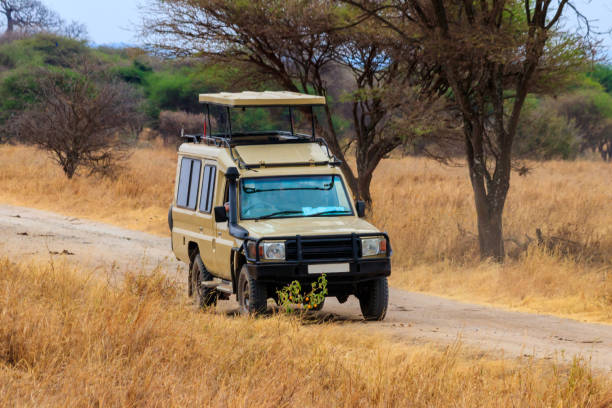
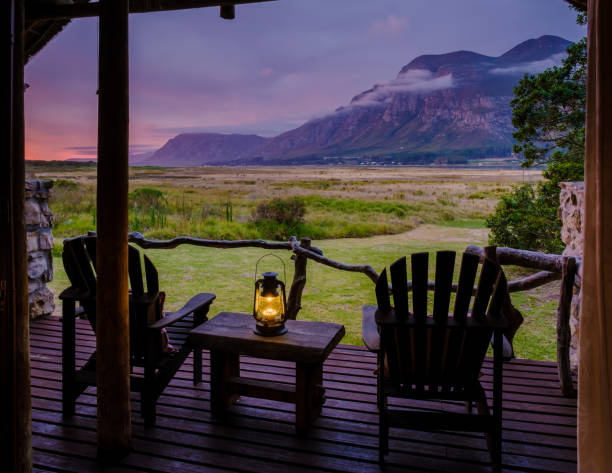
Your Comprehensive Guide to a 5-Day Birdwatching & Photography Intensive — West Nile & Rwenzori Foothills
For the dedicated birder and passionate photographer, Tanzania offers more than just the iconic savannahs. Venture into the less-explored yet incredibly rich avian habitats of Uganda’s West Nile region and the foothills of the majestic Rwenzori Mountains. This 5-Day Birdwatching & Photography Intensive — West Nile & Rwenzori Foothills is crafted for those who want to immerse themselves in natural beauty and capture its essence through their lenses. This guide details everything you need to know to plan an unforgettable expedition in 2026-2027.
Our focus on this specialized itinerary means dedicating time to specific locations known for their unique birdlife and photographic potential. The West Nile area, bordering South Sudan, and the verdant slopes leading up to the ‘Mountains of the Moon’ present a contrasting yet complementary set of environments, each hosting distinct species and visual opportunities.
Quick Overview: 5-Day Birdwatching & Photography Intensive — West Nile & Rwenzori Foothills
| Aspect | Details |
|---|---|
| Duration | 5 Days / 4 Nights |
| Focus Areas | West Nile Region (e.g., Murchison Falls NP fringe, local forests) & Rwenzori Foothills (e.g., Kibale NP fringe, local communities) |
| Target Species | Albertine Rift endemics, forest birds, savannah species, raptors, water birds. Specific targets depend on exact locations chosen within the broader regions. |
| Photography Opportunities | Bird portraits, habitat shots, landscape photography, cultural interactions. |
| Best Time to Travel | Dry seasons (June-August, December-February) for easier access and bird activity; wet seasons (March-May, September-November) for lush scenery and breeding plumage. |
| Accommodation Style | Mid-range lodges, comfortable tented camps, and potentially guesthouses depending on location. |
| Physical Activity | Light to moderate walking, forest trails, boat trips. |
Table of Contents
- Why Choose This 5-Day Birdwatching & Photography Intensive?
- Understanding the West Nile & Rwenzori Foothills Regions
- When is the Best Time to Visit for Birding and Photography?
- Sample 5-Day Itinerary: West Nile & Rwenzori Foothills
- What to Expect: Birdlife, Photography, and Conditions
- Typical Inclusions and Exclusions
- Essential Packing and Photography Gear
- Common Mistakes to Avoid
- Who is This Intensive Best Suited For?
- Alternative Birding & Photography Destinations in Uganda
- Planning Your Trip for 2026-2027
- Booking Your Intensive with Top Guide Adventures
- Frequently Asked Questions
Why Choose This 5-Day Birdwatching & Photography Intensive?
This specialized 5-Day Birdwatching & Photography Intensive — West Nile & Rwenzori Foothills offers a focused experience unlike a general safari. It’s designed to maximize your chances of encountering and photographing specific avian species in unique ecosystems. The West Nile region is a gateway to Albertine Rift endemics and forest dwellers, while the Rwenzori foothills provide opportunities for montane forest species and stunning mountain vistas. This intensive approach allows for deeper exploration of selected sites, longer observation periods, and the flexibility needed for optimal photographic conditions.
For photographers, the benefits are clear: access to prime locations at optimal times, guidance on light and composition, and the pursuit of elusive subjects. For birdwatchers, it means targeting a higher number of species, including rare and endemic ones, with expert local guides who understand bird behavior and habitat.
This itinerary is about quality over quantity, providing a concentrated dose of nature observation and creative pursuit. It’s an opportunity to build a portfolio of unique images and add significant species to your life list.
Understanding the West Nile & Rwenzori Foothills Regions
Uganda is a biodiversity hotspot, and the West Nile and Rwenzori Foothills regions represent two of its most compelling, yet often overlooked, areas for specialized tourism.
West Nile Region Highlights:
- Geographic Context: Located in the northwestern part of Uganda, bordering South Sudan. This region is characterized by savannah grasslands, woodlands, and some riverine forests.
- Avian Significance: While not as densely packed with endemics as the Albertine Rift proper, the West Nile offers access to species that are more common in Sudanic and Sahelian zones, as well as forest edge species. Proximity to protected areas like Murchison Falls National Park means opportunities for certain species are high, especially along its northern fringes and adjacent community lands.
- Photographic Appeal: Open landscapes can be excellent for raptors and larger savannah birds. The light in the early mornings and late afternoons can be dramatic. Forest patches offer opportunities for intimate portraits.
- Accessibility: Access typically involves flights to Arua or long road journeys from Kampala. For a 5-day trip, focusing on areas closer to Arua or incorporating a short leg of Murchison Falls NP’s northern sector is often practical.
Rwenzori Foothills Highlights:
- Geographic Context: These are the lower slopes and surrounding areas of the Rwenzori Mountains, often referred to as the ‘Mountains of the Moon’. This region is characterized by montane forests, bamboo zones, and agricultural landscapes. It borders famous parks like Kibale National Park and Queen Elizabeth National Park.
- Avian Significance: This area is crucial for Albertine Rift endemics. While higher altitudes require more trekking, the foothills and lower montane forests are rich with species like the Grauer’s Broadbill, Archer’s Robin-Chat, Red-throated Alethe, and various sunbirds and flycatchers.
- Photographic Appeal: The dense forests offer challenging but rewarding opportunities for bird photography, with opportunities for dappled light shots. The dramatic backdrop of the Rwenzori peaks provides stunning landscape potential.
- Accessibility: Typically accessed from Kampala via road, often combined with visits to Kibale National Park or Queen Elizabeth National Park. Fort Portal is a common base town.
A 5-day intensive requires careful selection of specific sites within these broader regions to minimize travel time and maximize birding and photography opportunities. For instance, one might focus on forest patches near Arua for the West Nile component and then travel to the foothills near Fort Portal for the Rwenzori segment.
When is the Best Time to Visit for Birding and Photography?
Timing is critical for birdwatching and photography. Uganda experiences two main dry seasons and two wet seasons, each offering different advantages.
| Season | Months | Birding Advantages | Photography Advantages | Considerations |
|---|---|---|---|---|
| Dry Season 1 | June – August | Good for spotting birds congregating at water sources. Easier to move around, less foliage cover in some areas. Good for raptors and open country birds. | Clear skies, good light, easier access to vantage points. Less challenging light conditions. | Peak tourist season, potentially higher prices. Some birds may be less active due to heat. |
| Wet Season 1 | March – May | Breeding season for many birds, offering chances to see them in full plumage and with young. Lush vegetation provides beautiful backdrops. | Vibrant green landscapes, dramatic skies, potential for unique shots of nesting birds. | Rain can disrupt photography and birding activities. Trails can be muddy and difficult. Some roads may be impassable. |
| Dry Season 2 | December – February | Similar to June-August. Good for spotting birds, especially migratory species present during this period. | Generally good light and accessibility. | Can be hot. Some areas might have dry, dusty conditions. |
| Wet Season 2 | September – November | Good for breeding plumage. Migratory birds begin to arrive. Lush scenery. | Beautiful green landscapes. Potential for unique shots. | Rain can be frequent, affecting visibility and outdoor activities. |
Recommendation for this Intensive:
- For maximum species and ease of movement: June to August or December to February.
- For breeding plumage and lush landscapes: March to May or September to November.
It is important to note that Uganda is near the equator, so temperatures are relatively stable year-round. Rainfall can occur at any time, but the dry seasons generally offer more predictable weather for outdoor pursuits.
Sample 5-Day Itinerary: West Nile & Rwenzori Foothills
This is a sample itinerary designed to balance travel time with maximum birding and photography opportunities. It requires efficient logistics and can be customized based on your specific interests and desired pace. We will aim for a combination of forest and savannah/woodland environments.
Day 1: Arrival in Arua & West Nile Forest Exploration
- Morning: Arrive at Arua Airport (direct flights from Entebbe possible). Meet your guide and transfer to your accommodation.
- Afternoon: Drive to a selected forest patch or community woodland area within the West Nile region (e.g., near Koboko or Yumbe districts, or a specific site known for bird activity). Begin birdwatching and photography. Target species might include various weavers, barbets, and potentially forest edge species.
- Evening: Return to Arua or a nearby lodge. Review photos and discuss the next day’s plan.
Day 2: West Nile Birding & Transfer to Rwenzori Foothills Gateway
- Morning: Early morning birding session in a different West Nile habitat. Focus on raptors or specific target species identified.
- Late Morning: Begin the scenic drive towards the Rwenzori Foothills region (e.g., towards Fort Portal). This is a long travel day (approx. 7-9 hours).
- Evening: Arrive in Fort Portal or a lodge near Kibale National Park. Settle in and prepare for the next day’s focus.
Day 3: Rwenzori Foothills Montane Forest Birding & Photography
- Full Day: Explore the montane forests in the Rwenzori foothills, potentially near Kibale National Park or specific community-run forest reserves. This is prime Albertine Rift endemic territory. Your guide will lead you on trails to find species like the Grauer’s Broadbill, various flycatchers, and other montane specialists. Focus on capturing intimate portraits and habitat shots.
- Evening: Return to your lodge.
Day 4: Rwenzori Landscapes & Birding & Return Journey Start
- Morning: Early morning birding in a different forest section or a wetland area in the foothills. Alternatively, capture sunrise shots of the Rwenzori Mountains if conditions are favorable.
- Late Morning: Begin the drive back towards Kampala or Entebbe, breaking the journey. This could involve an overnight stop in a town like Hoima or Masindi, depending on flight schedules and preferred pacing.
- Evening: Arrive at your overnight stop.
Day 5: Final Birding & Departure
- Morning: Depending on your flight schedule, a final short birding session near your overnight location or a visit to a significant birding site en route to the airport.
- Afternoon: Transfer to Entebbe International Airport (or Kajjansi for domestic flights) for your onward journey.
Note on Itinerary: This itinerary prioritizes efficiency for a 5-day trip. It involves significant travel. For a more relaxed pace, a 7-day intensive would be recommended, allowing more time in each region and potentially including areas like the Semuliki National Park for its unique birds.
Area Overview Map (Conceptual)
Conceptual Route:
- Start: Arua (North-West Uganda)
- Day 1-2: West Nile Region Forests/Woodlands (near Arua)
- Travel Day: Arua to Fort Portal (Central-Western Uganda)
- Day 3-4: Rwenzori Foothills (near Fort Portal/Kibale NP)
- Travel Day: Fort Portal towards Kampala/Entebbe
- End: Entebbe International Airport
This illustrates the geographical spread. Actual travel routes will follow major roads.
What to Expect: Birdlife, Photography, and Conditions
This intensive program is designed for specific outcomes, but it’s important to manage expectations.
Birdlife:
- Diversity: Expect a high diversity of species, with a strong focus on forest dwellers and Albertine Rift endemics in the Rwenzori section. The West Nile part may offer Sudanic and Guinea-Congo biome species.
- Endemics: Key targets in the Rwenzori foothills include Grauer’s Broadbill, Blue-headed Sunbird, Regal Sunbird, Handsome Francolin, and various other Albertine Rift specialists.
- Forest Birds: In the dense forests, expect to see various turacos, hornbills, barbets, woodpeckers, and numerous small insectivorous birds.
- Raptors & Waterbirds: Depending on the specific sites chosen near West Nile, opportunities for raptors and waterbirds along rivers or lakes are possible.
- Elusiveness: Many forest birds are shy, move in mixed flocks, or are high in the canopy, requiring patience and keen observation.
Photography:
- Challenging Light: Forest interiors often have low, dappled light, which is challenging for photography. Fast lenses (f/2.8 or wider) and good ISO performance are beneficial.
- Subject Distance: Birds can be close in dense foliage or high in the canopy, requiring telephoto lenses (400mm or longer) and potentially extenders.
- Habitat & Landscape: Beyond bird portraits, the lush forests, dramatic Rwenzori peaks, and open West Nile landscapes offer excellent opportunities for environmental portraits and scenic shots.
- Patience is Key: Successful bird photography often involves waiting for the right moment, light, and pose. Your guide will help position you for the best chances.
Conditions:
- Terrain: Trails can be uneven, muddy, and slippery, especially during the wet seasons. Sturdy, waterproof hiking boots are essential.
- Weather: Expect variable weather. Mornings can be cool, afternoons warm to hot, and rain can occur suddenly. Layering clothing is recommended.
- Insects: Mosquitoes and other biting insects are present, especially in forest areas and near water. Repellent and protective clothing are necessary.
- Altitude: While not high mountaineering, the Rwenzori foothills can be at moderate altitudes (1500-2000m+), so some visitors might experience mild effects.
- Roads: Road conditions can vary significantly, impacting travel times.
Typical Inclusions and Exclusions
A well-organized 5-Day Birdwatching & Photography Intensive — West Nile & Rwenzori Foothills will typically include the following. It’s crucial to confirm these details with your tour operator.
| Inclusions | Exclusions |
|---|---|
| Accommodation: 4 nights in mid-range lodges or comfortable guesthouses. | International Flights: Flights to and from Uganda. |
| Transportation: Private 4×4 safari vehicle with a dedicated driver/guide for the duration of the tour. Airport transfers. | Visa Fees: Uganda visa costs. |
| Meals: Daily breakfast, lunch, and dinner as specified in the itinerary. Filtered water in the vehicle. | Park Entrance Fees: While Murchison Falls NP might be partially visited, specific fees for smaller reserves or community areas need clarification. |
| Expert Guide: Experienced birding and photography guide knowledgeable about the regions. | Activity Fees: Entrance fees for specific community reserves, boat trips, or guided walks not explicitly mentioned. |
| Activities: Scheduled birdwatching and photography excursions as per the itinerary. | Personal Expenses: Souvenirs, laundry, tips, alcoholic beverages, personal travel insurance. |
| Bottled Water: Provision of drinking water during game drives/transfers. | Photography Equipment: Rental of camera gear or accessories. |
| Community/Local Fees: Where applicable and pre-arranged. | Gratuities: Tips for guides, drivers, lodge staff. |
Important Note: For a specialized tour like this, confirm if any specific park fees or community access fees are included. The West Nile region might have less formal park structures than national parks, so fees could be for community conservation projects.
Essential Packing and Photography Gear
Preparation is key for a successful and comfortable intensive. Focus on practical items for birding and photography in a tropical environment.
Clothing:
- Lightweight, breathable clothing: Long-sleeved shirts and trousers to protect from sun and insects. Neutral colors (khaki, green, brown) are best for wildlife.
- Warm layers: A fleece jacket or sweater for cool mornings and evenings, especially in the foothills.
- Waterproof and windproof jacket: Essential for sudden rain showers.
- Comfortable walking/hiking boots: Waterproof and well-broken-in.
- Extra socks: Moisture-wicking are ideal.
- Hat: Wide-brimmed for sun protection.
- Scarf or buff: Useful for dust or sun protection.
Footwear:
- Waterproof hiking boots (essential).
- Comfortable shoes or sandals for evenings.
Photography Gear:
- Camera Body: DSLR or mirrorless camera.
- Lenses: A versatile zoom (e.g., 70-200mm or 100-400mm) and a longer telephoto lens (400mm, 500mm, or 600mm) are highly recommended for birds. A wider lens (24-70mm) for landscapes and general use. Fast aperture lenses (f/2.8, f/4) are beneficial for low light.
- Tripod/Monopod: For stability, especially in low light or with long lenses.
- Extra Batteries and Memory Cards: You will be shooting a lot.
- Camera Bag: Comfortable and protective backpack.
- Rain Cover for Camera: Essential for protection during downpours.
- Cleaning Kit: Lens cloths, blower, brush.
- Binoculars: A good pair (8×42 or 10×42) is indispensable for spotting birds.
Other Essentials:
- Insect Repellent: High DEET content recommended.
- Sunscreen: High SPF.
- Sunglasses.
- Personal First-Aid Kit: With any personal medications.
- Reusable Water Bottle.
- Headlamp or small flashlight.
- Power Bank/Adapter: For charging electronics on the go. Uganda uses Type G sockets (UK style).
- Small backpack/daypack: For carrying essentials during excursions.
- Camera & Binocular Harness/Strap: For easy access and comfort.
Common Mistakes to Avoid
To ensure your 5-Day Birdwatching & Photography Intensive — West Nile & Rwenzori Foothills is a success, be aware of these common pitfalls:
- Underestimating Travel Times: Uganda’s road network can be slow. A 5-day trip requires efficient planning and can feel rushed if too much ground is covered.
- Inadequate Gear: Not bringing suitable lenses for bird photography (too short) or not having rain protection for your camera.
- Ignoring Local Conditions: Not packing appropriate footwear for muddy trails or not bringing sufficient insect repellent.
- Expecting Guaranteed Sightings: Wildlife, including birds, are wild. While guides are expert, sightings are never guaranteed. Patience and flexibility are key.
- Focusing Only on Birds: Remember the landscapes and cultural interactions are also rich photographic opportunities.
- Not Consulting Your Operator: Failing to clarify inclusions, exclusions, and the specific focus of the itinerary with your tour operator.
- Overpacking: Trying to bring too many clothes or too much gear can make travel cumbersome, especially with limited vehicle space.
- Not Researching the Best Time: Traveling during a less-than-ideal season for your specific interests can impact the experience.
Who is This Intensive Best Suited For?
This specialized program is ideal for:
- Passionate Birdwatchers: Those looking to add specific Albertine Rift endemics and other regional specialties to their life list.
- Dedicated Wildlife Photographers: Individuals seeking unique avian subjects and challenging photographic opportunities in diverse habitats.
- Enthusiast Travelers: People who appreciate nature, photography, and are willing to travel to less-visited regions for unique experiences.
- Those with Specific Interests: Travelers who want a focused trip rather than a general safari, with a clear objective.
- Experienced Travelers: Individuals comfortable with variable conditions, potentially longer travel days, and a more hands-on approach to their adventure.
- Couples or Small Groups: The itinerary is well-suited for couples or small groups of friends with shared interests.
It may not be the best choice for:
- First-time visitors to Africa seeking an easy, all-encompassing safari experience.
- Travelers who prefer luxury resorts and minimal physical activity.
- Those on a very tight budget, as specialized tours can sometimes incur higher costs due to specialized guides and logistics.
Alternative Birding & Photography Destinations in Uganda
While the West Nile and Rwenzori Foothills offer unique opportunities, Uganda boasts other world-class birding and photography locations:
| Destination | Key Avian Highlights | Photography Appeal | Best For |
|---|---|---|---|
| Bwindi Impenetrable National Park | The ‘birder’s paradise’. Critical for Albertine Rift endemics (10+ species), including African Green Broadbill, Shelley’s Crimsonwing, Grauer’s Broadbill. | Dense forest interiors, challenging but rewarding shots of elusive birds. Gorilla trekking photography. | Serious birders chasing endemics, gorilla photographers. |
| Murchison Falls National Park | Shoebill stork (seasonal), various savannah birds, raptors, waterbirds on the Nile. | Open savannah landscapes, dramatic falls, riverine birdlife, large mammals. | Classic safari experience with excellent birding, mammal photography. |
| Queen Elizabeth National Park | Vast variety: aquatic birds in Kazinga Channel, savannah species, forest birds in Maramagambo. Ishasha for tree-climbing lions. | Iconic landscapes, boat safaris for waterbirds, primates, lions. | Generalists, diverse wildlife, boat-based photography. |
| Kibale National Park | Excellent for forest birds, including Albertine Rift endemics. Famous for chimpanzee trekking. | Primate photography, lush forest environments, birdlife. | Primate enthusiasts, birders interested in forest species. |
| Semuliki National Park | Unique Congo-basin species, pygmy parrots, hornbills, and a real chance for the Congo Peacock. | Dense, humid forest, ‘primate-like’ birding, unique species. | Specialists seeking Congo-basin avifauna. |
While these destinations are excellent, the 5-Day Birdwatching & Photography Intensive — West Nile & Rwenzori Foothills offers a specific blend of remote access and targeted exploration that is distinct from these more established circuits.
Planning Your Trip for 2026-2027
Planning ahead is crucial for specialized trips, especially for 2026 and 2027. Here’s what to consider:
- Book Early: For 2026-2027, especially if you aim for peak dry seasons (June-August, December-February), book at least 6-12 months in advance. This secures preferred accommodation and ensures guide availability.
- Visa Requirements: Check Uganda’s visa requirements well in advance. Many nationalities can now apply for e-visas.
- Health Precautions: Consult your doctor about vaccinations (Yellow Fever is mandatory), malaria prophylaxis, and any other health advice for Uganda.
- Travel Insurance: Ensure your policy covers wildlife photography equipment, medical emergencies, and trip cancellations.
- Customization: Discuss your specific photographic needs (e.g., interest in macro, specific lenses) and birding targets with your tour operator. This allows them to tailor the itinerary and guide selection.
- Budgeting: While exact prices vary, understand that specialized guides, private transport, and potentially remote locations can influence costs. Factor in flights, visas, insurance, and personal expenses.
Key Planning Timeline for 2026-2027:
- 12-18 Months Prior: Research destinations, tour operators, and desired travel dates. Start saving.
- 9-12 Months Prior: Contact Top Guide Adventures to discuss your 5-day intensive. Confirm itinerary details and request a quote. Book your trip.
- 6-9 Months Prior: Apply for necessary visas. Book international flights.
- 3-6 Months Prior: Consult your doctor for vaccinations and malaria prophylaxis. Purchase travel insurance. Start assembling photography gear and clothing.
- 1-3 Months Prior: Confirm final itinerary and payment. Pack your bags. Ensure all gear is functional.
- 1-2 Weeks Prior: Final check on weather forecasts, currency exchange, and packing list. Confirm flight details.
Booking Your Intensive with Top Guide Adventures
Choosing the right tour operator is paramount for a successful specialized trip. Top Guide Adventures is your partner in crafting an exceptional 5-Day Birdwatching & Photography Intensive — West Nile & Rwenzori Foothills experience.
We understand the nuances of birding and wildlife photography in Uganda. Our team is dedicated to providing:
- Expert Local Guides: We work with guides who have extensive knowledge of avian species, their calls, behavior, and prime photography locations in the West Nile and Rwenzori regions.
- Tailored Itineraries: We can customize this 5-day intensive to match your specific interests, whether it’s focusing more on Albertine Rift endemics or specific photographic challenges.
- Logistical Excellence: We handle all the complex logistics, including reliable transportation, comfortable accommodation, and efficient routing to maximize your time in the field.
- Safety and Comfort: Your safety and comfort are our top priorities. We ensure vehicles are well-maintained, guides are trained in first aid, and accommodations meet high standards.
Ready to plan your unique adventure?
Contact us to discuss your requirements for a 2026-2027 trip:
- WhatsApp: +255616946642
- Email: topguideadventures@gmail.com
- Backup Email: info@topguideadventures.com
Let us help you capture the extraordinary beauty of Uganda’s avian life and landscapes.
Frequently Asked Questions
Q1: Is this 5-day intensive suitable for beginners in birdwatching or photography?
A1: While the intensive is ‘specialized’, it can be adapted. If you are new to birding or photography, communicate this to us. We can ensure your guide focuses on teaching basic identification and photography techniques. However, the pace and travel involved are best suited for those with some experience or a strong desire to learn quickly.
Q2: What are the main differences between birding in West Nile and the Rwenzori Foothills?
A2: The West Nile region offers more open country, savannah, and woodland species, potentially including some Sudanic biome birds. The Rwenzori Foothills are characterized by dense montane forests, making them prime territory for Albertine Rift endemics and forest-dwelling species. The photography challenges also differ, with more open shots in West Nile and more intimate, low-light shots in the Rwenzori forests.
Q3: How physically demanding is this tour?
A3: The physical demand is moderate. It involves walking on uneven and potentially muddy forest trails, sometimes for several hours. You should be comfortable with light hiking and carrying your camera gear. If you have specific mobility concerns, please discuss them with us so we can make necessary adjustments.
Q4: What is the typical group size for this intensive?
A4: For this specialized tour, we typically operate with very small groups, often just 1-4 participants. This allows for maximum flexibility, better wildlife viewing, and personalized attention from the guide.
Q5: Can I bring my own drone for aerial photography?
A5: Drone regulations in Uganda can be complex and vary. It’s essential to check current government policies and obtain any necessary permits well in advance. We advise against relying on drone use without prior confirmation and approval, as it can lead to issues.
Q6: What is the best camera equipment to bring for bird photography in Uganda?
A6: For bird photography, a telephoto lens of at least 400mm (preferably 500mm or 600mm) is highly recommended. A camera with good low-light performance and fast autofocus is also beneficial. A sturdy tripod or monopod will aid stability. For landscapes, a wider lens (e.g., 24-70mm) is useful. Don’t forget spare batteries and memory cards!
Q7: What are the chances of seeing the Shoebill during this 5-day trip?
A7: The Shoebill is primarily found in papyrus swamps, such as those near Mabamba Bay or in Murchison Falls NP. While parts of the West Nile region are near rivers, a dedicated Shoebill search is not usually part of this specific itinerary. If seeing a Shoebill is a priority, we recommend adding a day or two to focus on such wetland habitats.
Q8: How reliable is the internet and phone signal in these regions?
A8: Internet and phone signal can be very limited or non-existent in remote forest areas. In towns like Arua or Fort Portal, you may find Wi-Fi at lodges, but it can be slow. Consider purchasing a local SIM card for basic connectivity, but do not expect consistent service.
Q9: What are the accommodation standards like in the West Nile and Rwenzori foothills?
A9: We use mid-range lodges and comfortable guesthouses. These are clean, safe, and offer essential amenities. They are not luxury hotels but provide a good base for your intensive. Some locations might have more basic facilities.
Q10: Can this itinerary be extended for 2026-2027?
A10: Absolutely. We highly recommend extending the trip if your schedule allows. An extra 2-3 days would allow for a more relaxed pace, deeper exploration of one region, or inclusion of another nearby habitat like Semuliki National Park for unique species.
Book Your 5-Day Birdwatching & Photography Intensive Today!
Prepare for an immersive and rewarding experience with our 5-Day Birdwatching & Photography Intensive — West Nile & Rwenzori Foothills. This is your opportunity to connect with Uganda’s incredible natural heritage, capture stunning images, and create lasting memories. Whether you’re planning for 2026 or 2027, now is the time to start planning.
Top Guide Adventures is ready to help you craft the perfect itinerary. Our expertise ensures you access the best birding and photography locations with knowledgeable guides.
Get in touch to start planning your adventure:
- WhatsApp: +255616946642
- Email: topguideadventures@gmail.com
- Backup Email: info@topguideadventures.com
We look forward to hearing from you and helping you plan an extraordinary journey into the heart of Uganda’s biodiversity.
Plan your 5-Day Birdwatching & Photography Intensive — West Nile & Rwenzori Foothills with Top Guide Adventures
Tell us your travel dates, group size, comfort level, and dream experience. We will help you shape a clear, realistic, and memorable Tanzania itinerary.







 Veedesigner
 Fatma Kizanga
 Benjamin Waryuba
 Philip Philip
 John jr Itaja
 Antonia Optatus
 Edith Kanyere
 Neema Iddy
 Kelvin Boniphace
 Damari Maiga



