
Updated planning guide for 2026-2027
6-Day Rwenzori Advance Trek For Experienced Climbers: Expert Trekking Guide
This comprehensive guide details the 6-Day Rwenzori Advance Trek for Experienced Climbers, offering practical advice on preparation, routes, what to expect, and booking for your 2026-2027 adventure.
WhatsApp +255616946642 | topguideadventures@gmail.com | info@topguideadventures.com
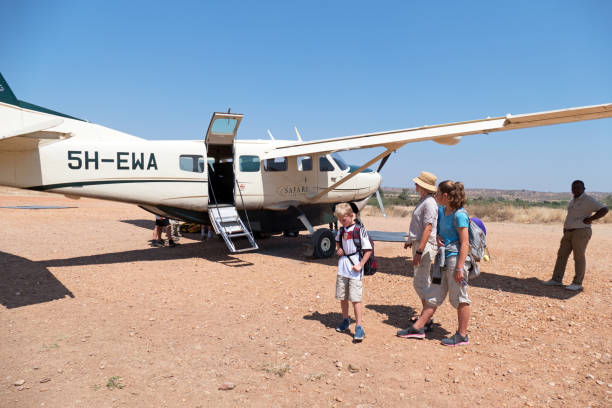

6-Day Rwenzori Advance Trek for Experienced Climbers: Expert Guide
The Rwenzori Mountains, often called the “Mountains of the Moon,” present a formidable yet rewarding challenge for seasoned trekkers. For those seeking an elevated experience beyond standard routes, a 6-Day Rwenzori Advance Trek for Experienced Climbers offers a concentrated journey into the heart of this unique Afro-alpine landscape. This trek is designed for individuals with prior high-altitude trekking or climbing experience, who are comfortable with rugged terrain, significant elevation gains, and potentially challenging weather conditions. This guide will walk you through everything you need to know to plan and execute a successful expedition, from itinerary specifics to essential preparation, ensuring your adventure in 2026 or 2027 is both safe and unforgettable.
Table of Contents
- Quick Facts: 6-Day Rwenzori Advance Trek
- Overview of the Rwenzori Advance Trek
- Why Choose an Advance Trek?
- Best Time for Your 6-Day Rwenzori Advance Trek
- Route Illustration: A Typical 6-Day Itinerary
- Day 1: Arrival and Nyakalengija to Nyabitaba Camp
- Day 2: Nyabitaba Camp to John Matte Camp
- Day 3: John Matte Camp to Bujuku Camp
- Day 4: Bujuku Camp to Mt Stanley Base Camp (Elena Hut)
- Day 5: Summit Attempt (Margherita Peak) and Descent to John Matte
- Day 6: John Matte to Nyakalengija and Departure
- What to Expect on the Trek
- Physical and Technical Preparation
- Essential Gear and Packing List
- Common Mistakes to Avoid
- Who is the 6-Day Rwenzori Advance Trek Best Suited For?
- Alternatives to the 6-Day Advance Trek
- Planning Your 2026-2027 Trek
- Booking Your 6-Day Rwenzori Advance Trek
- Frequently Asked Questions (FAQs)
Quick Facts: 6-Day Rwenzori Advance Trek
| Aspect | Details |
|---|---|
| Duration | 6 Days / 5 Nights |
| Difficulty | Challenging to Strenuous |
| Altitude | Up to 5,109m (16,763 ft) at Margherita Peak |
| Terrain | Muddy trails, steep ascents, rocky sections, glaciers (for Margherita Peak) |
| Required Experience | Prior high-altitude trekking, good fitness, basic climbing skills (for Margherita) |
| Starting Point | Nyakalengija (Kasese District, Uganda) |
| Accommodation | Mountain huts and basic camps |
| Best Season | June-August and December-February (dry seasons) |
Overview of the Rwenzori Advance Trek
The Rwenzori Mountains are a UNESCO World Heritage Site, renowned for their unique biodiversity and dramatic, glaciated peaks. Unlike Kilimanjaro, which is a solitary volcanic cone, the Rwenzori range is a complex massif with multiple summits and diverse ecosystems, transitioning from dense rainforests at the base to high-altitude moorlands, bamboo zones, and finally, permanent snow and ice fields. The 6-Day Rwenzori Advance Trek for Experienced Climbers typically follows a condensed version of the more extensive routes, focusing on reaching the higher altitudes and potentially the summit of Margherita Peak on Mount Stanley. This itinerary is designed for efficiency, requiring a good pace and a solid level of fitness from participants.
This trek is not for the faint of heart. It demands resilience, adaptability, and a genuine passion for challenging mountain environments. The trails can be extremely muddy, especially after rain, and the weather is notoriously unpredictable, with mist, rain, and even snow possible at any time of year. However, the rewards are immense: unparalleled views, a sense of accomplishment, and an intimate experience with one of Africa’s most magnificent natural wonders.
Why Choose an Advance Trek?
For experienced climbers, a standard trek might not offer the level of challenge or the specific objectives desired. An advance trek, like the 6-day itinerary, is tailored to:
- Higher Altitude Objectives: It aims for higher camps and potentially summit attempts on peaks like Margherita, which requires more technical skills and acclimatization than lower-altitude treks.
- Condensed Challenge: It packs a significant amount of elevation gain and distance into a shorter timeframe, demanding peak physical condition and mental fortitude.
- Specific Skill Development: If your goal is to practice or utilize basic mountaineering skills like crampon and ice axe use (required for Margherita Peak), this trek provides that opportunity.
- Efficiency: For those with limited time but a strong desire for a serious mountain challenge, a 6-day trek offers a substantial experience without requiring two weeks.
This trek is about pushing your limits and experiencing the Rwenzori at its most demanding, focusing on the higher, more technical sections of the range.
Best Time for Your 6-Day Rwenzori Advance Trek
The Rwenzori Mountains experience two distinct wet and dry seasons. For the 6-Day Rwenzori Advance Trek for Experienced Climbers, aiming for the dry seasons is highly recommended to maximize your chances of good weather, clearer views, and safer trekking conditions, especially on higher, exposed sections.
- Dry Season 1: June to August. This period generally offers the most stable weather, with less rainfall and more sunshine. It’s a popular time for trekking.
- Dry Season 2: December to February. This season also provides good trekking conditions, though it can be colder.
The wet seasons (March-May and September-November) see increased rainfall, leading to very muddy trails, reduced visibility, and potentially more challenging river crossings. While trekking is possible, it’s significantly tougher and less enjoyable for most. Planning your 2026 or 2027 trek during these dry windows will greatly enhance your experience.
Route Illustration: A Typical 6-Day Itinerary
The following itinerary is a common structure for a 6-day advance trek, often focusing on the Central Circuit towards Margherita Peak. This route is demanding and requires good acclimatization and fitness.
Simplified Route Flow
- Nyakalengija (Base)
- Nyabitaba Camp (Rainforest Zone)
- John Matte Camp (Bamboo Zone)
- Bujuku Camp (Moorland Zone)
- Elena Hut / Mt Stanley Base Camp (High Altitude Zone)
- Margherita Peak (Summit – optional, weather dependent)
- Descent via John Matte Camp
- Return to Nyakalengija
Day 1: Arrival and Nyakalengija to Nyabitaba Camp
Your trek begins at the Rwenzori Mountains National Park headquarters in Nyakalengija (around 1,646m / 5,400 ft). After completing park formalities and meeting your guides and porters, you’ll start the ascent through dense montane forest. The trail is steep and can be muddy, with a significant elevation gain. You’ll pass waterfalls and enjoy the rich biodiversity of the lower slopes.
- Distance: Approx. 10 km
- Time: 5-7 hours
- Altitude Gain: Approx. 1,046m (to 2,650m / 8,694 ft)
- Highlights: Lush rainforest, waterfalls, birdlife.
Day 2: Nyabitaba Camp to John Matte Camp
Today’s trek takes you out of the forest and into the bamboo zone. The trail remains challenging, often steep and muddy, with some sections requiring careful footing. You’ll cross the Mahoma River and ascend steadily. The scenery begins to change as you gain altitude, offering glimpses of the higher peaks through the clouds.
- Distance: Approx. 7 km
- Time: 4-6 hours
- Altitude Gain: Approx. 500m (to 3,150m / 10,335 ft)
- Highlights: Bamboo forest, river crossings, increasing mountain views.
Day 3: John Matte Camp to Bujuku Camp
This is a significant day as you enter the high-altitude moorland zone. The trail involves crossing the Bujuku River (which can be challenging, especially after rain) and then climbing steeply towards Bujuku Camp. You’ll be surrounded by giant heathers, groundsels, and lobelias, creating an otherworldly landscape. The views of Mount Speke and Mount Stanley become more prominent.
- Distance: Approx. 5 km
- Time: 3-5 hours
- Altitude Gain: Approx. 400m (to 3,550m / 11,647 ft)
- Highlights: Moorland vegetation, iconic Rwenzori flora, views of major peaks.
Day 4: Bujuku Camp to Mt Stanley Base Camp (Elena Hut)
This is a critical day for acclimatization and preparation for the summit attempt. You will ascend towards the Mount Stanley massif, reaching Elena Hut (4,500m / 14,764 ft), which serves as the base camp for Margherita Peak. The terrain becomes rocky and more exposed. Depending on conditions and your group’s pace, you might begin the acclimatization process at higher altitudes. This is a strenuous day with significant elevation gain.
- Distance: Approx. 6 km
- Time: 4-6 hours
- Altitude Gain: Approx. 950m (to 4,500m / 14,764 ft)
- Highlights: High alpine environment, rocky terrain, proximity to glaciers, stunning vistas.
Day 5: Summit Attempt (Margherita Peak) and Descent to John Matte
This is the most challenging day. You’ll typically start in the pre-dawn hours for the summit attempt on Margherita Peak (5,109m / 16,763 ft). This involves navigating rocky sections, scree slopes, and potentially crossing glaciers. You will need to use crampons and an ice axe, and guides will assist with ropes where necessary. The ascent is demanding due to altitude, steepness, and potential ice/snow conditions. Reaching the summit offers incredible views, weather permitting. After the summit push, you’ll descend back to John Matte Camp (3,150m / 10,335 ft), a long and tiring day.
- Distance: Approx. 12 km (round trip to summit and descent)
- Time: 10-14 hours (summit day is very long)
- Altitude Change: Gain up to 5,109m, then descend to 3,150m
- Highlights: Margherita Peak summit, glacier crossing, challenging mountaineering, long descent.
- Note: Summit success is highly dependent on weather and individual acclimatization. If conditions are too severe or a climber is not coping well, the summit may be abandoned for safety.
Day 6: John Matte to Nyakalengija and Departure
The final day involves descending from John Matte Camp back to Nyakalengija. This is a much quicker descent than the ascent, but the steep, muddy trails can still be challenging on tired legs. You’ll retrace your steps through the bamboo and rainforest zones, enjoying the cooler air and the relief of nearing the end of your trek. Upon arrival at the park headquarters, you’ll have a debrief and then depart for your onward journey.
- Distance: Approx. 12 km
- Time: 4-6 hours
- Altitude Loss: Approx. 1,500m
- Highlights: Final views, sense of accomplishment, return to civilization.
What to Expect on the Trek
The 6-Day Rwenzori Advance Trek for Experienced Climbers offers a raw and authentic mountain experience. Be prepared for:
- Challenging Terrain: Expect steep, slippery, and often very muddy trails. You’ll navigate through dense forests, bamboo thickets, open moorlands, rocky scree, and potentially ice and snow at higher elevations.
- Unpredictable Weather: The Rwenzori are known for rapid weather changes. You can experience sunshine, heavy rain, mist, fog, and even snow within a single day. Temperatures can drop significantly at night and at higher altitudes.
- Altitude Effects: Even on a 6-day trek, altitude can be a factor, especially when pushing towards Elena Hut and Margherita Peak. Symptoms of altitude sickness can occur, and awareness and proper acclimatization are key.
- Basic Accommodation: You will stay in basic mountain huts or tents. Facilities are rudimentary, with no running water or electricity. Expect pit latrines and communal sleeping areas in huts.
- Limited Facilities: There are no shops, restaurants, or communication services on the mountain. Everything you need must be carried in.
- Sense of Remoteness: Once you leave Nyakalengija, you are in a wild and remote environment. The focus is on the trekking experience and the natural beauty.
Physical and Technical Preparation
Given the demanding nature of this trek, rigorous preparation is crucial. This is not a trek to be underestimated, even for experienced hikers.
Physical Training:
- Cardiovascular Fitness: Focus on activities like running, cycling, swimming, and hiking with a weighted pack for at least 3-4 months prior to your trek. Aim for sustained effort over long periods.
- Strength Training: Strengthen your legs (quadriceps, hamstrings, calves) and core. Squats, lunges, step-ups, and core exercises are vital for handling steep ascents and descents with a pack.
- Hiking Practice: Undertake long hikes (6-10 hours) on varied terrain, including steep inclines and declines, ideally with a backpack similar to what you’ll carry. Practice on consecutive days if possible to simulate the trekking experience.
- Altitude Experience: If possible, try to do some hiking at higher altitudes before your Rwenzori trek to gauge your body’s response.
Technical Skills (for Margherita Peak):
If your objective is Margherita Peak, some basic mountaineering skills are necessary:
- Crampon Use: Practice walking with crampons on icy or hard-snow surfaces.
- Ice Axe Use: Understand how to hold and use an ice axe for balance and self-arrest (though self-arrest is less common on the Rwenzori than on steeper alpine routes, understanding its principles is good).
- Rope Techniques: While guides will manage ropes, understanding basic knots and how to move efficiently on a rope is beneficial.
Many tour operators can arrange for basic mountaineering training in Uganda before the trek, or you may need to seek this training independently if you have no prior experience. For a 6-Day Rwenzori Advance Trek for Experienced Climbers, prior experience with these skills is highly recommended.
Essential Gear and Packing List
Proper gear is paramount for safety and comfort in the Rwenzori. Layering is key due to the variable weather.
Clothing:
- Base Layers: Moisture-wicking thermal tops and bottoms (merino wool or synthetic).
- Mid Layers: Fleece jacket or insulated jacket for warmth.
- Outer Layers: Waterproof and windproof jacket and trousers (Gore-Tex or similar).
- Trekking Trousers: Quick-drying, durable trekking pants (avoid cotton).
- Insulated Jacket: A warm down or synthetic puffy jacket for cold evenings and summit attempts.
- Hats: Warm woolen hat, sun hat, and a balaclava or neck gaiter.
- Gloves: Warm, waterproof gloves or mittens, and liner gloves.
- Socks: Several pairs of warm, moisture-wicking hiking socks (wool or synthetic).
Footwear:
- Hiking Boots: Sturdy, waterproof, broken-in hiking boots with good ankle support.
- Camp Shoes: Lightweight trainers or sandals for use in camp.
- Gaiters: Essential for keeping mud and water out of your boots.
Mountaineering Gear (for Margherita Peak):
- Crampons: For icy/snowy conditions.
- Ice Axe: For balance and safety on steeper sections.
- Climbing Helmet: For protection against falling rocks or ice.
- Harness and Carabiners: If required by your guide for specific sections.
Equipment:
- Backpack: 50-70 liter capacity, comfortable and waterproof.
- Daypack: Small daypack for essentials during summit attempts or day hikes.
- Sleeping Bag: A warm, 4-season sleeping bag (-10°C to -20°C comfort rating recommended).
- Sleeping Pad: If not provided, for added insulation and comfort.
- Headlamp: With extra batteries.
- Trekking Poles: Highly recommended for stability and reducing knee strain.
- Water Bottles/Hydration Reservoir: At least 2-3 liters capacity.
- Water Purification: Filter, tablets, or UV purifier.
- Sun Protection: High SPF sunscreen, sunglasses, lip balm.
- First-Aid Kit: Personal medications, blister treatment, pain relievers, antiseptic wipes.
- Toiletries: Biodegradable soap, toothbrush, toothpaste, wet wipes.
- Camera and Power Bank: To capture the stunning scenery.
- Duffel Bag: For porters to carry your main gear (waterproof).
Documents & Money:
- Passport and Visa
- Trekking Permits
- Travel Insurance Details
- Emergency Contact Information
- Cash (USD for tips, local currency for incidental purchases)
Common Mistakes to Avoid
To ensure a successful 6-Day Rwenzori Advance Trek for Experienced Climbers, be aware of these common pitfalls:
- Underestimating the Difficulty: Even experienced trekkers can be surprised by the Rwenzori’s challenging conditions. Don’t assume your past treks automatically prepare you.
- Inadequate Physical Training: Insufficient preparation leads to fatigue, increased risk of injury, and reduced enjoyment.
- Ignoring Altitude Symptoms: Pushing on despite signs of altitude sickness can lead to serious health issues. Listen to your body and your guide.
- Poor Gear Choices: Wearing cotton, not having waterproof gear, or using ill-fitting boots can ruin your trek and pose safety risks.
- Not Packing Enough Warm Layers: The Rwenzori can be surprisingly cold, especially at night and on summit day.
- Dehydration: Even in cold weather, it’s crucial to drink plenty of water.
- Lack of Flexibility: Weather and trail conditions can force itinerary changes. Be prepared to adapt.
- Not Booking with a Reputable Operator: Safety, logistics, and the quality of guides and porters depend heavily on your tour provider.
Who is the 6-Day Rwenzori Advance Trek Best Suited For?
This specific trek is designed for a niche group of adventurers:
- Experienced Hikers/Trekkers: Individuals who have completed multi-day treks at moderate to high altitudes and are comfortable with challenging ascents and descents.
- Aspiring Mountaineers: Those looking to gain experience on snow and ice, potentially as a stepping stone to more technical climbs.
- Fit and Resilient Individuals: People with excellent physical fitness, mental toughness, and a good tolerance for adverse weather and basic conditions.
- Adventurous Spirits: Travelers who seek a genuine wilderness experience and are not deterred by rugged trails, mud, and unpredictable weather.
- Those Targeting Margherita Peak: The 6-day itinerary is often structured to include an attempt on the highest peak, requiring a specific objective beyond just trekking.
It is generally not suitable for beginners, those with recent injuries, or individuals who prefer comfortable trekking with guaranteed amenities.
Alternatives to the 6-Day Advance Trek
If the 6-day advance trek seems too ambitious or doesn’t quite fit your goals, consider these alternatives:
- Standard Rwenzori Treks (e.g., 7-10 days): These routes, like the longer Central Circuit, offer more time for acclimatization, explore more of the range, and are less rushed. They might still include opportunities for summit attempts on lower peaks.
- Non-Summit Rwenzori Treks: Focus on exploring the stunning landscapes and unique flora of the lower and middle altitudes (e.g., up to Bujuku Camp) without the pressure or technical demands of reaching Margherita Peak.
- Mount Kilimanjaro: For a challenging high-altitude climb with less technical difficulty (no ice axe/crampons required unless conditions are extreme), Kilimanjaro is a popular choice. It’s a more defined route with better-established camps and rescue services.
- Mount Kenya: Offers a variety of routes, from trekking to technical climbs on its three main peaks (Point Lenana is a trekking summit). It’s another excellent high-altitude option in East Africa.
When choosing, consider your fitness, experience, time availability, and the specific mountain environment you wish to experience. For a 6-Day Rwenzori Advance Trek for Experienced Climbers, the focus is on intensity and reaching higher, more technical ground.
Planning Your 2026-2027 Trek
Successful planning is key to a rewarding Rwenzori expedition. Here are essential considerations for your 2026 or 2027 adventure:
Key Planning Steps:
- Choose Your Dates: Aim for the dry seasons (June-Aug or Dec-Feb) for the best conditions. Book well in advance, especially for peak seasons in 2026 and 2027.
- Select a Reputable Tour Operator: This is critical for safety, logistics, permits, and porter support. Ensure they have experience in the Rwenzori and understand advance treks.
- Book Your Trek: Confirm your itinerary, inclusions, and exclusions with your chosen operator.
- Secure Permits: Your operator will typically handle this, but understand the requirements and costs.
- Obtain Travel Insurance: Ensure it covers high-altitude trekking and emergency evacuation.
- Medical Check-up: Consult your doctor about high-altitude travel and necessary vaccinations.
- Physical Training: Begin your training regimen at least 3-4 months in advance.
- Gear Acquisition: Purchase or rent necessary gear, ensuring everything is suitable for cold, wet conditions. Test your boots and equipment beforehand.
- Visa Requirements: Check Uganda’s visa requirements for your nationality.
- Flight Bookings: Book flights to Entebbe International Airport (EBB) or potentially to Kasese Airstrip (if available and practical).
- Ground Transportation: Arrange transfers from the airport to your starting point in Kasese/Nyakalengija.
- Acclimatization Strategy: Discuss acclimatization with your guide. Sometimes, spending a day or two in the Kasese area before starting the trek can be beneficial.
Planning ahead for 2026-2027 will give you the best options for dates, operators, and ensure you are well-prepared for this challenging trek.
Booking Your 6-Day Rwenzori Advance Trek
Choosing the right tour operator is paramount for a safe and successful 6-Day Rwenzori Advance Trek for Experienced Climbers. Here’s what to look for and how to proceed:
What to Look For in an Operator:
- Experience: Do they specialize in Rwenzori treks? Do they have a track record of successful advance treks and summit attempts?
- Safety Standards: What are their emergency procedures? Do they carry comprehensive first-aid kits and satellite phones? Are their guides certified and experienced in high-altitude rescue?
- Guide Qualifications: Ensure guides are experienced with the Rwenzori terrain, weather, and have wilderness first aid training. For Margherita, guides should have mountaineering experience.
- Porter Welfare: A reputable operator treats their porters ethically, providing fair wages, adequate food, and appropriate gear.
- Inclusions and Exclusions: Clearly understand what is covered (permits, park fees, guides, porters, food, accommodation, transport) and what is not (tips, personal gear, insurance, drinks, potential rescue costs).
- Group Size: Smaller groups often mean more personalized attention and potentially less environmental impact.
- Reviews and Testimonials: Look for feedback from previous clients, especially those who have done similar challenging treks.
Booking Process:
- Initial Contact: Reach out to a few operators to discuss your interest in the 6-day advance trek.
- Request Detailed Itinerary and Quote: Ask for a comprehensive day-by-day plan, a list of inclusions/exclusions, and pricing.
- Ask Questions: Don’t hesitate to ask about guide experience, safety protocols, acclimatization advice, and gear requirements.
- Deposit and Confirmation: Once you choose an operator, you’ll typically pay a deposit to secure your booking.
- Pre-Trek Communication: Your operator should provide detailed pre-trek information, including packing lists and training recommendations.
- Final Payment: Make the final payment as per the agreed schedule.
For your 2026 or 2027 trek, starting your research and booking process at least 6-12 months in advance is highly recommended, especially if aiming for peak season.
Ready to plan your 6-Day Rwenzori Advance Trek for Experienced Climbers? Contact us for expert advice and tailored itineraries.
WhatsApp: +255616946642
Email: topguideadventures@gmail.com
Backup Email: info@topguideadventures.com
Frequently Asked Questions (FAQs)
1. Is the 6-Day Rwenzori Advance Trek suitable for beginners?
No, this trek is specifically designed for experienced climbers and trekkers. The terrain is challenging, the altitude gain is significant, and reaching higher peaks like Margherita involves technical elements. Beginners should consider shorter, less demanding routes in the Rwenzori or other mountains.
2. Do I need technical climbing skills for Margherita Peak?
Yes, attempting Margherita Peak requires basic mountaineering skills. You will need to use crampons and an ice axe on glaciers and potentially steep snow/ice. While guides will assist, prior experience is highly recommended for safety and efficiency. If you don’t have these skills, consider a trek focused on lower peaks or one that includes pre-trek training.
3. What is the success rate for Margherita Peak?
The success rate varies greatly depending on weather conditions, individual fitness, and acclimatization. In good weather, experienced trekkers have a reasonable chance, but it’s never guaranteed. Many factors, including fog, ice, and fatigue, can prevent reaching the summit. Flexibility and a focus on safety are paramount.
4. How challenging is the mud in the Rwenzori?
The mud can be extremely challenging, especially in the lower and middle sections. Trails can become deep, slippery, and exhausting to navigate. Good waterproof boots, gaiters, and trekking poles are essential. The mud is a defining characteristic of Rwenzori trekking.
5. What is the altitude sickness policy?
Your guides are trained to monitor for signs of altitude sickness. If symptoms become severe, evacuation may be necessary. It’s crucial to communicate any discomfort to your guide immediately. While a 6-day itinerary is short for significant acclimatization, proper pacing and hydration are key.
6. Can I trek the Rwenzori in the wet season?
Trekking is possible year-round, but the wet seasons (March-May, September-November) present significant challenges. Trails are exceptionally muddy, river crossings can be dangerous, and visibility is often poor. The dry seasons (June-August, December-February) are strongly recommended for the 6-Day Rwenzori Advance Trek for Experienced Climbers.
7. What is the typical cost of a 6-day Rwenzori trek?
Exact prices vary significantly based on the operator, group size, and inclusions. A rough estimate for a 6-day trek package, including permits, guides, porters, food, and basic accommodation, could range from $1200 to $2500+ USD per person. Summit attempts on Margherita Peak may incur additional costs for specialized guides or equipment rental. It is best to get direct quotes from reputable operators for 2026-2027.
8. How much should I tip my guides and porters?
Tipping is customary and greatly appreciated. A common guideline is around $10-15 USD per day for the lead guide, $8-12 USD per day for assistant guides, and $5-8 USD per day for porters. Your tour operator will usually provide specific recommendations. It’s best to pool tips for the team at the end of the trek. Ensure you have enough cash in smaller denominations.
9. What are the accommodation conditions like?
Accommodation consists of basic mountain huts or tents. Huts often have communal sleeping areas with bunk beds. Facilities are very basic, usually including pit latrines and a communal dining area. Expect no running water, electricity, or heating. Bring a warm sleeping bag and be prepared for simple living.
10. Is it possible to arrange a custom 6-day trek?
Yes, many tour operators offer custom itineraries. If you have specific goals, time constraints, or preferences, discuss them with your operator. A custom 6-Day Rwenzori Advance Trek for Experienced Climbers can be tailored to your needs, but always ensure it aligns with safety and acclimatization principles.
Your Rwenzori Adventure Awaits
The 6-Day Rwenzori Advance Trek for Experienced Climbers is an expedition that promises unparalleled adventure and a profound connection with one of Africa’s most awe-inspiring mountain ranges. It demands preparation, respect for the environment, and a spirit of resilience. For those who meet the challenge, the memories and the sense of accomplishment will last a lifetime.
Planning your 2026 or 2027 trek with a trusted partner is the first step towards this incredible journey. Let us help you craft an unforgettable experience in the Mountains of the Moon.
Contact us today to start planning your 6-Day Rwenzori Advance Trek for Experienced Climbers!
WhatsApp: +255616946642
Email: topguideadventures@gmail.com
Backup Email: info@topguideadventures.com
Plan your 6-Day Rwenzori Advance Trek for Experienced Climbers with Top Guide Adventures
Tell us your travel dates, group size, comfort level, and dream experience. We will help you shape a clear, realistic, and memorable Tanzania itinerary.







 Veedesigner
 Fatma Kizanga
 Benjamin Waryuba
 Philip Philip
 John jr Itaja
 Antonia Optatus
 Edith Kanyere
 Neema Iddy
 Kelvin Boniphace
 Damari Maiga



