
Updated planning guide for 2026-2027
5-Day Student Research Trip — Primate Ecology Study: Complete Guide
A comprehensive guide for students planning a 5-day research trip focused on primate ecology in Tanzania. Learn about potential itineraries, essential preparations, what to expect, and how to book your educational adventure.
WhatsApp +255616946642 | topguideadventures@gmail.com | info@topguideadventures.com
5-Day Student Research Trip: Primate Ecology Study Essential Guide
A 5-day student research trip focused on primate ecology in Tanzania offers an unparalleled opportunity for hands-on learning and scientific observation. Tanzania, renowned for its rich biodiversity and significant primate populations, provides an ideal living laboratory for aspiring ecologists and primatologists. This guide details how to plan, execute, and make the most of such an intensive, short-duration study.
This focused expedition allows students to immerse themselves in the study of primates within their natural habitats, contributing valuable data and gaining practical experience that classroom learning cannot replicate. Whether you are an undergraduate group, a postgraduate team, or an independent student researcher, a well-structured 5-day trip can yield significant insights.
Quick Facts: 5-Day Student Primate Ecology Research Trip
| Aspect | Details |
|---|---|
| Duration | 5 Days / 4 Nights |
| Primary Focus | Primate Ecology Study |
| Key Locations (Tanzania) | Gombe Stream National Park, Mahale Mountains National Park, Kibale Forest National Park (Uganda, often combined with Tanzania), Arusha National Park (for Colobus monkeys). |
| Target Primates | Chimpanzees, Baboons, Colobus Monkeys, Blue Monkeys, Vervet Monkeys, Red-tailed Monkeys. |
| Activities | Primate observation, data collection (behavioral, population), habitat assessment, field note-taking, guided walks, lectures/briefings. |
| Best Time to Travel | June to October (dry season), January to February (short dry season). |
| Accommodation | Tented camps, lodges, research stations. |
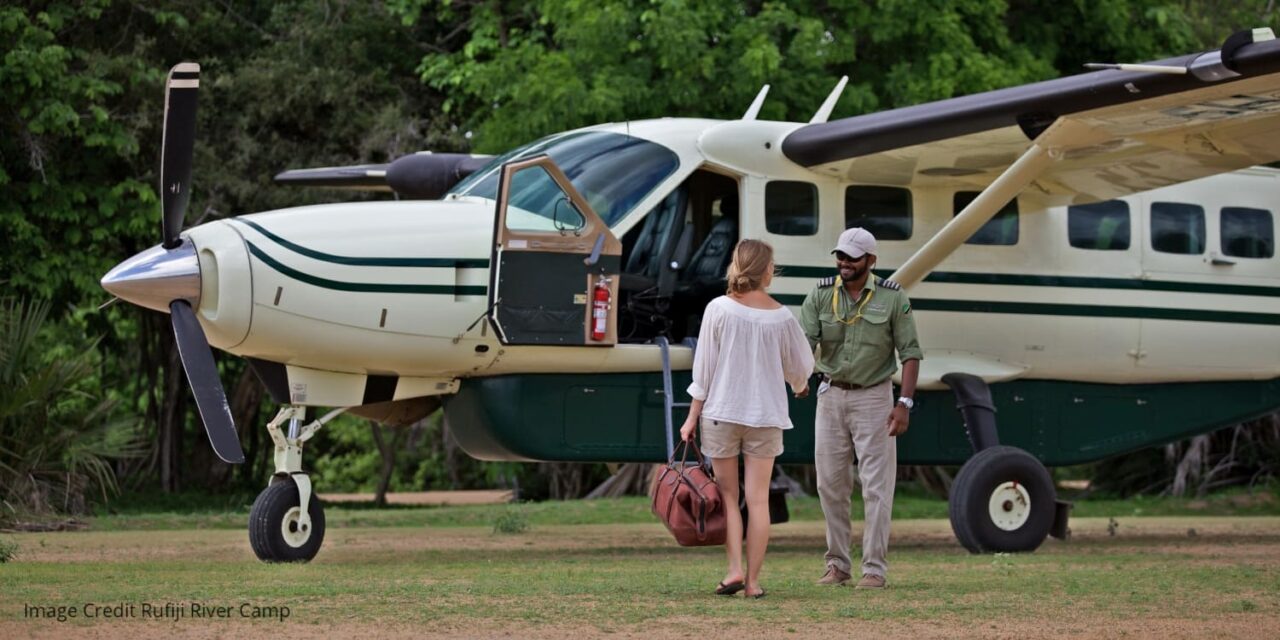
| Logistics | Requires internal flights, boat transfers, and ground transport; often involves remote access. |
Understanding the Importance of Primate Ecology Study in Tanzania
Tanzania is a global hotspot for primate diversity. Its protected areas, such as Gombe Stream and Mahale Mountains National Parks, are world-famous for their chimpanzee populations, notably studied by Jane Goodall and Toshisada Nishida. These ecosystems are vital for understanding primate behavior, social structures, feeding habits, and their roles within the broader ecological landscape. A student research trip here is not just academic; it’s a chance to witness conservation efforts firsthand and appreciate the challenges facing these species.
Studying primate ecology helps us understand:
- Primate-human interactions and their impact.
- The effects of habitat fragmentation and climate change on primate populations.
- The complex social dynamics and communication within primate groups.
- The role of primates as seed dispersers and their influence on forest health.
- Conservation strategies and their effectiveness.
For students, this field experience provides critical skills in observation, data recording, scientific methodology, and critical thinking, all within an environment of immense natural beauty and scientific significance. The short duration of a 5-day trip necessitates a highly focused research question and efficient planning.
Choosing Your Primate Research Location
For a 5-day trip, focusing on one primary location is crucial for maximizing research time and minimizing travel-related stress. Here are the most relevant options:
Gombe Stream National Park
Specialty: Famous for its habituated chimpanzees, studied extensively by Jane Goodall. Also home to olive baboons, vervet monkeys, and red-tailed monkeys.
Research Opportunities: Excellent for observational studies of chimpanzee behavior, social interactions, and feeding patterns. Baboon troop dynamics are also a significant area of study.
Logistics: Accessible via flight to Kigoma town, followed by a boat transfer to the park. Accommodation is typically in lodges or campsites within or near the park.
Mahale Mountains National Park
Specialty: Also renowned for its chimpanzee population, particularly the Mako group. Offers a more remote and wilder experience than Gombe. Other primates include red colobus and red-tailed monkeys.
Research Opportunities: Ideal for studying wilder chimpanzee behavior, troop movements, and intergroup dynamics. The dense forest offers unique challenges and opportunities for observing other arboreal primates.
Logistics: Requires flights to Kigoma, followed by a longer boat transfer. This park is more challenging to access, making it less ideal for a very short 5-day trip unless travel time is meticulously managed.
Arusha National Park
Specialty: While not a primary chimpanzee site, it is excellent for studying the endangered black-and-white colobus monkeys and blue monkeys in a more accessible environment. It also hosts other wildlife.
Research Opportunities: Focus on colobus monkey social structures, diet, and habitat use. The park’s varied terrain also allows for ecological assessments.
Logistics: Easily accessible from Arusha town, making it logistically simpler for a short trip. Day visits or overnight stays are feasible.
Considerations for a 5-Day Window:
For a 5-day student research trip, Gombe Stream National Park or Arusha National Park often present the most practical choices. Gombe offers the iconic chimpanzee research experience with relatively manageable logistics from Kigoma. Arusha provides excellent primate observation opportunities with significantly less travel time, allowing more actual research days.
Sample 5-Day Student Primate Ecology Research Itinerary (Gombe Stream Focus)
This itinerary prioritizes maximizing research time in Gombe, acknowledging that travel days will consume a portion of the 5 days.
Day 1: Arrival in Kigoma & Transfer to Gombe
- Morning: Arrive at Kigoma Airport (TKQ). Meet your local guide/driver.
- Transfer to Kigoma harbor.
- Boat transfer to Gombe Stream National Park (approx. 1-2 hours, depending on lodge location).
- Check into your chosen accommodation (e.g., Gombe Forest Lodge, official campsites).
- Afternoon: Briefing on park rules, research protocols, and primate observation guidelines. Short introductory walk to familiarize with the surroundings and potential primate sightings near the lodge.
- Evening: Dinner and preparation for the next day’s intensive research.
Day 2: Chimpanzee Research & Observation
- Early Morning: Head out with your guide for a full day of chimpanzee tracking and observation. Focus on a specific troop or behavior.
- Data Collection: Record behavioral patterns, social interactions, feeding activities, and group composition. Utilize pre-defined ethograms if applicable.
- Midday: Packed lunch in the forest. Continue observations.
- Late Afternoon: Return to the lodge. Debrief, data entry, and discussion of findings.
Day 3: Focus on Other Primate Species & Habitat
- Morning: Focus on observing other primate species like olive baboons, vervet monkeys, or red-tailed monkeys in different areas of the park.
- Habitat Assessment: Collect data on vegetation types, food sources available to primates, and potential habitat threats.
- Afternoon: Guided forest walk focusing on ecological aspects – plant identification, insect life, bird species, and their relationship to the primate habitat.
- Evening: Data review and preparation for the final day.
Day 4: Advanced Observation / Specific Research Question
- Full Day: Dedicate this day to a specific research question. This could involve focusing on infant care, inter-group conflict, specific feeding ecology, or territoriality.
- Observation Techniques: Employ specific observational methods as per your research plan.
- Data Consolidation: Ensure all collected data is organized and backed up.
- Evening: Final debriefing session with your guide. Pack and prepare for departure.
Day 5: Departure from Gombe
- Morning: Breakfast at the lodge.
- Boat transfer back to Kigoma.
- Transfer to Kigoma Airport for your onward flight.
Note: This itinerary is a template. Actual chimpanzee sightings are not guaranteed, and tracking can be physically demanding. Flexibility is key. Travel time to and from Kigoma will add to the overall trip duration, potentially reducing actual field research days to 2-3 depending on flight schedules.
Detailed Planning and Preparation for Your Trip
A successful 5-day research trip hinges on meticulous planning. Given the short timeframe, every detail counts.
Research Proposal and Objectives
- Define a Clear Question: What specific aspect of primate ecology will you investigate? Keep it focused and achievable within 5 days. Examples: “Behavioral repertoire of adult female chimpanzees during the dry season,” “Interactions between vervet monkeys and baboons at water sources,” “Habitat preference of black-and-white colobus monkeys in Arusha NP.”
- Methodology: How will you collect data? (e.g., Ad libitum sampling, scan sampling, focal animal sampling). Ensure your methods are appropriate for the species and location.
- Ethical Considerations: Familiarize yourself with ethical guidelines for wildlife observation and research. Maintain a safe distance, avoid disturbing animals, and never feed them.
Logistical Planning
- Best Time to Travel (2026-2027): The dry seasons (June-October and January-February) are generally best for primate tracking as animals may congregate around reliable water sources, and trails are less muddy. However, primate behavior can vary, and research can be conducted year-round.
- Flights: Book international flights to Kilimanjaro International Airport (JRO) or Julius Nyerere International Airport (DAR). Internal flights will be needed to reach hubs like Kigoma (TKQ).
- Accommodation: Book lodges or tented camps well in advance. Research stations might be an option for more dedicated research groups.
- Park Permits & Fees: These must be arranged, often through your tour operator. Research fees can be substantial.
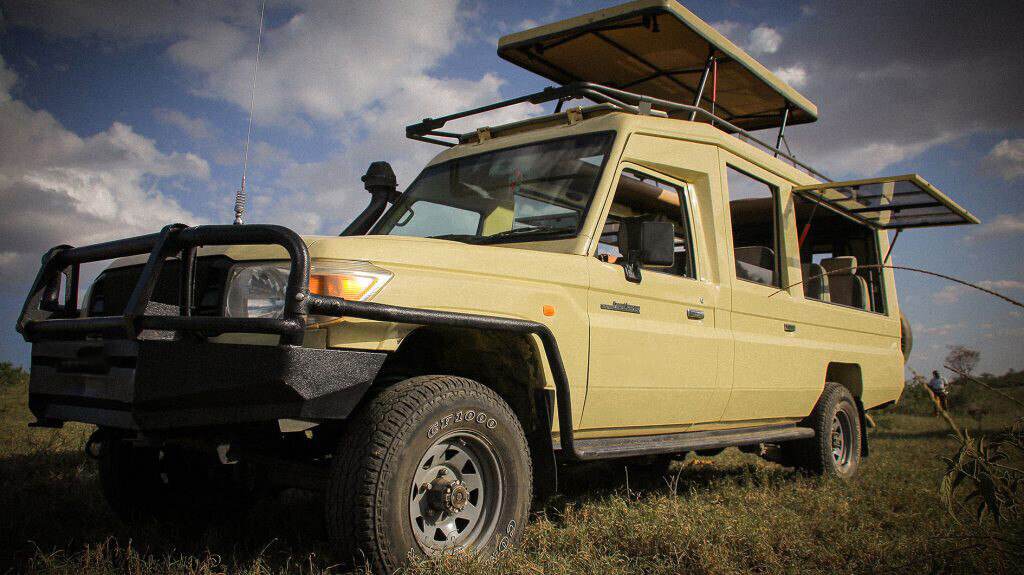
- Transportation: Factor in boat transfers (Gombe/Mahale) and potential 4×4 vehicle hire for transfers to park gates.
- Guides: Essential for navigation, safety, and understanding local ecology. Your tour operator will arrange experienced guides.
Academic/Institutional Requirements
- Research Permits: Depending on the scope of your research, you may need research permits from Tanzanian authorities (e.g., Tanzania Commission for Science and Technology – COSTECH). This process can take months and is often handled by the tour operator or your institution. For a short student trip focused on observation and data collection that doesn’t involve sample collection or invasive methods, permits might be simplified, but it’s crucial to clarify.
- Institutional Approval: Ensure your university or research institution approves your trip and research plan.
Packing and Equipment
Pack light but smart. Focus on essentials for fieldwork and a remote environment.
Clothing:
- Lightweight, breathable long-sleeved shirts and trousers (neutral colors like khaki, green, brown – avoid bright colors).
- Waterproof and windproof jacket.
- Comfortable, sturdy hiking boots (broken in!).
- Several pairs of moisture-wicking socks.
- Hat for sun protection.
- Rain poncho.
- Swimsuit (if accommodation has facilities).
Gear:
- Backpack (day pack for field use).
- Binoculars (essential for primate observation).
- Camera with extra batteries and memory cards.
- Field notebook and pens/pencils (waterproof if possible).
- Headlamp or flashlight with extra batteries.
- Reusable water bottle.
- Basic first-aid kit (including personal medications, insect repellent with DEET, antiseptic wipes, bandages, pain relievers).
- Sunscreen (high SPF).
- Hand sanitizer.
- Power bank/portable charger.
- Adapter for Tanzanian electrical outlets (Type D, G).
Research-Specific Equipment:
- Your pre-designed data sheets or digital data collection tools.
- Species identification guides (if applicable).
- GPS device (optional, check park regulations).
Health and Safety
- Vaccinations: Consult your doctor or a travel clinic well in advance regarding recommended vaccinations (e.g., Yellow Fever, Hepatitis A/B, Typhoid) and malaria prophylaxis.
- Travel Insurance: Comprehensive travel insurance covering medical emergencies, evacuation, and trip cancellation is mandatory.
- Malaria Prevention: Take prescribed antimalarial medication and use insect repellent diligently.
- Water: Drink only bottled or purified water.
- Wildlife Encounters: Always follow your guide’s instructions. Maintain a safe distance from all wildlife, especially primates. Never approach or feed animals.
- Remote Location: Be aware that medical facilities are basic and far from major centers. Your guide will have a first-aid kit and communication methods.
What to Expect During Your Primate Ecology Research Trip
A 5-day research trip is intense and rewarding, but it comes with specific expectations.
Daily Routine
Expect early mornings (dawn is often the best time for primate activity) and long hours in the field. Days will involve hiking, sometimes through dense forest, to locate primate groups. Data collection requires patience and focus.
Accommodation and Facilities
Accommodation ranges from basic but comfortable lodges and tented camps to more rustic research station facilities. Expect limited electricity, no Wi-Fi, and simple meals. Embrace the remoteness.
Primate Sightings
While Gombe and Mahale are known for chimpanzees, sightings are never guaranteed. Tracking can take hours. Patience and a good guide are key. Other monkeys are generally more readily observed.
Physical Demands
The terrain can be steep and challenging. You’ll be hiking in humid conditions, often on uneven paths. A reasonable level of fitness is required.
Data Collection
Be prepared for meticulous data recording. Whether digital or paper-based, accuracy and consistency are vital. You’ll need to be observant and analytical.
Interaction with Local Communities and Guides
Your guides are invaluable. They possess deep knowledge of the area, wildlife, and local culture. Engage respectfully, ask questions, and learn from them. Interactions with local communities may be limited on a short research trip but are important to consider for broader ecological understanding.
Common Mistakes to Avoid
To ensure your 5-day research trip is productive and safe, be aware of these common pitfalls:
- Overly Ambitious Research Scope: Trying to study too much in 5 days. Focus on a narrow, well-defined question.
- Underestimating Travel Time: Tanzania is vast. Factor in significant travel time to remote locations, which eats into research days.
- Inadequate Preparation: Not booking flights, accommodation, or necessary permits well in advance.
- Poor Packing: Forgetting essential gear like binoculars, reliable notebooks, or appropriate clothing.
- Ignoring Health Precautions: Skipping vaccinations, not taking malaria precautions, or not having adequate travel insurance.
- Disturbing Wildlife: Getting too close, making loud noises, or attempting to feed primates. This is unethical and can be dangerous.
- Not Having a Backup Plan: What if your primary research subject isn’t sighted? Have alternative observation targets or data collection methods.
- Not Debriefing Properly: Failing to review and organize data daily, making it harder to synthesize at the end.
Who is a 5-Day Student Research Trip Best Suited For?
This specific type of trip is ideal for:
- Undergraduate Students: Seeking practical experience for dissertations, projects, or to bolster their CVs.
- Postgraduate Students: Conducting preliminary field research for Master’s or PhD theses, or specific data collection phases.
- Biology/Zoology/Ecology Clubs: Organized group expeditions for educational purposes.
- Independent Researchers: With a clear research question and the ability to manage logistics or work with a specialized operator.
- Students Interested in Conservation: Those wanting to understand the practical challenges and methods of primate conservation in the field.
It is less suited for:
- General tourists seeking a relaxed safari.
- Individuals with significant mobility issues or very low fitness levels.
- Those on a very tight budget who cannot afford the specialized logistics and park fees.
Alternatives to a 5-Day Primate Ecology Trip
If a 5-day intensive research trip isn’t feasible or suitable, consider these alternatives:
- Longer Field Study Programs: Many universities and research institutions offer 2-4 week field courses in Tanzania or Uganda, providing more in-depth research opportunities.
- Volunteer Programs: Engage with conservation organizations for longer-term, hands-on involvement. This often requires a commitment of several weeks or months.
- Standard Wildlife Safaris with a Primate Focus: A 7-10 day safari can include visits to parks like Gombe or Mahale, allowing for primate observation alongside other wildlife, but with less dedicated research time.
- Day Trips to Accessible Primate Habitats: For a brief introduction, day trips to places like the Marangu Waterfalls area (near Kilimanjaro) or specific monkey sanctuaries can offer glimpses, though not in-depth research settings.
- Citizen Science Projects: Some organizations run projects where tourists can contribute to data collection, though this is typically less structured than a dedicated research trip.
Planning Your 2026-2027 Trip: Key Considerations
When planning for 2026-2027, start early. The lead time for securing permits, coordinating with research institutions, and booking flights and lodges in remote areas can be substantial.
Timeline:
- 12-18 Months Prior: Define research question, secure institutional approval, identify potential tour operators specializing in research trips.
- 9-12 Months Prior: Finalize research proposal, begin COSTECH permit application process (if required), get quotes from operators.
- 6-9 Months Prior: Book international and internal flights, confirm tour operator and itinerary, book accommodation.
- 3-6 Months Prior: Consult doctor for vaccinations and malaria prophylaxis, apply for visas (if needed), arrange travel insurance.
- 1-3 Months Prior: Finalize packing list, purchase gear, confirm all bookings and permits.
- 2-4 Weeks Prior: Final health checks, brief team members, confirm all logistics.
Budgeting for 2026-2027:
Student research trips are often costly due to specialized logistics. Key cost components include:
- International and domestic flights.
- Park entrance fees and conservation fees (can be high per person per day).
- Accommodation.
- Boat transfers and ground transportation.
- Guide fees.
- Research permit fees (if applicable).
- Visa fees.
- Travel insurance.
- Personal expenses (gear, vaccinations, etc.).
It is advisable to seek funding from your institution or apply for research grants. Operators can provide detailed cost breakdowns.
Sustainability and Responsible Tourism
Always practice responsible tourism. Minimize your environmental footprint, respect local culture, and ensure your research activities do not harm the wildlife or its habitat. Choose operators committed to sustainable practices.
Booking Your 5-Day Student Research Trip
Partnering with an experienced local tour operator is highly recommended, especially for student research trips that require specialized knowledge and logistical coordination.
What to Look For in a Tour Operator:
- Specialization: Do they have experience arranging research trips or student expeditions?
- Local Knowledge: Essential for navigating permits, park regulations, and on-the-ground logistics.
- Flexibility: Can they customize itineraries to fit research needs?
- Safety Record: Do they adhere to strict safety protocols?
- Sustainability Commitment: Do they support conservation and local communities?
- Clear Communication: Are they responsive and transparent about costs and inclusions?
Steps to Book:
- Initial Inquiry: Contact potential operators with your specific requirements for a 5-day student research trip focused on primate ecology. Include your desired dates, number of participants, and research focus.
- Proposal & Quote: The operator will work with you to design a suitable itinerary and provide a detailed quote. Review this carefully.
- Permit Assistance: Clarify who is responsible for obtaining any necessary research permits and park entry permits.
- Deposit & Confirmation: Once you agree on the itinerary and cost, a deposit will be required to confirm your booking.
- Pre-Trip Communication: Stay in touch with your operator for final arrangements, packing lists, and important information.
For your 5-day student research trip to Tanzania, consider reaching out to experts who can handle the complexities of research logistics and local arrangements. You can connect with us via:
- WhatsApp: +255616946642
- Email: topguideadventures@gmail.com
- Backup Email: info@topguideadventures.com
We specialize in creating tailored educational and research expeditions in Tanzania, ensuring a scientifically valuable and logistically smooth experience for students and academic groups planning their 5-day student research trip focused on primate ecology.
Frequently Asked Questions (FAQs)
- Q1: What is the primary goal of a 5-day student research trip for primate ecology?
- The primary goal is to provide students with direct, hands-on experience in observing, studying, and collecting data on primate behavior, social structures, and their ecological roles within a natural habitat, fitting a focused research question into a limited timeframe.
- Q2: Is a 5-day trip enough time for meaningful research?
- Yes, if the research question is very specific and achievable within the timeframe. It allows for focused observation and data collection on a particular aspect, rather than broad-ranging study. It’s an excellent introduction to field research.
- Q3: What are the typical costs associated with such a trip?
- Costs vary significantly but generally include international/domestic flights, park fees, accommodation, guide services, boat transfers (if applicable), and potentially research permits. It’s advisable to budget generously for specialized trips.
- Q4: Do I need special permits to conduct research?
- For observational studies without sample collection, permits may be simplified, but it’s crucial to verify with Tanzanian authorities (like COSTECH) or your tour operator. For more extensive research, permits are definitely required and can take several months to obtain.
- Q5: What is the best time of year for a primate ecology research trip in Tanzania in 2026 or 2027?
- The dry seasons (June to October and January to February) are generally preferred for easier trekking and potentially better wildlife visibility around water sources. However, primate research can be conducted year-round, with each season offering unique behavioral insights.
- Q6: How physically demanding are these trips?
- These trips can be physically demanding due to hiking in humid, often steep terrain. A moderate level of fitness is recommended for comfortable participation.
- Q7: What are the main risks involved, and how are they managed?
- Risks include wildlife encounters, disease transmission (malaria), and the remoteness of locations. These are managed through strict adherence to safety protocols, experienced guides, preventative health measures (vaccinations, medication), and comprehensive travel insurance.
- Q8: Can I combine primate research with other safari activities?
- For a dedicated 5-day research trip, combining activities is difficult as time is limited. However, longer trips (7-10 days) can incorporate a research component with standard safari experiences.
- Q9: What kind of data can realistically be collected in 5 days?
- You can collect detailed behavioral data on specific individuals or groups, species inventories within a defined area, habitat use data, or social interaction patterns. The key is focus.
- Q10: How do I choose the right tour operator for a student research trip?
- Look for operators with proven experience in organizing student expeditions, research logistics, and who demonstrate strong local knowledge and a commitment to safety and responsible tourism. Clear communication and transparency are vital.
Final Call to Action
Planning a 5-day student research trip focused on primate ecology in Tanzania requires careful consideration of logistics, research objectives, and safety. To ensure your expedition is both scientifically rewarding and smoothly executed, partner with experienced professionals. We are dedicated to supporting educational and research travel in Tanzania. Let us help you craft an unforgettable and productive 5-day student research trip. Contact us today to discuss your specific needs and begin planning for 2026-2027:
- WhatsApp: +255616946642
- Email: topguideadventures@gmail.com
- Backup Email: info@topguideadventures.com
We look forward to assisting you in organizing your critical primate ecology study.
Plan your 5-Day Student Research Trip — Primate Ecology Study with Top Guide Adventures
Tell us your travel dates, group size, comfort level, and dream experience. We will help you shape a clear, realistic, and memorable Tanzania itinerary.







 Veedesigner
 Fatma Kizanga
 Benjamin Waryuba
 Philip Philip
 John jr Itaja
 Antonia Optatus
 Edith Kanyere
 Neema Iddy
 Kelvin Boniphace
 Damari Maiga



