
Updated planning guide for 2026-2027
5-Day Rwanda Photographic Safari — Akagera National Park: Best Guide
Explore the unique landscapes and diverse wildlife of Akagera National Park on a 5-day photographic safari. This comprehensive guide covers everything you need to plan your unforgettable Rwanda adventure.
WhatsApp +255616946642 | topguideadventures@gmail.com | info@topguideadventures.com
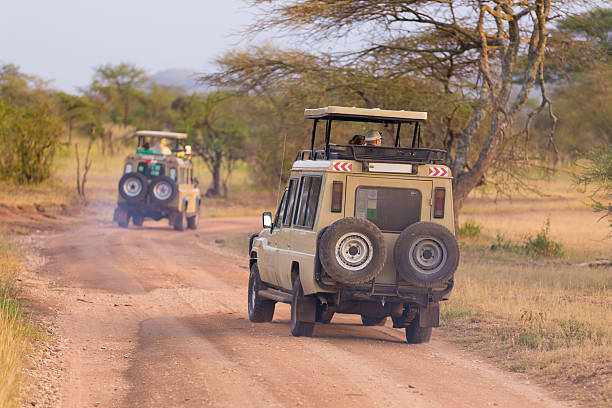
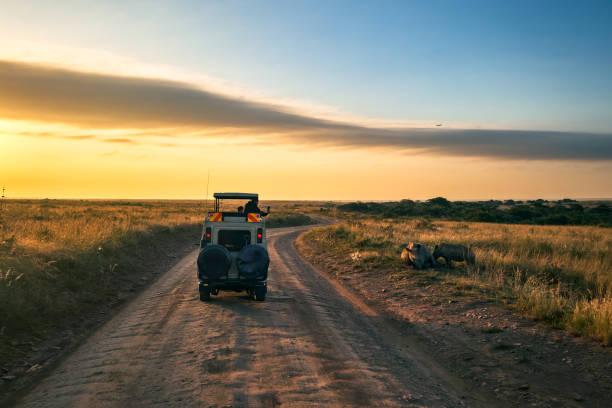
5-Day Rwanda Photographic Safari: Akagera National Park Expert Guide
For photographers seeking unique wildlife encounters and breathtaking landscapes, a 5-day Rwanda photographic safari in Akagera National Park offers an unparalleled experience. This park, Rwanda’s only protected savanna area, presents a dramatic contrast to the country’s famed mountain gorilla habitats. It’s a place where large mammals roam freely against backdrops of vast lakes, wetlands, and rolling hills. This guide provides an in-depth look at planning your photographic journey to Akagera, ensuring you capture the essence of this remarkable destination.
Whether you are a seasoned wildlife photographer or an enthusiastic traveler with a camera, understanding the nuances of Akagera is key to a successful trip. We cover the best times to visit, what wildlife to expect, essential gear, itinerary suggestions, and practical advice for maximizing your photographic opportunities. Prepare to discover the secrets of Akagera National Park and create stunning images that tell the story of Rwanda’s diverse ecosystems.
Quick Facts About Akagera National Park
| Feature | Details |
|---|---|
| Location | Eastern Rwanda, bordering Tanzania |
| Size | Approx. 1,122 sq km (433 sq mi) |
| Habitat | Savanna, woodlands, swamps, lakes |
| Key Wildlife | Elephants, lions, leopards, rhinos (black & white), buffalo, giraffes, zebras, hippos, crocodiles, numerous bird species |
| Activities | Game drives (day & night), boat trips, guided nature walks, bird watching, fishing (limited) |
| Best Time for Photography | Dry seasons (June-September, December-February) for clearer light and easier wildlife viewing, but also rewarding in wet seasons for lush landscapes and active young animals. |
| Typical Safari Duration | 3-5 days |
Understanding Akagera National Park for Photographers
Akagera National Park is a jewel in Rwanda’s crown, offering a different kind of safari experience compared to the dense forests of Volcanoes National Park. Its unique geography, a mosaic of acacia-dotted savanna, papyrus swamps, and the expansive Lake Ihema, creates a visually rich environment for photography. The park is a testament to successful conservation efforts, having been re-established and reintroduced with predators like lions and rhinos in recent years. This makes it a dynamic destination for capturing wildlife in a thriving ecosystem.
For photographers, Akagera presents a variety of subjects. The open savannas are ideal for spotting large herds of zebras and giraffes, while the wetlands teem with hippos, crocodiles, and an astonishing array of water birds. The reintroduction of the ‘Big Five’ (lion, leopard, elephant, rhino, buffalo) adds significant allure, though leopards and rhinos can be elusive, requiring patience and keen observation for that perfect shot. The dramatic sunrises and sunsets over the savanna and lakes provide stunning lighting conditions, enhancing the photographic potential of every game drive.
Why Choose Akagera for a Photographic Safari?
Several factors make Akagera National Park an exceptional choice for a dedicated photographic safari:
- Diverse Wildlife: Beyond the ‘Big Five’, Akagera hosts numerous antelope species, warthogs, baboons, vervet monkeys, and a rich birdlife including the rare Shoebill stork in its papyrus swamps.
- Varied Landscapes: From the vast plains to the shimmering lakes and dense bush, the park offers a rich visual palette for photographers. The contrast between the dry savanna and the lush wetlands is particularly striking.
- Conservation Success Story: Witnessing the park’s recovery and the thriving populations of re-introduced species adds a compelling narrative to your photographic journey.
- Fewer Crowds: Compared to some of Africa’s more established safari destinations, Akagera often offers a more intimate and less crowded photographic experience.
- Accessibility: It’s relatively easy to access from Kigali, making it a convenient addition to a Rwanda itinerary or a standalone destination.
Best Time for Your 5-Day Rwanda Photographic Safari
The timing of your safari can significantly impact your photographic results. Akagera experiences distinct dry and wet seasons, each offering unique advantages for photographers.
| Season | Months | Photography Advantages | Photography Challenges |
|---|---|---|---|
| Dry Season (Long) | June – September | Clearer skies, good visibility, animals congregate around water sources, easier game viewing, golden light for sunrise/sunset shots. | Dust can be an issue, vegetation can be dry and less vibrant. |
| Short Rains | October – November | Lush green landscapes, active young animals, fewer tourists, dramatic skies possible. | Rain showers can interrupt game drives, sometimes overcast conditions. |
| Dry Season (Short) | December – February | Similar to the long dry season, good visibility, animals near water. | Can be hot, potential for dust. |
| Wet Season (Long) | March – May | Vibrant green scenery, excellent for bird photography (breeding plumage), migratory birds present, dramatic cloud formations. | Rain can be frequent and heavy, can make roads muddy and access difficult, some animals may be harder to spot in dense foliage. |
Recommendation for Photographers: For classic savanna photography with abundant wildlife, the dry seasons (June-September and December-February) are generally preferred. The light is often crisp, and animals are easier to find. However, if you are particularly interested in lush landscapes and birdlife, the shoulder months or even the wet season can yield spectacular results, provided you are prepared for potential rain. Planning for 2026 or 2027 means considering these seasonal patterns when booking your trip.
Sample 5-Day Rwanda Photographic Safari Itinerary: Akagera National Park
This itinerary is designed to maximize photographic opportunities within Akagera National Park. It balances game drives with boat trips and offers flexibility for spontaneous sightings.
- Day 1: Arrival in Kigali & Transfer to Akagera
- Arrive at Kigali International Airport (KGL).
- Meet your guide and transfer to Akagera National Park (approx. 2-3 hour drive).
- Check into your lodge/camp.
- Afternoon game drive in the southern part of the park, focusing on mammals like zebras, giraffes, and various antelopes.
- Evening return to lodge, discuss photography opportunities for the next day.
- Day 2: Akagera Lakes & Southern Plains Exploration
- Early morning game drive heading south towards Lake Shakani and Lake Ihema.
- Focus on spotting hippos, crocodiles, and water birds along the lake shores.
- Mid-morning boat trip on Lake Ihema for unique perspectives of wildlife from the water. This is excellent for bird photography and getting close to hippos and crocodiles.
- Picnic lunch in a scenic spot within the park.
- Afternoon game drive exploring different tracks in the southern sector, seeking out lions, elephants, and buffalo.
- Optional: Night game drive to search for nocturnal species like leopards, civets, and bush babies (highly recommended for photographers).
- Day 3: Northern Sector Exploration & Landscape Photography
- Full-day game drive heading towards the northern sector of the park. This area offers more open savanna and often good sightings of giraffes and elephants.
- The drive takes you through varied landscapes, providing opportunities for panoramic shots and capturing the park’s vastness.
- Look for rhinos, which are more prevalent in certain areas of the north.
- Stop at scenic viewpoints for landscape photography.
- Picnic lunch in the park.
- Return to your lodge in the late afternoon, potentially catching the sunset.
- Day 4: Birding & Specialist Photography / Return South
- Early morning dedicated birding walk or game drive focusing on Akagera’s rich avian life, especially in the papyrus-lined areas. Look for species like the African Fish Eagle, Kingfishers, and various herons.
- Alternatively, revisit areas where specific sightings were missed or where light conditions were suboptimal.
- After breakfast, begin a leisurely drive back towards the southern part of the park.
- Stop at Mutumba hill for excellent panoramic views over the park and Lake Ihema.
- Final afternoon game drive, focusing on any target species still eluding your lens.
- Overnight near the park entrance or in the southern sector.
- Day 5: Morning Activity & Departure
- Optional early morning activity: a final short game drive or a walk if available.
- Breakfast at the lodge.
- Transfer back to Kigali for your onward flight or overnight stay.
- Depending on flight schedules, you might have time for some city sightseeing or souvenir shopping in Kigali.
Itinerary Notes for Photographers:
- Flexibility: This is a sample. Your guide will adapt the pace and routes based on wildlife sightings and your photographic interests.
- Early Starts: Early mornings and late afternoons offer the best light and wildlife activity.
- Night Drives: Essential for spotting nocturnal animals, which are often more active and visible after dark.
- Boat Trips: Provide unique vantage points and are crucial for water-based wildlife and birds.
- Patience: Wildlife photography requires patience. Be prepared to wait for the perfect moment.
What to Expect: Wildlife and Photographic Opportunities
Akagera is home to over 800 large mammals and a significant number of bird species. The park’s landscape is dynamic, shifting from acacia savanna to papyrus-lined shores and open grasslands.
Mammal Sightings:
- The Big Five: Lions, leopards, elephants, rhinos (both black and white), and buffalo are present. While elephants and buffalo are common, lions and leopards can be more challenging to find, requiring skilled tracking and some luck. Black rhinos are critically endangered and very rare, while white rhinos are more commonly sighted.
- Herbivores: Herds of zebras and giraffes are a common sight, often providing excellent photographic opportunities. Various antelope species, including impalas, topi, waterbucks, and elands, also populate the park.
- Aquatic Life: Lake Ihema and the surrounding wetlands are teeming with hippos and Nile crocodiles. Boat trips offer close-up views of these powerful creatures.
- Primates: Baboons and vervet monkeys are frequently seen along roadsides and in wooded areas.
Birdlife:
Akagera is a birder’s paradise, with over 500 recorded species. Photographers will find:
- Water Birds: Shoebill stork (rare, but possible in papyrus swamps), African Fish Eagle, various kingfishers, herons, egrets, and storks are abundant around the lakes.
- Raptors: Several eagle species and other birds of prey can be spotted.
- Savanna Birds: Species like the Crested Francolin, Helmeted Guineafowl, and various weavers are common.
Landscape Photography:
The park’s diverse topography offers stunning photographic subjects:
- Sunrise and Sunset: The vast savanna provides incredible opportunities for dramatic light, especially when combined with silhouettes of acacia trees or wildlife.
- Lake Views: The shimmering surfaces of Lake Ihema and other water bodies, especially during boat trips, offer unique compositions.
- Rolling Hills: The undulating landscape, particularly in the northern reaches, provides sweeping vistas.
- Wetlands: The contrast of the papyrus swamps against the drier savanna creates striking visual textures.
Essential Photography Gear and Preparation
To make the most of your 5-day Rwanda photographic safari, having the right gear and being prepared is crucial.
Camera Equipment:
- Camera Bodies: A DSLR or mirrorless camera with interchangeable lenses is ideal. Consider bringing a backup body if possible.
- Lenses:
- Telephoto Lens: A 300mm, 400mm, or longer lens is essential for capturing wildlife at a distance. A 100-400mm or 150-600mm zoom lens offers great versatility.
- Mid-Range Zoom: A 70-200mm or 24-70mm lens is useful for larger animals closer to the vehicle, landscapes, and environmental portraits.
- Wide-Angle Lens: For capturing expansive landscapes and intimate scenes.
- Tripod/Monopod: Useful for stabilizing shots in low light or when using long lenses, though often difficult to use inside a moving safari vehicle. A beanbag is a more practical alternative for vehicle-based photography.
- Batteries: Bring plenty of spare batteries, as charging opportunities can be limited.
- Memory Cards: Ample storage is essential for high-resolution images. Bring more than you think you’ll need.
- Cleaning Kit: Dust is prevalent on safaris. A good lens cloth, blower, and brush are vital.
- Rain Protection: Waterproof covers for your camera and lenses are recommended, especially during the wet seasons.
Other Essential Items:
- Binoculars: Essential for spotting wildlife and for general viewing when not actively photographing.
- Power Bank/Adapter: For charging devices in the vehicle or lodge.
- Notebook and Pen: To jot down camera settings, wildlife observations, or locations.
Packing List for Your Akagera Safari
Comfort and practicality are key when packing for a safari. Neutral, earthy colors are best to avoid startling wildlife.
- Clothing:
- Lightweight, breathable long-sleeved shirts and trousers (neutral colors like khaki, beige, olive green).
- T-shirts and shorts for warmer periods.
- A warm fleece or jacket for cool mornings and evenings.
- A waterproof and windproof jacket.
- Comfortable walking shoes or hiking boots.
- Sandals or flip-flops for relaxing at the lodge.
- Socks (plenty of them!).
- A wide-brimmed hat for sun protection.
- Health & Personal Items:
- Insect repellent (with DEET).
- Sunscreen (high SPF).
- Personal first-aid kit.
- Any personal medications.
- Hand sanitizer.
- Toiletries.
- Documents:
- Passport and visa (if required).
- Flight details.
- Travel insurance documents.
- Vaccination certificates (e.g., Yellow Fever).
- Copies of all important documents.
- Miscellaneous:
- Sunglasses.
- A small backpack or daypack for essentials during game drives.
- Reusable water bottle.
- Camera gear (as listed above).
Common Mistakes to Avoid on Your Akagera Photographic Safari
To ensure a smooth and rewarding experience, be aware of these common pitfalls:
- Inadequate Camera Gear: Underestimating the need for a long telephoto lens. A smartphone camera, while convenient, will not capture the detail needed for wildlife photography at a distance.
- Ignoring Light Conditions: Shooting only during midday when the light is harsh and creates unflattering shadows. The ‘golden hours’ (early morning and late afternoon) are crucial for photography.
- Not Being Patient: Expecting immediate sightings. Wildlife photography often involves waiting for animals to appear, move into better light, or behave in interesting ways.
- Overpacking or Underpacking: Bringing too many non-essential items or forgetting crucial ones like warm layers or rain gear.
- Not Preparing for Dust: Failing to bring lens cleaning supplies or protection for camera gear can lead to damage or poor image quality.
- Disregarding Park Rules: Feeding animals, driving off-road (unless with a guide), or disturbing wildlife can lead to penalties and harm the animals.
- Underestimating Travel Times: Rwanda’s roads can be slow. Factor in sufficient travel time between locations and to/from the airport.
- Not Booking in Advance: Especially for popular lodges or during peak seasons for 2026-2027 travel, booking well ahead is essential.
Who is a 5-Day Rwanda Photographic Safari Best Suited For?
This type of safari is ideal for:
- Dedicated Wildlife Photographers: Those who prioritize capturing high-quality images of diverse fauna and flora in their natural habitat.
- Nature Enthusiasts: Individuals who appreciate the beauty of natural landscapes and the behavior of wild animals.
- Travelers Seeking Variety: Those who want to experience a different side of Rwanda beyond mountain gorillas and enjoy savanna wildlife.
- Bird Watchers: The park’s rich avian population makes it a prime destination for bird photographers.
- Couples and Small Groups: The intimate nature of Akagera lends itself well to small groups or couples looking for a memorable adventure.
- First-Time Safari Goers: Akagera offers a manageable and rewarding introduction to African safaris, especially when combined with expert guiding.
While a 5-day trip is excellent, extending it by a day or two can allow for a more relaxed pace and deeper exploration, especially if you have specific photographic targets.
Alternative Safari Destinations in Rwanda
While Akagera is unique, Rwanda offers other wildlife experiences:
- Volcanoes National Park: Famous for mountain gorilla trekking and golden monkey tracking. While not a traditional photographic safari in the savanna sense, it offers incredible opportunities to photograph primates in their natural forest environment. The focus here is on ethical wildlife encounters and conservation.
- Nyungwe National Park: A vast, ancient rainforest renowned for its primate diversity (chimpanzees, colobus monkeys) and incredible birdlife. Canopy walks offer unique perspectives, and the dense forest environment presents different photographic challenges and rewards compared to Akagera.
For a comprehensive Rwanda experience, combining Akagera with Volcanoes or Nyungwe provides a diverse look at the country’s rich biodiversity and varied ecosystems.
Planning Your 2026-2027 Trip to Akagera
Booking your 5-day Rwanda photographic safari for 2026 or 2027 requires thoughtful planning. Here’s a breakdown:
Booking Timeline:
- 12+ Months Ahead: If you’re planning for peak seasons (July-August, December-February) or wish to secure specific lodges, start researching and booking. This is particularly important for 2026 and 2027 as travel trends indicate increased demand for unique experiences.
- 6-9 Months Ahead: Confirm your itinerary, book flights, and secure your safari vehicle and guide. For specialized photographic safaris, ensure your tour operator understands your specific needs.
- 3-6 Months Ahead: Arrange visas, necessary vaccinations, and travel insurance. Purchase any specialized photography gear you might need.
- 1-3 Months Ahead: Finalize packing, get camera equipment checked and serviced, and confirm all booking details.
Key Considerations for 2026-2027:
- Accommodation: Akagera offers a range of options from budget-friendly camps to luxury lodges. Book popular places like Ruzizi Tented Camp or Magashi Camp well in advance.
- Transportation: A 4×4 safari vehicle is standard and necessary for navigating park roads. Ensure your tour operator provides a reliable vehicle and an experienced guide.
- Guides: For photography, an experienced guide who understands animal behavior, tracking, and optimal light conditions is invaluable. Discuss your photographic goals with your operator when selecting a guide.
- Park Fees: Be aware of current park entry fees and activity costs (like boat trips and night drives), which can change.
Budgeting for Your Safari:
While exact prices vary greatly based on accommodation, vehicle choice, and inclusions, typical costs for a 5-day Akagera photographic safari (excluding international flights) might include:
- Accommodation: This is often the largest cost component, ranging from mid-range to luxury.
- Park Entrance Fees: Daily fees per person.
- Vehicle and Guide Hire: Daily rate for the safari vehicle and driver/guide.
- Activities: Costs for boat trips, night drives, and guided walks.
- Meals: Usually included in lodge rates, but factor in lunches during full-day drives.
- Tips: For guides and lodge staff.
- Miscellaneous: Drinks, souvenirs, etc.
It is advisable to get detailed quotes from reputable tour operators to understand the full cost breakdown for your specific travel dates in 2026 or 2027.
Booking Your 5-Day Rwanda Photographic Safari
Choosing the right tour operator is crucial for a successful photographic safari. Look for companies with deep knowledge of Rwanda, Akagera National Park, and specific experience in organizing photography-focused trips.
What to Look For in a Tour Operator:
- Expertise in Rwanda: Deep understanding of local logistics, culture, and park regulations.
- Specialization in Photography Safaris: Experience in tailoring itineraries to photographic needs, including understanding light, animal behavior, and providing guides knowledgeable about photography.
- Reputation and Reviews: Check for testimonials and online reviews.
- Customization: Ability to tailor the itinerary to your specific interests and pace.
- Transparency: Clear pricing and detailed inclusions/exclusions.
Contact Us to Plan Your Safari:
We specialize in creating unforgettable safari experiences in Rwanda and across East Africa. Our team understands the unique demands of photographic safaris and can help you craft the perfect 5-day itinerary for Akagera National Park. Whether you are planning for 2026 or 2027, we are ready to assist.
For inquiries, custom itineraries, and booking advice, please reach out:
WhatsApp: +255616946642
Email: topguideadventures@gmail.com
Backup Email: info@topguideadventures.com
Let us help you capture the breathtaking beauty of Akagera National Park on your 5-day Rwanda photographic safari.
Frequently Asked Questions (FAQs)
1. What is the best time of year for a photographic safari in Akagera?
The dry seasons, from June to September and December to February, are generally best for wildlife photography as animals congregate around water sources and visibility is good. However, the wet seasons can offer lush landscapes and excellent bird photography opportunities, especially for migratory birds in breeding plumage.
2. What wildlife can I expect to see and photograph in Akagera?
You can expect to see the ‘Big Five’ (lions, leopards, elephants, rhinos, buffalo), along with giraffes, zebras, hippos, crocodiles, and numerous antelope species. Akagera is also renowned for its rich birdlife, with over 500 species, including the Shoebill stork.
3. What camera gear is essential for Akagera?
A telephoto lens (300mm or longer) is crucial for wildlife photography. A mid-range zoom (70-200mm) and a wide-angle lens for landscapes are also highly recommended. Bring plenty of spare batteries and memory cards, and a good lens cleaning kit.
4. Is a 5-day safari enough for Akagera?
A 5-day safari is a good duration to experience the highlights of Akagera National Park, covering key areas and activities like game drives and boat trips. For a more in-depth photographic exploration, consider extending your stay by a day or two.
5. Are night game drives available and recommended for photographers?
Yes, night game drives are available and highly recommended for photographers. They offer the chance to spot nocturnal animals like leopards, civets, bush babies, and owls, which are active after dark.
6. What are the accommodation options in Akagera?
Akagera offers a range of accommodations, from mid-range self-catering options to comfortable lodges and luxury tented camps like Ruzizi Tented Camp and Magashi Camp. Booking in advance is advisable, especially for 2026-2027 travel.
7. How far is Akagera National Park from Kigali?
Akagera National Park is located approximately 110 kilometers (68 miles) east of Kigali. The drive typically takes about 2 to 3 hours, depending on road conditions and traffic.
8. What should I pack for a photographic safari in Akagera?
Pack neutral-colored, lightweight clothing (long sleeves and trousers), a warm layer for evenings, a waterproof jacket, comfortable walking shoes, a hat, sunscreen, insect repellent, and all your camera gear. Refer to the packing list in this guide for a comprehensive overview.
9. Can I do a self-drive safari in Akagera?
While self-driving is possible, hiring a 4×4 vehicle with an experienced driver/guide is highly recommended, especially for photographers. Guides have invaluable knowledge of animal locations, behavior, and the best spots for photography, enhancing your experience significantly for 2026-2027 trips.
10. What safety precautions should I take in Akagera?
Always follow your guide’s instructions. Stay inside the vehicle during game drives unless instructed otherwise. Do not feed animals and maintain a safe distance. Be aware of your surroundings, especially at lodges, and secure valuables. Malaria precautions are recommended.
11. How can I book a 5-day Rwanda photographic safari to Akagera?
You can book through reputable tour operators who specialize in Rwanda safaris. Contact us via WhatsApp at +255616946642 or email us at topguideadventures@gmail.com or info@topguideadventures.com to discuss your plans for 2026 or 2027 and receive a custom itinerary.
12. What is the conservation status of Akagera, and how can my visit help?
Akagera is a successful conservation story, with predator reintroductions and community engagement initiatives. Your visit contributes directly to the park’s conservation efforts through park fees and supporting local tourism businesses. Choosing responsible tour operators also ensures ethical tourism practices.
Plan Your Unforgettable 5-Day Rwanda Photographic Safari
A 5-day Rwanda photographic safari in Akagera National Park offers a unique opportunity to capture stunning wildlife and landscapes. With careful planning, the right gear, and an experienced guide, you can create images that tell the story of this vibrant ecosystem.
We are passionate about creating tailor-made safari experiences that meet the specific needs of photographers. Let us help you plan your dream trip to Akagera for 2026 or 2027. Whether you seek specific species, unique light, or simply want to immerse yourself in the wild, we can craft the perfect itinerary.
Get in touch today to start planning your 5-day Rwanda photographic safari:
WhatsApp: +255616946642
Email: topguideadventures@gmail.com
Backup Email: info@topguideadventures.com
We look forward to helping you capture the magic of Akagera National Park.
Plan your 5-Day Rwanda Photographic Safari — Akagera National Park with Top Guide Adventures
Tell us your travel dates, group size, comfort level, and dream experience. We will help you shape a clear, realistic, and memorable Tanzania itinerary.







 Veedesigner
 Fatma Kizanga
 Benjamin Waryuba
 Philip Philip
 John jr Itaja
 Antonia Optatus
 Edith Kanyere
 Neema Iddy
 Kelvin Boniphace
 Damari Maiga



