
Updated planning guide for 2026-2027
3-Day Cultural Markets & Coffee Tasting Itinerary: Complete Tour Guide
Discover the vibrant heart of Tanzania with this detailed 3-day cultural markets and coffee tasting itinerary. Perfect for travelers seeking authentic experiences.
WhatsApp +255616946642 | topguideadventures@gmail.com | info@topguideadventures.com
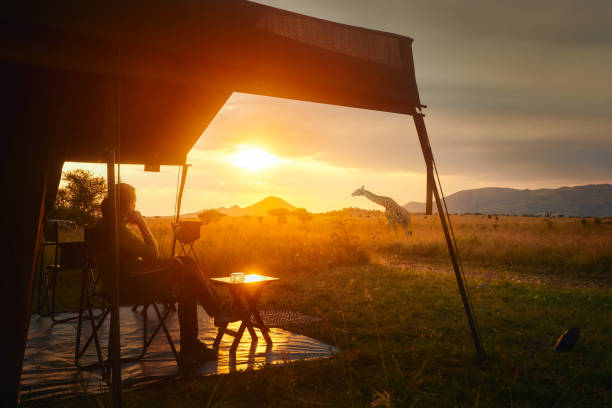
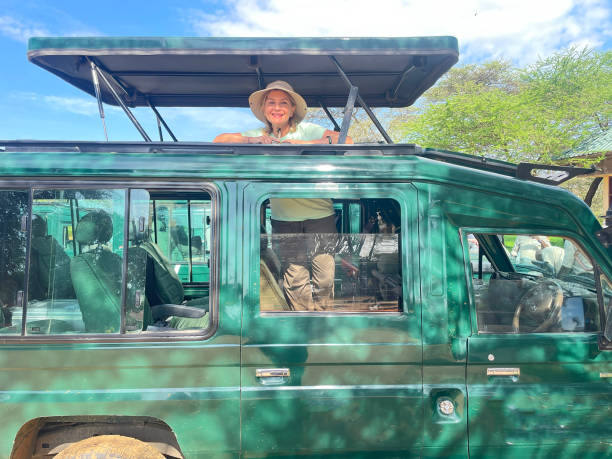
3-Day Cultural Markets & Coffee Tasting Itinerary: An Immersive Tanzanian Experience
Tanzania is renowned for its breathtaking wildlife safaris and majestic Mount Kilimanjaro, but its rich cultural heritage and world-class coffee production offer equally compelling reasons to visit. For travelers looking to connect with local life, explore bustling marketplaces, and savor the aroma of freshly brewed Tanzanian coffee, a dedicated 3-day cultural markets and coffee tasting itinerary provides an unforgettable journey. This guide is crafted for those who want to move beyond the typical tourist path and discover the authentic flavors and traditions of this East African gem. We’ll help you structure a rewarding few days, focusing on the vibrant markets and the journey from bean to cup, with practical advice for planning your trip in 2026 or 2027.
Table of Contents
- Quick Facts
- Trip Overview: Markets & Coffee
- Why This Itinerary Matters
- Best Time to Visit
- Geographical Focus: Arusha Region
- Detailed 3-Day Itinerary
- Day 1: Arusha City Immersion – Markets & Local Life
- Day 2: Coffee Plantation Journey – From Bean to Brew
- Day 3: Crafts, Flavors & Departure Preparation
- What to Expect
- Inclusions, Packing & Preparation
- Common Mistakes to Avoid
- Who is This Itinerary Best For?
- Alternative Itinerary Ideas
- Planning Your 2026-2027 Trip
- Booking Advice
- Frequently Asked Questions
- Ready for Your Tanzanian Adventure?
Quick Facts
| Aspect | Details |
|---|---|
| Duration | 3 Days / 2 Nights |
| Focus | Cultural Markets, Coffee Tasting, Local Experiences |
| Primary Location | Arusha Region, Tanzania |
| Best For | Culture Enthusiasts, Foodies, Coffee Lovers, Travelers Seeking Authenticity |
| Pace | Moderate, with opportunities for deeper exploration |
| Accommodation | Options range from guesthouses to boutique hotels |
| Transportation | Private vehicle with driver/guide recommended |
| Seasonality | Year-round, with slightly better weather during dry seasons (June-Oct, Dec-Feb) |
Trip Overview: Markets & Coffee
This 3-day itinerary is designed to immerse you in the vibrant daily life of Tanzania, focusing on two key elements that define its culture and economy: its bustling markets and its exceptional coffee. We concentrate this experience in the Arusha region, the gateway to Northern Tanzania’s safari circuit, which also boasts rich agricultural lands ideal for coffee cultivation and diverse ethnic groups whose traditions are reflected in their markets. You’ll spend your first day exploring the sensory explosion of Arusha’s central market, interacting with local vendors, and perhaps sampling fresh produce. Day two takes you to a working coffee plantation, where you’ll learn about the entire process from picking the beans to roasting and brewing, culminating in a tasting session. The third day weaves together a visit to a local craft market, a final opportunity to soak in the atmosphere, and preparation for your onward journey.
Why This Itinerary Matters
While Tanzania is globally recognized for its wildlife, its cultural fabric is equally rich and rewarding to explore. This itinerary offers a unique perspective, highlighting the everyday lives and economic activities that are fundamental to the Tanzanian experience. Markets are the heartbeats of many communities, places where commerce, social interaction, and cultural exchange converge. Coffee, on the other hand, is not just a beverage but a significant agricultural product, deeply intertwined with the nation’s economy and the livelihoods of many. By focusing on these elements, you gain a deeper appreciation for the people, their skills, and the land. This approach provides a more nuanced understanding of Tanzania beyond the well-trodden safari paths, offering genuine connections and memorable experiences, especially for travelers planning for 2026-2027 who seek more than just sightseeing.
Best Time to Visit
The Arusha region, where this itinerary is primarily set, enjoys a favorable climate year-round due to its altitude. However, certain periods offer more comfortable weather for exploring markets and plantations.
- Dry Seasons (June to October & December to February): These months generally offer sunny days with less rain, making outdoor market visits and plantation walks more pleasant. This is often considered the peak tourist season, so expect more visitors and potentially higher prices for accommodation and services.
- Green Seasons (March to May & November): These months see more rainfall, which can vary from short, sharp showers to longer periods of rain. The landscape is lush and vibrant, and there are fewer tourists. Coffee harvesting might be ongoing in some areas during the early parts of the green season, offering unique insights. The rain can sometimes impact travel logistics, but it rarely stops activities entirely.
For a 3-day cultural markets & coffee tasting itinerary, any time of year can be suitable, but the dry seasons offer the most predictable weather for exploration. If you prefer fewer crowds and don’t mind the possibility of rain, the green seasons can be equally rewarding.
Geographical Focus: Arusha Region
This itinerary is centered around Arusha city and its surrounding agricultural areas. Arusha is strategically located in northern Tanzania, serving as a hub for tourism and trade. The region is characterized by fertile volcanic soils, ideal for growing high-quality Arabica coffee. Proximity to Mount Meru and Kilimanjaro influences the climate, creating microclimates suitable for diverse crops.
Route Overview:
- Day 1: Arusha City Exploration (Central Market, Local Shopping Areas)
- Day 2: Day trip to a Coffee Plantation (e.g., near Usa River or on the slopes of Mt. Meru)
- Day 3: Arusha City (Craft Market, potentially a local food stall visit)
This geographical focus allows for efficient travel and maximum immersion within a limited timeframe, minimizing transit times and maximizing authentic experiences.
Detailed 3-Day Itinerary
This itinerary balances structured activities with opportunities for spontaneous discovery. It assumes you are based in or near Arusha city.
Day 1: Arusha City Immersion – Markets & Local Life
Your cultural journey begins in Arusha, a vibrant city bustling with activity. Today is dedicated to exploring its heart – the markets.
- Morning (9:00 AM – 12:00 PM): Arusha Central Market (Soko Kuu)
Begin your exploration at Arusha’s main public market. This is a true sensory experience. Navigate through stalls piled high with fresh produce like bananas, mangoes, avocados, and a variety of local vegetables. Observe vendors selling grains, spices, and household goods. This is an excellent place to witness daily Tanzanian life, observe local trading practices, and practice your Swahili greetings. Engage with vendors (with respect and a smile) and consider purchasing some local fruits or snacks. Your guide can help facilitate interactions and explain the significance of different items. - Lunch (12:00 PM – 1:30 PM): Local Eatery Experience
Experience authentic Tanzanian cuisine at a local restaurant or food stall near the market. Try staples like Ugali (a stiff maize porridge) served with flavorful stews (meat or vegetable), Pilau (spiced rice), or Chipsi Mayai (a potato and egg omelet). This is a chance to taste the real flavors of the region. - Afternoon (1:30 PM – 4:00 PM): General Trade & Social Hubs
Explore other areas of the city that serve as general trade and social hubs. This might include areas where vendors sell clothing, electronics, or mobile phone accessories. Observe the dynamic of commerce and social gathering. You might visit a local ‘Mbodda’ (motorcycle taxi) stand to see how local transport operates or a community gathering spot. - Late Afternoon (4:00 PM – 5:30 PM): Relax and Reflect
Return to your accommodation to relax. You can reflect on the day’s experiences, perhaps organizing any small purchases you made. - Evening: Dinner
Enjoy dinner at your hotel or a recommended local restaurant, discussing the day’s market discoveries.
Day 2: Coffee Plantation Journey – From Bean to Brew
Today, you venture out of the city to understand the journey of Tanzania’s prized coffee, from the fertile highlands to your cup.
- Morning (9:00 AM – 1:00 PM): Coffee Plantation Tour & Tasting
Travel to a nearby coffee plantation (options exist on the slopes of Mount Meru or in areas like Usa River). Upon arrival, you’ll be welcomed by plantation staff or your guide. The tour typically includes:- Farm Walk: See the coffee plants, learn about different varietals (like Bourbon or Kent), and understand the ideal growing conditions. If in season, witness coffee cherries being picked.
- Processing Demonstration: Learn about the journey from ripe cherry to green bean – the washing, pulping, fermentation, and drying processes. Understand how these steps influence the final flavor profile.
- Roasting & Grinding: Observe the art of roasting coffee beans, understanding how temperature and time develop aroma and taste. See the beans being ground.
- Coffee Tasting (Cupping): This is the highlight. You’ll participate in a guided tasting session, learning to identify different flavor notes, aromas, and body characteristics of Tanzanian coffee. Compare different roasts or origins.
- Lunch (1:00 PM – 2:30 PM): Plantation Lunch or Local Restaurant
Enjoy lunch, often featuring fresh, local ingredients. Some plantations offer meals as part of their tour package. Alternatively, find a local eatery on your way back towards Arusha. - Afternoon (2:30 PM – 4:30 PM): Optional: Local Village Visit or Relaxation
Depending on your interests and energy levels, you could arrange a brief visit to a local village near the plantation to see rural life, or simply return to Arusha for some downtime. - Evening: Dinner
Another opportunity to explore Arusha’s culinary scene or enjoy a relaxed dinner.
Day 3: Crafts, Flavors & Departure Preparation
Your final day offers more cultural immersion and a chance to gather souvenirs before your departure.
- Morning (9:30 AM – 12:30 PM): Cultural Heritage Centre & Local Crafts
Visit the Cultural Heritage Centre in Arusha. While it has a museum component, it’s also a significant center for Tanzanian art and crafts. Here, you can find a wide array of carvings, paintings, textiles, and jewelry from various ethnic groups across Tanzania. This is a more curated shopping experience than the central market, offering higher quality items and a good place to find meaningful souvenirs. Engage with the artisans if possible. - Optional: Maasai Market (if available and authentic)
If there’s a genuine Maasai market operating on this day, a visit can offer a different perspective on traditional crafts and beadwork. Your guide will know if and where such markets are authentically held. - Lunch (12:30 PM – 2:00 PM): Farewell Lunch
Enjoy a final Tanzanian meal. Consider a restaurant known for its ambiance or a specific local dish you haven’t tried yet. - Afternoon (2:00 PM onwards): Departure Preparation or Optional Activity
Depending on your flight schedule or onward travel plans, you can use this time for last-minute souvenir shopping, revisiting a favorite spot, or simply relaxing at your hotel. If you have a late flight, you might arrange for a city tour or a visit to a local viewpoint.
What to Expect
This itinerary provides a rich, hands-on experience of Tanzanian culture and agriculture. Expect:
- Sensory Stimulation: Markets are vibrant, noisy, and full of diverse sights, sounds, and smells.
- Authentic Interactions: You will be interacting with local people in their daily environments. Politeness and respect are key.
- Learning Opportunities: From understanding market economics to the intricacies of coffee farming, expect to learn a lot.
- Variable Comforts: While accommodation can be comfortable, market environments can be dusty, crowded, and hot. Coffee plantations are usually serene but involve walking.
- Flexibility: While structured, there’s room for spontaneity. Local life doesn’t always adhere to strict schedules.
- Culinary Adventures: Be open to trying new foods and flavors. Tanzanian cuisine is hearty and delicious.
Inclusions, Packing & Preparation
When planning your 3-day cultural markets & coffee tasting itinerary, consider these points:
Typical Inclusions (if booked as a package):
- Accommodation for 2 nights
- Private vehicle with a driver/guide for the 3 days
- Entrance fees to the coffee plantation
- Guided coffee tour and tasting session
- Meals as specified (often breakfast daily, potentially some lunches)
- Water in the vehicle
What to Pack:
- Lightweight Clothing: Breathable fabrics like cotton or linen are ideal for warm weather.
- Comfortable Walking Shoes: Essential for navigating markets and plantations.
- Sun Protection: Hat, sunglasses, and high SPF sunscreen.
- Insect Repellent: Especially for evenings or if visiting areas near water.
- Camera: To capture the vibrant scenes. Always ask permission before taking close-up photos of people.
- Small Backpack: For carrying water, snacks, camera, and any small purchases during the day.
- Reusable Water Bottle: To stay hydrated and reduce plastic waste.
- Hand Sanitizer: Always useful when visiting markets or eating from local stalls.
- Small Notebook & Pen: For jotting down notes or observations.
- Cash (Tanzanian Shillings): For small purchases in markets and tipping. USD is also accepted in many tourist-oriented places but local currency is better for smaller vendors.
Preparation:
- Learn Basic Swahili Phrases: A few words like ‘Jambo’ (Hello), ‘Asante’ (Thank you), ‘Karibu’ (Welcome) go a long way.
- Currency: Familiarize yourself with the Tanzanian Shilling (TZS).
- Visas & Vaccinations: Check requirements well in advance for 2026-2027 travel. Consult your doctor about recommended vaccinations and malaria precautions.
- Travel Insurance: Ensure you have comprehensive travel insurance.
Common Mistakes to Avoid
To ensure a smooth and enjoyable experience, be aware of these common pitfalls:
- Underestimating Market Crowds: Arusha’s central market can be overwhelming. Go with an open mind and a guide if you prefer structure.
- Not Engaging Respectfully: Always ask permission before taking photos of individuals. Be polite and friendly when interacting with vendors. Haggling is expected in some market areas, but do so with a smile and fairness.
- Food & Water Safety: Stick to bottled or purified water. Be cautious with street food if you have a sensitive stomach, though many local eateries are perfectly safe and delicious.
- Ignoring Local Customs: Dress modestly, especially when visiting more traditional areas or interacting with elders. Public displays of affection are generally frowned upon.
- Over-reliance on USD: While USD is widely accepted for larger transactions, carry Tanzanian Shillings for small purchases at local markets and stalls.
- Booking Last Minute: For popular coffee plantations or specific cultural experiences, especially during peak season in 2026-2027, booking in advance is advisable.
- Expecting Everything to Be Perfect: Embrace the imperfections. Sometimes the most memorable moments come from unexpected situations.
Who is This Itinerary Best For?
This 3-day cultural markets & coffee tasting itinerary is ideal for:
- Cultural Enthusiasts: Travelers who want to understand the daily life, traditions, and social dynamics of Tanzania.
- Foodies & Coffee Aficionados: Those with a passion for culinary exploration and a keen interest in the origins and nuances of coffee.
- Slow Travelers: Individuals who prefer to immerse themselves in fewer locations deeply, rather than rushing through many sights.
- First-Time Visitors to Tanzania: As an add-on to a safari or a standalone short trip, it offers a different facet of the country.
- Return Visitors: Those who have experienced Tanzania’s wildlife and are looking for new, authentic experiences.
- Budget-Conscious Travelers: While customizable, focusing on local markets and experiences can be more affordable than some high-end tourist activities.
Alternative Itinerary Ideas
If this specific itinerary doesn’t quite fit your interests, consider these variations:
- 4-Day Arusha Cultural Immersion: Add a day for a visit to a local community project, a cooking class focusing on Tanzanian dishes, or a guided walk around the base of Mount Meru.
- Kilimanjaro Region Focus: Combine a shorter market visit in Moshi with a coffee tour in the Kilimanjaro foothills, known for its exceptional coffee.
- Zanzibar Spice & Market Tour: If you’re heading to Zanzibar, a similar itinerary could focus on Stone Town’s markets and a spice plantation tour, offering a distinct island culture experience.
- Maasai Cultural Tourism: Dedicate more time to visiting a Maasai village and learning directly from the community about their traditions, lifestyle, and connection to the land. This would be a more in-depth cultural focus.
Planning Your 2026-2027 Trip
Planning your 3-day cultural markets & coffee tasting itinerary for 2026 or 2027 requires attention to detail. Here’s a planning checklist:
| Timeline | Action Item |
|---|---|
| 12+ Months Before | Research tour operators and potential itineraries. Decide on your travel dates, considering seasonality for 2026-2027. Check visa requirements. |
| 9-12 Months Before | Book international flights. Secure your chosen tour operator and confirm your itinerary. |
| 6-9 Months Before | Consult your doctor for vaccinations and malaria prophylaxis. Purchase travel insurance. |
| 3-6 Months Before | Start learning basic Swahili phrases. Finalize any specific requests with your tour operator. Exchange currency to understand rates. |
| 1-3 Months Before | Pack and test your gear. Confirm all booking details and flight information. Inform your bank of your travel dates. |
| 2 Weeks Before | Reconfirm airport transfers and first-night accommodation. Pack essentials. Make copies of important documents. |
| During Trip | Stay flexible, be respectful, engage with locals, and enjoy the experience! |
Booking Advice
When booking your 3-day cultural markets & coffee tasting itinerary, especially for travel in 2026-2027, consider the following:
- Choose a Reputable Tour Operator: Look for operators with a strong track record in cultural tourism and local engagement. Companies that employ local guides and support local communities are often a good choice.
- Customization: Discuss your specific interests with the operator. Can they tailor the coffee plantation visit to focus on specific varietals? Can they arrange a visit to a particular type of craft market?
- Inclusions: Clearly understand what is included in your package. Does it cover all meals, entrance fees, and transportation? This helps in budgeting and avoiding surprises.
- Guide Quality: A knowledgeable and friendly guide is crucial for cultural immersion. Inquire about the guides’ experience and local knowledge.
- Accommodation Style: Specify your preferred accommodation level, from comfortable guesthouses to boutique hotels.
- Payment Terms: Understand the deposit and final payment schedule, as well as cancellation policies.
- Read Reviews: Look for independent reviews from previous travelers who have taken similar cultural tours.
For a personalized and well-organized experience, consider reaching out to local experts who understand the nuances of Tanzanian culture and tourism.
Frequently Asked Questions
Q1: Is this itinerary suitable for solo travelers?
Yes, this 3-day cultural markets & coffee tasting itinerary is very suitable for solo travelers. The presence of a guide ensures safety and facilitates interaction, while the nature of the activities encourages engagement with local culture and fellow travelers if you join a small group.
Q2: What is the best way to get around Arusha for this itinerary?
For this itinerary, hiring a private vehicle with a driver/guide is highly recommended. It offers flexibility, comfort, and the invaluable insight of a local expert who can navigate markets, explain customs, and manage logistics efficiently. Public transport can be challenging and time-consuming for tourists.
Q3: How much cash should I carry for market visits?
It’s advisable to carry a mix of Tanzanian Shillings (TZS) and some US Dollars (USD). For markets, smaller denominations of TZS are best. You might need TZS 50,000 – 100,000 for small purchases and tips, but this can vary greatly depending on your shopping habits. Your guide can advise on the best places to exchange currency.
Q4: Can I customize the coffee plantation visit?
Yes, many tour operators can tailor the coffee plantation experience. You can often request a focus on specific aspects like organic farming, different processing methods, or a more in-depth tasting session. Discuss your preferences when booking for 2026 or 2027.
Q5: What are the typical costs associated with this itinerary?
Exact costs vary based on accommodation choices, group size, and the level of service. However, budget for: accommodation, private vehicle and guide services, meals not included, entrance fees, coffee tour costs, and personal shopping/souvenirs. A rough estimate for a mid-range experience for 3 days might range from $400-$800 per person, excluding international flights.
Q6: Is it safe to try street food?
While many street food vendors offer delicious and safe options, it’s wise to exercise caution, especially if you have a sensitive stomach. Look for stalls that are busy with locals, where food is cooked fresh and served hot. Your guide can recommend reliable places. For this specific itinerary, focusing on established local eateries and the plantation lunch is generally safer.
Q7: What is the most important cultural etiquette to observe?
Respect is paramount. Always ask permission before taking photos of people. Dress modestly, especially when visiting less tourist-centric areas. Greet people with ‘Jambo’ or ‘Habari’ (How are you?). Patience and a positive attitude are highly valued.
Q8: Will I be able to buy coffee to take home?
Yes, most coffee plantations and cultural heritage centers sell high-quality, freshly roasted Tanzanian coffee beans. This is an excellent opportunity to purchase authentic souvenirs directly from the source.
Q9: What if I’m not a big coffee drinker?
Even if you’re not a coffee connoisseur, the plantation tour offers fascinating insights into agriculture, processing, and the economic importance of coffee in Tanzania. The tasting session can be a learning experience, and the focus can shift more towards the market and cultural aspects of the itinerary.
Q10: How far in advance should I book for 2027?
For travel in 2027, especially if you plan to visit during peak seasons (June-October, December-February), booking 6-12 months in advance is highly recommended to secure your preferred accommodations and services.
Ready for Your Tanzanian Adventure?
This 3-day cultural markets & coffee tasting itinerary offers a profound connection to the heart of Tanzania. It’s an experience that engages all your senses and leaves you with a deeper understanding and appreciation of this beautiful country. Whether you are planning for 2026 or 2027, this journey promises authentic encounters and lasting memories.
Let us help you craft your perfect Tanzanian cultural experience. We specialize in creating custom itineraries that cater to your interests, ensuring a journey that is both enriching and seamless.
Contact us today to start planning:
WhatsApp: +255616946642
Email: topguideadventures@gmail.com
Backup Email: info@topguideadventures.com
Plan your 3-Day Cultural Markets & Coffee Tasting Itinerary with Top Guide Adventures
Tell us your travel dates, group size, comfort level, and dream experience. We will help you shape a clear, realistic, and memorable Tanzania itinerary.







 Veedesigner
 Fatma Kizanga
 Benjamin Waryuba
 Philip Philip
 John jr Itaja
 Antonia Optatus
 Edith Kanyere
 Neema Iddy
 Kelvin Boniphace
 Damari Maiga



