
Updated planning guide for 2026-2027
5-Day Cultural Exchange — Maasai Communities Across Borders: Complete Guide
Discover the rich traditions and daily life of the Maasai people on an immersive 5-day cultural exchange experience. This guide helps you plan an authentic journey across borders to connect with these iconic communities.
WhatsApp +255616946642 | topguideadventures@gmail.com | info@topguideadventures.com
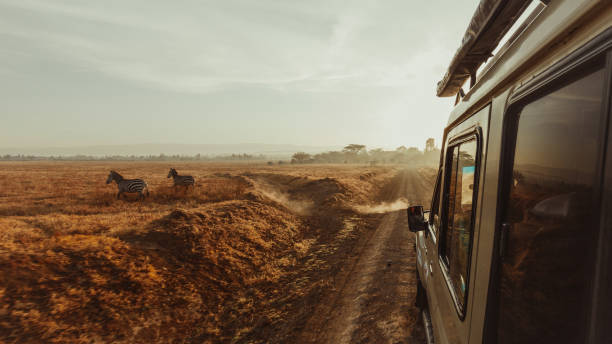
5-Day Cultural Exchange — Maasai Communities Across Borders: Essential Travel Guide
A 5-day cultural exchange — Maasai communities across borders offers a unique opportunity to connect deeply with one of Africa’s most recognized and vibrant cultures. Beyond the typical safari, this experience allows for genuine interaction, learning, and understanding of Maasai traditions, social structures, and daily life. While often associated with Kenya, the Maasai people also reside in northern Tanzania, making cross-border cultural exchanges feasible and enriching. This guide provides a comprehensive look at planning such a journey for 2026-2027, ensuring an authentic and respectful encounter.
Quick Facts: 5-Day Maasai Cultural Exchange
| Aspect | Details |
|---|---|
| Duration | Typically 5 Days / 4 Nights |
| Primary Focus | Cultural immersion, learning Maasai traditions, community interaction |
| Locations | Maasai communities in both Kenya and Tanzania, often focusing on border regions or specific, accessible communities. |
| Activities | Village visits, traditional ceremonies (if timed right), learning about daily life, beadwork, herding, storytelling, nature walks with Maasai guides. |
| Accommodation | Homestays, basic guesthouses within or near villages, or comfortable lodges/camps outside communities with daily visits. |
| Best Time to Travel | Dry seasons (June-October, December-February) for easier travel, but cultural events can occur year-round. |
| Key Considerations | Respect for local customs, flexibility, understanding of potential language barriers, physical fitness for walking. |
Understanding the Maasai Cultural Exchange
The Maasai are a Nilotic ethnic group inhabiting southern Kenya and northern Tanzania. Renowned for their distinctive red shuka robes, intricate beadwork, and deep connection to cattle, their culture is rich with traditions passed down through generations. A 5-day cultural exchange is designed to move beyond superficial observations, offering travelers a chance to participate, learn, and build connections.
This type of trip is more than just visiting a village; it’s about reciprocal learning. You’ll learn about their way of life, their relationship with the land, their social systems, and their resilience. In turn, your presence and genuine interest can offer a small economic benefit to the community through arranged visits and potential purchases of local crafts, supporting their efforts to maintain their cultural heritage in a rapidly changing world.
Why Choose a 5-Day Cultural Exchange?
- Deep Cultural Immersion: Unlike brief tourist stops, a 5-day program allows for sustained interaction, fostering a deeper understanding of Maasai life.
- Authentic Experiences: Focuses on genuine daily activities rather than staged performances, providing a more realistic glimpse into their world.
- Cross-Border Perspective: Exploring Maasai communities in both Kenya and Tanzania can highlight regional variations and commonalities within the broader Maasai culture.
- Meaningful Connections: Opportunities to build rapport with community members, learn from elders, and engage with children, creating lasting memories.
- Educational Value: Gain insights into traditional ecological knowledge, social structures, and the challenges and opportunities facing indigenous communities today.
Best Time to Plan Your 2026-2027 Maasai Cultural Exchange
The ideal timing for a 5-day cultural exchange — Maasai communities across borders depends on your preference for weather and specific cultural events. The Maasai live in regions with distinct dry and wet seasons.
Dry Seasons (June to October and December to February): These periods offer the most comfortable travel conditions. The weather is generally sunny with less rain, making it easier to navigate rural roads and engage in outdoor activities. This is also a popular time for general tourism in East Africa, so expect more visitors in national parks if your exchange is combined with safari. However, the Maasai lifestyle is less dependent on the immediate rains for their cattle, so cultural activities continue year-round.
Wet Seasons (March to May and November): While there can be significant rainfall, these months can offer a different perspective. The landscape is lush and green, and there are fewer tourists. Some cultural ceremonies, which are tied to seasonal changes and livestock cycles, might be more prevalent during or just after the rains, though specific timing is hard to predict and relies on community announcements.
For planning purposes in 2026 and 2027, consider that the peak dry seasons will offer the most predictable travel weather. If you are interested in specific ceremonies, it’s best to consult with your tour operator well in advance, as these are often announced locally and not on a fixed calendar.
Sample Itinerary: A 5-Day Maasai Cultural Immersion Across Borders
This sample itinerary outlines a possible 5-day cultural exchange, focusing on experiencing Maasai life in both Kenya and Tanzania. It assumes efficient travel arrangements between key areas. Flexibility is key, as community life does not always adhere to strict schedules.
Day 1: Arrival in Kenya & Introduction to Maasai Culture
- Arrive at Jomo Kenyatta International Airport (NBO) in Nairobi, Kenya.
- Meet your guide and transfer to a lodge or hotel near the Maasai Mara region or a designated cultural center.
- Briefing on the upcoming cultural exchange, customs, and expectations.
- Optional: Visit a local market to understand regional trade and crafts.
- Overnight in Nairobi or en route to the Maasai community.
Day 2: Maasai Mara Region, Kenya – Village Life and Traditions
- Morning drive to a Maasai community in the vicinity of the Maasai Mara.
- Welcome by community elders and introduction to the village (manyatta).
- Participate in or observe daily activities: cattle herding, fetching water, preparing food.
- Learn about traditional Maasai housing (inkajijik), social structure, and the significance of cattle.
- Hands-on experience with Maasai beadwork – creating your own bracelet or necklace.
- Evening storytelling session with elders, learning about Maasai folklore and history.
- Overnight in a nearby lodge, tented camp, or a designated guest hut within the community (depending on arrangements).
Day 3: Border Crossing & Tanzanian Maasai Experience
- After breakfast, begin your journey towards the Kenya-Tanzania border.
- Cross the border (e.g., at Isebania/Sirari). This process can take several hours and requires patience.
- Continue driving into Northern Tanzania towards a Maasai community in areas like Arusha or Loliondo.
- Arrive at your Tanzanian Maasai community destination.
- Welcome ceremony and introduction to the local families and their way of life.
- Observe differences and similarities in practices compared to the Kenyan communities.
- Overnight in a lodge, camp, or homestay near the Tanzanian community.
Day 4: Deep Dive into Tanzanian Maasai Traditions
- Engage in activities specific to the Tanzanian Maasai community. This could include learning about traditional medicine, participating in a mock ‘warrior training’ session (demonstration), or understanding the role of women in the community.
- Visit a local school (if permitted and arranged) to understand the educational challenges and opportunities.
- Learn about the sacredness of Mount Kilimanjaro or Mount Meru from a Maasai perspective.
- Enjoy a traditional Maasai meal prepared with local ingredients.
- Farewell gathering with the community, expressing gratitude for their hospitality.
- Overnight in the same lodge, camp, or homestay.
Day 5: Departure
- Enjoy a final Maasai breakfast.
- Transfer to Kilimanjaro International Airport (JRO) for your onward flight, or to Arusha for further exploration.
- Reflection on your immersive cultural exchange experience.
What to Expect During Your Cultural Exchange
A 5-day cultural exchange — Maasai communities across borders is an immersive experience that requires an open mind and a willingness to adapt. Here’s what you can realistically expect:
- Authentic Living Conditions: While some accommodations might be comfortable lodges outside the immediate village, many exchanges involve staying in basic guesthouses or even traditional huts within the community. Expect simplicity – shared facilities, limited electricity, and basic amenities. This is part of the immersion.
- Warm but Reserved Welcome: The Maasai are generally welcoming, but genuine interaction requires respect and sincerity. Initial interactions might be formal, with elders and leaders acting as intermediaries. Building rapport takes time and genuine interest.
- Language: While some individuals in tourist-accessible areas may speak basic English or Swahili, the primary language is Maa. Your guide will be crucial for translation, but learning a few basic Maa phrases (like ‘Supa’ for hello/goodbye) is appreciated.
- Daily Rhythms: Life in Maasai communities follows ancient rhythms tied to livestock, seasons, and community needs. Activities might shift based on herd movements, rainfall, or social events. Flexibility is paramount.
- Respectful Observation: You will be invited to observe and sometimes participate in daily chores, ceremonies, and social gatherings. It’s crucial to ask permission before taking photos of people, especially children, and to be mindful of private moments.
- Dietary Considerations: Traditional Maasai diets are primarily based on milk, meat, and blood from cattle. While your tour operator will likely arrange meals that are more familiar to you, be open to trying local foods if offered. Inform your operator of any severe dietary restrictions well in advance.
- Hygiene: Basic sanitation facilities are common. It’s advisable to bring your own hand sanitizer, wet wipes, and any personal toiletries you may need.
Inclusions and Exclusions: What Your Tour Package Covers
When booking a 5-day cultural exchange — Maasai communities across borders, understanding what is included and excluded is vital for accurate budgeting and expectation management. Tour operators vary, so always check the specifics of your chosen package.
| Typically Included | Typically Excluded |
|---|---|
| Accommodation (as specified in the itinerary) | International flights to/from East Africa |
| All ground transportation in a 4×4 vehicle (with driver/guide) | Visa fees (for Kenya and Tanzania) |
| Border crossing assistance and fees (where applicable) | Travel insurance (mandatory) |
| Meals as per itinerary (e.g., full board or half board) | Personal expenses (souvenirs, laundry, alcoholic beverages) |
| Services of a professional English-speaking Maasai guide/translator | Tips for guides, drivers, and community hosts |
| Community visit fees/donations (often pre-arranged) | Optional activities not listed in the itinerary |
| Bottled water during game drives/transfers | Vaccinations and medical expenses |
| Maasai beadwork materials for a hands-on session | Costs associated with flight delays or cancellations |
Packing Essentials for Your Maasai Cultural Exchange
Packing smart ensures comfort and respect during your immersion. Lightweight, practical items are best. Here’s a suggested list:
- Clothing:
- Lightweight, breathable long-sleeved shirts and trousers (to protect from sun and insects). Neutral colors are preferred.
- T-shirts and comfortable tops.
- Warm fleece or jacket for cooler evenings/mornings.
- Comfortable walking shoes or sturdy sandals.
- Flip-flops for around the camp/homestay.
- A hat with a wide brim for sun protection.
- Modest clothing: long skirts or dresses for women, trousers for men. Avoid revealing clothing.
- Personal Items:
- High SPF sunscreen.
- Insect repellent with DEET.
- Hand sanitizer.
- Wet wipes.
- Personal toiletries.
- Basic first-aid kit (band-aids, antiseptic wipes, pain relievers, any personal medication).
- Camera and extra batteries/power bank.
- Binoculars (optional, for observing wildlife if near reserves).
- A reusable water bottle.
- Documents & Money:
- Passport and visas (ensure they are valid for both Kenya and Tanzania).
- Copies of your passport and visa.
- Yellow Fever vaccination certificate (may be required for entry).
- Travel insurance details.
- Credit cards and some USD cash (for tips and souvenirs). Small denominations are useful.
- Gifts (Optional & Thoughtful):
- School supplies (pens, notebooks) for children.
- Basic medical supplies (band-aids, antiseptic cream) for the community clinic.
- Beadwork supplies if you have crafting skills to share.
- *Important: Always consult your tour operator about appropriate gifts. Avoid giving money directly unless advised.*
Common Mistakes to Avoid
To ensure a respectful and enriching experience, be aware of potential pitfalls:
- Treating it as a Spectacle: Avoid viewing the Maasai as exhibits. Engage with genuine curiosity and respect for their way of life.
- Disrespecting Customs: Always ask permission before taking photos, especially of individuals. Dress modestly and be mindful of local traditions regarding greetings and interactions.
- Being Inflexible: Community life is dynamic. Schedules can change without notice. Embrace spontaneity and go with the flow.
- Ignoring Your Guide: Your guide is your cultural bridge. Listen to their advice on etiquette, appropriate behavior, and communication.
- Making Demands: You are a guest. Avoid making demands for specific activities or services.
- Unsolicited Advice: Refrain from offering unsolicited advice on their traditions, lifestyle, or governance.
- Flashy Displays: Avoid displaying excessive wealth, expensive electronics, or jewelry, which can create an uncomfortable imbalance.
- Not Preparing for Basic Conditions: Expect limited electricity, running water, and internet. Come prepared mentally and with essential personal items.
- Impulsive Gift-Giving: Giving gifts indiscriminately can sometimes cause unintended social dynamics. Consult your guide or operator on appropriate ways to contribute or gift.
Who is This Experience Best For?
A 5-day cultural exchange — Maasai communities across borders is ideal for travelers who:
- Seek authentic, immersive travel experiences beyond typical tourist trails.
- Are genuinely interested in learning about different cultures and traditions.
- Possess an open mind, flexibility, and adaptability to varying living conditions.
- Are respectful of local customs and eager to engage with communities in a meaningful way.
- Are interested in anthropology, sociology, or indigenous cultures.
- Are comfortable with basic accommodations and simple living for a few days.
- Have a moderate level of physical fitness for walking and participating in daily activities.
This trip is likely not suitable for travelers expecting luxury amenities throughout, those who prefer strictly scheduled itineraries with no deviations, or individuals who are uncomfortable with basic living conditions and interacting closely with people from different backgrounds.
Alternatives to a Cross-Border Maasai Exchange
While a cross-border Maasai exchange is unique, similar cultural immersion experiences are available:
- Single-Country Maasai Immersion: Focus on Maasai communities within either Kenya (e.g., near Maasai Mara) or Tanzania (e.g., near Arusha or Serengeti) without the border crossing. This simplifies logistics.
- Other Tanzanian Cultural Experiences:
- Hadza Bushmen: Learn ancient hunting and gathering techniques from one of Africa’s last hunter-gatherer tribes near Lake Eyasi.
- Datoga Tribe: Visit blacksmiths and pastoralists in the Lake Eyasi region, known for their intricate metalwork.
- Chagga Cultural Tours: Explore the coffee-growing slopes of Mount Kilimanjaro and learn about the Chagga people’s agricultural practices and history.
- Zanzibar Cultural Tours: Engage with local communities on the Spice Island, learning about Swahili culture, spice farming, and island life.
- Other Kenyan Cultural Experiences:
- Samburu Cultural Visits: Explore the traditions of the Samburu people, closely related to the Maasai, in the semi-arid north of Kenya.
- Luo Cultural Centers: Learn about the traditions of the Luo people, who live primarily around Lake Victoria.
- Kakamega Forest Indigenous Communities: Discover the rich folklore and traditions of communities living near Kenya’s only tropical rainforest.
Planning Your 2026-2027 Trip: Key Considerations
Planning a 5-day cultural exchange — Maasai communities across borders requires attention to detail, especially when crossing international boundaries. Here’s how to approach your 2026-2027 travel plans:
- Book with Reputable Operators: Choose tour companies with proven experience in cultural tourism and cross-border travel. They will handle complex logistics, border formalities, and ensure respectful community engagement. Look for operators who work directly with communities and prioritize ethical tourism.
- Visa Requirements: You will likely need separate visas for Kenya and Tanzania. Research the latest requirements for your nationality well in advance. Some visas can be obtained on arrival, but e-visas are increasingly common and recommended for smoother processing.
- Health Precautions: Consult your doctor or a travel clinic 6-8 weeks before your trip regarding necessary vaccinations (Yellow Fever, Hepatitis A, Typhoid) and malaria prophylaxis.
- Travel Insurance: Comprehensive travel insurance that covers medical emergencies, evacuation, trip cancellation, and lost luggage is essential. Ensure it covers activities like walking and travel in remote areas.
- Border Crossing Logistics: Crossing between Kenya and Tanzania can be time-consuming. Your tour operator will manage this, but be prepared for potential delays at immigration and customs.
- Currency: Have both Kenyan Shillings (KES) and Tanzanian Shillings (TZS) handy, though USD is widely accepted for larger payments and tips. Inform your bank about your travel dates.
- Communication: While in remote communities, connectivity will be limited. Purchase local SIM cards in Nairobi or Arusha if you need reliable communication, but embrace the opportunity to disconnect.
- Flexibility for 2026-2027: Travel conditions can change. Booking with a flexible operator who can adapt to unforeseen circumstances is wise. Keep an eye on travel advisories for both countries.
Booking Your Cultural Exchange
Securing your 5-day cultural exchange — Maasai communities across borders involves choosing the right partner. At Best Tanzania Tour Operator, we specialize in creating authentic and responsible travel experiences. We understand the nuances of cross-border travel and work closely with Maasai communities in both Kenya and Tanzania to ensure your visit is both enriching for you and beneficial for them.
Our Process:
- Initial Consultation: Contact us to discuss your interests, travel dates, and any specific requirements.
- Custom Itinerary: We will craft a personalized itinerary based on your preferences, incorporating the cultural exchange with any other desired activities (like safaris or Kilimanjaro treks).
- Community Liaison: We have established relationships with Maasai elders and community leaders, ensuring your visit is welcomed and respectfully managed.
- Logistics Management: We handle all transportation, accommodation, border arrangements, and community fees.
- Pre-Trip Briefing: You’ll receive detailed information about what to expect, what to pack, and cultural etiquette.
We are committed to ethical tourism practices that empower local communities and preserve cultural heritage. Our guides are knowledgeable, passionate, and dedicated to providing you with an unforgettable journey.
Ready to plan your unique cultural adventure?
Contact us today:
WhatsApp: +255616946642
Email: topguideadventures@gmail.com
Backup Email: info@topguideadventures.com
Frequently Asked Questions (FAQs)
1. Is a 5-day cultural exchange enough time to truly understand Maasai culture?
Five days provide a meaningful introduction and a chance for genuine interaction. While a lifetime wouldn’t be enough to grasp every nuance, this duration allows for deeper immersion than a brief visit, offering significant insights into daily life, traditions, and community dynamics. It’s about quality of experience over quantity.
2. Can I choose which Maasai communities to visit?
While you can express preferences based on regions or specific interests, the final selection often depends on accessibility, community readiness to host visitors, and your tour operator’s established relationships. Our aim is to connect you with welcoming and authentic communities.
3. What are the typical costs for a 5-day cultural exchange?
The cost varies significantly based on the level of accommodation (homestay vs. lodge), inclusions, and the specific communities visited. Generally, expect costs to cover ground transportation, guide services, accommodation, meals, and community fees. International flights, visas, insurance, and personal expenses are usually extra. For 2026-2027 planning, budget for a mid-range to upper-mid-range experience for authentic, well-managed interactions.
4. Is it safe to travel across the Kenya-Tanzania border?
Yes, with a reputable tour operator managing the logistics, crossing the Kenya-Tanzania border is safe and routine. Our experienced guides will assist you through immigration and customs procedures, ensuring a smooth transition. It’s important to follow their guidance at all times.
5. What is the etiquette for interacting with Maasai people?
Respect is paramount. Greet elders first, ask permission before taking photos, dress modestly, and avoid loud or boastful behavior. Listen more than you speak, show genuine interest, and always be guided by your tour leader’s advice on local customs.
6. Can I purchase Maasai crafts?
Yes, purchasing crafts directly from the artisans is a great way to support the community economically. Your guide can help you negotiate fair prices. Focus on items you genuinely appreciate and can carry home.
7. What kind of accommodation can I expect?
Accommodation varies. It can range from basic but clean guesthouses within or near the community, potentially including homestays with local families, to more comfortable lodges or tented camps situated a short drive away. Your tour operator will clarify the specific arrangements.
8. Do I need to speak Swahili or Maa?
No, it is not required. Your tour guide will be fluent in English and will translate for you. Learning a few basic phrases in Maa (like greetings) is always appreciated and shows respect.
9. How much should I tip the Maasai community members?
Tipping is not always customary in the same way it is in Western countries. Often, a group donation to the community or a contribution towards a specific project is more appropriate, as arranged by your tour operator. Individual tips are usually reserved for your guide and driver. Discuss this with your tour operator before your trip.
10. What are the visa requirements for 2026-2027?
For 2026-2027, travelers will typically need separate visas for Kenya and Tanzania. Requirements can vary by nationality. It’s best to check the official immigration websites for both countries or consult your tour operator for the most current information on e-visas or visa-on-arrival options.
Experience an Authentic Maasai Cultural Exchange
A 5-day cultural exchange — Maasai communities across borders is a profound journey that offers a rare glimpse into a world governed by tradition, nature, and community spirit. It’s an experience that stays with you long after you leave, fostering a deeper appreciation for cultural diversity and the human connection.
Let us help you craft this unforgettable adventure. We are dedicated to providing responsible, enriching, and authentic travel experiences. Connect with us to start planning your personalized 5-day cultural exchange — Maasai communities across borders for 2026-2027.
Get in touch to begin planning:
WhatsApp: +255616946642
Email: topguideadventures@gmail.com
Backup Email: info@topguideadventures.com
Plan your 5-Day Cultural Exchange — Maasai Communities Across Borders with Top Guide Adventures
Tell us your travel dates, group size, comfort level, and dream experience. We will help you shape a clear, realistic, and memorable Tanzania itinerary.

 Veedesigner
 Fatma Kizanga
 Benjamin Waryuba
 Philip Philip
 John jr Itaja
 Antonia Optatus
 Edith Kanyere
 Neema Iddy
 Kelvin Boniphace
 Damari Maiga



