
Updated planning guide for 2026-2027
6-Day Accessible Safari — Wheelchair-Friendly Lodges & Vehicles: Best Guide
Discover the wonders of Tanzania on a 6-day accessible safari designed for travelers using wheelchairs. This guide covers everything from selecting wheelchair-friendly lodges and vehicles to crafting the perfect itinerary for an unforgettable adventure.
WhatsApp +255616946642 | topguideadventures@gmail.com | info@topguideadventures.com
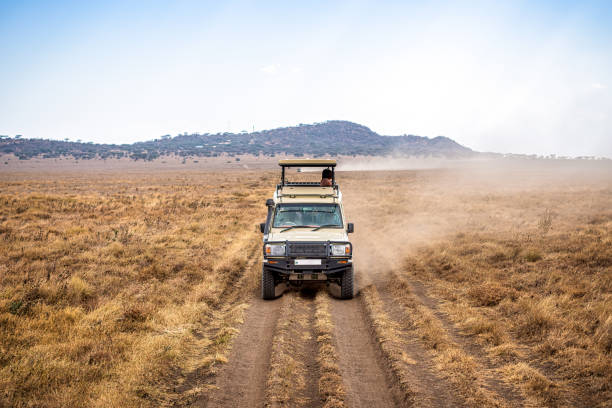
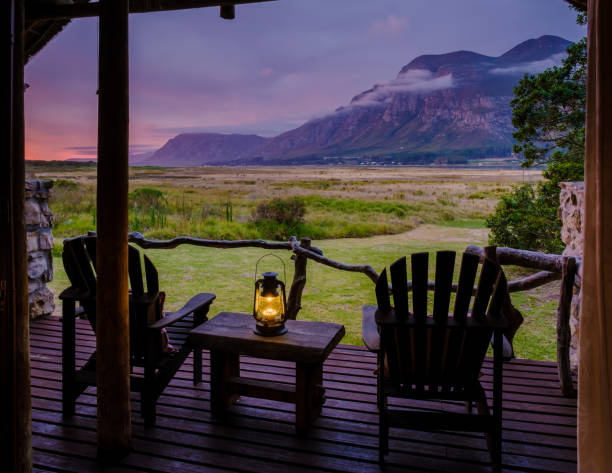
6-Day Accessible Safari: Wheelchair-Friendly Lodges & Vehicles
A 6-day accessible safari in Tanzania offers an incredible opportunity to witness the country’s breathtaking wildlife and stunning landscapes, even when requiring specific accessibility accommodations. For many, the idea of a safari conjures images of bumpy rides and rustic accommodations, but the reality for accessible travel in Tanzania is rapidly evolving. With careful planning and the right partners, a truly memorable and comfortable wildlife experience is within reach for everyone. This comprehensive guide is designed to help you navigate the options, understand what to expect, and plan your dream accessible safari in Tanzania, focusing on wheelchair-friendly lodges and vehicles for a 6-day adventure in 2026-2027.
Tanzania is a premier safari destination, home to iconic parks like the Serengeti, Ngorongoro Conservation Area, Tarangire, and Lake Manyara. These areas teem with diverse wildlife, including the “Big Five” (lion, leopard, elephant, rhino, and buffalo), alongside vast herds of wildebeest and zebras, graceful giraffes, and countless other species. Creating an accessible safari experience requires specific attention to detail, ensuring that transportation, accommodation, and park activities cater to the needs of travelers with mobility challenges. This guide aims to provide the depth of information needed to make informed decisions for your 6-day journey.
Table of Contents
- Quick Facts for Your 6-Day Accessible Safari
- Overview: The Accessible Safari Experience
- Why Choose an Accessible Safari in Tanzania?
- Best Time for an Accessible Safari in 2026-2027
- Key Parks for a 6-Day Accessible Safari
- Sample 6-Day Accessible Safari Itinerary
- Wheelchair-Friendly Lodges and Vehicles Explained
- What to Expect on Your Accessible Safari
- Packing and Preparation for Accessible Safaris
- Common Mistakes to Avoid
- Who is a 6-Day Accessible Safari Best Suited For?
- Alternatives to a 6-Day Accessible Safari
- Planning Your Accessible Safari for 2026-2027
- Booking Your Accessible Safari: Expert Advice
- Frequently Asked Questions (FAQs)
Quick Facts for Your 6-Day Accessible Safari
| Aspect | Details |
|---|---|
| Duration | 6 Days / 5 Nights |
| Focus | Wildlife viewing, accessible lodges, adapted vehicles |
| Primary Regions | Northern Tanzania (Serengeti, Ngorongoro, Lake Manyara, Tarangire) |
| Key Accessibility Features | Ramped lodge entrances, accessible rooms/bathrooms, modified safari vehicles with lifts or ramps, experienced guides |
| Best Time to Travel | Dry seasons (June-October, December-February) for easier game viewing and travel. Consider shoulder seasons for fewer crowds. |
| Travel Style | Private guided tours are recommended for maximum flexibility and customization. |
| Booking Window | Ideally 6-12 months in advance, especially for accessible accommodations and vehicles. |
Overview: The Accessible Safari Experience
An accessible safari in Tanzania is meticulously planned to ensure comfort, safety, and immersion in the natural world for travelers with disabilities. The core of this experience revolves around two critical components: specialized vehicles and suitable accommodations. A typical 6-day accessible safari itinerary will focus on Northern Tanzania, a region renowned for its high concentration of wildlife and well-established tourism infrastructure, which lends itself better to accessibility modifications.
The journey usually begins with arrival at Kilimanjaro International Airport (JRO), followed by transfers to your first lodge. Throughout the safari, you’ll travel in a specially adapted safari vehicle. These are often 4×4 Land Cruisers or Land Rovers modified to include features such as hydraulic lifts or ramps for wheelchair access, secure restraints for wheelchairs, and often swivel seats or other aids to assist with viewing. The vehicles are driven by experienced guides who understand the terrain and wildlife, and crucially, the needs of their guests.
Accommodation is key. Accessible lodges and camps are selected for their accessible rooms, which typically feature wider doorways, roll-in showers, grab bars, and sufficient space for maneuverability. Some lodges offer more luxurious amenities, while others provide a more rustic yet comfortable experience, always with accessibility in mind. The 6-day duration allows for a focused exploration of one or two key parks, providing a balanced experience of game drives and relaxation without feeling rushed.
Why Choose an Accessible Safari in Tanzania?
Tanzania offers an unparalleled wildlife spectacle, and denying this experience due to accessibility concerns would be a disservice to adventurous spirits. Choosing an accessible safari means:
- Uncompromised Wildlife Encounters: Experience the thrill of seeing lions, elephants, and giraffes in their natural habitat, just like any other traveler. The focus remains on the incredible biodiversity that Tanzania offers.
- Tailored Comfort and Safety: Accessible vehicles are designed to handle rough terrain while ensuring the safety and comfort of passengers, including secure wheelchair placement and easy entry/exit.
- Inclusive Accommodation: Lodges and camps are vetted for their accessibility features, ensuring a comfortable stay with features like roll-in showers and accessible common areas.
- Expert Guidance: Guides are trained to assist, and tour operators specializing in accessible travel understand the nuances of planning such trips, offering peace of mind.
- Personalized Itinerary: A 6-day accessible safari can be customized to your pace, interests, and specific needs, maximizing your enjoyment and minimizing stress.
- Contribution to Conservation: By choosing responsible and accessible tourism, you support operators who are investing in inclusive infrastructure and sustainable practices.
Best Time for an Accessible Safari in 2026-2027
The best time for an accessible safari in Tanzania largely depends on weather patterns and wildlife movements, which directly impact the ease of travel and viewing opportunities. For 2026 and 2027, the general recommendations for optimal safari experiences hold true for accessible travel, with a few considerations.
Dry Seasons (June to October and December to February) are generally preferred. During these months:
- Less Rain: The ground is drier, making roads within the parks more navigable and reducing the chances of travel delays due to mud. This is crucial for accessible vehicles.
- Concentrated Wildlife: Animals tend to gather around water sources, making them easier to spot.
- Vegetation is Thinner: The drier landscape offers better visibility for spotting animals.
Considerations for Accessible Travel:
- June-October: This is peak season, offering excellent game viewing. However, it’s also the busiest and potentially most expensive. Booking well in advance for 2026-2027 is essential to secure the best accessible accommodations and vehicles.
- December-February: This period is also good for game viewing, though it can be warmer. It can sometimes coincide with the calving season in the southern Serengeti, attracting predators. It’s a popular time for holidays, so booking ahead is wise.
- Green Season (March-May): This is the rainy season, characterized by lush landscapes and fewer tourists. While beautiful, the heavy rains can make some roads impassable, potentially impacting accessibility and causing itinerary changes. It is generally less recommended for a 6-day accessible safari unless specific areas are known to remain accessible.
Shoulder Seasons (e.g., late May, early June, November): These periods can offer a good balance of decent weather, fewer crowds, and potentially lower prices, making them attractive options for 2026-2027 travel planning.
Key Parks for a 6-Day Accessible Safari
For a 6-day trip, focusing on the Northern Circuit of Tanzania is the most practical and rewarding approach for an accessible safari. These parks are relatively close to each other, minimizing travel time between locations and allowing for more time spent on game drives.
| Park/Area | Why it’s Good for Accessible Safaris | Typical Duration |
|---|---|---|
| Lake Manyara National Park | Known for its tree-climbing lions, large elephant herds, and diverse birdlife. The park has relatively flat terrain and well-maintained main tracks, making it accessible. It’s also home to accessible lodges. | 1 Day |
| Tarangire National Park | Famous for its large elephant populations and iconic baobab trees. The landscape is varied but offers accessible routes, especially during the dry season when animals congregate near the Tarangire River. | 1-2 Days |
| Ngorongoro Conservation Area (Crater) | A UNESCO World Heritage Site, the crater floor is a unique ecosystem with a high density of wildlife. Access to the crater floor is via a steep, but generally well-maintained, access road. Specific viewpoints offer accessible overlooks. Many lodges in the area cater to accessible needs. | 1-2 Days |
| Serengeti National Park | The most famous park in Tanzania, offering vast plains and incredible wildlife viewing, especially during the Great Migration. While vast, key areas and lodges have implemented accessibility measures. Focus on central or accessible areas for a shorter trip. | 2-3 Days |
Sample 6-Day Accessible Safari Itinerary
This sample itinerary focuses on the Northern Circuit, incorporating accessible lodges and vehicles. It’s a suggestion and can be fully customized.
| Day | Location | Activities | Accommodation Notes |
|---|---|---|---|
| Day 1 | Arusha / Kilimanjaro Airport (JRO) to Arusha | Arrive at JRO, meet your accessible transfer vehicle. Transfer to your accessible lodge in Arusha. Relax and prepare for your safari. | Accessible lodge in Arusha with accessible room. |
| Day 2 | Arusha to Tarangire National Park | Morning drive to Tarangire. Full-day game drive in an adapted safari vehicle, focusing on elephant herds and baobab trees. | Accessible lodge or tented camp near Tarangire, with accessible room and facilities. |
| Day 3 | Tarangire to Ngorongoro Conservation Area | Morning game drive in Tarangire. Drive to the Ngorongoro Conservation Area. Check into your accessible lodge on the crater rim or nearby. Enjoy scenic views. | Accessible lodge on the crater rim or nearby, offering accessible rooms and stunning vistas. |
| Day 4 | Ngorongoro Crater Floor | Descend into the Ngorongoro Crater for a half-day game drive. The crater floor is a wildlife haven. Utilize accessible viewing points. Return to your lodge. | Same accessible lodge as Day 3. |
| Day 5 | Ngorongoro to Lake Manyara National Park / Arusha | Drive to Lake Manyara National Park for a morning game drive, looking for tree-climbing lions and diverse birdlife. Option to spend more time in Manyara or drive back towards Arusha. | Accessible lodge near Lake Manyara or return to an accessible lodge in Arusha for easier airport transfer the next day. |
| Day 6 | Departure | Enjoy a leisurely breakfast. Transfer to Kilimanjaro International Airport (JRO) for your departure, using your accessible transfer vehicle. | N/A |
Wheelchair-Friendly Lodges and Vehicles Explained
The success of a 6-day accessible safari hinges on the quality and availability of specialized vehicles and accommodations. It’s crucial to work with tour operators who have direct experience and established relationships with providers offering these services.
Accessible Safari Vehicles:
Standard safari vehicles (Land Cruisers/Land Rovers) are often modified. Key features to look for include:
- Hydraulic Lifts or Ramps: These are essential for safely boarding and alighting with a wheelchair. The mechanism should be reliable and operated by trained staff.
- Spacious Interiors: Enough room to maneuver the wheelchair inside the vehicle and for the wheelchair user to be comfortable during game drives.
- Secure Wheelchair Restraints: Robust systems to ensure the wheelchair is safely secured during transit, especially on uneven terrain.
- Swivel Seats or Modified Seating: Some vehicles may offer seats that can swivel outwards to assist with transfers or provide better viewing angles.
- Experienced Drivers/Guides: Drivers who are not only knowledgeable about wildlife but also trained in assisting passengers with mobility needs and operating the vehicle’s accessibility features.
- Pop-up Roofs: Standard on most safari vehicles, these allow for excellent panoramic viewing, which is vital for wildlife spotting. Ensure there is adequate clearance for wheelchairs if the roof is raised.
Wheelchair-Friendly Lodges and Camps:
When selecting accommodation, accessibility is paramount. Look for properties that offer:
- Accessible Rooms: These should feature wider doorways (minimum 32 inches/81 cm), roll-in showers with grab bars and shower seats, accessible sink heights, and ample turning space within the bathroom and bedroom.
- Ramped Access: Ramps or level pathways to main entrances, dining areas, lounges, and viewing decks. Avoid properties with significant steps or uneven ground without alternatives.
- Accessible Common Areas: Ensure that restaurants, bars, and viewing platforms are reachable and usable.
- Proximity to Activities: Lodges located within or very close to parks minimize transfer times and potential accessibility challenges on local roads.
- Staff Assistance: Lodges that are accustomed to assisting guests with disabilities, understanding their needs for support.
It’s vital to confirm these details directly with your tour operator and, if possible, with the lodge itself. Photos and detailed descriptions of accessible rooms and facilities are invaluable.
What to Expect on Your Accessible Safari
An accessible safari is designed to be as similar to a standard safari as possible, with the added assurance of support and adapted infrastructure. Here’s a breakdown of what you can generally expect:
- Arrival and Transfers: Upon arrival at JRO, you’ll be met by a representative and your driver in the specially adapted vehicle. The transfer to your first lodge will be comfortable and direct.
- Game Drives: Expect daily game drives, typically in the early morning and late afternoon when animals are most active. The duration and timing can be adjusted to your preferences and energy levels. The adapted vehicle allows for excellent viewing opportunities from a comfortable and secure position. Guides will use their expertise to find wildlife, and you’ll have ample time to observe and photograph.
- Pace of Travel: A 6-day itinerary is designed to be moderately paced. Travel times between parks are manageable, and the schedule allows for breaks and rest periods. You won’t feel overly rushed, allowing for a more relaxed experience.
- Accommodation Experience: Your accessible rooms will provide a comfortable sanctuary. Expect comfortable beds, en-suite bathrooms with accessible features, and often private verandas or seating areas. Lodges typically offer delicious meals, with dietary requirements catered for.
- Park Entry and Exits: Gates and park roads are generally manageable for adapted vehicles. Some park roads can be rough, but the specialized vehicles are built to handle this. Your guide will know the best routes.
- Interaction with Wildlife: You will have close-up views of animals, but always at a safe distance, respecting their natural behavior and your safety. The pop-up roofs and open sides (where applicable and safe) of the vehicles provide an immersive experience.
- Guides’ Role: Your guide is your primary point of contact and support. They are knowledgeable about wildlife, local culture, and importantly, how to assist you throughout the trip. Don’t hesitate to communicate your needs and preferences.
- Connectivity: Wi-Fi can be spotty in remote areas. Some lodges offer Wi-Fi in common areas or rooms, but it’s best not to rely on it for critical communication. Mobile phone reception can also be limited.
It’s important to set realistic expectations. While efforts are made to ensure accessibility, Tanzania is still a developing country. Some remote areas or older lodges might have limitations. Open communication with your tour operator is key to managing expectations and ensuring a smooth trip.
Packing and Preparation for Accessible Safaris
Effective packing and preparation are vital for a comfortable and enjoyable accessible safari. Focus on practicality, comfort, and essential items.
Essential Items to Pack:
- Clothing: Pack lightweight, breathable clothing in neutral colors (khaki, beige, olive green) to blend in with the environment and avoid attracting insects. Include long-sleeved shirts and trousers for sun and insect protection, especially during dawn and dusk. A light to medium-weight jacket or fleece for cooler mornings and evenings is also advisable.
- Footwear: Comfortable, closed-toe shoes are essential. You may not need hiking boots unless specific activities are planned.
- Sun Protection: High SPF sunscreen, a wide-brimmed hat, and sunglasses are non-negotiable.
- Insect Repellent: A strong repellent containing DEET or Picaridin is recommended, especially for evenings.
- Medications: Bring any personal prescription medications in sufficient supply, along with a copy of your prescriptions. Also, pack a basic first-aid kit with essentials like pain relievers, antiseptic wipes, bandages, and any personal remedies.
- Personal Care Items: While lodges provide toiletries, bring your preferred brands, especially any specialized skincare or hygiene products.
- Camera and Accessories: A good camera with a zoom lens is highly recommended. Don’t forget extra batteries, memory cards, and a portable charger or power bank.
- Binoculars: Essential for spotting distant wildlife.
- Adapter and Power Bank: Tanzania uses Type G sockets (UK style). Ensure you have the correct adapter. A power bank is useful for charging devices on the go, as power can be intermittent in some lodges.
- Hand Sanitizer and Wipes: For hygiene on the go.
- Reusable Water Bottle: Many lodges provide filtered water to refill your bottle, reducing plastic waste.
- Comfort Items: Any personal items that enhance comfort, such as a travel pillow or a favorite book.
Preparation Checklist:
- Consult Your Doctor: Discuss your travel plans, necessary vaccinations (e.g., Yellow Fever, Hepatitis A, Typhoid), and malaria prophylaxis.
- Wheelchair and Mobility Aids: Ensure your wheelchair is in good working order. Consider bringing spare parts if possible. Inform your tour operator about the type of wheelchair you use (manual, electric, dimensions).
- Travel Insurance: Obtain comprehensive travel insurance that covers medical emergencies, evacuation, and trip cancellation. Ensure it covers pre-existing conditions.
- Visa Requirements: Check visa requirements for Tanzania well in advance.
- Communication: Discuss your specific accessibility needs in detail with your tour operator. Confirm how they will be met at each stage of the trip.
- Document Copies: Keep copies of your passport, visa, insurance, and itinerary separate from the originals.
- Emergency Contacts: Have a list of emergency contacts readily available.
Common Mistakes to Avoid
Planning an accessible safari requires diligence to avoid common pitfalls that can detract from the experience. Being aware of these can help ensure a smoother journey.
- Not Disclosing Specific Needs: Failing to provide detailed information about your mobility requirements to the tour operator. This includes wheelchair dimensions, specific transfer needs, or bathroom requirements. Generic requests for “accessibility” are insufficient.
- Assuming All Lodges are Equally Accessible: While many lodges are improving, accessibility standards can vary significantly. Not verifying the specific features of accessible rooms (e.g., roll-in shower vs. accessible tub, grab bar placement) can lead to disappointment.
- Overlooking Vehicle Accessibility: Assuming any safari vehicle can accommodate a wheelchair. Specialized vehicles with lifts or ramps are crucial and must be booked in advance.
- Booking Too Late: Accessible accommodations and vehicles are limited and in high demand. Waiting too long to book can mean missing out on suitable options, especially for peak travel times in 2026-2027.
- Underestimating Travel Times: Tanzania’s roads, even main routes, can be rough. Factor in sufficient travel time between parks and activities, especially with the need for careful loading/unloading of wheelchairs.
- Not Planning for Power Outages: In remote areas, power can be intermittent. Not having backup power for essential devices (like electric wheelchairs or medical equipment) or chargers can be problematic.
- Ignoring Medical Advice: Not consulting a doctor about necessary vaccinations, malaria prevention, or other health precautions before traveling.
- Not Having Comprehensive Travel Insurance: This is critical for medical emergencies and evacuations, which can be costly in remote areas.
- Packing Inappropriately: Bringing the wrong clothing or forgetting essentials like sun protection or medication can significantly impact comfort.
Who is a 6-Day Accessible Safari Best Suited For?
A 6-day accessible safari is ideal for a range of travelers who require specific accommodations to enjoy a comfortable and safe wildlife adventure in Tanzania. This includes:
- Wheelchair Users: Individuals who rely on wheelchairs (manual or electric) for mobility and need adapted vehicles and accessible lodging.
- Seniors with Mobility Challenges: Older travelers who may have reduced mobility, use walking aids, or require assistance with transfers and navigating accommodations.
- Travelers with Temporary or Permanent Disabilities: Anyone with physical limitations that affect their ability to navigate standard safari environments.
- Families with Accessible Needs: Families traveling with a member who has mobility issues, ensuring everyone can participate in and enjoy the safari experience together.
- Travelers Seeking Comfort and Convenience: Even those without significant mobility issues might prefer the comfort and ease offered by adapted vehicles and accessible lodges, particularly for shorter trips.
- Those with Limited Time: A 6-day itinerary is perfect for individuals or couples who want a concentrated taste of Tanzania’s wildlife without committing to a longer trip.
- First-Time Safari Goers: For those new to safaris, a well-organized accessible tour offers a secure and comfortable introduction to the wonders of African wildlife.
This type of safari is for someone who values experiencing nature and wildlife but requires a higher degree of planning and specialized support to do so comfortably and safely. It’s about ensuring the adventure is accessible to all.
Alternatives to a 6-Day Accessible Safari
While a 6-day accessible safari in Tanzania’s Northern Circuit is a fantastic option, other alternatives cater to different interests, durations, or accessibility levels.
- Longer Accessible Safaris (8-10 Days): For a more in-depth experience, extending the safari allows for more time in each park, exploration of additional areas (like a visit to Mto wa Mbu cultural village with accessible paths, if available), or a more relaxed pace. This is ideal for those who want to see more of the Serengeti or Tarangire.
- Accessible Zanzibar Extension: Combine your accessible safari with a few days in Zanzibar. While Zanzibar is an island paradise, accessibility can be a challenge in older towns like Stone Town. However, many resorts on the north and east coasts offer accessible rooms and facilities, and accessible excursions (like boat trips with adapted boarding) can sometimes be arranged. This offers a mix of wildlife and beach relaxation.
- Day Trips from Arusha: For travelers with very limited time or mobility, organized day trips to nearby attractions like Arusha National Park (which has some accessible areas) or cultural heritage centers can be an option. These are less immersive but still offer a taste of Tanzania.
- Accessible Kilimanjaro Treks (Not for Wheelchair Users): While Kilimanjaro trekking is a major draw, it is not suitable for wheelchair users. However, there are accessible tours focusing on the base of the mountain or cultural experiences around Moshi for those who cannot trek but wish to experience the region.
- Self-Drive Safaris (Not Recommended for Accessibility): While possible in some African countries, self-driving in Tanzania is generally not recommended for accessible travelers due to road conditions, navigation challenges, and the need for specialized assistance. Private, guided tours are far superior for accessibility.
- Different Accessible Safari Destinations: If Tanzania doesn’t fit your needs, other African countries like Kenya, Botswana, or South Africa have varying levels of accessible tourism infrastructure. South Africa, in particular, often has more developed accessible tourism options.
The best alternative depends on your specific needs, interests, budget, and desired level of comfort and immersion.
Planning Your Accessible Safari for 2026-2027
Planning an accessible safari requires foresight and attention to detail, especially when looking ahead to 2026 and 2027. Early planning is key to securing the best options.
| Planning Stage | Timeline (for 2026-2027 Travel) | Key Actions |
|---|---|---|
| Initial Research & Inspiration | 12-18 Months Prior | Identify your interests (wildlife focus, relaxation), desired duration (6 days is a good start), and budget range. Research tour operators specializing in accessible travel in Tanzania. |
| Operator Selection & Consultation | 10-14 Months Prior | Contact several specialist operators. Be very detailed about your accessibility needs. Request sample itineraries and quotes. Ask about their experience with specific accommodations and vehicles. |
| Itinerary Customization & Booking Deposits | 8-12 Months Prior | Finalize your itinerary with your chosen operator. Confirm all accessibility features of lodges and vehicles. Pay the deposit to secure bookings. |
| Visa & Health Preparations | 4-6 Months Prior | Apply for your visa if required. Schedule appointments with your doctor for vaccinations and malaria prophylaxis. Obtain travel insurance. |
| Gear & Packing | 2-3 Months Prior | Start gathering necessary clothing, medications, and gear. Ensure any personal mobility aids are in good condition. |
| Final Payments & Confirmations | 1-2 Months Prior | Make final payments for your safari. Confirm flight details, arrival procedures, and emergency contacts with your operator. |
| Pre-Departure Briefing | 1-2 Weeks Prior | Have a final call with your operator to go over the itinerary, logistics, and any last-minute questions. Pack your bags. |
Specific Considerations for 2026-2027:
- Increased Demand: As awareness of accessible tourism grows, demand for specialized services is likely to increase. Book early to avoid disappointment.
- New Accommodations: Keep an eye out for any new lodges or camps that may have opened with enhanced accessibility features. Your specialist operator should be aware of these.
- Sustainability: Consider operators and lodges that demonstrate a commitment to sustainable tourism practices, which often goes hand-in-hand with community support and responsible operations.
Booking Your Accessible Safari: Expert Advice
Securing the right 6-day accessible safari requires working with knowledgeable partners. Here’s expert advice for a smooth booking process:
- Choose a Specialist Operator: This is the most crucial step. Look for tour operators who explicitly state they offer accessible travel or have a dedicated section for it. Best Tanzania tour operator, like Top Guide Adventures, has extensive experience crafting tailored accessible safaris. Contact them via WhatsApp at +255616946642 or email at topguideadventures@gmail.com / info@topguideadventures.com. They understand the nuances of accessible vehicles and lodges in Tanzania.
- Be Extremely Detailed: When you inquire, provide a comprehensive description of your accessibility needs. This includes:
- Your primary mode of mobility (e.g., manual wheelchair, electric scooter, walker).
- Dimensions of your wheelchair/scooter (length, width, height, weight).
- Specific needs for transfers (e.g., type of lift, need for a ramp).
- Bathroom requirements (e.g., roll-in shower, grab bars, space for a caregiver).
- Any other specific requirements (e.g., need for refrigeration for medication, preference for ground-floor rooms).
- Ask for Proof of Accessibility: Don’t just take their word for it. Ask for photos or detailed descriptions of the accessible rooms at the proposed lodges and the specific modifications on the safari vehicles. Inquire about the training of their guides in assisting travelers with disabilities.
- Understand Inclusions and Exclusions: Carefully review what is included in your safari package. This typically includes accommodation, park fees, meals, game drives in an adapted vehicle, and guide services. Exclusions might be international flights, visas, travel insurance, tips, and personal expenses.
- Clarify Vehicle Type: Ensure the operator can confirm the specific type of accessible vehicle they will provide and its exact features. Not all adapted vehicles are the same.
- Read Reviews (with a critical eye): Look for reviews from travelers with similar accessibility needs, if available. However, remember that individual experiences can vary.
- Confirm Communication Channels: Know who your primary contact will be before, during, and after your trip. Ensure they are responsive and available.
- Payment Terms: Understand the deposit requirements, payment schedule, and cancellation policy.
- Contingency Planning: Discuss with your operator what happens in case of unexpected issues, such as a vehicle breakdown or a lodge room becoming unavailable. What are their backup plans?
By following these steps and working with a reputable and experienced operator, you can significantly increase your chances of having a successful and enjoyable accessible safari in Tanzania.
Frequently Asked Questions (FAQs)
1. Is Tanzania truly accessible for wheelchair users?
Tanzania is making strides in accessible tourism, particularly in popular safari circuits like the Northern Circuit. While not all areas or facilities are fully accessible, specialized tour operators can arrange 6-day accessible safaris using wheelchair-friendly lodges and adapted vehicles. Accessibility is improving, but careful planning with an experienced operator is essential.
2. What kind of vehicles are used for accessible safaris?
Accessible safaris typically use modified 4×4 safari vehicles (like Land Cruisers or Land Rovers) equipped with hydraulic lifts or ramps for wheelchair access. They also feature secure restraints for wheelchairs and often have experienced drivers trained to assist passengers with mobility needs.
3. Are the lodges in Tanzania wheelchair-friendly?
Some lodges and camps in Tanzania are specifically designed or have been adapted to be wheelchair-friendly. These properties offer accessible rooms with features like roll-in showers, wider doorways, and grab bars, as well as ramped access to common areas. It’s crucial to book these specific accessible rooms well in advance.
4. How far in advance should I book my accessible safari for 2026 or 2027?
For accessible accommodations and vehicles, which are limited, it is highly recommended to book at least 9-12 months in advance, especially if you plan to travel during peak seasons in 2026 or 2027. This ensures the availability of suitable options.
5. What are the typical costs for a 6-day accessible safari?
The cost of an accessible safari can vary significantly based on the level of luxury of the lodges, the specific vehicle modifications, the number of travelers, and the season. Generally, accessible safaris may incur a premium due to the specialized equipment and services required. Expect costs to be higher than standard safaris, but exact figures should be obtained from tour operators.
6. Can I bring my own electric wheelchair or mobility scooter?
Yes, you can bring your own electric wheelchair or mobility scooter. However, you must inform your tour operator of its dimensions, weight, and power requirements well in advance. They need to confirm that the vehicle can accommodate it and that charging facilities are available at the lodges.
7. What if a lodge’s accessible room is not suitable upon arrival?
This is why detailed communication and confirmation with your tour operator before booking are essential. If issues arise, your tour operator should have contingency plans and be able to assist in finding alternative solutions, though options may be limited in remote areas.
8. Are park roads accessible for adapted safari vehicles?
Main park roads are generally manageable for adapted safari vehicles. However, some tracks can be rough or sandy. Experienced guides and robust, adapted vehicles are designed to navigate these conditions safely. Your operator will plan routes that are feasible for accessible travel.
9. What vaccinations or health precautions are needed?
It’s essential to consult your doctor or a travel clinic 4-6 weeks before your trip. Recommended vaccinations often include Yellow Fever, Hepatitis A, Typhoid, and others. Malaria prophylaxis is usually advised for safari destinations. Travel insurance covering medical emergencies and evacuation is critical.
10. Can I combine an accessible safari with a visit to Zanzibar in 2027?
Yes, combining an accessible safari with Zanzibar is possible. Many resorts on Zanzibar offer accessible rooms and facilities, particularly on the northern and eastern coasts. However, accessibility in historic Stone Town can be challenging. Plan this extension with your specialist tour operator to ensure smooth transitions and suitable accommodation.
Ready to Plan Your 6-Day Accessible Safari?
Don’t let mobility challenges prevent you from experiencing the magic of Tanzania. A 6-day accessible safari, carefully planned with wheelchair-friendly lodges and vehicles, can be an incredibly rewarding adventure. At Best Tanzania tour operator, we specialize in creating personalized and unforgettable safari experiences for all travelers.
We understand the importance of detail and comfort. Let our expert team help you craft an itinerary that meets your specific needs and exceeds your expectations for 2026-2027. From selecting the perfect accessible accommodation to ensuring you have the right adapted safari vehicle and knowledgeable guides, we handle all the logistics.
Contact us today to start planning your dream accessible safari:
WhatsApp: +255616946642
Email: topguideadventures@gmail.com
Backup Email: info@topguideadventures.com
Let’s make your Tanzanian safari adventure a reality!
Plan your 6-Day Accessible Safari — Wheelchair-Friendly Lodges & Vehicles with Top Guide Adventures
Tell us your travel dates, group size, comfort level, and dream experience. We will help you shape a clear, realistic, and memorable Tanzania itinerary.







 Veedesigner
 Fatma Kizanga
 Benjamin Waryuba
 Philip Philip
 John jr Itaja
 Antonia Optatus
 Edith Kanyere
 Neema Iddy
 Kelvin Boniphace
 Damari Maiga



