
Updated planning guide for 2026-2027
3-Day Budget Micro-Adventure — Local Guides & Authentic Stays Guide
Discover how to craft a memorable 3-day budget micro-adventure in Tanzania, focusing on local guides and authentic accommodations for an immersive experience.
WhatsApp +255616946642 | topguideadventures@gmail.com | info@topguideadventures.com
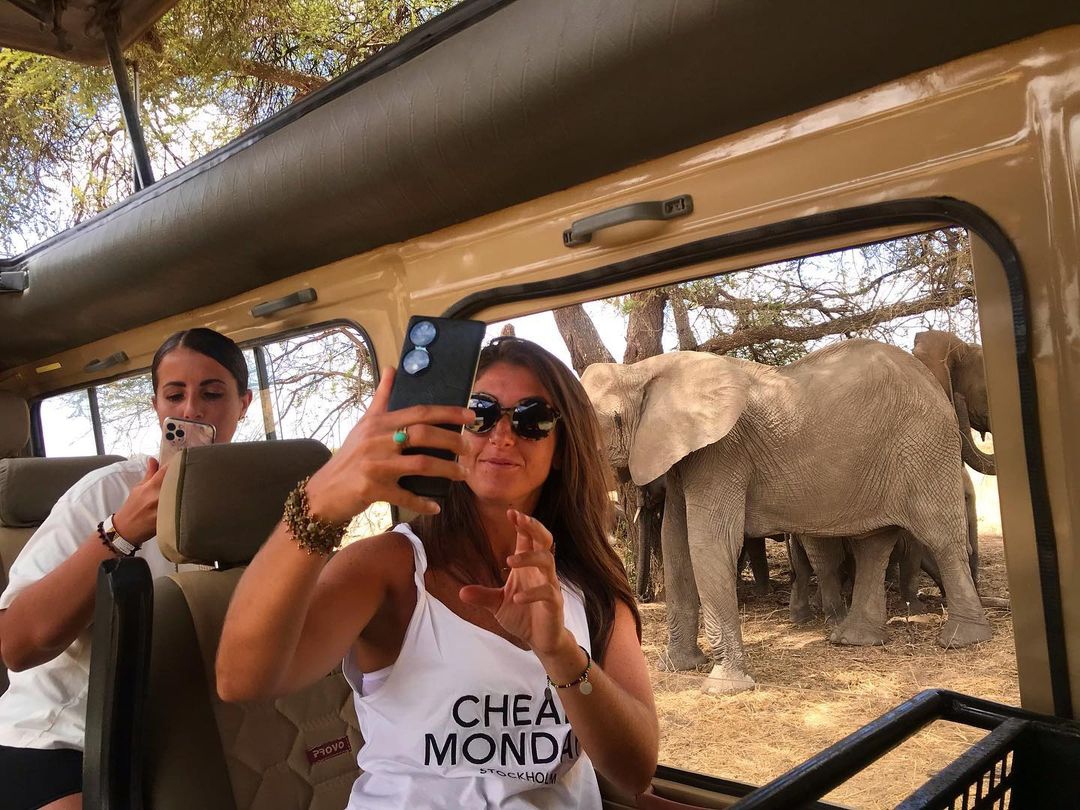

Your Essential Guide to a 3-Day Budget Micro-Adventure: Local Guides & Authentic Stays
Planning a short escape doesn’t mean compromising on experience. A 3-day budget micro-adventure focusing on local guides and authentic stays offers a deep dive into Tanzania’s rich culture and natural beauty. This guide provides practical advice for crafting an unforgettable, cost-effective trip, whether you’re a solo traveler, a couple, or a small group. We cover everything from itinerary planning and accommodation choices to essential preparation for your 2026-2027 travels.
Quick Answer: What is a 3-Day Budget Micro-Adventure?
A 3-day budget micro-adventure is a short, focused trip designed for maximum experience within a limited timeframe and budget. It emphasizes genuine local interactions and stays in non-traditional, affordable accommodations, prioritizing cultural immersion and authentic exploration over luxury amenities. It’s about experiencing a place like a local, guided by local expertise.
Table of Contents
- Quick Facts
- Micro-Adventure Overview
- Why Choose a Micro-Adventure?
- Best Time for Your Micro-Adventure
- Tanzania Micro-Adventure Destination Ideas
- Sample 3-Day Micro-Adventure Itinerary: Arusha Region
- The Power of Local Guides
- Finding Authentic Stays
- Budget Considerations for 2026-2027
- What to Expect on Your Trip
- Packing and Preparation
- Common Mistakes to Avoid
- Who is a 3-Day Micro-Adventure Best For?
- Alternatives to a Micro-Adventure
- Planning Your 2026-2027 Micro-Adventure
- Booking Your Micro-Adventure
- Frequently Asked Questions
Quick Facts
| Aspect | Details |
|---|---|
| Duration | 3 Days / 2 Nights |
| Focus | Local Guides & Authentic Stays |
| Budget Level | Economical |
| Pace | Immersive and Active |
| Key Elements | Cultural experiences, nature exploration, local interaction |
| Best For | Short escapes, budget travelers, culture enthusiasts |
| Planning Horizon (2026-2027) | Book accommodations & guides 2-4 months in advance, especially during peak season. |
Micro-Adventure Overview
A 3-day budget micro-adventure in Tanzania is a focused, short-term exploration designed to give you a genuine feel for a specific region or cultural experience without the time commitment or expense of a longer safari or trek. The core principle is to leverage local knowledge and stay in places that offer a true sense of place. Instead of large hotels, think community homestays, guesthouses run by local families, or eco-lodges that directly support the community. Your guides will be local experts, not just drivers, who can share intimate knowledge of the area, its history, traditions, and natural wonders.
This approach allows for a more personal and less commercialized travel experience. You’re not just a tourist; you’re a visitor engaging with the local fabric of life. This type of trip is ideal for those who want to see more of Tanzania beyond the typical tourist circuits, even with limited time. It’s about quality of experience over quantity of sights.
Why Choose a Micro-Adventure?
In today’s fast-paced world, finding time for extensive travel can be challenging. A 3-day micro-adventure offers a perfect solution:
- Time Efficiency: Fits easily into a long weekend or a short break.
- Cost-Effectiveness: Significantly less expensive than multi-week safaris or treks. Focus on budget-friendly options keeps costs down.
- Deep Immersion: Concentrating on one area allows for deeper exploration and understanding.
- Authenticity: Prioritizing local guides and accommodations ensures genuine cultural exchange.
- Reduced Environmental Impact: Shorter trips generally mean a smaller carbon footprint.
- Flexibility: Can be tailored to specific interests, from cultural tours to short hikes or village visits.
By choosing a 3-day budget micro-adventure with local guides and authentic stays, you invest in experiences that resonate long after you return home.
Best Time for Your Micro-Adventure
Tanzania’s climate varies by region, but for a 3-day micro-adventure, consider these factors:
| Season | Description | Suitability for Micro-Adventure |
|---|---|---|
| Dry Season (June – October) | Cooler temperatures, less humidity, clear skies. Ideal for wildlife viewing and trekking. | Excellent. Minimal rain means easier travel and outdoor activities. This is peak season, so book ahead for 2026-2027. |
| Long Rains (March – May) | Heavy rainfall, lush landscapes, fewer tourists, lower prices. | Moderate. Can impact road conditions and outdoor activities. Good for budget travelers seeking fewer crowds, but be prepared for wet weather. |
| Short Rains (November – February) | Intermittent showers, warm temperatures. Wildlife is dispersed but often easier to spot near water sources. | Good. Pleasant temperatures, occasional rain showers. Good for birdwatching. |
For a 3-day micro-adventure, the Dry Season (June-October) generally offers the most predictable and pleasant weather for outdoor activities and easy travel. However, the shoulder months (May, November) can offer a good balance of decent weather and fewer crowds, potentially leading to better prices for 2026-2027 bookings.
Tanzania Micro-Adventure Destination Ideas
While Tanzania is famous for its vast safaris, a 3-day micro-adventure can be incredibly rewarding in less-visited, accessible areas. Focusing on regions around Arusha or Moshi offers excellent opportunities for short, impactful trips:
- Arusha Region: Gateway to Northern Tanzania, offering cultural villages, coffee plantations, short hikes, and local markets.
- Moshi Region: Known for its proximity to Kilimanjaro, but also home to waterfalls, local communities, and Chagga culture.
- Usambara Mountains: Accessible from Arusha/Moshi, offering lush forests, hiking, and unique biodiversity. Requires slightly more travel time but is rich in local charm.
- Lake Natron Area: For the adventurous, a longer day trip or overnight can offer unique landscapes and cultural insights, though it requires more travel time.
For a true 3-day micro-adventure, concentrating on the Arusha and Moshi regions is most practical, allowing for more immersive experiences and less time spent traveling between locations.
Sample 3-Day Micro-Adventure Itinerary: Arusha Region
This itinerary focuses on cultural immersion and natural beauty around Arusha, ideal for a 3-day budget micro-adventure with local guides and authentic stays.
| Day | Morning | Afternoon | Evening | Accommodation Focus |
|---|---|---|---|---|
| Day 1: Arrival & Cultural Immersion | Arrive at Kilimanjaro International Airport (JRO). Meet your local guide. Transfer to a village near Arusha. Check into a community-run guesthouse or homestay. | Guided walking tour of the village. Visit a local family, learn about daily life, traditional farming, and crafts. Participate in a cooking demonstration. | Enjoy a traditional dinner prepared by your host family. Share stories and learn about local customs. | Community Guesthouse/Homestay |
| Day 2: Nature & Local Craftsmanship | After breakfast, embark on a guided hike to a nearby waterfall (e.g., Materuni Waterfalls if closer to Moshi, or a local waterfall near Arusha). Learn about local flora and fauna from your guide. | Visit a local coffee plantation. Learn the process from bean to cup, with a tasting session. Explore a local market to see crafts and interact with vendors. | Return to your homestay. Optional: Attend a traditional music or dance performance if available in the village. | Community Guesthouse/Homestay |
| Day 3: Maasai Culture & Departure | Visit a Maasai boma (village) with your local guide. Learn about their traditions, social structure, and way of life. Engage respectfully with community members. | Enjoy a final local lunch. Depending on your flight schedule, you might have time for some last-minute souvenir shopping at a local cooperative. | Transfer back to Kilimanjaro International Airport (JRO) for your departure. | N/A |
Arusha Region Micro-Adventure Area Overview
Conceptual Route:
- Kilimanjaro International Airport (JRO)
- Transfer to Arusha outskirts / nearby village (e.g., Usa River area)
- Local village for homestay & cultural activities
- Nearby waterfall & coffee plantation
- Maasai Boma visit
- Return to JRO
This is a generalized route. Specific locations will depend on the chosen community and guide. The focus is on staying within a 1-2 hour radius of Arusha town to maximize time.
The Power of Local Guides
Choosing local guides is fundamental to an authentic micro-adventure. They offer:
- Invaluable Knowledge: Deep understanding of the local environment, history, culture, and hidden gems.
- Authentic Connections: Facilitate genuine interactions with local communities, breaking down cultural barriers.
- Safety and Navigation: Ensure your safety and navigate rural areas with confidence.
- Economic Empowerment: Your money directly supports local individuals and their families, fostering sustainable tourism.
- Language Skills: Bridge the communication gap, allowing you to connect more deeply.
When booking, look for guides recommended by local communities or reputable local tour operators. They are the key to experiencing Tanzania beyond the surface.
Finding Authentic Stays
Authentic stays are the heart of a budget micro-adventure. Forget generic hotels; seek out:
- Community-Run Guesthouses: Often simple but clean, offering a chance to stay within a local village and interact with residents. Profits typically benefit the community.
- Homestays: Live with a local family, sharing meals and daily life. This is the most immersive option.
- Small, Locally-Owned Lodges: Eco-lodges or small lodges that are managed by locals and have a strong connection to their environment and community.
- Cultural Tourism Villages: Some areas have established villages that offer basic accommodation and guided cultural tours.
Look for places that highlight their community involvement, sustainability practices, and opportunities for cultural exchange. Websites dedicated to responsible tourism or recommendations from local tour operators are good starting points.
Budget Considerations for 2026-2027
A 3-day budget micro-adventure is inherently cost-effective, but here’s how to manage expenses:
- Accommodation: Homestays and community guesthouses are the most affordable, often including meals. Expect prices significantly lower than standard hotels.
- Guides: Hiring local guides directly or through a local operator is more economical than large international companies. Daily rates vary but are generally reasonable for a 3-day trip.
- Activities: Village tours, waterfall visits, and coffee farm experiences are typically low-cost, with fees often contributing directly to local projects.
- Food: Meals provided by homestays or local eateries are budget-friendly and authentic.
- Transportation: Shared transfers or local transport (if feasible and safe) can save money, but for a short trip, pre-arranged private transfers with your guide might be more efficient and secure. Factor in the cost of getting to and from the airport.
- Souvenirs: Purchase directly from artisans to ensure fair prices.
For 2026-2027 travel, consider the exchange rate and any potential inflation. Booking slightly in advance can sometimes secure better rates, especially for accommodation.
What to Expect on Your Trip
Prepare for an experience that is rich in authenticity but might differ from conventional travel:
- Simplicity: Authentic accommodations may be basic, with shared bathrooms or limited electricity. Embrace this as part of the experience.
- Cultural Differences: Be open to different customs, greetings, and social norms. Your local guide will help you navigate these.
- Warm Hospitality: Tanzanians are known for their friendliness. Expect warm welcomes and genuine interactions.
- Sensory Richness: Engage with the sights, sounds, and smells of local life – bustling markets, cooking fires, children playing, and vibrant conversations.
- Flexibility: While an itinerary provides structure, be prepared for spontaneous moments or slight adjustments based on local circumstances.
- Connection: The primary outcome is a deeper connection to the place and its people.
Packing and Preparation
Pack light and smart for your 3-day micro-adventure:
- Clothing: Lightweight, breathable clothing suitable for warm weather. Include modest options (long skirts, trousers, t-shirts with sleeves) for village visits. A light jacket or fleece for cooler evenings. Comfortable walking shoes are essential.
- Health: Consult your doctor about necessary vaccinations and malaria precautions. Carry a basic first-aid kit, insect repellent, and hand sanitizer.
- Documents: Passport, visa (if required), travel insurance details, and copies of all bookings.
- Money: Carry some local currency (Tanzanian Shillings) for small purchases and tips. ATMs are available in larger towns, but less so in rural areas.
- Sun Protection: Sunscreen, hat, and sunglasses.
- Camera: To capture memories, but always ask permission before taking photos of people.
- Small Gifts (Optional): Small, practical gifts like school supplies or useful items for children can be appreciated, but always discuss this with your guide first to ensure appropriateness. Avoid giving money directly unless instructed.
- Reusable Water Bottle: To reduce plastic waste.
Preparation: Learn a few basic Swahili phrases (like ‘Jambo’ for hello, ‘Asante’ for thank you). Read up on Tanzanian culture and etiquette.
Common Mistakes to Avoid
To ensure your micro-adventure is smooth and respectful:
- Underestimating Travel Time: Even short distances can take time on rural roads. Factor this into your planning.
- Disrespecting Local Customs: Dress modestly, ask permission before taking photos, and be mindful of local traditions.
- Expecting Luxury: Authentic stays are about immersion, not five-star amenities.
- Not Hiring a Local Guide: Missing out on the depth of experience and local insights.
- Carrying Too Much Cash: While necessary for small purchases, avoid flashing large amounts. Use ATMs in towns when possible.
- Ignoring Health Advice: Don’t skip vaccinations or malaria precautions.
- Being Inflexible: Embrace the unexpected; it’s part of the adventure.
- Assuming All Tours Are Equal: Research operators and guides to ensure they prioritize local engagement and sustainability.
Who is a 3-Day Micro-Adventure Best For?
This type of trip is ideal for:
- Budget Travelers: Those looking for an impactful experience without a large financial outlay.
- Time-Constrained Travelers: Individuals or couples with limited vacation days who want a meaningful escape.
- Culture Enthusiasts: Anyone eager to connect with local people, traditions, and daily life.
- Solo Travelers: Offers a safe and engaging way to explore and meet people.
- Couples Seeking Unique Experiences: A romantic and memorable way to bond over shared discoveries.
- First-Time Visitors to Tanzania: A gentle introduction to the country’s culture and landscapes, less overwhelming than a full safari.
- Experienced Travelers: Those looking for deeper, more authentic interactions beyond typical tourist paths.
Alternatives to a Micro-Adventure
While a 3-day micro-adventure offers unique benefits, consider these alternatives if your needs differ:
- Short Safari (3 Days): Focus on one park like Tarangire or Lake Manyara. More wildlife-centric, less cultural immersion, typically more expensive.
- Day Trips from Arusha/Moshi: Shorter excursions to waterfalls, hot springs, or cultural sites. Lacks the overnight immersion of a micro-adventure.
- Kilimanjaro Day Hike (e.g., Marangu route lower slopes): For those wanting a taste of the mountain without a full climb.
- Zanzibar Day Trip: If already in mainland Tanzania, a quick flight to Zanzibar for Stone Town or a beach visit. Limited time for true exploration.
The key difference lies in the depth of immersion and the focus on local, authentic interactions, which a 3-day micro-adventure prioritizes over ticking off major sights.
Planning Your 2026-2027 Micro-Adventure
Planning ahead is crucial for a successful 3-day budget micro-adventure, especially for trips in 2026-2027. Here’s a checklist:
Micro-Adventure Planning Checklist (2026-2027)
- Define Your Interests: Culture? Nature? Food? This will guide your destination choice.
- Choose Your Region: Arusha/Moshi are excellent for short, accessible trips.
- Select Dates: Consider seasonality for weather and crowds.
- Book Accommodation: Secure your homestay or community guesthouse 2-4 months in advance for 2026-2027, especially during peak dry season.
- Find a Local Guide: Book through a reputable local operator or community tourism initiative. Confirm their availability and what’s included. Aim for 3-4 months ahead.
- Arrange Transportation: Plan airport transfers and any local transport.
- Confirm Activities: Discuss and finalize your itinerary with your guide.
- Health Preparations: Visit your doctor 6-8 weeks before departure.
- Visa Requirements: Check and apply if necessary well in advance.
- Travel Insurance: Purchase comprehensive travel insurance.
- Currency: Plan how you’ll access cash (USD for initial exchange, TZS for local use).
- Pack Accordingly: Use the packing list above.
- Learn Basic Phrases: Start practicing Swahili greetings.
For 2026-2027, popular local experiences might book up faster, so early planning is key. Flexibility is also important; sometimes the best experiences arise from spontaneous opportunities.
Booking Your Micro-Adventure
To ensure you get the most authentic and budget-friendly experience for your 3-day budget micro-adventure, follow these booking tips:
- Prioritize Local Operators: Work with Tanzanian-based companies that have strong ties to local communities. They understand the nuances and can facilitate genuine interactions.
- Be Specific About Your Needs: Clearly state your interest in local guides and authentic stays. Ask about the community involvement of their accommodations and tours.
- Read Reviews (with caution): Look for reviews that mention authentic experiences, knowledgeable local guides, and positive community impact. Be aware that reviews can sometimes be biased.
- Communicate Clearly: Use email or WhatsApp to discuss your itinerary, budget, and expectations. A good operator will be responsive and transparent.
- Understand Inclusions/Exclusions: Clarify what is covered in the price (accommodation, meals, guide fees, activities, transport) to avoid surprises.
- Payment: Understand their payment terms. Reputable operators will require a deposit and provide clear invoicing.
- Consider a Package: A local tour operator can often bundle accommodation, guide services, and activities for a more streamlined booking process and potentially better value.
For your 2026-2027 trip, starting your inquiries 3-5 months in advance is recommended to secure the best local guides and authentic accommodations.
Frequently Asked Questions
What is the typical cost range for a 3-day budget micro-adventure in Tanzania?
Exact prices vary based on specific activities, accommodation choices, and whether you book independently or through an operator. However, for a 3-day budget micro-adventure focusing on local guides and authentic stays, you can anticipate costs significantly lower than standard safari packages. Budget for accommodation (homestay/guesthouse), guide fees, local transport, and activity fees. For 2026-2027, expect daily costs to be in the range of $100-$200 USD per person, excluding international flights.
Can I do a 3-day micro-adventure if I only have limited Swahili?
Yes, absolutely. While knowing Swahili is beneficial, many local guides speak English, especially in tourist-accessible areas. The focus on authentic experiences means your guide will facilitate communication, and simple greetings in Swahili are always appreciated.
Are the authentic stays safe for solo female travelers?
Generally, yes. Community-run guesthouses and homestays, when booked through reputable local operators or community tourism initiatives, are usually safe and welcoming. Your local guide’s presence and knowledge also add a layer of security. It’s always wise to research the specific provider and communicate any concerns beforehand.
What if I want to see wildlife during my micro-adventure?
While the focus is cultural, areas around Arusha offer opportunities for short wildlife encounters. Day trips to Arusha National Park (which can be done in a day) or guided walks in areas with natural habitats can offer glimpses of local fauna. For serious wildlife viewing, a longer safari is recommended, but a micro-adventure can include short, focused nature walks.
How do I ensure the money I spend truly benefits the local community?
Choose accommodations and tour operators that are community-owned or have a clear community benefit program. Hiring local guides directly or through a community-based tourism organization is a direct way to support locals. Ask potential operators about their community partnerships and how they reinvest profits.
What is the best way to book a 3-day budget micro-adventure for 2026-2027?
The most effective way is to contact local Tanzanian tour operators who specialize in community-based tourism. They have established relationships with local guides and authentic accommodations. Start your search 3-5 months in advance for your 2026-2027 trip.
Do I need travel insurance for a 3-day micro-adventure?
Yes, comprehensive travel insurance is highly recommended for any trip, including a short micro-adventure. Ensure it covers medical emergencies, evacuation, trip cancellation, and lost belongings.
Can I customize the sample itinerary?
Absolutely. The sample itinerary is a template. You can customize it based on your interests. For example, you could spend more time on coffee farming, focus more on artisan crafts, or include a visit to a local school (with prior arrangement and respect).
What are the visa requirements for Tanzania for a 3-day trip?
Visa requirements vary by nationality. Many nationalities can obtain a visa on arrival at JRO, or apply online in advance. It’s crucial to check the latest requirements for your specific country well before your 2026-2027 travel dates.
What should I do if I have dietary restrictions?
Inform your tour operator and homestay hosts well in advance about any dietary restrictions or allergies. Local hosts are often very accommodating and can prepare suitable meals, especially if notified early.
Ready for Your Authentic Tanzanian Micro-Adventure?
Experience the true heart of Tanzania with a 3-day budget micro-adventure that connects you with local culture and people. Let us help you craft an unforgettable journey focused on local guides and authentic stays, tailored to your interests and budget. Whether you’re planning for 2026 or 2027, we are here to make your dream trip a reality.
Contact us today to start planning:
- WhatsApp: +255616946642
- Email: topguideadventures@gmail.com
- Backup Email: info@topguideadventures.com
Let’s explore Tanzania authentically!
Plan your 3-Day Budget Micro-Adventure — Local Guides & Authentic Stays with Top Guide Adventures
Tell us your travel dates, group size, comfort level, and dream experience. We will help you shape a clear, realistic, and memorable Tanzania itinerary.







 Veedesigner
 Fatma Kizanga
 Benjamin Waryuba
 Philip Philip
 John jr Itaja
 Antonia Optatus
 Edith Kanyere
 Neema Iddy
 Kelvin Boniphace
 Damari Maiga



