
Updated planning guide for 2026-2027
1-Day Cultural Village Visit — Local Homestay Option: Complete Guide
Discover the heart of Tanzania with a meaningful 1-day cultural village visit, featuring an authentic local homestay experience. This comprehensive guide covers planning, what to expect, and how to make the most of your cultural immersion in 2026-2027.
WhatsApp +255616946642 | topguideadventures@gmail.com | info@topguideadventures.com

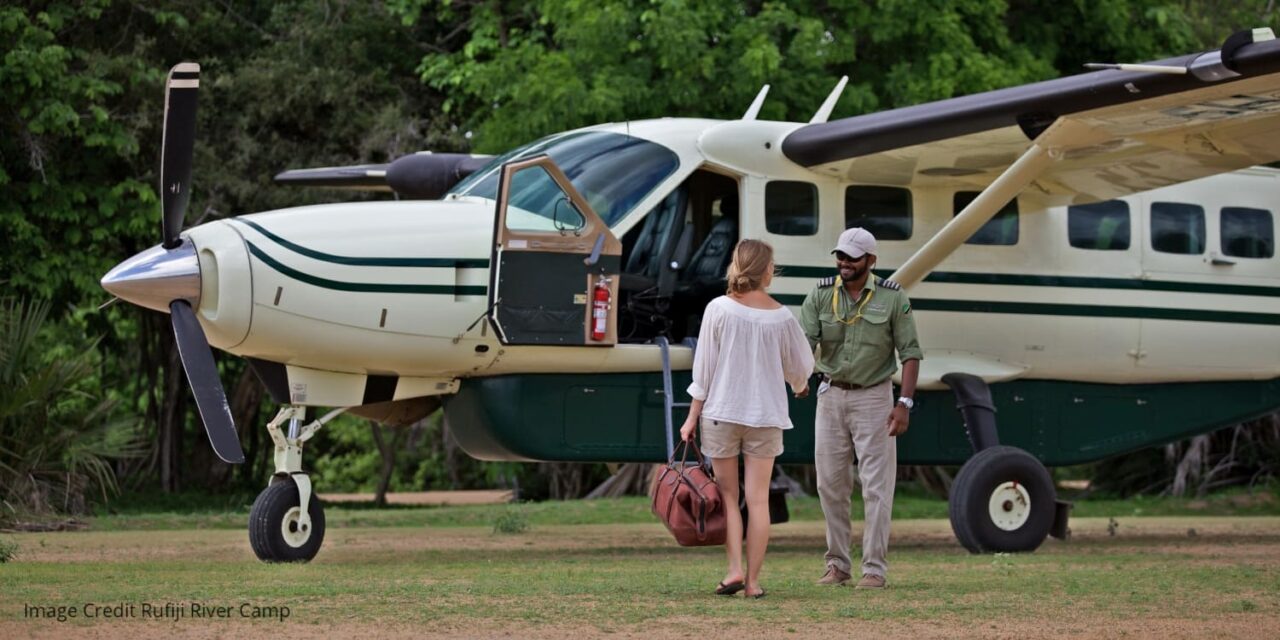
1-Day Cultural Village Visit — Local Homestay Option: Essential Travel Guide
For travelers seeking genuine connection and a deeper understanding of Tanzanian life beyond the typical safari routes, a 1-day cultural village visit with a local homestay option presents a unique opportunity. This experience offers a glimpse into the daily routines, traditions, and hospitality of local communities, providing a rich contrast to the wildlife encounters that often define a Tanzanian adventure. Whether you’re interested in learning about traditional farming, local crafts, or simply sharing stories with a family, this type of day trip can be incredibly rewarding. This guide provides comprehensive details for planning and enjoying such an experience, specifically tailored for travelers looking at 2026 and 2027 for their trips.
Table of Contents
- Quick Answer
- Quick Facts: Cultural Village Visit & Homestay
- What is a 1-Day Cultural Village Visit with Homestay?
- Why Choose a Cultural Village Visit with Homestay?
- Best Time for Your Visit
- Popular Locations for Cultural Visits
- Sample 1-Day Itinerary: Maasai Village & Homestay Experience
- What to Expect During Your Visit
- Understanding the Homestay Component
- Typical Inclusions and Exclusions
- Packing and Preparation Tips
- Common Mistakes to Avoid
- Who is This Experience Best Suited For?
- Alternatives to a 1-Day Homestay Visit
- Planning Your Visit for 2026-2027
- Booking Your Cultural Village Visit
- Frequently Asked Questions
Quick Answer
A 1-day cultural village visit with a local homestay option offers an immersive experience into Tanzanian community life. It typically involves spending several hours engaging with local residents, learning about their traditions, participating in daily activities, and enjoying a meal with a host family. The homestay element, even for a day, provides a more intimate connection than a standard village tour, allowing for deeper interaction and understanding. It’s an enriching addition to any Tanzania trip, offering cultural insight and authentic human connection.
Quick Facts: Cultural Village Visit & Homestay
| Aspect | Details |
|---|---|
| Duration | Typically 6-10 hours (full day) |
| Focus | Cultural immersion, community interaction, learning traditions, local life |
| Homestay Element | Shared meal, conversation, experiencing family life (can be adapted for day-visit duration) |
| Activities | Village tour, meeting elders, learning crafts, cooking demonstration, storytelling, farming insights |
| Best For | Travelers seeking authentic cultural experiences, responsible tourism advocates, those wanting to connect with local people |
| Logistics | Usually arranged through tour operators or local community-based tourism initiatives |
| Seasonality | Available year-round, though dry seasons (June-Oct, Dec-Feb) are generally more comfortable for travel. |
| Location Proximity | Often accessible from major tourist hubs like Arusha, Moshi, or Zanzibar towns. |
What is a 1-Day Cultural Village Visit with Homestay?
A 1-day cultural village visit with a local homestay option is designed to provide travelers with an authentic and direct experience of rural Tanzanian life. Unlike a brief stop at a tourist-oriented cultural center, this experience emphasizes genuine interaction and participation. The ‘homestay’ aspect, in the context of a single day, usually means being welcomed into a local family’s home for a significant portion of the visit. This could involve sharing a traditional meal, sitting with the family to talk about their lives, learning about their customs from firsthand perspectives, and possibly engaging in simple daily chores or activities like preparing food or tending to a small garden. The goal is to foster mutual understanding and respect, moving beyond a superficial observation to a more meaningful engagement.
The duration of such a visit is typically a full day, starting in the morning and concluding in the late afternoon, allowing ample time for travel to and from the village, as well as a comprehensive engagement with the community. It’s a hands-on, personal experience that allows you to see how Tanzanians live, work, and maintain their cultural heritage.
Why Choose a Cultural Village Visit with Homestay?
Opting for a cultural village visit that includes a homestay element offers several distinct advantages:
- Authentic Connection: You move beyond being a passive observer. Interacting directly with a family in their home fosters genuine human connection and allows for candid conversations about life, challenges, and joys.
- Deeper Cultural Understanding: Witnessing daily routines, agricultural practices, traditional cooking methods, and family dynamics provides a much richer understanding of Tanzanian culture than a staged performance or a quick tour.
- Support for Local Communities: A well-organized cultural visit with a homestay option often ensures that a significant portion of the fee directly benefits the host family and the wider community, promoting sustainable tourism.
- Personalized Experience: Homestay visits are often smaller in scale, allowing for a more tailored experience where your guide can facilitate deeper conversations and interactions based on your interests.
- Insight into Rural Life: For many travelers, this experience offers the first real insight into the realities of rural African life, dispelling stereotypes and building empathy.
- Unique Memories: These personal interactions and shared moments create lasting memories that often become the most cherished parts of a trip.
This type of experience is a powerful way to contribute positively to the places you visit, ensuring your tourism dollars have a direct and meaningful impact.
Best Time for Your Visit
While cultural village visits are possible year-round in Tanzania, certain periods offer more comfortable travel conditions. The choice of season can influence the experience, particularly concerning weather and agricultural activities.
| Season | Months | Pros | Cons |
|---|---|---|---|
| Dry Season (Long Rains End) | June – October | Pleasant temperatures, clear skies, ideal for travel. Wildlife is often concentrated around water sources, though this is less relevant for village visits. Harvest activities might be underway in some regions. | Peak tourist season, potentially higher prices for associated travel (accommodation before/after the day trip). |
| Short Rains | November – December | Lush landscapes, fewer tourists. Good for photography. | Intermittent rain showers, can make travel slightly more challenging. |
| Long Rains | March – May | Very green scenery, lowest tourist numbers, potentially lowest prices. | Significant rainfall, can disrupt travel plans and make roads muddy and difficult to traverse. Some activities might be limited. |
| Dry Season (Post-Long Rains) | January – February | Warm, sunny days. Good for travel. Often a period of planting or early growth for crops. | Can be quite hot, especially in lower-lying areas. |
For a 1-day cultural village visit with a local homestay option, the dry seasons (June-October and January-February) are generally preferred for ease of travel and comfort. However, community life continues regardless of the weather, and visiting during the shoulder seasons (November-December, March-May) can offer a more tranquil experience with fewer crowds, provided you are prepared for potential rain.
Popular Locations for Cultural Visits
Tanzania is rich in diverse ethnic groups, each with unique traditions. Many regions offer opportunities for cultural village visits, often incorporating a homestay element. These are typically arranged from major tourist hubs, making them accessible additions to safaris or other itineraries.
Region Overview for Cultural Experiences
Northern Tanzania (Near Arusha/Kilimanjaro):
- Maasai Villages: Communities near Arusha, Moshi, and the Serengeti buffer zones offer insights into the iconic semi-nomadic pastoralist lifestyle. Activities often include learning about their traditions, warrior training demonstrations, traditional housing (boma), and daily life.
- Chagga Villages: Located on the slopes of Mount Kilimanjaro, these villages showcase the agricultural practices, coffee farming, and unique underground tunnels used during colonial times by the Chagga people.
- Meru Villages: Similar to the Chagga, the Meru people, also residing near Arusha, have distinct agricultural traditions and social structures.
Central/Southern Tanzania:
- Datoga and Hadzabe Villages: While often part of multi-day tours due to their remoteness (e.g., near Lake Eyasi), these communities offer some of the most traditional experiences, including interactions with hunter-gatherer groups. A full-day visit might be challenging but possible if logistically arranged.
Zanzibar Archipelago:
- Spice Farms and Local Villages: While not always a homestay, visiting traditional villages on the main island or smaller islands like Pemba offers insights into Swahili culture, local fishing communities, and the famous spice cultivation. Some tours may include a meal with a local family.
- Kizimkazi and surrounding villages: Known for dolphin tours, these coastal communities also offer glimpses into local fishing life and Swahili traditions.
When selecting a location, consider proximity to your main itinerary, the specific cultural group you wish to learn about, and the reputation of the tour operator for ethical and authentic engagement.
Sample 1-Day Itinerary: Maasai Village & Homestay Experience
This is a representative itinerary for a 1-day cultural village visit with a local homestay option, focusing on a Maasai community near Arusha. Timings can vary based on travel distance and specific community arrangements.
| Time | Activity | Description |
|---|---|---|
| 8:00 AM | Hotel Pickup | Your guide will pick you up from your hotel in Arusha. Briefing on the day’s activities and cultural etiquette. |
| 9:30 AM – 10:30 AM | Arrival at Maasai Village | Welcome by village elders and community members. Introduction to the village structure and daily life. |
| 10:30 AM – 12:30 PM | Village Exploration & Traditions | Tour of the ‘boma’ (homestead), learning about traditional housing (manyatta). Demonstration of fire-making, beadwork, and traditional Maasai songs and dances. Discussion on Maasai customs, beliefs, and social structure. |
| 12:30 PM – 2:00 PM | Homestay Lunch Experience | Shared meal with a host family. This is the core of the homestay element. You’ll likely help prepare simple parts of the meal (e.g., grinding grains) and then enjoy traditional dishes like ugali, stew, or local vegetables. Conversation with the family about their daily lives, challenges, and aspirations. |
| 2:00 PM – 3:30 PM | Interactive Activities | Opportunity to learn a few words of the local language, try traditional dress, or participate in a simple farming or herding activity if available and appropriate. Storytelling session with elders. |
| 3:30 PM – 4:00 PM | Community Interaction & Farewell | Final opportunity for questions and interaction. Opportunity to purchase local handicrafts directly from artisans (optional). Formal farewell from the village elders. |
| 4:00 PM onwards | Departure & Return | Drive back to Arusha. Reflection on the day’s experiences. |
What to Expect During Your Visit
A 1-day cultural village visit with a local homestay option is an immersive experience that differs significantly from standard tourist activities. Here’s what you can generally expect:
- Authenticity over Polish: This is not a performance. Life in the village is real, and while communities welcome visitors, the experience is not staged for entertainment. You will see daily life as it is, including its challenges and simplicity.
- Warm Welcome, but Respect is Key: Expect to be welcomed warmly, but always remember you are a guest. Observe local customs, dress modestly, and ask permission before taking photos of people. Your guide will facilitate introductions and explain appropriate behavior.
- Basic Amenities: Villages, especially those less influenced by tourism, will have basic facilities. Sanitation might be rudimentary, and housing simple. Embrace this as part of the authentic experience.
- Language Barrier: While your guide will translate, you might encounter moments where communication is limited. Patience and non-verbal cues go a long way. Learning a few basic Swahili phrases like ‘Jambo’ (Hello) and ‘Asante’ (Thank you) is highly appreciated.
- Sensory Experience: Be prepared for a full sensory immersion – the sights, sounds, and smells of rural life. This includes the aroma of cooking fires, the sounds of children playing, livestock, and the natural environment.
- Interactive Learning: Expect to be actively involved. You might be asked to help with simple tasks, participate in demonstrations, or share aspects of your own culture.
- The Homestay Meal: The meal shared with the family is central. It’s a chance for relaxed conversation and a taste of local cuisine. Be open to trying new foods.
- Community Focus: The visit is often structured to benefit the community as a whole, not just one family. Your guide will ensure that your presence is respectful and contributes positively.
Understanding the Homestay Component
The ‘homestay’ aspect of a 1-day visit is adapted for a shorter duration. It’s less about sleeping over and more about deep, personal engagement within a family setting. Here’s what that typically entails:
- Shared Meal: This is the cornerstone. You’ll be invited to share a meal prepared by the family, often using locally sourced ingredients. This is an opportunity to observe cooking methods and taste traditional dishes.
- Direct Interaction: You’ll spend quality time with the host family members. This might include parents, children, and perhaps grandparents. Conversations, facilitated by your guide, will focus on daily life, family roles, traditions, and aspirations.
- Home Environment: You’ll be welcomed into their living space, which might be a traditional hut or a simple home. This provides an intimate look at their domestic life.
- Participatory Elements: Depending on the family and the community, you might be invited to participate in simple, everyday activities. This could range from helping to fetch water, grinding grains for a meal, or tending to small livestock.
- Cultural Exchange: The homestay offers a platform for genuine cultural exchange. Be prepared to answer questions about your own life and culture, fostering a sense of mutual understanding.
- Respect and Boundaries: While intimate, it’s crucial to maintain respect for the family’s privacy and customs. Your guide will help navigate any potential cultural sensitivities.
The aim is to create a connection that feels personal and memorable, even within the confines of a single day.
Typical Inclusions and Exclusions
When booking a 1-day cultural village visit with a local homestay option, understanding what is included and what isn’t is crucial for managing expectations and budgeting.
| Typically Included | Typically Excluded |
|---|---|
| Round-trip transportation from your accommodation (e.g., Arusha, Moshi) | International flights and visa fees |
| Services of a local, English-speaking guide | Accommodation before or after the day trip |
| Community/village entrance fees | Personal travel insurance |
| Welcome and guided tour of the village | Gratuities for the guide and community members (if applicable) |
| Participation in cultural demonstrations and activities | Personal expenses (souvenirs, drinks beyond those provided) |
| The homestay lunch experience (shared meal with a host family) | Tips for the host family (often a small gift is more appropriate than cash) |
| Donation to the community/host family (often incorporated into the tour price) | Optional activities not specified in the itinerary |
Always confirm the exact inclusions and exclusions with your tour operator when booking. Some operators may include a small gift for the host family or a contribution to a community project, which is a great practice.
Packing and Preparation Tips
To make your 1-day cultural village visit with a local homestay option as comfortable and respectful as possible, consider packing and preparing the following:
Essentials to Pack:
- Modest Clothing: Pack lightweight, breathable clothing that covers your shoulders and knees. This is a sign of respect in many rural communities. Long trousers or skirts and t-shirts are ideal.
- Comfortable Walking Shoes: You’ll be walking on uneven terrain, so sturdy, comfortable shoes are a must.
- Sun Protection: A wide-brimmed hat, sunglasses, and sunscreen are important, especially during the dry season.
- Insect Repellent: While not usually a major issue during the day, it’s good to have on hand.
- Hand Sanitizer: Essential for hygiene, especially before and after meals and after interacting with animals or the environment.
- Water Bottle: Carry a reusable water bottle. Your tour operator will likely provide water refills or ensure you have access to safe drinking water.
- Camera: To capture memories, but always ask permission before photographing people.
- Small Backpack: To carry your essentials comfortably.
- Lightweight Scarf or Sarong: Versatile for covering up, sun protection, or sitting on.
Preparation:
- Learn Basic Phrases: ‘Jambo’ (Hello), ‘Asante’ (Thank you), ‘Karibu’ (Welcome), ‘Lala salama’ (Sleep well) are appreciated.
- Understand Cultural Etiquette: Your guide will brief you, but generally, dress modestly, be polite, ask before touching or taking photos, and show genuine interest.
- Manage Expectations: Understand that this is an authentic experience, not a luxury resort. Embrace the simplicity and focus on connection.
- Prepare Small Gifts (Optional): Instead of cash, consider small, practical gifts for the host family if your tour operator suggests it. School supplies for children, practical items like soap, or a small craft from your home country can be thoughtful. Avoid giving sweets indiscriminately.
- Travel Insurance: Ensure you have comprehensive travel insurance that covers medical emergencies and trip disruptions.
Common Mistakes to Avoid
To ensure a positive and respectful experience during your 1-day cultural village visit with a local homestay option, be mindful of these common pitfalls:
- Disrespectful Dress: Wearing revealing clothing (short shorts, tank tops) is considered disrespectful in many rural Tanzanian communities. Always opt for modest attire that covers shoulders and knees.
- Photographing Without Permission: Always ask before taking pictures of people, especially children. Some may be shy or prefer not to be photographed. Your guide can help you navigate this.
- Assuming a Tourist Performance: Expecting a staged, polished show rather than genuine interaction. The beauty of the experience lies in its authenticity, not its perfection.
- Being a Passive Observer: The homestay element is about participation. Don’t be afraid to engage, ask questions (respectfully), and offer to help with simple tasks.
- Ignoring Your Guide’s Advice: Your local guide is your cultural bridge. Listen to their advice on etiquette, appropriate behavior, and what to expect.
- Offering Cash Indiscriminately: While financial contribution is important, simply handing out money can sometimes create dependency or social issues. Well-structured tours ensure fair distribution, and small, practical gifts are often preferred.
- Bringing Unsuitable Gifts: Avoid giving sweets to children, as this can lead to dental problems and a sense of entitlement. Practical items like school supplies or hygiene products are better.
- Being Judgmental: Avoid comparing village life unfavorably to your own. Embrace the differences and appreciate the local way of life.
- Not Staying Hydrated or Protected: Forgetting essentials like water, sunscreen, or a hat can make the day uncomfortable.
- Expecting Luxury Amenities: Understand that you are visiting a rural community. Facilities will be basic, and the focus is on cultural immersion, not comfort.
Who is This Experience Best Suited For?
A 1-day cultural village visit with a local homestay option is ideal for a specific type of traveler who values depth and authenticity over superficial sightseeing.
- Curious Travelers: Those genuinely interested in understanding different cultures, ways of life, and the human stories behind them.
- Responsible Tourists: Individuals who want their travel to have a positive impact, supporting local communities directly and ethically.
- Culture Enthusiasts: People who enjoy learning about traditions, history, social structures, and the daily realities of people from different backgrounds.
- Those Seeking Connection: Travelers who want to move beyond transactional tourism and forge meaningful connections with local people.
- Adventurous Spirits: Individuals open to experiencing life outside their comfort zone, embracing basic amenities and different social norms.
- Families (with older children): Older children can gain immense educational value from such an experience, learning about diversity and empathy.
- Solo Travelers: It offers a safe and structured way for solo travelers to engage deeply with local communities.
- Budget-Conscious Travelers: While not always the cheapest day trip, the value derived from the authentic experience can be immense, offering a different kind of richness.
It is less suited for travelers who prioritize luxury, seek only wildlife encounters, or are uncomfortable with basic living conditions and direct, personal interaction.
Alternatives to a 1-Day Homestay Visit
While a 1-day cultural village visit with a local homestay option offers unparalleled depth, there are other ways to experience Tanzanian culture if a full homestay immersion isn’t feasible or suitable:
- Standard Village Tours: These are shorter, more observational visits to communities. They often include a guided walk through the village, explanations of local life, and perhaps a cultural performance. They lack the intimate, family-focused interaction of a homestay.
- Cultural Heritage Centers/Museums: Places like the Shanga workshop near Arusha or various cultural centers in Zanzibar offer insights into local crafts, art, and history. They are more structured and less interactive with daily community life.
- Local Markets: Visiting bustling local markets (like the Maasai Market in Arusha or Dar es Salaam) provides a vibrant snapshot of daily commerce, local produce, and handicrafts. It’s a lively but less personal experience.
- Cooking Classes: Some lodges or community projects offer Swahili or local cuisine cooking classes, providing a hands-on way to learn about food culture.
- Craft Workshops: Participating in workshops focused on specific crafts like pottery, weaving, or painting with local artists can be an engaging cultural activity.
- Attending Local Events (if possible): If your trip timing aligns, attending local festivals, ceremonies, or even a local football match can offer authentic cultural immersion. This requires specific planning and local knowledge.
- Longer Homestay Experiences: For those with more time, multi-day homestays or community-based tourism projects offer an even deeper dive into rural life, including overnight stays and more extensive participation in daily activities.
Each alternative offers a different facet of Tanzanian culture. The 1-day homestay visit stands out for its direct, personal, and intimate engagement with a local family.
Planning Your Visit for 2026-2027
Planning a 1-day cultural village visit with a local homestay option for 2026 or 2027 requires a bit of foresight, especially if you want to ensure an authentic and impactful experience. Here’s a guide to help you plan:
Key Planning Considerations:
- Book in Advance: Especially if you are traveling during peak seasons in 2026 or 2027, it’s wise to book your day trip at least a few weeks to a couple of months ahead. This allows tour operators to make proper arrangements with the host communities and families.
- Choose a Reputable Operator: Look for tour operators with a strong commitment to responsible tourism, community engagement, and ethical practices. Read reviews and ask about their relationship with the communities they visit. Best Tanzania tour operator, like Top Guide Adventures, are experienced in arranging these sensitive visits.
- Communicate Your Interests: If you have specific interests (e.g., learning about traditional medicine, specific crafts, farming techniques), communicate them to your operator when booking. They can try to tailor the experience accordingly.
- Understand the ‘Homestay’ Duration: Clarify that for a 1-day visit, the ‘homestay’ aspect means sharing a meal and time within a family home, not an overnight stay.
- Factor in Travel Time: Villages are often located a few hours away from major hubs like Arusha. Account for this travel time in your overall itinerary for 2026-2027.
- Seasonal Considerations: As discussed, dry seasons (June-Oct, Jan-Feb) offer more comfortable weather. However, don’t dismiss the shoulder seasons (Nov-Dec, Mar-May) if you prefer fewer crowds and lush landscapes, provided you’re prepared for rain.
- Budgeting: While exact prices fluctuate, understand that authentic cultural experiences with direct community benefit may cost more than standard tours. Factor in transportation, guide fees, community contributions, and potentially a small gift for the family. For 2026-2027, expect prices to reflect local economic conditions and inflation.
- Health and Safety: Ensure your vaccinations are up-to-date and carry a basic first-aid kit. Your tour operator should have emergency protocols in place.
- Cultural Sensitivity Training: Mentally prepare yourself for cultural differences. Your guide will assist, but an open mind is your best preparation.
By planning ahead and choosing wisely, your 1-day cultural village visit with a local homestay option in 2026 or 2027 can be a highlight of your Tanzanian journey.
Booking Your Cultural Village Visit
Securing a meaningful 1-day cultural village visit with a local homestay option requires careful consideration of who you book with. As a premier Tanzania tour operator, we at Top Guide Adventures specialize in creating authentic and responsible travel experiences. Here’s our advice for booking:
- Choose Local Expertise: Booking with a local operator like Top Guide Adventures means you benefit from deep knowledge of the communities, established relationships, and a genuine understanding of cultural nuances. We work directly with villages, ensuring fair compensation and respectful interactions.
- Verify Community Partnership: Ask potential operators about their partnerships with the villages. Do they have long-standing relationships? How are the community members involved in planning and benefiting from the tours? We pride ourselves on our ethical community engagement.
- Inquire About Guide Qualifications: Ensure your guide is not only fluent in English but also knowledgeable about the local culture and traditions. Our guides are trained to facilitate respectful and insightful interactions.
- Understand the Itinerary Details: Review the proposed itinerary carefully. Does it allow enough time for genuine interaction? Is the ‘homestay’ component clearly defined as a shared meal and conversation, not an overnight stay?
- Ask About Pricing and What’s Included: Transparent pricing is key. Understand what the fee covers – transportation, guide, community contribution, meals, etc. We provide clear breakdowns for all our tours.
- Read Reviews and Testimonials: Look for feedback from previous travelers who have taken similar cultural village tours.
- Direct Communication is Best: Don’t hesitate to contact operators directly with your questions. A good operator will be responsive and helpful. You can reach us at WhatsApp +255616946642 or email topguideadventures@gmail.com and info@topguideadventures.com.
- Consider Your Interests: If you have specific cultural interests, discuss them during the booking process. We can help tailor experiences to align with your curiosity.
Booking directly with experienced local operators ensures that your 1-day cultural village visit with a local homestay option is not only enjoyable but also contributes positively to the communities you visit. We look forward to helping you plan an unforgettable cultural immersion for your 2026-2027 travels.
Frequently Asked Questions
Is a 1-day cultural village visit with a homestay option suitable for families with young children?
While possible, it’s generally more suitable for families with older children (10+) who can appreciate and engage respectfully with the cultural experience. Younger children might find the long travel and basic conditions challenging. Always discuss with your tour operator to assess suitability.
What currency should I bring for a village visit?
For a 1-day visit, it’s best to have small denominations of Tanzanian Shillings (TZS) if you plan to purchase handicrafts or offer a small token of appreciation. However, most fees and contributions are usually included in the tour package. Your guide can advise on appropriate tipping or gifting practices.
How much should I tip the host family?
Tipping is usually not expected in the same way as in hotels. A small, practical gift (e.g., school supplies, soap) is often more appreciated than cash. If cash is preferred, your guide can advise on an appropriate amount, usually around 5-10 USD equivalent for the family’s time and hospitality for the day.
Can I take photos of the villagers?
Always ask for permission before taking photos of people. Your guide will help you with this. Some individuals may be shy or prefer not to be photographed. Respect their wishes. It’s generally acceptable to photograph the village scenery and activities without direct focus on individuals unless you have their consent.
What if I have dietary restrictions or allergies?
It is crucial to inform your tour operator well in advance of any dietary restrictions or allergies. They will communicate this to the host family. While traditional meals are often simple and based on local staples, they can usually make adjustments if notified early.
What is the difference between a cultural village tour and a homestay visit?
A standard cultural village tour is more observational, often involving a guided walk and demonstrations. A homestay visit, even for a day, implies a deeper, more personal interaction within a family’s home, often including sharing a meal and engaging in conversation, offering a more intimate cultural exchange.
Is it safe to visit rural villages in Tanzania?
Yes, when organized through reputable tour operators like Top Guide Adventures, these visits are safe. Guides are experienced in managing interactions and ensuring traveler safety. The communities are generally welcoming to visitors who show respect.
When is the best time to plan a 1-day cultural village visit with a homestay option in 2026 or 2027?
The dry seasons (June to October and January to February) offer the most comfortable weather for travel. However, visits are possible year-round. For 2026-2027, consider the shoulder seasons (November-December, March-May) for fewer crowds if you are prepared for potential rain.
Plan Your Authentic Cultural Experience
A 1-day cultural village visit with a local homestay option offers an unparalleled opportunity to connect with the heart of Tanzania. It’s an experience that goes beyond sightseeing, fostering understanding, respect, and genuine human connection. Whether you are planning for 2026 or 2027, this type of immersive day trip can add profound depth to your Tanzanian adventure.
Ready to discover the authentic side of Tanzania? Let Top Guide Adventures help you craft a memorable cultural village visit. We are dedicated to providing responsible, enriching, and unforgettable experiences.
Contact us today to start planning:
WhatsApp: +255616946642
Email: topguideadventures@gmail.com
Backup Email: info@topguideadventures.com
Plan your 1-Day Cultural Village Visit — Local Homestay Option with Top Guide Adventures
Tell us your travel dates, group size, comfort level, and dream experience. We will help you shape a clear, realistic, and memorable Tanzania itinerary.







 Veedesigner
 Fatma Kizanga
 Benjamin Waryuba
 Philip Philip
 John jr Itaja
 Antonia Optatus
 Edith Kanyere
 Neema Iddy
 Kelvin Boniphace
 Damari Maiga



