
Updated planning guide for 2026-2027
1-Day Coffee Plantation Tour & Tasting Kilimanjaro Foothills Guide
Experience the rich flavors and vibrant culture of Tanzanian coffee with a memorable 1-day tour through the lush Kilimanjaro foothills. This guide details what to expect, how to plan, and why this experience is a must-do.
WhatsApp +255616946642 | topguideadventures@gmail.com | info@topguideadventures.com
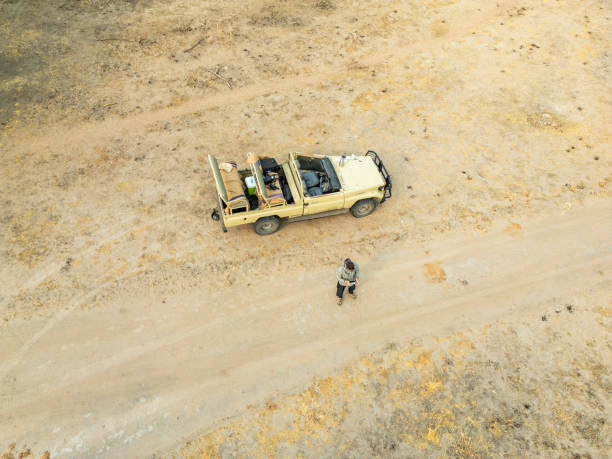
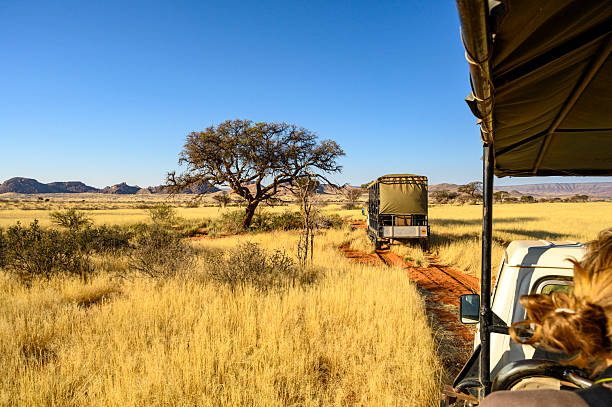
1-Day Coffee Plantation Tour & Tasting: Kilimanjaro Foothills Experience
The slopes of Mount Kilimanjaro are not just home to Africa’s highest peak, but also to a vibrant agricultural landscape, with coffee cultivation being a significant part of the local economy and culture. A 1-day coffee plantation tour & tasting in the Kilimanjaro foothills offers a unique and immersive experience, providing a fascinating glimpse into the journey of coffee from bean to cup. This guide is designed to help you understand, plan, and make the most of this delightful excursion, whether you are already in Tanzania or planning a trip for 2026 or 2027.
This tour is perfect for travelers seeking authentic cultural encounters, coffee enthusiasts eager to learn about different varietals and processing methods, and anyone looking for a refreshing break from typical safari or trekking itineraries. It’s a chance to engage with local communities, appreciate the natural beauty surrounding Kilimanjaro, and savor some of the world’s finest coffee.
Quick Facts About Kilimanjaro Coffee Tours
| Feature | Details |
|---|---|
| Duration | Full day (approx. 6-8 hours) |
| Location | Foothills of Mount Kilimanjaro, Tanzania (primarily Marangu, Machame, or similar areas) |
| Activities | Farm walk, coffee processing demonstration, tasting, cultural interaction, local lunch |
| Best Time to Visit | Dry seasons (June-October, December-February) for easier access and pleasant weather. Harvesting season is typically March-June. |
| What to Bring | Comfortable walking shoes, hat, sunscreen, insect repellent, camera, reusable water bottle, light jacket (mornings can be cool) |
| Suitability | Individuals, couples, families with older children, coffee lovers, culture seekers |
Table of Contents
- Overview of the Coffee Plantation Experience
- Why Choose a Kilimanjaro Coffee Tour?
- Best Time for Your Kilimanjaro Coffee Tour
- Kilimanjaro Foothills: Coffee Growing Areas
- Sample 1-Day Coffee Plantation Tour Itinerary
- What to Expect During Your Tour
- Typical Inclusions and Exclusions
- Preparation and What to Pack
- Common Mistakes to Avoid
- Who is This Tour Best Suited For?
- Alternatives to a Coffee Plantation Tour
- Planning Your 2026-2027 Kilimanjaro Coffee Tour
- Booking Your Coffee Plantation Tour
- Frequently Asked Questions
Overview of the Coffee Plantation Experience
A typical 1-day coffee plantation tour & tasting in the Kilimanjaro foothills begins with a scenic drive from your accommodation in Moshi or Arusha, heading towards the fertile slopes of Kilimanjaro. The journey itself offers beautiful views of the surrounding landscape, dotted with banana trees, maize fields, and small villages.
Upon arrival at the plantation, you’ll be warmly welcomed by the local farmers or plantation owners. The tour usually involves a guided walk through the coffee fields, where you’ll learn about the different coffee varietals grown, such as Arabica, and understand the cultivation process. This includes insights into planting, tending to the coffee trees, and the importance of the volcanic soil and microclimate of Kilimanjaro for producing high-quality beans.
A significant part of the experience is witnessing the coffee processing firsthand. You’ll see how the ripe coffee cherries are harvested, then learn about the different methods used to remove the fruit pulp and dry the beans – often including washing, pulping, and sun-drying techniques. Depending on the season, you might even witness the harvesting or drying process in action.
The highlight for many is the tasting session. Here, you’ll have the opportunity to sample freshly roasted and brewed coffee, often prepared using traditional methods. Knowledgeable guides will explain how to appreciate the aroma, body, acidity, and flavor notes of the coffee, giving you a new appreciation for your morning brew. This is also a chance to interact with the farmers, understand their way of life, and learn about the economic impact of coffee farming on the region.
Most tours include a delicious, home-cooked Tanzanian lunch, prepared with fresh, local ingredients. This meal is often enjoyed at the plantation or a nearby village setting, offering another opportunity for cultural immersion and interaction. The day concludes with a drive back to your hotel, leaving you with a deeper understanding of coffee and a memorable cultural experience.
Why Choose a Kilimanjaro Coffee Tour?
While safaris and Kilimanjaro climbs are the main draws for Tanzania, the coffee plantation tours offer a distinct and enriching dimension to your travel. Here’s why it’s a worthwhile addition:
- Authentic Cultural Immersion: It provides direct interaction with local farmers and communities, offering insights into their daily lives, traditions, and the challenges and rewards of coffee farming. This is a genuine look beyond the tourist trail.
- Educational Value: Learn the entire coffee-making process, from seed to cup. Understand the nuances of bean varietals, the impact of altitude and climate, and the labor-intensive methods involved in producing premium coffee.
- Sensory Delight: The tasting session is a highlight, allowing you to savor the unique flavors of Kilimanjaro-grown coffee. It’s an opportunity to develop your palate and appreciate the quality of Tanzanian beans.
- Support Local Economy: By participating in these tours, you directly contribute to the livelihoods of local farmers and their families, promoting sustainable tourism practices.
- Beautiful Scenery: The tours are set against the stunning backdrop of Mount Kilimanjaro’s foothills, offering picturesque views and a refreshing natural environment away from the dust of the plains.
- A Relaxing Pace: After the adventure of a safari or a challenging climb, a coffee tour offers a more relaxed, yet engaging, pace to experience Tanzania’s culture and natural beauty.
- Unique Souvenir Opportunities: You can often purchase freshly roasted coffee beans directly from the farm, a perfect and meaningful souvenir to take home.
Best Time for Your Kilimanjaro Coffee Tour
The ideal time to visit the Kilimanjaro foothills for a coffee plantation tour is largely dictated by the weather and the coffee harvesting cycle. Tanzania experiences two main rainy seasons and two dry seasons.
- Dry Seasons (June to October and December to February): These periods offer the most pleasant weather for outdoor activities. The skies are generally clear, making for beautiful views of Kilimanjaro and comfortable conditions for walking around the plantation. Access to rural areas is also easier during these months.
- Harvesting Season (Typically March to June): If your primary interest is to witness the coffee cherries being picked and processed, planning your visit during or just after the main rainy season is ideal. This is when the hard work of harvesting occurs, and you can see the cherries being collected and taken through the initial processing stages.
While the harvesting season provides a dynamic view of the coffee cycle, the dry seasons are generally preferred for the overall comfort and accessibility of the tour. Even during the rainy seasons, showers are often short and intense, followed by sunshine, so a tour can still be enjoyable, but muddy conditions might be a factor.
For planning your trips in 2026 and 2027, consider these patterns. The dry seasons of 2026 (June-Oct, Dec-Feb) and 2027 (June-Oct, Dec-Feb) will offer the most comfortable touring weather. If seeing the harvest is a priority, aim for March-June of either year.
Kilimanjaro Foothills: Coffee Growing Areas
The coffee plantations are primarily located on the fertile volcanic slopes of Mount Kilimanjaro, benefiting from the mountain’s rich soil, altitude, and favorable climate. The most common areas accessible for day tours include:
General Area Overview:
- Marangu Region: Located on the southeastern slopes of Kilimanjaro. This area is famous for its lush landscape and is a popular starting point for Kilimanjaro climbs. Coffee farms here are often smallholder, family-run operations, offering a very authentic experience. The climate is moist and fertile, ideal for Arabica coffee.
- Machame Region: Situated on the southwestern side of Kilimanjaro. Similar to Marangu, Machame boasts fertile land and a suitable climate for coffee growing. Tours here might offer a slightly different perspective on the mountain and local life.
- Other Nearby Villages: Depending on the tour operator, plantations might be found in other villages nestled in the Kilimanjaro foothills, all sharing similar environmental advantages for coffee cultivation.
Traveler Note: Most tours depart from and return to Moshi or Arusha, which serve as the primary gateway towns for Kilimanjaro region activities.
Sample 1-Day Coffee Plantation Tour Itinerary
This is a representative itinerary. Actual timings may vary based on your location, the specific plantation visited, and the pace of the group.
Full Day Coffee Plantation Experience
Morning (Approx. 8:00 AM – 9:00 AM): Pick-up
- Your guide will pick you up from your hotel in Moshi or Arusha.
- Scenic drive towards the Kilimanjaro foothills (approx. 1-1.5 hours).
Late Morning (Approx. 9:30 AM – 12:30 PM): Plantation Visit & Farm Walk
- Arrival at the chosen coffee plantation.
- Warm welcome by the local community or farm owners.
- Guided walk through the coffee fields: Learn about planting, soil, climate, different varietals (e.g., Bourbon, Kent), and the life cycle of the coffee plant.
- Observation of coffee cherry harvesting (seasonal) and learn about the importance of selecting ripe cherries.
- Demonstration of coffee processing: See steps like pulping, fermentation, washing, and drying.
Midday (Approx. 12:30 PM – 1:30 PM): Traditional Lunch
- Enjoy a delicious, home-cooked Tanzanian meal prepared with local ingredients, often featuring staples like Ugali, local vegetables, and perhaps some chicken or fish.
- Opportunity to interact with the hosts and learn more about their culture and farming practices.
Afternoon (Approx. 1:30 PM – 3:00 PM): Coffee Tasting & Cultural Interaction
- Participate in a coffee tasting session. Learn to identify aromas and flavors.
- Sample freshly brewed coffee, prepared on-site.
- Time for questions, further cultural exchange, and perhaps purchasing coffee directly from the farm.
Late Afternoon (Approx. 3:00 PM – 4:30 PM): Return Journey
- Bid farewell to your hosts.
- Drive back to Moshi or Arusha.
- Drop-off at your hotel.
What to Expect During Your Tour
A 1-day coffee plantation tour & tasting in the Kilimanjaro foothills is designed to be an engaging and educational experience. Here’s a breakdown of what you can anticipate:
- Warm Hospitality: Tanzanian culture is known for its friendliness. Expect to be greeted with smiles and genuine warmth by the local farmers and their families.
- Hands-On Learning: The tour is interactive. You’ll walk through the fields, possibly touch the coffee plants, and see the processing equipment up close. If you’re lucky, you might even get to try your hand at simple tasks like sorting beans.
- Sensory Engagement: Be prepared for a feast for the senses. The aroma of freshly roasted coffee, the sight of lush green fields, the taste of the brewed beverage, and the sounds of rural life create a rich experience.
- Walking and Terrain: The plantation walk involves some uneven terrain and inclines, typical of hillside farming. Wear comfortable, sturdy shoes. The duration and intensity of the walk can usually be adjusted based on your comfort level.
- Cultural Exchange: This is more than just a coffee tour; it’s a cultural visit. You’ll likely learn about local customs, family life, and the importance of coffee to the community’s economy. Be open to asking questions and sharing your own experiences.
- Food and Drink: The included lunch is a highlight, offering an authentic taste of Tanzanian home cooking. Water is usually provided, but it’s good practice to carry your own reusable bottle.
- Photography Opportunities: The scenery is beautiful, and the activities are visually interesting, making it a great opportunity for photography. Remember to ask permission before taking close-up photos of people.
- Pace: The tour is generally paced to be relaxed and enjoyable, allowing ample time for learning and interaction without feeling rushed.
Typical Inclusions and Exclusions
When booking a 1-day coffee plantation tour & tasting in the Kilimanjaro foothills, understanding what is included and what is not can help manage expectations and budget. While specifics vary by operator, here’s a general guide:
| Typically Included | Typically Excluded |
|---|---|
| Transportation: Round-trip transport from Moshi or Arusha to the plantation. | Accommodation: Unless part of a larger package. |
| Guided Tour: English-speaking guide knowledgeable about coffee cultivation and local culture. | Tips and Gratuities: For guides and plantation hosts. |
| Activities: Coffee farm walk, processing demonstration, tasting session. | Personal Expenses: Souvenirs, additional drinks beyond what’s provided. |
| Lunch: A traditional Tanzanian meal at the plantation or a local eatery. | Travel Insurance: Recommended for all travelers. |
| Purified Water: Usually provided during the tour. | Optional Activities: Any additional activities not specified in the tour description. |
| Community Contribution: A portion of the tour fee often goes back to the local community or farming cooperative. | Alcoholic Beverages: Unless specifically mentioned. |
Preparation and What to Pack
To ensure a comfortable and enjoyable day trip, proper preparation is key. Here’s what you should consider:
Packing Essentials:
- Comfortable Walking Shoes: Essential for navigating farm paths, which can be uneven or muddy. Closed-toe shoes are recommended.
- Lightweight Clothing: Long trousers or sturdy pants are advisable for protection against sun, insects, and scratches from vegetation. A long-sleeved shirt is also a good idea.
- Hat or Cap: For sun protection during the farm walk.
- Sunscreen: The sun can be strong, even on cloudy days.
- Insect Repellent: Especially important if visiting during wetter months or if you have sensitive skin.
- Camera: To capture the beautiful scenery and unique processes. Ensure you have enough battery and memory space.
- Reusable Water Bottle: Stay hydrated. Most operators provide purified water refills.
- Light Jacket or Fleece: Mornings and evenings in the Kilimanjaro foothills can be cool, especially outside the warmest months.
- Small Backpack: To carry your essentials comfortably.
- Cash (Tanzanian Shillings): For purchasing coffee beans or local crafts, and for tipping if you choose to do so. US dollars are also widely accepted for larger purchases.
Preparation Tips:
- Book in Advance: Especially if traveling during peak seasons (2026-2027).
- Inform Your Operator: Let them know about any dietary restrictions or special needs.
- Learn Basic Swahili Phrases: While guides will translate, knowing a few greetings like ‘Jambo’ (Hello) and ‘Asante’ (Thank you) is always appreciated.
- Hydration: Drink plenty of water before, during, and after the tour.
- Open Mind: Be ready to learn, engage, and experience a different way of life.
Common Mistakes to Avoid
To ensure your 1-day coffee plantation tour & tasting in the Kilimanjaro foothills is as smooth and enjoyable as possible, be aware of these common pitfalls:
- Wearing Inappropriate Footwear: Assuming you can wear sandals or flimsy shoes. The terrain requires sturdy, closed-toe walking shoes.
- Underestimating the Sun: Forgetting sunscreen, hats, or long sleeves, leading to sunburn.
- Not Bringing Insect Repellent: Especially if you’re prone to bites or visiting during a time when insects are more prevalent.
- Expecting a Highly Industrialized Process: Most Kilimanjaro foothills plantations are smallholder farms. The processing methods are often traditional and hands-on, which is part of their charm, but might differ from what some expect from large-scale production.
- Not Asking Questions: The guides and farmers are there to share their knowledge. Don’t be shy about asking about the coffee, their lives, or local customs.
- Rushing the Experience: Trying to fit too much into the day or rushing through the plantation walk or tasting. The tour is meant to be savored.
- Forgetting Cash for Purchases: If you intend to buy coffee beans or souvenirs, ensure you have local currency or know if USD is accepted. Credit card facilities are rare on plantations.
- Not Considering Seasonality: Visiting during the rainy season without appropriate gear or expecting perfect harvesting conditions outside of the harvest window.
- Disrespecting Local Customs: Be mindful of dress codes (though generally relaxed) and always ask permission before taking close-up photos of individuals.
Who is This Tour Best Suited For?
The 1-day coffee plantation tour & tasting in the Kilimanjaro foothills appeals to a diverse range of travelers, but it’s particularly well-suited for:
- Coffee Connoisseurs and Enthusiasts: Anyone with a passion for coffee will find immense value in learning about its origins, cultivation, and tasting different profiles directly from the source.
- Culture Seekers: Travelers interested in authentic local experiences and understanding the daily life and traditions of Tanzanian communities.
- Eco-Tourists: Those who appreciate sustainable practices and want to support local agriculture and economies directly.
- Nature Lovers: Individuals who enjoy scenic landscapes, agricultural settings, and the tranquility of the mountainside.
- Travelers Seeking Variety: Those looking to add a different type of activity to their itinerary, moving beyond typical safaris or trekking.
- Families with Older Children: The tour is generally educational and engaging for older children (e.g., 10+) who can appreciate the learning aspects and walk around the farm.
- Couples and Solo Travelers: It offers a relaxed yet engaging day trip, perfect for couples seeking a shared cultural experience or solo travelers wanting to connect with local life.
- Pre/Post-Kilimanjaro Climbers: A perfect way to decompress and gain a different perspective on the Kilimanjaro region after a challenging climb, or to understand the local produce before ascending.
It might be less suitable for very young children who may not have the attention span for the educational aspects or the stamina for the farm walk, or for travelers who are solely focused on high-adrenaline activities.
Alternatives to a Coffee Plantation Tour
While the coffee plantation tour is a unique experience, other day trips and activities are available in the Kilimanjaro region, catering to different interests:
- Waterfalls and Nature Walks: Explore the beautiful waterfalls near Marangu, such as the Materuni Waterfalls. These tours often include a visit to a local Chagga village and a cultural experience, sometimes including coffee making as well, but with a stronger emphasis on the natural scenery and community.
- Chagga Cultural Tours: Focus more broadly on the culture of the Chagga people, who inhabit the slopes of Kilimanjaro. This might include visiting traditional homes, learning about their history, agricultural practices (including bananas and coffee), and local crafts.
- Local Market Visits: Explore bustling local markets in towns like Moshi. This offers a vibrant glimpse into daily life, local produce, crafts, and the social hub of the community.
- Mount Kilimanjaro Day Hikes: For those who want a taste of the mountain without a full climb, guided day hikes are available to lower altitudes, offering stunning views and a chance to experience the mountain’s lower montane forest ecosystem.
- Hot Springs Excursions: Visit natural hot springs in the region for a relaxing and therapeutic experience, often set in beautiful natural surroundings.
- Arusha National Park Day Trip: If based in Arusha, a day trip to Arusha National Park offers opportunities for game drives and walking safaris, featuring Mount Meru and diverse wildlife.
Each of these alternatives offers a different facet of the Kilimanjaro region’s appeal, allowing travelers to tailor their experience to their specific interests and available time.
Planning Your 2026-2027 Kilimanjaro Coffee Tour
Planning ahead is crucial for making the most of your Tanzanian adventure, especially if you’re looking at 2026 and 2027. Here are some key considerations:
- Best Time to Travel: As mentioned, the dry seasons (June-October, December-February) offer the best weather for comfort and accessibility. If seeing the coffee harvest is a priority, aim for March-June. For 2026 and 2027, these patterns hold true.
- Booking Window: For peak travel times in 2026 and 2027, it’s advisable to book your day tours at least 2-3 months in advance. This ensures availability, especially with reputable local operators.
- Operator Selection: Choose a local, reputable tour operator. Look for companies with good reviews, clear communication, and a commitment to sustainable tourism and fair practices with local communities.
- Package Deals: If you are planning other activities like safaris or Kilimanjaro climbs, inquire if the coffee tour can be added as part of a larger package. This can sometimes offer convenience and better pricing.
- Customization: Discuss any specific interests you have with your operator. Some may be able to tailor aspects of the tour, such as focusing more on processing or cultural aspects.
- Dietary Needs: Always communicate any dietary requirements (vegetarian, vegan, allergies) well in advance. Tanzanian cuisine is adaptable, but prior notice is appreciated.
- Budgeting: While exact prices are not fixed, factor in the cost of the tour, potential tips, and any souvenirs you might wish to purchase. Ensure the tour price reflects what is included.
- Visa and Health: Check visa requirements for Tanzania for 2026-2027 and consult your doctor about recommended vaccinations and malaria precautions.
Booking Your Coffee Plantation Tour
Securing your 1-day coffee plantation tour & tasting in the Kilimanjaro foothills is straightforward when you know how. Here’s expert advice for booking:
- Choose a Local, Reputable Operator: Partnering with a local Tanzanian tour company like Best Tanzania tour operator (Top Guide Adventures) ensures you get authentic experiences, fair pricing, and direct support to the local economy. They have on-the-ground knowledge and established relationships with plantations.
- Direct Communication is Key: Reach out directly to potential operators. Use email or WhatsApp for initial inquiries. This allows you to gauge their responsiveness, clarity, and willingness to answer all your questions.
- Inquire About Inclusions: Always get a clear list of what the tour package includes (transport, guide, lunch, tasting, entrance fees, etc.) and what is excluded (tips, personal expenses).
- Read Reviews: Look for reviews on platforms like TripAdvisor, Google, or the operator’s website. Pay attention to comments about the guide’s knowledge, the quality of the experience, and customer service.
- Ask About Customization: If you have specific interests (e.g., learning about organic farming, specific coffee varietals) or time constraints, ask if the tour can be slightly adapted.
- Understand Payment Terms: Clarify deposit requirements, payment methods (e.g., bank transfer, online payment platforms), and the cancellation policy. Reputable operators will have clear terms.
- Confirm Pick-up and Drop-off: Ensure the operator can pick you up from your specific accommodation and confirm the approximate timings for pick-up and return.
- Safety and Insurance: Ask about the safety protocols in place and whether any form of insurance is included. While day tours are generally low-risk, it’s good to be informed.
For a reliable and enriching experience, consider contacting:
- WhatsApp: +255616946642
- Email: topguideadventures@gmail.com
- Backup Email: info@topguideadventures.com
They specialize in creating memorable Tanzanian travel experiences, including fantastic day trips like the 1-day coffee plantation tour & tasting in the Kilimanjaro foothills.
Frequently Asked Questions
Q1: Is a 1-day coffee plantation tour suitable for children?
A1: Generally, yes, especially for children aged 10 and above. They can learn about the process and enjoy the cultural interaction. However, very young children might find the farm walk and educational aspects less engaging. It depends on the child’s maturity and interests.
Q2: What is the best time of year for a coffee plantation tour?
A2: The dry seasons (June-October and December-February) offer the most pleasant weather. If you wish to see the coffee cherry harvest, plan for March to June. For 2026 and 2027, these seasonal patterns are expected to hold.
Q3: Can I buy coffee directly from the plantation?
A3: Yes, most tours offer the opportunity to purchase freshly roasted coffee beans directly from the farmers. This is a great way to support the local economy and take home a unique souvenir.
Q4: What should I wear on the tour?
A4: Wear comfortable, closed-toe walking shoes suitable for uneven terrain. Lightweight long trousers and a long-sleeved shirt are recommended for sun and insect protection. A hat is also advisable.
Q5: How physically demanding is the tour?
A5: The tour involves a guided walk through the coffee fields, which are on a hillside. It’s moderately easy, but the terrain can be uneven. Most tours can be adapted for varying fitness levels; inform your guide if you have concerns.
Q6: What kind of coffee is grown on Kilimanjaro?
A6: The primary varietal grown on the slopes of Kilimanjaro is Arabica, known for its aromatic qualities and complex flavors. You might encounter specific types like Bourbon or Kent.
Q7: Do I need to book in advance?
A7: It is highly recommended to book your 1-day coffee plantation tour & tasting Kilimanjaro foothills in advance, especially if you are traveling during peak seasons in 2026 or 2027, to secure your preferred date and operator.
Q8: Is tipping customary for the guide and plantation hosts?
A8: Tipping is not mandatory but is greatly appreciated for excellent service. If you enjoyed your experience, a tip for your guide and perhaps a contribution to the plantation hosts is a common practice.
Q9: What if it rains during my tour?
A9: Tanzania’s rain showers, especially during the shoulder seasons, are often brief. Most tours proceed unless conditions become unsafe. Your operator will advise on any changes. Bringing a light rain jacket is a good idea.
Q10: Can I arrange a private tour?
A10: Yes, many operators, including Top Guide Adventures, can arrange private 1-day coffee plantation tour & tasting Kilimanjaro foothills experiences for individuals, couples, or groups who prefer a more personalized itinerary.
Ready for a Taste of Kilimanjaro?
Immerse yourself in the rich culture and exquisite flavors of Tanzania with an unforgettable 1-day coffee plantation tour & tasting in the Kilimanjaro foothills. It’s an experience that connects you directly with the land, its people, and the journey of one of the world’s most beloved beverages.
Whether you are planning for 2026 or 2027, this tour offers a perfect blend of education, culture, and sensory delight. Let us help you craft this unique part of your Tanzanian adventure.
Contact us today to book your coffee plantation tour:
- WhatsApp: +255616946642
- Email: topguideadventures@gmail.com
- Backup Email: info@topguideadventures.com
We look forward to helping you discover the magic of Kilimanjaro coffee!
Plan your 1-Day Coffee Plantation Tour & Tasting Kilimanjaro Foothills with Top Guide Adventures
Tell us your travel dates, group size, comfort level, and dream experience. We will help you shape a clear, realistic, and memorable Tanzania itinerary.







 Veedesigner
 Fatma Kizanga
 Benjamin Waryuba
 Philip Philip
 John jr Itaja
 Antonia Optatus
 Edith Kanyere
 Neema Iddy
 Kelvin Boniphace
 Damari Maiga



