
Updated planning guide for 2026-2027
Conservation Fundraiser Trips — Donate & Join Field Work: Complete Guide
Explore the impactful world of Conservation Fundraiser Trips. This guide helps you understand how to donate and actively participate in crucial field work in Tanzania, offering practical planning advice for 2026-2027.
WhatsApp +255616946642 | topguideadventures@gmail.com | info@topguideadventures.com
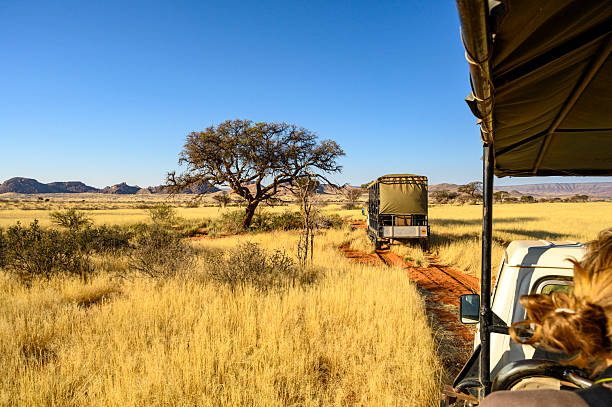
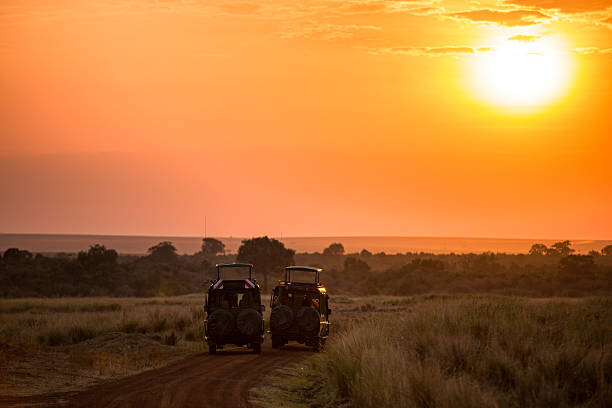
Conservation Fundraiser Trips: Donate & Join Field Work in Tanzania
Conservation fundraiser trips offer a powerful way to contribute directly to the preservation of natural environments and wildlife while experiencing a destination in a profoundly meaningful way. Unlike traditional tourism, these journeys blend adventure with purpose, allowing participants to engage in hands-on conservation efforts. This guide focuses on how you can donate and join field work, specifically within the context of Tanzania, a country renowned for its incredible biodiversity and critical conservation challenges. Whether you’re passionate about protecting iconic species, restoring habitats, or supporting local communities involved in conservation, understanding these trips is the first step towards making a real difference.
What Are Conservation Fundraiser Trips?
Conservation fundraiser trips are organized expeditions where participants contribute financially to a specific conservation project or organization. A significant portion of the funds raised goes directly to supporting conservation activities, such as anti-poaching patrols, habitat restoration, wildlife monitoring, community education programs, or research initiatives. Participants often contribute additional funds through fundraising efforts prior to the trip and may also engage in volunteer work during their stay, directly assisting with the project’s goals.
These trips are designed to be educational and immersive. They provide travelers with unique opportunities to learn about conservation science, the challenges faced by wildlife and ecosystems, and the local communities working to protect them. The experience is often described as deeply rewarding, offering a sense of accomplishment and connection that standard vacations cannot match.
Why Tanzania for Conservation?
Tanzania is a global leader in wildlife conservation, home to iconic national parks like the Serengeti, Ngorongoro Conservation Area, Tarangire, and Selous Game Reserve. These areas host a vast array of wildlife, including the ‘Big Five’ and play a crucial role in migratory patterns and ecosystem health. However, these precious natural resources face significant threats:
- Poaching: The illegal hunting of animals for ivory, bushmeat, and other products remains a serious concern.
- Habitat Loss: Human population growth, agricultural expansion, and infrastructure development can fragment and degrade wildlife habitats.
- Human-Wildlife Conflict: As human settlements expand, encounters between people and wildlife can lead to livestock predation and crop damage, sometimes resulting in retaliatory killings of animals.
- Climate Change: Shifting weather patterns can affect water availability, vegetation, and the survival of species.
Tanzania’s commitment to conservation is evident in its extensive network of protected areas and its ongoing efforts to involve local communities in conservation initiatives. By joining conservation fundraiser trips here, you are supporting vital work in a region where it is critically needed and can have a significant impact.
Quick Facts: Conservation Fundraiser Trips in Tanzania
| Primary Goal | Fundraising for conservation projects and direct participation in field work. |
| Key Activities | Wildlife monitoring, anti-poaching support, habitat restoration, community engagement, data collection. |
| Destinations | Serengeti National Park, Ngorongoro Conservation Area, Selous Game Reserve, Ruaha National Park, Mount Kilimanjaro foothills (for specific projects). |
| Duration | Typically 7-14 days, but can vary based on the project. |
| Best Time to Join | Dry seasons (June-October, December-February) often preferred for fieldwork and wildlife viewing, but depends on specific project needs. |
| Who It Suits | Passionate individuals, eco-tourists, students, researchers, anyone seeking an active, purpose-driven travel experience. |
Planning Your Conservation Fundraiser Trip
Organizing a conservation fundraiser trip requires careful planning to ensure both your safety and the effectiveness of your contribution. It’s not just about booking a tour; it’s about committing to a cause.
Choosing the Right Project and Organization
The first and most crucial step is selecting a reputable organization and a project that aligns with your interests and values. Look for organizations with:
- Clear Mission and Goals: Understand what the project aims to achieve and how it operates.
- Transparency: They should be open about how funds are used and the impact of their work. Look for annual reports or impact statements.
- Local Partnerships: Organizations that work closely with local communities and authorities are often more effective and sustainable.
- Experienced Field Staff: Ensure they have qualified personnel to guide and manage fieldwork.
- Positive Reviews/Testimonials: While not the sole factor, feedback from past participants can be insightful.
Consider the specific type of conservation work you wish to be involved in. Are you interested in:
- Wildlife Monitoring: Tracking animal populations, recording sightings, and collecting data.
- Anti-Poaching Support: Assisting rangers with patrols, equipment maintenance, or intelligence gathering (direct involvement may be limited for tourists).
- Habitat Restoration: Planting trees, removing invasive species, or cleaning up affected areas.
- Community Outreach: Supporting educational programs about conservation for local villages.
- Research Assistance: Helping scientists with data collection for specific studies.
Understanding the Fundraising Component
Most conservation fundraiser trips require participants to commit to raising a certain amount of money. This typically involves:
- Personal Contribution: A base fee to cover your travel, accommodation, and program costs.
- Fundraising Target: An additional amount you commit to raising from your network (friends, family, colleagues) for the conservation project.
Organizations usually provide resources and support to help you with your fundraising efforts, such as templates for emails, social media posts, and information about the project’s impact.
Best Time to Plan Your Trip (2026-2027)
The ideal time for a conservation fundraiser trip in Tanzania often aligns with the dry seasons, as this generally means better access to remote areas and more predictable weather for fieldwork and wildlife viewing. However, the specific needs of a conservation project might dictate different optimal times.
- June to October (Dry Season): Excellent for wildlife viewing as animals congregate around water sources. Fieldwork can be easier with less rain. This is a popular period, so book well in advance for 2026-2027.
- November (Short Rains): A transitional period. Less crowded, and landscapes become greener. Fieldwork might be affected by rain.
- December to February (Dry Season): Another good period for wildlife and fieldwork. The Great Migration is often in the central/southern Serengeti during this time.
- March to May (Long Rains): Heavy rainfall can make some roads impassable and impact fieldwork. This is the low season for tourism, offering fewer crowds and potentially lower costs, but fieldwork might be more challenging.
When planning for 2026 or 2027, consider the specific project’s needs. Some reforestation projects might be best during the rainy season, for example.
Logistics and Itinerary Planning
A typical conservation fundraiser trip itinerary might look something like this:
Sample 10-Day Conservation Fundraiser Trip Itinerary (Focus: Wildlife Monitoring)
- Day 1: Arrival in Arusha. Arrive at Kilimanjaro International Airport (JRO), transfer to your lodge. Briefing about the trip and conservation goals.
- Day 2: Arusha to Serengeti National Park. Fly or drive to a designated research camp within the Serengeti. Settle in and receive detailed training on monitoring protocols.
- Day 3-5: Wildlife Monitoring Fieldwork. Early morning and late afternoon excursions for wildlife observation. Data recording, camera trap checks, and GPS tracking. Learn about species identification and behavior.
- Day 6: Conservation Project Support. Assist with camp logistics, data entry, or other project-specific tasks as needed. Evening presentation by a resident conservationist.
- Day 7: Serengeti Exploration & Data Review. A final morning of monitoring, followed by an afternoon dedicated to reviewing collected data and discussing findings.
- Day 8: Serengeti to Ngorongoro Conservation Area. Travel to a community-based conservation project near the Ngorongoro Crater. Engage with local conservation initiatives.
- Day 9: Community Conservation Engagement. Participate in a local conservation activity (e.g., school visit, clean-up drive) and learn about human-wildlife conflict mitigation strategies.
- Day 10: Ngorongoro to Arusha & Departure. Morning transfer back to Arusha. Optional souvenir shopping or relaxation before heading to JRO for your departure.
This is a sample. Actual itineraries will vary significantly based on the organization, the specific project, and the location within Tanzania.
What to Expect During Your Trip
Conservation fundraiser trips are often more rugged and demanding than standard safaris or trekking tours. Understanding what to expect is key to a positive experience.
Accommodation and Facilities
Accommodation can range from basic tented camps and research stations to simple lodges. Expect:
- Shared Facilities: Dormitory-style rooms or shared tents are common.
- Limited Amenities: Electricity might be generator-powered and available only at certain times. Hot water can be scarce. Internet access is often unreliable or non-existent.
- Basic Meals: Meals are typically prepared by camp staff, focusing on sustenance rather than luxury. Dietary restrictions should be communicated well in advance.
Fieldwork Conditions
Fieldwork can involve:
- Early Mornings: Many activities start before dawn to observe wildlife or take advantage of cooler temperatures.
- Physical Exertion: Depending on the project, you might be walking long distances, sometimes on uneven terrain, carrying equipment, or performing manual labor.
- Exposure to Elements: You will be outdoors in varying weather conditions – sun, heat, dust, and potentially rain.
- Close Encounters (with caution): While observing wildlife, you will be in their natural habitat. Strict safety protocols are always in place.
Safety and Health
Your safety is paramount. Reputable organizations have robust safety protocols:
- Experienced Guides: Fieldwork is always accompanied by trained professionals who understand the local environment and wildlife.
- Communication: Emergency communication devices (satellite phones, radios) are usually available at remote camps.
- Health Precautions: Consult your doctor about necessary vaccinations (e.g., Yellow Fever, Hepatitis A/B, Typhoid) and malaria prophylaxis well before your trip. Carry a well-stocked first-aid kit.
- Wildlife Safety Briefings: You will receive thorough instructions on how to behave around wildlife and what to do in various scenarios.
Cultural Immersion
Many conservation efforts are intertwined with local communities. You may have opportunities to:
- Visit Villages: Learn about local life, traditions, and how conservation impacts them.
- Interact with Rangers/Researchers: Gain firsthand knowledge from the people on the front lines of conservation.
- Support Local Economies: Purchase locally made crafts or engage in community-based tourism initiatives.
Packing and Preparation Checklist
Packing for a conservation fundraiser trip requires balancing practicality, comfort, and the specific demands of fieldwork. Layering is key.
Essential Packing List:
- Clothing:
- Lightweight, breathable long-sleeved shirts and trousers (neutral colors like khaki, beige, olive green). Protects from sun, insects, and thorns.
- T-shirts and comfortable shorts for camp.
- Fleece jacket or warm sweater for cool evenings/early mornings.
- Waterproof and windproof jacket.
- Comfortable walking/hiking boots (broken in!).
- Sandals or comfortable shoes for camp.
- Socks (moisture-wicking, several pairs).
- Hat with a wide brim for sun protection.
- Bandana or buff.
- Gear:
- Backpack or duffel bag (soft-sided is often easier for transport).
- Daypack for carrying essentials during fieldwork.
- Reusable water bottle (at least 1-2 liters).
- Headlamp or flashlight with extra batteries.
- Binoculars (essential for wildlife viewing).
- Camera and extra memory cards/batteries.
- Power bank or solar charger (if available).
- Small notebook and pens.
- Dry bags or waterproof pouches for electronics.
- Basic toiletries (biodegradable if possible).
- Sunscreen (high SPF).
- Insect repellent (with DEET or Picaridin).
- Personal first-aid kit (band-aids, antiseptic wipes, pain relievers, blister treatment, any personal medications).
- Hand sanitizer.
- Small towel (quick-drying).
- Documents & Money:
- Passport and visa (if required).
- Copies of passport, visa, and travel insurance.
- Vaccination certificates.
- Emergency contact information.
- Cash (USD is widely accepted for tips and small purchases, but carry some local currency too).
Note: Always check the specific packing list provided by your tour operator or conservation organization, as requirements can vary.
Pre-Trip Preparation
Beyond packing, preparation involves:
- Physical Fitness: Engage in regular exercise, including walking and hiking, to build stamina.
- Research: Learn about Tanzania, its culture, the specific wildlife you might see, and the conservation challenges.
- Fundraising: Start your fundraising efforts early. Engage your network, share your passion, and explain the impact of their contributions.
- Health Consultations: Visit your doctor or a travel clinic at least 4-6 weeks before departure.
- Insurance: Secure comprehensive travel insurance that covers medical emergencies, evacuation, and trip cancellation.
Common Mistakes to Avoid
To ensure your trip is successful and impactful, be aware of these common pitfalls:
- Underestimating the Physical Demands: Don’t assume it will be a relaxed holiday. Fieldwork can be tiring.
- Not Researching the Organization Thoroughly: Ensure your money and effort are going to a legitimate and effective conservation project.
- Poor Packing Choices: Inappropriate clothing or footwear can make fieldwork uncomfortable or even unsafe.
- Ignoring Safety Briefings: Always follow the instructions of your guides regarding wildlife and camp safety.
- Expecting Luxury: Conservation trips prioritize function over comfort. Embrace the rustic experience.
- Lack of Flexibility: Fieldwork can be unpredictable. Be prepared for changes in plans due to weather or project needs.
- Not Engaging with Local Communities: Conservation is often most effective when it involves and benefits local people. Show respect and interest.
- Forgetting Travel Insurance: This is non-negotiable for remote and potentially adventurous travel.
Who Are Conservation Fundraiser Trips Best For?
These trips are not for everyone, but they are ideal for individuals who:
- Are passionate about wildlife and environmental conservation.
- Seek a travel experience that offers a deeper connection and purpose.
- Are physically fit and prepared for outdoor activities and basic living conditions.
- Are willing to fundraise and contribute financially to a cause.
- Are interested in learning about conservation science and practice.
- Enjoy active travel and are adaptable to changing circumstances.
- Want to make a tangible difference during their travels.
Students, gap-year travelers, retirees, and anyone with a strong sense of purpose can find immense value in these experiences.
Alternatives to Conservation Fundraiser Trips
If a full fundraiser trip isn’t the right fit, consider these alternatives:
- Direct Donations: Contribute financially to reputable conservation organizations working in Tanzania without traveling.
- Eco-Tours with a Conservation Focus: Many standard safari or trekking operators partner with conservation projects. A portion of your tour fee might be donated, or you might have opportunities for short, educational visits to project sites.
- Citizen Science Projects: Some organizations offer opportunities for travelers to participate in data collection as part of their regular tours, without the formal fundraising commitment.
- Volunteer Tourism (Non-Fundraising): Some organizations focus solely on volunteer work, where the primary contribution is your time and effort, with less emphasis on pre-trip fundraising.
While these alternatives offer ways to support conservation, conservation fundraiser trips provide the most integrated experience of financial contribution, direct field involvement, and immersive learning.
Planning for 2026-2027: Key Considerations
Planning ahead is crucial, especially for trips in popular destinations like Tanzania and for specialized travel like conservation fundraiser expeditions. For 2026-2027, consider:
- Early Booking: Reputable conservation programs and specialized tour operators fill up quickly. Aim to book at least 9-12 months in advance.
- Visa Requirements: Check the latest visa regulations for Tanzania for your nationality.
- Health Advisories: Stay updated on any changes to health recommendations or travel advisories related to Tanzania.
- Currency Exchange Rates: Monitor exchange rates, as they can affect the cost of your trip and fundraising goals.
- Sustainability Practices: Research the sustainability commitments of both the conservation organization and your tour operator. Ensure they align with responsible travel principles.
- Customization: If you have a specific conservation interest or a group looking for a tailored experience, discuss custom trip options with operators.
Booking Advice for Conservation Fundraiser Trips
When you’re ready to book, follow these guidelines:
- Verify Accreditation: Ensure the conservation organization is registered and recognized.
- Read the Contract Carefully: Understand what is included and excluded, payment schedules, cancellation policies, and your fundraising commitments.
- Communicate Clearly: Discuss your expectations, any physical limitations, dietary needs, and fundraising capabilities with the organizer.
- Ask About Support: Inquire about the resources provided for fundraising and pre-trip preparation.
- Confirm Inclusions: Typically, these trips include accommodation, meals, fieldwork activities, guides, and internal transport. International flights are usually excluded.
For those looking to combine their passion for conservation with an unforgettable Tanzanian adventure, Top Guide Adventures is a trusted partner. We can help you find and arrange conservation fundraiser trips that align with your goals.
Ready to Make a Difference?
Contact Top Guide Adventures to learn more about conservation fundraiser trips in Tanzania. We can assist you in finding projects that match your interests and help you plan your impactful journey.
WhatsApp: +255616946642
Email: topguideadventures@gmail.com
Backup Email: info@topguideadventures.com
Let’s plan your contribution to Tanzania’s incredible natural heritage for 2026-2027!
Frequently Asked Questions (FAQs)
Q1: What is the typical cost of a conservation fundraiser trip?
A1: The cost varies significantly. It usually includes a base fee for your trip expenses (accommodation, food, activities, local transport) plus the amount you commit to fundraising for the conservation project. Base fees can range from moderate to high depending on the duration and luxury level, but the emphasis is on the fundraising aspect. Always clarify what the base fee covers.
Q2: Do I need prior experience in conservation work?
A2: No, prior experience is generally not required. Most conservation fundraiser trips are designed for volunteers with enthusiasm and a willingness to learn. Training is provided by experienced staff on-site. However, a good level of fitness and a positive attitude are essential.
Q3: How much money do I need to fundraise?
A3: The fundraising target is set by the conservation organization and can vary widely. It might range from a few hundred dollars to several thousand, depending on the project’s needs and duration. The organization will provide guidance and support for your fundraising efforts.
Q4: What kind of impact can I expect to make?
A4: Your contribution directly supports vital conservation activities. This could mean funding anti-poaching patrols, contributing to habitat restoration, supporting research efforts, or aiding community conservation education. Your participation raises awareness and provides essential resources for protecting Tanzania’s wildlife and natural landscapes.
Q5: Is it safe to travel to Tanzania for these trips?
A5: Tanzania is generally safe for tourists, especially when traveling with reputable organizations. Reputable conservation fundraiser trip operators prioritize participant safety with experienced guides, clear protocols, and emergency plans. It’s crucial to follow all safety instructions and consult health advisories before your trip.
Q6: What is the difference between a conservation fundraiser trip and a standard safari?
A6: A standard safari focuses on wildlife viewing and experiencing the landscape, with accommodations and activities geared towards comfort and observation. A conservation fundraiser trip combines elements of tourism with active participation in conservation fieldwork, requiring a fundraising commitment and often involving more basic facilities and physically demanding activities. The primary goal shifts from passive observation to active contribution.
Q7: Can I choose the specific conservation project I want to support?
A7: Often, yes. Many organizations offer a range of projects focused on different aspects of conservation (e.g., anti-poaching, wildlife research, community projects). You can usually select a project that aligns with your interests when booking your trip. If you are working with a tour operator like Top Guide Adventures, they can help you identify suitable options.
Q8: What are the visa requirements for Tanzania?
A8: Visa requirements vary by nationality. Many nationalities can obtain a visa upon arrival at the airport, while others may need to apply in advance online or through a Tanzanian embassy. It’s essential to check the latest requirements for your specific nationality well before your planned trip in 2026 or 2027.
Q9: What should I do if I get sick during the trip?
A9: Immediately inform your trip leader or camp manager. Reputable organizations have first-aid supplies and protocols for handling minor illnesses. For serious issues, they will arrange for medical evacuation to the nearest appropriate medical facility. Comprehensive travel insurance is vital for covering such events.
Q10: How can I ensure the organization is legitimate and my donation is used effectively?
A10: Research the organization’s history, mission, and affiliations. Look for transparency in their annual reports and financial statements. Check for certifications or partnerships with recognized conservation bodies. Reading reviews from past participants can also provide insight. Working with established tour operators who vet their conservation partners is another good strategy.
Conclusion: Your Role in Tanzania’s Conservation Future
Conservation fundraiser trips offer an unparalleled opportunity to connect with nature, contribute to vital preservation efforts, and experience Tanzania in a deeply personal and impactful way. By choosing to donate and join field work, you become an active participant in safeguarding the country’s extraordinary wildlife and ecosystems for future generations. Planning is key to a successful and meaningful journey, and partnering with experienced operators can simplify the process.
Whether your goal is to protect elephants, monitor endangered species, restore critical habitats, or support the communities that live alongside wildlife, your involvement makes a tangible difference. Consider planning your conservation fundraiser trip for 2026 or 2027 and become a guardian of Tanzania’s natural heritage.
Plan Your Impactful Conservation Fundraiser Trip
Top Guide Adventures specializes in creating meaningful travel experiences in Tanzania. We can connect you with reputable conservation organizations and help you plan a conservation fundraiser trip that aligns with your passion and goals. Let us help you make a lasting contribution.
Contact us today:
WhatsApp: +255616946642
Email: topguideadventures@gmail.com
Backup Email: info@topguideadventures.com
Join us in protecting Tanzania’s natural wonders. We look forward to helping you plan your 2026-2027 conservation fundraiser trip!
Plan your Conservation Fundraiser Trips — Donate & Join Field Work with Top Guide Adventures
Tell us your travel dates, group size, comfort level, and dream experience. We will help you shape a clear, realistic, and memorable Tanzania itinerary.







 Veedesigner
 Fatma Kizanga
 Benjamin Waryuba
 Philip Philip
 John jr Itaja
 Antonia Optatus
 Edith Kanyere
 Neema Iddy
 Kelvin Boniphace
 Damari Maiga



