
Updated planning guide for 2026, 2027-2028
4 Days Safari From Moshi: Best Guide 2026-2027-2028
Discover the magic of a 4 days safari starting from Moshi, Tanzania. This comprehensive guide covers everything you need to know, from choosing parks and crafting itineraries to packing essentials and booking your adventure for 2026-2027.
WhatsApp +255616946642 | topguideadventures@gmail.com | info@topguideadventures.com
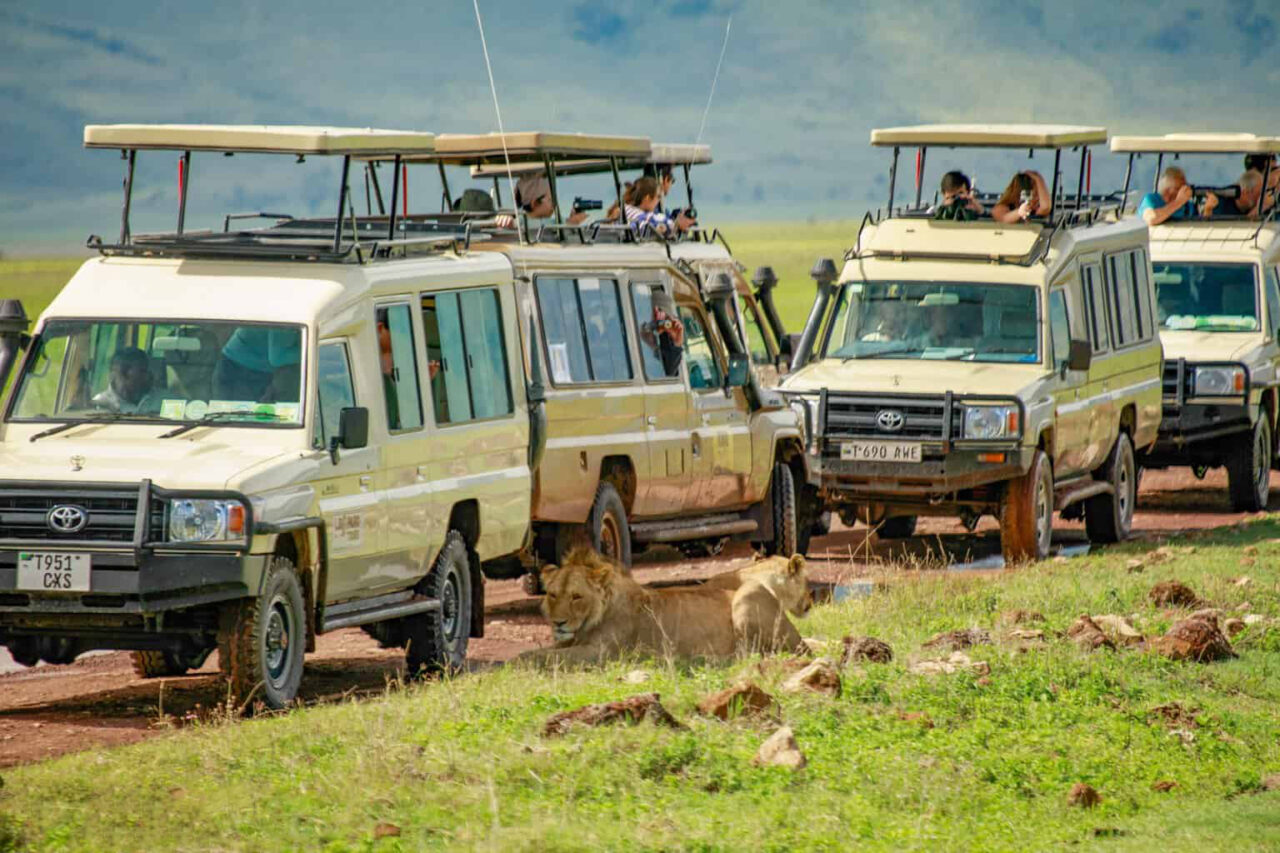
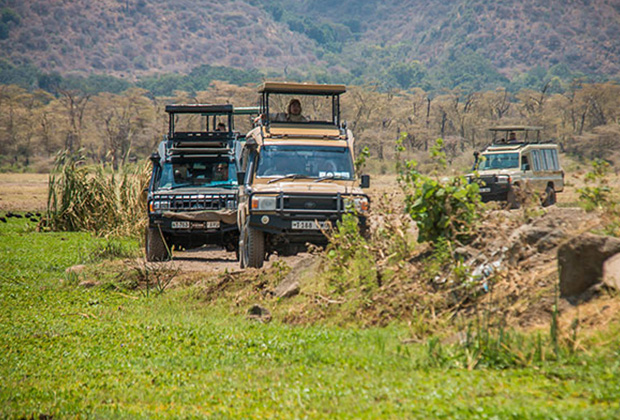
Your Ultimate 4 Days Safari From Moshi: A Comprehensive Planning Guide
A 4 days safari from Moshi offers a fantastic opportunity to experience the diverse wildlife and breathtaking landscapes of Northern Tanzania. Moshi, a vibrant town nestled at the foot of Mount Kilimanjaro, serves as an ideal starting point for short, impactful wildlife adventures. Whether you’re a first-time visitor to Tanzania or seeking a concentrated dose of African wilderness, a 4-day safari is perfectly tailored to provide an unforgettable journey without requiring extensive time off. This guide is designed to help you plan every aspect of your 4 days safari from Moshi, ensuring a smooth, exciting, and rewarding experience. We’ll cover popular routes, what to expect, essential packing advice, and how to make the best booking decisions for your 2026-2027 travels.
Table of Contents
- Quick Facts About 4 Days Safaris from Moshi
- Overview: Why Choose a 4 Days Safari from Moshi?
- The Appeal of a Short, Focused Safari
- Best Time for Your 4 Days Safari From Moshi
- Key Parks and Sample Routes for a 4 Days Safari
- Detailed Sample Itinerary: 4 Days Northern Circuit Explorer
- What to Expect on Your Safari Adventure
- Typical Inclusions and Exclusions
- Essential Packing and Preparation Guide
- Common Mistakes to Avoid When Planning
- Who is a 4 Days Safari from Moshi Best For?
- Exploring Alternatives to a 4 Days Safari
- Planning Your 4 Days Safari in 2026-2027
- Expert Booking Advice for Your Safari
- Frequently Asked Questions (FAQs)
Quick Facts About 4 Days Safaris from Moshi
| Aspect | Details |
|---|---|
| Starting Point | Moshi, Tanzania |
| Duration | 4 Days / 3 Nights |
| Key Parks (Commonly Visited) | Tarangire National Park, Lake Manyara National Park, Ngorongoro Conservation Area, Serengeti National Park (partial access) |
| Typical Wildlife Sightings | The Big Five (Lion, Leopard, Elephant, Rhino, Buffalo), wildebeest, zebras, giraffes, various antelopes, diverse birdlife. |
| Accommodation Types | Budget campsites, mid-range lodges, luxury tented camps. |
| Transportation | 4×4 safari vehicles (often Land Cruisers) with pop-up roofs. |
| Best For | Travelers with limited time, those combining safari with Kilimanjaro, first-time safari-goers. |
| Travel Seasons | Dry seasons (June-October, December-February) offer best game viewing. Wet seasons can offer lush landscapes and fewer crowds. |
Overview: Why Choose a 4 Days Safari From Moshi?
Choosing a 4 days safari from Moshi is a strategic decision for many travelers heading to Tanzania. This duration strikes an excellent balance between experiencing a significant portion of Tanzania’s renowned wildlife areas and managing time constraints. Moshi’s location is a major advantage. As the gateway to Kilimanjaro, it attracts many trekkers. For those who have completed their climb or are preparing for it, a short safari is a natural extension. It also appeals to visitors who may not have the two weeks often recommended for a more extensive safari circuit.
A 4-day trip allows you to visit at least two, and often three, of the iconic parks in the Northern Circuit. This typically includes areas like Tarangire National Park, famous for its large elephant herds and baobab trees; Lake Manyara National Park, known for its tree-climbing lions and diverse birdlife; and the Ngorongoro Conservation Area, a UNESCO World Heritage Site boasting a unique caldera ecosystem teeming with wildlife.
The logistics from Moshi are also straightforward. Tour operators based in or operating through Moshi are well-versed in crafting efficient 4-day itineraries that maximize your time in the parks while minimizing travel time. This focus on efficiency ensures you get the most out of your safari experience, returning with incredible memories and photographs.
The Appeal of a Short, Focused Safari
The primary appeal of a 4 days safari from Moshi lies in its accessibility and efficiency. In just four days, you can witness the raw beauty of the African savanna and encounter a remarkable array of wildlife. This duration is perfect for:
- Time-Conscious Travelers: Ideal for those on a tighter schedule, perhaps on a business trip or a shorter vacation, who still want a taste of the African wilderness.
- Combinations: Excellent for combining with a Kilimanjaro climb. A 4-day safari can be done before or after your trek, providing a complete Tanzanian adventure.
- First-Time Safari Goers: It offers a comprehensive introduction to safari life, covering diverse landscapes and key animal species without being overwhelming.
- Budget-Conscious Travelers: While safaris can be expensive, a shorter duration naturally reduces overall costs compared to longer trips.
- Repeat Visitors: For those who have explored other parts of Africa, a 4-day safari from Moshi can focus on specific highlights or parks they haven’t visited.
The compact nature of a 4-day safari means itineraries are carefully curated to include the most rewarding experiences. You’ll often find yourself visiting parks that offer high chances of spotting iconic animals, ensuring your limited time is spent effectively and memorably.
Best Time for Your 4 Days Safari From Moshi
The best time for a 4 days safari from Moshi largely depends on your priorities, particularly regarding weather and wildlife viewing. Tanzania experiences distinct wet and dry seasons, each offering a different safari experience.
The Dry Season (June to October, December to February)
This is generally considered the prime time for safaris in Northern Tanzania. During these months:
- Game Viewing: Wildlife congregates around permanent water sources, making animals easier to spot against the dry, sparse vegetation. This is particularly true for the large herds in areas like Tarangire and the Serengeti.
- Weather: Skies are typically clear, offering sunny days and pleasant temperatures, especially in the mornings and evenings. The landscape is drier.
- The Great Migration: While the Great Migration’s exact location varies, June to October is often when the herds are in the Serengeti, potentially crossing the Grumeti or Mara Rivers. This is a spectacular sight.
- Popularity: This is the peak tourist season, so expect more visitors and potentially higher prices for accommodation and services. Booking well in advance for 2026-2027 is highly recommended.
The Wet Season (November, March to May)
The wet season offers its own unique advantages:
- Lush Landscapes: The savanna turns a vibrant green, creating beautiful photographic opportunities.
- Fewer Crowds: This is the low or shoulder season, meaning fewer tourists and often more competitive pricing.
- Calving Season: November to March is the calving season in the southern Serengeti, a crucial time for predators.
- Birdlife: Migratory birds return, enhancing the birdwatching experience.
- Challenges: Roads within parks can become muddy and more difficult to navigate, potentially affecting travel times. Some lodges might close or operate with reduced services. Rain can be heavy, often in the afternoons, though morning game drives are usually unaffected.
Shoulder Seasons (November, March)
These months can offer a good compromise, with improving or still-pleasant weather, fewer crowds than the peak dry season, and the beginnings or ends of the rainy patterns.
Key Parks and Sample Routes for a 4 Days Safari
For a 4 days safari from Moshi, the most common and rewarding route focuses on the Northern Circuit’s iconic parks. The goal is to maximize wildlife encounters and minimize driving distances between locations. Here are the typical parks included and how they fit into a short itinerary:
Tarangire National Park
Often the first stop, Tarangire is famous for its large elephant populations, particularly during the dry season when they gather around the Tarangire River. The park also boasts a high diversity of bird species and iconic baobab trees. Its relatively close proximity to Moshi makes it a convenient starting point.
Lake Manyara National Park
This park is renowned for its shallow alkaline lake, which attracts large flocks of flamingos, as well as other water birds. It’s also one of the few places where you might spot tree-climbing lions, along with buffalo, wildebeest, impala, and giraffes. Its compact size makes it ideal for a half-day or full-day visit within a shorter safari.
Ngorongoro Conservation Area (NCA)
A UNESCO World Heritage Site, the Ngorongoro Crater is a collapsed volcano caldera that hosts an astonishing concentration of wildlife. It’s one of the best places in Tanzania to see the Big Five, including the endangered black rhino. The dense wildlife population within the crater floor offers incredible game viewing opportunities. Due to conservation rules, game drives within the crater are typically limited to a few hours.
Serengeti National Park (Partial Access)
While a full exploration of the vast Serengeti requires more time, a 4-day safari can often include a brief visit to its southern or central regions, especially if time is managed efficiently. This allows a glimpse of its legendary plains and abundant wildlife. Often, the itinerary might focus on the areas bordering the NCA or the southern plains, which are accessible within a shorter timeframe.
Sample Route Logic
A common flow for a 4 days safari from Moshi would be:
- Day 1: Moshi to Tarangire National Park, game drive, overnight near Tarangire or Karatu.
- Day 2: Lake Manyara National Park or travel directly to Ngorongoro Conservation Area, afternoon game drive in the crater, overnight near Ngorongoro or Karatu.
- Day 3: Drive into the Serengeti (depending on chosen route, this might be a full day’s drive), afternoon game drive in Serengeti, overnight in Serengeti. OR: A full day exploring Ngorongoro and surrounding areas if Serengeti is omitted for time.
- Day 4: Morning game drive in Serengeti (if included) or Ngorongoro surroundings, then drive back to Moshi.
The exact sequence and parks visited can be customized based on your interests and the tour operator’s recommendations for the best wildlife viewing at the time of your travel in 2026 or 2027.
Detailed Sample Itinerary: 4 Days Northern Circuit Explorer
This sample itinerary focuses on maximizing wildlife sightings within a limited timeframe, starting and ending in Moshi. It’s a popular choice for a 4 days safari from Moshi.
| Day | Morning Activity | Afternoon Activity | Overnight Location |
|---|---|---|---|
| Day 1 | Depart Moshi after breakfast (approx. 8:00 AM). Drive to Tarangire National Park (approx. 3-4 hours). | Full-day game drive in Tarangire National Park, focusing on elephant herds and diverse birdlife. Picnic lunch. | Lodge/Camp near Tarangire or in Karatu. |
| Day 2 | After breakfast, drive towards the Ngorongoro Conservation Area. Descend into the Ngorongoro Crater for a 5-6 hour game drive. | Continue game drive within the crater, seeking the Big Five. Ascend from the crater. Picnic lunch. | Lodge/Camp on the crater rim or in Karatu. |
| Day 3 | After breakfast, drive to the entrance of the Serengeti National Park (via Ngorongoro Conservation Area). Begin game drives en route to your lodge/camp. | Full-day game drive in the central or southern Serengeti, depending on wildlife movements and lodge location. Experience the vast plains and abundant wildlife. Picnic lunch. | Tented Camp or Lodge in the Serengeti. |
| Day 4 | Early morning game drive in the Serengeti (optional, depending on flight schedules if applicable, or time for a final drive). | After breakfast, begin the drive back to Moshi (approx. 6-8 hours, depending on stops and road conditions). Arrive in Moshi in the late afternoon/early evening. | N/A (Return to Moshi) |
Note: This itinerary can be adjusted. Some operators might substitute Serengeti with a full day exploring Lake Manyara and the Karatu region, or offer a fly-in option to Serengeti from a nearby airstrip to save driving time, though this increases cost. For a 4 days safari from Moshi, balancing driving time with game viewing is key.
What to Expect on Your Safari Adventure
A 4 days safari from Moshi is an immersive experience into the wild. Here’s what you can typically anticipate:
Daily Schedule
Your days will generally start early, often before sunrise, to take advantage of the cooler temperatures and peak animal activity. After a quick breakfast, you’ll head out for morning game drives. These usually last for 3-4 hours. You’ll return to your lodge or camp for a mid-day meal and some rest, as the heat can be intense and animals tend to seek shade. The afternoon game drive typically begins around 3:00 PM and continues until sunset. Evenings are spent relaxing at your accommodation, sharing stories of the day’s sightings.
Game Drives
Game drives are conducted in specially adapted 4×4 safari vehicles, usually Land Cruisers or Land Rovers, equipped with pop-up roofs for unobstructed viewing and photography. Your experienced guide will use their knowledge of animal behavior and tracking skills to find wildlife. Expect to spend several hours each day in the vehicle, moving through different habitats within the parks.
Wildlife Sightings
While no safari can guarantee sightings of specific animals, the Northern Circuit parks offer high probabilities of encountering the Big Five (lion, leopard, elephant, rhino, buffalo). You’ll also see vast herds of wildebeest and zebras, numerous species of antelope, giraffes, warthogs, baboons, and a spectacular variety of birds. The density of wildlife in the Ngorongoro Crater is particularly impressive.
Accommodation
Options range from basic but clean campsites offering a true wilderness feel, to comfortable mid-range lodges and luxury tented camps that provide amenities like en-suite bathrooms, hot showers, and gourmet meals. Your choice will significantly impact the overall cost of your 4 days safari from Moshi.
Food
Meals are typically provided by your lodge or camp. Expect hearty breakfasts, picnic lunches enjoyed in scenic spots within the parks, and delicious dinners. Most operators can cater to dietary restrictions if informed in advance.
Guides
Your safari guide is crucial to your experience. They are typically local, highly knowledgeable about flora, fauna, and local culture, and skilled at spotting wildlife. They will also drive you safely throughout your trip.
Typical Inclusions and Exclusions
Understanding what’s included in your safari package is vital for budgeting and avoiding surprises. While packages vary, here’s a general idea:
| Common Inclusions | Common Exclusions |
|---|---|
| Park entrance fees | International flights to/from Tanzania |
| Accommodation (as per your chosen level) | Visa fees |
| All meals during the safari (breakfast, lunch, dinner) | Travel insurance |
| Dedicated 4×4 safari vehicle with a professional driver/guide | Tips for guides and camp staff |
| Crater service fees (for Ngorongoro) | Personal expenses (souvenirs, drinks, laundry) |
| Bottled water during game drives | Optional activities (e.g., cultural visits, hot air ballooning) |
| All transfers to/from Moshi | Gratuities for guides and lodge staff |
| Government taxes and levies | Alcoholic beverages and soft drinks (unless specified) |
Always confirm the specifics with your tour operator when booking your 4 days safari from Moshi.
Essential Packing and Preparation Guide
Packing smart is key to enjoying your safari. Focus on comfort, practicality, and layers. Here’s a comprehensive list:
Clothing
- Neutral Colors: Pack neutral-toned clothing (khaki, beige, olive green, brown). Avoid bright colors that might startle wildlife or black/dark blue which can attract tsetse flies.
- Layers: Temperatures can vary significantly between day and night. Pack light long-sleeved shirts and trousers for sun protection and cooler mornings/evenings.
- T-shirts & Shorts: Comfortable options for warmer parts of the day.
- Fleece or Light Jacket: Essential for chilly early morning game drives and evenings.
- Rain Jacket: A lightweight, waterproof jacket is advisable, especially during the shoulder or wet seasons.
- Comfortable Trousers/Jeans: For evenings and relaxation.
- Swimsuit: If your lodge has a pool.
Footwear
- Comfortable Walking Shoes: Closed-toe shoes like trainers or hiking boots are ideal for walking around camps or light hikes if offered.
- Sandals/Flip-flops: For relaxing at the lodge.
Accessories
- Sun Hat: Wide-brimmed for maximum sun protection.
- Sunglasses: Essential for glare.
- Scarf/Bandana: Useful for dust protection during game drives.
- Binoculars: Crucial for spotting distant wildlife and birds. (Consider bringing your own if you’re serious about wildlife viewing).
- Camera & Accessories: Extra batteries, memory cards, charger, and a zoom lens. A dust-proof bag is a good idea.
- Power Bank/Adapter: For charging devices. Tanzania uses Type G sockets (UK style).
- Headlamp or Small Flashlight: Useful for navigating camps at night.
Health and Toiletries
- Sunscreen: High SPF.
- Insect Repellent: Containing DEET.
- Personal First-Aid Kit: Including any personal medications, pain relievers, antiseptic wipes, bandages, and motion sickness medication if needed.
- Hand Sanitizer: Very useful.
- Basic Toiletries: Though most lodges provide them.
- Malaria Prophylaxis: Consult your doctor about malaria prevention before your trip.
- Yellow Fever Certificate: May be required depending on your travel route. Check current regulations.
Documents and Money
- Passport: With at least six months’ validity.
- Visas: Obtainable on arrival or in advance.
- Flight Tickets & Itinerary: Printed copies.
- Travel Insurance Details: Essential.
- Cash: USD is widely accepted for tips and smaller purchases. Carry smaller denominations. ATMs are available in major towns but can be unreliable in remote areas.
- Credit Cards: Useful for larger expenses, but not always accepted in remote lodges or for tips.
Preparation
- Fitness: No extreme fitness is required for a standard safari, but being able to walk short distances and get in and out of vehicles is necessary.
- Vaccinations & Health: Consult your doctor or a travel clinic 4-6 weeks before your trip regarding recommended vaccinations and malaria prevention.
- Book in Advance: Especially for peak seasons in 2026 and 2027, book your safari well in advance.
Common Mistakes to Avoid When Planning
To ensure your 4 days safari from Moshi is as enjoyable as possible, be aware of these common pitfalls:
- Underestimating Driving Times: Tanzania is vast, and driving times between parks can be long. Factor this into your itinerary. A 4-day trip requires efficient routing.
- Not Booking in Advance: Especially for popular seasons in 2026-2027, lodges and safari vehicles get booked up quickly. Last-minute bookings can mean fewer options and higher prices.
- Choosing the Wrong Operator: Opt for reputable tour operators with good reviews and clear communication. A cheap safari might compromise on vehicle quality, guide experience, or safety standards.
- Ignoring Park Fees: Park fees are a significant part of the safari cost. Ensure they are clearly stated in your quote and budget accordingly.
- Packing Inappropriately: Bringing too many clothes, the wrong colors, or forgetting essentials like binoculars or sunscreen can detract from your experience.
- Not Budgeting for Tips: Tipping is customary and an important part of the income for guides and staff. Factor this into your overall budget.
- Expectations of Constant Action: While safaris are thrilling, there are also periods of quiet observation and travel. Embrace the pace and enjoy the moments.
- Not Informing About Dietary Needs: If you have allergies or specific dietary requirements, communicate them clearly and early to your tour operator.
- Over-Scheduling: A 4-day safari is short. Trying to cram too many parks or activities can lead to exhaustion and less enjoyment. Focus on quality over quantity.
- Forgetting Travel Insurance: This is non-negotiable. Ensure it covers medical emergencies, trip cancellation, and lost luggage.
Who is a 4 Days Safari From Moshi Best For?
A 4 days safari from Moshi is a versatile option that suits a variety of travelers:
- The Time-Pressed Explorer: For individuals or couples who have limited vacation time but still want to witness Tanzania’s iconic wildlife.
- Kilimanjaro Climbers: It’s the perfect add-on for trekkers who want to experience the wildlife of Tanzania before or after their mountain ascent. Moshi is the primary base for Kilimanjaro, making this a logical extension.
- First-Time Safari Goers: It provides an excellent introduction to the safari experience, showcasing diverse landscapes and a good range of animals in a manageable timeframe.
- Budget-Conscious Travelers: While safaris are an investment, a 4-day trip is generally more affordable than longer 7-10 day safaris, making it accessible for those with tighter budgets.
- Honeymooners or Couples: A short, romantic getaway amidst stunning natural beauty and incredible wildlife encounters.
- Families with Older Children: A 4-day safari can be engaging for older children who can handle the early starts and longer periods in the vehicle.
It is generally less suitable for those who wish to deeply explore vast areas like the Serengeti over several days or those who prefer a very slow-paced, in-depth wildlife observation experience, as the focus is on covering key highlights efficiently.
Exploring Alternatives to a 4 Days Safari
While a 4 days safari from Moshi is excellent, other options exist depending on your time, budget, and interests:
Shorter Safaris (2-3 Days)
If even 4 days feels too long, you can opt for a 2 or 3-day safari from Moshi. These typically focus on one or two parks, such as Tarangire and Lake Manyara, or a day trip to Arusha National Park. They offer a brief taste of safari life but with less ground covered.
Longer Safaris (5-7+ Days)
For a more in-depth experience, particularly to fully explore the Serengeti and potentially add parks like the Ngorongoro Crater and Lake Manyara, a 5-7 day safari is recommended. This allows for more relaxed game drives, less driving time between locations, and a greater chance of witnessing phenomena like river crossings during the Great Migration.
Day Trips from Moshi
If time is extremely limited, consider day trips from Moshi. Arusha National Park is a popular choice, offering opportunities to see colobus monkeys, elephants, and buffalos, with stunning views of Mount Kilimanjaro and Mount Meru. You could also visit local coffee plantations or waterfalls.
Different Starting Points
While Moshi is convenient for Kilimanjaro climbers, Arusha is the main safari hub for Northern Tanzania. Many safaris start from Arusha, offering slightly different logistical flows. For safaris in Southern Tanzania (like Selous or Ruaha), you would typically fly into Dar es Salaam or Mbeya.
Other Tanzania Experiences
Beyond safaris, Tanzania offers incredible experiences like:
- Zanzibar Holidays: White-sand beaches, spice tours, Stone Town history.
- Cultural Tourism: Visiting Maasai villages or local communities.
- Mount Meru Trekking: A challenging but rewarding climb offering great views.
The best choice depends on your specific travel goals for your trip in 2026 or 2027.
Planning Your 4 Days Safari in 2026-2027
Planning ahead is crucial for a successful safari, especially when looking at travel dates in 2026 and 2027. Here are key planning considerations:
Booking Timeline
- 12+ Months Ahead: For peak season (June-Oct, Dec-Feb) travel in 2026 or 2027, especially if you have specific lodge preferences or are traveling during school holidays. This is also ideal if you are coordinating a safari with a Kilimanjaro climb.
- 6-9 Months Ahead: Recommended for most travelers, allowing ample choice of operators and accommodations.
- 3-6 Months Ahead: Still feasible, but options may be more limited, particularly for high-end lodges.
- Less than 3 Months: Possible, especially for off-peak seasons, but requires flexibility and quick decision-making. Last-minute deals can sometimes be found, but they are not guaranteed.
Choosing Your Parks
For a 4-day safari from Moshi, consider the sample itinerary above as a strong starting point. The combination of Tarangire, Lake Manyara, and Ngorongoro offers a diverse and rewarding experience. If Serengeti is a must, discuss with your operator how best to incorporate a brief visit without making the trip too rushed.
Budgeting
Safari costs are influenced by:
- Accommodation Level: Camping is the most budget-friendly, followed by mid-range lodges, and then luxury tented camps or lodges.
- Park Fees: These are set by the Tanzanian government and are a significant fixed cost per person per day.
- Vehicle and Guide: Private safaris are more expensive than group tours.
- Season: Peak season prices are higher.
- Inclusions: Some operators might include more extras than others.
When getting quotes for 2026-2027, ensure they are detailed and comparable. Ask about what’s included in the daily park fees and accommodation rates.
Customization
Don’t hesitate to discuss your specific interests with your tour operator. If you’re passionate about birdwatching, photography, or specific animals, your guide can tailor game drives accordingly.
Visa and Health for 2026-2027
Check the latest visa requirements for Tanzania well in advance. Similarly, consult your doctor about necessary vaccinations and malaria precautions at least 4-6 weeks before your travel dates in 2026 or 2027.
Expert Booking Advice for Your Safari
Making the right booking choice can significantly enhance your safari experience. Here’s how to approach it:
Choose a Reputable Operator
Look for companies with a strong online presence, positive reviews on platforms like TripAdvisor, and clear contact information. Local operators, like Best Tanzania Tour Operator (Top Guide Adventures), often offer competitive pricing and deep local knowledge. Ensure they are licensed and experienced.
Understand Your Quote
Ask for a detailed breakdown of costs. Ensure park fees, accommodation, vehicle, guide, meals, and transfers are clearly itemized. Compare quotes carefully, not just on the total price, but on what is included.
Clarify Vehicle and Guide
For a 4 days safari from Moshi, you’ll typically have a private 4×4 vehicle and a dedicated driver-guide. Inquire about the vehicle type (Land Cruiser is preferred for comfort and durability) and the guide’s experience and language proficiency.
Ask About Accommodation Options
Discuss the pros and cons of different accommodation levels. A good operator will offer a range of options to suit your budget and comfort preferences.
Read Reviews Carefully
Pay attention to recent reviews, noting comments on guide quality, vehicle condition, food, and overall organization.
Communication is Key
Your chosen operator should be responsive to your questions and willing to customize your itinerary. Clear communication from the start prevents misunderstandings later.
Payment Terms
Understand the deposit requirements and the final payment deadline. Most operators require a deposit to secure bookings and full payment several weeks before the safari begins.
Contract and Cancellation Policy
Review the terms and conditions, particularly the cancellation policy. Ensure you are comfortable with the terms before making a payment.
Contact Us for Your 4 Days Safari From Moshi
Ready to plan your unforgettable 4 days safari from Moshi? We specialize in crafting personalized Tanzanian adventures. Whether you’re combining it with Kilimanjaro or seeking a short wildlife escape, we can help. Get in touch with our expert team for a tailored itinerary and quote. You can reach us via WhatsApp at +255616946642, email us at topguideadventures@gmail.com, or use our backup email info@topguideadventures.com.
Frequently Asked Questions (FAQs)
Q1: How much does a 4 days safari from Moshi typically cost?
A1: The cost varies significantly based on accommodation level (camping, mid-range, luxury), group size (private vs. shared), and specific parks visited. For 2026-2027, expect a range from approximately $800-$1200 USD per person for budget camping, $1500-$2500 USD for mid-range lodges, and $3000+ USD for luxury tented camps for a 4-day safari. This usually includes park fees, accommodation, meals, and vehicle/guide. International flights, visas, tips, and personal expenses are extra.
Q2: Is a 4 days safari enough to see the Big Five?
A2: While it’s not guaranteed, a 4-day safari, especially one including the Ngorongoro Crater, offers a very good chance of seeing the Big Five. The Ngorongoro Crater is renowned for its high density of wildlife, making it a prime location for spotting these iconic animals within a short timeframe.
Q3: What is the best park to visit on a 4-day safari from Moshi?
A3: For a 4-day trip, a combination is usually best. Tarangire National Park (elephants, baobabs), Lake Manyara National Park (tree-climbing lions, birds), and the Ngorongoro Conservation Area (high wildlife density, rhino) are highly recommended. Including a brief part of the Serengeti is possible but makes the itinerary busier.
Q4: Can I combine a 4 days safari from Moshi with Kilimanjaro?
A4: Absolutely. Moshi is the base for Kilimanjaro treks. Many travelers do a 4-day safari either before or after their climb. It’s a popular and logistically sensible combination. Ensure you book both with an operator experienced in both activities.
Q5: What should I pack for a 4-day safari?
A5: Pack light, neutral-colored clothing, layers for varying temperatures, comfortable walking shoes, a sun hat, sunglasses, insect repellent, sunscreen, binoculars, and a camera. A light rain jacket is also advisable. Refer to the detailed packing list in this guide.
Q6: Do I need a visa for Tanzania?
A6: Most nationalities require a visa for Tanzania. You can often obtain this on arrival at the airport or apply for an e-visa in advance. Check the official Tanzanian immigration website for the most current requirements for your nationality before your travel in 2026-2027.
Q7: Is it safe to do a safari in Tanzania?
A7: Tanzania is a safe destination for tourism, and safaris are generally very safe when conducted with reputable operators. Wildlife is viewed from within safari vehicles, and guides are trained to handle animal encounters responsibly. Follow your guide’s instructions at all times.
Q8: What kind of vehicle is used for a 4-day safari?
A8: Typically, a customized 4×4 safari vehicle, such as a Toyota Land Cruiser or Land Rover, is used. These vehicles have pop-up roofs for excellent game viewing and photography, comfortable seating, and are built to handle off-road conditions.
Q9: When is the best time to book a 4 days safari from Moshi for 2026-2027?
A9: For peak safari seasons (June-October and December-February) in 2026-2027, booking 6-12 months in advance is highly recommended to secure preferred accommodations and operators. For the shoulder or low seasons, 3-6 months might suffice.
Q10: Can I do a group or shared safari for 4 days from Moshi?
A10: Yes, many operators offer scheduled group departures or can match you with other travelers to form a group. This is often a more budget-friendly option compared to a private safari.
Ready for Your Adventure? Book Your 4 Days Safari From Moshi!
A 4 days safari from Moshi is a spectacular way to witness the wild heart of Tanzania. With careful planning and the right operator, you can create memories that will last a lifetime. Whether you’re an adventurer, a nature lover, or simply seeking an escape, this short safari delivers an incredible experience.
Let us help you craft your perfect 4 days safari from Moshi. We offer customized itineraries, experienced guides, and a commitment to providing exceptional service. Get in touch today to start planning your Tanzanian wildlife adventure for 2026-2027 and beyond!
Contact Us:
- WhatsApp: +255616946642
- Email: topguideadventures@gmail.com
- Backup Email: info@topguideadventures.com
Plan your 4 Days Safari From Moshi with Top Guide Adventures
Tell us your travel dates, group size, comfort level, and dream experience. We will help you shape a clear, realistic, and memorable Tanzania itinerary.







 Veedesigner
 Fatma Kizanga
 Benjamin Waryuba
 Philip Philip
 John jr Itaja
 Antonia Optatus
 Edith Kanyere
 Neema Iddy
 Kelvin Boniphace
 Damari Maiga



