
Updated planning guide for 2026, 2027-2028
4 Days Serengeti Big Cats Safari From Moshi: Best Guide 2026-2027-2028
Your comprehensive guide to a 4-day safari in the Serengeti focusing on big cats, starting from Moshi. Learn about planning, itineraries, what to pack, and more.
WhatsApp +255616946642 | topguideadventures@gmail.com | info@topguideadventures.com
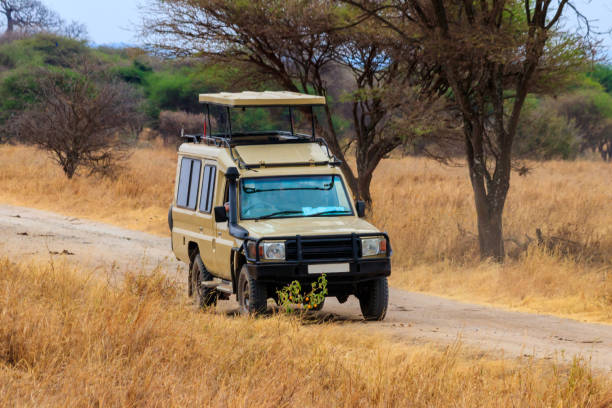
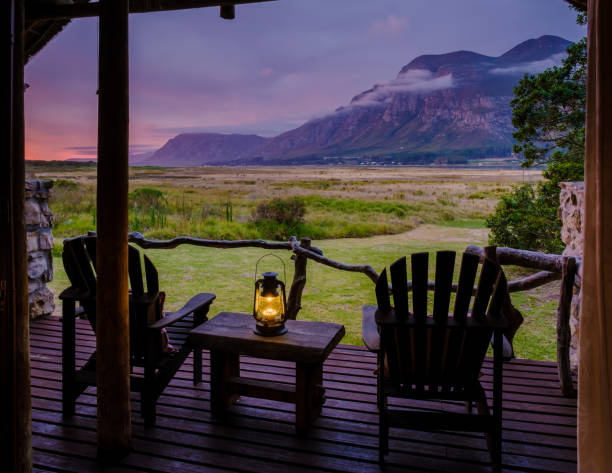
Table of Contents
- Introduction to Your 4-Day Serengeti Big Cats Safari from Moshi
- Quick Facts: 4-Day Serengeti Big Cats Safari
- Why Focus on Big Cats in the Serengeti?
- Best Time for Big Cat Sightings on a 4-Day Safari
- Serengeti Route Overview: A 4-Day Focus
- Sample 4-Day Serengeti Big Cats Safari Itinerary from Moshi
- What to Expect on Your Serengeti Safari
- Typical Inclusions and Exclusions
- Packing and Preparation Essentials
- Common Mistakes to Avoid
- Who is This 4-Day Serengeti Big Cats Safari Best For?
- Alternatives to a 4-Day Big Cats Focus
- Planning Your Safari for 2026-2027
- Booking Your Safari: Expert Tips
- Ready for Your Serengeti Adventure?
Introduction to Your 4-Day Serengeti Big Cats Safari from Moshi
A 4 Days Serengeti Big Cats Safari from Moshi offers an intense and rewarding wildlife experience, specifically tailored for those who dream of witnessing lions, leopards, and cheetahs in their natural habitat. While four days is a relatively short time for such a vast park, a well-planned itinerary can maximize your chances of incredible sightings, particularly in areas renowned for their big cat populations. Starting from Moshi, a common gateway town for northern circuit safaris and Kilimanjaro climbs, this trip involves travel time to and from the Serengeti, making efficient use of every moment crucial. This guide provides an in-depth look at how to plan, what to expect, and how to make the most of your focused Serengeti adventure, ensuring your 2026 or 2027 trip is unforgettable.
Quick Facts: 4-Day Serengeti Big Cats Safari
| Feature | Details |
|---|---|
| Duration | 4 Days / 3 Nights |
| Starting Point | Moshi, Tanzania |
| Primary Focus | Big Cats (Lions, Leopards, Cheetahs) |
| Key Area(s) | Central Serengeti (Seronera), potentially Northern/Western depending on season |
| Accommodation | Safari Lodges, Tented Camps (Mid-range to Luxury) |
| Transportation | 4×4 Safari Vehicle with Pop-up Roof |
| Best For | Wildlife enthusiasts, photographers, first-time safari-goers with limited time |
| Travel Years | 2026, 2027-2028 |
Why Focus on Big Cats in the Serengeti?
The Serengeti National Park is globally celebrated for its immense biodiversity and the Great Migration. However, its true allure for many travelers lies in its unparalleled density and variety of predators, especially the big cats. Lions are abundant, often seen in prides resting under acacia trees or hunting. Leopards, notoriously elusive, are more frequently spotted in areas with dense tree cover or rocky outcrops. Cheetahs, the fastest land animals, are best observed in open grasslands where they can stalk their prey. A dedicated big cat safari ensures your itinerary prioritizes locations and timings that offer the highest probability of encountering these magnificent creatures.
Focusing on big cats means strategizing your game drives. This often involves early morning and late afternoon drives when predators are most active. It also means selecting specific regions within the Serengeti that are known for their predator populations. For a 4-day trip, concentrating on the Central Serengeti (Seronera Valley) is often the most practical and effective approach, as it boasts a resident population of big cats year-round due to reliable water sources and prey availability.
Best Time for Big Cat Sightings on a 4-Day Safari
While the Serengeti offers incredible wildlife viewing throughout the year, certain periods enhance your chances of seeing big cats on a shorter safari:
- Dry Season (June to October): This is generally considered the prime time. With scarce water, animals congregate around permanent water sources, making them easier for predators to find and for you to spot. The landscape is drier, offering better visibility. Lions, leopards, and cheetahs are often seen actively hunting or resting near waterholes. The Great Migration may be in the western or northern parts of the park during this period, attracting predators.
- Short Rains (November to December): This period can be excellent. The landscape greens up, and the migratory herds often return to the southern plains, bringing more prey for the big cats. Sightings can be superb before the heavier rains begin.
- Long Rains (March to May): This is the low season with fewer tourists and lower prices. While rain can make game drives challenging, it’s also the calving season for wildebeest and zebras in the southern Serengeti. This abundance of young, vulnerable prey attracts numerous predators, offering fantastic hunting opportunities to witness. Big cat sightings can be exceptional during this time, especially in the southern and eastern plains.
For a 4-day trip, the dry season (June-October) often provides the most reliable conditions for consistent big cat sightings due to concentrated prey. However, shoulder seasons like November-December or March-May can offer a more intimate experience with potentially higher predator activity due to seasonal movements and births.
Serengeti Route Overview: A 4-Day Focus
Given the limited time, a 4 Days Serengeti Big Cats Safari from Moshi typically focuses on the Central Serengeti (Seronera Valley). This region is known for its year-round resident big cat population, making it ideal for shorter trips where travel time is a factor.
Day 1: Travel from Moshi to Serengeti, afternoon game drive. The journey involves driving from Moshi to a Serengeti airstrip or entering via a gate and driving to your accommodation. An afternoon game drive is included.
Day 2 & 3: Full days of game drives in Central Serengeti. These days are dedicated to exploring the Seronera Valley and surrounding areas. Your guide will focus on areas known for lion prides, leopard sightings in acacia woodlands, and cheetahs on the open plains.
Day 4: Morning game drive, departure. A final morning game drive before heading to the airstrip for your flight back to Arusha or Kilimanjaro International Airport (JRO), or driving back to Moshi.
Simplified Route Illustration:
Moshi (Start) → Tarangire National Park (Optional/Transit) → Central Serengeti (Seronera Valley) → Serengeti Airstrip/Exit Gate → Moshi (End)
While some 4-day itineraries might include a brief stop in Tarangire National Park en route to the Serengeti for its elephants and baobab trees, for a strict big cat focus, maximizing time within the Serengeti is key. If time is extremely limited, flying directly from Arusha/Kilimanjaro to a Serengeti airstrip is the most efficient way to start your safari.
Sample 4-Day Serengeti Big Cats Safari Itinerary from Moshi
This itinerary is designed to maximize your chances of seeing big cats. It assumes entry into the Serengeti via a gate and driving to your lodge/camp, or flying into a central airstrip.
Day 1: Moshi to Central Serengeti & Afternoon Game Drive
Morning: Depart from Moshi after breakfast. Travel towards the Serengeti National Park. This is a scenic drive, potentially passing through the Ngorongoro Conservation Area (though not stopping for the crater on this itinerary). Stop at a viewpoint for photos.
Afternoon: Enter the Serengeti and begin your first game drive en route to your lodge or tented camp in the Central Serengeti (Seronera area). Look for lions, cheetahs, and other wildlife as you drive.
Evening: Arrive at your accommodation, check in, and relax. Enjoy dinner and an overnight stay.
Day 2: Full Day Big Cat Exploration in Central Serengeti
Morning: Early morning game drive. This is often the best time to spot predators, especially cheetahs on the hunt and lions returning from their nocturnal activities. Explore the Seronera Valley, known for its resident big cat populations.
Afternoon: Return to your lodge for lunch and a short rest. In the afternoon, head out for another extensive game drive. Your guide will use their expertise to track lions in kopjes, leopards in acacia trees, and cheetahs on the open plains.
Evening: Sundowners in the bush (if permitted and arranged) followed by dinner and overnight at your camp/lodge.
Day 3: Deeper Exploration of Central Serengeti & Beyond
Morning: Another early start for a game drive. Depending on recent sightings and animal movements, you might explore slightly different areas around Seronera or venture towards the Grumeti River area if leopards are frequently reported there. Focus on finding elusive cats.
Afternoon: Continue your game drive, focusing on areas identified by your guide as potential big cat hotspots. This could involve searching rocky outcrops (kopjes) for lions or observing cheetahs on termite mounds.
Evening: Enjoy your final evening in the Serengeti, sharing stories of your sightings over dinner.
Day 4: Morning Game Drive & Departure to Moshi
Morning: After breakfast, enjoy a final morning game drive in the Serengeti. This is another opportunity to catch any predators you may have missed or to see more of the park’s diverse wildlife.
Late Morning/Afternoon: Drive back towards Moshi, exiting the park. You will have lunch en route. Arrive back in Moshi in the late afternoon/early evening.
What to Expect on Your Serengeti Safari
A 4 Days Serengeti Big Cats Safari from Moshi is an immersive experience. Understanding the rhythm of safari life will help you prepare.
Wildlife Encounters: Beyond the Big Cats
While big cats are the focus, the Serengeti teems with other incredible wildlife. Expect to see large herds of wildebeest and zebras (depending on the season and location), elephants, giraffes, hippos, buffaloes, various antelopes (like gazelles, impalas, dik-diks), hyenas, wild dogs (less common but possible), jackals, and a spectacular array of birdlife. The sheer abundance of animals is breathtaking.
A Typical Day on Safari
Days on safari are structured around optimal wildlife viewing times:
- Early Morning: Wake up before sunrise for coffee/tea and a light snack. Depart for your morning game drive as the sun rises. Predators are most active during these cooler hours.
- Late Morning: Return to camp/lodge for a full breakfast or brunch.
- Midday: Rest, relax at the lodge, read, or enjoy the camp’s facilities. Some lodges offer guided walks around the camp area.
- Afternoon: Depart for your afternoon game drive, typically starting around 3:00 PM or 4:00 PM.
- Evening: Game drives usually conclude around sunset. Return to camp for dinner, drinks, and sharing experiences.
The flexibility of your guide and the lodge’s schedule will dictate exact timings.
Accommodation Options
For a 4-day trip, especially focusing on a specific area like Seronera, you’ll likely stay in either a:
- Tented Camp: Offers a more authentic, close-to-nature experience. Tents are usually spacious, with comfortable beds, en-suite bathrooms (often with bucket showers or flushing toilets), and a central dining/lounge area. They provide a feeling of being immersed in the wilderness.
- Safari Lodge: Permanent structures offering more amenities, often with swimming pools, restaurants, and bars. Lodges provide a comfortable base with excellent service.
Options range from mid-range to luxury, depending on your budget and preferences for 2026-2027 travel.
Safari Vehicles
Most safaris utilize custom-built 4×4 safari vehicles (typically Land Cruisers or Land Rovers). These vehicles have pop-up roofs, allowing for unobstructed 360-degree views and excellent photography opportunities. They are equipped with comfortable seating, charging ports, and often a cooler box for drinks and snacks. Your vehicle will be driven by an experienced safari guide.
Typical Inclusions and Exclusions
Understanding what’s included in your safari package is crucial for budgeting and planning.
Common Inclusions:
- Park entrance fees for Serengeti National Park.
- Accommodation for 3 nights.
- All meals (breakfast, lunch, dinner) during the safari.
- Water in the vehicle during game drives.
- A professional, English-speaking safari guide.
- A 4×4 safari vehicle with a pop-up roof.
- Airport transfers from/to Moshi/Arusha.
- Crater service fees (if applicable, though less likely for a strict Serengeti focus).
Common Exclusions:
- International flights to/from Tanzania.
- Visa fees.
- Travel insurance.
- Tips for guides and lodge staff.
- Beverages (alcoholic and non-alcoholic) other than water provided.
- Personal expenses (souvenirs, laundry).
- Optional activities (e.g., hot air balloon safari).
Always confirm the exact inclusions and exclusions with your tour operator.
Packing and Preparation Essentials
Proper packing ensures comfort and practicality. The key is to pack light, in soft-sided bags.
What to Pack
- Clothing: Neutral-colored clothing (khaki, beige, green, brown) – avoid bright colors and black/blue, which can attract insects or disturb wildlife. Pack lightweight, breathable fabrics.
- Long-sleeved shirts and trousers (for sun and insect protection).
- T-shirts and shorts/skirts.
- A warm fleece or jacket for cool mornings and evenings.
- A hat with a wide brim for sun protection.
- Comfortable walking shoes or hiking boots (if any walking is planned).
- Sandals or flip-flops for camp/lodge.
- Swimsuit (for lodges with pools).
- Socks.
- Footwear: Comfortable closed-toe shoes are essential for game drives.
- Accessories:
- Sunglasses.
- Binoculars (essential for wildlife viewing).
- Camera with extra batteries and memory cards.
- Power bank or portable charger.
- Headlamp or flashlight.
- Insect repellent (with DEET).
- Sunscreen (high SPF).
- Personal toiletries.
- Small backpack for daily essentials.
- Reusable water bottle.
- Documents:
- Passport (with at least 6 months validity).
- Visa for Tanzania.
- Yellow Fever vaccination certificate (if required).
- Flight tickets and itinerary.
- Travel insurance details.
- Copies of all important documents.
- Optional:
- Small first-aid kit.
- Motion sickness medication.
- Book or journal.
Health and Safety Considerations
Your health and safety are paramount:
- Vaccinations: Consult your doctor or a travel clinic well in advance regarding recommended vaccinations, including Yellow Fever, Hepatitis A, Typhoid, and Tetanus.
- Malaria Prevention: Tanzania is a malaria-risk area. Discuss antimalarial medication options with your doctor. Take precautions to prevent mosquito bites, especially during dawn and dusk.
- Water: Drink only bottled or purified water. Avoid ice in drinks unless you are sure it’s made from purified water.
- Sun Protection: The African sun is intense. Use sunscreen, wear a hat, and stay hydrated.
- Safari Safety: Always follow your guide’s instructions. Stay inside the vehicle during game drives unless instructed otherwise. Never feed wild animals. Keep a safe distance from all wildlife.
- Insurance: Comprehensive travel insurance that covers medical emergencies, evacuation, and trip cancellation is essential.
Photography Tips
Capture those incredible moments:
- Gear: A telephoto lens (200-400mm or more) is highly recommended for wildlife. A wide-angle lens is useful for landscapes and larger scenes. Bring extra batteries and memory cards.
- Timing: The golden hours (early morning and late afternoon) offer the best light for photography.
- Patience: Wildlife photography requires patience. Wait for the right moment.
- Vehicle Movement: Stabilize your camera by resting it on the vehicle’s window sill or using a beanbag.
- Respect: Never disturb animals for a photo. Maintain a respectful distance.
Common Mistakes to Avoid
To ensure a smooth and enjoyable safari, be aware of these common pitfalls:
- Packing too much: Soft-sided bags are essential for light aircraft and safari vehicle space. Heavy, bulky luggage is problematic.
- Wearing the wrong clothes: Bright colors can scare animals or attract insects. Stick to neutral tones.
- Not bringing binoculars: Essential for spotting distant wildlife and enjoying detailed views.
- Underestimating the sun: Sunburn and heatstroke are real risks. Protect yourself.
- Not booking in advance: Especially for popular seasons in 2026 or 2027, lodges and vehicles get booked up quickly.
- Expecting guaranteed sightings: While the Serengeti is rich in wildlife, sightings are not guaranteed. Be patient and trust your guide.
- Ignoring your guide: Your guide is highly experienced. Listen to their advice regarding safety and wildlife.
- Not bringing enough camera gear: You’ll regret not having enough battery or memory for those once-in-a-lifetime shots.
- Forgetting essential documents: Passports, visas, and insurance are critical.
- Not factoring in travel time: A 4-day trip means significant time spent traveling to and from the Serengeti.
Who is This 4-Day Serengeti Big Cats Safari Best For?
This specific safari is ideal for:
- First-time safari-goers: It offers a concentrated taste of the Serengeti’s most iconic wildlife.
- Wildlife photographers: The focus on big cats and the prime viewing times are excellent for photographers.
- Travelers with limited time: Four days is a manageable duration for those who cannot take longer holidays but want to experience the Serengeti.
- Big cat enthusiasts: Those whose primary goal is to see lions, leopards, and cheetahs.
- Couples and small groups: The intimate nature of a 4×4 vehicle and lodge experience suits smaller travel parties.
- Travelers planning for 2026-2027: Booking early for these peak years is advisable.
It might be less suitable for travelers looking for a comprehensive overview of the entire Serengeti ecosystem, including the Great Migration river crossings (which require longer stays and potentially different locations), or those who prefer a very relaxed pace with ample downtime.
Alternatives to a 4-Day Big Cats Focus
If a 4-day big cat focus isn’t quite right, consider these alternatives:
- 7-Day Serengeti & Ngorongoro Crater Combination: Offers a more in-depth exploration of the Serengeti and includes the unique Ngorongoro Crater, known for its dense wildlife population, including the rare black rhino. This provides a broader wildlife experience.
- 5-Day Serengeti & Tarangire Safari: Combines the Serengeti with Tarangire National Park, famous for its large elephant herds and baobab trees. This offers a varied landscape and wildlife.
- Self-Drive Safari (with guide): While less common for international tourists in Tanzania, some operators offer more flexible itineraries.
- Luxury Fly-in Safari: For maximum time in the park and minimal travel, flying directly from Arusha to a Serengeti airstrip and staying in high-end lodges can maximize wildlife viewing, though it increases cost.
- Budget Camping Safari: For travelers on a tighter budget, public or mid-range camping safaris offer a more rustic but still incredible experience.
For a 4-day trip specifically, you could also consider focusing on another park if big cats are the absolute priority and travel time is a major constraint:
- 4 Days Tarangire & Lake Manyara Safari: While not the Serengeti, Tarangire is excellent for elephants and lions, and Lake Manyara offers tree-climbing lions and diverse birdlife. This is closer to Moshi, reducing travel time.
Planning Your Safari for 2026-2027
Planning a safari for future years like 2026 and 2027 requires early action, especially for peak seasons.
Key Planning Steps:
- Define Your Priorities: Big cats, migration, birding, photography, relaxation? This shapes your itinerary and timing.
- Choose Your Operator: Research reputable tour operators. Look for reviews, clear communication, and tailor-made options. For your 4 Days Serengeti Big Cats Safari from Moshi, ensure they have strong local knowledge.
- Set Your Budget: Safaris vary widely in price. Determine your budget for accommodation, vehicle type, and inclusions.
- Book Early: For 2026 and 2027, especially for travel between June and October, booking 6-12 months in advance is highly recommended to secure preferred lodges and guides.
- Visa and Health: Start researching visa requirements and necessary vaccinations well in advance.
- Flights: Book international flights to Kilimanjaro International Airport (JRO) or potentially Arusha Airport (ARK) once your safari dates are confirmed.
- Travel Insurance: Purchase comprehensive travel insurance as soon as you book your safari.
2026-2027 Considerations:
- Peak Season Demand: Expect higher prices and less availability during June-October and December-January.
- Migration Patterns: While this itinerary focuses on central Serengeti for resident big cats, if migration is a secondary interest, research expected locations for 2026-2027.
- Customization: Work with your operator to tailor the itinerary, perhaps adding a specific focus on leopard tracking or lion prides in particular areas.
Booking Your Safari: Expert Tips
Making the right booking choice is crucial for a memorable safari.
- Research Operators Thoroughly: Look for Tanzanian-based operators with excellent online reviews and a strong presence. Check their responsiveness and transparency.
- Ask Detailed Questions: Don’t hesitate to ask about the specific vehicle type, guide experience, accommodation standards, and what is truly included.
- Get a Detailed Itinerary: Ensure the itinerary clearly outlines daily activities, driving times, and locations. For a 4 Days Serengeti Big Cats Safari from Moshi, confirm the route and time allocated within the Serengeti.
- Understand the Vehicle: Confirm you’ll be in a 4×4 safari vehicle designed for game viewing.
- Guide Experience Matters: A good guide can make or break your safari. Inquire about their experience, especially in the Serengeti and in tracking big cats.
- Payment Terms: Understand the deposit requirements and cancellation policy. Most operators require a deposit to confirm booking and full payment a few weeks before departure.
- Read the Fine Print: Pay close attention to cancellation policies, insurance requirements, and any disclaimers.
- Consider a Local Operator: Using a local operator like Best Tanzania Tour Operator often provides better value and deeper local knowledge.
- Confirm 2026-2027 Availability: If you are planning for these years, confirm availability early to avoid disappointment.
When you are ready to plan your unforgettable 4 Days Serengeti Big Cats Safari from Moshi for 2026 or 2027, don’t hesitate to reach out. We specialize in creating tailored safari experiences that focus on your interests, ensuring you get the most out of your limited time in this incredible park.
Ready for Your Serengeti Adventure?
A 4 Days Serengeti Big Cats Safari from Moshi is an exhilarating journey into the heart of Africa’s most iconic wildlife destination. It’s a compact yet powerful way to witness the majesty of lions, leopards, and cheetahs in their prime. With careful planning and the right operator, this short safari can deliver lifelong memories.
If you’re dreaming of seeing the big cats of the Serengeti and are planning your trip for 2026, 2027, or 2028, let us help you craft the perfect itinerary. We pride ourselves on offering expert advice, personalized service, and an authentic safari experience.
Contact us today to start planning your 4 Days Serengeti Big Cats Safari from Moshi:
WhatsApp: +255616946642
Email: topguideadventures@gmail.com
Backup Email: info@topguideadventures.com
Let’s make your Serengeti dream a reality!
Plan your 4 Days Serengeti Big Cats Safari From Moshi with Top Guide Adventures
Tell us your travel dates, group size, comfort level, and dream experience. We will help you shape a clear, realistic, and memorable Tanzania itinerary.







 Veedesigner
 Fatma Kizanga
 Benjamin Waryuba
 Philip Philip
 John jr Itaja
 Antonia Optatus
 Edith Kanyere
 Neema Iddy
 Kelvin Boniphace
 Damari Maiga



