
Updated planning guide for 2026, 2027-2028
Moshi Tours Tanzania: Complete Guide 2026-2027-2028
Your comprehensive guide to Moshi tours in Tanzania, covering everything from safari adventures and Mount Kilimanjaro climbs to Zanzibar holidays and custom travel planning for 2026-2027.
WhatsApp +255616946642 | topguideadventures@gmail.com | info@topguideadventures.com
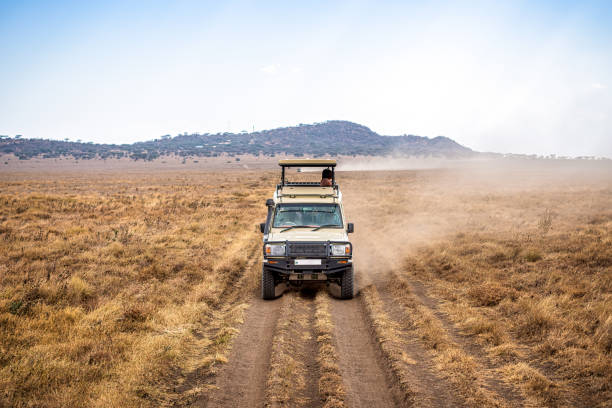
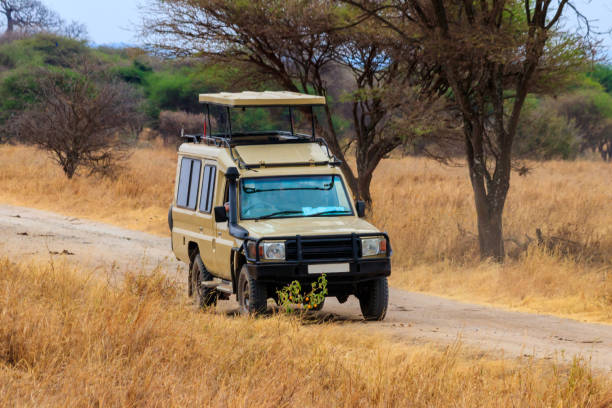
Discover the Gateway to Adventure: Moshi Tours Tanzania
Moshi, a vibrant town nestled at the foot of Mount Kilimanjaro, serves as the primary gateway for many of Tanzania’s most sought-after adventures. From thrilling wildlife safaris in the northern circuit parks to the ultimate challenge of summiting Africa’s highest peak, Moshi tours offer an unparalleled introduction to the magic of East Africa. This guide provides an in-depth look at planning your unforgettable journey, focusing on what makes Moshi the ideal starting point for your 2026 or 2027 Tanzanian exploration.
| Aspect | Details |
|---|---|
| Primary Activities | Mount Kilimanjaro Trekking, Northern Circuit Safaris, Cultural Tours, Day Trips |
| Gateway To | Mount Kilimanjaro National Park, Arusha National Park, Tarangire National Park, Lake Manyara National Park, Serengeti National Park, Ngorongoro Conservation Area |
| Best Time to Visit | Dry seasons: June to October, and December to February. Shoulder seasons (March-May, November) can offer fewer crowds but unpredictable rain. |
| Altitude | Approximately 800 meters (2,600 feet) |
| Climate | Tropical highland climate; warm days, cool nights. Varies significantly with altitude. |
| Currency | Tanzanian Shilling (TZS) |
| Visa Requirements | Visa required for most nationalities; can be obtained online or on arrival. Check official government sources. |
| Language | Swahili (national language), English widely spoken in tourist areas. |
Table of Contents
- Moshi: More Than Just a Starting Point
- Why Choose Moshi for Your Tanzania Adventure?
- Mount Kilimanjaro Trekking from Moshi
- Safari Adventures from Moshi
- Connecting to Zanzibar from Moshi
- Cultural Immersions and Day Trips
- Best Time for Moshi Tours Tanzania
- Sample Moshi Tours Tanzania Itineraries
- What to Expect on Your Moshi Tour
- Essential Planning and Preparation
- Packing for Your Moshi Adventure
- Common Mistakes to Avoid
- Who Are Moshi Tours Tanzania Best Suited For?
- Alternatives to Moshi Tours
- Planning Your Moshi Tours for 2026-2027
- Booking Your Moshi Tours Tanzania
- Frequently Asked Questions (FAQs)
Moshi: More Than Just a Starting Point
While often recognized as the base for Mount Kilimanjaro expeditions, Moshi offers a rich experience in its own right. This bustling town in the northern Tanzanian highlands provides a genuine glimpse into local life, with its friendly Chagga people, vibrant markets, and stunning views of the iconic mountain. For travelers planning Moshi tours Tanzania, understanding the town’s role as a hub for diverse activities is key to crafting a well-rounded itinerary. It’s where the journey begins, whether you’re heading for the summit, the savannah, or the spice-scented beaches of Zanzibar.
Why Choose Moshi for Your Tanzania Adventure?
The strategic location of Moshi makes it an indispensable starting point for a multitude of Tanzanian experiences. Its proximity to Mount Kilimanjaro is undeniable, but its advantages extend far beyond that single, albeit magnificent, peak.
- Proximity to Kilimanjaro: Moshi is the closest major town to Kilimanjaro National Park, offering direct access to various trekking routes. This means shorter transfer times and easier logistical arrangements for climbers.
- Gateway to Northern Circuit Safaris: From Moshi, you are well-positioned to explore world-renowned safari destinations like Arusha National Park (home to Mount Meru), Tarangire National Park, Lake Manyara National Park, the Serengeti, and the Ngorongoro Crater. Many tour operators based in Moshi specialize in these circuits.
- Cultural Hub: The town and its surrounding areas are rich in Chagga culture. Engaging with local communities, visiting coffee plantations, and learning about traditional ways of life are integral parts of the Moshi experience.
- Infrastructure: Moshi has developed tourism infrastructure, including a range of accommodations, reliable transport links, and experienced tour operators who understand the nuances of organizing complex trips.
- Beautiful Scenery: Beyond Kilimanjaro, the Kilimanjaro region itself is lush and scenic, with coffee and banana plantations covering the fertile slopes.
Mount Kilimanjaro Trekking from Moshi
Mount Kilimanjaro, a dormant volcano and the highest peak in Africa, is a bucket-list destination for trekkers worldwide. Moshi is the undisputed launchpad for these expeditions. Tour operators based here handle all aspects of the climb, from obtaining park permits and arranging guides and porters to providing necessary equipment and ensuring safety protocols are met.
Choosing Your Route: Several routes ascend Kilimanjaro, each offering a different experience in terms of scenery, difficulty, and acclimatization. The most popular routes accessible from Moshi include:
- Marangu Route (Coca-Cola Route): The oldest and perhaps most recognizable route. It’s known for its hut accommodations, making it a unique option for those who prefer not to camp. It’s generally considered less scenic and has a lower success rate due to faster ascent and poorer acclimatization.
- Machame Route (Whiskey Route): Highly recommended for its scenic beauty and excellent acclimatization profile, leading to a higher success rate. It involves camping and is more physically demanding.
- Lemosho Route: Offers stunning scenery and good acclimatization, starting on the western side of the mountain before joining the Machame route. It’s a longer, more expensive option but very rewarding.
- Shira Route: Similar to Lemosho, it starts at a high altitude and offers dramatic volcanic landscapes.
- Rongai Route: Approaches Kilimanjaro from the north, making it a good option during the wetter months as it receives less rainfall. It’s generally considered less scenic than the western routes.
- Northern Circuit: The longest route, offering the best acclimatization and highest success rates, with a full circuit of the mountain providing diverse views.
Key Considerations for Kilimanjaro Treks:
- Duration: Climbs typically range from 5 to 9 days, with longer treks offering better acclimatization and higher chances of reaching the summit.
- Physical Fitness: While not technically difficult, Kilimanjaro requires significant stamina and endurance. Proper training is crucial.
- Guides and Porters: Ethical treatment of guides and porters is paramount. Reputable operators ensure fair wages and good working conditions.
- Altitude Sickness: This is the biggest challenge. Choosing a longer route and ascending slowly is the best prevention.
Safari Adventures from Moshi
Moshi serves as an excellent base for exploring Tanzania’s legendary northern circuit of national parks. Many tour operators in Moshi specialize in crafting comprehensive safari packages that often begin with a scenic drive from the town.
Popular Safari Destinations Accessible from Moshi:
- Arusha National Park: The closest park, featuring Mount Meru, Momella Lakes, and diverse wildlife including zebras, giraffes, and various antelopes. It’s also a great spot for walking safaris.
- Tarangire National Park: Famous for its large elephant herds and iconic baobab trees. Best visited during the dry season when animals congregate around the Tarangire River.
- Lake Manyara National Park: Known for its tree-climbing lions, large flamingo populations (seasonal), and diverse birdlife. The park’s compact size makes it ideal for a day trip or a shorter safari.
- Serengeti National Park: The crown jewel of Tanzanian safaris, renowned for the Great Migration and an incredible density of predators. Requires a longer safari duration.
- Ngorongoro Conservation Area: Home to the Ngorongoro Crater, a UNESCO World Heritage Site boasting an astonishing concentration of wildlife within its caldera. Offers incredible opportunities to see the Big Five.
Safari Itinerary Logic: Safari itineraries from Moshi are typically designed to maximize wildlife viewing opportunities while considering travel times between parks. A common flow might be Arusha NP, Tarangire, Manyara, Serengeti, and Ngorongoro, or variations thereof, depending on the length of the safari and traveler preferences. For 2026 and 2027 safaris, booking in advance is highly recommended, especially for peak seasons.
Connecting to Zanzibar from Moshi
While Moshi is inland, it’s a common starting point for travelers who wish to combine their mainland adventure with a relaxing beach holiday on the exotic island of Zanzibar. The journey typically involves:
- Transfer to Arusha Airport (ARK) or Kilimanjaro International Airport (JRO): From Moshi, you’ll travel to one of these airports for a domestic flight.
- Flight to Zanzibar (ZNZ): Short, scenic flights connect the mainland to Zanzibar’s Abeid Amani Karume International Airport.
- Transfer to Accommodation: Upon arrival in Zanzibar, you’ll be transferred to your chosen hotel or resort, often in Stone Town or one of the island’s beautiful beach areas like Nungwi, Kendwa, Paje, or Jambiani.
Many tour operators offering Moshi tours Tanzania can also arrange seamless transitions to Zanzibar, creating a complete Tanzanian package. This combination is incredibly popular for honeymoons and extended holidays.
Cultural Immersions and Day Trips
Beyond Kilimanjaro and safaris, Moshi offers a wealth of cultural experiences and shorter excursions that can enrich your trip.
- Chagga Village Tours: Visit local villages to learn about the Chagga people’s traditions, agriculture (especially coffee and bananas), and way of life.
- Coffee Plantation Tours: Experience the journey of coffee from bean to cup, often including tasting sessions.
- Local Markets: Immerse yourself in the vibrant atmosphere of Moshi’s markets, where you can find local crafts, produce, and interact with residents.
- Waterfalls and Hot Springs: Explore the natural beauty surrounding Moshi, such as the attractive Materuni waterfalls and the Kikuletwa hot springs.
- Moshi Town Exploration: Discover the town’s history, visit local churches, and enjoy the laid-back atmosphere.
Best Time for Moshi Tours Tanzania
The best time to visit Moshi and undertake its associated activities depends largely on your primary interest: climbing Kilimanjaro or going on safari.
| Activity | Peak Season (Dry & Clear) | Shoulder Season (Good Value, Fewer Crowds) | Low Season (Rainy, Fewer Tourists) |
|---|---|---|---|
| Kilimanjaro Trekking | June – October (Dry, cooler temps) December – February (Dry, warmer temps) |
March – May (Long rains, can be challenging) November (Short rains, can be unpredictable) |
April, May |
| Northern Circuit Safaris | June – October (Dry season, animals congregate near water) December – February (Dry season, good for birdwatching and calving season in Serengeti) |
March – May (Green scenery, fewer crowds, but some roads can be difficult) November (Short rains, can be good for birding) |
April, May (Heavy rains, some parks less accessible, animals dispersed) |
| General Travel & Culture | June – October & December – February | March, April, May, November | N/A (can still travel but expect rain) |
Planning for 2026-2027: For peak seasons in 2026 and 2027, booking your Kilimanjaro trek or safari well in advance (6-12 months) is highly advisable, especially if you have specific route or lodge preferences. The shoulder seasons can offer excellent experiences with more flexibility and potentially better pricing.
Sample Moshi Tours Tanzania Itineraries
Here are a few sample itineraries to illustrate the possibilities when planning Moshi tours Tanzania. These are customizable and can be adjusted based on your interests, budget, and time.
Sample Itinerary 1: Kilimanjaro Climb & Short Safari (8 Days)
- Day 1: Arrive Kilimanjaro International Airport (JRO), transfer to Moshi. Briefing and gear check.
- Day 2: Transfer to Marangu Gate (1860m). Begin trek via Marangu Route to Mandara Huts (2700m).
- Day 3: Mandara Huts to Horombo Huts (3720m).
- Day 4: Horombo Huts to Kibo Huts (4700m) via the saddle.
- Day 5: Summit attempt (Uhuru Peak, 5895m) via Stella Point. Descend to Horombo Huts.
- Day 6: Horombo Huts to Marangu Gate. Transfer back to Moshi. Rest.
- Day 7: Day trip to Arusha National Park or a cultural tour (e.g., coffee plantation).
- Day 8: Transfer to JRO for departure.
Sample Itinerary 2: Classic Northern Circuit Safari (7 Days)
- Day 1: Arrive JRO, transfer to Moshi. Relax or explore town.
- Day 2: Drive to Tarangire National Park for game drive. Overnight near Tarangire.
- Day 3: Morning game drive in Tarangire, then drive to Lake Manyara National Park for afternoon game drive. Overnight near Manyara.
- Day 4: Drive to Serengeti National Park, entering via Naabi Hill Gate. Game drive en route to central Serengeti camp/lodge.
- Day 5: Full day game drive in Serengeti.
- Day 6: Morning game drive in Serengeti, then drive to Ngorongoro Conservation Area. Descend into the crater for game drive. Overnight on crater rim or Karatu.
- Day 7: Drive back to Moshi/Arusha. Transfer to JRO for departure.
Sample Itinerary 3: Kilimanjaro & Zanzibar Combo (14 Days)
- Day 1-5: Kilimanjaro trek (e.g., Machame Route – 6 days).
- Day 6: Descend Kilimanjaro, transfer to Moshi. Rest.
- Day 7: Transfer to Arusha Airport (ARK) or JRO. Flight to Zanzibar (ZNZ). Transfer to Stone Town hotel.
- Day 8: Explore Stone Town (UNESCO World Heritage site), historical tours, spice tour.
- Day 9: Transfer to a beach resort (e.g., Nungwi, Paje). Relax on the beach.
- Day 10-12: Beach activities: snorkeling, diving, dhow cruises, relaxing.
- Day 13: Last day at the beach.
- Day 14: Transfer to ZNZ for departure.
What to Expect on Your Moshi Tour
When you book Moshi tours Tanzania, you’re signing up for an adventure that combines the thrill of the wild with the warmth of local culture and the challenge of high-altitude trekking. Here’s what you can generally expect:
- Vibrant Atmosphere: Moshi town itself is lively, with busy markets, local eateries, and a constant buzz of activity. It’s a place where you’ll see everyday Tanzanian life unfold.
- Stunning Scenery: The ever-present view of Mount Kilimanjaro is breathtaking. The surrounding landscape is lush, green, and dotted with coffee and banana plantations, especially on the lower slopes.
- Friendly People: The Chagga people are known for their hospitality. You’ll likely encounter friendly faces and be welcomed into communities during cultural tours.
- Logistical Hub: Moshi is well-equipped to handle tourists. You’ll find reputable tour operators, comfortable lodges and hotels, and reliable transport services.
- Varied Activities: From the physical exertion of climbing Kilimanjaro to the excitement of spotting wildlife on safari, and the relaxed pace of a Zanzibar beach holiday, your itinerary will likely be diverse.
- Climate: Moshi enjoys a pleasant highland climate. Days are generally warm, and nights can be cool. However, weather can change rapidly, especially at higher altitudes on Kilimanjaro.
- Services: Expect good quality services from established tour operators. Communication is generally smooth, with English widely spoken in the tourism sector.
Essential Planning and Preparation
Thorough planning is the cornerstone of a successful and enjoyable trip involving Moshi tours Tanzania. Whether you’re aiming for the summit of Kilimanjaro or embarking on a safari, preparation is key.
Pre-Trip Planning Checklist
- Define Your Goals: Are you focused on Kilimanjaro, safaris, Zanzibar, or a combination? This will shape your itinerary and budget.
- Choose Your Tour Operator: Research and select a reputable operator. Look for reviews, certifications, and clear communication.
- Select Your Itinerary: Decide on the duration, routes (for Kilimanjaro), parks (for safaris), and any cultural excursions.
- Book in Advance: Especially for peak seasons in 2026 and 2027, book flights, Kilimanjaro permits (often handled by operators), and accommodations early.
- Visa and Passport: Ensure your passport is valid for at least six months beyond your stay and has sufficient blank pages. Apply for your Tanzanian visa in advance if possible.
- Vaccinations and Health: Consult your doctor or a travel clinic about recommended vaccinations (e.g., Yellow Fever, Hepatitis A, Typhoid) and malaria prophylaxis.
- Travel Insurance: Essential for covering medical emergencies, trip cancellations, and lost luggage. Ensure it covers high-altitude trekking if climbing Kilimanjaro.
- Fitness Training: If climbing Kilimanjaro, start a dedicated fitness program several months in advance, focusing on cardiovascular endurance and leg strength.
- Budgeting: Factor in tour costs, flights, visas, insurance, tips, personal expenses, and any pre/post-tour accommodation.
- Currency: Familiarize yourself with the Tanzanian Shilling (TZS) and decide how you’ll access cash (ATMs, currency exchange). USD is widely accepted for tourist services.
- Packing: Prepare your gear according to the climate and activities. See the packing list below.
Packing for Your Moshi Adventure
Packing correctly is crucial for comfort and safety, particularly for Kilimanjaro treks. Layering is key.
| Category | Items |
|---|---|
| Clothing (Kilimanjaro Focus) | Base layers (thermal tops & bottoms), mid-layers (fleece jacket), outer waterproof & windproof jacket, waterproof & windproof trousers, hiking trousers (quick-dry), t-shirts (moisture-wicking), warm hat (beanie), sun hat, gloves (liner & waterproof outer), thermal socks (wool/synthetic). |
| Clothing (Safari/General) | Lightweight, neutral-colored clothing (khaki, green, brown), long-sleeved shirts, t-shirts, comfortable trousers/shorts, a light jacket or fleece for evenings. Avoid bright colors and dark colors that attract tsetse flies. |
| Footwear | Broken-in hiking boots (waterproof, ankle support), camp shoes/sandals, comfortable walking shoes for town/safari. |
| Gear & Accessories | Backpack (daypack for trekking, larger duffel bag for porters), sleeping bag (rated for cold temps for Kili), sleeping bag liner, trekking poles, headlamp/torch with extra batteries, water bottles/hydration reservoir, sunglasses, sunscreen (high SPF), insect repellent (DEET), personal first-aid kit, hand sanitizer, quick-dry towel, camera with extra batteries/memory cards. |
| Documents & Money | Passport, visa, flight tickets, insurance details, vaccination certificates, USD cash (for tips/small purchases), local currency (TZS), credit/debit cards. |
| Toiletries | Basic toiletries, biodegradable soap/shampoo, toothbrush, toothpaste, lip balm with SPF. |
Common Mistakes to Avoid
To ensure your Moshi tours Tanzania are as smooth as possible, be aware of these common pitfalls:
- Underestimating Kilimanjaro: Many people focus on the summit without appreciating the physical and mental challenge of the altitude and duration.
- Poor Acclimatization Planning: Rushing the ascent on Kilimanjaro significantly increases the risk of altitude sickness. Choose longer routes and listen to your guide.
- Inadequate Gear: Especially for Kilimanjaro, not having the right clothing (layers, waterproofs) or footwear can lead to discomfort or even health risks.
- Choosing a Budget Operator Blindly: While cost is a factor, the cheapest operators may cut corners on safety, guide training, food quality, or porter welfare. Prioritize reputable companies.
- Not Booking in Advance: For popular times in 2026 and 2027, lodges, flights, and Kilimanjaro slots can fill up quickly.
- Ignoring Health Advice: Failing to consult a doctor about vaccinations or malaria prevention can lead to serious illness.
- Lack of Flexibility: Travel in Tanzania can sometimes involve unexpected delays. Maintain a flexible attitude.
- Not Budgeting for Tips: Tipping guides, porters, and drivers is customary and a significant part of their income.
- Overpacking: While you need essentials, avoid carrying unnecessary weight, especially on Kilimanjaro where porters have weight limits.
Who Are Moshi Tours Tanzania Best Suited For?
Moshi tours Tanzania cater to a diverse range of travelers, each with different motivations:
- Adventurous Trekkers: Primarily those aiming to conquer Mount Kilimanjaro, seeking a physical and mental challenge.
- Wildlife Enthusiasts: Travelers passionate about seeing iconic African wildlife in their natural habitats on safari.
- Nature Lovers: Individuals who appreciate stunning landscapes, from the rooftop of Africa to the vast plains and lush forests.
- Culture Seekers: Those interested in experiencing the local Chagga culture, visiting villages, and learning about coffee farming.
- Honeymooners & Couples: The combination of Kilimanjaro or safari followed by a relaxing Zanzibar getaway is a classic honeymoon itinerary.
- Families: Older children and teenagers can participate in Kilimanjaro treks (with careful consideration) or enjoy family-friendly safaris and cultural tours.
- Photographers: The dramatic landscapes, diverse wildlife, and vibrant cultural scenes offer endless photographic opportunities.
Alternatives to Moshi Tours
While Moshi is a prime hub, other locations in Tanzania offer access to similar experiences, though often with different logistical considerations:
- Arusha: The larger city nearest to Moshi, also a major safari and Kilimanjaro hub. It has more extensive infrastructure and direct international airport access (JRO). Many tour operators are based here.
- Marangu: A smaller village closer to the Marangu Gate of Kilimanjaro. It’s quieter and more focused on the mountain experience.
- Nungwi/Kendwa (Zanzibar): If your primary interest is the beach, you might fly directly to Zanzibar and spend your entire time there, skipping the mainland adventure.
- Other Safari Starting Points: While less common for the northern circuit, some operators might arrange safaris starting from other towns if incorporating southern parks or different logistics.
However, for a comprehensive Tanzanian adventure that includes Kilimanjaro and the northern circuit parks, Moshi or Arusha remain the most practical and popular starting points.
Planning Your Moshi Tours for 2026-2027
Planning your trip for 2026 or 2027 offers ample time to research, book, and prepare. Here’s how to make the most of this lead time:
- Early Booking for Peak Seasons: If you plan to travel during the dry seasons (June-Oct 2026, Dec-Feb 2027), book your Kilimanjaro climb and safari lodges at least 9-12 months in advance. This is crucial for securing preferred routes and accommodations, especially for popular options like the Machame or Lemosho routes on Kilimanjaro, or exclusive Serengeti camps.
- Flexibility with Shoulder Seasons: Consider traveling in the shoulder seasons (e.g., March-May 2027, or November 2026/2027). You’ll likely find more availability, potentially better prices, and fewer crowds. The scenery is also beautiful, though rain is more likely.
- Research & Compare Operators: Use the extra time to thoroughly research tour operators. Read recent reviews (from 2023, 2024, and 2025) to gauge current service quality. Compare inclusions, safety standards, and ethical practices.
- Health Preparations: Start consulting your doctor about vaccinations and malaria prevention 2-3 months before your trip. This allows time for any necessary courses of medication or multiple vaccine doses.
- Fitness Regimen: If Kilimanjaro is on your agenda, a 6-12 month lead time is ideal for building up the necessary physical and mental endurance.
- Visa Applications: Check the latest Tanzanian visa requirements for your nationality. Many can now be applied for online, but allow ample time for processing.
- Budgeting and Savings: Use the time to create a realistic budget and start saving. Prices for safaris and Kilimanjaro treks can vary significantly based on accommodation level and tour operator.
- Learn Basic Swahili: Learning a few basic Swahili phrases (like ‘Jambo’ – hello, ‘Asante’ – thank you) can greatly enhance your interactions with locals.
Booking Your Moshi Tours Tanzania
Selecting the right tour operator is paramount for a safe, enjoyable, and memorable experience. Here’s how to approach booking your Moshi tours Tanzania:
- Identify Reputable Operators: Look for companies with a strong online presence, positive reviews on independent platforms (TripAdvisor, Google Reviews), and clear contact information. Companies based locally in Moshi or Arusha often have deep expertise.
- Direct Communication is Key: Reach out directly to your shortlisted operators. Ask detailed questions about their itineraries, guides’ qualifications, safety protocols (especially for Kilimanjaro), equipment provided, and porter welfare policies.
- Understand Inclusions and Exclusions: Carefully review what is included in the tour price (e.g., park fees, accommodation, meals, guides, transfers, equipment rental) and what is not (e.g., tips, personal expenses, optional activities, drinks).
- Safety First: For Kilimanjaro climbs, inquire about emergency procedures, oxygen supplies, and guide training in high-altitude medicine. For safaris, ensure they use experienced guides and well-maintained vehicles.
- Ethical Tourism: Choose operators who demonstrate a commitment to responsible tourism, including fair treatment of staff (especially porters on Kilimanjaro) and respect for wildlife and local communities.
- Payment Terms: Understand the deposit and final payment schedule. Secure payment methods are important. Be wary of operators asking for full payment upfront via untraceable methods.
- Customization: Most reputable operators are happy to customize itineraries to meet your specific interests, budget, and timeframe.
- Contracts and Confirmation: Ensure you receive a detailed written confirmation of your booking, including the itinerary, inclusions, exclusions, dates, and costs.
Get in Touch for Expert Planning:
Ready to plan your dream Moshi tours Tanzania adventure for 2026 or 2027? Contact us today for personalized advice and tailor-made itineraries. We specialize in creating unforgettable Kilimanjaro treks, incredible safaris, and seamless Zanzibar getaways.
WhatsApp: +255616946642
Email: topguideadventures@gmail.com
Backup Email: info@topguideadventures.com
Frequently Asked Questions (FAQs)
FAQs about Moshi Tours Tanzania
What is the best time of year for Moshi tours Tanzania?
The best times are during the dry seasons: June to October for cooler, dry weather, and December to February for warmer, dry weather. These periods are ideal for both Kilimanjaro trekking and safaris. However, shoulder seasons can offer fewer crowds.
How long should a Kilimanjaro climb from Moshi be?
For better acclimatization and a higher chance of success, a minimum of 7 days is recommended for Kilimanjaro treks. Longer routes like Machame or Lemosho (6-7 days) are generally preferred over shorter ones like Marangu (5 days).
What are the typical costs for Moshi tours Tanzania?
Costs vary widely. Kilimanjaro treks can range from $1500 to $4000+ per person, depending on the route, duration, and operator. Safaris typically range from $250 to $600+ per person per day, depending on the parks, accommodation standard, and vehicle type. Zanzibar holidays have their own pricing based on accommodation and activities.
Do I need a visa for Tanzania?
Most nationalities require a visa for Tanzania. You can usually obtain this online in advance (e-visa) or on arrival at Kilimanjaro International Airport (JRO). Always check the latest official requirements for your country.
What vaccinations are recommended for Tanzania?
Consult your doctor or a travel clinic well in advance. Recommended vaccinations often include Yellow Fever (especially if traveling from a country with risk or transiting), Hepatitis A, Typhoid, and Tetanus. Malaria prophylaxis is also usually advised for most areas.
Can I combine Kilimanjaro, safari, and Zanzibar?
Yes, this is a very popular combination! Many tour operators, including us, specialize in creating these multi-faceted itineraries. Allow at least 14-21 days for a comprehensive trip.
What is the best way to book Moshi tours Tanzania for 2026 or 2027?
The best approach is to book through a reputable, experienced tour operator. This ensures proper planning, safety standards, and handling of park permits and logistics. Early booking for 2026-2027 is recommended, especially for peak travel times.
Is it safe to travel to Moshi and Tanzania?
Tanzania is generally a safe country for tourists, especially in organized tour settings. Common sense precautions are advised, such as being aware of your surroundings, not displaying valuables, and using reputable transport. For Kilimanjaro, safety is paramount; choose operators with strict safety protocols and experienced guides.
What currency is used in Tanzania?
The official currency is the Tanzanian Shilling (TZS). However, US Dollars are widely accepted for tourist services like park fees, tour operator payments, and tips. It’s advisable to have some local currency for smaller purchases in markets or local shops.
What should I pack for a safari from Moshi?
Pack light, neutral-colored clothing (khaki, green, brown), comfortable walking shoes, a sun hat, sunglasses, sunscreen, insect repellent, a camera, binoculars, and a light jacket for cooler evenings. Layering is always a good strategy.
Plan Your Unforgettable Moshi Tours Tanzania Adventure
Your journey to the heart of Tanzania starts in Moshi. Whether you dream of standing on the roof of Africa, witnessing the Great Migration, or relaxing on tropical beaches, we are here to make it a reality. Let our expertise guide your Moshi tours Tanzania experience in 2026 and 2027. We handle the details so you can focus on the adventure.
Contact us today to start planning:
WhatsApp: +255616946642
Email: topguideadventures@gmail.com
Backup Email: info@topguideadventures.com
Plan your Moshi Tours Tanzania with Top Guide Adventures
Tell us your travel dates, group size, comfort level, and dream experience. We will help you shape a clear, realistic, and memorable Tanzania itinerary.







 Veedesigner
 Fatma Kizanga
 Benjamin Waryuba
 Philip Philip
 John jr Itaja
 Antonia Optatus
 Edith Kanyere
 Neema Iddy
 Kelvin Boniphace
 Damari Maiga



