
Updated planning guide for 2026, 2027-2028
Mount Meru Tours From Moshi: Complete Guide 2026-2027-2028
Your ultimate guide to Mount Meru tours starting from Moshi, Tanzania. Get expert insights on planning, itineraries, what to pack, and how to book your adventure for 2026-2027.
WhatsApp +255616946642 | topguideadventures@gmail.com | info@topguideadventures.com
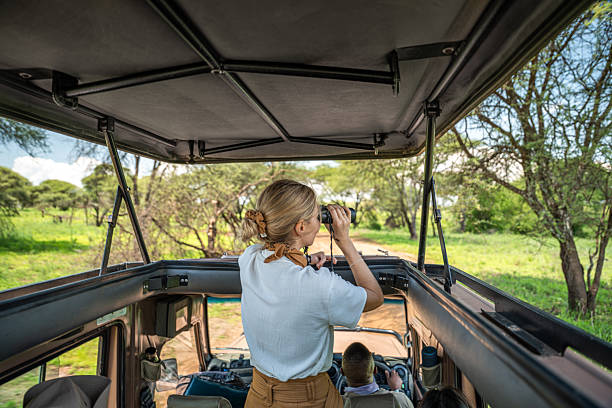
Mount Meru Tours From Moshi: Your Essential Planning Guide
Mount Meru, the second-highest peak in Tanzania and an often-overlooked gem, offers a spectacular trekking experience that complements the allure of its more famous neighbor, Kilimanjaro. For many adventurers, Moshi serves as the primary gateway to this magnificent mountain. This guide is designed to provide everything you need to know for organizing and undertaking successful Mount Meru tours from Moshi, covering planning, itineraries, what to expect, and how to book your 2026-2027 adventure.
Quick Facts About Mount Meru
| Feature | Details |
|---|---|
| Elevation | 4,566 meters (14,980 feet) |
| Location | Arusha Region, Tanzania (near Kilimanjaro) |
| Park | Arusha National Park |
| Typical Trek Duration | 3 to 4 days |
| Starting Point | Miriakamba Hut (via Momella Gate) |
| Difficulty | Moderate to challenging |
| Scenery | Volcanic landscapes, diverse vegetation, wildlife, panoramic views of Kilimanjaro |
| Best Time to Climb | January-March and June-October |
Understanding Mount Meru and Its Appeal
Mount Meru is a dormant stratovolcano that stands majestically within Arusha National Park. Its summit, Socialist Peak, offers breathtaking vistas, including unforgettable panoramas of Mount Kilimanjaro to the east. While less frequented than Kilimanjaro, Meru presents its own unique challenges and rewards. It’s an excellent acclimatization climb for those preparing for Kilimanjaro, or a compelling trek in its own right for those seeking stunning scenery, abundant wildlife viewing opportunities within the park, and a less crowded mountain experience.
The routes up Meru are known for their dramatic changes in scenery. You begin in lush montane forest, home to monkeys and various bird species, ascend through moorland and heath, and finally reach the rocky, alpine desert terrain near the summit. The trek is characterized by steep ascents, especially on the final push to the summit, requiring good physical fitness and mental determination.
Why Choose Mount Meru Tours From Moshi?
Moshi, a vibrant town nestled at the foothills of Mount Kilimanjaro, is the most convenient and popular starting point for Mount Meru expeditions. Its proximity to Arusha National Park and its well-established tourism infrastructure make it the logical base for most trekkers.
- Accessibility: Moshi is easily reachable via Kilimanjaro International Airport (JRO), with direct shuttle services and taxis available.
- Logistics Hub: Tour operators, gear rental shops, and experienced guides are readily available in Moshi, simplifying the planning process.
- Acclimatization Base: Many climbers use Moshi as a base for a day or two before their Meru trek to finalize preparations and rest.
- Gateway to Arusha National Park: Moshi provides straightforward access to the park’s entrance gates, including Momella Gate, the starting point for most Meru climbs.
Table of Contents
Mount Meru Trekking Overview
The trek up Mount Meru typically follows a circuitous path from Momella Gate (1,500m) to Miriakamba Hut (2,500m), then to Saddle Hut (3,500m), and finally to the summit (4,566m) before descending back to Momella Gate, often via a different route for variety. The ascent is usually spread over 3 to 4 days, allowing for gradual acclimatization and appreciation of the diverse landscapes.
The park’s unique ecosystem supports a variety of wildlife, including colobus monkeys, blue monkeys, various antelope species, and even elephants and giraffes in the lower regions. Your trek will likely involve armed rangers for safety, especially in areas with larger wildlife. The final summit push is a strenuous, pre-dawn climb involving steep scree slopes and rocky sections, requiring headlamps and careful footing.
Why Choose Mount Meru Over Kilimanjaro?
While Kilimanjaro is the pinnacle of African climbing, Mount Meru offers a distinct set of advantages for certain travelers:
- Shorter Duration: Meru treks are typically 3-4 days, compared to 5-9 days for Kilimanjaro.
- Less Crowded: Experience a more intimate mountain experience with fewer trekkers on the trails.
- Wildlife: Arusha National Park is teeming with wildlife, offering unique viewing opportunities not found on Kilimanjaro.
- Acclimatization Aid: It’s an excellent training climb and acclimatization tool for those planning Kilimanjaro in the near future.
- Cost: Generally, Mount Meru tours are more affordable than Kilimanjaro expeditions due to shorter duration and fewer park fees.
- Stunning Views: The summit offers unparalleled, close-up views of Kilimanjaro on clear days.
Best Time for Mount Meru Tours
The optimal times for trekking Mount Meru align with Tanzania’s dry seasons, offering the best weather conditions and clearest views. Planning your Mount Meru tours from Moshi during these periods will significantly enhance your experience.
- Dry Season 1: June to October. This is a prime period with sunny days, cool nights, and minimal rainfall. Visibility is generally excellent.
- Dry Season 2: January to March. This period also offers good weather, though occasional short showers can occur. It’s a popular time due to its proximity to the festive season and Kilimanjaro’s climbing season.
Avoid: The rainy seasons (April-May and November-December) are generally not recommended due to heavy rainfall, muddy trails, and reduced visibility. While some hardy trekkers might brave these months, conditions can be challenging and less enjoyable.
Mount Meru Routes From Moshi
There is essentially one main trekking route for Mount Meru, starting from Momella Gate and typically involving two main hut stages before the summit push. Moshi serves as the staging point for arranging transport to Momella Gate.
Route Overview: Momella Gate to Summit and Return
- Day 1: Momella Gate (1,500m) to Miriakamba Hut (2,500m)
The trek begins at Momella Gate, the park entrance. The initial part of the trail winds through lush montane forest, rich with wildlife. The ascent is steady, taking approximately 4-6 hours. You’ll likely be accompanied by an armed park ranger for wildlife protection. - Day 2: Miriakamba Hut (2,500m) to Saddle Hut (3,500m)
This day involves a steeper climb through forest and then into moorland. The scenery opens up, offering glimpses of Kilimanjaro. The trek takes around 3-5 hours. Saddle Hut is the base camp for the summit attempt. Some may opt for a short acclimatization hike to Little Meru (3,800m) in the afternoon. - Day 3: Summit Attempt (Socialist Peak, 4,566m) and Descent to Miriakamba Hut
This is the most challenging day. The summit push begins very early (around 2-3 AM) to reach the summit for sunrise. The trail is steep, often traversing scree and rocky paths. You’ll pass Rhino Point and Gillman’s Point before reaching Socialist Peak. The descent back to Saddle Hut for a brief rest, and then further down to Miriakamba Hut, takes most of the day. This is typically a 10-12 hour day. - Day 4: Miriakamba Hut (2,500m) to Momella Gate (1,500m)
The final day involves descending from Miriakamba Hut back to Momella Gate. This can be done via a more direct route or a scenic route that passes waterfalls and offers more wildlife viewing opportunities. The descent takes approximately 2-4 hours.
Some operators might offer a 3-day itinerary, which is very strenuous, combining Day 2 and Day 3 activities more tightly. A 4-day itinerary is highly recommended for better acclimatization and enjoyment.
Sample 4-Day Mount Meru Itinerary
This sample itinerary is based on a typical 4-day trek starting from Moshi. Your tour operator will finalize the exact schedule.
Day 1: Moshi to Miriakamba Hut
- Morning: Pick up from your hotel in Moshi. Briefing and final gear check. Drive to Momella Gate (approx. 1-1.5 hours).
- Park registration and meeting with your armed park ranger.
- Begin trek from Momella Gate (1,500m) through the forest.
- Lunch en route.
- Arrive at Miriakamba Hut (2,500m) in the afternoon.
- Evening: Dinner and overnight at Miriakamba Hut.
Day 2: Miriakamba Hut to Saddle Hut
- Morning: Breakfast at Miriakamba Hut.
- Begin the ascent through moorland and heath zones.
- Lunch en route.
- Arrive at Saddle Hut (3,500m) in the afternoon.
- Optional: Afternoon hike to Little Meru (3,800m) for acclimatization and views.
- Evening: Dinner and overnight at Saddle Hut.
Day 3: Summit Day & Descent to Miriakamba Hut
- Very early morning (approx. 2:00 AM): Wake up for breakfast.
- Begin the strenuous summit ascent towards Socialist Peak (4,566m).
- Pass Rhino Point and Gillman’s Point.
- Reach the summit for sunrise (weather permitting).
- Descend back to Saddle Hut for a short rest and lunch.
- Continue descending to Miriakamba Hut (2,500m).
- Evening: Dinner and overnight at Miriakamba Hut.
Day 4: Miriakamba Hut to Momella Gate & Moshi
- Morning: Breakfast at Miriakamba Hut.
- Descend from Miriakamba Hut to Momella Gate (approx. 2-4 hours).
- Meet your vehicle at Momella Gate.
- Transfer back to Moshi.
- Optional: celebratory lunch or dinner.
What to Expect on the Trek
Mount Meru is a serious mountain climb, and preparation is key. Here’s what you can anticipate:
- Terrain: The trail varies from well-trodden paths through forests to steep, rocky, and scree-covered slopes near the summit.
- Weather: Conditions can change rapidly. Expect sunshine, wind, and potentially rain or even frost at higher altitudes. Summit night can be very cold.
- Altitude: Altitude sickness is a real risk. Gradual ascent, hydration, and proper acclimatization are crucial. Symptoms include headache, nausea, dizziness, and fatigue.
- Guides and Porters: You will be accompanied by licensed guides and porters who are experienced with the mountain and safety protocols. Armed rangers are mandatory for wildlife protection.
- Accommodation: Huts are basic but provide shelter. They typically have dormitory-style sleeping areas, a common dining area, and basic toilet facilities. Bring your own sleeping bag and mat.
- Food: Your tour operator will provide all meals during the trek. Expect hearty, nutritious meals prepared by your cook, designed to fuel your climb.
- Wildlife: Arusha National Park is home to various animals. While encounters are more common on the lower slopes, always follow your ranger’s advice.
Wildlife Encounters in Arusha National Park
One of the unique aspects of trekking Mount Meru is the opportunity for wildlife sightings within Arusha National Park. The diverse habitats support a rich array of fauna.
- Lower Slopes: You are likely to see troops of black and white colobus monkeys and blue monkeys in the forests. Giraffes and various species of antelope (like dik-dik, bushbuck, and waterbuck) are common. Buffaloes are also present.
- Higher Altitudes: As you ascend, wildlife becomes less frequent, but you might still spot smaller antelopes or signs of their presence.
- Safety: Your armed park ranger is essential for your safety, especially in areas where larger animals like buffaloes or elephants might be encountered. They know how to manage encounters and ensure your protection.
Typical Inclusions & Exclusions
When booking Mount Meru tours from Moshi, understand what is typically included and what you’ll need to budget for separately. Prices can vary significantly between operators.
| Included | Not Included (Typically) |
|---|---|
| Park entry fees (Arusha National Park) | Tips for guides, porters, and cook |
| Accommodation in huts | Travel insurance (mandatory) |
| All meals during the trek (breakfast, lunch, dinner) | Personal climbing gear (sleeping bag, trekking poles, etc. – some operators offer rentals) |
| Trained and licensed mountain guides | Bottled water or purification tablets (unless specified) |
| Porters to carry group equipment and personal luggage (usually up to a certain weight limit per person) | Snacks, energy bars, and personal items |
| Cooking equipment and utensils | Visa fees |
| Crater fees (if applicable to route) | Gratuities for cooks and rangers |
| Government taxes and levies | Pre and post-trek accommodation in Moshi |
| Transfer from Moshi to Momella Gate and back | Personal medical expenses or evacuation costs |
| Armed park ranger fees | Alcoholic beverages and soft drinks |
Essential Packing List
Proper gear is crucial for comfort and safety. Pack layers, as conditions vary significantly.
Clothing
- Base Layers: Thermal tops and bottoms (synthetic or merino wool)
- Mid Layers: Fleece jacket or sweater
- Outer Layer: Waterproof and windproof jacket and trousers
- Insulation Layer: Padded down or synthetic jacket for summit night
- Trekking Trousers: Quick-drying, comfortable pairs (avoid jeans)
- Shorts: For lower, warmer sections
- Shirts: Moisture-wicking t-shirts and long-sleeved shirts
- Headwear: Warm woolen hat or beanie, sun hat or cap
- Gloves: Warm waterproof gloves and liner gloves
- Socks: Several pairs of warm hiking socks (wool or synthetic)
- Footwear: Broken-in hiking boots (waterproof), comfortable camp shoes or sandals
Gear
- Backpack: 40-60 liter capacity for personal items
- Daypack: 20-30 liter capacity for daily essentials (water, snacks, camera)
- Sleeping Bag: Rated for -10°C to -20°C (can often be rented)
- Sleeping Mat: (optional, if huts don’t provide)
- Trekking Poles: Highly recommended for stability and reducing knee strain
- Headlamp: With extra batteries (essential for summit night)
- Water Bottles/Hydration Reservoir: At least 2-3 liters capacity
- Water Purification: Tablets or filter (your operator may provide boiled water)
- Sun Protection: High SPF sunscreen, lip balm with SPF, sunglasses
- Insect Repellent: Especially for lower forest sections
- Personal First-Aid Kit: Including blister treatment, pain relievers, antiseptic wipes, personal medications
- Toiletries: Biodegradable soap, toothbrush, toothpaste, wet wipes, hand sanitizer
- Towel: Quick-drying
- Camera: With extra batteries and memory cards
- Power Bank: For charging electronics
- Duct Tape: For gear repairs
- Snacks: Energy bars, nuts, dried fruit (optional, though meals are provided)
- Passport and Copies: Keep in a waterproof bag
- Cash: For tips and personal expenses
Physical and Mental Preparation
Mount Meru demands good physical condition. Proper preparation will make the trek more enjoyable and increase your chances of summit success.
- Cardiovascular Fitness: Engage in regular aerobic activities like hiking, running, cycling, or swimming for at least 3-4 months before your trek. Focus on endurance.
- Strength Training: Strengthen your legs (squats, lunges) and core muscles.
- Hiking Practice: Undertake long hikes (4-6 hours) with a weighted backpack on varied terrain, including inclines. This simulates trek conditions and helps break in your boots.
- Altitude Acclimatization: While Meru itself aids acclimatization, if you’re not used to altitude, consider spending a day or two at a slightly higher elevation before your trek.
- Mental Fortitude: Mountain climbing involves discomfort, fatigue, and challenging conditions, especially on summit night. Develop a positive mindset and the ability to push through difficulties. Visualize success.
- Hydration and Nutrition: Practice staying hydrated and eating well during long training sessions.
Common Mistakes to Avoid
Learning from others’ experiences can help you have a smoother trip. Here are common pitfalls to sidestep when planning Mount Meru tours from Moshi:
- Underestimating the Mountain: Meru is a challenging climb, especially the summit night. Don’t treat it as a casual hike.
- Inadequate Gear: Not packing warm enough clothing or proper hiking boots can lead to discomfort, frostbite, or injury.
- Poor Acclimatization: Rushing the climb or not listening to your body can lead to altitude sickness, forcing you to turn back.
- Dehydration: Not drinking enough water is a major contributor to altitude sickness and fatigue.
- Skipping Trekking Poles: They significantly reduce strain on your knees and improve balance on descents and ascents.
- Choosing the Cheapest Operator: While budget is a factor, extremely low prices can indicate compromises on guide quality, safety standards, or porter welfare.
- Not Buying Travel Insurance: Essential for covering medical emergencies, evacuation, and trip cancellations.
- Forgetting to Tip: Tipping is customary and a significant part of the income for guides, porters, and cooks.
- Not Informing Your Operator of Medical Conditions: Be upfront about any health issues.
Who is Mount Meru Best Suited For?
Mount Meru is an excellent choice for a variety of travelers:
- Aspiring Kilimanjaro Climbers: It’s an ideal practice climb for acclimatization, fitness assessment, and experiencing multi-day trekking in Tanzania.
- Experienced Hikers Seeking a Challenge: Those who enjoy demanding treks with stunning scenery and a sense of accomplishment.
- Nature and Wildlife Enthusiasts: The opportunity to see diverse wildlife within Arusha National Park is a major draw.
- Travelers with Limited Time: The 3-4 day itinerary fits well into shorter travel schedules compared to Kilimanjaro.
- Those Seeking a Less Crowded Mountain: For a more peaceful and personal mountain experience.
- Photographers: The diverse landscapes, wildlife, and panoramic views of Kilimanjaro offer incredible photographic opportunities.
Alternatives to Mount Meru
While Mount Meru is unique, other trekking and adventure options exist in Tanzania and the wider East African region, catering to different interests and fitness levels.
- Mount Kilimanjaro: The ultimate African peak. Longer, more challenging, and more expensive, but offers the iconic achievement of climbing the continent’s highest mountain. Various routes offer different experiences and acclimatization profiles.
- Mount Kenya: The second-highest peak in Africa, offering technical climbs (Batian and Nelion peaks) and trekking routes (Point Lenana) that are less crowded than Kilimanjaro.
- Usambara Mountains: Located in northeastern Tanzania, these mountains offer excellent hiking through lush forests, tea plantations, and traditional villages. They are known for their biodiversity and are more focused on cultural and nature walks than high-altitude climbing.
- Gongoni Waterfalls Trek: A popular day hike or overnight trip from Moshi, offering scenic views and a refreshing waterfall.
- Chagga Cultural Tours: Explore the local culture around Kilimanjaro and Meru, visit coffee plantations, and learn about the Chagga people.
Planning Your 2026-2027 Mount Meru Tour
Starting your planning early for 2026-2027 will ensure you secure your preferred dates and operators. Here’s a timeline and key considerations:
- 12+ Months Ahead (Optional but Recommended): Research tour operators, understand different itinerary lengths, and identify your preferred travel dates. Consider booking during the peak dry seasons (June-October 2026/2027 or January-March 2027).
- 6-9 Months Ahead: Finalize your choice of tour operator. Book your Mount Meru tour. This is especially important if you have specific dates in mind, as popular times can fill up. Confirm inclusions, exclusions, and payment schedules.
- 4-6 Months Ahead: Begin your physical training program. Start acquiring necessary gear, or arrange rentals if your operator offers them.
- 2-3 Months Ahead: Purchase travel insurance that covers high-altitude trekking and medical evacuation. Book your flights to Kilimanjaro International Airport (JRO).
- 1 Month Ahead: Finalize your packing list. Confirm all details with your tour operator. Ensure your passport is valid for at least six months beyond your stay and you have the necessary visa.
- 1-2 Weeks Ahead: Arrive in Moshi. This allows time for acclimatization, last-minute gear purchases or rentals, final briefings with your operator, and rest before the trek.
Key Considerations for 2026-2027:
- Peak Seasons: For 2026 and 2027, the peak trekking seasons will likely be June-October 2026, January-March 2027, and June-October 2027. Booking well in advance for these periods is advisable.
- Flexibility: While planning is key, maintain some flexibility. Weather can always be a factor.
- Operator Reputation: Research operators thoroughly. Look for reviews focusing on safety, guide quality, porter welfare, and environmental practices.
Booking Your Mount Meru Tour
Choosing the right tour operator is paramount for a safe and enjoyable Mount Meru experience. Here’s how to approach booking Mount Meru tours from Moshi.
How to Choose an Operator:
- Experience and Reputation: Look for operators with a proven track record specifically for Mount Meru and Kilimanjaro climbs. Check reviews on independent platforms.
- Safety Standards: Inquire about their safety protocols, emergency procedures, and the qualifications of their guides (e.g., Wilderness First Responder certification).
- Guide and Porter Welfare: Ethical operators ensure fair wages, proper equipment, adequate food, and respectful treatment for their trekking crew.
- Inclusions: Clearly understand what is covered in the price. Avoid operators who cut corners on essential services like park fees or quality food.
- Communication: A good operator will be responsive to your questions and provide clear, detailed information.
Booking Process:
- Initial Inquiry: Contact several reputable operators with your desired dates and trek duration.
- Review Proposals: Compare itineraries, inclusions, exclusions, and prices. Don’t just go for the cheapest option.
- Ask Questions: Clarify any doubts regarding gear, food, safety, guide experience, and porter policies.
- Sign Contract: Once you’ve chosen an operator, you’ll typically sign a contract and pay a deposit to secure your booking.
- Pre-Trek Communication: Maintain contact with your operator for pre-trek information, packing advice, and arrival arrangements in Moshi.
Contact Us for Your Mount Meru Adventure:
Ready to plan your Mount Meru tour from Moshi? We specialize in creating memorable and safe trekking experiences in Tanzania. Get in touch with our expert team to discuss your requirements and receive a personalized itinerary.
WhatsApp: +255616946642
Email: topguideadventures@gmail.com
Backup Email: info@topguideadventures.com
Frequently Asked Questions
Q1: Is Mount Meru harder than Kilimanjaro?
Mount Meru is generally considered less technically difficult than Kilimanjaro’s summit routes but can be equally or even more challenging in terms of steepness and rapid altitude gain over its shorter duration. The final ascent to Meru’s summit is particularly steep and demanding.
Q2: How long does it take to climb Mount Meru?
The most recommended itinerary for Mount Meru is 4 days, which allows for adequate acclimatization and a more comfortable pace. A 3-day option exists but is very strenuous and not recommended for most trekkers.
Q3: What is the best time to do Mount Meru tours from Moshi in 2026-2027?
The best times for Mount Meru tours from Moshi in 2026-2027 are during the dry seasons: June to October 2026 and 2027, and January to March 2027. These periods offer the most stable weather and clearest views.
Q4: Can I rent gear in Moshi?
Yes, most reputable tour operators in Moshi offer gear rental services for essential items like sleeping bags, trekking poles, and sometimes even jackets. It’s advisable to arrange this in advance with your chosen operator.
Q5: Do I need to be very fit to climb Mount Meru?
A good level of physical fitness is essential. You should be comfortable hiking for 4-7 hours a day with a backpack on steep terrain. Regular cardiovascular exercise and hiking practice in the months leading up to your trek are highly recommended.
Q6: What are the accommodation facilities like on Mount Meru?
Accommodation is in basic mountain huts. These typically offer dormitory-style sleeping arrangements with beds. You’ll need your own sleeping bag. Facilities are simple, with communal dining areas and basic toilets. Showers are generally not available.
Q7: Is altitude sickness a risk on Mount Meru?
Yes, altitude sickness is a significant risk. Mount Meru reaches 4,566 meters (14,980 feet), and rapid ascent can lead to symptoms. Following your guide’s advice, staying hydrated, ascending slowly, and taking acclimatization days (if on a longer itinerary) are crucial preventive measures.
Q8: What should I pack for Mount Meru?
Key items include layered clothing (base, mid, and outer waterproof/windproof layers), warm gloves and hat, sturdy broken-in hiking boots, a warm sleeping bag, trekking poles, a headlamp, sunscreen, and a first-aid kit. Refer to the detailed packing list in this guide.
Q9: How much should I tip my guides and porters?
Tipping is customary and expected. While amounts vary, a common guideline is around $10-20 per day for guides and $8-15 per day for porters, per trekker. Your operator will provide specific recommendations.
Q10: Can I combine Mount Meru with a Kilimanjaro climb?
Yes, many climbers use Mount Meru as an excellent acclimatization climb before tackling Kilimanjaro. It’s an effective way to prepare your body for higher altitudes. Your tour operator can help arrange a combined itinerary.
Q11: What are the main safety concerns on Mount Meru?
The primary concerns are altitude sickness, the physical demands of the trek (especially the summit push), potential weather changes, and wildlife encounters in Arusha National Park. Reputable operators prioritize safety with experienced guides, rangers, and emergency protocols.
Q12: How do I book a Mount Meru tour from Moshi for 2027?
To book a Mount Meru tour from Moshi for 2027, research reputable tour operators like Best Tanzania Tour Operator, compare their offerings, and contact them directly to discuss your travel dates and specific requirements. Early booking is recommended, especially for peak seasons.
Ready for Your Mount Meru Adventure?
Mount Meru offers a profound trekking experience, blending challenging ascents with stunning natural beauty and wildlife. Planning your Mount Meru tours from Moshi with an experienced and ethical operator is the first step towards an unforgettable journey. Our team at Best Tanzania Tour Operator is dedicated to providing safe, well-organized, and memorable adventures.
Let us help you craft the perfect Mount Meru expedition for 2026 or 2027. We understand the intricacies of trekking in Tanzania and are committed to your safety, comfort, and enjoyment.
Get in touch today to start planning:
WhatsApp: +255616946642
Email: topguideadventures@gmail.com
Backup Email: info@topguideadventures.com
Plan your Mount Meru Tours From Moshi with Top Guide Adventures
Tell us your travel dates, group size, comfort level, and dream experience. We will help you shape a clear, realistic, and memorable Tanzania itinerary.







 Veedesigner
 Fatma Kizanga
 Benjamin Waryuba
 Philip Philip
 John jr Itaja
 Antonia Optatus
 Edith Kanyere
 Neema Iddy
 Kelvin Boniphace
 Damari Maiga



