
Updated planning guide for 2026, 2027-2028
5 Days Tanzania Safari After Kilimanjaro From Moshi: Expert Trekking Guide
Successfully summited Kilimanjaro and ready for the ultimate safari experience? This comprehensive guide details how to plan an unforgettable 5-day Tanzania safari starting from Moshi in 2026-2027, covering key destinations, logistics, and what to expect.
WhatsApp +255616946642 | topguideadventures@gmail.com | info@topguideadventures.com
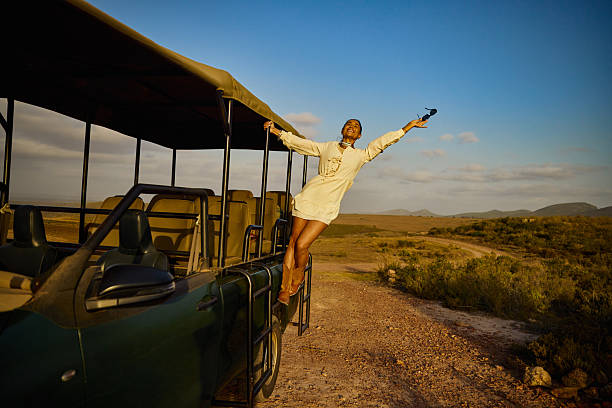
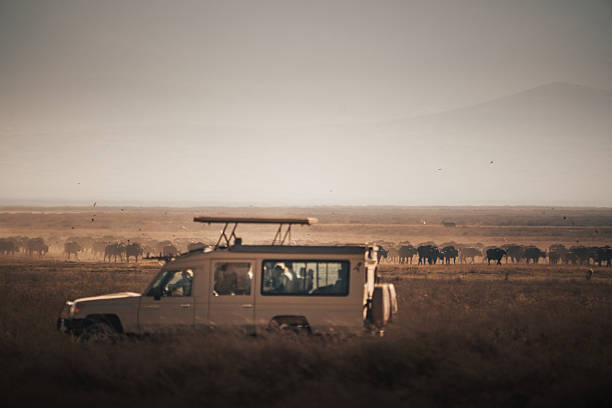
5 Days Tanzania Safari After Kilimanjaro: Your Essential Post-Trek Adventure Guide
You’ve conquered Mount Kilimanjaro, the Roof of Africa. The sense of accomplishment is immense, the views were unparalleled, and now, your Tanzanian adventure is far from over. The perfect complement to your Kilimanjaro climb is a world-class safari. Many trekkers choose to extend their trip with a few days exploring Tanzania’s iconic wildlife parks, and a 5-day safari after Kilimanjaro is a popular and rewarding choice. This guide is designed to help you plan this incredible transition, focusing on a 5-day Tanzania safari after Kilimanjaro, specifically starting from Moshi, the gateway town for your mountain ascent.
This detailed guide will cover everything you need to know to make this post-trek safari a reality. From understanding the logistics of moving from the mountain to the plains, to choosing the right parks, crafting an itinerary, and preparing for your wildlife encounters, we aim to provide a thorough resource for travelers in 2026 and 2027. We’ll address common questions, offer practical planning advice, and help you select the best safari experience to follow your Kilimanjaro triumph.
Quick Facts: 5 Days Tanzania Safari After Kilimanjaro
| Aspect | Details |
|---|---|
| Starting Point | Moshi, Tanzania |
| Duration | 5 Days / 4 Nights |
| Primary Focus | Wildlife viewing, scenic landscapes |
| Key Parks (Commonly Included) | Tarangire National Park, Lake Manyara National Park, Ngorongoro Crater, Serengeti National Park (partial visit) |
| Best Time to Travel (Post-Kili) | June to October (dry season), January to February (short rains/calving season) |
| Accommodation Style | Safari lodges, tented camps (mid-range to luxury) |
| Transportation | 4×4 safari vehicle with pop-up roof |
| Ideal For | Post-Kilimanjaro trekkers seeking wildlife, photographers, nature enthusiasts |
| Planning Horizon (2026-2027) | Book 6-12 months in advance for peak seasons |
Why Choose a 5-Day Safari After Your Kilimanjaro Climb?
Climbing Kilimanjaro is physically and mentally demanding. The descent and recovery period are crucial. A 5-day safari offers the perfect blend of activity and relaxation, allowing you to immerse yourself in Tanzania’s natural wonders without the extreme exertion of a multi-day trek. It’s a chance to witness the country’s legendary wildlife in its natural habitat, a stark and beautiful contrast to the mountain’s alpine and moorland zones.
This duration is ideal because it allows you to experience the highlights of the Northern Safari Circuit. You can visit several distinct ecosystems, from the elephant-rich Tarangire to the dramatic Ngorongoro Crater and the vast plains of the Serengeti. It’s long enough to feel like a substantial safari adventure but short enough to manage alongside your Kilimanjaro expedition and potential onward travel plans, perhaps to Zanzibar.
The Northern Circuit: A Classic Safari Route
The most common and efficient route for a 5-day safari after Kilimanjaro is the Northern Circuit. This circuit is renowned for its high concentration of wildlife and diverse landscapes. Starting from Moshi, your journey will typically take you through:
- Tarangire National Park: Famous for its large elephant herds and iconic baobab trees.
- Lake Manyara National Park: Known for its tree-climbing lions, large troop of baboons, and diverse birdlife, set against the backdrop of the Great Rift Valley.
- Ngorongoro Conservation Area: Home to the Ngorongoro Crater, a UNESCO World Heritage Site and a natural amphitheater teeming with wildlife, including the Big Five.
- Serengeti National Park: The vast plains are synonymous with the Great Migration and offer unparalleled game viewing opportunities. A 5-day trip might offer a taste of the southern or central Serengeti.
This circuit is well-established, with good infrastructure for tourism, making it a practical choice for those transitioning directly from Kilimanjaro. The proximity of these parks to Moshi minimizes travel time, allowing for more time spent on game drives.
Best Time for Your 5 Days Tanzania Safari After Kilimanjaro (2026-2027)
Choosing the right time to travel significantly impacts your safari experience. Tanzania offers excellent wildlife viewing year-round, but certain periods are more favorable depending on your priorities.
Tanzania Safari Seasonality Guide
| Period | Conditions | Wildlife Highlights | Crowds | Pros/Cons for Post-Kili |
|---|---|---|---|---|
| June – October (Dry Season) |
Cooler temperatures, clear skies, minimal rain. Vegetation is sparse, making wildlife easier to spot. Waterholes are popular gathering points. | Large herds, easier game viewing, excellent for spotting predators. Tarangire’s elephants are abundant. | High | Pros: Optimal viewing conditions, comfortable weather post-trek. Cons: Peak season prices, requires early booking. |
| November – December (Short Rains) |
Intermittent light showers, landscape turns green. Temperatures are warm. | Wildebeest begin moving south towards Ndutu. Good birding. | Moderate | Pros: Fewer crowds, lush scenery, potentially lower prices. Cons: Occasional rain can interrupt game drives. |
| January – February (Calving Season) |
Warm and dry, but can have short rains. Southern Serengeti/Ndutu area is key. | Calving season for wildebeest and zebras in Ndutu. Predators are highly active. | Moderate to High | Pros: Incredible predator-action, unique calving spectacle. Cons: Can be hot, some areas might be more crowded. |
| March – May (Long Rains) |
Heavier, prolonged rainfall. Landscapes are very green and beautiful. Roads can be challenging. | Wildebeest migration moves north. Excellent for birdwatching. | Low | Pros: Lowest prices, fewest crowds, very green scenery. Cons: Significant rainfall can disrupt travel and game viewing. Many lodges close or reduce services. |
For trekkers finishing Kilimanjaro, the June to October dry season is often preferred. The weather is pleasant for safari after the exertion of the climb, and wildlife viewing is at its best. However, this is also peak season, meaning you should plan and book well in advance for 2026-2027. If you prefer fewer crowds and are less concerned about occasional rain showers, the shoulder seasons (November-December or January-February) can offer a fantastic experience, especially if you’re keen to witness the calving season in the southern Serengeti.
Sample 5-Day Tanzania Safari Itinerary From Moshi
This is a classic itinerary designed to maximize wildlife sightings within a 5-day timeframe, starting and ending near Moshi or Arusha. Your safari vehicle and guide will typically pick you up from your hotel in Moshi after you’ve had time to rest and recuperate post-climb.
Day 1: Moshi to Tarangire National Park
- Morning: After breakfast in Moshi, your safari guide will meet you. You’ll begin your journey towards Tarangire National Park, approximately a 3-4 hour drive.
- Lunch: Enjoy a picnic lunch en route or upon arrival at the park gate.
- Afternoon: Game drive in Tarangire National Park. This park is renowned for its large elephant herds, baobab trees, and diverse birdlife. Keep an eye out for lions, leopards, giraffes, zebras, and wildebeest.
- Evening: Check into your lodge or tented camp near Tarangire for dinner and overnight.
Day 2: Tarangire to Lake Manyara & Ngorongoro Highlands
- Morning: Early morning game drive in Tarangire to catch predators on the move or enjoy the sunrise.
- Late Morning: Drive towards Lake Manyara National Park, famous for its tree-climbing lions and diverse bird species along the lake’s edge. Enjoy a game drive here.
- Lunch: Lunch at a lodge or picnic site within or near Lake Manyara.
- Afternoon: Ascend the Great Rift Valley escarpment towards the Ngorongoro Conservation Area. The views are spectacular.
- Evening: Check into your lodge or camp situated on the crater rim or in the surrounding highlands, offering breathtaking vistas. Dinner and overnight.
Day 3: Ngorongoro Crater Exploration
- Morning: Descend into the Ngorongoro Crater, a UNESCO World Heritage Site, for an unforgettable game drive. This natural caldera is a haven for wildlife, boasting one of the highest densities of predators in Africa, including lions, hyenas, cheetahs, and jackals. It’s also one of the best places to spot the endangered black rhino.
- Lunch: Enjoy a picnic lunch by the hippo pool within the crater.
- Afternoon: Continue your game drive, exploring different sections of the crater floor. You’ll see vast herds of wildebeest, zebras, gazelles, buffalo, and elephants.
- Late Afternoon: Ascend from the crater and drive towards your accommodation, perhaps closer to the Serengeti gateway or in Karatu.
- Evening: Dinner and overnight at your lodge/camp.
Day 4: Ngorongoro to Central Serengeti National Park
- Morning: After breakfast, drive towards the legendary Serengeti National Park. Your journey will take you through the Ngorongoro Conservation Area, potentially stopping at Olduvai Gorge (optional, may require extra time/fee) for a glimpse into early human history.
- Lunch: Picnic lunch en route or upon entering Serengeti.
- Afternoon: Begin your game drive in the Serengeti, famous for its endless plains and abundant wildlife. Depending on the time of year, you might be in an area with resident game or potentially near the Great Migration. Look for lions, cheetahs, leopards, giraffes, elephants, and a myriad of other species.
- Evening: Check into your Serengeti lodge or tented camp. Enjoy dinner and overnight under the vast African sky.
Day 5: Serengeti Game Drive & Departure
- Morning: An early morning game drive in the Serengeti offers the best chance to see predators active at dawn. Explore more of the central Serengeti’s diverse habitats.
- Late Morning: Return to your lodge for breakfast/brunch.
- Midday: Drive towards the nearest airstrip (e.g., Seronera Airstrip) for your onward flight, or begin the long drive back towards Arusha/Moshi for your departure or onward journey (e.g., to Zanzibar). This drive can take 6-8 hours. Many travelers opt for a flight from Seronera to Arusha to save time.
Note: This itinerary is a sample. It can be customized based on your interests, the time of year (especially regarding the Great Migration), and your pace. For a 5-day trip, it prioritizes key highlights of the Northern Circuit. If you wish to spend more time in the Serengeti, a longer safari duration would be recommended.
What to Expect: The Post-Kilimanjaro Safari Experience
Transitioning from the mountain to the safari vehicle involves a shift in focus and comfort levels. While Kilimanjaro is about endurance and high-altitude trekking, safari is about observation, patience, and appreciating the natural world at a more relaxed pace.
Physical Considerations
After descending Kilimanjaro, you’ll likely be tired, possibly sore, but exhilarated. The safari requires less physical exertion than trekking. You’ll spend most of your time in a 4×4 safari vehicle, with opportunities to stretch your legs at lodges and camps. Some light walking might be involved within lodge grounds or guided nature walks (if arranged). Ensure you stay hydrated, as the climate is generally warmer and drier than on the mountain’s lower slopes.
Accommodation
Safari accommodation ranges from comfortable lodges to luxury tented camps. Lodges often offer amenities like swimming pools, restaurants, and bars. Tented camps provide a more immersive experience, often with en-suite bathrooms and comfortable furnishings, allowing you to feel closer to nature while maintaining comfort and safety. Expect comfortable beds, good meals, and excellent service.
Wildlife Viewing
Safari is about patience and luck. Your experienced guide will use their knowledge of animal behavior and the terrain to maximize your sightings. Early mornings and late afternoons are typically the best times for game viewing as animals are most active. Binoculars are essential. Remember that wildlife sightings are not guaranteed; the thrill lies in the unpredictable nature of observing animals in their wild environment.
The Role of Your Guide
Your safari guide is crucial. They are not just drivers but trained naturalists who can identify animals, birds, and plants, interpret animal behavior, and navigate the parks. They ensure your safety and enhance your understanding and appreciation of the ecosystem. Communication with your guide about your interests is key to a successful safari.
Planning Your 5 Days Tanzania Safari After Kilimanjaro
Effective planning is essential to ensure a smooth and enjoyable experience, especially when coordinating with your Kilimanjaro climb. Here are key aspects to consider for your 2026-2027 trip.
Booking Your Safari Package
The most convenient way to arrange a 5-day safari after Kilimanjaro is to book a package with a reputable tour operator. This usually includes:
- Vehicle and driver/guide
- Park entrance fees
- Accommodation
- Meals (typically full board on safari)
- Transfers from Moshi
Many companies offer Kilimanjaro climbs and safaris, allowing you to book both components together. This simplifies logistics significantly. When choosing an operator, look for:
- Experience: How long have they been operating? Do they specialize in Tanzania?
- Reputation: Check reviews on independent platforms.
- Customization: Can they tailor the itinerary to your needs?
- Inclusions: What exactly is covered in the price?
- Communication: Are they responsive and knowledgeable?
Logistics: Moshi to Safari
After descending Kilimanjaro, you’ll typically spend a night or two in Moshi or Arusha to rest and recover. Your safari operator will arrange to pick you up from your hotel. The transition is usually straightforward, with your guide meeting you at a pre-arranged time. Ensure you have some buffer time between your final Kilimanjaro descent and the safari start date.
Choosing Your Accommodation Style
Safari accommodation varies widely. For a 5-day trip, you’ll likely stay in mid-range to luxury lodges or tented camps. Consider:
- Lodges: Offer more permanent structures, often with amenities like pools and restaurants.
- Tented Camps: Provide a closer-to-nature feel, with canvas tents that are still well-equipped and comfortable, often with en-suite bathrooms. Some are mobile, following the migration.
Your choice will depend on your budget and desired level of comfort and immersion.
Budgeting for Your Safari
While exact prices fluctuate, a 5-day safari after Kilimanjaro typically involves costs for:
- Park entrance fees (can be significant, especially for Ngorongoro and Serengeti)
- Accommodation (per person, per night)
- Vehicle and guide costs (daily rate)
- Meals and drinks
- Optional activities (e.g., Olduvai Gorge visit, cultural visits)
- Tips for guides and lodge staff
- Flights (if flying from Serengeti to Arusha)
Booking a package often provides better value. Be clear about what is included to avoid surprises. For 2026-2027 travel, expect prices to be competitive, but book early for peak season to secure availability and potentially better rates.
Sample Safari Package Inclusions & Exclusions
| Typical Inclusions | Typical Exclusions |
|---|---|
| Park fees for mentioned parks | International flights |
| Accommodation as per itinerary | Visa fees |
| All meals on safari (B, L, D) | Travel insurance |
| 4×4 safari vehicle with pop-up roof | Gratuities for guide/driver and lodge staff |
| Professional English-speaking guide | Drinks (alcoholic and non-alcoholic, unless specified) |
| Bottled water during game drives | Personal expenses (souvenirs, laundry) |
| Airport transfers (if specified) | Optional activities (e.g., hot air balloon safari, Olduvai Gorge entrance) |
| Game drives as per itinerary | Tips for camp/lodge staff (often separate from guide tip) |
Packing Essentials for Your Post-Kilimanjaro Safari
Packing for a safari requires different items than for Kilimanjaro. While you’ll want to pack light, ensure you have the essentials for wildlife viewing and comfortable travel.
Safari Packing List Essentials
- Clothing: Neutral-colored clothing (khaki, beige, olive green) is best to blend in. Avoid bright colors and dark colors (like blue or black, which can attract tsetse flies). Pack lightweight, breathable fabrics. Include long-sleeved shirts and trousers for sun and insect protection.
- Outerwear: A fleece or warm jacket for cool mornings and evenings, especially in the Ngorongoro Highlands. A waterproof/windproof jacket is also useful.
- Footwear: Comfortable walking shoes or sturdy trainers. Sandals for relaxing at the lodge. You won’t need hiking boots for the safari itself.
- Headwear: A wide-brimmed hat or cap for sun protection.
- Eyewear: Sunglasses to protect your eyes from the sun.
- Camera Gear: Camera with extra batteries, memory cards, and a zoom lens. A protective bag for your camera is recommended.
- Binoculars: Essential for spotting wildlife at a distance.
- Sun Protection: High SPF sunscreen, lip balm with SPF.
- Insect Repellent: Especially important for evenings and in areas prone to mosquitoes.
- Personal First-Aid Kit: Include any personal medications, pain relievers, antiseptic wipes, bandages, and motion sickness medication if needed.
- Toiletries: Basic toiletries, though most lodges provide some. Consider biodegradable options.
- Adapter: A universal travel adapter for charging electronics. Power is usually available in lodges, but outlets may vary.
- Reusable Water Bottle: Stay hydrated and reduce plastic waste.
- Small Backpack: For carrying essentials during game drives (water, camera, sunscreen, etc.).
- Field Guide: A good book on East African mammals and birds can enhance your experience.
Tip: Most safari vehicles have limited space for luggage. Soft-sided duffel bags are often preferred over hard suitcases. Check with your tour operator for specific luggage restrictions.
Common Mistakes to Avoid
Planning a safari after Kilimanjaro can be complex. Avoiding common pitfalls will ensure a smoother experience:
- Booking Too Late: Especially for peak seasons (June-October 2026, January-February 2027), accommodations and vehicles get booked up months in advance.
- Underestimating Travel Times: Distances in Tanzania can be long, and road conditions can vary. Factor in travel time between parks.
- Not Considering Seasonality: Planning a safari during the long rains (March-May) might lead to travel disruptions and less ideal wildlife viewing.
- Packing Inappropriately: Bright clothing, excessive high heels, or forgetting essentials like sunscreen and insect repellent can detract from your experience.
- Not Communicating Needs: Don’t hesitate to tell your guide about your interests (e.g., specific animals, photography needs).
- Over-scheduling: While a 5-day safari is relatively short, allow for some downtime. Safari requires patience; sometimes, waiting for animals to appear is part of the adventure.
- Ignoring Tipping Culture: Tipping guides and lodge staff is customary and appreciated. Factor this into your budget.
- Not Having Travel Insurance: Essential for any trip, especially one involving travel after a strenuous trek.
Who is a 5-Day Tanzania Safari After Kilimanjaro Best For?
This type of safari is ideal for several types of travelers:
- Kilimanjaro Trekkers: The most obvious group, seeking a rewarding and iconic wildlife experience to complement their mountain achievement. It’s a perfect way to decompress and celebrate.
- Time-Constrained Travelers: Those who have limited time in Tanzania but want to see the highlights of the Northern Circuit.
- Nature Enthusiasts: Anyone with a passion for wildlife, photography, and diverse landscapes.
- First-Time Safari Goers: The Northern Circuit is an excellent introduction to African safaris due to its accessibility and high wildlife density.
- Couples and Families (with older children): While younger children might find long drives challenging, families with teens or adults will find it engaging. It can be a fantastic honeymoon add-on after a Kilimanjaro climb.
It might be less suitable for travelers who are looking for deep immersion in a single park for an extended period or those on an extremely tight budget, as park fees in Tanzania are substantial.
Alternatives to a 5-Day Safari
If a 5-day safari doesn’t quite fit your plans or interests, consider these alternatives:
- Shorter Safari (2-3 Days): Focus on just one or two parks, like Tarangire and Ngorongoro, for a quicker wildlife fix. This is ideal if you have very limited time or budget.
- Longer Safari (7-10 Days): Allows for deeper exploration of the Serengeti, potentially including the northern regions during the migration season, or adding parks like Lake Natron or Ruaha National Park (though Ruaha is geographically further and usually requires flights).
- Day Trips from Moshi/Arusha: If time or budget is very restricted, consider day trips to places like Arusha National Park or Marangu Waterfalls. These offer a glimpse of Tanzania’s nature but are not comparable to a multi-day safari.
- Zanzibar Extension: Many travelers combine Kilimanjaro with a safari and then head to the beaches of Zanzibar for relaxation. A 5-day safari fits well before a Zanzibar trip.
Planning Your 2026-2027 Safari: Key Considerations
As you plan your 5 days Tanzania safari after Kilimanjaro for 2026 or 2027, keep these specific planning tips in mind:
- Book Early: For peak seasons (June-October 2026, January-February 2027), aim to book your safari at least 9-12 months in advance. This is crucial for securing preferred lodges and safari vehicles.
- Flexibility with Dates: If possible, try to be slightly flexible with your safari dates. This can help in securing better accommodation rates and availability.
- Safari Vehicle Choice: Ensure your operator uses well-maintained 4×4 safari vehicles with pop-up roofs for optimal game viewing and photography.
- Guide Experience: A good guide can make or break your safari. Inquire about the qualifications and experience of their guides.
- Dietary Requirements: Inform your tour operator well in advance of any dietary restrictions or allergies. Most operators are adept at catering to various needs.
- Vaccinations and Health: Consult your doctor or a travel clinic about recommended vaccinations and malaria precautions for Tanzania well before your trip.
- Connectivity: While lodges often have Wi-Fi, it can be slow or intermittent. Consider purchasing a local SIM card if you need reliable connectivity.
Planning a trip for 2026-2027 requires looking ahead. Early research and booking are your best allies for a stress-free and memorable safari experience following your Kilimanjaro achievement.
Booking Advice for Your Post-Kilimanjaro Safari
Selecting the right tour operator is paramount. Here’s advice on how to proceed:
- Research Operators: Look for companies specializing in Tanzanian safaris and Kilimanjaro treks. Check their websites, read reviews on platforms like TripAdvisor, and compare their offerings.
- Get Multiple Quotes: Obtain detailed quotes from 2-3 reputable operators. Ensure the quotes are for comparable services and inclusions.
- Ask Detailed Questions: Don’t hesitate to ask about the vehicle type, guide experience, accommodation details, meal arrangements, and cancellation policies.
- Understand the Itinerary Logic: Ensure the proposed itinerary makes sense logistically and aligns with the best wildlife viewing areas for the time of year you plan to travel.
- Confirm Inclusions/Exclusions: Be crystal clear on what costs are covered (park fees, accommodation, meals, guide) and what is not (tips, drinks, personal expenses).
- Payment Schedule: Reputable operators typically require a deposit upon booking and the balance payment closer to the travel date. Understand their payment terms.
- Contracts and Terms: Read the booking contract carefully, paying attention to cancellation and refund policies.
- Direct Communication: For the most accurate and personalized service, communicate directly with the tour operator. For inquiries regarding a 5 days Tanzania safari after Kilimanjaro, reaching out early is advisable.
Contact Us for Your Custom Safari Plan:
Ready to plan your dream safari after conquering Kilimanjaro? We specialize in crafting unforgettable Tanzanian adventures. Get in touch with our expert team to discuss your ideal 5 days Tanzania safari after Kilimanjaro.
WhatsApp: +255616946642
Email: topguideadventures@gmail.com
Backup Email: info@topguideadventures.com
Frequently Asked Questions (FAQs)
Frequently Asked Questions About 5 Days Tanzania Safari After Kilimanjaro
Q1: How soon after Kilimanjaro can I start my safari?
A1: Most trekkers prefer to have at least 1-2 full days to rest and recover in Moshi or Arusha after descending Kilimanjaro before starting their safari. This allows time to clean up, relax, and prepare for the next adventure. So, typically, you would start your 5 days Tanzania safari after Kilimanjaro 2-3 days post-climb.
Q2: Is a 5-day safari enough to see the main attractions?
A2: A 5-day safari on the Northern Circuit is a good introduction and allows you to visit key parks like Tarangire, Lake Manyara, and the Ngorongoro Crater, with a glimpse of the Serengeti. It provides a diverse experience but is relatively fast-paced. For deeper exploration, especially of the Serengeti, a longer duration is recommended.
Q3: What is the best park to visit after Kilimanjaro?
A3: For a 5-day safari starting from Moshi, Tarangire National Park is often the first stop and is excellent for its large elephant herds and baobab trees. The Ngorongoro Crater offers unparalleled wildlife density, and the Serengeti provides the iconic vast plains experience. The best park depends on the season and your interests, but this itinerary covers the most popular and accessible options.
Q4: Can I combine a 5-day safari with Zanzibar?
A4: Absolutely. Many travelers combine Kilimanjaro, a safari, and Zanzibar. A 5-day safari fits well before or after a Zanzibar trip. You would typically fly from Arusha (or potentially a Serengeti airstrip) to Zanzibar after your safari concludes.
Q5: What are the estimated costs for a 5-day safari in 2026-2027?
A5: Exact prices vary greatly based on accommodation level, group size, and inclusions. However, for a mid-range to upper-mid-range 5-day safari package for 2026-2027, expect costs to be in the range of $1,500 – $3,000+ per person. This includes park fees, accommodation, vehicle, guide, and meals. Luxury options will be higher.
Q6: Do I need malaria medication for the safari?
A6: Yes, malaria is present in Tanzania, including the safari areas. It’s highly recommended to consult your doctor or a travel clinic about malaria prophylaxis and other necessary vaccinations or precautions well in advance of your 2026-2027 trip.
Q7: How much should I tip my safari guide?
A7: Tipping is customary and greatly appreciated. A common guideline for a safari guide is $20-$30 USD per day for the group. It’s also customary to tip camp/lodge staff, usually around $10-$15 USD per guest per day, often collected at the end of your stay to be distributed among the staff.
Q8: What if I want to see the Great Migration?
A8: The Great Migration moves throughout the Serengeti ecosystem. Typically, the wildebeest and zebra herds are in the southern Serengeti (Ndutu area) for the calving season in January-February, move towards the western corridor by May-June, and cross the Grumeti and Mara rivers in the central/northern Serengeti from July to October. A 5-day safari might catch parts of the migration depending on the time of year, but a longer itinerary is better for reliably tracking it.
Q9: Can I arrange a private safari after Kilimanjaro?
A9: Yes, most tour operators offer private 5 days Tanzania safari after Kilimanjaro options. This means you will have a dedicated vehicle and guide solely for your group, offering more flexibility and a personalized experience. This is often the preferred choice for those coming off a Kilimanjaro climb.
Q10: What kind of vehicle will be used for the safari?
A10: For the Northern Circuit, a 4×4 safari vehicle, typically a Land Cruiser or Land Rover, is standard. These vehicles are equipped with a pop-up roof, essential for game viewing and photography, allowing you to stand up and get unobstructed views of the wildlife. Ensure your operator uses vehicles in good condition.
Your Next Adventure Awaits: Book Your 5 Days Tanzania Safari After Kilimanjaro
Reaching the summit of Kilimanjaro is an extraordinary achievement. Celebrating this accomplishment with a journey through Tanzania’s breathtaking landscapes and abundant wildlife is the perfect way to conclude your adventure. A 5-day Tanzania safari after Kilimanjaro, starting from Moshi, offers an incredible opportunity to witness the magic of the African savanna.
Whether you’re dreaming of seeing lions on a kopje, elephants bathing in the Tarangire River, or the vast plains of the Serengeti, we are here to help you plan every detail. Our team is dedicated to creating personalized safari experiences that meet your expectations and budget for 2026 and 2027.
Don’t let this incredible opportunity pass you by. Let us craft your unforgettable post-Kilimanjaro safari. Contact us today to start planning your dream adventure!
WhatsApp: +255616946642
Email: topguideadventures@gmail.com
Backup Email: info@topguideadventures.com
Plan your 5 Days Tanzania Safari After Kilimanjaro From Moshi with Top Guide Adventures
Tell us your travel dates, group size, comfort level, and dream experience. We will help you shape a clear, realistic, and memorable Tanzania itinerary.







 Veedesigner
 Fatma Kizanga
 Benjamin Waryuba
 Philip Philip
 John jr Itaja
 Antonia Optatus
 Edith Kanyere
 Neema Iddy
 Kelvin Boniphace
 Damari Maiga



