
Updated planning guide for 2026, 2027-2028
7 Days Tanzania Safari And Maasai Culture From Moshi: Best Guide
Discover the magic of a 7 Days Tanzania Safari and Maasai Culture experience starting from Moshi. This comprehensive guide offers practical advice, itinerary options, and booking tips for your unforgettable journey in 2026-2027.
WhatsApp +255616946642 | topguideadventures@gmail.com | info@topguideadventures.com
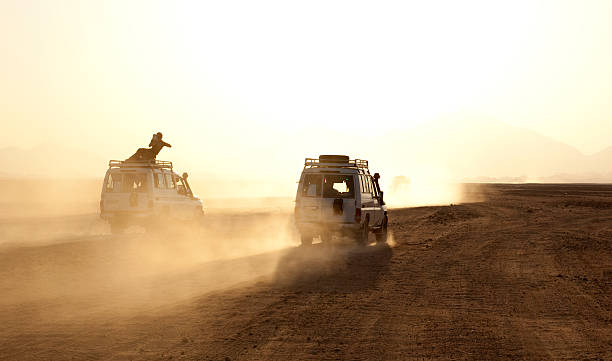
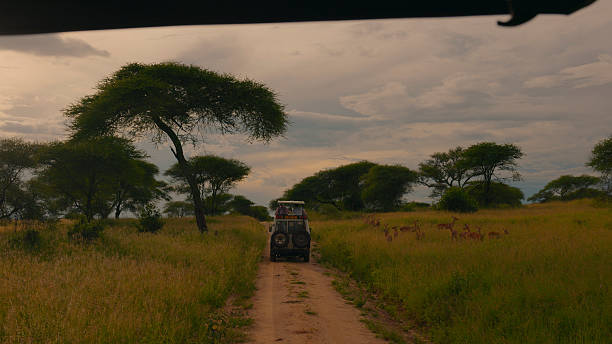
7 Days Tanzania Safari and Maasai Culture From Moshi: Your Complete Planning Guide
For travelers seeking an immersive cultural experience alongside breathtaking wildlife encounters, a 7 Days Tanzania Safari and Maasai Culture From Moshi offers an exceptional adventure. This carefully curated journey combines the thrill of exploring Tanzania’s iconic national parks with a meaningful connection to the ancient traditions of the Maasai people. Starting from the gateway town of Moshi, ideally positioned near Mount Kilimanjaro, this itinerary is designed to maximize your time and provide a rich, authentic experience.
This guide is crafted to provide you with all the essential information needed to plan and book your 7-day safari and cultural exploration. We cover everything from itinerary logic and what to expect on the ground to practical advice on packing, budgeting, and choosing the right tour operator for your 2026 or 2027 travels.
Quick Answers
What is the best way to experience Maasai culture on a 7-day safari from Moshi? The most authentic way is to include visits to a Maasai village, often integrated into safari itineraries, allowing for direct interaction, learning about their traditions, and supporting their communities. Look for tours that prioritize respectful engagement.
Which national parks are typically included in a 7-day safari from Moshi? A common route from Moshi includes parks in the Northern Circuit, such as Tarangire National Park, Lake Manyara National Park, and the Serengeti National Park. Some itineraries might also incorporate the Ngorongoro Conservation Area.
What is the ideal time of year for a 7 Days Tanzania Safari and Maasai Culture From Moshi? The dry seasons (June to October and December to February) are generally preferred for safaris due to easier game viewing and road conditions. However, the shoulder seasons can offer fewer crowds and lush landscapes.
How much does a 7-day Tanzania safari and Maasai culture tour cost? Prices vary widely based on accommodation level (budget, mid-range, luxury), group size, and inclusions. Expect costs to range from approximately $1,500 to $5,000+ per person for a mid-range to high-end experience.
Table of Contents
- Quick Facts
- Overview of the 7-Day Tanzania Safari and Maasai Culture Experience
- Why Choose a 7-Day Safari and Maasai Culture Tour From Moshi?
- Best Time to Go: Seasonality for Your Tanzania Adventure
- Sample Route and Area Overview
- Detailed 7-Day Itinerary Example
- What to Expect: Wildlife, Culture, and Daily Life
- Typical Inclusions and Exclusions
- Packing and Preparation Essentials
- Common Mistakes to Avoid
- Who is This 7-Day Tanzania Safari and Maasai Culture Tour Best Suited For?
- Alternatives to Consider
- Planning Your Trip for 2026 and 2027
- Booking Your Safari: Expert Tips
- Frequently Asked Questions (FAQs)
- Ready to Book Your Dream Safari?
Quick Facts
| Aspect | Details |
|---|---|
| Duration | 7 Days / 6 Nights |
| Starting Point | Moshi, Tanzania |
| Ending Point | Arusha or Moshi, Tanzania |
| Key Destinations | Tarangire National Park, Lake Manyara National Park, Serengeti National Park, Ngorongoro Conservation Area, Maasai Village |
| Activities | Game drives, wildlife viewing, cultural village visit, nature walks (optional) |
| Accommodation | Safari lodges, tented camps, guesthouses (varying levels) |
| Best For | First-time safari-goers, culture enthusiasts, wildlife photographers, couples, families (with older children) |
| Vehicle Type | 4×4 Safari Land Cruiser/Land Rover (customized) |
Overview of the 7-Day Tanzania Safari and Maasai Culture Experience
A 7 Days Tanzania Safari and Maasai Culture From Moshi is a concentrated yet comprehensive introduction to Tanzania’s natural wonders and rich cultural heritage. This itinerary typically focuses on the famed Northern Circuit, a region renowned for its high concentration of wildlife and diverse ecosystems. Starting from Moshi, you’ll typically journey towards the parks surrounding Arusha, including Tarangire, known for its large elephant herds and baobab trees; Lake Manyara, famous for its tree-climbing lions and vibrant birdlife; and the Serengeti, the ultimate wildlife spectacle. Crucially, this package integrates a significant cultural component, usually a visit to a traditional Maasai boma (village), allowing for respectful interaction and learning about their pastoralist lifestyle, customs, and challenges.
The pace is designed to balance game drives with cultural immersion, ensuring you don’t feel rushed. Evenings are spent in comfortable lodges or tented camps, offering a chance to reflect on the day’s sightings and experiences. The logistics are handled by your tour operator, from park fees and accommodation to experienced guides and transportation, allowing you to focus on the adventure.
Why Choose a 7-Day Safari and Maasai Culture Tour From Moshi?
Moshi serves as an excellent launchpad for this type of safari for several reasons. Its proximity to Kilimanjaro International Airport (JRO) makes it easily accessible for international arrivals. Furthermore, Moshi is situated in a region with a strong Maasai presence, making cultural integration more natural and accessible compared to starting from more distant locations. Opting for a combined safari and culture tour offers:
- Comprehensive Experience: It provides a balanced view of Tanzania, showcasing both its incredible wildlife and the enduring traditions of its people.
- Efficiency: A 7-day trip is long enough to cover key highlights without feeling overly long or requiring extensive time off work. It’s an ideal duration for a first-time visitor or those with limited vacation time.
- Authentic Encounters: Well-organized tours ensure that Maasai cultural visits are conducted respectfully, offering genuine insights rather than staged performances. You’ll have opportunities to ask questions and learn directly from community members.
- Logistical Simplicity: Starting from Moshi means fewer internal travel days to reach the initial safari destinations, optimizing your time in the parks.
- Value for Money: While not the cheapest option, a 7-day package often provides excellent value, bundling essential services like transport, park fees, accommodation, and guided tours, which can be more cost-effective than arranging each element separately.
Best Time to Go: Seasonality for Your Tanzania Adventure
The timing of your 7 Days Tanzania Safari and Maasai Culture From Moshi significantly impacts your experience. Tanzania’s climate is broadly divided into wet and dry seasons, each offering unique advantages.
Dry Seasons (June to October and December to February):
- Pros: These are generally considered the peak safari seasons. Wildlife congregates around permanent water sources, making game viewing more predictable. Vegetation is sparser, improving visibility. Roads are in better condition, making travel smoother. The Great Migration often passes through the Serengeti during the June-October dry season.
- Cons: Higher tourist numbers mean more crowded parks and potentially higher prices for accommodation. It can be cooler in the mornings and evenings.
Wet Seasons (March to May and November):
- Pros: These are the low or shoulder seasons. Landscapes are lush and green, offering beautiful photographic opportunities. Fewer tourists mean a more exclusive experience and often lower prices. It’s the calving season for wildebeest in the southern Serengeti (late January to March), a spectacular event. Birdwatching is excellent.
- Cons: Heavy rains can occur, making some roads impassable and potentially disrupting travel plans. Wildlife may be more dispersed due to abundant water and vegetation, making sightings slightly more challenging. Some lodges might close during the peak of the wet season (April-May).
Considerations for Maasai Culture: Cultural visits are possible year-round. However, the dry seasons might offer more comfortable conditions for interactions and village life. Planning for 2026 and 2027, the dry months of June-October are excellent for combining wildlife and cultural activities, though you’ll encounter more fellow travelers. For a quieter experience with good wildlife viewing, consider the transition months like early June or late October/early November.
Sample Route and Area Overview
A typical 7-day safari starting from Moshi will focus on the Northern Circuit. While specific routes can vary, here’s a common geographical flow:
Moshi (Start) → Arusha → Tarangire National Park → Lake Manyara National Park → Serengeti National Park → Ngorongoro Conservation Area → Arusha/Moshi (End)
Here’s a simplified visual representation of the route:
| Day 1-2: Tarangire National Park | Known for elephants, baobabs, and diverse birdlife. Often visited first due to its location south of Manyara. |
| Day 3: Lake Manyara National Park | Famous for tree-climbing lions, baboons, and flamingos (seasonal). Offers a compact yet rewarding safari experience. |
| Day 4-5: Serengeti National Park | The heart of the safari experience. Vast plains teeming with predators and prey, including the Great Migration (depending on season). |
| Day 6: Ngorongoro Conservation Area | A UNESCO World Heritage Site with a unique caldera ecosystem, offering exceptional density of wildlife, including the ‘Big Five’. A Maasai village visit is often scheduled here or en route. |
| Day 7: Departure | Drive back to Arusha or Moshi for onward travel. |
The distances between these locations can be significant. A 4×4 safari vehicle with a pop-up roof is essential for comfortable viewing and navigating the terrain. The journey often involves driving through Maasai lands, offering glimpses of their traditional way of life even before a planned village visit.
Detailed 7-Day Itinerary Example
This is a sample itinerary. Your actual tour may vary based on your tour operator’s specific package and the time of year. This example prioritizes a balance of iconic wildlife and cultural immersion.
| Day | Morning | Afternoon | Evening | Accommodation Area |
|---|---|---|---|---|
| Day 1 | Depart Moshi after breakfast. Drive to Tarangire National Park (approx. 3-4 hours). | Full-day game drive in Tarangire, focusing on elephant herds and diverse birdlife. Picnic lunch in the park. | Drive to your lodge/camp near Tarangire. Dinner and overnight. | Tarangire Area |
| Day 2 | Early morning game drive in Tarangire. Return for breakfast. | Drive towards Lake Manyara National Park (approx. 1.5-2 hours). Afternoon game drive in Lake Manyara, searching for tree-climbing lions and exploring the diverse habitats. | Drive to your lodge/camp near Lake Manyara or Karatu. Dinner and overnight. | Lake Manyara / Karatu Area |
| Day 3 | After breakfast, drive to the Ngorongoro Conservation Area. Descend into the Ngorongoro Crater for a full day’s game drive. | Continue game viewing within the crater, renowned for its high concentration of predators and the chance to see the Big Five. Picnic lunch by the hippo pool. | Ascend from the crater. Drive to your lodge/camp on the crater rim or in the Karatu area. Dinner and overnight. | Ngorongoro Crater Rim / Karatu |
| Day 4 | After breakfast, drive to the Serengeti National Park via the Ngorongoro Conservation Area. Stop at a Maasai village for a cultural visit. | Enter Serengeti National Park. Game drive en route to your camp/lodge. Explore the central Serengeti, known for its resident predators. | Dinner and overnight at your Serengeti camp/lodge. | Central Serengeti |
| Day 5 | Full day game drive in the Serengeti. Focus on areas with high wildlife activity, potentially following the Great Migration (season dependent). | Continue exploring different regions of the Serengeti. Optional hot-air balloon safari (extra cost). | Dinner and overnight at your Serengeti camp/lodge. | Central/Western/Eastern Serengeti (depending on migration) |
| Day 6 | Morning game drive in the Serengeti. | Drive back towards Arusha, with a final game drive en route through the Ngorongoro Conservation Area or stopping at viewpoints. | Arrive in Arusha in the late afternoon/early evening. Transfer to your hotel. Dinner and overnight. | Arusha |
| Day 7 | Enjoy a leisurely breakfast in Arusha. Depending on your flight schedule, you might have time for souvenir shopping or a brief city tour. | Transfer to Kilimanjaro International Airport (JRO) for your departure. | N/A | N/A |
What to Expect: Wildlife, Culture, and Daily Life
Wildlife: Tanzania’s Northern Circuit is one of the planet’s premier wildlife destinations. During your 7 Days Tanzania Safari and Maasai Culture From Moshi, expect to see a vast array of animals. The ‘Big Five’ (lion, leopard, elephant, rhino, buffalo) are present, though rhinos are most reliably seen in the Ngorongoro Crater. You’ll encounter numerous other species, including giraffes, zebras, wildebeest, cheetahs, hyenas, hippos, crocodiles, and an astonishing variety of birds. Game drives are typically conducted in open-top 4×4 vehicles with knowledgeable guides who are adept at spotting wildlife and explaining animal behavior.
Maasai Culture: The cultural visit is a highlight for many. Expect to be welcomed into a traditional Maasai village (boma). You’ll have the opportunity to meet the elders, women, and children, learn about their daily routines, cattle herding practices, traditional housing (inkaj), beadwork, and perhaps witness a ‘jumping dance’ (adamu). It’s a chance to ask questions and gain a deeper understanding of their unique way of life, which has remained largely unchanged for centuries, yet faces modern challenges. Remember that this is a real community, not a theme park. Be respectful, ask permission before taking photos, and consider purchasing local crafts directly from the artisans.
Daily Life on Safari: Days typically start early, often before sunrise, for optimal game viewing. After a morning game drive, you’ll return to your lodge or camp for breakfast or brunch. Midday is usually a time for relaxation, perhaps reading, enjoying the camp’s facilities, or taking a siesta, especially during the hotter hours. Another game drive usually takes place in the late afternoon until sunset. Meals are generally provided at your accommodation. The pace is active but allows for downtime. The experience is immersive, disconnecting you from the usual hustle and bustle.
Typical Inclusions and Exclusions
Understanding what your tour package covers is crucial for budgeting and managing expectations. While specific inclusions can vary between operators, here’s a general guide:
| Typical Inclusions | Typical Exclusions |
|---|---|
| Park entrance fees for all national parks and reserves mentioned. | International flights to and from Tanzania. |
| Accommodation for 6 nights as per itinerary. | Visa fees for Tanzania. |
| All meals (breakfast, lunch, dinner) during the safari, often starting with lunch on Day 1 and ending with breakfast on Day 7. | Travel insurance (highly recommended). |
| A private 4×4 safari vehicle with a pop-up roof for game viewing. | Tips for your safari guide, driver, and lodge staff. |
| Professional, English-speaking safari guide/driver. | Drinks and beverages (alcoholic and non-alcoholic) unless specified. |
| Bottled water during game drives. | Optional activities like hot-air balloon safaris, night game drives (where permitted), or cultural performances not part of the standard village visit. |
| Maasai village visit fee. | Personal expenses (souvenirs, laundry, etc.). |
| Airport transfers on arrival and departure. | Vaccinations and medical expenses. |
| Crater service fees (for Ngorongoro). | Any meals not specified in the itinerary. |
Packing and Preparation Essentials
Proper packing is key to a comfortable and enjoyable safari. The climate in Northern Tanzania can vary, with days being warm and evenings cool, especially at higher altitudes like the Ngorongoro Crater rim.
Clothing:
- Neutral Colors: Pack earth tones (khaki, beige, olive green, brown). Avoid bright colors like red or white, as they can disturb wildlife or attract insects. Black and dark blue can also attract tsetse flies.
- Layers: Lightweight, breathable fabrics are best. Include long-sleeved shirts and trousers for sun protection and cooler evenings. A fleece jacket or warm sweater is essential for early mornings and evenings.
- Comfortable Trousers/Shorts: Convertible trousers are versatile. Jeans are generally not recommended for game drives as they are heavy and slow to dry.
- T-shirts and Tops: Quick-drying materials are ideal.
- Rain Gear: A lightweight, waterproof and windproof jacket is advisable, especially during the shoulder or wet seasons.
- Swimsuit: For lodges with pools.
Footwear:
- Comfortable Walking Shoes: Sneakers or sturdy trainers are sufficient for most lodge grounds.
- Sandals/Flip-flops: For relaxing at the lodge.
- Hiking Boots (Optional): Only if your itinerary includes significant walking activities outside of game drives.
Accessories:
- Sun Hat: Wide-brimmed for maximum protection.
- Sunglasses: With UV protection.
- Sunscreen: High SPF.
- Insect Repellent: Containing DEET or Picaridin.
- Camera: With extra batteries, memory cards, and a zoom lens. Binoculars are highly recommended for wildlife viewing.
- Power Bank/Adapter: For charging devices. Tanzania uses Type G sockets (UK style).
- Headlamp/Torch: Useful for navigating around camps at night.
- Personal First-Aid Kit: Including any personal medications, antiseptic wipes, bandages, pain relievers, and anti-diarrhea medication.
- Hand Sanitizer: Essential for hygiene on the go.
- Reusable Water Bottle: To minimize plastic waste.
Documents:
- Passport (with at least 6 months validity)
- Visa (obtainable online or on arrival)
- Yellow Fever certificate (if arriving from an endemic country)
- Flight details
- Travel insurance documents
- Copies of important documents (stored separately)
Preparation:
- Vaccinations: Consult your doctor or a travel clinic well in advance regarding recommended vaccinations (e.g., Yellow Fever, Hepatitis A, Typhoid) and malaria prophylaxis.
- Fitness: No strenuous fitness is required for the safari itself, but comfortable walking shoes are important.
- Learn Basic Swahili Phrases: While English is widely spoken in tourist areas, a few Swahili words like ‘Jambo’ (Hello) and ‘Asante’ (Thank you) are always appreciated.
Common Mistakes to Avoid
To ensure your 7 Days Tanzania Safari and Maasai Culture From Moshi is as smooth as possible, be aware of these common pitfalls:
- Not Booking in Advance: Especially for peak seasons (2026 and 2027 will likely see high demand), popular lodges and safari vehicles get booked up months ahead.
- Choosing the Cheapest Option: While budget is important, the cheapest safaris often compromise on vehicle quality, guide experience, accommodation standards, or safety. A slightly higher investment often leads to a much better experience.
- Ignoring the Importance of a Good Guide: Your guide is the key to your safari. An experienced, knowledgeable guide can significantly enhance wildlife sightings and understanding.
- Overpacking: Luggage space in safari vehicles can be limited. Stick to soft-sided duffel bags if possible.
- Not Being Respectful During Cultural Visits: Remember you are visiting people’s homes. Dress modestly, ask before taking photos, and be sensitive to their customs. Avoid demanding to see specific rituals.
- Underestimating Travel Times: Distances in Tanzania can be long, and road conditions can vary. Factor in travel time realistically.
- Forgetting Essential Items: Items like binoculars, sunscreen, and insect repellent are crucial and can be expensive or unavailable in remote areas.
- Not Having Travel Insurance: This is non-negotiable. It covers medical emergencies, trip cancellations, and lost luggage.
- Expecting to See Everything: Wildlife sightings are not guaranteed. Be patient and enjoy the journey, even if a particular animal is elusive.
Who is This 7-Day Tanzania Safari and Maasai Culture Tour Best Suited For?
This type of itinerary is ideal for:
- First-Time Safari Goers: It offers a classic and comprehensive introduction to Tanzania’s wildlife and landscapes.
- Culture Enthusiasts: Those keen to learn about and interact with indigenous communities will find the Maasai cultural component highly rewarding.
- Travelers Seeking Balance: Individuals or couples who want to experience both nature and culture within a manageable timeframe.
- Photographers: The stunning landscapes, diverse wildlife, and vibrant cultural elements provide endless photographic opportunities.
- Adventurous Couples and Honeymooners: It offers romance and adventure in equal measure, with unique lodges and unforgettable experiences.
- Families with Older Children (10+): The itinerary is generally suitable, but the long drives and early mornings might be challenging for very young children. Ensure the tour operator can accommodate family needs.
It might be less suitable for those seeking a purely budget backpacker experience, as organized safaris require a certain level of investment, or for travelers who prefer to move at a very slow pace and spend extended periods in single locations.
Alternatives to Consider
While this 7-day itinerary is excellent, other options might better suit different preferences:
- Longer Northern Circuit Safaris (9-10 Days): For a more relaxed pace, these itineraries allow for deeper exploration of the Serengeti, perhaps including different regions or longer stays in each park, and more time for optional activities.
- Southern Circuit Safaris: Parks like Selous Game Reserve (now Nyerere National Park) and Ruaha National Park offer a wilder, less crowded experience, often with boat safaris and walking safaris. However, these are generally harder to combine with a cultural visit from Moshi within 7 days.
- Tanzania and Zanzibar Combination: Many travelers extend their safari with a few days on the spice island of Zanzibar for beaches, history, and relaxation. A 7-day safari could be combined with 3-4 days in Zanzibar for a 10-11 day trip.
- Focus on Specific Parks: If your interest is purely wildlife, a 7-day trip could focus solely on Serengeti and Ngorongoro, allowing for more in-depth exploration of these iconic locations.
- Self-Drive Safaris: While possible in some parts of Tanzania, they are not recommended for first-time visitors to the Northern Circuit due to navigation challenges and the need for specific 4×4 vehicles. Organized tours from Moshi are far more practical.
Planning Your Trip for 2026 and 2027
Planning ahead is crucial, especially for trips in popular years like 2026 and 2027. Here’s a guide:
1. Book Early: For prime safari seasons (June-October 2026/2027), book at least 6-9 months in advance. Even for shoulder seasons, booking 4-6 months ahead is recommended.
2. Choose Your Operator Wisely: Research tour operators. Look for those with good reviews, clear communication, and a strong focus on responsible tourism and authentic cultural experiences. Best Tanzania Tour operator is a good choice for personalized service.
3. Define Your Budget: Safari costs can vary significantly. Decide on your accommodation level (budget, mid-range, luxury) and discuss this with your operator to get accurate quotes.
4. Consider the Season: Revisit the ‘Best Time to Go’ section. For 2026 and 2027, if you want to avoid peak crowds, consider the shoulder months like late May, early June, or November. If witnessing the Great Migration is a priority, target June-October for the Serengeti.
5. Discuss Itinerary Customization: While a 7-day package is standard, many operators can tailor it. Perhaps you want more time in the Serengeti, or a different cultural interaction. Communicate your desires.
6. Health Preparations: Start consulting your doctor or travel clinic 2-3 months before your trip for vaccinations and malaria advice for your 2026/2027 travels.
7. Visa and Flights: Apply for your Tanzanian visa in advance if possible. Book international flights once your safari dates are confirmed.
Booking Your Safari: Expert Tips
Securing the right safari experience requires careful consideration:
1. Research and Compare: Don’t book with the first operator you find. Look at their website, read reviews (on TripAdvisor, Google, etc.), and check their social media presence. Compare itineraries and what’s included.
2. Direct Communication is Key: Contact potential tour operators directly. Ask questions about their vehicles, guides, accommodation options, and their approach to Maasai cultural visits. A responsive and informative operator is a good sign.
3. Understand the Contract: Before paying any deposit, carefully read the booking terms and conditions. Pay attention to cancellation policies, payment schedules, and what happens in case of unforeseen circumstances (e.g., flight delays, illness).
4. Deposit and Payment: Most operators require a deposit (typically 20-30%) to secure your booking, with the balance due closer to the travel date (e.g., 30-60 days before departure). Ensure you are comfortable with their payment methods.
5. Ask About Group Size: For private tours, you’ll have your own vehicle and guide. For shared budget tours, ask about the maximum number of people per vehicle (ideally 6-7 people for comfort).
6. Confirm Inclusions: Double-check that all essential elements like park fees, accommodation, meals, and transportation are included. Clarify any potential hidden costs.
7. Responsible Tourism: Inquire about the operator’s commitment to conservation and supporting local communities. For Maasai cultural visits, ensure they are conducted ethically and sustainably, benefiting the community directly.
8. Travel Insurance: Once booked, immediately purchase comprehensive travel insurance. This is crucial for covering unforeseen events.
9. Final Confirmation: A week or two before your departure for 2026 or 2027, reconfirm your itinerary, pick-up times, and contact details with your tour operator.
Frequently Asked Questions (FAQs)
What is the best way to arrange a 7 Days Tanzania Safari and Maasai Culture From Moshi?
The most straightforward and often best value way is to book a package tour with a reputable Tanzanian tour operator. This ensures all logistics, park fees, accommodation, and guide services are handled professionally. Operators like Best Tanzania Tour operator specialize in these tailored experiences.
Can I customize the 7-day itinerary?
Yes, most reputable tour operators are happy to customize itineraries. You might request more time in a specific park, different accommodation styles, or specific interests. Communicate your needs clearly when inquiring for your 2026 or 2027 trip.
What is the typical cost range for this safari?
For a 7-day mid-range safari with cultural inclusion, expect costs to be roughly between $1,800 and $3,500 per person. Luxury options can easily exceed $4,000-$5,000 per person. Budget options might be available but often involve shared vehicles and more basic accommodations.
Is it safe to visit a Maasai village?
Yes, organized visits to Maasai villages are generally safe. Tour operators work with communities that are accustomed to hosting visitors. It’s important to follow your guide’s instructions and maintain respectful behavior.
What currency should I bring?
The local currency is the Tanzanian Shilling (TZS). However, US Dollars are widely accepted and often preferred for safari payments, park fees, and many lodges. It’s advisable to carry a mix, with smaller USD bills for tips and local purchases.
Do I need malaria medication for this safari?
Yes, malaria is present in Tanzania. It is highly recommended to consult your doctor or a travel clinic about malaria prophylaxis and other necessary vaccinations well in advance of your 2026-2027 travel dates.
What is the best way to tip my safari guide?
Tipping is customary. A common guideline is $20-$30 per day for your driver-guide for a private safari. For shared safaris, the amount might be lower per person. Your tour operator can provide specific recommendations.
Can I take photos of the Maasai people?
Always ask for permission before taking photos of individuals, especially children. Some communities may charge a small fee for photography. Be respectful and discreet.
What kind of vehicle will I be using?
For Northern Circuit safaris, a customized 4×4 safari Land Cruiser or Land Rover with a pop-up roof is standard. This vehicle is essential for comfort and game viewing on the often rough terrain.
How much luggage can I bring?
Safari vehicles have limited luggage space. Most operators recommend soft-sided duffel bags, typically with a weight limit of around 15-20 kg (33-44 lbs) per person.
Ready to Book Your Dream Safari?
A 7 Days Tanzania Safari and Maasai Culture From Moshi promises an unforgettable adventure, blending the thrill of wildlife encounters with the rich traditions of the Maasai people. If you’re planning your trip for 2026 or 2027 and seeking an authentic, well-organized experience, look no further.
At Best Tanzania Tour operator, we are passionate about creating personalized safari experiences that go beyond the ordinary. We work closely with you to craft the perfect itinerary, ensuring comfort, safety, and genuine cultural immersion.
Contact us today to start planning your incredible Tanzanian journey:
- WhatsApp: +255616946642
- Email: topguideadventures@gmail.com
- Backup Email: info@topguideadventures.com
Let us help you create memories that will last a lifetime. Your adventure awaits!
Plan your 7 Days Tanzania Safari and Maasai Culture From Moshi with Top Guide Adventures
Tell us your travel dates, group size, comfort level, and dream experience. We will help you shape a clear, realistic, and memorable Tanzania itinerary.







 Veedesigner
 Fatma Kizanga
 Benjamin Waryuba
 Philip Philip
 John jr Itaja
 Antonia Optatus
 Edith Kanyere
 Neema Iddy
 Kelvin Boniphace
 Damari Maiga



