
Updated planning guide for 2026, 2027-2028
Mkomazi And Usambara Tour From Moshi: Complete Guide 2026-2027-2028
Discover the unique Mkomazi National Park and the lush Usambara Mountains on a guided tour from Moshi. This guide provides everything you need to plan your adventure in 2026-2027.
WhatsApp +255616946642 | topguideadventures@gmail.com | info@topguideadventures.com
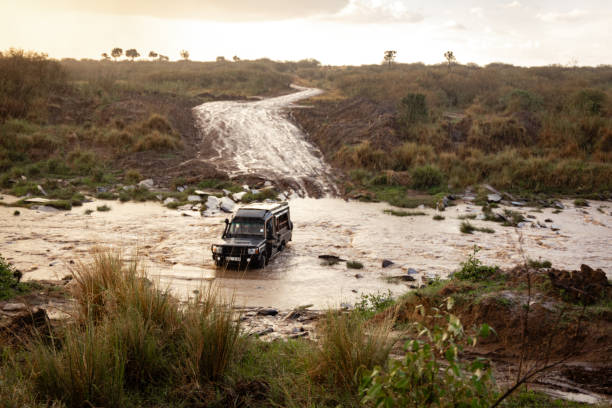
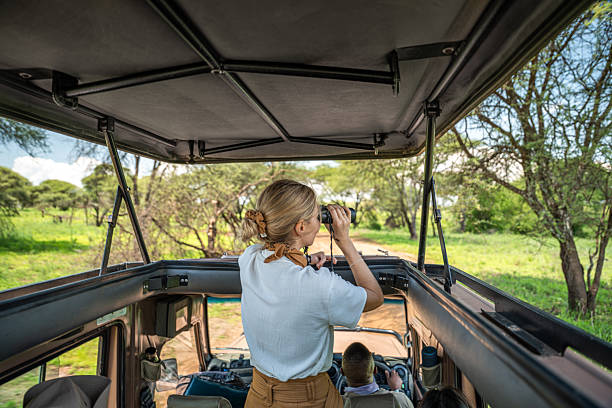
Mkomazi and Usambara Tour From Moshi: Your Complete Planning Guide
A Mkomazi and Usambara tour from Moshi offers a captivating escape from the usual safari circuits, blending the rugged wilderness of Mkomazi National Park with the serene, biodiverse landscapes of the Usambara Mountains. This journey, starting from the convenient base of Moshi, is perfect for travelers seeking a more off-the-beaten-path experience in Tanzania. Whether you’re drawn to the unique conservation efforts at Mkomazi or the verdant trails and cultural encounters of the Usambaras, this guide will help you plan an unforgettable adventure for 2026 and 2027.
| Aspect | Details |
|---|---|
| Starting Point | Moshi, Tanzania |
| Primary Destinations | Mkomazi National Park, Usambara Mountains (West and/or East) |
| Activities | Game drives, walking safaris, bird watching, hiking, cultural visits, scenic drives, conservation area tours |
| Duration | Typically 3 to 7 days, customizable |
| Best Time to Visit | June to October (dry season), January to February (short dry season) |
| Accommodation | Lodges, tented camps, guesthouses, homestays |
| Travel Style | Nature, wildlife, adventure, cultural immersion |
Why Choose a Mkomazi and Usambara Tour From Moshi?
Moshi, famously known as the gateway to Mount Kilimanjaro, is also a strategic starting point for exploring the less-visited but equally rewarding regions of Mkomazi and the Usambaras. This combination provides a diverse travel experience:
- Mkomazi National Park: This park is a stronghold for the endangered black rhino and the African wild dog, thanks to dedicated conservation programs. Its semi-arid landscape, dominated by acacia-savanna and rugged hills, offers a different safari experience compared to the more famous northern circuit parks. It’s a haven for wildlife enthusiasts and those interested in conservation success stories.
- Usambara Mountains: Often referred to as the ‘Galapagos of Africa’ due to their exceptional biodiversity and high levels of endemism, the Usambaras are a paradise for hikers, birdwatchers, and anyone seeking tranquility. The mountains are characterized by lush forests, rolling hills, and picturesque villages. You can explore the West Usambaras (known for hiking and views) or the East Usambaras (renowned for its rainforests and birdlife).
- Accessibility from Moshi: Moshi’s location makes it a convenient hub. It’s well-connected by road and has good infrastructure for tour operators, ensuring a smoother start and end to your journey.
- Unique Wildlife Encounters: Beyond the ‘big five’, Mkomazi offers chances to see gerenuk, fringe-eared oryx, and a variety of dry-country adapted species. The Usambaras, while not a traditional safari destination, are a biodiversity hotspot with endemic birds, chameleons, and unique flora.
- Cultural Immersion: Both regions offer opportunities to interact with local communities, from Maasai settlements near Mkomazi to the agricultural communities in the Usambaras, providing authentic cultural insights.
Best Time to Plan Your Mkomazi and Usambara Tour
The ideal timing for your Mkomazi and Usambara tour from Moshi depends on your priorities. Tanzania experiences distinct wet and dry seasons, which affect wildlife viewing and hiking conditions.
- Dry Season (June to October): This is generally the best period for wildlife viewing in Mkomazi. Animals congregate around water sources, and the vegetation is less dense, making them easier to spot. The weather is pleasant, with cooler temperatures and minimal rain, ideal for game drives and walking safaris. For the Usambaras, this season offers clear skies for hiking and stunning panoramic views.
- Short Rains (November to December): This period sees intermittent rainfall. Wildlife viewing can still be good, and the landscapes become greener. It’s a less crowded time to travel.
- Long Rains (March to May): This is the wettest period, with heavy and prolonged rainfall. Roads can become challenging, especially in Mkomazi. However, the landscapes are incredibly lush, and it’s a fantastic time for birdwatching and photography, with fewer tourists. Prices might be lower during this off-peak season.
- Short Dry Season (January to February): This is another good window for visiting. The weather is generally dry and warm, suitable for both Mkomazi and the Usambaras. It can be a busy period, especially if it coincides with school holidays.
For planning your trip in 2026 or 2027, consider these seasons. The dry months of June-October and the short dry spell in January-February are excellent choices for a balanced experience of both destinations.
Understanding the Geography: Mkomazi and Usambara Regions
To visualize your journey, understanding the relative locations is helpful. Moshi is situated in the Kilimanjaro region, at the foot of Mount Kilimanjaro. Mkomazi National Park lies to the northeast of Moshi, a drive of approximately 2-3 hours. The Usambara Mountains are located to the southeast of Moshi, with different access points to the West and East Usambaras. The journey from Moshi to the Usambaras can take 2-4 hours, depending on the specific area you are heading to.
Route Overview (Conceptual):
- Start in Moshi.
- Drive east/northeast to Mkomazi National Park.
- Spend time exploring Mkomazi.
- Travel south/southeast towards the Usambara Mountains (e.g., Lushoto for West Usambaras, Amani for East Usambaras).
- Explore the Usambaras.
- Return to Moshi or continue to your next destination.
Sample Itinerary: A 5-Day Mkomazi and Usambara Tour From Moshi
This is a sample itinerary designed to give you a taste of both Mkomazi and the Usambara Mountains. It can be customized to fit your interests and available time.
Day 1: Moshi to Mkomazi National Park
- Morning: Pick up from your hotel in Moshi and drive to Mkomazi National Park.
- Afternoon: Arrive at Mkomazi, check into your lodge or camp, and embark on your first game drive. Focus on exploring the southern part of the park, looking for gerenuk, oryx, and various antelope species.
- Evening: Return to your accommodation for dinner and overnight stay.
Day 2: Mkomazi Exploration & Conservation Focus
- Morning: Full day of game drives in Mkomazi. Visit the rhino sanctuary and learn about the conservation efforts for black rhinos and wild dogs. Explore different areas of the park, including the dramatic landscapes around the Usumaru Dam.
- Lunch: Enjoy a packed lunch in a scenic spot within the park.
- Late Afternoon: Optional guided walking safari with a ranger for a more intimate wildlife experience.
- Evening: Dinner and overnight at your Mkomazi lodge/camp.
Day 3: Mkomazi to Usambara Mountains (West Usambaras)
- Morning: Enjoy a final early morning game drive in Mkomazi, perhaps seeking out specific bird species.
- Late Morning: Depart from Mkomazi and drive towards the West Usambara Mountains, heading for the town of Lushoto. The drive offers changing scenery as you ascend into the highlands.
- Afternoon: Arrive in Lushoto, check into your lodge or guesthouse. Take a short walk around the town or visit a local viewpoint for stunning vistas of the surrounding valleys.
- Evening: Dinner and overnight in Lushoto.
Day 4: Hiking and Cultural Exploration in West Usambaras
- Full Day: Guided hiking through the Usambara Mountains. Options include treks to viewpoints like Irente, Magamba Forest, or Mazumbai Forest. You can visit local villages, learn about traditional farming practices, and interact with the local community.
- Lunch: Packed lunch during your hike, or enjoy a meal at a local eatery.
- Evening: Return to Lushoto for dinner and a relaxing night.
Day 5: Usambaras to Moshi / Departure
- Morning: Depending on your flight schedule or onward travel plans, you can enjoy a final short hike or visit a local market in Lushoto.
- Late Morning: Drive back to Moshi, arriving in the afternoon. From Moshi, you can be transferred to Kilimanjaro International Airport (JRO) for your departure or to your next accommodation.
What to Expect: Wildlife, Scenery, and Culture
Your Mkomazi and Usambara tour from Moshi promises a rich mix of experiences:
Wildlife Viewing in Mkomazi
Mkomazi is not about the sheer density of animals found in parks like the Serengeti. Instead, it offers a more focused and rewarding wildlife experience, particularly for those interested in specific species and conservation.
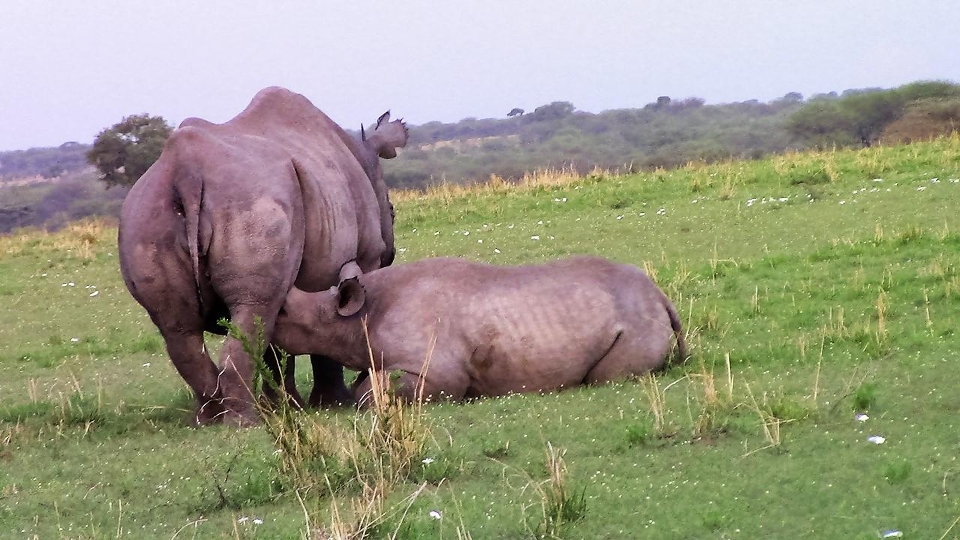
- Rhinos and Wild Dogs: Mkomazi is a major success story for black rhino conservation, and it’s one of the few places in Tanzania where you have a good chance of seeing African wild dogs. These sightings are often facilitated by the park’s dedicated conservation efforts.
- Dry-Country Species: Look out for gerenuk (the ‘giraffe-necked antelope’) with its distinctive long neck, fringe-eared oryx, Grant’s gazelle, Thomson’s gazelle, dik-dik, lesser kudu, and hartebeest.
- Birds: Mkomazi is a birdwatcher’s paradise, with over 400 species recorded, including dry-country specialists like the Friedmann’s weaver, Shelley’s francolin, and various vulturine guineafowl.
- Predators: While less common than in other parks, lions, leopards, cheetahs, and hyenas inhabit Mkomazi.
- Scenery: The landscape is dramatic, with rolling hills, acacia woodlands, and the imposing backdrop of the Usambara Mountains in the distance.
Nature and Biodiversity in the Usambara Mountains
The Usambaras are a completely different world from Mkomazi. They are a biodiversity hotspot, particularly the East Usambaras, which are a remnant of the ancient coastal forests.
- Endemic Species: The mountains are home to a remarkable number of endemic species, including the Usambara eagle-owl, Usambara weaver, Usambara akalat, and several species of chameleon and frogs.
- Forests: Explore dense montane forests, including the famous Mazumbai Forest, known as the ‘greenest village on Earth’ and a vital research and conservation area.
- Hiking Trails: Numerous trails wind through the mountains, offering varying levels of difficulty. From gentle walks to challenging multi-day treks, there’s something for every fitness level.
- Scenic Views: Enjoy breathtaking views over the plains, valleys, and neighboring mountains from various viewpoints.
- Waterfalls: Discover hidden waterfalls that cascade through the lush vegetation.
Cultural Encounters
Interacting with local communities adds significant depth to your tour.
- Maasai and Other Communities: In and around Mkomazi, you might encounter Maasai communities. In the Usambaras, you’ll meet the local Shambaa (or Sambaa) people, who are primarily agriculturalists.
- Village Visits: Organized visits can offer insights into daily life, traditional housing, farming techniques, and local crafts.
- Local Markets: Visiting a bustling local market can be a vibrant experience, showcasing local produce and crafts.
Inclusions and Exclusions: What to Expect from Your Tour Package
When booking a Mkomazi and Usambara tour from Moshi, it’s crucial to understand what is typically included. Tour operators will provide detailed lists, but common inclusions are:
| Category | Inclusions |
|---|---|
| Transportation | 4×4 safari vehicle with a professional driver/guide, fuel, park entry fees for the vehicle. Transfers from/to Moshi. |
| Accommodation | Lodges, tented camps, or guesthouses as per itinerary (usually full board or half board). |
| Activities | Game drives, guided walks (where applicable and permitted), conservation area fees. |
| Meals | Meals as specified in the itinerary (e.g., breakfast, lunch, dinner). |
| Park Fees | Entry fees for Mkomazi National Park and any conservation fees for Usambara areas. |
| Guides | Professional English-speaking driver/guide for safari portions. Local guides for hiking in Usambaras. |
Common exclusions often include:
| Category | Exclusions |
|---|---|
| Flights | International and domestic flights to/from Kilimanjaro International Airport (JRO). |
| Visa | Tanzania visa fees. |
| Tips | Gratuities for guides, drivers, and lodge staff. |
| Personal Expenses | Souvenirs, drinks, laundry, travel insurance. |
| Optional Activities | Any activities not explicitly mentioned in the itinerary. |
| Travel Insurance | Comprehensive travel and medical insurance. |
Packing and Preparation for Your Mkomazi and Usambara Tour
Packing smartly is key to enjoying your adventure. Consider the contrasting environments of Mkomazi’s dry heat and the Usambaras’ cooler, potentially damp highlands.
Clothing:
- Lightweight, breathable clothing: Long-sleeved shirts and trousers are essential for sun protection and mosquito protection in Mkomazi, and for warmth in the Usambaras.
- Neutral colors: Khaki, beige, and olive green are ideal for safari to blend in with the environment. Avoid bright colors.
- Warm layers: A fleece jacket or sweater and a light to medium-weight jacket are necessary for cooler evenings and mornings, especially in the Usambaras.
- Rain gear: A waterproof and windproof jacket is advisable, particularly during the shoulder seasons or if traveling in the wet season.
- Comfortable walking shoes: Sturdy hiking boots are recommended for the Usambaras.
- Sandals or comfortable shoes: For relaxing at the lodge or camp.
- Socks: Plenty of socks, including moisture-wicking ones for hiking.
- Hat: A wide-brimmed hat for sun protection.
- Swimsuit: If your accommodation has a pool.
Gear and Accessories:
- Sunscreen: High SPF.
- Insect repellent: With DEET or Picaridin.
- Sunglasses.
- Binoculars: Essential for wildlife viewing.
- Camera and extra batteries/memory cards.
- Power bank/adapter: For charging devices (check plug type).
- Headlamp or flashlight: Useful for navigating camps at night.
- Personal first-aid kit: Include any personal medications.
- Reusable water bottle.
- Small backpack: For day hikes and game drives.
- Toiletries: Including biodegradable options if possible.
Documents and Money:
- Passport and visa (if required).
- Copies of important documents (passport, visa, flight tickets).
- Travel insurance details.
- Cash (USD and Tanzanian Shillings) for tips, souvenirs, and personal expenses. Credit cards are accepted in some lodges and larger towns but not everywhere.
Common Mistakes to Avoid When Planning
To ensure a smooth and enjoyable Mkomazi and Usambara tour from Moshi, be aware of these common pitfalls:
- Underestimating Travel Times: Distances in Tanzania can be deceptive, and road conditions can vary. Always factor in ample travel time between locations.
- Not Packing Appropriately: The climate can change significantly between Mkomazi’s dry plains and the Usambaras’ cooler highlands. Pack for both scenarios.
- Ignoring Conservation Aspects: Mkomazi is a conservation success story. Understanding and respecting the park’s mission, especially regarding rhinos and wild dogs, enhances the experience.
- Booking Without Research: Not all tour operators are created equal. Research reputable companies with experience in these specific destinations.
- Over-Scheduling: While it’s tempting to fit everything in, allow for relaxation and spontaneous moments. This is particularly true in the Usambaras, where enjoying the scenery is part of the experience.
- Not Budgeting for Extras: Remember to budget for tips, personal expenses, drinks, and any optional activities not included in your tour package.
- Forgetting Travel Insurance: Always have comprehensive travel and medical insurance.
Who is This Tour Best Suited For?
A Mkomazi and Usambara tour from Moshi appeals to a specific type of traveler:
- Nature Enthusiasts: Those who appreciate diverse ecosystems, from semi-arid bushland to lush montane forests.
- Wildlife Lovers: Especially those interested in conservation efforts, endangered species like rhinos and wild dogs, and unique dry-country adapted animals.
- Hikers and Trekkers: The Usambara Mountains offer excellent hiking opportunities for various fitness levels.
- Birdwatchers: Both Mkomazi and the Usambaras are rich in avian life, with the Usambaras being a hotspot for endemic species.
- Photographers: The dramatic landscapes, unique wildlife, and cultural scenes provide ample photographic opportunities.
- Travelers Seeking Off-the-Beaten-Path Experiences: This tour avoids the busiest northern circuit parks, offering a more exclusive and less crowded adventure.
- Those Interested in Conservation: Mkomazi’s focus on rhino and wild dog conservation makes it a compelling destination for those passionate about wildlife protection.
It might be less suited for travelers solely focused on seeing the ‘big five’ in large numbers or those seeking luxury accommodations with extensive amenities, although comfortable options are available.
Alternatives to a Mkomazi and Usambara Tour
While Mkomazi and Usambara offer a unique combination, other excellent Tanzanian adventures exist:
- Northern Circuit Safari (Serengeti, Ngorongoro, Tarangire, Lake Manyara): For classic big game viewing and iconic landscapes. This is the most popular safari route in Tanzania.
- Southern Circuit Safaris (Ruaha, Selous): For a more remote and wild safari experience with larger elephant and wild dog populations, and fewer tourists.
- Mount Kilimanjaro Trek: If hiking is your primary interest, a dedicated trek up Africa’s highest peak is an option.
- Mahale Mountains or Gombe Stream: For chimpanzee trekking in western Tanzania, offering a very different wildlife experience.
- Zanzibar and Coastal Holidays: For beach relaxation, spice tours, and historical exploration on the spice island.
The Mkomazi and Usambara tour provides a balanced blend that is distinct from these other options, offering a mix of safari and highland exploration.
Planning Your Mkomazi and Usambara Tour for 2026-2027
Planning ahead is essential for securing the best experiences and accommodations, especially when aiming for popular travel periods in 2026 and 2027.
| Timeframe Before Travel | Key Actions |
|---|---|
| 12+ Months Out | Research destinations and tour operators. Define your budget and preferred travel dates. Book Kilimanjaro treks if combining. |
| 9-12 Months Out | Contact tour operators for quotes and customize itineraries. Book international flights. Start visa research. |
| 6-9 Months Out | Confirm and book your Mkomazi and Usambara tour package. Secure necessary vaccinations. |
| 3-6 Months Out | Apply for your Tanzanian visa (if required). Arrange travel insurance. Start packing list. |
| 1-3 Months Out | Finalize packing. Confirm all booking details with your tour operator. Inform your bank of travel dates. |
| 2-4 Weeks Out | Exchange some currency. Make copies of important documents. Confirm flight details. |
| 1 Week Out | Pack final items. Confirm pick-up times with your tour operator. Relax and get excited! |
Choosing a Tour Operator
Selecting the right tour operator is paramount. Look for:
- Local Expertise: Operators with deep knowledge of Mkomazi and the Usambaras.
- Customization Options: Ability to tailor the itinerary to your interests.
- Reputation: Check reviews and testimonials.
- Communication: Responsive and clear communication.
- Commitment to Sustainability: Eco-friendly practices and support for local communities.
Visa and Health Requirements
Ensure you meet Tanzania’s entry requirements. Many nationalities require a visa, which can often be obtained online or on arrival, but checking the latest regulations is crucial. Consult your doctor or a travel clinic about recommended vaccinations (e.g., Yellow Fever, Hepatitis A, Typhoid) and malaria prophylaxis well in advance of your 2026 or 2027 trip.
Budget Considerations
Costs for a Mkomazi and Usambara tour from Moshi can vary significantly based on the duration, accommodation standard, and inclusions. Generally, expect costs to cover:
- Park entrance fees (these are significant in Tanzania).
- Accommodation (lodges, camps, guesthouses).
- Vehicle and driver/guide hire.
- Meals.
- Conservation fees in the Usambaras.
It’s advisable to get detailed quotes from several reputable operators and compare what is included. Factor in personal expenses and tips separately.
Booking Advice for Your Mkomazi and Usambara Adventure
Ready to book your dream trip? Here’s how to proceed:
- Research and Shortlist Operators: Identify 2-3 reputable Tanzanian tour operators specializing in custom tours.
- Request Detailed Itineraries and Quotes: Be specific about your interests (e.g., birdwatching, hiking intensity, conservation focus) and desired travel dates for 2026 or 2027.
- Ask Questions: Don’t hesitate to ask about inclusions, exclusions, accommodation options, guide experience, and safety protocols.
- Review the Contract: Carefully read the terms and conditions, including cancellation policies.
- Secure Your Booking: Once you’ve chosen an operator, they will usually require a deposit to confirm your booking. The balance is typically due closer to your travel date.
- Confirm Details Closer to Travel: A week or two before your trip, reconfirm all arrangements, including pick-up times and locations.
For a personalized and expertly guided Mkomazi and Usambara tour from Moshi, consider reaching out to experienced local operators. They can craft an itinerary that perfectly matches your desires, ensuring an authentic and memorable Tanzanian experience.
Contact us today to start planning your unique adventure!
WhatsApp: +255616946642
Email: topguideadventures@gmail.com
Backup Email: info@topguideadventures.com
Frequently Asked Questions (FAQs)
1. Is Mkomazi National Park safe for tourists?
Yes, Mkomazi National Park is generally safe for tourists. The park is well-managed, and visitor safety is a priority. It’s advisable to always follow the guidance of your safari guide and adhere to park regulations, especially regarding wildlife encounters and walking safaris.
2. What is the best way to get from Moshi to Mkomazi and the Usambaras?
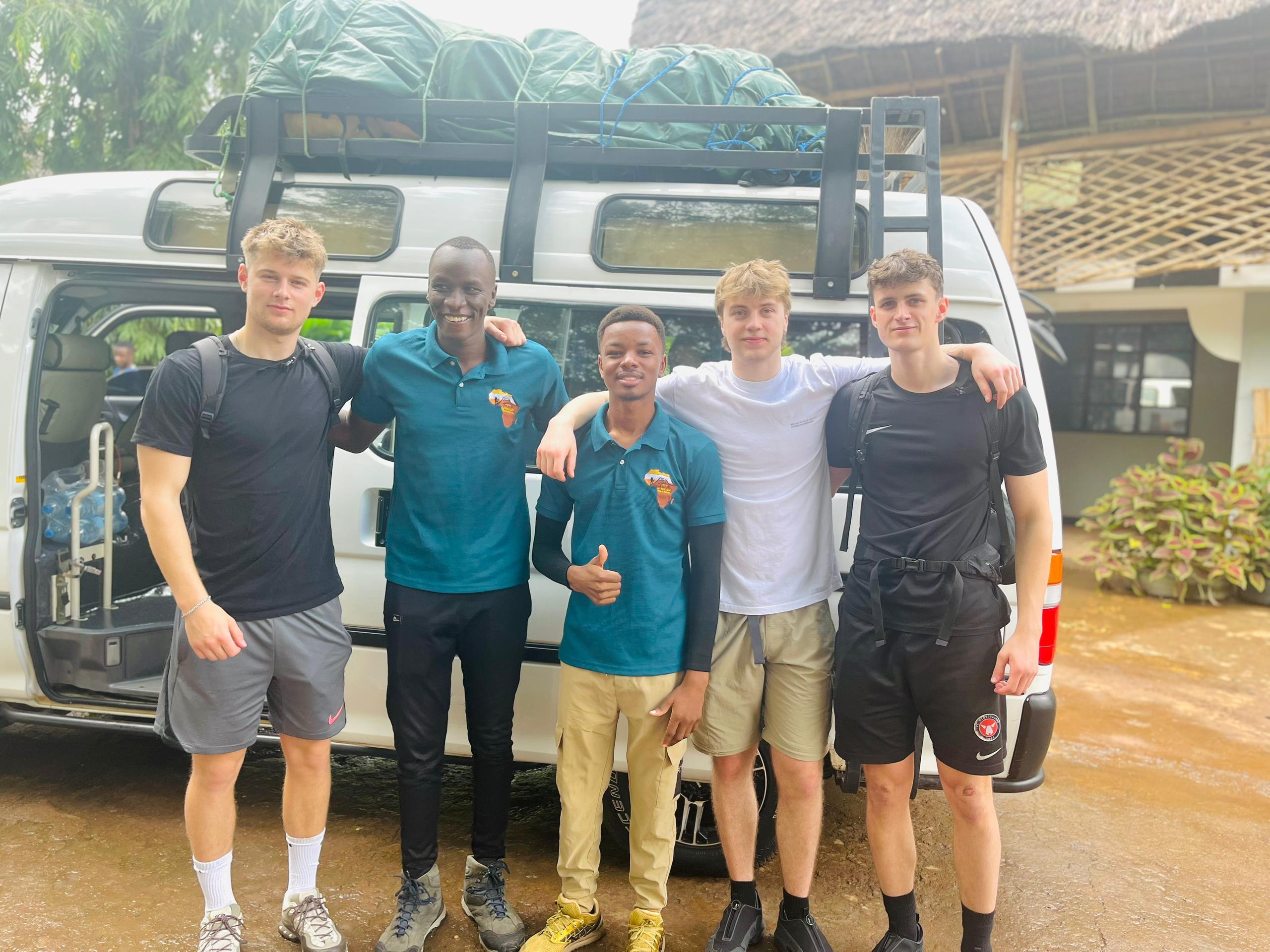
The most convenient and recommended way is to arrange private transportation with a tour operator. This typically involves a 4×4 safari vehicle with a knowledgeable driver-guide, ensuring comfortable travel and flexibility. Public transport is possible but significantly more time-consuming and less direct.
3. Can I visit Mkomazi and Usambara Mountains in the same trip?
Absolutely! This combination is popular because it offers a diverse experience. Mkomazi provides a unique safari adventure focusing on conservation, while the Usambaras offer hiking, stunning scenery, and rich biodiversity. Most tour operators can easily combine these destinations into one itinerary starting from Moshi.
4. How strenuous are the hikes in the Usambara Mountains?
The hiking difficulty in the Usambaras can vary greatly. There are gentle walking trails suitable for most fitness levels, as well as more challenging treks that can last several hours. Your tour operator can help tailor the hiking itinerary to your physical capabilities and preferences. Always wear appropriate footwear and carry water.
5. What kind of accommodation is available in Mkomazi and Usambara?
In Mkomazi, you can expect lodges or tented camps, offering a comfortable safari experience. In the Usambara Mountains, options range from comfortable lodges and guesthouses in towns like Lushoto to more rustic accommodations or homestays in villages, depending on your chosen location and budget.
6. Is Mkomazi suitable for seeing the ‘Big Five’?
Mkomazi is not primarily known for the ‘Big Five’ (lion, leopard, elephant, rhino, buffalo) in the same abundance as parks like Serengeti. While rhinos are a major focus and present, and other members of the Big Five can be found, sightings are less frequent. Mkomazi excels in showcasing dry-country adapted species like gerenuk and oryx, and its conservation success with wild dogs and rhinos.
7. What should I pack for the Mkomazi and Usambara tour in 2026?
Pack light, breathable clothing for Mkomazi’s heat, but also include warm layers (fleece, jacket) for the cooler Usambara highlands. Comfortable hiking boots are essential for the Usambaras, along with sunscreen, insect repellent, a hat, binoculars, and a camera. Refer to the detailed packing list in this guide.
8. How long should a Mkomazi and Usambara tour typically be?
A good balance for experiencing both destinations is typically 4 to 6 days. This allows for 1-2 days in Mkomazi and 2-3 days exploring the Usambara Mountains, plus travel time from Moshi. Shorter or longer trips can be arranged based on your interests and schedule.
9. Are there opportunities for birdwatching on this tour?
Yes, both Mkomazi and the Usambara Mountains are excellent for birdwatching. Mkomazi hosts numerous dry-country species, while the Usambaras are famous for their endemic avian life, making it a dream destination for keen ornithologists. Bringing binoculars and a field guide is highly recommended.
10. Can I customize a Mkomazi and Usambara tour from Moshi for 2027?
Absolutely. Customization is a key advantage of booking with local Tanzanian tour operators. You can adjust the duration, pace, accommodation style, and focus of your itinerary (e.g., more hiking, more wildlife, specific conservation interests) for your Mkomazi and Usambara tour from Moshi in 2027.
Plan Your Unforgettable Mkomazi and Usambara Tour From Moshi
A Mkomazi and Usambara tour from Moshi promises a unique exploration of Tanzania’s diverse natural beauty and conservation efforts. From the rugged plains and vital rhino sanctuaries of Mkomazi to the verdant, biodiverse trails of the Usambara Mountains, this journey offers a refreshing contrast to the classic safari routes. By planning carefully, choosing the right time to travel in 2026 or 2027, and partnering with experienced local guides, you can create an adventure that is both exciting and deeply rewarding.
Let us help you craft your perfect Tanzanian escape. Whether you’re dreaming of spotting a rare wild dog or hiking through mist-covered forests, we are here to make it a reality.
Get in touch to discuss your ideal Mkomazi and Usambara tour from Moshi:
WhatsApp: +255616946642
Email: topguideadventures@gmail.com
Backup Email: info@topguideadventures.com
Plan your Mkomazi and Usambara Tour From Moshi with Top Guide Adventures
Tell us your travel dates, group size, comfort level, and dream experience. We will help you shape a clear, realistic, and memorable Tanzania itinerary.

 Veedesigner
 Fatma Kizanga
 Benjamin Waryuba
 Philip Philip
 John jr Itaja
 Antonia Optatus
 Edith Kanyere
 Neema Iddy
 Kelvin Boniphace
 Damari Maiga



