
Updated planning guide for 2026, 2027-2028
Moshi Countryside Village Tour: Complete Guide 2026-2027-2028
Explore the heart of Tanzania with a Moshi Countryside Village Tour. This guide details itineraries, cultural experiences, practical tips, and booking information for your 2026-2027 adventure.
WhatsApp +255616946642 | topguideadventures@gmail.com | info@topguideadventures.com
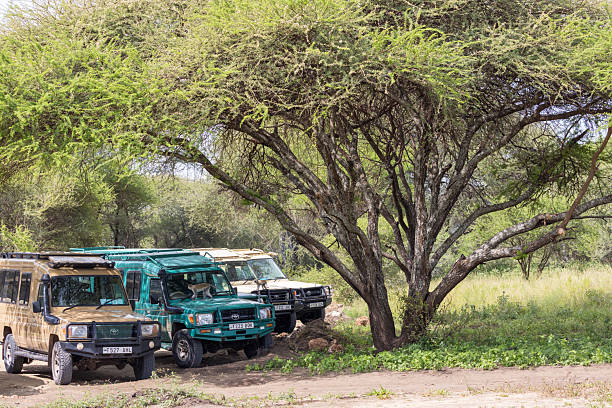
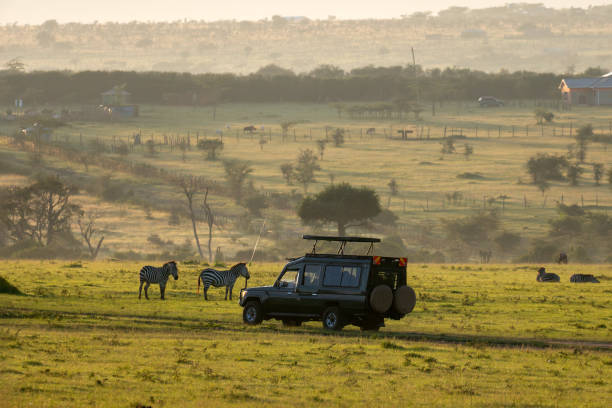
Moshi Countryside Village Tour: A Deep Dive into Local Life
The Moshi Countryside Village Tour offers a unique opportunity to step away from the typical tourist paths and connect with the authentic heart of Tanzania. Located in the fertile foothills of Mount Kilimanjaro, the region surrounding Moshi is rich in culture, natural beauty, and warm hospitality. This tour is designed for travelers seeking genuine cultural immersion, a chance to understand daily life, and to support local communities directly. Unlike a standard safari or a Kilimanjaro climb, this experience focuses on the people, their traditions, and the rhythms of rural Tanzanian existence.
This comprehensive guide will walk you through everything you need to know for planning your Moshi Countryside Village Tour, from understanding its significance to practical itinerary suggestions, what to expect, and how to book. We aim to provide you with the detailed information required to make an informed decision for your 2026 or 2027 travels.
Quick Facts: Moshi Countryside Village Tour
| Aspect | Details |
|---|---|
| Primary Focus | Cultural immersion, local community interaction, rural life. |
| Location | Villages surrounding Moshi, Kilimanjaro Region, Tanzania. |
| Duration | Typically 1 day to 3 days, customizable. |
| Key Activities | Village walks, local market visits, traditional cooking, farming demonstrations, school visits, artisan workshops. |
| Best Time to Visit | Dry seasons: January-March, June-October. Also good during harvest seasons (variable). |
| Traveler Type | Culture enthusiasts, families, solo travelers, those seeking authentic experiences. |
| Preparation | Light clothing, comfortable walking shoes, sun protection, insect repellent, respectful attire, basic Swahili phrases. |
Table of Contents
- Overview of the Moshi Countryside Village Tour
- Why Choose a Moshi Countryside Village Tour?
- Best Time to Experience the Moshi Countryside
- Sample Moshi Countryside Village Tour Itinerary (2 Days)
- Moshi Countryside Village Tour Area Overview
- What to Expect During the Tour
- Understanding Cultural Etiquette
- Typical Inclusions and Exclusions
- Packing and Preparation Essentials
- Common Mistakes to Avoid
- Who is the Moshi Countryside Village Tour Best Suited For?
- Alternatives to the Moshi Countryside Village Tour
- Planning Your Moshi Countryside Village Tour for 2026-2027
- Booking Your Moshi Countryside Village Tour
- Frequently Asked Questions (FAQs)
Overview of the Moshi Countryside Village Tour
The Moshi Countryside Village Tour is more than just a sightseeing trip; it’s an invitation to engage with the vibrant Chagga culture and the daily lives of people living in the Kilimanjaro region. This tour typically involves visiting one or more villages, interacting with local families, learning about their agricultural practices (often coffee and banana farming), understanding traditional crafts, and perhaps visiting a local school or community project. It provides a stark contrast to the bustling town of Moshi and offers a deeper appreciation for the rural Tanzanian lifestyle.
Travelers often get to participate in activities such as learning to cook a traditional meal, visiting a local market to see the produce and goods traded, or observing (and sometimes trying) traditional methods of farming. The experience is usually guided by local community members or guides who have a deep understanding of the area and its people, ensuring an authentic and respectful interaction. The goal is to foster mutual understanding and provide economic benefits to the communities visited.
Why Choose a Moshi Countryside Village Tour?
Choosing a Moshi Countryside Village Tour means opting for an experience that is rich in authenticity and educational value. Here are compelling reasons to consider this unique journey:
- Authentic Cultural Immersion: Go beyond superficial sightseeing. Engage directly with local communities, learn about their customs, traditions, and daily routines from the people who live them.
- Support Local Communities: A significant portion of the tour’s revenue often goes directly back to the villages, supporting education, infrastructure, and local livelihoods. This is responsible tourism in action.
- Deeper Understanding of Tanzania: Gain insights into the agricultural backbone of the region, the importance of coffee and banana cultivation, and the social structures of rural Tanzanian life.
- Unique Learning Experience: Participate in hands-on activities like preparing local food, visiting a coffee farm from bean to cup, or learning about traditional building techniques.
- Beautiful Natural Setting: The tour takes place in the lush, fertile slopes of Kilimanjaro, offering scenic views and a pleasant climate, a refreshing change of pace.
- Personalized Interaction: With smaller group sizes and direct engagement, you can ask questions, share stories, and form meaningful connections with the local people.
- Contrast to Major Attractions: It provides a grounding experience that complements more adventurous activities like climbing Kilimanjaro or visiting national parks, offering a holistic view of Tanzania.
Best Time to Experience the Moshi Countryside
The climate in the Moshi region is generally pleasant year-round due to its altitude. However, certain periods offer a more comfortable and visually appealing experience for a village tour.
| Period | Weather Conditions | Pros for Village Tour | Cons for Village Tour |
|---|---|---|---|
| January – March | Hot and dry, with a short rainy spell in late March. | Clear skies, good for walking and outdoor activities. Lush greenery after earlier rains. | Can be quite hot during midday. |
| April – May | Long rainy season. | Very green and lush landscapes. Fewer tourists. | Rain can disrupt outdoor activities and make paths muddy. Less ideal for extensive walking. |
| June – October | Cool and dry. The main dry season. | Ideal weather for walking and exploring. Comfortable temperatures. Clear views of Kilimanjaro. | Can be cooler in the mornings and evenings. |
| November – December | Short rainy season (Vuli rains). | Green landscapes. Usually short, intense showers followed by sun. | Rain can occasionally impact plans. |
Recommendation: The dry seasons from June to October are generally considered the best for comfortable village exploration. However, the shoulder months of January to March also offer good conditions. If you don’t mind occasional showers and prefer very green scenery, the rainy seasons can still be rewarding, especially if your tour focuses more on indoor activities like cooking or craft demonstrations.
Sample Moshi Countryside Village Tour Itinerary (2 Days)
This is a sample itinerary designed to provide a rich cultural experience. It can be customized based on your interests and the specific villages you wish to visit. This itinerary is structured for a 2-day immersion.
Day 1: Arrival in the Village & Coffee Farm Experience
- Morning (9:00 AM): Meet your local guide in Moshi and drive to a pre-selected Chagga village (e.g., near Marangu or Machame areas). The drive itself offers glimpses of rural life.
- Late Morning (10:00 AM): Arrive at the village. Welcome by village elders or community representatives. Introduction to the village’s history, culture, and way of life.
- Midday (11:00 AM): Visit a local coffee plantation. Learn about the entire process from planting the beans, tending to the trees, harvesting, washing, drying, and roasting. You’ll often get to participate in some of these steps.
- Lunch (1:00 PM): Enjoy a home-cooked traditional Chagga lunch prepared with locally sourced ingredients. This might include Ugali (maize porridge), various stews, local vegetables, and perhaps fruits like bananas or avocados.
- Afternoon (2:30 PM): Guided walk through the village and surrounding agricultural land. See banana plantations, learn about other crops grown for sustenance and sale. Visit a traditional Chagga house (if available and culturally appropriate).
- Late Afternoon (4:00 PM): Visit a local women’s group or artisan cooperative. Observe or participate in traditional crafts like basket weaving or pottery. Opportunity to purchase unique, handmade souvenirs directly from the artisans.
- Evening (6:00 PM): Settle into your simple, comfortable village homestay accommodation.
- Dinner (7:00 PM): Another traditional meal, perhaps sharing stories with your host family.
Day 2: Local Market, School Visit & Departure
- Morning (8:00 AM): Breakfast at the homestay.
- Late Morning (9:00 AM): Visit a bustling local market (if market day coincides). Experience the vibrant atmosphere, see the variety of produce, livestock, and goods traded. Interact with vendors (with guide’s assistance).
- Midday (11:00 AM): Visit a local primary school. Depending on arrangements and school policy, you might have a chance to interact with students, observe a classroom, or understand the challenges and successes of rural education. (Note: Respectful interaction is key; avoid disrupting classes or treating it as a spectacle).
- Lunch (1:00 PM): Farewell lunch with your host family or in the village.
- Afternoon (2:30 PM): Final interactions, perhaps learning a few Swahili phrases or sharing a song.
- Late Afternoon (3:30 PM): Depart from the village, returning to Moshi or your next destination, carrying memories of your authentic cultural immersion.
Moshi Countryside Village Tour Area Overview
The primary area for Moshi Countryside Village Tours is the region surrounding the town of Moshi, extending up the fertile slopes of Mount Kilimanjaro. Key villages and areas often included are:
| Starting Point: | Moshi Town |
| Main Destination Areas: |
|
| Typical Route Flow: |
|
| Key Features: | Coffee farms, banana plantations, Chagga traditional houses, local markets, primary schools, community centers, scenic mountain views. |
What to Expect During the Tour
A Moshi Countryside Village Tour is an immersive experience that differs greatly from a typical packaged holiday. Here’s what you can realistically expect:
- Genuine Interactions: Expect warm welcomes and open curiosity from local residents. While English is spoken by guides, interactions with villagers will likely be in Swahili or the local dialect, with your guide facilitating communication.
- Simple Living Conditions: If opting for a homestay, expect basic but clean accommodation. Facilities might be simpler than a hotel, with shared bathrooms and potentially limited electricity or running water depending on the specific location. This is part of the authentic experience.
- Hands-on Activities: Be prepared to participate. This could involve helping with farm tasks, grinding coffee beans, learning to prepare a local dish, or engaging in craft activities.
- Unpredictable Schedule: While there’s an itinerary, rural life doesn’t always run on a strict clock. Be flexible and patient if things take a little longer than expected.
- Sensory Experience: Engage all your senses. You’ll smell woodsmoke, fresh earth, and cooking food. You’ll hear children playing, local music, and the sounds of farm animals. You’ll see vibrant colors in markets and daily life.
- Educational Focus: The tour is highly educational. Your guide will share insights into local customs, history, agriculture, and social structures. Be ready to ask questions and learn.
- Modest Facilities: Restroom facilities will be basic. You might use an outhouse or a simple pit latrine. Showers might be cold or bucket-based.
- Dietary Considerations: Meals are typically traditional Tanzanian fare, often carbohydrate-heavy (like Ugali) with vegetable or meat stews. While dietary needs can often be accommodated with advance notice, be prepared for simpler, local dishes.
- No Tourist Traps: The aim is genuine interaction, not commercial exploitation. While you might have opportunities to buy crafts, the focus is on cultural exchange, not high-pressure sales.
Understanding Cultural Etiquette
Respect is paramount when visiting local communities. Adhering to local customs will ensure a positive experience for both you and the residents. Here are key points of cultural etiquette:
- Dress Modestly: Shoulders and knees should be covered, especially when visiting homes, schools, or places of worship. Avoid revealing clothing like shorts, short skirts, or sleeveless tops in village settings. Lightweight, long trousers or skirts and t-shirts are ideal.
- Ask Before Photographing: Always ask for permission before taking photos of people, especially children. Some individuals may be shy or have cultural reasons for not wanting their photo taken. Be respectful of their wishes.
- Greetings are Important: A simple greeting goes a long way. Learn basic Swahili greetings like ‘Jambo’ (Hello), ‘Habari?’ (How are you?), and ‘Asante’ (Thank you). Your guide will help you navigate these.
- Be Mindful of Children: While children are often curious and friendly, avoid giving them money or sweets directly, as this can encourage begging. If you wish to help, discuss with your guide about contributing to the local school or community project.
- Respect Elders: Show deference to older members of the community. Your guide will likely show you how to address them appropriately.
- Patience and Flexibility: Life in rural areas moves at a different pace. Be patient, understanding, and flexible. Rushing or showing impatience can be seen as rude.
- Participate Enthusiastically: When invited to participate in activities, do so with a positive attitude. Even if you’re not skilled, your effort and willingness to learn will be appreciated.
- Avoid Pointing with Feet: In many African cultures, pointing with your feet is considered disrespectful. Keep your feet on the ground or tuck them away when sitting.
- Be Mindful of Noise: Keep noise levels down, especially in residential areas or during community gatherings.
- Honesty and Humility: Be honest about your background and experiences, but avoid boasting or appearing condescending. Approach the experience with humility and a genuine desire to learn.
Typical Inclusions and Exclusions
Understanding what’s included in your tour package is crucial for budgeting and managing expectations. While specifics vary by tour operator, here’s a general guideline:
| Likely Inclusions | Likely Exclusions |
|---|---|
| Local Guide services throughout the tour | International and domestic flights |
| Transportation from Moshi to the village and back | Visa fees |
| Activities as per itinerary (e.g., coffee farm tour, village walk) | Travel insurance |
| Home-cooked meals (as specified in the itinerary, e.g., lunch, dinner, breakfast) | Personal expenses (souvenirs, tips, laundry) |
| Homestay accommodation (if included in a multi-day tour) | Alcoholic beverages and soft drinks |
| Community contribution/donation (often built into the price) | Gratuities for guides and hosts (though sometimes encouraged) |
| Water during activities | Optional activities not listed in the itinerary |
Important Note: Always confirm the exact inclusions and exclusions with your tour operator before booking. For instance, clarify if tips are expected and if there’s a recommended amount.
Packing and Preparation Essentials
Proper preparation ensures comfort and readiness for your Moshi Countryside Village Tour. Pack smart and light.
Clothing:
- Lightweight Trousers/Long Skirts: Essential for modesty and protection from sun and insects.
- T-shirts/Long-Sleeved Shirts: Breathable fabrics are best. Long sleeves offer sun and insect protection.
- Light Jacket or Fleece: Evenings can be cooler, especially at higher altitudes.
- Rain Jacket/Poncho: Especially if traveling during the rainy seasons.
- Comfortable Walking Shoes: Sturdy trainers or hiking shoes are recommended for village walks and uneven terrain.
- Sandals/Flip-flops: For relaxing at the homestay.
- Scarf/Sarong: Versatile for warmth, sun protection, or modesty.
Health & Hygiene:
- Personal First-Aid Kit: Include basic medications (painkillers, anti-diarrhea, antiseptic wipes, bandages).
- Insect Repellent: With DEET or Picaridin for protection against mosquitoes.
- Hand Sanitizer: Crucial for maintaining hygiene when facilities are basic.
- Sunscreen: High SPF for protection against strong equatorial sun.
- Hat: Wide-brimmed for sun protection.
- Personal Toiletries: Including biodegradable soap if possible.
Other Essentials:
- Reusable Water Bottle: To stay hydrated and reduce plastic waste.
- Camera: To capture memories (remember to ask permission before photographing people).
- Power Bank: For charging devices if electricity is unreliable.
- Small Backpack: For day trips and carrying essentials.
- Cash: Small denominations for purchasing crafts or small items (USD is widely accepted, but Tanzanian Shilling is local currency).
- Small Gifts (Optional): Consider practical items for the school or community if discussed with your guide (e.g., pens, notebooks). Avoid sweets.
- Phrasebook/Translation App: Basic Swahili phrases can enhance interactions.
Common Mistakes to Avoid
To ensure your Moshi Countryside Village Tour is a positive and enriching experience, be aware of these common pitfalls:
- Underestimating the Simplicity: Expecting hotel-like amenities in a village homestay is unrealistic. Embrace the rustic charm and focus on the cultural exchange.
- Disrespecting Local Customs: Failing to dress modestly, not asking permission for photos, or being loud and disruptive can offend hosts. Always prioritize respect.
- Treating the Tour as a Spectacle: Remember you are a guest. Avoid intrusive behavior, staring, or treating the villagers’ lives as a mere show.
- Giving Money/Sweets to Children: This can foster dependency and begging. It’s better to support community projects through your tour operator or the school directly.
- Not Being Flexible: Rural life is unpredictable. If plans change due to weather, local events, or other factors, adapt with a positive attitude.
- Ignoring Health Precautions: Not using insect repellent, drinking unpurified water, or neglecting basic hygiene can lead to illness.
- Not Learning Basic Phrases: While guides translate, knowing a few Swahili words shows effort and respect, significantly enhancing interactions.
- Overpacking: Carrying too much luggage can be cumbersome, especially with limited transport and accommodation space. Pack essentials only.
- High Expectations of Souvenirs: While you can buy crafts, understand that these are often handmade and may not be ‘perfect’ by Western standards. Their value is in their authenticity and the support they provide to artisans.
- Not Communicating Dietary Needs: If you have allergies or strict dietary restrictions, inform your tour operator well in advance.
Who is the Moshi Countryside Village Tour Best Suited For?
This tour is ideal for a specific type of traveler who values depth over luxury and connection over convenience. It’s particularly well-suited for:
- Curious Cultural Enthusiasts: Those genuinely interested in understanding different ways of life, traditions, and the social fabric of a community.
- Responsible Travelers: Individuals committed to ethical tourism that directly benefits local populations and respects cultural heritage.
- Families Seeking Educational Experiences: Parents looking for a trip that can teach children about diversity, community, and global perspectives in a hands-on way.
- Solo Adventurers: Those who enjoy independent exploration and deep engagement with local people, often finding solo travel enhances these connections.
- Budget-Conscious Travelers: While not always the cheapest option due to the focus on community benefits, it often provides excellent value for a deeply immersive experience compared to luxury alternatives.
- Nature Lovers: The tour is set against the stunning backdrop of Mount Kilimanjaro, offering beautiful rural scenery alongside cultural insights.
- Travelers Seeking Authenticity: Anyone looking to avoid the ‘tourist bubble’ and experience a place as its residents do.
- Those Complementing Other Trips: Excellent add-on for Kilimanjaro trekkers or safari-goers wanting to see a different side of Tanzania.
It is generally less suitable for travelers seeking: high-end luxury, extensive nightlife, guaranteed modern comforts, or those who prefer to observe from a distance without active participation.
Alternatives to the Moshi Countryside Village Tour
While the Moshi Countryside Village Tour offers a unique experience, Tanzania provides a diverse range of travel styles. If this specific tour isn’t the perfect fit, consider these alternatives:
- Moshi Cultural Tourism Program: Similar to the village tour but may be more structured and potentially less intimate, focusing on specific activities like cooking classes or guided walks with a focus on historical sites within the town or immediate outskirts.
- Day Trips to Local Markets: A shorter, more accessible option to experience local life. You can visit the Moshi Central Market or specific village markets on their designated days. This offers a taste of local commerce and culture without overnight stays.
- Coffee Plantation Tours (Standalone): Many estates around Moshi offer detailed tours focusing solely on coffee production, from bean to cup. This is ideal if your primary interest is coffee but less focused on broader village life.
- Chagga Caves Exploration: Tours to historical Chagga caves (like those in Marangu) offer insight into historical survival tactics and local history, often combined with visits to waterfalls.
- Kilimanjaro Day Hikes: For those interested in the mountain’s lower slopes without a full climb, guided day hikes offer beautiful scenery and a glimpse into the mountain ecosystem and local flora/fauna.
- Short Safaris (e.g., Arusha National Park): If your interest is wildlife, a short safari to nearby parks like Arusha National Park (home to Mount Meru, Momella Lakes, and Ngurdoto Crater) offers a concentrated wildlife viewing experience.
- Zanzibar Cultural Tours: If you’re heading to the coast, Zanzibar offers Stone Town cultural tours, spice farm visits, and interactions with local communities on the island, providing a different flavor of Tanzanian culture.
- Maasai Village Visits (near Arusha/Kilimanjaro): While distinct from Chagga culture, visits to Maasai communities offer insights into a nomadic pastoralist lifestyle, though these can sometimes feel more staged than genuine village tours.
The Moshi Countryside Village Tour stands out for its direct engagement with the Chagga agricultural communities, offering a grounded and authentic perspective on daily life that other tours might only touch upon.
Planning Your Moshi Countryside Village Tour for 2026-2027
Planning ahead is key to securing the best experiences, especially when looking at travel dates for 2026 and 2027. Here’s a structured approach:
Your Moshi Countryside Village Tour Planning Checklist:
- Define Your Interests: Are you most interested in coffee farming, local crafts, school interactions, or general daily life? This helps tailor the tour.
- Choose Your Dates: Consider the best time to visit (June-October for dry weather). For 2026, popular windows are July-September. For 2027, consider June-October. Check for local festivals or harvest seasons if interested.
- Select a Reputable Tour Operator: Look for operators with strong ties to local communities, positive reviews, and clear information on their community engagement practices. (e.g., Best Tanzania Tour operator).
- Determine Tour Duration: A single day can offer a glimpse, while 2-3 days allow for deeper immersion and a homestay experience.
- Budget Considerations: Factor in the tour cost, transport to Moshi, accommodation in Moshi (if needed), personal expenses, and tips. Community-focused tours often have a slightly higher price reflecting direct benefits.
- Health & Vaccinations: Consult your doctor about recommended vaccinations and malaria precautions for Tanzania well in advance of your 2026/2027 trip.
- Visa Requirements: Check Tanzania’s visa regulations for your nationality. Apply in advance if necessary.
- Travel Insurance: Secure comprehensive travel insurance covering medical emergencies, trip cancellations, and lost belongings.
- Packing List: Prepare your packing based on the season and activities. (See packing section above).
- Learn Basic Swahili: Download an app or get a phrasebook. Even a few words make a difference.
- Confirm Homestay Details (if applicable): Understand the facilities and expectations for your accommodation.
- Book in Advance: Especially for peak seasons in 2026 and 2027, booking your tour and international flights 6-12 months ahead is advisable.
Booking Your Moshi Countryside Village Tour
Booking the right Moshi Countryside Village Tour involves choosing a reliable operator and understanding the process. Here’s how to approach it:
- Research Tour Operators: Look for Tanzania-based operators who specialize in cultural tours and have a proven track record of ethical community engagement. Websites like Best Tanzania Tour operator are good starting points, offering direct contact and local expertise.
- Read Reviews: Check independent review sites (like TripAdvisor) for feedback on operators’ reliability, guide quality, and the authenticity of their cultural tours. Pay attention to comments specifically about village tours.
- Direct Communication is Key: Contact potential operators directly via email or WhatsApp. Ask specific questions about the itinerary, community impact, guide qualifications, and what’s included. For example, you can reach out to:
- WhatsApp: +255616946642
- Email: topguideadventures@gmail.com
- Backup Email: info@topguideadventures.com
- Inquire About Community Benefits: Ask how the tour directly benefits the visited villages. A reputable operator will have a clear answer, such as a portion of the fee going to community projects, direct payment to local guides and hosts, or support for schools.
- Clarify Itinerary Details: Ensure the proposed itinerary aligns with your interests. A good operator will offer customization options.
- Understand Payment Terms: Clarify deposit requirements, payment schedules, and cancellation policies. Reputable operators usually require a deposit to confirm booking and the balance closer to the travel date.
- Confirm Inclusions/Exclusions: Get a written confirmation of what is and isn’t covered in the tour price.
- Ask About Guide Qualifications: Inquire about the experience and training of your local guides, particularly their knowledge of the culture and ability to facilitate respectful interactions.
- Booking for 2026-2027: For popular travel years like 2026 and 2027, booking at least 6-9 months in advance is recommended, especially if you have specific date requirements or wish to travel during peak seasons.
Choosing a local operator like Best Tanzania Tour operator often provides the most authentic experience and ensures your money directly supports the Tanzanian economy and its communities.
Frequently Asked Questions (FAQs)
General Questions:
-
What is the main difference between a Moshi Countryside Village Tour and a typical safari?
A safari focuses on wildlife viewing in national parks, while a Moshi Countryside Village Tour is centered on cultural immersion, human interaction, and understanding rural Tanzanian life in the Kilimanjaro region.
-
Is the Moshi Countryside Village Tour safe for solo travelers?
Yes, the Moshi Countryside Village Tour is generally very safe for solo travelers when organized through reputable operators. Local guides provide constant support and ensure respectful interactions. It’s an excellent way for solo travelers to experience authentic culture.
-
Can the tour be customized for families with young children?
Absolutely. The itinerary can be adjusted to be more child-friendly, focusing on activities like simple crafts, animal interactions (if relevant), and shorter walks. Always discuss age-appropriateness with your tour operator.
-
What currency should I bring for the village tour?
While USD is widely accepted for tour payments, it’s best to have Tanzanian Shillings (TZS) for small purchases in the village, such as buying crafts directly from artisans or for small tips. Your guide can advise on obtaining local currency.
-
Do I need to tip the local guide and hosts?
Tipping is customary and greatly appreciated for good service. Your tour operator can provide recommended tipping guidelines for guides and homestay hosts. It’s a way to acknowledge their effort and hospitality.
Planning & Logistics for 2026-2027:
-
When is the best time to book my Moshi Countryside Village Tour for 2026 or 2027?
For travel in 2026 and 2027, it’s advisable to book at least 6-9 months in advance, especially if you plan to travel during peak seasons (June-October) or have specific date requirements. This ensures availability and allows for proper planning.
-
What are the typical accommodation arrangements for multi-day village tours in 2026-2027?
Multi-day tours often include homestays with local families, offering a basic but authentic lodging experience. These typically involve clean rooms, shared facilities, and home-cooked meals. Always confirm the specifics with your tour operator.
-
How much should I budget for a Moshi Countryside Village Tour?
Prices vary based on duration, inclusions, and the operator’s community contribution model. A 1-day tour might range from $50-$150 per person, while a 2-3 day tour with homestay could be $150-$300+ per person. These are estimates; always get a quote from your chosen operator for 2026-2027 pricing.
-
Are there specific health precautions for visiting rural Tanzania in 2026-2027?
Consult your doctor about recommended vaccinations (e.g., Hepatitis A, Typhoid) and malaria prevention. Using insect repellent, drinking bottled or purified water, and practicing good hand hygiene are essential. Always check the latest health advisories closer to your travel date.
-
What kind of impact does this tour have on the local community?
Reputable Moshi Countryside Village Tours are designed for positive impact. They provide direct income to local guides and families, support community projects (like schools or water initiatives), and foster cultural exchange that respects local traditions. Choosing an operator like Best Tanzania Tour operator ensures these benefits are maximized.
Final Thoughts and Call to Action
The Moshi Countryside Village Tour offers an unparalleled opportunity to connect with the heart and soul of Tanzania. It’s a journey that rewards curiosity, respect, and a genuine desire to understand another culture. By stepping into the lives of the Chagga people, you gain perspectives that transcend typical tourism, creating memories that last a lifetime.
Whether you are planning for 2026, 2027, or beyond, this tour promises an enriching and meaningful experience. It’s a chance to contribute positively to the communities you visit while discovering the vibrant spirit of rural Tanzania.
Ready to plan your authentic Moshi Countryside Village Tour? Contact us today to create a personalized itinerary that matches your interests and travel style. Let us help you discover the real Tanzania.
Get in touch with our local experts:
- WhatsApp: +255616946642
- Email: topguideadventures@gmail.com
- Backup Email: info@topguideadventures.com
We look forward to helping you craft an unforgettable cultural adventure!
Plan your Moshi Countryside Village Tour with Top Guide Adventures
Tell us your travel dates, group size, comfort level, and dream experience. We will help you shape a clear, realistic, and memorable Tanzania itinerary.







 Veedesigner
 Fatma Kizanga
 Benjamin Waryuba
 Philip Philip
 John jr Itaja
 Antonia Optatus
 Edith Kanyere
 Neema Iddy
 Kelvin Boniphace
 Damari Maiga



