
Updated planning guide for 2026, 2027-2028
Top 8. Lake, Forest, Nature Tours From Moshi: Complete Guide 2026-2027-2028
Explore the natural wonders surrounding Moshi, Tanzania. This guide details the top 8 lake, forest, and nature tours, offering practical advice for planning your unforgettable adventure in 2026-2027.
WhatsApp +255616946642 | topguideadventures@gmail.com | info@topguideadventures.com
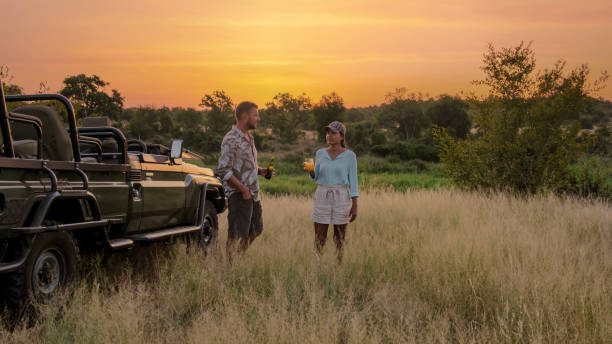
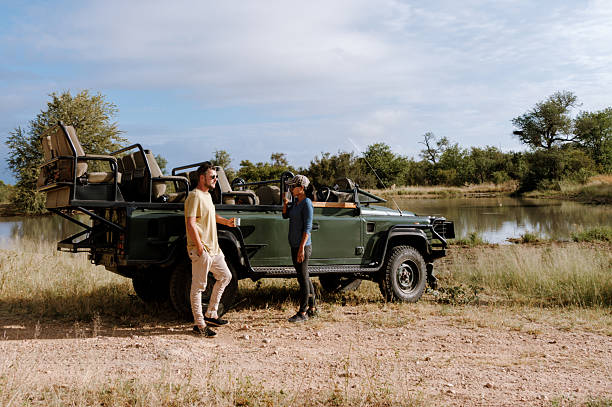
Your Ultimate Guide to Top 8 Lake, Forest, Nature Tours From Moshi
Moshi, Tanzania, is more than just the gateway to Mount Kilimanjaro. This vibrant town sits at the foothills of Africa’s highest peak, surrounded by a breathtaking landscape of lush forests, sparkling lakes, and diverse natural beauty. For travelers seeking experiences beyond the mountain climb, a wealth of day trips and multi-day excursions offer incredible opportunities to connect with nature. Discovering the top 8 lake, forest, nature tours from Moshi allows you to witness Tanzania’s rich biodiversity, unique ecosystems, and stunning scenery up close. This comprehensive guide will walk you through the best options, providing practical planning details, itinerary insights, and advice to make your 2026-2027 adventure truly memorable.
Table of Contents
- Quick Facts
- Overview of Nature’s Bounty Near Moshi
- Why Choose Moshi for Nature Excursions?
- Best Time to Visit for Lake, Forest, and Nature Tours
- The Top 8 Lake, Forest, Nature Tours From Moshi
- 1. Kilimanjaro National Park Day Hikes
- 2. Materuni Waterfalls and Coffee Tour
- 3. Lake Chala Day Trip
- 4. Shira Plateau and Shira Caves Exploration
- 5. Mkomazi National Park Safari (Day Trip Potential)
- 6. Lushoto and Usambara Mountains Trekking
- 7. Pare Mountains Day Hikes and Cultural Visits
- 8. Kikuletwa Hot Springs (Chemka) Relaxation
- Planning Your 2026-2027 Nature Adventure
- What to Expect on These Tours
- Typical Inclusions and Exclusions
- Packing and Preparation Essentials
- Common Mistakes to Avoid
- Who Are These Tours Best For?
- Alternatives to These Tours
- Booking Your Tours: Essential Tips
- Frequently Asked Questions (FAQs)
- Ready to Explore? Contact Us!
Quick Facts
Region: Kilimanjaro Region, Tanzania
Proximity to Moshi: Varies from a few kilometers to several hours drive.
Primary Focus: Nature, Forests, Lakes, Waterfalls, Wildlife, Culture, Relaxation.
Best For: Nature lovers, hikers, photographers, cultural enthusiasts, those seeking day trips or short extensions from Kilimanjaro treks.
Travel Season: Generally good year-round, with drier months (June-October, January-February) often preferred for clearer views and easier trekking.
Typical Duration: Day trips to 1-3 days.
Overview of Nature’s Bounty Near Moshi
Moshi’s location is a strategic advantage for exploring Tanzania’s northern circuit’s natural wonders. The town is nestled between the majestic Mount Kilimanjaro, the vast plains of Arusha National Park, and the fertile lands fed by mountain streams. This geographical positioning creates a diverse environment, supporting dense cloud forests on Kilimanjaro’s slopes, serene crater lakes, and unique geological formations. The region is a haven for birdlife, primates, and smaller mammals, offering a rich ecological experience. Beyond the wildlife, the cultural interactions with local communities, particularly those involved in coffee farming or living in the mountain villages, add another layer of depth to these excursions.
Why Choose Moshi for Nature Excursions?
Choosing Moshi as a base for nature-focused trips offers several distinct advantages:
- Proximity to Kilimanjaro: It’s the primary starting point for Kilimanjaro climbs, making it convenient to combine a trek with day tours.
- Diverse Landscapes: Within a few hours’ drive, you can experience cloud forests, waterfalls, volcanic lakes, and even savannah landscapes.
- Established Tourist Infrastructure: Moshi has a good range of accommodations, restaurants, and tour operators, making logistics easier.
- Cultural Hub: The area is rich in Chagga culture, offering opportunities for coffee tours and village visits.
- Gateway to Northern Tanzania: It serves as a launchpad for exploring other popular destinations like Arusha, Tarangire, and the Serengeti, though these are typically longer trips.
Best Time to Visit for Lake, Forest, and Nature Tours
While many of these tours can be enjoyed year-round, certain periods offer optimal conditions. The drier seasons, generally from June to October and January to February, are highly recommended. During these months:
- Clearer Skies: Visibility for Mount Kilimanjaro views is at its best, enhancing the scenic beauty of forest hikes.
- Easier Trekking: Trails are less muddy and slippery, especially on Kilimanjaro’s slopes and around waterfalls.
- Pleasant Temperatures: Daytime temperatures are comfortable for hiking and exploring.
The rainy seasons (March-May and November-December) can bring lush green landscapes and fewer crowds, but rain can sometimes disrupt travel plans or make certain trails challenging. The shoulder months often provide a good balance of weather and fewer tourists.
Geographical Overview: Nature’s Playground Around Moshi
Imagine a map centered on Moshi. To the north looms Mount Kilimanjaro, its slopes home to dense rainforests and the starting points for many nature hikes. To the east lies Lake Chala, a unique crater lake on the Kenyan border. To the southeast, the Usambara Mountains offer trekking opportunities. Closer to town, you’ll find waterfalls like Materuni and hot springs like Kikuletwa. Mkomazi National Park lies further east, offering a different, drier wildlife experience. The Pare Mountains are located between Moshi and the Usambaras.
Route Illustration:
- North: Mount Kilimanjaro National Park (Forest trails, viewpoints)
- East: Lake Chala (Crater lake), Mkomazi National Park (Safari)
- Southeast: Usambara Mountains (Trekking, forests)
- South/Southwest: Kikuletwa Hot Springs (Relaxation)
- West/Southwest: Pare Mountains (Hiking, culture)
The Top 8 Lake, Forest, Nature Tours From Moshi
Here is a detailed look at the most captivating lake, forest, and nature tours available from Moshi, perfect for planning your 2026-2027 travels.
1. Kilimanjaro National Park Day Hikes
While most people associate Kilimanjaro with multi-day treks, the lower slopes offer spectacular day hiking opportunities that immerse you in its unique montane forest ecosystem. These tours are perfect for those who want a taste of Kilimanjaro’s grandeur without the full climb.
Marangu Route Day Hike
The Marangu route, also known as the ‘Coca-Cola’ route, is one of the most popular and accessible. A day hike here can take you through vibrant cloud forests, past cascading streams, and offers chances to spot colobus monkeys and various bird species. The hike typically starts from the Marangu Gate and can extend to the Mandara Huts (around 2,700 meters) and back. The forest is dense, with moss-covered trees and a rich undergrowth, providing a truly enchanting atmosphere.
What to Expect: A moderate hike, often 4-6 hours round trip. You’ll experience the transition from cultivated land to dense forest. The air is fresh, and the sounds of the forest are all around.
Machame Route Viewpoints
The Machame route, known for its scenic beauty, also offers excellent day hike possibilities, particularly for reaching viewpoints. A day trip can take you to the start of the Machame trail, allowing you to hike for a few hours into the forest and perhaps reach the first campsite area or specific viewpoints overlooking the surrounding plains. This route is steeper and more challenging than Marangu but offers a more wilder forest experience.
What to Expect: A more strenuous hike compared to Marangu, with steeper ascents. The forest here is ancient and feels more remote. Views can be spectacular on clear days.
Tour Logic: These day hikes are designed to offer a glimpse into Kilimanjaro’s diverse ecosystems without the commitment of a full ascent. They are ideal for acclimatization if you plan a longer trek or simply want a refreshing nature experience.
2. Materuni Waterfalls and Coffee Tour
This is arguably one of the most popular and rewarding day trips from Moshi, combining natural beauty with cultural immersion. Materuni village is located on the slopes of Kilimanjaro, offering stunning views and a chance to visit the magnificent Materuni Waterfalls.
Sample Materuni Itinerary
Morning (approx. 9:00 AM): Depart from Moshi in a private vehicle.
Mid-morning: Arrive at Materuni village. Meet your local guide who will lead you on a short trek through coffee plantations and lush vegetation to the Materuni Waterfalls. The hike is relatively easy, about 30-45 minutes each way.
Late Morning: Reach the impressive waterfalls. You can swim in the cool, refreshing waters at the base of the falls (weather permitting). The scenery is breathtaking, with the falls cascading down a sheer rock face surrounded by greenery.
Lunchtime: Return to the village for a traditional Chagga lunch. This is often a highlight, featuring local dishes prepared with fresh ingredients.
Afternoon: Participate in a hands-on coffee tour. Learn about the entire process, from picking the beans to roasting and grinding them, and enjoy a cup of your own freshly brewed coffee. This is a fantastic opportunity to interact with the local community and understand their way of life.
Late Afternoon (approx. 3:00 PM – 4:00 PM): Depart from Materuni and return to Moshi.
What to Expect: A beautiful hike, a refreshing swim, delicious local food, and an engaging cultural experience. It’s a sensory delight, from the smell of coffee to the sound of the waterfall.
3. Lake Chala Day Trip
Located on the border of Kenya and Tanzania, Lake Chala is a unique caldera lake formed by volcanic activity. It’s known for its crystal-clear, deep blue waters and the dramatic cliffs surrounding it. This trip offers a serene escape and a chance to experience a different kind of natural beauty.
Activities at Lake Chala
A day trip to Lake Chala typically includes:
- Scenic Drive: The journey to Lake Chala itself is beautiful, passing through rural landscapes.
- Lake Exploration: Arrive at the lake and enjoy the stunning views from the rim.
- Hiking: Descend into the caldera for a closer look at the lake. The paths can be steep in places, so good footwear is essential.
- Swimming: The lake is safe for swimming in designated areas, offering a unique experience in its cool, clear waters.
- Canoeing: Some operators offer canoeing on the lake, providing a different perspective.
- Bird Watching: The area is rich in birdlife.
- Picnic Lunch: Enjoy a packed lunch with a view of the lake.
What to Expect: A tranquil environment, dramatic geological features, and a chance for swimming and relaxation. The lake’s depth and origins add to its mystique.
4. Shira Plateau and Shira Caves Exploration
The Shira Plateau is a high-altitude, volcanic plateau on the western side of Mount Kilimanjaro. Accessible via a challenging day hike or as part of a longer trek, it offers a unique high-altitude wilderness experience with stunning views and fascinating geological features, including the Shira Caves.
Shira Plateau Focus
A day trip to the Shira Plateau typically involves driving to a starting point (often near Machame or Shira route access) and hiking upwards. The landscape transitions from montane forest to moorland and then to the open, windswept Shira Plateau. The plateau itself is characterized by rolling hills, unique high-altitude vegetation, and dramatic rock formations. The Shira Caves are ancient lava tubes that have been used by local communities for centuries and are considered sacred sites. Access to the caves might be restricted or require special arrangements.
What to Expect: A challenging, high-altitude hike requiring good fitness. You’ll experience a starkly beautiful, treeless landscape with expansive views. The air is thin, and temperatures can be cold. This is for the more adventurous nature lover.
5. Mkomazi National Park Safari (Day Trip Potential)
While Mkomazi National Park is a bit further from Moshi, it can be organized as a long day trip or, more comfortably, as a 2-3 day safari. It offers a different experience from the northern parks, known for its semi-arid landscape, endangered species conservation programs, and a sense of wildness.
Mkomazi Highlights
- Conservation Focus: Mkomazi is famous for its black rhino and African wild dog sanctuaries.
- Diverse Wildlife: Besides rhinos and wild dogs, expect to see elephants, giraffes, zebras, various antelope species, and a rich birdlife.
- Scenery: The park features acacia woodlands, savannah plains, and the dramatic Usambara Mountains as a backdrop.
- Less Crowded: Mkomazi offers a more exclusive and less crowded safari experience compared to other popular parks.
What to Expect: A true safari experience with game drives. The drive from Moshi is long (3-4 hours each way), making an overnight stay highly recommended for a more relaxed experience. The landscape is drier than areas closer to Kilimanjaro.
6. Lushoto and Usambara Mountains Trekking
The Usambara Mountains, southeast of Moshi, are a biodiversity hotspot and a haven for hikers. Lushoto is the main town and base for exploring these beautiful, mist-covered mountains. While a day trip is possible, it’s best enjoyed as a 2-3 day excursion to truly appreciate the trekking and scenery.
Usambara Planning
Activities include:
- Trekking: Numerous trails lead through lush forests, past local villages, and to stunning viewpoints like Irente Viewpoint, World’s View, and Kwamongo Peak.
- Forest Exploration: Discover endemic plants and enjoy the cool, moist air of the montane forests.
- Cultural Visits: Interact with the local communities, learn about their farming practices, and visit traditional villages.
- Waterfalls: Explore smaller waterfalls hidden within the forests.
- Bird Watching: The Usambaras are a paradise for birdwatchers, with many endemic species.
What to Expect: Moderate to challenging hiking through beautiful, green landscapes. The weather can be misty and cool. You’ll experience a slower pace of life and authentic cultural interactions. The drive from Moshi is approximately 3-4 hours.
7. Pare Mountains Day Hikes and Cultural Visits
Located between Kilimanjaro and the Usambara Mountains, the Pare Mountains offer rugged landscapes and rich cultural heritage. They are less visited than the Usambaras, providing a more off-the-beaten-path experience.
Pare Mountains Focus
Day trips can be organized to explore parts of the Pare Mountains, often focusing on specific villages or scenic hiking trails. You can hike through agricultural terraces, visit traditional settlements, and enjoy panoramic views of the surrounding plains. The mountains are divided into North and South Pare, each offering unique trekking opportunities. Local guides are essential for navigating the trails and understanding the cultural significance of the area.
What to Expect: A more rugged and less developed trekking experience. Expect steep climbs and beautiful vistas. Cultural interactions are a significant part of the experience, offering insights into the lives of the Pare people.
8. Kikuletwa Hot Springs (Chemka) Relaxation
After days of trekking or safaris, Kikuletwa Hot Springs (often called Chemka) offer a perfect spot for relaxation and rejuvenation. Located in a rural area near Moshi, these natural hot springs are set amidst lush vegetation, creating a tropical oasis.
Kikuletwa Experience
- Natural Pools: The hot springs form clear, turquoise pools fed by underground springs.
- Swimming: The water is warm and inviting, perfect for a leisurely swim.
- Relaxation: Enjoy the tranquil surroundings, swing on the rope swings, and unwind.
- Picnic Lunch: Often included, allowing you to enjoy a meal in this idyllic setting.
- Local Interaction: You might encounter local children playing or villagers passing through, adding a touch of local life.
What to Expect: A beautiful, natural swimming spot with warm, clear water. The journey involves a drive on sometimes rough roads, but the destination is well worth it for a relaxing half-day or full-day excursion.
Planning Your 2026-2027 Nature Adventure
Organizing your lake, forest, and nature tours from Moshi for 2026-2027 requires thoughtful preparation. Here’s a step-by-step approach:
- Define Your Interests: Are you more drawn to hiking, wildlife, cultural experiences, or relaxation? This will help you prioritize the tours.
- Determine Your Timeframe: How many days can you allocate for day trips or multi-day excursions?
- Consider Your Fitness Level: Some tours, like Shira Plateau or Usambara treks, require good physical condition.
- Choose Your Season: Review the best time to visit based on your preferences for weather and scenery (see section above).
- Select Your Tours: Based on the above, pick your top 8 (or fewer) desired experiences.
- Find a Reputable Tour Operator: This is crucial for seamless logistics, safety, and authentic experiences. Look for operators with good reviews and local expertise.
- Book in Advance: Especially for 2026-2027 travel, booking key tours, accommodations, and transport ahead of time is advisable to secure your preferred dates and services.
- Prepare Your Gear: Pack appropriately for the activities and weather conditions.
What to Expect on These Tours
Travelers can anticipate a range of experiences depending on the chosen tour:
- Scenery: Expect lush green landscapes, dramatic mountain vistas, clear lake waters, and vibrant forests.
- Activities: Hiking, swimming, bird watching, wildlife spotting, cultural interactions, and relaxation are common.
- Transportation: Most day trips involve private 4×4 vehicles or minibuses. For longer excursions like Usambara, transport might be arranged differently.
- Guides: You will typically be accompanied by knowledgeable local guides who can share insights into the flora, fauna, and culture.
- Food: Meals can range from packed lunches to traditional local dishes, depending on the tour.
- Accommodation: For multi-day tours (e.g., Usambara, Mkomazi), accommodation will vary from lodges to guesthouses or basic camps.
Typical Inclusions and Exclusions
While packages vary, here’s a general guide:
| Inclusions | Exclusions |
|---|---|
| Park entrance fees (where applicable) | International flights |
| Private vehicle transport from Moshi | Visa fees |
| English-speaking guide/driver | Travel insurance |
| Activities as per itinerary (e.g., coffee tour, swimming) | Tips for guides and drivers |
| Lunch (often included on day trips) | Personal expenses (souvenirs, drinks) |
| Water during transfers and activities | Optional activities not listed in the itinerary |
| Overnight accommodation (for multi-day tours) | Meals not specified in the itinerary |
Packing and Preparation Essentials
Proper packing ensures comfort and safety. Consider these items:
- Clothing: Lightweight, breathable layers for hiking; a waterproof jacket; a warm fleece or sweater for higher altitudes or cooler evenings; comfortable hiking trousers; t-shirts.
- Footwear: Sturdy, broken-in hiking boots or trail shoes; comfortable shoes for relaxing.
- Sun Protection: Sunscreen (high SPF), a wide-brimmed hat, sunglasses.
- Hydration: Reusable water bottle or hydration pack.
- Health: Personal first-aid kit, insect repellent, any personal medications.
- Accessories: Camera, binoculars, small backpack for day use, power bank for electronics.
- Documents: Passport, visa (if required), travel insurance details, any booking confirmations.
- Money: Some local currency (Tanzanian Shilling) for tips or small purchases. USD is also widely accepted.
Preparation:
- Fitness: Engage in regular cardiovascular exercise and hiking in the weeks leading up to your trip.
- Research: Familiarize yourself with the specific tour you’ve chosen.
- Vaccinations: Consult your doctor about recommended vaccinations and malaria precautions.
Common Mistakes to Avoid
To ensure a smooth and enjoyable experience, be aware of these common pitfalls:
- Underestimating Travel Times: Roads can be rough, and distances can be deceiving. Always factor in ample travel time.
- Not Packing Appropriately: Forgetting essentials like sunscreen, insect repellent, or appropriate footwear can significantly impact your comfort.
- Overpacking for Day Trips: Stick to essentials for day excursions to avoid carrying unnecessary weight.
- Ignoring Local Customs: Be respectful of local traditions and dress modestly when visiting villages.
- Booking Last Minute: For popular tours or specific dates in 2026-2027, booking well in advance is recommended.
- Not Staying Hydrated: Especially at higher altitudes or during strenuous hikes, dehydration can be a serious issue.
- Expecting Luxury on All Tours: While Moshi has good facilities, some remote locations offer more basic amenities. Manage expectations.
Who Are These Tours Best For?
These top 8 lake, forest, nature tours from Moshi cater to a diverse range of travelers:
- Nature Enthusiasts: Anyone who appreciates natural beauty, biodiversity, and serene landscapes.
- Hikers and Trekkers: From casual walkers to experienced hikers looking for moderate challenges.
- Photographers: The stunning scenery and wildlife provide endless photographic opportunities.
- Cultural Explorers: Those interested in learning about local life, traditions, and agriculture.
- Adventure Seekers: Individuals looking for active day trips and unique experiences beyond typical safaris.
- Kilimanjaro Trekkers: Perfect for adding pre- or post-trek activities, acclimatization hikes, or simply experiencing the mountain’s lower slopes.
- Families: Many tours, like Materuni or Kikuletwa Hot Springs, are family-friendly.
Alternatives to These Tours
If the listed tours don’t perfectly match your interests, consider these alternatives:
- Arusha National Park: Closer to Arusha but accessible from Moshi, offering canoeing on Momella Lakes, hiking Mount Meru, and excellent wildlife viewing (giraffes, zebras, buffalos, monkeys).
- Lake Manyara National Park: Known for its tree-climbing lions and large elephant herds, typically part of a longer northern circuit safari but can be a very long day trip.
- Tarangire National Park: Famous for its large elephant herds and baobab trees, usually a multi-day safari component.
- Local Market Visits: Exploring Moshi’s vibrant local markets offers a different kind of cultural immersion.
- Community-Based Tourism Projects: Some initiatives offer authentic village stays and activities.
Booking Your Tours: Essential Tips for 2026-2027
Securing your chosen tours for 2026-2027 requires a strategic approach. Here’s how to book with confidence:
- Research Tour Operators: Look for established Tanzanian tour operators with strong online reviews and clear communication channels. Consider companies that specialize in nature tours and day trips from Moshi.
- Get Detailed Itineraries: Ensure the operator provides a clear day-by-day plan, including what activities are included, transportation, meals, and guide qualifications.
- Ask About Customization: Many operators can tailor tours to your specific interests, fitness levels, and time constraints. Don’t hesitate to ask if a tour can be modified.
- Understand Pricing: Get a clear breakdown of what the price includes and excludes. Be wary of prices that seem too good to be true. Authentic experiences often come at a fair market value.
- Confirm Inclusions: Double-check details like park fees, meals, water, and transportation.
- Payment Terms: Understand the deposit and final payment schedule. Most operators require a deposit to confirm bookings for 2026-2027.
- Read Reviews: Search for recent reviews from other travelers who have booked similar tours.
- Travel Insurance: Ensure you have comprehensive travel insurance that covers your chosen activities.
- Communication is Key: Use WhatsApp or email to communicate your needs and ask questions. A responsive operator is a good sign.
For reliable and well-organized top 8 lake, forest, nature tours from Moshi, consider reaching out to local experts.
Frequently Asked Questions (FAQs)
Q1: Are these tours suitable for solo travelers?
Yes, many of these tours are excellent for solo travelers. Local tour operators often group solo travelers together for day trips, making them more affordable and a great way to meet others. You can also book private tours.
Q2: What is the best way to book these tours for 2026 or 2027?
It is highly recommended to book your tours for 2026-2027 in advance, especially during peak seasons. Contacting a reputable local tour operator directly via email or WhatsApp is the most effective method.
Q3: Can these tours be combined with a Kilimanjaro climb?
Absolutely. Many travelers combine day hikes on Kilimanjaro’s lower slopes, Materuni waterfalls, or Kikuletwa Hot Springs with their Kilimanjaro treks. They serve as excellent pre- or post-climb activities.
Q4: What if the weather is bad?
For day trips, operators will typically try to proceed if it’s just light rain, as it’s common in the rainforest. However, for safety reasons (e.g., heavy rain making trails dangerous, poor visibility), tours might be postponed or altered. Discuss cancellation and rebooking policies with your operator beforehand.
Q5: How much should I tip my guide?
Tipping is customary for guides and drivers. A general guideline is around $10-$20 USD per day per person for a guide, and $5-$10 USD per day per person for a driver, but this can vary based on the length and quality of service. Your tour operator can provide specific recommendations.
Q6: Are there any safety concerns I should be aware of?
Tanzania is generally safe for tourists. For nature tours, standard precautions apply: stay on marked trails, listen to your guide, drink purified water, and use insect repellent. Reputable operators prioritize safety with experienced guides and well-maintained equipment.
Q7: What currency is used for tips and local purchases?
Tanzanian Shillings (TZS) are the local currency. However, US Dollars are widely accepted, especially for larger payments and tips. It’s useful to have smaller USD bills for tipping.
Q8: Is it possible to arrange private tours?
Yes, private tours are readily available for all these excursions. This offers more flexibility in terms of timing, pace, and customization. It’s often the preferred option for families or groups seeking a more personalized experience.
Q9: What kind of wildlife can I expect to see on Kilimanjaro day hikes?
On the lower slopes of Kilimanjaro, you are most likely to see various species of monkeys (like the black and white colobus monkey and blue monkey), antelopes, and a rich variety of birdlife. Larger mammals are rare on the hiking trails.
Q10: How long does it take to get to Lake Chala from Moshi?
The drive to Lake Chala from Moshi typically takes about 2.5 to 3 hours each way, depending on road conditions. It’s a full-day trip.
Ready to Experience the Natural Wonders Around Moshi?
Moshi is a gateway to incredible natural beauty, from the misty forests of Kilimanjaro to the serene waters of Lake Chala and the vibrant cultural heartlands. Don’t miss the chance to explore the top 8 lake, forest, nature tours from Moshi on your next Tanzanian adventure in 2026-2027.
Let us help you craft the perfect itinerary. Whether you’re seeking thrilling hikes, peaceful retreats, or immersive cultural encounters, we have the local expertise to make it happen.
Contact us today to start planning:
- WhatsApp: +255616946642
- Email: topguideadventures@gmail.com
- Backup Email: info@topguideadventures.com
We look forward to helping you discover the magic of Tanzania!
Plan your Top 8. Lake, Forest, Nature Tours From Moshi with Top Guide Adventures
Tell us your travel dates, group size, comfort level, and dream experience. We will help you shape a clear, realistic, and memorable Tanzania itinerary.







 Veedesigner
 Fatma Kizanga
 Benjamin Waryuba
 Philip Philip
 John jr Itaja
 Antonia Optatus
 Edith Kanyere
 Neema Iddy
 Kelvin Boniphace
 Damari Maiga



