
Updated planning guide for 2026, 2027-2028
Walking Safari From Moshi: Best Guide 2026-2027-2028
Discover the unparalleled adventure of a walking safari starting from Moshi, Tanzania. This comprehensive guide covers everything you need to know for an unforgettable experience in 2026-2027, from planning and preparation to the best routes and what to pack.
WhatsApp +255616946642 | topguideadventures@gmail.com | info@topguideadventures.com
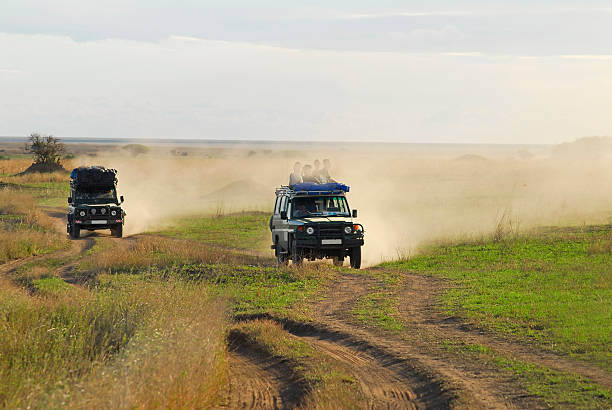
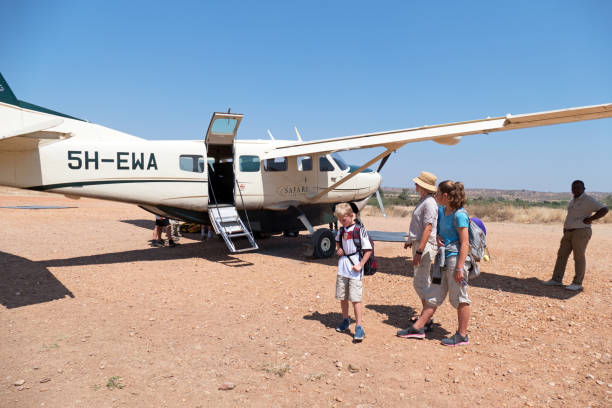
Walking Safari From Moshi: The Ultimate Tanzanian Adventure Awaits
Moshi, Tanzania, is more than just the gateway to Mount Kilimanjaro. It’s a vibrant hub from which incredible walking safaris begin, offering a deeply immersive way to experience East Africa’s natural beauty and wildlife. Unlike traditional vehicle-based safaris, a walking safari from Moshi allows you to connect with the landscape on foot, engaging all your senses and providing a unique perspective on the flora, fauna, and local culture. This guide is crafted to equip you with all the essential knowledge for planning and executing an unforgettable walking safari, whether you’re a seasoned adventurer or new to the concept.
We will cover everything from the best times to visit, what to expect on the ground, essential packing lists, safety considerations, and how to choose the right tour operator. By the end of this extensive guide, you’ll be well-prepared to book your dream walking safari from Moshi for 2026 or 2027.
Quick Answer: What is a Walking Safari from Moshi?
A walking safari from Moshi is an organized excursion, typically lasting from a few hours to several days, where participants explore the natural environment on foot, accompanied by experienced guides. These safaris focus on areas around Moshi, including foothills of Kilimanjaro, local villages, agricultural lands, and sometimes nearby game reserves or protected areas. The emphasis is on close-up observation of wildlife, understanding ecosystems, and experiencing the local culture in a more intimate way than a car-based safari allows. It’s an active and engaging way to see Tanzania.
Walking Safari From Moshi: Quick Facts
| Aspect | Details |
|---|---|
| Primary Location | Moshi, Tanzania, and surrounding Kilimanjaro foothills, villages, and nearby reserves. |
| Activity Type | On-foot exploration, wildlife viewing, cultural interaction, nature appreciation. |
| Duration | From half-day excursions to multi-day expeditions. |
| Key Focus | Intimate wildlife encounters, understanding ecosystems, local culture, scenic beauty. |
| Best For | Active travelers, nature lovers, photographers, those seeking authentic experiences. |
| Seasonality | Year-round, with distinct advantages during dry seasons for wildlife visibility. |
| Guides | Professional, armed rangers and local guides with extensive knowledge. |
| Accommodation | Camping, lodges, or homestays depending on the safari’s length and location. |
Understanding the Appeal of Walking Safaris from Moshi
The allure of a walking safari from Moshi lies in its raw, unfiltered connection to the African wilderness. It’s an experience that transcends the typical tourist trail, offering a profound sense of discovery. Here’s why it’s so special:
- Sensory Immersion: On foot, you hear the rustle of leaves, smell the earth after rain, feel the breeze, and see details often missed from a vehicle. The sounds of the bush become a symphony, and the scents of wild herbs and animals are vivid.
- Intimate Wildlife Encounters: While larger predators are often avoided on foot for safety, walking safaris excel at revealing smaller wonders – insects, birds, reptiles, and tracks of larger animals. With experienced guides, you can approach certain species more closely and respectfully than is possible from a vehicle.
- Ecological Education: Guides on walking safaris are often highly knowledgeable about the local flora and fauna. They can point out medicinal plants, explain animal behavior, identify tracks, and discuss the delicate balance of the ecosystem.
- Cultural Authenticity: Many walking safaris from Moshi incorporate visits to local Chagga villages, coffee plantations, and farms. This provides genuine opportunities to interact with local communities, learn about their way of life, and understand their relationship with the land.
- Physical Engagement: For those who enjoy being active, a walking safari offers a healthy way to explore. It’s a chance to stretch your legs, breathe fresh air, and feel a sense of accomplishment as you traverse the landscape.
- Peace and Solitude: Away from the dust and noise of safari vehicles, walking safaris offer moments of profound peace and quiet. You can pause, reflect, and truly absorb the vastness and beauty of your surroundings.
Where Can You Go on a Walking Safari from Moshi?
Moshi’s location provides access to a diverse range of environments suitable for walking safaris. The options often depend on the duration of your safari and your comfort level with wildlife encounters.
The Kilimanjaro Foothills and Slopes
The immediate surroundings of Moshi are characterized by fertile agricultural land, leading up to the majestic slopes of Mount Kilimanjaro. Walking here offers:
- Coffee Plantations and Farms: Explore lush coffee estates and learn about the cultivation process, from bean to cup. You’ll often see local farmers at work and can engage with them about their daily lives.
- Chagga Villages: Trek through traditional villages, observe daily routines, visit local markets, and perhaps even see traditional housing. This is a fantastic way to experience authentic Tanzanian rural life.
- Waterfalls and Forests: Hike to stunning waterfalls hidden within the Kilimanjaro foothills, often surrounded by lush montane forests teeming with birdlife and smaller creatures.
- Scenic Vistas: Enjoy breathtaking panoramic views of the plains below and, on clear days, glimpses of Mount Kilimanjaro itself.
Nearby Wildlife Areas
While Moshi isn’t directly adjacent to major big-game parks like the Serengeti, there are accessible areas that offer walking safari opportunities, often with a focus on different types of wildlife.
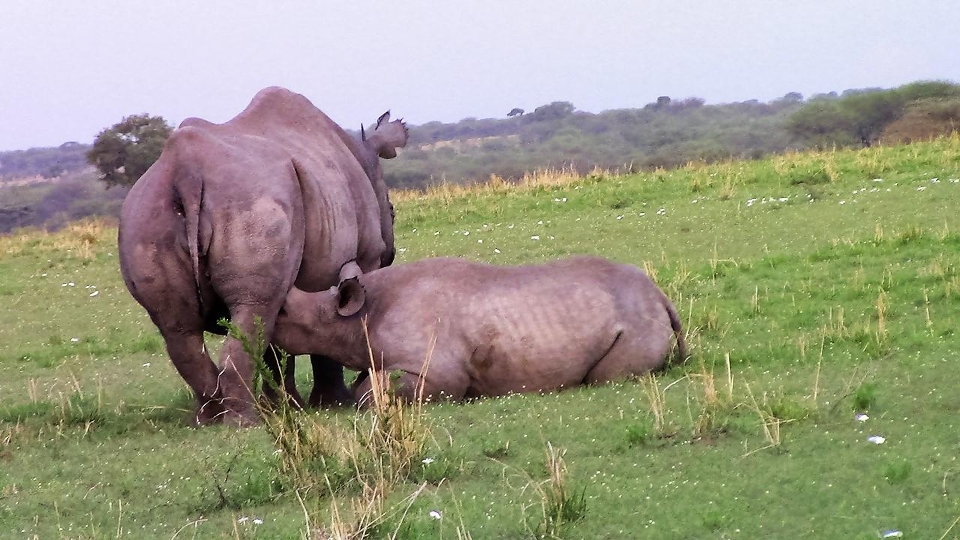
- Mkomazi National Park: Located to the northeast of Moshi, Mkomazi is a significant conservation area known for its rhino and wild dog sanctuaries. While walking safaris here are carefully managed and often require specific permits and armed rangers, they offer a chance to see unique species in a protected environment. It’s a more rugged and wild experience.
- Arusha National Park: Although a bit further afield, Arusha National Park (a day trip or short drive from Moshi) offers excellent walking safari opportunities. You can walk to the base of Mount Meru, explore the Momella Lakes, and potentially encounter buffalo, giraffes, zebras, and various antelope species. Walking near Mount Meru’s slopes is particularly rewarding.
- Local Game Controlled Areas: Some less-visited areas around the Kilimanjaro region might be designated as Game Controlled Areas, offering opportunities for guided walks with local rangers. These are often less structured but can provide a very authentic and off-the-beaten-path experience.
The choice of location will significantly influence the type of wildlife you might see and the overall intensity of the walking safari.
Walking Safari Route Areas Near Moshi (Text-Based Overview)
This is a simplified representation of common walking safari areas accessible from Moshi:
- Moshi Town & Immediate Surroundings: Start point. Focus on cultural villages, coffee farms, local markets.
- Kilimanjaro Foothills: Gentle to moderate inclines. Waterfalls, forests, scenic viewpoints, agricultural terraces.
- Lower Kilimanjaro Slopes: Higher altitudes, denser vegetation. More challenging terrain, potential for diverse birdlife.
- Arusha National Park (Day trip/short drive): Varied terrain. Momella Lakes, Ngurdoto Crater rim, Mount Meru slopes. Offers potential for larger mammals in a controlled environment.
- Mkomazi National Park (Further afield): Semi-arid scrubland. Rhino and wild dog sanctuaries, unique arid-adapted wildlife. Requires specific planning and permits.
When is the Best Time for a Walking Safari from Moshi?
Tanzania’s climate is generally favorable for tourism year-round, but certain periods offer distinct advantages for walking safaris from Moshi. Understanding the seasons will help you plan your trip for 2026 or 2027.
- Dry Seasons (June to October, and December to February): These are often considered the prime times for walking safaris.
- Pros: Less rain means clearer trails, more comfortable walking conditions, and better visibility of wildlife as they congregate around water sources. The vegetation is less dense, making it easier to spot animals.
- Cons: These are also peak tourist seasons, meaning more visitors and potentially higher prices for accommodation and services.
- Rainy Seasons (March to May, and November): While less popular, the rainy seasons have their own charm.
- Pros: Fewer tourists, lush green landscapes, vibrant birdlife, and often lower prices. The air is fresh and clean after the rains.
- Cons: Trails can be muddy and slippery, making walking more challenging. Some wildlife might disperse into denser vegetation, making them harder to spot. Heavy downpours can interrupt activities.
Specific Considerations for 2026-2027:
- June-October 2026 & 2027: Ideal for clear skies and comfortable temperatures, perfect for extensive walking.
- December-February 2026 & 2027: Good for walking, though can be warmer. Also a popular time.
- March-May 2026 & 2027: Expect rain, especially in April and May. The landscape will be beautiful and green.
- November 2026 & 2027: Short rains, usually less intense than the long rains.
Ultimately, a walking safari can be enjoyed at any time of year. Your tour operator can advise on current conditions and the best specific locations to focus on during your chosen travel dates.
Sample Walking Safari Itinerary from Moshi
This sample itinerary is for a 3-day walking safari focusing on the Kilimanjaro foothills and local culture, suitable for active travelers. It can be customized based on your preferences and fitness level.
3-Day Kilimanjaro Foothills Walking Safari
| Day | Morning Activity | Afternoon Activity | Evening | Accommodation |
|---|---|---|---|---|
| Day 1: Arrival in Moshi & Cultural Immersion | Arrive in Moshi, meet your guide. Briefing on the upcoming safari. Transfer to a local village near Moshi. | Guided walk through coffee plantations and local farms. Learn about Chagga agriculture and community life. Visit a local school or community project (if arranged). | Enjoy a traditional Tanzanian dinner prepared by your hosts or at a local lodge. Stargazing. | Local Guesthouse or Lodge near Moshi. |
| Day 2: Waterfalls and Forest Trek | After breakfast, drive to a trailhead in the Kilimanjaro foothills. Begin a moderate hike through montane forest. | Reach a beautiful waterfall for a picnic lunch. Explore the surrounding forest, focusing on birdlife and unique flora. Learn about medicinal plants from your guide. | Descend back to the starting point. Transfer to your accommodation. Relax and share experiences. | Lodge or Tented Camp in the Kilimanjaro foothills. |
| Day 3: Scenic Views & Departure | Early morning walk to a viewpoint offering panoramic vistas of the plains and potentially Kilimanjaro (weather permitting). | Guided walk through more varied terrain, perhaps encountering different types of vegetation and smaller wildlife. Enjoy a final bush breakfast or lunch. | Return to Moshi. Transfer to your next destination or the airport. | N/A (Departure) |
Note: This itinerary can be extended to include multi-day camping treks in designated areas, or combined with visits to Arusha National Park for more diverse wildlife viewing on foot.
What to Expect on a Walking Safari
A walking safari is an active experience that requires a certain level of fitness and preparedness. Here’s what you can generally expect:
- Guides: You will always be accompanied by at least one, often two, experienced guides. One is typically an armed ranger for safety, especially in areas with larger wildlife. The other is a local guide with in-depth knowledge of the area, culture, and ecology.
- Pace: The pace is generally moderate, allowing for observation and appreciation. It’s not a race; it’s about immersion. You’ll stop frequently to look at tracks, identify plants, or observe wildlife.
- Terrain: The terrain can vary from gentle, well-trodden paths in agricultural areas to steeper, more rugged trails in the foothills. Be prepared for uneven ground, inclines, and potentially slippery sections, especially after rain.
- Wildlife: While you won’t typically track big cats on foot for safety reasons, expect to see a variety of antelope, zebras (in certain areas), buffalo (at a safe distance), numerous bird species, reptiles, and abundant insect life. The focus is also on understanding animal behavior through their tracks and signs.
- Accommodation: Depending on the length and location, accommodation can range from comfortable lodges and guesthouses in villages to fully equipped tented camps in the bush, or even basic camping.
- Meals: Meals are usually prepared by your guides or camp staff. Expect wholesome, hearty meals, often featuring local ingredients. For longer treks, packed lunches are common.
- Safety: Safety is paramount. Guides are trained to handle wildlife encounters and emergencies. You will receive thorough safety briefings before and during your safari. Always follow your guide’s instructions.
Essential Packing List for Your Walking Safari
Packing smart is crucial for comfort and safety on a walking safari. Layering is key, and neutral colors are best for blending in.
Clothing:
- Lightweight, breathable trousers: 2-3 pairs (quick-dry material is ideal). Avoid jeans.
- Long-sleeved shirts: 2-3 (for sun protection and insect repellent).
- T-shirts/base layers: 3-4 (moisture-wicking).
- Fleece jacket or warm layer: For cooler mornings and evenings, especially at higher altitudes.
- Waterproof and windproof jacket: Essential for unpredictable weather.
- Comfortable walking shorts: 1-2 pairs (for warmer days, if preferred).
- Socks: Several pairs of good quality hiking socks (wool or synthetic blend).
- Underwear.
Footwear:
- Broken-in hiking boots: Waterproof and with good ankle support. This is your most important item.
- Comfortable camp shoes/sandals: For relaxing in the evenings.
Headwear & Accessories:
- Wide-brimmed hat: For sun protection.
- Sunglasses.
- Bandana or buff: Versatile for sun, dust, or warmth.
Gear:
- Backpack: A comfortable daypack (20-30 liters) for carrying water, snacks, camera, and extra layers during walks.
- Water bottles or hydration reservoir: At least 2 liters capacity.
- Headlamp or flashlight: With extra batteries.
- Camera: With extra batteries and memory cards.
- Binoculars: Highly recommended for wildlife viewing.
- Personal first-aid kit: Include blister treatment, pain relievers, antiseptic wipes, any personal medications.
- Sunscreen: High SPF.
- Insect repellent: Containing DEET or Picaridin.
- Hand sanitizer.
- Small, quick-dry towel.
- Personal toiletries.
- Power bank or universal adapter: For charging electronics.
- Zip-lock bags: Useful for protecting electronics and organizing.
Documents & Money:
- Passport: With necessary visas.
- Flight details.
- Travel insurance details.
- Cash: For tips, souvenirs, and small purchases (USD is widely accepted).
- Credit/debit cards: For larger expenses.
What NOT to bring: Brightly colored clothing, heavy perfumes, unnecessary valuables.
Safety on Walking Safaris from Moshi
Safety is the top priority for any reputable tour operator offering walking safaris. While the risks are managed, it’s important to be aware and prepared.
- Professional Guides: You will always be accompanied by experienced, trained guides, often including armed rangers. They are experts in wildlife behavior and know how to de-escalate potentially dangerous situations.
- Wildlife Awareness: Guides will brief you on how to behave around different animals. This includes maintaining a safe distance, not approaching wildlife, not making sudden movements, and understanding their behavior.
- Predator Encounters: Walking safaris typically avoid areas known for high concentrations of dangerous predators like lions or elephants, or these walks are conducted with highly experienced, armed rangers. The focus is often on smaller game, birds, and the environment itself.
- Health Precautions: Ensure you have necessary vaccinations and malaria precautions as recommended by your doctor. Carry a personal first-aid kit and stay hydrated.
- Terrain Risks: Be mindful of your footing on uneven or slippery terrain. Wear appropriate footwear and pay attention to your guide’s advice.
- Communication: Guides will have communication devices (satellite phones or radios) for emergencies, especially in remote areas.
- Following Instructions: The most critical safety measure is to always listen to and follow your guide’s instructions precisely. Do not wander off, do not feed animals, and do not provoke any wildlife.
Reputable operators prioritize safety protocols and staff training, ensuring your adventure is as secure as it is exhilarating.
Who is a Walking Safari from Moshi Best Suited For?
Walking safaris offer a unique experience that appeals to a specific type of traveler. If you identify with any of these descriptions, a walking safari from Moshi might be perfect for you:
- The Active Adventurer: If you enjoy hiking, exploring on foot, and are looking for a more physical way to experience nature, this is ideal.
- The Nature Enthusiast: For those who love detailed observation of flora, fauna, birdlife, and insect life, a walking safari provides unparalleled opportunities.
- The Curious Cultural Explorer: If you want to connect with local communities, understand their way of life, and see rural Tanzania up close, the cultural aspects of walking safaris are very rewarding.
- The Photographer Seeking Detail: While vehicle safaris are great for big action shots, walking safaris allow for macro photography, detailed shots of plants, insects, and intimate portraits of smaller wildlife and landscapes.
- The Traveler Seeking Authenticity: If you want to move beyond the typical tourist path and experience Tanzania in a more genuine, less structured way, walking safaris offer this.
- The Mindful Traveler: For those who appreciate quiet moments, sensory experiences, and a slower, more deliberate pace of exploration.
It may not be the best choice if:
- You have significant mobility issues.
- Your primary goal is to see the ‘Big Five’ in a single trip (walking safaris focus on different aspects).
- You prefer comfort and luxury with minimal physical exertion.
- You are uncomfortable with the idea of being in nature without the immediate protection of a vehicle.
Common Mistakes to Avoid When Planning
To ensure your walking safari from Moshi is a success, be aware of these common pitfalls:
- Inadequate Fitness Preparation: Underestimating the physical demands can lead to discomfort. Start a walking or hiking routine several months in advance.
- Packing the Wrong Gear: Bringing inappropriate clothing (e.g., jeans, bright colors) or footwear can ruin the experience. Follow packing advice diligently.
- Choosing the Wrong Operator: Opting for cheap, unqualified operators can compromise safety, guide quality, and the overall experience. Always choose reputable companies with experienced guides.
- Not Discussing Expectations: Failing to communicate your interests (e.g., specific wildlife, cultural focus, desired difficulty) to your tour operator means the itinerary might not align with your desires.
- Underestimating Weather: Assuming it will always be sunny and dry can lead to being unprepared for rain or cooler temperatures at higher altitudes.
- Ignoring Health Advice: Skipping recommended vaccinations or malaria precautions is a significant health risk. Consult your doctor well in advance.
- Overpacking: While you need essentials, overpacking can make your daypack heavy and uncomfortable. Pack light and smart.
- Not Budgeting for Extras: Remember to account for tips for guides and staff, souvenirs, and personal expenses.
Alternatives to a Walking Safari from Moshi
If a walking safari isn’t quite what you’re looking for, or if you want to combine it with other experiences, consider these alternatives and complementary activities available from Moshi:
- Vehicle-Based Safaris: The classic safari experience. Explore nearby national parks like Tarangire, Lake Manyara, or the Serengeti via 4×4 vehicle for optimal viewing of large mammals. This can be easily combined with a walking safari for a varied trip.
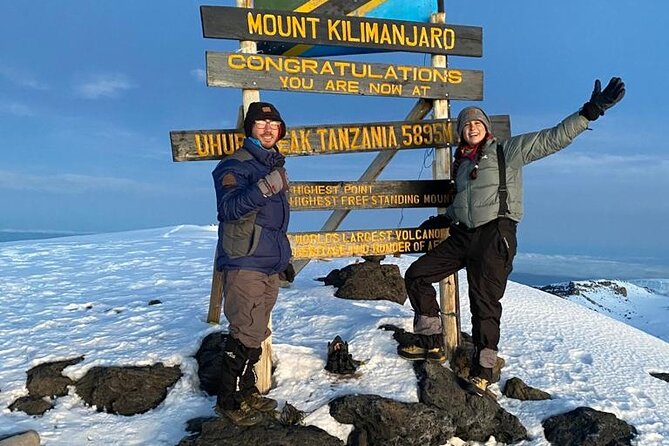
- Kilimanjaro Trekking: The most famous activity from Moshi. If you’re up for a significant physical challenge, climbing Kilimanjaro is an unforgettable adventure.
- Day Trips to Arusha National Park: Offers game drives and guided walks around the Momella Lakes and Ngurdoto Crater. A great option for a shorter wildlife experience.
- Cultural Tours: Focus specifically on visiting Maasai villages, Hadzabe hunter-gatherer communities (though these are further afield), or more in-depth exploration of Chagga culture and history.
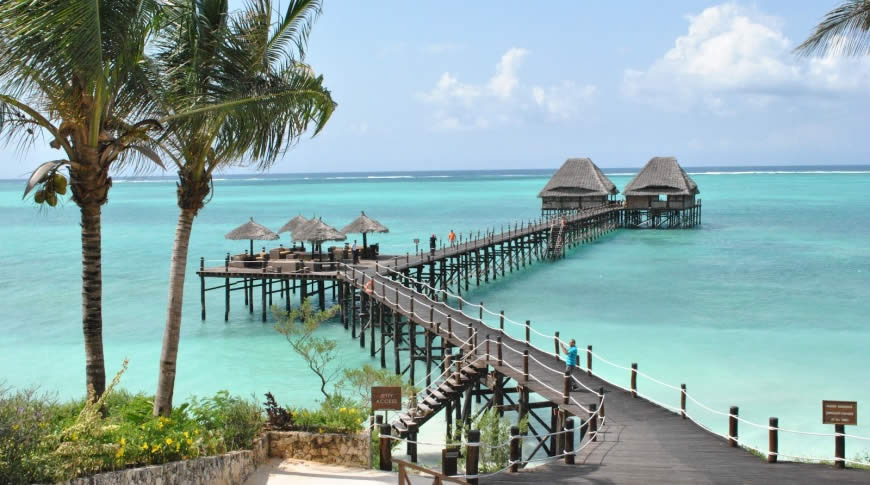
- Zanzibar Holidays: After your mainland adventure, fly to the spice island of Zanzibar for pristine beaches, historical Stone Town, and water activities. This is a very popular combination.
- Mount Meru Trekking: A challenging but rewarding climb, Mount Meru offers incredible views and diverse wildlife, often less crowded than Kilimanjaro.
Many travelers combine a walking safari with a Kilimanjaro trek or a Northern Circuit safari for a comprehensive Tanzanian experience.
Planning Your Walking Safari for 2026-2027
Planning ahead is key, especially for trips in popular years like 2026 and 2027. Here’s a step-by-step approach:
Walking Safari Planning Timeline (2026-2027)
| Timing | Action Items |
|---|---|
| 12+ Months Before | Research destinations and tour operators. Define your budget and travel style. Consider the best time of year for your 2026 or 2027 trip. |
| 9-12 Months Before | Shortlist 2-3 reputable tour operators. Request custom itineraries and quotes. Book flights if prices are favorable. |
| 6-9 Months Before | Finalize your itinerary with your chosen operator. Confirm booking details and pay deposit. Book accommodation for arrival/departure days in Moshi. |
| 3-6 Months Before | Consult your doctor regarding vaccinations and malaria prophylaxis. Start a fitness training program. Purchase essential gear (hiking boots, clothing). |
| 1-3 Months Before | Finalize visa requirements. Arrange travel insurance. Confirm all booking details and payment schedules. Pack non-essential items. |
| 2-4 Weeks Before | Do a final gear check and break in new boots. Confirm flight details. Inform your bank of your travel dates. Pack your bags. |
| 1 Week Before | Double-check all documents (passport, visas, insurance). Exchange some currency. Prepare a small amount of cash for tips. Reconfirm airport transfers. |
| During Trip | Stay hydrated, follow guide instructions, enjoy the experience! Keep track of expenses. |
| Post-Trip | Share feedback with your tour operator. Write reviews. Start planning your next adventure! |
Booking Your Walking Safari: Expert Advice
Choosing the right tour operator is critical for a safe, enjoyable, and authentic walking safari from Moshi. Here’s how to approach booking:
- Research Reputation: Look for companies with strong online reviews, clear contact information, and established local presence. Prioritize operators who specialize in walking safaris or have significant experience in the Kilimanjaro region.
- Check Credentials: Ensure the operator uses certified guides and rangers who are trained in first aid and wildlife management. Ask about their safety protocols.
- Request Customization: A good operator will work with you to tailor an itinerary to your fitness level, interests, and budget. Don’t be afraid to ask questions and express preferences.
- Understand Inclusions/Exclusions: Carefully review what is included in the price (guides, park fees, accommodation, meals, transfers, equipment) and what is not (tips, personal insurance, drinks, souvenirs).
Sample Inclusions & Exclusions
| Included | Typically Excluded |
|---|---|
| Professional, licensed guides (including armed rangers where applicable) | International flights |
| All park and conservation fees | Visa fees |
| Accommodation (lodges, camps, or tents as per itinerary) | Travel insurance |
| Meals as specified in the itinerary (e.g., breakfast, lunch, dinner) | Tips for guides, rangers, drivers, and lodge staff |
| Purified drinking water during walks | Alcoholic and soft drinks |
| Camping equipment (tents, sleeping mats, cooking gear) if applicable | Personal items (sleeping bag if required, toiletries, medication) |
| Transfers to/from trailheads and between locations | Souvenirs and personal shopping |
- Ask About Safety Gear: Does the operator provide essential safety equipment like first-aid kits, communication devices, and appropriate weapons for rangers?
- Payment Terms: Understand the deposit required, payment schedule, and cancellation policy. Ensure they use secure payment methods.
- Communication: Choose an operator with good communication channels. Prompt and clear responses to your inquiries are a good sign.
Contact us at Best Tanzania Tour Operator to discuss your personalized walking safari from Moshi. We are committed to providing safe, authentic, and memorable experiences.
Reach us via:
- WhatsApp: +255616946642
- Email: topguideadventures@gmail.com
- Backup Email: info@topguideadventures.com
Frequently Asked Questions (FAQs)
Q1: Do I need to be very fit for a walking safari from Moshi?
A: While a good level of fitness is beneficial, you don’t need to be an elite athlete. Most walking safaris focus on moderate-paced walks over varied terrain. However, if you plan on more strenuous treks or higher altitudes, specific preparation is recommended. Always communicate your fitness level to your tour operator.
Q2: What kind of wildlife can I expect to see on a walking safari?
A: You’ll likely see a variety of smaller mammals, numerous bird species, reptiles, and insects. In certain areas, you might encounter antelope, zebras, and buffalo at a safe distance. The focus is often on tracks, signs, and the smaller details of the ecosystem, rather than just large predators.
Q3: Are walking safaris dangerous?
A: Reputable walking safaris are conducted with highly trained and experienced guides, often including armed rangers. Safety protocols are strictly followed to manage risks associated with wildlife and terrain. The key is to always listen to and follow your guide’s instructions.
Q4: What is the best time of year for a walking safari from Moshi in 2026-2027?
A: The dry seasons (June-October and December-February) generally offer the most comfortable walking conditions with less rain and better wildlife visibility. However, walking safaris can be enjoyed year-round, with the green season offering lush landscapes and fewer crowds.
Q5: What should I do if I encounter wildlife on foot?
A: Stay calm, do not approach the animal, do not make sudden movements or loud noises, and never get between an animal and its escape route. Most importantly, follow your guide’s instructions immediately. They are trained to handle these situations.
Q6: Can children go on walking safaris?
A: It depends on the operator and the specific safari. Generally, children under 12 or 16 may not be permitted on walking safaris due to safety concerns. Always check the age restrictions with your tour operator.
Q7: What kind of footwear is essential for a walking safari?
A: Sturdy, broken-in hiking boots with good ankle support are essential. Waterproofing is highly recommended. You should also pack comfortable camp shoes or sandals for evenings.
Q8: How much should I tip my guides and staff?
A: Tipping is customary and appreciated. Your tour operator can provide a guideline based on the length of your safari and the number of staff. Typically, tips are pooled for the guide, rangers, and camp staff.
Q9: Do I need special equipment for camping on a walking safari?
A: Most reputable operators provide tents, sleeping mats, and cooking equipment. You will usually need to bring your own sleeping bag, though some operators can arrange rentals. Check with your operator.
Q10: What is the difference between a walking safari and a game drive?
A: A game drive uses a 4×4 vehicle for faster travel and viewing larger animals from a safe distance. A walking safari is on foot, offering a more intimate, sensory experience with nature, focusing on smaller details, flora, fauna, and cultural interactions, typically in areas considered safer for walking.
Ready for Your Walking Safari from Moshi?
A walking safari from Moshi offers an unparalleled opportunity to connect with the natural world and the local culture of Tanzania on a profound level. It’s an active, engaging, and deeply rewarding experience that will leave you with lasting memories. Whether you’re planning for 2026, 2027, or beyond, this guide has provided the essential information to help you prepare.
At Best Tanzania Tour Operator, we specialize in creating tailor-made walking safaris that suit your interests, fitness, and budget. Our experienced guides and commitment to safety ensure an unforgettable adventure.
Contact us today to start planning your unique walking safari from Moshi:
- WhatsApp: +255616946642
- Email: topguideadventures@gmail.com
- Backup Email: info@topguideadventures.com
Let us help you craft the perfect Tanzanian walking safari experience for 2026-2027!
Plan your Walking Safari From Moshi with Top Guide Adventures
Tell us your travel dates, group size, comfort level, and dream experience. We will help you shape a clear, realistic, and memorable Tanzania itinerary.

 Veedesigner
 Fatma Kizanga
 Benjamin Waryuba
 Philip Philip
 John jr Itaja
 Antonia Optatus
 Edith Kanyere
 Neema Iddy
 Kelvin Boniphace
 Damari Maiga



