
Updated planning guide for 2026, 2027-2028
Moshi Local Train Station Tour: Complete Guide 2026-2027-2028
Discover the heart of Moshi through its local train station. This comprehensive guide details what to expect, how to plan, and why a visit to Moshi's train station offers a unique glimpse into Tanzanian daily life. Perfect for independent travelers and those seeking authentic experiences.
WhatsApp +255616946642 | topguideadventures@gmail.com | info@topguideadventures.com
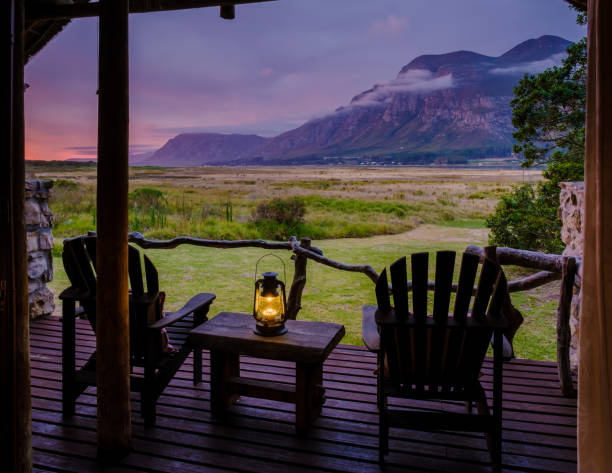
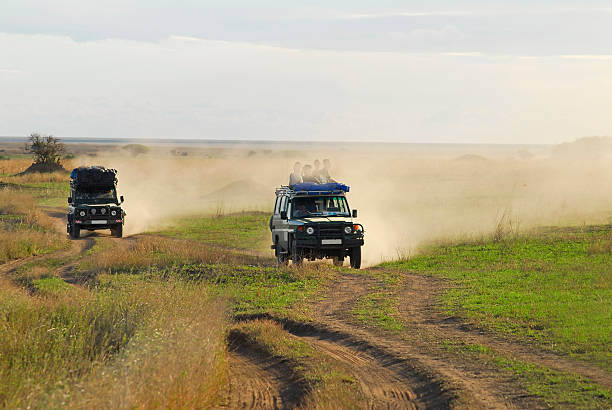
Moshi Local Train Station Tour: Your Complete Guide
While many visitors flock to Moshi for its proximity to Mount Kilimanjaro or the vibrant coffee plantations, a truly authentic experience awaits at the heart of the town’s daily rhythm: the Moshi Local Train Station. This isn’t a typical tourist attraction, but for those seeking to understand the pulse of local life in Tanzania, a visit here offers unparalleled insight. This guide provides everything you need to know for planning a memorable Moshi Local Train Station Tour, whether you’re an independent explorer or arranging a custom itinerary for 2026 or 2027.
Quick Answer: A Moshi Local Train Station Tour is an opportunity to observe and interact with local commuters, vendors, and the general hubbub of daily life centered around Tanzania Railways Corporation (TRC) services. It offers a raw, unfiltered view of Tanzanian transportation and social dynamics, distinct from guided safaris or Kilimanjaro treks.
Table of Contents
- Moshi Local Train Station Quick Facts
- Understanding the Moshi Local Train Station Experience
- Why Your Moshi Itinerary Needs This Stop
- Best Time to Visit the Station
- Moshi Train Station Location & Area Overview
- Sample Moshi Local Train Station Tour Itinerary
- What to Expect on Your Visit
- Preparation and Packing Essentials
- Common Mistakes to Avoid
- Who is a Moshi Local Train Station Tour Best For?
- Alternatives to a Train Station Visit
- Planning Your 2026-2027 Visit
- Booking Your Moshi Local Train Station Tour
- Frequently Asked Questions
Moshi Local Train Station Quick Facts
| Aspect | Details |
|---|---|
| Location | Moshi Town, Kilimanjaro Region, Tanzania |
| Primary Function | Passenger and freight transport hub for TRC |
| Key Activities | Observing daily commutes, local commerce, train arrivals/departures |
| Traveler Type | Independent travelers, cultural enthusiasts, photographers |
| Best for Understanding | Local transportation, daily life, Tanzanian commerce |
| Accessibility | Easily accessible within Moshi town |
| Language | Swahili (primary), English (limited in local interactions) |
Understanding the Moshi Local Train Station Experience
The Moshi Local Train Station is more than just a point of transit; it’s a microcosm of Tanzanian life. Unlike the polished terminals found in major global cities, this station embodies a more organic, bustling atmosphere. It serves as a crucial link for people traveling between Moshi and other towns along the central railway line, including Dar es Salaam to the south and Arusha (via a connection) to the north. The station buzzes with activity from early morning until late evening. You’ll see vendors selling an array of goods – from fresh produce and snacks to clothing and household items – catering to both travelers and the local community who depend on the station’s surroundings for their livelihood. It’s a place where goods are loaded and unloaded, where families bid farewell or welcome loved ones, and where the pace of life is dictated by the arrival and departure of trains.
For the discerning traveler, this environment offers a unique photographic opportunity and a chance to witness interactions that are rarely seen by tourists focused solely on safaris or mountain climbs. The sounds of Swahili chatter, the aroma of street food, and the visual spectacle of diverse people going about their day create a sensory-rich experience. Understanding the station’s role requires appreciating that for many Tanzanians, train travel is an essential, affordable mode of transport, connecting them to opportunities, family, and markets across the country.
Why Your Moshi Itinerary Needs This Stop
Integrating a visit to the Moshi Local Train Station into your Tanzanian adventure provides several compelling benefits:
- Authentic Cultural Immersion: This is where you see everyday Tanzanians in their natural environment. It’s a stark contrast to curated cultural villages or staged performances. You’ll witness genuine interactions, trade, and community life.
- Understanding Local Transportation: For travelers interested in how ordinary Tanzanians move around, the station is a living museum. Observing the ticketing process, the types of carriages, and the way people board and alight offers practical insights into the country’s infrastructure.
- Photographic Opportunities: The station is a hub of activity, color, and character. Photographers will find endless subjects, from candid portraits of commuters and vendors to the architectural details of the station and the trains themselves.
- Economic Insight: Many small businesses and vendors operate around the station, relying on its traffic. Observing this informal economy provides a glimpse into local entrepreneurship and the daily struggles and successes of many Tanzanians.
- A Break from Tourist Trails: While Kilimanjaro and the Serengeti are world-renowned, exploring places like the Moshi train station offers a different kind of travel reward – the satisfaction of discovering a less-trodden path and gaining a broader perspective of the country.
- Connection to History: The Tanzania Railways Corporation has a long history, and stations like Moshi are part of that narrative, having played a role in the country’s development and trade over decades.
For travelers planning their trips for 2026 and 2027, incorporating such experiences can make a standard holiday feel more profound and memorable. It adds a layer of depth that goes beyond the surface-level attractions.
Best Time to Visit the Station
The Moshi Local Train Station is active throughout the year, but certain times offer a more vibrant or manageable experience:
- Early Morning (6:00 AM – 9:00 AM): This is when the station is most alive with commuters heading to work or starting their day’s business. It’s a peak time for activity, with many local vendors setting up their stalls.
- Late Afternoon (4:00 PM – 6:00 PM): Another busy period as people return from work or travel from nearby areas. The light is also often good for photography during this time.
- During Train Departures/Arrivals: The atmosphere intensifies significantly when a passenger train is scheduled to arrive or depart. Check local schedules if possible, as this is when the station’s energy is at its highest.
Times to potentially avoid for a less chaotic experience:
- Midday (11:00 AM – 2:00 PM): Can be quieter, especially on days without major train movements.
- Rainy Season (typically March-May): While still active, heavy rains can make the station muddy and less pleasant for leisurely exploration. However, it can also offer unique photographic opportunities with dramatic skies.
For planning purposes in 2026 and 2027, consider the general dry seasons (June-October and December-February) for more comfortable weather, though the station’s vibrancy is less dependent on the season than on daily commuter patterns.
Moshi Train Station Location & Area Overview
Moshi’s train station is conveniently located within the town itself, making it easily accessible. It’s not a sprawling complex but rather a functional hub. The station building typically houses ticketing offices and waiting areas, while the platforms are where the real action unfolds. Surrounding the station, you’ll find a lively ecosystem of small shops, food stalls, and transport hubs for local dala-dalas (minibuses) and taxis. This area is a focal point for local commerce and social interaction.
Area Illustration:
[ Moshi Town Center ]
|
| — [ Main Road ] — [ Local Market ] — [ Moshi Local Train Station ] — [ Dala-dala Stands ]
|
Key Landmarks Nearby:
- Moshi Central Market
- Various local eateries and shops
- Dala-dala terminals for local transport
- Banks and ATMs
The station’s central location means you can easily combine a visit with exploring other parts of Moshi town. It’s a short walk or a quick taxi ride from most accommodations within the town.
Sample Moshi Local Train Station Tour Itinerary
This sample itinerary assumes you are staying in Moshi town and have a few hours to dedicate to this unique experience. It can be adapted for 2026 or 2027 trips.
Day Trip: Moshi Cultural Exploration (Half-Day)
Morning (Approx. 8:00 AM – 12:00 PM)
- 8:00 AM: Breakfast & Departure: Enjoy breakfast at your hotel or a local cafe. Make your way to the Moshi Local Train Station. You can walk if you are close, or take a short dala-dala or taxi ride.
- 8:30 AM – 9:30 AM: Arrival & Initial Observation: Arrive at the station. Spend the first hour simply observing. Watch the flow of people, the vendors, and the general atmosphere. Notice the architecture, the sounds, and the smells. If there’s an approaching or departing train, focus your attention there.
- 9:30 AM – 10:30 AM: Engage with Vendors: Approach some of the local vendors. If you are comfortable, try to purchase a local snack or drink. This is a great opportunity for polite interaction. A few basic Swahili phrases can go a long way.
- 10:30 AM – 11:30 AM: Explore the Surroundings: Walk a bit around the station area. Observe the dala-dala stands, the small shops selling essentials, and how goods are transported to and from the station. If you are interested in photography, this is a prime time. Remember to ask permission before taking close-up photos of individuals.
- 11:30 AM – 12:00 PM: Reflect & Depart: Find a quiet spot to sit for a few minutes, reflect on your observations, and absorb the final moments. Then, head back to your accommodation or continue your exploration of Moshi town.
Optional Add-on: If a train is scheduled to arrive or depart during your visit, extend your time to witness the heightened activity. You could also arrange for a local guide to accompany you for deeper insights into the social and economic dynamics.
What to Expect on Your Visit
Visiting the Moshi Local Train Station is an experience that prioritizes authenticity over comfort or predictability. Here’s what you can realistically expect:
- Bustling Activity: Expect crowds, especially during peak commuter hours. People will be moving, talking, and conducting business. It’s a lively, sometimes noisy, environment.
- Sensory Richness: The air will carry various smells – from street food cooking to exhaust fumes and perhaps the faint scent of diesel. The sounds will be a constant hum of Swahili conversation, vendors calling out, and the occasional train horn.
- Informal Commerce: Vendors are everywhere, selling everything from mandazi (doughnuts) and chapati to fruits, vegetables, water, and small crafts. They are part of the station’s ecosystem.
- Basic Facilities: Facilities are functional rather than luxurious. Toilets, if available, will be basic. Seating might be limited to benches or simply standing.
- Varied Train Services: You might see passenger trains, cargo trains, or maintenance vehicles. The trains themselves can range from modern carriages to older, more basic ones.
- Direct Interaction: People are generally approachable, but interactions are typically transactional or based on necessity. Direct engagement requires a friendly demeanor and often a shared purpose (like buying something).
- No Guided Tours (Typically): Unless you arrange one specifically, there isn’t a formal tour structure. Your experience will be self-directed observation and interaction.
- Unpredictability: Train schedules can change, and the level of activity can vary. Embrace the spontaneity of the environment.
It’s important to manage expectations. This is not a curated tourist attraction. It’s a working train station and a hub of local life.
Preparation and Packing Essentials
To make your Moshi Local Train Station Tour enjoyable and comfortable, some preparation is key. For your 2026-2027 travels, consider these points:
Essential Items to Carry:
- Comfortable Walking Shoes: You’ll likely be standing and walking around the station area.
- Lightweight, Breathable Clothing: Tanzania can be warm. Opt for natural fabrics. A hat is advisable for sun protection.
- Water Bottle: Stay hydrated. You can often buy bottled water from vendors.
- Camera/Smartphone: For capturing the sights and sounds. Ensure you have enough battery and storage.
- Small Amount of Cash (Tanzanian Shillings): For purchasing snacks, drinks, or small items from vendors. Small denominations are best.
- Sunscreen: Protect your skin from the strong equatorial sun.
- Hand Sanitizer: Useful after handling cash or before eating snacks purchased from vendors.
- Basic Swahili Phrases: Knowing greetings like ‘Jambo’ (Hello), ‘Asante’ (Thank you), and ‘Karibu’ (Welcome) can enhance interactions.
- Notebook and Pen (Optional): If you like to jot down observations or sketch.
Preparation Checklist:
- Research Train Schedules (if possible): While often unreliable, having a general idea of when trains are expected can add to the experience. Ask your hotel or a local contact.
- Inform Your Accommodation: Let your hotel know your plans, especially if you are going early or late.
- Safety Awareness: Be aware of your surroundings, as you would in any busy public place. Keep valuables secure.
- Photography Etiquette: Always ask permission before taking close-up photos of individuals. A smile and a gesture can often convey your intent.
- Open Mind: The most crucial preparation is to approach the experience with curiosity and an open mind, ready to observe and learn.
Common Mistakes to Avoid
To ensure your Moshi Local Train Station Tour is a positive and insightful experience, be mindful of these common pitfalls:
- Expecting a Tourist Attraction: This is a functional transport hub. Don’t expect signage in English, polished facilities, or organized visitor information.
- Disrespecting Local Customs: Dress modestly, especially when interacting with vendors or older individuals. Avoid being overly loud or intrusive.
- Photographing Without Permission: While candid shots are part of the experience, photographing individuals directly without their consent can be seen as disrespectful. Always ask first.
- Ignoring Your Surroundings: In any busy public place, it’s essential to be aware of your belongings and personal safety. Keep valuables secure and be mindful of pickpockets.
- Trying to Haggle Aggressively: While bargaining is common for some goods in Tanzania, it’s often less so for everyday items sold by small vendors at the station. Be fair and respectful.
- Assuming English Fluency: While many people in tourist areas speak some English, at the local station, Swahili is dominant. Have a translation app or a few key phrases ready.
- Over-Planning or Being Too Rigid: The beauty of this experience is its spontaneity. Don’t get frustrated if schedules are off or things don’t go exactly as planned.
- Getting Involved in Disputes: Observe, but do not interfere if you witness any arguments or disagreements.
- Not Staying Hydrated: The Tanzanian climate can be hot and humid. Forgetting water can quickly make the experience uncomfortable.
Avoiding these mistakes will help you have a more respectful, enjoyable, and insightful Moshi Local Train Station Tour.
Who is a Moshi Local Train Station Tour Best For?
This type of experience is ideal for a specific kind of traveler who seeks more than just the standard tourist offerings. It’s particularly suited for:
- Independent Travelers: Those who enjoy exploring on their own, observing local life, and charting their own course.
- Cultural Enthusiasts: Individuals deeply interested in understanding the daily lives, customs, and social fabric of a place.
- Photographers: Anyone looking for authentic, candid shots of people, places, and daily activities. The station offers a rich visual narrative.
- Budget Travelers: This is often a low-cost or no-cost activity, focusing on observation rather than expensive tours.
- Curious Minds: Travelers who are naturally inquisitive about how things work, how people live, and the dynamics of local transport and commerce.
- Backpackers: Those who appreciate raw, unfiltered experiences and are comfortable with less polished environments.
- Travelers Seeking Deeper Connection: People who want to feel a connection to the real Tanzania, beyond the tourist brochures.
- Those Interested in Logistics/Transport: Anyone fascinated by how transportation systems function in different parts of the world.
It is generally not ideal for travelers seeking luxury, high levels of comfort, strict schedules, or those who are easily overwhelmed by crowds and noise.
Alternatives to a Train Station Visit
If a bustling train station isn’t your preferred way to experience local life in Moshi, or if you’re looking to complement it, consider these alternatives:
- Moshi Central Market: A vibrant hub for fresh produce, local crafts, clothing, and food. It’s a fantastic place to interact with vendors and sample local flavors. This is a must-visit for many.
- Coffee Plantation Tour: Learn about the journey of coffee from bean to cup, often including visits to local farms and opportunities to interact with farming communities.
- Local Village Visit: Arrange through a reputable tour operator for a guided visit to a nearby village to understand rural Tanzanian life, traditional housing, and community activities.
- Cooking Classes: Learn to prepare traditional Tanzanian dishes using local ingredients.
- Walking Tour of Moshi Town: A guided walk can take you through different neighborhoods, historical sites, and local businesses, providing context and insights.
- Dala-dala Ride: Experience local public transport by taking a ride on a dala-dala. It’s a lively and affordable way to see the town and its surroundings.
- Local Bar/Restaurant Visit: Experience local social life by visiting a popular local eatery or bar, especially in the evening.
These alternatives offer different facets of Tanzanian culture and daily life, allowing you to tailor your experience to your interests and comfort levels.
Planning Your 2026-2027 Visit
When planning your trip to Tanzania for 2026 or 2027 that includes a visit to Moshi and its train station, consider these planning elements:
Key Planning Considerations for 2026-2027:
- Best Time to Visit Tanzania: For general travel and Kilimanjaro climbs, the dry seasons (June-October and December-February) are most popular. However, the train station is active year-round. Consider weather for comfort during your station visit.
- Visa Requirements: Check the latest visa regulations for Tanzania well in advance of your 2026-2027 trip. Many nationalities can obtain visas on arrival or online.
- Health Precautions: Consult your doctor about necessary vaccinations (e.g., Yellow Fever, Hepatitis A) and malaria prophylaxis.
- Currency: The local currency is the Tanzanian Shilling (TZS). US Dollars are widely accepted for larger tourist expenses, but Shillings are essential for local markets and smaller purchases. ATMs are available in Moshi.
- Connectivity: Wi-Fi is available in most hotels and some cafes. Local SIM cards can be purchased for affordable data.
- Transportation to Moshi: Moshi is accessible via Kilimanjaro International Airport (JRO), followed by a transfer. Alternatively, you can travel by bus or train from Dar es Salaam.
- Accommodation in Moshi: Moshi offers a range of options, from budget guesthouses to mid-range hotels and lodges. Book in advance, especially for peak seasons in 2026-2027.
- Integrating the Station Visit: Decide if you want to visit the station independently or as part of a guided tour of Moshi town. For deeper understanding, a local guide is recommended.
- Safety & Security: Be aware of your surroundings, especially in busy areas like the station. Secure your belongings. Tanzania is generally safe for tourists, but standard precautions apply.
- Local Etiquette: Familiarize yourself with basic Swahili greetings and customs to show respect.
Booking Your Moshi Local Train Station Tour
While the Moshi Local Train Station itself doesn’t require booking tickets to visit as an observer, if you wish to have a more structured or insightful experience, booking advice is as follows:
- Independent Visit: This is the simplest approach. You can simply go to the station on your own. This is free of charge for observation. You will only pay for any snacks or items you purchase.
- Guided Moshi Town Tour: Many tour operators in Moshi offer day tours that can include a stop at the train station as part of a broader cultural exploration. This is often the best way to get context and deeper insights.
- Custom Itinerary Planning: If you are working with a tour operator for your safari or Kilimanjaro trek, discuss adding a visit to the train station to your itinerary. They can arrange for a guide and ensure it fits your schedule.
When booking a guided experience for 2026 or 2027:
- Choose Reputable Operators: Look for companies with good reviews and a track record of responsible tourism.
- Clarify Inclusions: Ensure you understand what the tour includes (e.g., guide, transportation, any entrance fees, duration).
- Discuss Your Interests: Clearly communicate your desire to focus on local life, photography, or understanding the transport system to your guide or operator.
- Confirm Logistics: Understand the meeting point, time, and duration of the tour.
For a truly enriching experience of the Moshi Local Train Station Tour, consider contacting local experts who can tailor your visit. You can reach Best Tanzania Tour Operator via:
- WhatsApp: +255616946642
- Email: topguideadventures@gmail.com
- Backup Email: info@topguideadventures.com
They can help integrate this unique stop into your broader Tanzanian adventure for 2026-2027.
Frequently Asked Questions
1. Is it safe to visit the Moshi Local Train Station on my own?
Yes, it is generally safe to visit the Moshi Local Train Station on your own during daylight hours. Like any busy public place, it’s wise to be aware of your surroundings, keep your valuables secure, and avoid displaying expensive items. It’s recommended to visit during peak activity times (morning or late afternoon) when there are more people around.
2. Do I need to buy a ticket to enter the station?
No, you do not need to buy a ticket to simply enter the station area and observe. The station operates as a public space. You would only need a ticket if you intend to board a train.
3. Can I take photos at the train station?
Yes, you can take photos, but it’s important to be respectful. While candid shots of the general scene are usually fine, always ask for permission before taking close-up photographs of individuals or their stalls. A friendly smile and a gesture are usually understood.
4. What is the best time of day for a Moshi Local Train Station Tour?
The busiest and most vibrant times are early morning (around 6:00 AM – 9:00 AM) when commuters are active, and late afternoon (around 4:00 PM – 6:00 PM) as people return. Visiting when a train is scheduled to arrive or depart will also offer peak activity.
5. What can I buy from the vendors at the station?
Vendors typically sell a variety of items including local snacks (like mandazi, chapati, samosas), fresh fruits and vegetables, bottled water, soft drinks, and sometimes small crafts or clothing. It’s a great place to try authentic local street food.
6. How long should I spend at the train station?
You can spend anywhere from 1 to 3 hours, depending on your interest. An hour might be enough for a quick observation, while 2-3 hours allows for more in-depth observation, interaction, and perhaps enjoying a snack.
7. Will people speak English at the train station?
While some people in Moshi, especially those in tourism, speak English, at the local train station, Swahili is the primary language. It’s helpful to know a few basic Swahili phrases. However, many transactions and interactions can be done with gestures.
8. What should I wear for my visit in 2026-2027?
Wear comfortable, lightweight, and breathable clothing suitable for warm weather. Comfortable walking shoes are essential as you’ll be on your feet. A hat for sun protection is also recommended. Modest dress is appreciated.
9. Can I use my credit card at the station?
Credit cards are generally not accepted at the train station or by the local vendors. You will need Tanzanian Shillings in cash for any purchases. It’s advisable to carry small denominations.
10. Is this tour suitable for families with young children?
It can be suitable for families, but consider the environment. It is busy, can be noisy, and facilities are basic. Younger children might find the crowds overwhelming. If you go, ensure you keep a close eye on them, stay hydrated, and perhaps opt for a shorter visit during a less hectic time.
Experience the Real Tanzania: Book Your Moshi Local Train Station Tour
A visit to the Moshi Local Train Station offers a unique, authentic perspective on Tanzanian life that complements any safari or Kilimanjaro adventure. It’s a chance to connect with the everyday rhythm of the country, observe local commerce, and capture the spirit of Moshi.
For travelers planning their trips in 2026 and 2027, integrating this experience can add significant depth to your journey. Whether you prefer to explore independently or would like a guided experience that provides deeper cultural and social context, we can help.
Let Best Tanzania Tour Operator craft your perfect Tanzanian itinerary. We specialize in creating custom travel experiences that go beyond the ordinary. For inquiries about including a Moshi Local Train Station Tour or any other unique excursions, please get in touch:
- WhatsApp Us: +255616946642
- Email Us: topguideadventures@gmail.com
- Backup Email: info@topguideadventures.com
We look forward to helping you discover the heart of Tanzania!
Plan your Moshi Local Train Station Tour with Top Guide Adventures
Tell us your travel dates, group size, comfort level, and dream experience. We will help you shape a clear, realistic, and memorable Tanzania itinerary.







 Veedesigner
 Fatma Kizanga
 Benjamin Waryuba
 Philip Philip
 John jr Itaja
 Antonia Optatus
 Edith Kanyere
 Neema Iddy
 Kelvin Boniphace
 Damari Maiga



