
Updated planning guide for 2026, 2027-2028
Moshi Countryside Hidden Gems Tour: Complete Guide 2026-2027-2028
Explore the lesser-known beauty of the Moshi countryside with our expert guide. This tour uncovers local culture, natural wonders, and authentic experiences beyond the usual tourist trails. Plan your 2026-2027 adventure with essential tips.
WhatsApp +255616946642 | topguideadventures@gmail.com | info@topguideadventures.com
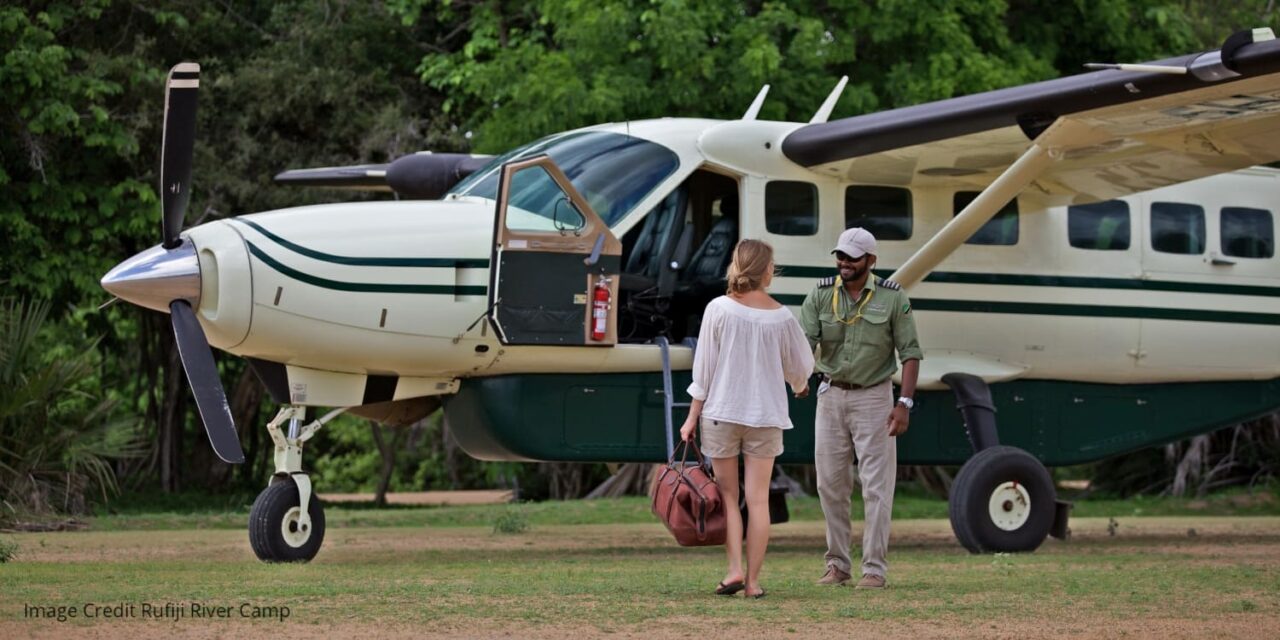
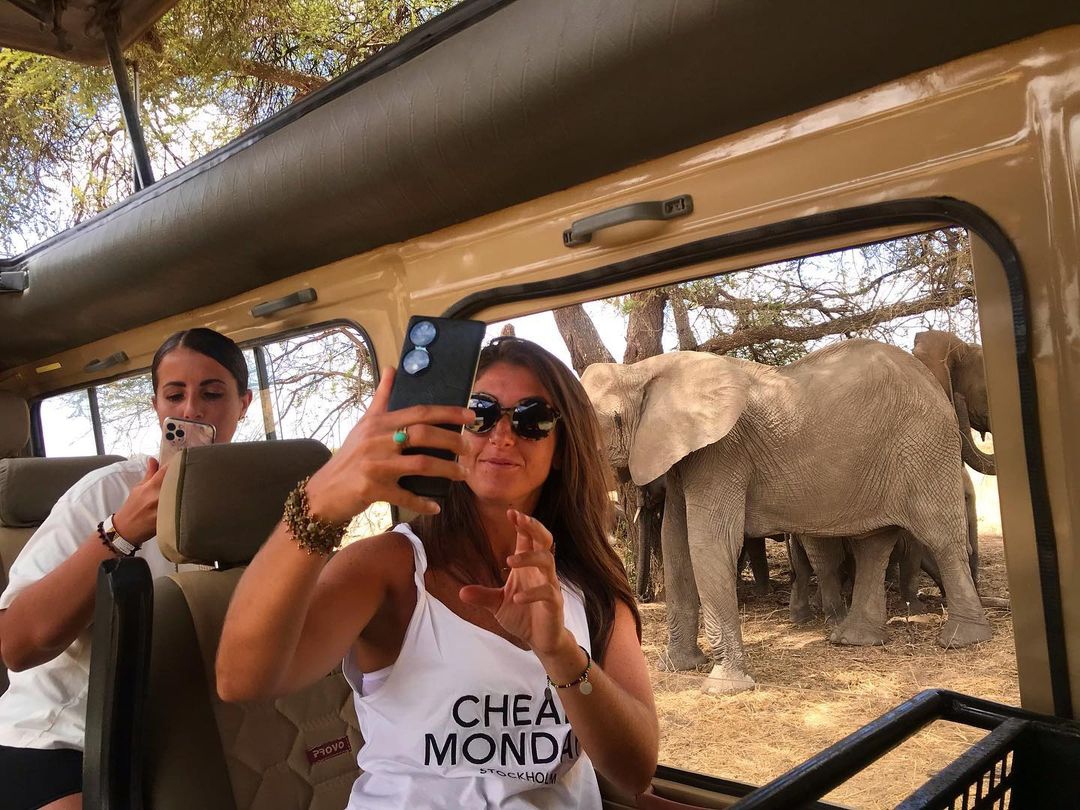
Moshi Countryside Hidden Gems Tour: An Expert Guide
When most travelers think of Tanzania, images of vast savannas teeming with wildlife or the iconic peak of Mount Kilimanjaro often come to mind. While these are incredible experiences, the region surrounding Moshi, the gateway town to Kilimanjaro, holds a wealth of undiscovered treasures. A Moshi Countryside Hidden Gems Tour offers a unique opportunity to step away from the typical tourist routes and immerse yourself in the authentic local life, stunning natural landscapes, and rich cultural heritage of this vibrant area. This guide is designed to provide you with comprehensive information to plan and enjoy such an adventure, covering everything from what to expect to how to book your unforgettable journey for 2026 and 2027.
This isn’t just about seeing; it’s about experiencing. It’s about connecting with the Chagga people, understanding their traditions, tasting their coffee, and witnessing the daily rhythms of rural Tanzanian life against the majestic backdrop of Africa’s highest mountain. Forget crowded viewpoints; we’re talking about intimate encounters with nature and culture.
Quick Answer
A Moshi Countryside Hidden Gems Tour focuses on exploring the authentic cultural and natural attractions surrounding Moshi, Tanzania, that are often overlooked. It typically includes visits to local villages, coffee farms, waterfalls, and scenic viewpoints, offering a deeper understanding of Chagga life and the Kilimanjaro region beyond the main safari circuit or mountain trek. It’s ideal for travelers seeking genuine cultural immersion and off-the-beaten-path experiences.
Table of Contents
- Overview: What is a Moshi Countryside Hidden Gems Tour?
- Why Explore the Moshi Countryside?
- Quick Facts: Moshi Countryside Hidden Gems Tour
- Best Time to Visit the Moshi Countryside
- Moshi Countryside Hidden Gems: Area Overview
- Sample Moshi Countryside Hidden Gems Tour Itinerary
- What to Expect on Your Tour
- Typical Inclusions and Exclusions
- Packing and Preparation Essentials
- Common Mistakes to Avoid
- Who is a Moshi Countryside Hidden Gems Tour Best Suited For?
- Alternatives to the Hidden Gems Tour
- Planning Your 2026-2027 Moshi Countryside Adventure
- Booking Your Moshi Countryside Hidden Gems Tour
- Frequently Asked Questions (FAQs)
Overview: What is a Moshi Countryside Hidden Gems Tour?
A Moshi Countryside Hidden Gems Tour is a curated experience designed to showcase the authentic, less-visited attractions in the rural areas surrounding Moshi, Tanzania. Unlike standard tours that might focus solely on Mount Kilimanjaro climbs or brief visits to local markets, this type of tour delves deeper into the local Chagga culture, their agricultural practices (especially coffee and banana farming), local communities, and natural beauty that often goes unnoticed by the casual visitor. It’s about discovering the soul of the region, often through direct interaction with local people and participation in their daily activities.
These tours are typically characterized by their intimate scale, focusing on small groups or even individuals to ensure a meaningful and personal connection with the environment and its inhabitants. The ‘hidden gems’ can range from secluded waterfalls and ancient caves to traditional homesteads and vibrant local gathering spots. The emphasis is on authentic experiences, providing insights into the lives, traditions, and challenges of the Chagga people who call this fertile land home.
Why Explore the Moshi Countryside?
Choosing to explore the Moshi countryside offers a rich counterpoint to the more famous Tanzanian attractions. Here’s why it’s a worthwhile endeavor:
- Authentic Cultural Immersion: Gain genuine insights into the Chagga way of life, their history, social structures, and daily routines. This is a chance to connect with people on a personal level, far from staged cultural performances.
- Stunning Natural Beauty: The slopes of Kilimanjaro are incredibly fertile and picturesque. Discover lush green landscapes, cascading waterfalls, cool mountain streams, and panoramic views of the plains below, often in tranquil settings.
- Support Local Communities: Many hidden gems tours are designed to directly benefit the local communities through community-based tourism initiatives. Your visit can contribute to local economies and sustainable development projects.
- Unique Agricultural Insights: Learn about traditional farming methods, particularly the cultivation of coffee and bananas, which are central to the region’s economy and culture. Participate in coffee processing, from bean to cup.
- Off-the-Beaten-Path Adventure: Escape the crowds and discover places that most tourists miss. This offers a more personal and memorable travel experience.
- Educational Value: Understand the history of the Chagga people, their resilience, and their relationship with the land and the mountain.
Quick Facts: Moshi Countryside Hidden Gems Tour
| Aspect | Details |
|---|---|
| Primary Focus | Local culture, community interaction, natural landscapes, agriculture (coffee/banana). |
| Location | Rural areas surrounding Moshi, Tanzania, on the slopes of Mount Kilimanjaro. |
| Key Activities | Village visits, coffee farm tours, waterfall hikes, local market exploration, traditional cooking, learning about Chagga history. |
| Duration | Typically 1-3 days, can be customized. |
| Travel Style | Immersive, cultural, adventurous, educational, community-based. |
| Best For | Cultural travelers, photographers, those seeking authentic experiences, eco-tourists. |
| Seasonality | Year-round, with slightly better conditions during dry seasons (June-October, December-February). |
| Physicality | Moderate; involves walking, hiking, and potentially uneven terrain. |
Best Time to Visit the Moshi Countryside
The Moshi countryside, with its higher altitude, enjoys a more temperate climate than the lowland plains. It is generally accessible and enjoyable year-round, but certain periods offer more favorable conditions for exploration:
- Dry Seasons (June to October and December to February): These months typically offer sunny days with clear skies, making for excellent hiking and sightseeing. Temperatures are pleasant, usually in the low to mid-20s Celsius (70s Fahrenheit). Visibility of Kilimanjaro is often at its best during these times. This is ideal for activities like coffee farm tours and waterfall visits without the interruption of heavy rain.
- Green Season (March to May): This period brings the ‘long rains’ and can see significant rainfall. While the landscape is lush and vibrant, and prices might be lower, heavy downpours can make some dirt roads impassable and limit outdoor activities. However, rain often comes in short, intense bursts, leaving plenty of sunshine between showers. The agricultural vibrancy is at its peak.
- Shoulder Seasons (November, March, May): These months can offer a good balance, with fewer crowds than the peak dry seasons and potentially lower prices. Weather can be variable, but often still suitable for exploration, especially if you are prepared for occasional showers.
For a Moshi Countryside Hidden Gems Tour, the dry seasons are generally preferred for maximum comfort and accessibility. However, the green season offers a uniquely lush and vibrant perspective, and if you are adaptable, it can be a very rewarding time to visit, with fewer tourists and a more intimate feel.
Moshi Countryside Hidden Gems: Area Overview
The Moshi countryside stretches across the fertile lower slopes of Mount Kilimanjaro, an area traditionally inhabited by the Chagga people. The region is characterized by its vibrant green landscapes, numerous small villages, and a network of rivers and streams originating from the mountain. While there isn’t a single fixed route, tours typically explore areas within a reasonable driving distance from Moshi town.
Key areas and points of interest often included in a hidden gems tour might encompass:
Illustrative Route Area:
- Moshi Town: Starting point for most tours.
- Marangu Region: Known for its coffee plantations, waterfalls (like the famous but often less-visited Kinukamori Falls), and proximity to Kilimanjaro National Park entrance. Tours might explore villages here.
- Kilema Region: Offers stunning views and opportunities to visit local churches, schools, and farms.
- Old Moshi: A historical area with significant Chagga heritage sites and viewpoints.
- Various Villages: Specific villages are chosen for their community projects, traditional homesteads, or particularly welcoming locals. Examples include Materuni village (famous for coffee and waterfalls) or smaller, less-known settlements.
- Local Markets: Exploring bustling weekly markets in villages like Himo or Mwika provides a glimpse into local commerce and daily life.
- Waterfalls: Beyond the well-known ones, many smaller, secluded falls exist, often requiring short hikes through coffee or banana plantations.
- Viewpoints: Numerous spots offer breathtaking panoramas of the plains, towns, and, on clear days, Mount Kilimanjaro itself.
The exact locations visited will depend on the specific tour operator and the ‘hidden gems’ they have identified and partnered with.
Sample Moshi Countryside Hidden Gems Tour Itinerary (2 Days)
This sample itinerary is designed to offer a rich experience of the Moshi countryside. It can be customized based on your interests and available time.
| Day | Morning (Approx. 9:00 AM – 1:00 PM) | Afternoon (Approx. 1:00 PM – 5:00 PM) | Evening |
|---|---|---|---|
| Day 1: Coffee, Culture & Waterfalls | Visit a Chagga Coffee Farm: Depart from Moshi after breakfast. Drive to a local village (e.g., Materuni or a similar community). Engage in a hands-on coffee tour, learning about the entire process from bean to cup, including roasting and brewing your own coffee. Interact with the farmers and understand their livelihood. | Hike to a Hidden Waterfall: After a traditional Chagga lunch at the farm or in the village, embark on a scenic hike through lush plantations to discover a secluded waterfall. Enjoy the natural beauty, perhaps take a refreshing dip (weather permitting). Village Exploration: Wander through the village, observing daily life, and visit a local school or community project if arranged. |
Return to your accommodation in or near Moshi. Dinner at leisure. |
| Day 2: Local Life & Panoramic Views | Explore a Local Market: Visit a bustling weekly market (if your tour day aligns). Experience the vibrant atmosphere, see local produce, crafts, and observe the lively trade. Alternatively, visit a traditional Chagga homestead to learn about their architecture and family life. | Scenic Drive & Viewpoints: Drive to higher slopes of Kilimanjaro for breathtaking panoramic views of the plains, towns, and the mountain itself. Stop at designated viewpoints. Visit a local artisan or craftsperson. Traditional Cooking Experience: Participate in preparing a local dish using fresh ingredients, followed by enjoying the meal. |
Return to Moshi. Option for a farewell drink overlooking the landscape. |
Note: This is a sample. Specific locations like Materuni waterfall and coffee farm are popular but can be part of a ‘hidden gems’ tour if experienced with local guides focusing on deeper cultural interaction rather than just a quick visit. True ‘hidden gems’ tours might take you to less-known waterfalls and villages.
What to Expect on Your Tour
When you join a Moshi Countryside Hidden Gems Tour, prepare for an experience that is rich in authenticity and local engagement. Unlike highly polished tourist attractions, these tours often involve:
- Warm Hospitality: You’ll likely be welcomed into local homes and communities with genuine warmth and curiosity.
- Hands-on Activities: Expect to get involved. This could mean helping with coffee processing, learning to cook a local dish, or participating in a small farming task.
- Stunning Natural Scenery: The landscapes are predominantly lush, green, and often dramatic, with Kilimanjaro providing a constant, awe-inspiring backdrop. Waterfalls are common features.
- Cultural Insights: You’ll learn about Chagga traditions, history, social customs, and their deep connection to the land and the mountain. Stories and explanations will come from local guides and community members.
- Variable Infrastructure: While Moshi town is well-developed, the countryside can have basic infrastructure. Roads might be unpaved, and facilities in villages are simpler. This is part of the authentic experience.
- Sensory Experiences: Be prepared for vibrant sights, sounds, and smells – the aroma of roasting coffee, the calls of local vendors, the vibrant colors of produce at a market.
- Flexibility: Tours are often more flexible than rigid itineraries. Be open to spontaneous interactions and slight changes based on local conditions or opportunities.
- Respectful Interaction: The focus is on respectful engagement. Your guides will facilitate introductions and ensure interactions are positive for both visitors and locals.
Typical Inclusions and Exclusions
To manage expectations and budget effectively, it’s crucial to understand what your tour package typically includes and excludes. While specifics vary by operator, here’s a general guide:
| Included | Typically Excluded |
|---|---|
| Guided tours and activities as per itinerary | International and domestic flights |
| Local transportation (e.g., 4×4 vehicle, motorbike taxi) for the tour duration | Visa fees |
| Services of a local, English-speaking guide | Travel insurance (highly recommended) |
| Entrance fees to specific sites (waterfalls, cultural centers) | Personal expenses (souvenirs, laundry, tips) |
| Some meals (e.g., traditional lunches, coffee tasting) as specified | Alcoholic beverages and bottled water (unless specified) |
| Community contributions or donations where applicable | Accommodation (if it’s a day tour or separate booking) |
| Water during activities | Optional activities not listed in the itinerary |
Always clarify these details with your tour operator before booking to avoid misunderstandings.
Packing and Preparation Essentials
Proper preparation ensures a comfortable and enjoyable experience. For a Moshi Countryside Hidden Gems Tour, consider the following:
Clothing:
- Lightweight, breathable clothing: Long-sleeved shirts and trousers to protect from sun and insects.
- Comfortable walking shoes/hiking boots: Essential for navigating uneven terrain.
- Rain jacket or poncho: Especially if traveling during or near the rainy season.
- Hat: For sun protection.
- Scarf or bandana: Useful for dust or sun.
- Modest clothing: When visiting villages or religious sites, it’s respectful to dress modestly (shoulders and knees covered).
Gear:
- Daypack: For carrying water, snacks, camera, and personal items.
- Reusable water bottle: Stay hydrated and reduce plastic waste.
- Sunscreen and insect repellent: High SPF sunscreen and effective repellent.
- Camera and extra batteries/memory cards: To capture the beautiful scenery and interactions.
- Power bank: For charging devices, as power access might be limited.
- Basic first-aid kit: Include personal medications, plasters, antiseptic wipes.
- Hand sanitizer: For hygiene on the go.
- Small towel: Quick-drying is best.
Documents & Money:
- Passport and visa (if required): Keep copies separate.
- Vaccination certificates: Yellow fever, etc., as advised.
- Cash: Tanzanian Shillings for small purchases, tips, and in case of limited card facilities. USD is also widely accepted for larger transactions.
- Insurance details: Policy number and emergency contact.
Mindset:
- Openness and flexibility: Embrace the unexpected and be ready to adapt.
- Respect: For local customs, traditions, and people.
- Curiosity: Ask questions and engage respectfully.
Common Mistakes to Avoid
To ensure your Moshi Countryside Hidden Gems Tour is as rewarding as possible, be aware of common pitfalls:
- Expecting Luxury Infrastructure: The charm of these tours is their authenticity. Don’t expect five-star amenities in rural villages. Basic facilities are the norm.
- Underestimating the Terrain: While not strenuous treks, you’ll be walking on unpaved paths, potentially muddy or uneven. Proper footwear is crucial.
- Ignoring Cultural Sensitivities: Always ask permission before taking photos of people, especially children. Dress modestly when visiting villages. Be mindful of local customs.
- Not Carrying Enough Cash: Many smaller vendors and community projects operate on cash. ATMs are available in Moshi, but not in remote villages.
- Not Staying Hydrated: The Tanzanian climate can be warm, and physical activity requires consistent hydration. Bring a reusable bottle and refill it.
- Being Too Rigid with Itinerary: Local life doesn’t always run on a strict schedule. Be prepared for minor delays or spontaneous opportunities.
- Not Hiring a Local Guide: A local guide is invaluable for understanding the culture, navigating, and ensuring respectful interactions. They are the key to unlocking the ‘hidden gems’.
- Overpacking: Pack light. You’ll be more comfortable moving around, and it’s easier to manage your belongings.
- Not Being Prepared for Basic Facilities: Restroom facilities in villages might be very basic. Carry hand sanitizer and tissues.
Who is a Moshi Countryside Hidden Gems Tour Best Suited For?
This type of tour appeals to a specific kind of traveler seeking more than just the typical tourist experience. It is ideal for:
- Cultural Enthusiasts: Those who genuinely want to understand and experience local life, traditions, and history.
- Authenticity Seekers: Travelers who prefer off-the-beaten-path experiences and connecting with local communities on a personal level.
- Eco-Tourists and Sustainable Travelers: Individuals interested in supporting community-based tourism and learning about sustainable practices, like coffee farming.
- Photographers: The lush landscapes, vibrant markets, and genuine human interactions offer incredible photographic opportunities.
- Adventurous Foodies: Those eager to try local cuisine, learn about traditional food preparation, and taste freshly grown produce and coffee.
- Slow Travelers: People who enjoy a more relaxed pace, allowing time for spontaneous interactions and deeper immersion.
- Budget-Conscious Travelers: While not always the cheapest, these tours can offer excellent value, especially when focusing on cultural exchange rather than luxury.
- Anyone Complementing a Safari or Kilimanjaro Climb: It provides a wonderful contrast and deeper understanding of Tanzania beyond the wildlife or the mountain itself.
Alternatives to the Hidden Gems Tour
If a dedicated Moshi Countryside Hidden Gems Tour isn’t exactly what you’re looking for, or if you want to combine it with other experiences, consider these alternatives and complementary activities around Moshi:
- Standard Marangu Day Trip: Often includes a visit to the popular Materuni waterfall and a coffee tour. This is a more accessible option, though less ‘hidden’.
- Kilimanjaro Day Hike (Lower Slopes): Some operators offer guided day hikes on the lower slopes of Kilimanjaro, offering great views and a taste of the mountain environment without the full climb.
- Moshi Town Exploration: Spend time exploring Moshi town itself, visiting local markets, churches, and perhaps a local brewery or restaurant.
- Chagga Cultural Museum: Located in Moshi, this museum offers historical context and insights into Chagga culture.
- Kikuletwa Hot Springs (Chemka): A beautiful natural oasis about an hour from Moshi, perfect for a relaxing swim. While popular, it’s a distinct experience from the countryside immersion.
- Safari from Moshi: Many travelers use Moshi as a base to start safaris to nearby parks like Arusha National Park, Tarangire, Lake Manyara, or the Serengeti.
- Zanzibar Extension: After your mainland adventure, fly to Zanzibar for beach relaxation and historical Stone Town exploration.
Planning Your 2026-2027 Moshi Countryside Adventure
Planning ahead is key to a successful trip, especially for 2026 and 2027. Here’s a guide to help you prepare:
Timeline for 2026-2027 Planning:
- 12+ Months Before: Research tour operators, destinations, and the best time to travel. If planning for peak seasons (dry months), consider booking accommodation and flights early.
- 6-9 Months Before: Finalize your itinerary. Book your Moshi Countryside Hidden Gems Tour with a reputable operator. Confirm inclusions and exclusions.
- 3-6 Months Before: Book international flights. Check visa requirements for Tanzania and apply if necessary.
- 1-3 Months Before: Arrange travel insurance. Schedule any necessary medical check-ups and vaccinations. Start purchasing recommended gear (hiking shoes, clothing).
- 2-4 Weeks Before: Confirm all bookings. Pack your bags. Exchange some currency for local use. Inform your bank about your travel dates.
- 1 Week Before: Double-check all documents. Make copies of important papers. Finalize any last-minute arrangements.
Key Considerations for 2026-2027:
- Book in Advance: Popular operators and specific dates, especially during peak seasons (June-Oct, Dec-Feb), tend to fill up. Booking early for 2026-2027 ensures availability and potentially better pricing.
- Flexibility: While planning is good, remain flexible. Local conditions, weather, or opportunities for spontaneous experiences can arise.
- Sustainability: Look for operators who prioritize responsible tourism, community engagement, and environmental conservation.
- Customization: Many operators offer custom tours. If you have specific interests (e.g., birdwatching, specific crafts, longer hikes), discuss them during the planning phase.
- Health and Safety: Consult your doctor about recommended vaccinations and malaria precautions well in advance of your 2026 or 2027 trip.
Booking Your Moshi Countryside Hidden Gems Tour
Choosing the right tour operator is crucial for an authentic and well-organized experience. Here’s how to approach booking:
- Research Reputable Operators: Look for local Tanzanian tour operators specializing in cultural tours and community-based tourism. Online reviews, travel forums, and recommendations can be helpful. Best Tanzania Tour operator is a good starting point for reliable local expertise.
- Read Reviews Carefully: Pay attention to reviews that specifically mention cultural immersion, guide quality, and community interaction.
- Direct Communication is Key: Contact operators directly. Ask detailed questions about the itinerary, what’s included, the guides’ experience, and their approach to community engagement.
- Clarify Inclusions and Exclusions: Ensure you have a clear understanding of what your tour package covers (transport, meals, guide fees, entrance fees, community contributions) and what it doesn’t.
- Discuss Customization Options: If you want to tailor the tour to your interests, discuss this upfront. A good operator will be happy to create a personalized itinerary.
- Understand Payment Terms: Be clear about deposit requirements, payment schedules, and cancellation policies. Most operators require a deposit to confirm bookings.
- Ask About Guides: Inquire about the qualifications and experience of your guides. Local Chagga guides are invaluable for authentic insights.
- Confirm Safety Standards: While countryside tours are generally safe, ask about safety protocols, especially regarding transportation and any physical activities.
- Get Everything in Writing: Once you agree on an itinerary and price, ensure you receive a detailed confirmation and contract.
Contact Us for Your Custom Moshi Countryside Hidden Gems Tour:
For a truly authentic and memorable Moshi Countryside Hidden Gems Tour, tailored to your interests and designed to benefit local communities, reach out to our expert team. We specialize in creating unique Tanzanian travel experiences.
WhatsApp: +255616946642
Email: topguideadventures@gmail.com
Backup Email: info@topguideadventures.com
Frequently Asked Questions (FAQs)
Q1: Is the Moshi countryside safe for tourists?
Yes, the Moshi countryside is generally very safe for tourists, especially when traveling with a local guide. The Chagga people are known for their hospitality. Standard travel precautions apply, but violent crime against tourists is rare in these rural areas.
Q2: What is the main difference between a Moshi countryside tour and a safari?
A safari focuses on wildlife viewing in national parks and reserves. A Moshi countryside tour focuses on cultural immersion, local life, agriculture, and natural landscapes (like waterfalls) in the rural communities around Moshi, away from the wildlife parks.
Q3: Can I customize a Moshi Countryside Hidden Gems Tour for 2026?
Absolutely. Most reputable tour operators, like Best Tanzania Tour operator, offer customized tours. You can tailor the itinerary based on your specific interests, pace, and desired level of activity for your 2026 trip.
Q4: What kind of accommodation is available on these tours?
Accommodation can vary. Some tours might be day trips returning to Moshi town hotels. Others might include stays in simple, community-run guesthouses, homestays, or eco-lodges in the countryside, offering a more immersive experience.
Q5: Do I need to speak Swahili or the local Chagga language?
No, it is not required. Your tour will be led by an English-speaking guide. However, learning a few basic Swahili phrases like ‘Jambo’ (Hello) or ‘Asante’ (Thank you) is always appreciated by locals.
Q6: What is the typical cost of a Moshi Countryside Hidden Gems Tour?
Costs vary significantly based on the duration, inclusions, and operator. A one-day tour might range from $50-$150 USD per person, while a multi-day tour with accommodation could be $150-$300+ USD per person per day. Always get a detailed quote.
Q7: What should I tip my guide?
Tipping is customary and appreciated for good service. For a day tour, a tip of $10-$20 USD per person for the guide is common. For multi-day tours, it might be $15-$30 USD per person per day, often split between the guide and driver/support staff. Your operator can provide specific recommendations for 2027 travel.
Q8: Are there any health precautions I should take before visiting in 2027?
Consult your doctor or a travel clinic 4-6 weeks before your trip. Recommended vaccinations often include Hepatitis A, Typhoid, and Tetanus. Malaria prophylaxis might be advised depending on the specific areas visited and time of year, though Moshi’s altitude offers some protection. Drink bottled or treated water.
Q9: Can children participate in this tour?
Yes, children can participate, provided they are comfortable with walking and the cultural aspects. Tours can often be adapted for families. It’s a great educational experience for younger travelers.
Q10: What happens if it rains heavily during my tour?
Local guides are experienced with the weather. If rain is heavy, they will adapt the itinerary, perhaps spending more time in a village, at a local home for a cooking lesson, or visiting a cultural center. Waterfalls can be even more impressive after rain, though access might be adjusted for safety.
Conclusion
A Moshi Countryside Hidden Gems Tour offers a profound and enriching travel experience, revealing the heart of Tanzania beyond the iconic safaris and mountain climbs. It’s an opportunity to connect with the land, its people, and their enduring traditions. By planning carefully and choosing a responsible tour operator, you can ensure your journey in 2026 or 2027 is filled with authentic moments, stunning natural beauty, and lasting memories. Discover the true spirit of the Kilimanjaro region with us.
Ready to explore the hidden treasures of the Moshi countryside? Contact us today to design your perfect Tanzanian adventure.
WhatsApp: +255616946642
Email: topguideadventures@gmail.com
Backup Email: info@topguideadventures.com
Plan your Moshi Countryside Hidden Gems Tour with Top Guide Adventures
Tell us your travel dates, group size, comfort level, and dream experience. We will help you shape a clear, realistic, and memorable Tanzania itinerary.







 Veedesigner
 Fatma Kizanga
 Benjamin Waryuba
 Philip Philip
 John jr Itaja
 Antonia Optatus
 Edith Kanyere
 Neema Iddy
 Kelvin Boniphace
 Damari Maiga



