
Updated planning guide for 2026, 2027-2028
Top 20. Lake Natron, Eyasi, Ngorongoro Highlands From Moshi: Best Safari Guide
Discover the wild beauty of Northern Tanzania with this comprehensive guide to visiting Lake Natron, Lake Eyasi, and the Ngorongoro Highlands starting from Moshi. Plan your adventure for 2026-2027.
WhatsApp +255616946642 | topguideadventures@gmail.com | info@topguideadventures.com
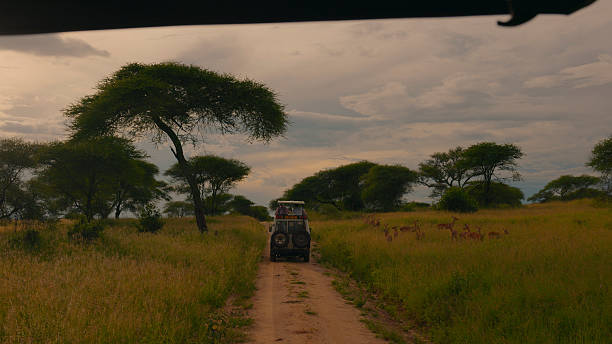

Your Comprehensive Guide to the Top 20 Lake Natron, Lake Eyasi, and Ngorongoro Highlands From Moshi
For travelers seeking an authentic and less-trodden path in Tanzania, combining Lake Natron, Lake Eyasi, and the Ngorongoro Highlands offers an unparalleled adventure. Starting your journey from Moshi, the gateway to Kilimanjaro, provides a convenient launchpad for exploring these unique geological wonders and cultural heartlands. This guide is designed to provide everything you need to plan an unforgettable trip to the Top 20 Lake Natron, Lake Eyasi, Ngorongoro Highlands from Moshi, covering itineraries, what to expect, best times to visit, and practical planning advice for 2026 and 2027.
Table of Contents
- Quick Facts: Lake Natron, Eyasi & Ngorongoro Highlands
- Overview: A Journey Through Tanzania’s Unique Landscapes
- Why Visit Lake Natron, Eyasi, and the Ngorongoro Highlands?
- Best Time to Visit: Seasonality and Your Experience
- Route Overview: From Moshi to the Highlands and Lakes
- Sample Itinerary: A 7-Day Adventure from Moshi
- Deep Dive: Lake Natron – Tanzania’s Soda Lake and Flamingo Haven
- Deep Dive: Lake Eyasi – Home of the Hadzabe and Datoga Tribes
- Deep Dive: The Ngorongoro Highlands – Beyond the Crater
- What to Expect: The Realities of Travel in Remote Areas
- Essential Inclusions and Packing List
- Common Mistakes to Avoid When Planning
- Who is This Trip Best Suited For?
- Alternative Tanzania Experiences
- Planning Your 2026-2027 Trip: Key Considerations
- Booking Your Tour: Expert Advice
- Frequently Asked Questions (FAQs)
- Ready to Explore? Contact Us!
Quick Facts: Lake Natron, Eyasi & Ngorongoro Highlands
| Feature | Details |
|---|---|
| Starting Point | Moshi, Tanzania |
| Key Destinations | Lake Natron, Lake Eyasi, Ngorongoro Highlands (including areas outside the main crater) |
| Primary Activities | Wildlife viewing, cultural immersion with Hadzabe and Datoga tribes, bird watching, geological exploration, hiking, photography |
| Travel Style | Adventure, cultural, off-the-beaten-path safari |
| Accommodation | Tented camps, lodges, basic guesthouses |
| Best Months (Dry Season) | June to October, December to February |
| Best Months (Wet Season) | March to May (can impact road conditions) |
| Duration | Typically 5-10 days, depending on pace and specific interests |
| Access from Moshi | Primarily by 4×4 vehicle, long driving days |
Overview: A Journey Through Tanzania’s Unique Landscapes
Tanzania is renowned for its iconic safari destinations like the Serengeti and Ngorongoro Crater. However, the northern circuit offers a wealth of equally captivating, yet often less crowded, experiences. A journey focusing on Lake Natron, Lake Eyasi, and the Ngorongoro Highlands from Moshi takes you away from the typical tourist trails and into the heart of raw African wilderness and ancient cultures. This itinerary is designed for those who crave deeper connections with nature and local communities, offering a unique perspective on Tanzania’s diverse offerings.
From the stark, volcanic beauty of Lake Natron, a vital breeding ground for Lesser Flamingos, to the ancient traditions of the Hadzabe hunter-gatherers near Lake Eyasi, and the dramatic, lesser-explored landscapes of the Ngorongoro Highlands, this trip is a sensory feast. Starting in Moshi, you’ll travel by robust 4×4 vehicles, traversing varied terrains to reach these remote and spectacular locations. It’s an adventure that demands a spirit of exploration and a willingness to embrace the unexpected.
Why Visit Lake Natron, Eyasi, and the Ngorongoro Highlands?
The appeal of this particular circuit lies in its distinctiveness:
- Unparalleled Natural Beauty: Lake Natron’s alkaline waters create a surreal, often red-hued landscape, teeming with birdlife. The Ngorongoro Highlands offer sweeping vistas, volcanic cones, and diverse ecosystems that contrast with the famous crater.
- Authentic Cultural Encounters: Lake Eyasi is one of the last places on Earth where you can witness the traditional hunting and gathering lifestyle of the Hadzabe people, offering a profound glimpse into a way of life that has persisted for millennia. Interactions with the Datoga, known for their metalwork, provide further cultural enrichment.
- Off-the-Beaten-Path Adventure: These destinations are less developed and receive fewer tourists than the Serengeti or Ngorongoro Crater. This means more solitude, a greater sense of discovery, and a more genuine experience.
- Geological Wonders: Lake Natron is the world’s largest producer of soda ash and the only breeding ground for Lesser Flamingos in East Africa. The surrounding landscape is shaped by volcanic activity, including Ol Doinyo Lengai, the Maasai ‘Mountain of God’.
- Diverse Wildlife: While not a classic Big Five destination like the Serengeti, you’ll find unique wildlife, including large flamingo colonies, various bird species, gazelles, zebras, wildebeest, and predators in the wider Ngorongoro Conservation Area and surrounding regions.
Best Time to Visit: Seasonality and Your Experience
Choosing the right time to visit the Top 20 Lake Natron, Lake Eyasi, Ngorongoro Highlands from Moshi can significantly impact your experience, particularly concerning weather and wildlife viewing.
Dry Seasons (June to October and December to February):
- Pros: These are generally the best months for travel. Roads are in better condition, making travel easier. Wildlife is more concentrated around water sources, and birdlife is abundant. The weather is pleasant with sunny days and cooler nights. This is ideal for flamingo viewing at Lake Natron and for easier trekking.
- Cons: This is peak tourist season, so some areas might be busier (though less so than major parks). Accommodation can be more expensive.
Wet Seasons (March to May and November):
- Pros: The landscape is lush and green, offering stunning photographic opportunities. Tourist numbers are lower, and prices may be more competitive. This is the time for calving season in some areas, attracting predators.
- Cons: Heavy rains can make roads impassable, especially to more remote areas like Lake Natron and parts of Lake Eyasi. Travel can be significantly delayed or rerouted. Visibility for wildlife viewing might be reduced. Flamingo numbers at Lake Natron can fluctuate with water levels.
For 2026 and 2027: The dry seasons (June-October 2026, Dec-Feb 2026/2027, June-Oct 2027, Dec-Feb 2027/2028) remain the prime choices for a smoother, more predictable journey. However, adventurous travelers willing to contend with potentially rougher roads might find the shoulder months of November 2026 or March 2027 rewarding for solitude and a different landscape.
Route Overview: From Moshi to the Highlands and Lakes
This journey is a loop or a point-to-point route depending on your overall Tanzania itinerary. The typical flow from Moshi involves:
Moshi → Lake Natron → Ngorongoro Highlands (e.g., Karatu area, Olduvai Gorge vicinity) → Lake Eyasi → (Optional: Serengeti/other destinations or back to Arusha/Moshi)
This route involves significant driving, often on unpaved and sometimes challenging roads. A 4×4 vehicle is essential.
| Leg | From | To | Approx. Driving Time | Terrain Notes |
|---|---|---|---|---|
| 1 | Moshi | Lake Natron | 6-8 hours | Paved roads for a portion, then gravel/dirt tracks. Can be very rough, especially during the wet season. |
| 2 | Lake Natron | Ngorongoro Highlands (e.g., Karatu) | 5-7 hours | Challenging off-road driving, potentially crossing rivers. Scenic but demanding. |
| 3 | Ngorongoro Highlands | Lake Eyasi | 3-5 hours | Varied terrain, can be dusty or muddy depending on the season. |
| 4 | Lake Eyasi | Arusha/Moshi | 4-6 hours | Generally better roads returning towards main routes, but can still be rough in sections. |
Sample Itinerary: A 7-Day Adventure from Moshi
This sample itinerary focuses on maximizing your experience of these unique destinations. It can be customized based on your interests and available time.
Day 1: Moshi to Lake Natron
After breakfast in Moshi, depart by 4×4 for the scenic drive to Lake Natron. The journey takes you through Maasai lands, offering glimpses of rural life. Arrive at your camp near Lake Natron in the afternoon. After settling in, take a guided walk to the Engeresero waterfalls or visit the baboon cliffs for sunset views over the lake. Dinner and overnight at a camp near Lake Natron.
Day 2: Lake Natron Exploration
An early start to witness the vastness of Lake Natron. Depending on the season, you may see thousands of Lesser Flamingos. Visit the soda ash flats, the breeding grounds for these birds. You can also hike to the base of Ol Doinyo Lengai volcano (for experienced hikers, an overnight ascent is possible but strenuous) or explore the nearby canyons and riverbeds. Birdwatching opportunities are excellent. Overnight near Lake Natron.
Day 3: Lake Natron to Ngorongoro Highlands
Today’s drive is one of the most adventurous. You’ll traverse rugged terrain, offering dramatic landscapes and a true sense of remoteness, as you head towards the Ngorongoro Highlands. Your destination might be a lodge or camp located outside the main Ngorongoro Crater area, offering tranquility and stunning views. Settle in and enjoy the cooler highland air.
Day 4: Ngorongoro Highlands Exploration & Maasai Village Visit
Explore the diverse ecosystems of the Ngorongoro Highlands. Options include visiting Maasai villages for cultural interactions, guided nature walks through the forests, or visiting local farms. Depending on your location, you might get views of the Ngorongoro Crater from a distance or explore lesser-known viewpoints. Overnight in the Ngorongoro Highlands.
Day 5: Ngorongoro Highlands to Lake Eyasi
After breakfast, drive towards Lake Eyasi. This region is known for its arid landscapes and the indigenous communities that call it home. Arrive at your lodge or camp near Lake Eyasi and prepare for your cultural immersion the following day. Enjoy the sunset over the lake.
Day 6: Lake Eyasi – Cultural Immersion with Hadzabe and Datoga
Dedicate the day to visiting the Hadzabe hunter-gatherers. Join them on a morning hunt (if they are successful), learn about their traditional bow and arrow techniques, and understand their ancient way of life. In the afternoon, visit a Datoga blacksmith to see their traditional crafts and perhaps purchase unique handmade items. This is a deeply personal and respectful cultural experience. Overnight at Lake Eyasi.
Day 7: Lake Eyasi to Arusha/Moshi
Enjoy a final bush breakfast. Depending on your flight schedule or onward travel plans, you can take a final short walk or visit a local market. Then, begin the drive back to Arusha or Moshi. This journey offers a chance to reflect on the incredible diversity of experiences you’ve had. Arrive in Arusha/Moshi in the late afternoon.
Deep Dive: Lake Natron – Tanzania’s Soda Lake and Flamingo Haven
Lake Natron is a visually striking and ecologically vital soda lake in northern Tanzania, situated in the Rift Valley. Its name comes from the high concentration of sodium carbonate and sodium bicarbonate, which gives the water its characteristic alkaline properties and often a reddish hue due to thermophilic bacteria. This extreme environment makes it inhospitable to most aquatic life, but it is a perfect breeding ground for the algae that feed Lesser Flamingos.
- Flamingo Breeding Ground: Lake Natron is the sole breeding ground for Lesser Flamingos in East Africa, with estimates of up to 2.5 million birds nesting here. The shallow, warm waters and the abundance of spirulina algae create ideal conditions. The breeding season is typically from August to December, though this can vary.
- Ol Doinyo Lengai: Dominating the skyline near Lake Natron is Ol Doinyo Lengai, the only active volcano in the world that erupts natrocarbonatite lava. For the adventurous, a strenuous night hike to its summit offers breathtaking sunrise views over the lake and surrounding plains. This is a challenging trek, requiring good physical condition and preparation.
- Geological Significance: The area is part of the Great Rift Valley, showcasing dramatic geological formations. You can explore canyons, visit waterfalls (like the Engeresero Waterfalls), and walk along the lake shore, observing the unique mineral deposits and the effects of the alkaline water on any remains of animals that succumb to its harsh conditions.
- Maasai Culture: The region is inhabited by Maasai communities. Understanding their relationship with this unique landscape, particularly their reverence for Ol Doinyo Lengai, adds another layer to the experience.
Deep Dive: Lake Eyasi – Home of the Hadzabe and Datoga Tribes
Lake Eyasi is a large, shallow endorheic lake on the floor of the Great Rift Valley, southwest of Arusha. It’s a destination for profound cultural encounters, primarily with the Hadzabe (or Hadzapi) people, one of the last remaining hunter-gatherer tribes in Africa, and the Datoga, skilled pastoralists and artisans.
- The Hadzabe: These indigenous people have lived a hunter-gatherer lifestyle for thousands of years, with an estimated population of around 1,000-2,000. Their language is characterized by clicks. A visit involves accompanying them on a hunt (success not guaranteed, but the learning experience is invaluable), observing their foraging techniques, and understanding their deep connection to the land. Respectful interaction is paramount; your guide will facilitate this.
- The Datoga: The Datoga are pastoralists known for their distinctive appearance, including facial tattoos, and their exceptional metalworking skills. You can visit Datoga villages to witness blacksmiths crafting tools, arrowheads, and jewelry from scrap metal. Their traditional lifestyle and spiritual beliefs are also fascinating to learn about.
- The Lake Itself: While often dry or with very low water levels for much of the year, Lake Eyasi is a significant water source for local communities and wildlife. Birdwatching can be rewarding, especially during the wet season when migratory birds visit.
- Challenges: Access to Lake Eyasi can be difficult, especially during the rainy season, and the region is prone to heat. The cultural interactions are sensitive and require ethical tourism practices.
Deep Dive: The Ngorongoro Highlands – Beyond the Crater
While the Ngorongoro Crater is a world-famous UNESCO World Heritage Site, the surrounding Ngorongoro Highlands offer a different, yet equally compelling, experience. This vast area, part of the larger Ngorongoro Conservation Area, encompasses diverse landscapes, from forests and montane grasslands to volcanic cones and rolling hills.
- Diverse Landscapes: The highlands are characterized by their cooler climate compared to the plains. You’ll find lush vegetation, indigenous forests, and opportunities for scenic drives and walks. This area provides a stark contrast to the arid plains of Lake Natron and Eyasi.
- Maasai Communities: The highlands are home to numerous Maasai villages. Visiting these communities offers insights into their traditional pastoralist lifestyle, social structures, and cultural practices, distinct from those on the plains.
- Hiking and Nature Walks: The undulating terrain and varied ecosystems make the highlands ideal for guided hikes and nature walks. You can explore local trails, discover unique flora and fauna, and enjoy panoramic views.
- Olduvai Gorge: Located on the edge of the highlands, Olduvai Gorge is a significant paleoanthropological site, often referred to as the ‘Cradle of Mankind’. It’s a must-visit for those interested in human evolution, with fossil discoveries dating back millions of years.
- Tranquil Escapes: Lodges and camps in the highlands often offer a peaceful retreat, away from the crowds, with opportunities for stargazing and enjoying the serene natural environment.
What to Expect: The Realities of Travel in Remote Areas
This trip is an adventure, and managing expectations is key for a fulfilling experience. Unlike more developed safari circuits, expect:
- Challenging Road Conditions: The roads to and between these destinations can be rough, dusty, and deeply rutted, especially after rain. Travel times can be longer than anticipated, and journeys can be bumpy. A sturdy 4×4 vehicle and an experienced driver are non-negotiable.
- Basic Amenities: Accommodation options range from comfortable tented camps to more rustic lodges and guesthouses. Hot water might be intermittent, and electricity can be generator-dependent. Embrace the simplicity and connection to nature.
- Limited Connectivity: Mobile phone service and internet access will be spotty or non-existent in many areas. This is an opportunity to disconnect and immerse yourself in your surroundings.
- Cultural Sensitivity: Interactions with tribes like the Hadzabe require a high degree of respect, humility, and understanding. Always go with a local guide who can facilitate introductions and ensure appropriate conduct. Ask permission before taking photos.
- Heat and Dust: The lower-lying areas, particularly around Lake Natron and Lake Eyasi, can be very hot and dusty. Be prepared with appropriate clothing and hydration.
- Flexibility: Road conditions, weather, and local circumstances can necessitate changes to the itinerary. A flexible attitude will allow you to adapt and still enjoy the journey.
Essential Inclusions and Packing List
When booking a tour for the Top 20 Lake Natron, Lake Eyasi, Ngorongoro Highlands from Moshi, ensure your package includes:
| Inclusions | Exclusions (Common) |
|---|---|
| 4×4 safari vehicle with driver/guide | International flights |
| Accommodation as per itinerary | Visa fees |
| All meals (breakfast, lunch, dinner) | Travel insurance |
| Park and conservation fees (where applicable) | Gratuities for guide/staff |
| Cultural interaction fees (e.g., Hadzabe visit) | Personal expenses (drinks, souvenirs) |
| Bottled water during game drives | Optional activities (e.g., Ol Doinyo Lengai climb) |
Packing List:
- Clothing: Lightweight, breathable clothing in neutral colors (khaki, beige, green). Long-sleeved shirts and trousers for sun and insect protection. A warm fleece or jacket for cool evenings in the highlands. Comfortable walking shoes and sturdy hiking boots. Sandals or flip-flops for camp.
- Headwear: Wide-brimmed hat or cap for sun protection.
- Eyewear: Sunglasses.
- Sun Protection: High SPF sunscreen, lip balm with SPF.
- Insect Repellent: Strong repellent containing DEET.
- Health: Personal first-aid kit, any personal medications, anti-malarial medication (consult your doctor). Hand sanitizer.
- Camera Gear: Camera, extra batteries, memory cards, zoom lens. Binoculars.
- Documents: Passport, visa, yellow fever certificate, flight details, insurance documents, emergency contact information.
- Money: Some US dollars for tips and souvenirs (small denominations are useful).
- Miscellaneous: Reusable water bottle, headlamp or flashlight, power bank, small backpack for day trips, wet wipes.
Common Mistakes to Avoid When Planning
To ensure a smooth and enjoyable trip, be aware of these common pitfalls:
- Underestimating Travel Times: The distances might look short on a map, but the road conditions mean journeys take much longer than expected. Don’t try to cram too much into each day.
- Ignoring Seasonality: Traveling during the peak of the rainy season (April-May) can lead to significant travel disruptions and impassable roads, especially to Lake Natron.
- Lack of Flexibility: Insisting on a rigid schedule can lead to frustration when delays inevitably occur. Be prepared to adapt.
- Inadequate Vehicle: Attempting this trip in a standard 2WD vehicle or an under-equipped 4×4 is dangerous and impractical. Ensure your tour operator uses reliable, well-maintained 4x4s.
- Unrealistic Cultural Expectations: While cultural interactions are a highlight, remember these are real communities, not tourist shows. Approach with respect and patience. The Hadzabe may not always be hunting or available on demand.
- Not Packing Appropriately: The temperature can vary significantly between locations and times of day. Being unprepared for heat, dust, or cool evenings can impact comfort.
- Booking with Inexperienced Operators: For remote areas like these, an operator with local knowledge, good logistics, and experienced guides is crucial for safety and a quality experience.
Who is This Trip Best Suited For?
This itinerary is ideal for:
- Adventurous Travelers: Those who enjoy exploring off-the-beaten-path destinations and are comfortable with basic amenities and challenging travel conditions.
- Cultural Enthusiasts: Individuals deeply interested in understanding indigenous cultures, particularly the unique lifestyles of the Hadzabe and Datoga.
- Photographers: The dramatic landscapes, unique wildlife, and vibrant cultural scenes offer incredible photographic opportunities.
- Nature Lovers: Those seeking raw, unspoiled natural beauty, from alkaline lakes and volcanic mountains to highland forests.
- Travelers Seeking Solitude: Anyone looking to escape the crowds of more popular safari destinations and experience Tanzania’s wild side more intimately.
- Those with a Spirit of Exploration: Travelers who are curious, adaptable, and eager to learn and experience something truly different.
This trip is generally less suitable for travelers seeking luxury resorts, constant connectivity, or a fully predictable, comfortable journey. Families with very young children might also find the travel conditions challenging.
Alternative Tanzania Experiences
While the Top 20 Lake Natron, Lake Eyasi, Ngorongoro Highlands from Moshi offers a unique blend, Tanzania boasts many other incredible experiences:
- Classic Northern Circuit Safari: For the quintessential Big Five experience, focus on the Serengeti National Park, Ngorongoro Crater, Tarangire National Park, and Lake Manyara National Park. This is ideal for first-time safari-goers.
- Mount Kilimanjaro Trekking: If you are based in Moshi, climbing Kilimanjaro is a major draw. Various routes cater to different fitness levels and timeframes.
- Zanzibar Beaches and Culture: For relaxation, history, and spice tours, head to the exotic island of Zanzibar. Stone Town offers a rich cultural heritage, while the beaches provide idyllic tropical escapes.
- Southern Tanzania Safaris: Parks like Selous Game Reserve (now Nyerere National Park) and Ruaha National Park offer vast, wild landscapes and a more remote safari experience, often with boat safaris and walking safaris.
- Mahale Mountains National Park: For chimpanzee trekking in a stunning rainforest setting on the shores of Lake Tanganyika.
Each of these offers a distinct facet of Tanzania’s diverse appeal. Your choice depends on your priorities: wildlife, adventure, culture, relaxation, or a combination.
Planning Your 2026-2027 Trip: Key Considerations
Planning ahead is essential for a trip of this nature, especially if you are targeting specific dates in 2026 or 2027.
- Book Early: For peak seasons (June-October 2026, Dec-Feb 2026/2027, June-Oct 2027, Dec-Feb 2027/2028), popular lodges and reliable 4×4 vehicles can be booked up months in advance.
- Choose the Right Operator: Given the remote nature and logistical complexities, selecting a reputable tour operator with proven experience in these specific areas is paramount. Look for reviews and ask detailed questions about their vehicles, guides, and emergency protocols.
- Visa Requirements: Check Tanzania’s visa requirements for your nationality well in advance. Many nationalities can obtain a visa on arrival or apply online.
- Health Precautions: Consult your doctor or a travel clinic 4-6 weeks before departure regarding vaccinations (Yellow Fever is often mandatory), malaria prophylaxis, and any other health advice specific to Tanzania.
- Travel Insurance: Comprehensive travel insurance that covers medical emergencies, evacuation, trip cancellation, and lost luggage is absolutely vital. Ensure it covers activities like hiking.
- Budgeting: While not a luxury trip, these remote destinations can be surprisingly costly due to the specialized transport and logistics required. Factor in all potential costs.
- Customization: Work with your tour operator to tailor the itinerary to your interests. Do you want more cultural immersion, more hiking, or specific wildlife focus?
Booking Your Tour: Expert Advice
Securing the right tour operator is critical for a successful Top 20 Lake Natron, Lake Eyasi, Ngorongoro Highlands from Moshi adventure. Here’s how to approach it:
- Research Reputable Operators: Look for companies with a strong presence in Tanzania and specific expertise in Northern Circuit off-road tours and cultural experiences. Check online reviews, travel forums, and ask for recommendations.
- Direct Communication: Contact operators directly. Ask specific questions about their vehicles (type, maintenance), guide experience (languages spoken, knowledge of the areas), accommodation standards, and safety procedures.
- Itinerary Clarity: Ensure the proposed itinerary is detailed, realistic regarding driving times, and clearly outlines the activities and inclusions.
- Pricing Transparency: Request a detailed quote that breaks down costs. Be wary of prices that seem too good to be true, as they might indicate compromises on vehicle quality, guide experience, or accommodation.
- Ask About Local Community Engagement: For cultural visits, inquire about how the operator ensures respectful and beneficial interactions with local communities.
- Confirm Emergency Procedures: Understand what emergency support is in place, including communication methods and evacuation plans.
- Payment Terms: Clarify deposit requirements, payment schedules, and cancellation policies.
- Consider a Custom Tour: For a truly personalized experience, consider a custom-built itinerary that perfectly matches your interests and pace.
Frequently Asked Questions (FAQs)
Q1: Is it safe to visit Lake Natron, Lake Eyasi, and the Ngorongoro Highlands?
Yes, these areas are generally safe for tourists when visited with reputable tour operators and experienced guides. The main concerns are related to the remote environment (heat, dust, road conditions) and ensuring respectful cultural interactions. Your guide will be trained to manage these aspects. For 2026 and 2027, it’s advisable to stay updated on any local advisories.
Q2: What is the best way to travel between these destinations from Moshi?
The only practical and safe way is by a robust 4×4 safari vehicle driven by an experienced local guide. This ensures you can handle the varied and often challenging terrain.
Q3: How many days are recommended for this trip?
A minimum of 5 days is needed to cover the basics, but 7-10 days allows for a more relaxed pace, deeper exploration, and flexibility, especially considering the driving times. For 2027, allocating more time is wise for a richer experience.
Q4: Can I visit the Hadzabe tribe year-round?
Yes, visits to the Hadzabe are possible year-round. However, during the rainy season, access roads can be more challenging. The experience is deeply tied to their daily life, so encounters may vary.
Q5: What kind of accommodation can I expect?
Expect a range from comfortable tented camps (often with en-suite facilities) to basic but clean lodges and guesthouses. Luxury lodges are rare in these remote areas.
Q6: Do I need to be very fit to do this trip?
While not a strenuous trekking trip by default, a good level of general fitness is beneficial for comfort during long drives and for any optional hikes or cultural walks. Climbing Ol Doinyo Lengai is a strenuous activity requiring excellent fitness.
Q7: What currency should I use for tips and souvenirs?
US Dollars are widely accepted for tips and larger purchases. For smaller local markets or handicrafts, Tanzanian Shillings are preferred. Ensure you have small denominations of USD for tipping.
Q8: Is it possible to see the Lesser Flamingos at Lake Natron?
Yes, Lake Natron is their primary breeding ground. The best chances to see large numbers are typically from August to December, but their presence can fluctuate with water levels and breeding cycles. It’s always best to check with your tour operator for the latest conditions.
Q9: What are the road conditions like, especially for a 2026-2027 trip?
Roads are generally unpaved, can be rough, dusty, and challenging, particularly the tracks leading to Lake Natron and between destinations. The wet season (March-May) makes them significantly worse. A well-maintained 4×4 is essential.
Q10: Can I combine this trip with a Serengeti safari?
Yes, this itinerary can be seamlessly integrated with a Serengeti safari. Often, the route from Lake Eyasi can lead towards the Ngorongoro Conservation Area entrance, allowing onward travel to the Serengeti. Discuss this integration with your tour operator.
Ready to Explore the Unique Landscapes and Cultures of Northern Tanzania?
The journey to Lake Natron, Lake Eyasi, and the Ngorongoro Highlands from Moshi offers an extraordinary opportunity to experience Tanzania beyond the typical safari circuit. It’s a trip that rewards the adventurous with unparalleled natural beauty, profound cultural insights, and a true sense of discovery.
Let us help you craft your perfect adventure for 2026 or 2027. Our expert team at Best Tanzania Tour Operator specializes in creating bespoke itineraries that cater to your interests, ensuring a safe, comfortable, and unforgettable experience.
Contact us today to start planning your dream Tanzania adventure:
WhatsApp: +255616946642
Email: topguideadventures@gmail.com
Backup Email: info@topguideadventures.com
We look forward to helping you discover the magic of Tanzania!
Plan your Top 20. Lake Natron, Lake Eyasi, Ngorongoro Highlands From Moshi with Top Guide Adventures
Tell us your travel dates, group size, comfort level, and dream experience. We will help you shape a clear, realistic, and memorable Tanzania itinerary.







 Veedesigner
 Fatma Kizanga
 Benjamin Waryuba
 Philip Philip
 John jr Itaja
 Antonia Optatus
 Edith Kanyere
 Neema Iddy
 Kelvin Boniphace
 Damari Maiga



