
Updated planning guide for 2026, 2027-2028
Lake Natron Walking Safari From Moshi: Best Guide 2026-2027-2028
Discover the unique landscapes and cultural encounters of Lake Natron on a walking safari from Moshi. This in-depth guide covers everything you need to plan your adventure.
WhatsApp +255616946642 | topguideadventures@gmail.com | info@topguideadventures.com
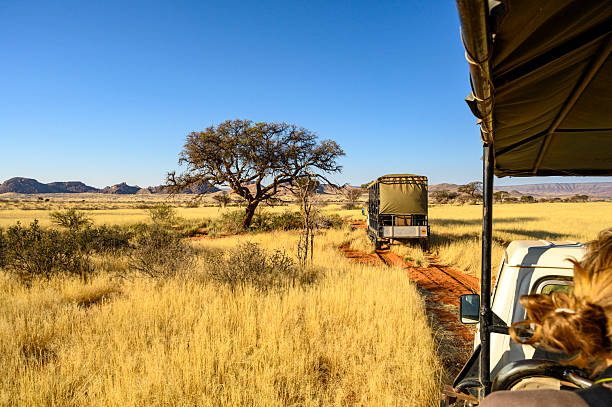
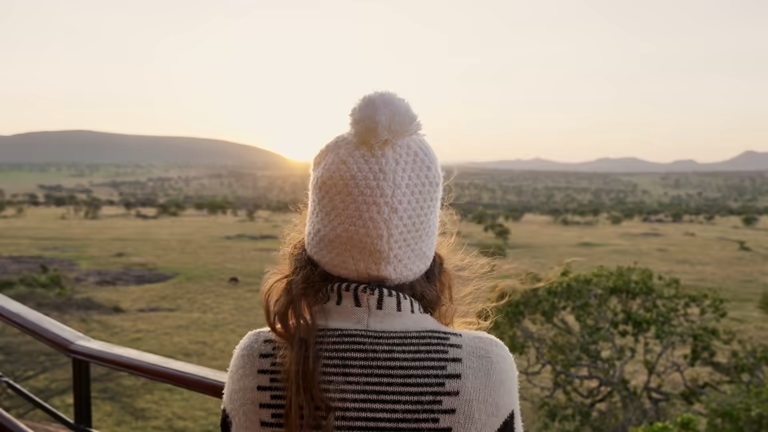
Lake Natron Walking Safari From Moshi: Your Ultimate Planning Guide
The vibrant, alkaline waters of Lake Natron, shimmering under the vast Tanzanian sky, offer a spectacle unlike any other. For the adventurous traveler seeking an experience beyond the typical safari circuit, a Lake Natron walking safari from Moshi presents an unparalleled opportunity to connect with raw nature and local Maasai culture. This isn’t just a trip; it’s an immersion into a landscape shaped by volcanic forces and sustained by unique ecosystems, all accessible from the gateway town of Moshi.
This guide is designed to provide you with all the essential information needed to plan an unforgettable walking safari to Lake Natron. We’ll cover what makes this destination so special, the best times to visit, practical itinerary planning, what to expect on the ground, essential packing tips, and how to book your adventure with confidence for trips in 2026 and 2027.
Quick Overview: Lake Natron Walking Safari
| Aspect | Details |
|---|---|
| Destination | Lake Natron, Northern Tanzania |
| Starting Point | Moshi, Tanzania |
| Primary Activity | Walking/Hiking, Cultural Visits, Wildlife Viewing (Flamingos, Birds), Landscape Exploration |
| Key Features | Highly alkaline lake, breeding ground for Lesser Flamingos, dramatic escarpment views, Maasai bomas, Ol Doinyo Lengai volcano proximity. |
| Duration | Typically 3-5 days (can be customized) |
| Best Time to Visit | Dry seasons (June-October, December-February) for easier travel and flamingo presence. |
| Accommodation | Campsites, basic lodges/guesthouses. |
| Travel Style | Adventure, Cultural, Nature, Walking. |
Why Choose a Lake Natron Walking Safari From Moshi?
Lake Natron is more than just a striking visual. Its unique properties create a fragile yet resilient environment that draws a specific array of life, most notably the vast flocks of Lesser Flamingos that use the lake as their primary breeding ground in Africa. A walking safari here allows for a much more intimate connection with this environment than a typical vehicle-based safari.
- Unique Ecosystem: The high alkalinity and temperatures of Lake Natron, while inhospitable to many species, are perfect for the blue-green algae that feed the flamingos. The stark, salt-encrusted shores contrast dramatically with the surrounding arid landscapes and distant mountains.
- Flamingo Spectacle: During the breeding season, the lake can be a breathtaking sea of pink as hundreds of thousands of Lesser Flamingos gather. Walking safaris offer the best vantage points to observe their activities without disturbing them.
- Cultural Immersion: The Lake Natron region is home to traditional Maasai communities. Walking safaris provide opportunities to visit Maasai bomas (homesteads), learn about their ancient customs, pastoral lifestyle, and daily lives in a respectful and authentic way.
- Dramatic Landscapes: Beyond the lake itself, the area is characterized by rugged escarpments, volcanic plains, and the imposing silhouette of Ol Doinyo Lengai, the Maasai ‘Mountain of God’. Walking allows you to truly appreciate the scale and geological history of the region.
- Off-the-Beaten-Path Adventure: Lake Natron is less visited than the Northern Circuit’s more famous parks. This means fewer crowds and a more profound sense of discovery and solitude.
- Proximity to Moshi: Moshi serves as a convenient and accessible starting point for organizing your Lake Natron excursion, offering a range of tour operators and logistical support.
Understanding the Lake Natron Experience
A walking safari to Lake Natron is an adventure that requires a certain level of preparedness and an open mind. It’s different from a game drive in Serengeti or Tarangire. Here, the focus shifts to the smaller details, the geological wonders, and the human element.
The Lake Itself
Lake Natron’s appearance changes dramatically depending on the season and water levels. It can appear deep red, pink, or even white due to the mineral deposits. The water is highly saline and alkaline, making it unsuitable for drinking or swimming for humans. The ‘walking’ aspect often involves traversing the lake’s shores, observing birdlife, and appreciating the unique microbial mats that thrive in its waters.
Wildlife Beyond Flamingos
While flamingos are the stars, Lake Natron also attracts other bird species, including Greater Flamingos, various waterfowl, and waders. In the surrounding areas, you might spot giraffes, zebras, wildebeest, gazelles, and various predators, though sightings are less concentrated than in the national parks. The true wildlife viewing here is often in the smaller, more resilient species adapted to the arid environment, and of course, the incredible birdlife.
Maasai Culture
The Maasai people have lived in this region for centuries, their lives intrinsically linked to the land and their cattle. A walking safari provides a unique chance to engage with their traditions. You might participate in a traditional dance, learn about their medicinal plants, or understand their social structures. It’s crucial to approach these interactions with respect and genuine curiosity.
Geological Wonders
The Great Rift Valley forms the dramatic backdrop to Lake Natron. The lake itself is a product of volcanic activity. Nearby, the iconic Ol Doinyo Lengai, an active stratovolcano, dominates the skyline. While climbing Ol Doinyo Lengai is a separate, strenuous undertaking, its presence adds a powerful geological dimension to the Lake Natron experience.
When is the Best Time for a Lake Natron Walking Safari?
Timing is crucial for maximizing your Lake Natron walking safari experience, especially if your primary interest is seeing the flamingos. The best periods align with Tanzania’s dry seasons, which also offer more comfortable conditions for walking.
Dry Seasons (June to October & December to February)
- Flamingo Breeding: The most significant congregations of Lesser Flamingos typically occur during the rainy seasons when water levels are higher, creating ideal conditions for algae bloom. However, they often remain in large numbers and are visible during the early parts of the dry season as they feed and raise their young. The peak breeding season can vary, but the period from September to November is often cited as prime time for seeing large numbers of flamingos, including chicks.
- Travel Conditions: The dry seasons offer sunny days and cooler temperatures, making walking more pleasant. Roads are generally in better condition, reducing travel times and potential disruptions.
- Crowds: While Lake Natron is less crowded than major parks, these periods are generally more popular for tourism in Tanzania.
Shoulder Seasons (March-May, November)
- Rainfall: March to May is typically the long rainy season. While this can bring lush green landscapes, it also means challenging road conditions, potential for travel delays, and less comfortable walking conditions. It’s generally not the ideal time for a Lake Natron walking safari.
- November: This can be a transitional month. You might experience some rain, but it can also be a good time for fewer crowds and potentially lower prices. Flamingo numbers might be less predictable.
Planning for 2026 and 2027
When planning your trip for 2026 or 2027, consider booking well in advance, especially if you aim for the peak flamingo season. The dry months of June to October 2026 and December 2026 to February 2027, as well as similar periods in 2027-2028, are excellent choices. For specific flamingo breeding activity, research current reports or consult with your tour operator regarding the most likely times for large congregations.
| Month | Weather | Flamingo Activity | Road Conditions | Notes |
|---|---|---|---|---|
| Jan-Feb | Hot, dry season | Possible, but not peak breeding | Good | Good for walking, fewer crowds. |
| Mar-May | Long rains, humid | Variable, less predictable | Poor, muddy, difficult | Not recommended for walking safaris. |
| Jun-Oct | Cool, dry season | Good numbers, juveniles may be present | Good | Ideal for walking, pleasant weather. Peak season. |
| Nov | Short rains, transitional | Variable | Fair to poor | Can be a good option if avoiding peak season crowds. |
| Dec | Hot, start of dry season | Increasing numbers | Good | Good for travel and wildlife. |
Sample Itinerary: 4-Day Lake Natron Walking Safari From Moshi
This is a sample itinerary designed to give you a feel for a typical Lake Natron walking safari from Moshi. It can be customized to suit your interests, fitness level, and available time. The focus is on walking, cultural interaction, and appreciating the unique environment.
Day 1: Moshi to Lake Natron Area
- Morning: After breakfast in Moshi, meet your guide and driver. Briefing on the safari and the journey ahead.
- Drive: Begin the scenic drive towards Lake Natron. The journey takes approximately 4-5 hours, passing through Maasai villages and semi-arid landscapes. The roads become rougher as you approach the lake.
- Lunch: Enjoy a packed lunch en route or upon arrival at your campsite/lodge.
- Afternoon: Set up camp or check into your accommodation. Depending on arrival time, take a short introductory walk around the camp area or visit a nearby viewpoint for your first glimpse of Lake Natron and the surrounding escarpment.
- Evening: Sundowners with views of Ol Doinyo Lengai. Dinner and overnight stay in the Lake Natron area.
Day 2: Walking Safari and Flamingo Viewing
- Morning: Early breakfast. Head out for a guided walking safari along the shores of Lake Natron. Your guide will point out the unique flora and fauna, explain the lake’s geology, and help you spot birdlife. Focus on observing the flamingos (if present in large numbers).
- Midday: Return to camp for lunch and a rest during the hottest part of the day.
- Afternoon: Visit a local Maasai boma for a cultural interaction. Learn about their traditions, way of life, and perhaps witness a traditional dance. This is a chance for respectful engagement and learning.
- Evening: Dinner and overnight near Lake Natron.
Day 3: Waterfalls and Escarpment Exploration
- Morning: After breakfast, embark on a walk to the nearby waterfalls (e.g., Engare Sero Waterfalls). This involves hiking through a gorge, offering a refreshing contrast to the dry lakebed. The walk can be moderately challenging.
- Lunch: Enjoy a picnic lunch near the waterfalls.
- Afternoon: Explore the escarpment area. Depending on your fitness and interest, you can opt for a longer hike or a scenic drive to viewpoints offering panoramic vistas of the lake and the Great Rift Valley.
- Evening: Farewell dinner and overnight at Lake Natron.
Day 4: Return to Moshi
- Morning: Enjoy a final breakfast with views of the landscape.
- Drive: Begin the drive back to Moshi. You can make stops along the way for photography or to purchase local crafts if time permits.
- Lunch: Packed lunch or stop at a local eatery en route.
- Afternoon: Arrive back in Moshi, concluding your Lake Natron walking safari adventure.
What to Expect on a Walking Safari
A walking safari is an active experience. It requires a good level of fitness and a willingness to embrace the elements. Here’s what you can realistically expect:
- Physical Demands: Expect to walk for several hours each day, often on uneven terrain, sandy shores, or rocky paths. The heat can also be a factor.
- Accommodation: Options are generally basic but comfortable. This usually involves camping in designated sites with full camping equipment provided by the tour operator, or staying in simple lodges or guesthouses that offer a more rustic experience. Expect shared bathroom facilities at campsites.
- Food: Meals are typically prepared by your safari cook or lodge staff. Expect hearty, wholesome meals using fresh local ingredients where possible. Packed lunches are common for full-day excursions.
- Wildlife Encounters: While you might see some larger mammals, the focus is on birdlife and the unique adaptations of creatures to this harsh environment. Patience and keen observation are key. Safety is paramount, and your guide will ensure you maintain a safe distance from any wildlife.
- Cultural Interactions: These are opportunities for genuine connection. Be prepared to share smiles, learn basic greetings, and show respect for local customs. Your guide will facilitate these interactions, ensuring they are positive for both visitors and the Maasai community.
- Remoteness: Lake Natron is a remote destination. Mobile phone reception can be spotty, and amenities are limited. This remoteness is part of its charm, offering a true escape.
- Guides: You will be accompanied by experienced guides, often Maasai themselves, who possess deep knowledge of the area’s ecology, geology, and culture. They are trained in first aid and ensuring your safety.
Essential Packing List for Lake Natron
Packing appropriately is crucial for comfort and safety on a walking safari. Given the terrain and climate, versatility and protection are key.
Clothing
- Lightweight, breathable trousers: 2-3 pairs (for walking and sun protection).
- Long-sleeved shirts: 2-3 (for sun protection and cooler evenings).
- T-shirts/tops: 3-4 (moisture-wicking).
- Fleece or warm jacket: For cooler mornings and evenings.
- Waterproof/windproof jacket: Essential for unpredictable weather.
- Comfortable walking shorts: 1-2 pairs (for downtime or less strenuous walks).
- Underwear and socks: Plenty of moisture-wicking socks (hiking socks are ideal).
- Swimsuit: For any lodges with pools (rare, but possible).
- Hat: Wide-brimmed hat for sun protection.
Footwear
- Broken-in hiking boots: Waterproof and sturdy for walking on varied terrain.
- Comfortable sandals or trainers: For camp and relaxing.
Health and Hygiene
- Sunscreen: High SPF.
- Insect repellent: With DEET.
- Personal first-aid kit: Including any personal medications, blister treatment, pain relievers, antiseptic wipes.
- Hand sanitizer.
- Toiletries: Biodegradable options are preferred.
- Malaria prophylaxis: Consult your doctor before travel.
Gear and Accessories
- Backpack: Small daypack for water, snacks, camera, etc.
- Water bottles or hydration reservoir: At least 2 liters capacity.
- Sunglasses.
- Camera and extra batteries/memory cards.
- Binoculars: Highly recommended for wildlife viewing.
- Headlamp or flashlight: With extra batteries.
- Power bank: For charging devices (charging opportunities may be limited).
- Dry bag: To protect electronics from dust and potential moisture.
- Travel towel: Quick-drying.
- Passport, visa, and copies of important documents.
- Cash: For tips and souvenirs (US Dollars are widely accepted).
Safety Considerations
Safety is always a priority. Your tour operator will have protocols in place, and your guide is trained to manage risks.
- Wildlife: Always follow your guide’s instructions. Maintain a safe distance from animals. Do not approach or feed wildlife.
- Terrain: Be mindful of uneven ground, slippery surfaces near water, and potential drop-offs. Wear appropriate footwear and watch your step.
- Lake Natron: Do not attempt to swim or drink the lake water. It is highly alkaline and can cause severe burns or illness.
- Heat: Stay hydrated, wear sun protection, and take breaks during the hottest parts of the day.
- Health: Ensure you have necessary vaccinations and malaria precautions. Carry a personal first-aid kit.
- Communication: In remote areas, communication can be difficult. Ensure your guide has emergency contact information.
Who is a Lake Natron Walking Safari Best For?
This type of safari appeals to a specific type of traveler:
- Adventurous Souls: Those who enjoy active travel, hiking, and exploring off-the-beaten-path destinations.
- Nature Enthusiasts: Individuals fascinated by unique ecosystems, birdlife, and dramatic landscapes.
- Cultural Explorers: Travelers keen to respectfully engage with indigenous communities and learn about different ways of life.
- Photographers: The stark beauty, vibrant colors, and unique subjects offer incredible photographic opportunities.
- Those Seeking Solitude: Travelers who prefer fewer crowds and a more intimate connection with nature.
- Fit Individuals: A reasonable level of fitness is required to comfortably participate in the walking activities.
It might not be ideal for travelers seeking luxury accommodations, abundant large game viewing typical of Maasai Mara or Serengeti, or those with significant mobility issues.
Common Mistakes to Avoid
To ensure a smooth and enjoyable trip, be aware of these common pitfalls:
- Underestimating the Walking: Don’t assume it’s just a casual stroll. Be prepared for genuine hiking.
- Inadequate Footwear: Wearing brand-new or inappropriate shoes can lead to blisters and discomfort.
- Poor Hydration: Dehydration is a serious risk in the heat. Drink water consistently.
- Ignoring Sun Protection: The African sun is intense. Sunburn can quickly ruin a trip.
- Disrespectful Cultural Interactions: Approach Maasai visits with humility and respect. Always ask permission before taking photos of people.
- Expecting Luxury Amenities: Embrace the rustic charm and basic facilities.
- Not Packing for Varied Weather: Evenings can be cool, and sudden rain showers can occur.
- Booking with Unreliable Operators: Ensure your tour operator is reputable and experienced in this specific region.
Alternatives to Lake Natron
While Lake Natron offers a unique experience, other destinations in Tanzania provide different, yet equally rewarding, adventures:
| Destination | Key Activities | Travel Style | Best For | Proximity to Moshi |
|---|---|---|---|---|
| Tarangire National Park | Game drives, walking safaris (designated areas), large elephant herds, baobab trees. | Classic Safari, Walking Safari | Abundant wildlife, diverse landscapes. | Easier access than Natron, often part of Northern Circuit. |
| Arusha National Park | Walking safaris, canoeing, game drives, Mount Meru trekking. | Active, Nature, Trekking | Close to Moshi, varied activities, beautiful scenery. | Very close to Moshi. |
| Kilimanjaro Trekking | Multi-day mountain climbing. | Trekking, Adventure | Summiting Africa’s highest peak. | Starts from Moshi. |
| Usambara Mountains | Hiking, nature walks, bird watching, cultural village visits. | Hiking, Cultural, Nature | Lush forests, cooler climate, less touristy hiking. | Requires longer travel from Moshi, different region. |
| Mto wa Mbu | Cultural tourism, banana plantation tours, local markets. | Cultural, Local Life | Understanding local communities and agriculture. | On the way to Ngorongoro/Manyara. |
Planning Your 2026-2027 Lake Natron Adventure
Organizing a trip to Lake Natron requires careful planning, especially for 2026 and 2027. Here are key considerations:
Choosing a Tour Operator
This is perhaps the most critical step. A good tour operator will handle logistics, safety, accommodation, food, and guides. Look for operators with:
- Specific experience in the Lake Natron region.
- Positive reviews and testimonials.
- Clear communication channels.
- Comprehensive itineraries and inclusions.
- Knowledge of the best times for flamingo viewing.
Working with a local operator based in Moshi or Arusha often provides the best value and local insight.
Customization Options
Most operators offer customizable tours. Consider:
- Duration: Do you want a quick 3-day trip or a more relaxed 5-day exploration?
- Activities: More focus on walking, cultural visits, or photography?
- Accommodation: Prefer camping for a more immersive experience, or a basic lodge?
- Combination Tours: Combine Lake Natron with other Northern Circuit destinations like Tarangire or Manyara for a broader safari experience.
Booking Timeline for 2026-2027
Given the remote nature of Lake Natron and the specific timing required for optimal flamingo viewing, it’s advisable to book your Lake Natron walking safari from Moshi well in advance, especially for travel in 2026 and 2027.
- 6-12 Months in Advance: For peak season travel (June-October 2026/2027) or if you have specific requirements. This secures your preferred dates and operators.
- 3-6 Months in Advance: For travel during shoulder seasons or less busy periods.
- Less than 3 Months: Possible, but options may be limited, and prices could be higher.
What to Expect in Terms of Cost
Costs for a Lake Natron walking safari can vary significantly based on the operator, group size, accommodation type, and inclusions. Expect it to be less expensive than a luxury safari in the Serengeti but more than a basic day trip.
Generally, costs will cover:
- Park fees (if applicable, though Natron is often managed differently)
- Guide fees
- Vehicle and driver for transfers
- Accommodation (camping or lodge)
- Meals as specified in the itinerary
- Camping equipment (if camping)
You will typically need to budget extra for:
- Tips for guides and staff
- Drinks and alcoholic beverages
- Souvenirs
- Travel insurance
- Visa fees
When comparing quotes for 2026 or 2027, always check what is included to ensure you are comparing like for like.
Booking Your Lake Natron Walking Safari
Ready to plan your unforgettable journey? Contact us to create a personalized Lake Natron walking safari from Moshi. We specialize in crafting authentic Tanzanian adventures that connect you with nature and culture.
Whether you’re dreaming of vibrant flamingo flocks, dramatic volcanic landscapes, or genuine Maasai encounters, we can tailor an itinerary to suit your desires for 2026 and 2027.
Get in touch today:
- WhatsApp: +255616946642
- Email: topguideadventures@gmail.com
- Backup Email: info@topguideadventures.com
We look forward to helping you explore the magic of Lake Natron!
Frequently Asked Questions (FAQs)
-
What is the best time of year for a Lake Natron walking safari in 2026-2027?
The best time is during Tanzania’s dry seasons: June to October and December to February. For the highest chances of seeing large flamingo flocks, consider September to November, though this can vary annually. Always check with your tour operator for the most current information for your planned travel dates in 2026 or 2027.
-
Is Lake Natron safe for swimming?
No, Lake Natron is highly alkaline and can cause severe skin and eye irritation. It is not safe for swimming or drinking. The walking safari focuses on observing the lake from its shores.
-
What kind of wildlife can I expect to see?
The main attraction is the vast number of Lesser Flamingos. You may also see Greater Flamingos, various other bird species, and potentially some mammals like zebras, wildebeest, and gazelles in the surrounding areas. The focus is often on the unique ecosystem and birdlife.
-
How strenuous is the walking safari?
The walking can range from moderate to strenuous depending on the itinerary. It involves walking on uneven terrain, sandy lakebeds, and sometimes rocky paths. A reasonable level of fitness is recommended. Your guide can adjust the pace and distance.
-
What are the accommodation options at Lake Natron?
Accommodation is typically basic, consisting of campsites with provided tents and equipment, or simple lodges/guesthouses. Expect shared facilities at campsites. Luxury lodges are not available in this remote area.
-
How do I get to Lake Natron from Moshi?
Travel is usually by 4×4 safari vehicle with a driver/guide. The journey takes approximately 4-5 hours, with the latter part of the road being rough and challenging, especially during the rainy season.
-
Can I climb Ol Doinyo Lengai during this safari?
Climbing Ol Doinyo Lengai is a separate, very strenuous activity that requires an overnight stay and an early morning start. It’s usually arranged as an add-on to a Lake Natron visit, not as part of a standard walking safari itinerary due to the physical demands and time commitment.
-
What should I pack for a walking safari to Lake Natron?
Pack lightweight, breathable clothing, sturdy hiking boots, a wide-brimmed hat, sunscreen, insect repellent, a reusable water bottle, and a daypack. Layers are recommended for changing temperatures. Refer to the detailed packing list in this guide.
-
How far in advance should I book my Lake Natron tour for 2026-2027?
It is highly recommended to book at least 6-12 months in advance, especially for peak seasons (June-October) or if you are traveling in 2026 or 2027 during popular periods. This ensures availability and allows for proper planning.
-
What is the typical cost of a Lake Natron walking safari?
Costs vary by operator and inclusions, but expect it to be in the mid-range for Tanzanian safaris. It’s generally less expensive than a luxury Serengeti safari. Prices will be provided upon inquiry, tailored to your specific itinerary for 2026-2027.
Book Your Unforgettable Lake Natron Walking Safari From Moshi
A Lake Natron walking safari from Moshi offers a profound connection with one of Tanzania’s most unique and captivating natural wonders. It’s an adventure that rewards the curious and the active traveler with stunning vistas, vibrant wildlife, and authentic cultural exchanges.
Let us help you craft the perfect itinerary for your 2026 or 2027 adventure. We are passionate about providing exceptional safari experiences that are both memorable and responsible.
Contact us today to start planning:
- WhatsApp: +255616946642
- Email: topguideadventures@gmail.com
- Backup Email: info@topguideadventures.com
We are eager to assist you in creating a personalized and incredible safari experience.
Plan your Lake Natron Walking Safari From Moshi with Top Guide Adventures
Tell us your travel dates, group size, comfort level, and dream experience. We will help you shape a clear, realistic, and memorable Tanzania itinerary.







 Veedesigner
 Fatma Kizanga
 Benjamin Waryuba
 Philip Philip
 John jr Itaja
 Antonia Optatus
 Edith Kanyere
 Neema Iddy
 Kelvin Boniphace
 Damari Maiga



