
Updated planning guide for 2026, 2027-2028
Drive-In Safari From Moshi: Best Guide 2026-2027-2028
Discover the convenience and adventure of a drive-in safari starting from Moshi, Tanzania. This guide covers everything you need to know for your 2026-2027 trip.
WhatsApp +255616946642 | topguideadventures@gmail.com | info@topguideadventures.com
Drive-In Safari From Moshi: Your Complete Tanzania Adventure Guide
For many travelers, the dream of experiencing Tanzania’s iconic wildlife and breathtaking landscapes begins with a safari. While many envision flying into major hubs like Kilimanjaro International Airport (JRO) or Arusha Airport (ARK), a significant number of visitors find themselves in Moshi, a vibrant town at the foot of Mount Kilimanjaro. This presents a fantastic opportunity for a drive-in safari from Moshi, offering a unique and often more accessible entry point into some of East Africa’s most celebrated national parks. This guide is designed to provide an in-depth look at planning, experiencing, and maximizing your drive-in safari adventure from Moshi, covering everything from initial considerations to booking advice for 2026 and 2027.
A drive-in safari from Moshi means your safari vehicle picks you up directly from your accommodation in or near Moshi and begins the journey towards the national parks. This approach bypasses the need for an additional transfer to a larger city like Arusha, streamlining your travel and potentially saving time and resources. It’s a practical choice for those concluding a Kilimanjaro climb, enjoying a relaxing stay in Moshi, or simply seeking an efficient way to explore Tanzania’s renowned Northern Circuit. We’ll explore the popular destinations accessible via this method, what to expect on the road, and how to prepare for an unforgettable experience.
Quick Answer: What is a Drive-In Safari From Moshi?
A drive-in safari from Moshi is a safari experience where your tour operator’s safari vehicle collects you directly from your hotel or lodge in Moshi and transports you to nearby national parks for wildlife viewing. This eliminates the need to travel to a different city like Arusha first, making it a convenient and time-efficient way to start your safari adventure in Tanzania, particularly for the Northern Circuit parks.
Table of Contents
- Quick Facts About Drive-In Safaris From Moshi
- Understanding the Drive-In Safari Concept
- Why Choose Moshi as Your Safari Starting Point?
- Top National Parks Accessible from Moshi
- Best Time for a Drive-In Safari From Moshi
- Sample Drive-In Safari Routes & Itineraries
- What to Expect on Your Drive-In Safari
- Packing and Preparation Essentials
- Common Mistakes to Avoid
- Who is a Drive-In Safari From Moshi Best Suited For?
- Alternatives to a Drive-In Safari From Moshi
- Planning Your 2026-2027 Safari From Moshi
- Booking Your Drive-In Safari
- Frequently Asked Questions (FAQs)
Quick Facts About Drive-In Safaris From Moshi
| Aspect | Details |
|---|---|
| Primary Starting Point | Moshi, Tanzania |
| Main Safari Circuit | Northern Circuit |
| Common Destinations | Tarangire, Lake Manyara, Ngorongoro Crater, Serengeti |
| Typical Duration | 1 day to multi-day trips (e.g., 3-day, 5-day, 7-day) |
| Vehicle Type | 4×4 Land Cruiser or Land Rover (custom-built for safaris) |
| Accommodation Options | Tented camps, lodges (budget to luxury) |
| Accessibility | Direct pick-up from Moshi hotels/lodges |
| Best For | Convenience, post-Kilimanjaro trekkers, those seeking efficient travel |
Understanding the Drive-In Safari Concept
The term “drive-in safari” is a practical description for a safari that begins with your transfer vehicle departing directly from your starting location, rather than requiring you to travel to a separate departure point. In the context of Moshi, this means your safari begins the moment you step into your specially equipped 4×4 safari vehicle at your hotel. You’ll then drive directly towards the national parks, often with a stop in Arusha for any necessary park permit arrangements or a brief orientation, but the primary journey starts from Moshi.
This model is particularly prevalent for safaris in Tanzania’s Northern Circuit. This circuit includes some of the most famous wildlife destinations in Africa, such as Tarangire National Park, Lake Manyara National Park, the Ngorongoro Conservation Area (including the Crater), and the vast Serengeti National Park. These parks are geographically located in a way that makes them accessible by road from the Kilimanjaro region, where Moshi is situated.
The advantage of this approach is its simplicity. Instead of coordinating multiple transfers – for example, Moshi to Arusha, then Arusha to the park – you consolidate the initial leg of your journey. Your experienced safari guide will handle all aspects of the drive, park entries, and wildlife spotting from the moment they meet you. This allows you to relax and immediately immerse yourself in the Tanzanian landscape and the anticipation of wildlife encounters.
Why Choose Moshi as Your Safari Starting Point?
Moshi offers several compelling reasons to initiate your safari adventure from this charming town:
- Proximity to Kilimanjaro International Airport (JRO): While Arusha Airport (ARK) is closer to Arusha city, JRO is conveniently located between Moshi and Arusha. Many international flights land at JRO, making Moshi a logical first or last stop.
- Post-Kilimanjaro Trek Base: Moshi is the primary town for trekkers completing Mount Kilimanjaro climbs. It’s the perfect place to rest, recover, and transition directly into a safari experience without needing to move to another city.
- Relaxed Atmosphere: Compared to the busier city of Arusha, Moshi offers a more laid-back environment. It’s a pleasant place to acclimatize, enjoy local culture, and prepare for the excitement of a safari.
- Cost-Effectiveness: Depending on your accommodation choices, staying in Moshi can sometimes be more budget-friendly than staying in Arusha, especially for longer pre- or post-safari stays.
- Established Tour Operator Networks: Many reputable Tanzanian tour operators, like Best Tanzania Tour Operator, are well-established in the Moshi area and are adept at organizing seamless drive-in safaris.
Starting your safari from Moshi doesn’t mean compromising on the quality of the experience. Reputable operators ensure that the transition is smooth, and the safari itself is of the highest standard, regardless of the initial pick-up location.
Top National Parks Accessible from Moshi
The Northern Circuit of Tanzania is renowned for its high concentration of wildlife and diverse ecosystems. A drive-in safari from Moshi can take you to several of these gems:
1. Tarangire National Park
Known as the “land of the giants,” Tarangire is famous for its large elephant herds, especially during the dry season when they congregate around the Tarangire River. You’ll also find baobab trees, lions, leopards, zebras, wildebeest, and a vast array of birdlife. The landscape is a mix of savannah, acacia woodlands, and seasonal swamps.
2. Lake Manyara National Park
This park is celebrated for its diverse habitats, including groundwater forests, acacia woodlands, and an alkaline lake that attracts thousands of flamingos (seasonally). It’s famous for its tree-climbing lions, large troops of baboons, and abundant bird species. The park is relatively small, making it ideal for a day trip or as a stop on a longer itinerary.
3. Ngorongoro Conservation Area & Crater
A UNESCO World Heritage Site, the Ngorongoro Conservation Area is a unique ecosystem encompassing the Ngorongoro Crater, the world’s largest intact volcanic caldera. The crater floor is a haven for wildlife, boasting an incredibly dense population of predators, including lions, hyenas, and jackals, as well as herbivores like wildebeest, zebras, buffalo, and elephants. It’s also one of the best places in Tanzania to spot the endangered black rhinoceros. The drive down into the crater is an experience in itself.
4. Serengeti National Park
The undisputed jewel of Tanzania’s safari destinations, the Serengeti is world-famous for the Great Migration, where millions of wildebeest, zebras, and gazelles traverse the plains in search of fresh grazing. The park offers endless savannahs, dotted with acacia trees and kopjes, supporting a rich predator population of lions, cheetahs, leopards, and hyenas. While a significant drive from Moshi, it’s a must-visit for any serious safari-goer and can be incorporated into multi-day itineraries.
5. Mount Kilimanjaro National Park
While not a typical “drive-in safari” destination for wildlife viewing in the same vein as the others, if you are based in Moshi and interested in short hikes or exploring the lower slopes for specific flora and fauna, this can be part of your experience. However, for the classic wildlife safari, the parks above are the primary focus.
Best Time for a Drive-In Safari From Moshi
The best time to plan your drive-in safari from Moshi depends on your priorities, particularly regarding wildlife viewing and weather.
| Period | Weather | Wildlife Highlights | Crowds | Notes |
|---|---|---|---|---|
| June – October (Dry Season) | Cooler temperatures, minimal rain, clear skies. | Excellent game viewing as animals gather around water sources. The Great Migration is often in the Serengeti’s western or northern areas. Good for spotting predators. | Moderate to High | Ideal for photography. Popular months, so book in advance for 2026-2027. |
| November – May (Wet Season) | Short rains in November, long rains from March to May. Hotter temperatures. | Calving season for wildebeest (Jan-Feb) in Serengeti is spectacular. Lush green landscapes. Birdwatching is superb. Fewer crowds. | Low to Moderate | Road conditions can be challenging in deep wet season. Excellent for budget travelers and photographers seeking dramatic skies and newborn animals. |
Key Considerations for 2026-2027 Planning:
- Great Migration: If witnessing the Great Migration is a priority, research its expected location for your chosen travel dates in 2026 or 2027. The herds move in a predictable, though not exact, pattern.
- Birdwatching: The wet season (especially November and April-May) offers the best birdwatching opportunities, with migratory birds present and resident birds in breeding plumage.
- Photography: The dry season generally offers clearer skies and better light for photography, but the green landscapes of the wet season can be equally stunning.
Sample Drive-In Safari Routes & Itineraries
The duration of your drive-in safari from Moshi will dictate which parks you can visit and how much time you spend in each. Here are a few sample itinerary structures:
Example 1: 3-Day Northern Circuit Explorer (Focus: Ngorongoro & Tarangire/Manyara
Day 1: Moshi to Tarangire National Park
- Morning pick-up from your Moshi hotel.
- Drive to Tarangire National Park (approx. 3-4 hours).
- Full-day game drive in Tarangire, renowned for its elephants and baobab trees.
- Overnight at a lodge or tented camp just outside Tarangire or near Karatu.
Day 2: Ngorongoro Crater Tour
- Morning drive to the Ngorongoro Conservation Area.
- Descend into the Ngorongoro Crater for a half-day game drive. This caldera is a UNESCO World Heritage site and home to a high density of wildlife.
- Ascend from the crater in the afternoon.
- Overnight at a lodge or camp in the Karatu area or on the crater rim.
Day 3: Lake Manyara or drive back to Moshi
- Option 1: Morning game drive in Lake Manyara National Park, famous for its tree-climbing lions and flamingos.
- Option 2: Enjoy a leisurely morning, perhaps visit a local coffee plantation, and begin the drive back to Moshi.
- Afternoon arrival back in Moshi.
Example 2: 5-Day Northern Circuit Classic (Focus: Serengeti, Ngorongoro, Tarangire
Day 1: Moshi to Tarangire National Park
- Morning pick-up from Moshi.
- Drive to Tarangire National Park (approx. 3-4 hours).
- Full-day game drive focusing on elephants and diverse birdlife.
- Overnight at a lodge or camp near Tarangire.
Day 2: Tarangire to Serengeti National Park
- Morning game drive in Tarangire as you depart.
- Drive towards the Serengeti National Park, entering via the Naabi Hill Gate.
- Afternoon game drive en route to your central Serengeti accommodation.
- Overnight in the central Serengeti.
Day 3: Serengeti National Park Exploration
- Full-day game drive in the Serengeti. Depending on the season, you might focus on areas known for the Great Migration or excellent predator sightings.
- Optional: Hot air balloon safari at sunrise (additional cost).
- Overnight in the central Serengeti.
Day 4: Serengeti to Ngorongoro Crater
- Morning game drive in the Serengeti as you exit the park.
- Drive towards the Ngorongoro Conservation Area. Stop at Olduvai Gorge (optional, small fee) for a glimpse into early human history.
- Descend into the Ngorongoro Crater for an afternoon game drive.
- Overnight at a lodge on the crater rim or in Karatu.
Day 5: Ngorongoro to Moshi
- Optional: Visit Lake Manyara National Park for a morning game drive.
- Begin the scenic drive back to Moshi (approx. 4-5 hours from Karatu/Ngorongoro).
- Arrive back in Moshi in the afternoon.
Example 3: 7-Day Grand Northern Circuit (Comprehensive Experience
A 7-day itinerary allows for a more in-depth exploration of the Serengeti, potentially visiting different regions (central, north, or south depending on migration patterns), and more time in Tarangire and Ngorongoro. It can also include Lake Manyara with more leisure.
Key Route Elements:
- Day 1-2: Tarangire National Park (focus on elephants, diverse landscapes).
- Day 3-4: Serengeti National Park (central region, migration viewing, predator action).
- Day 5: Serengeti exploration (potentially shifting to a different region if migration patterns suggest).
- Day 6: Serengeti to Ngorongoro Crater, with crater tour.
- Day 7: Lake Manyara National Park (optional morning game drive), then return to Moshi.
The exact order and duration in each park can be customized based on your interests, budget, and the time of year for your 2026 or 2027 safari.
What to Expect on Your Drive-In Safari
A drive-in safari from Moshi is an adventure that combines travel with wildlife immersion. Here’s what you can generally expect:
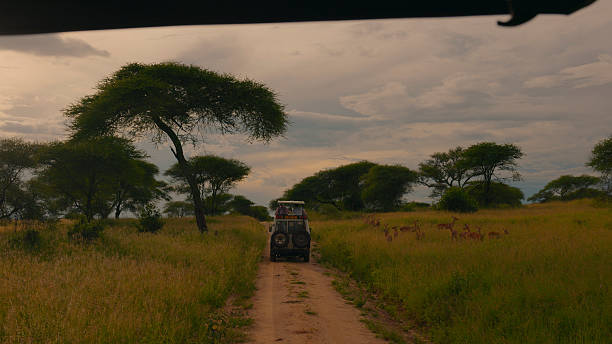
- Vehicle and Guide: You will be picked up in a specially designed 4×4 safari vehicle (typically a Land Cruiser or Land Rover) with a pop-up roof for optimal game viewing and photography. Your driver-guide is a professional with extensive knowledge of the local wildlife, ecosystems, and routes. They are trained to spot animals, provide information, and ensure your safety.
- Road Conditions: Roads within Tanzania’s national parks can vary significantly. Some are well-maintained gravel tracks, while others can be rough, bumpy, and dusty, especially during the wet season. The drive between parks can also involve long stretches on paved or unpaved roads. Your 4×4 vehicle is equipped to handle these conditions.
- Game Drives: Game drives are conducted in the safari vehicle. You will spend several hours each day driving through the parks, searching for animals. The guide will often stop the vehicle to allow for observation and photography.
- Accommodation: Safari accommodations range from basic tented camps and budget lodges to luxurious lodges and tented camps. Most include en-suite bathrooms and meals. The style of accommodation significantly impacts the overall cost of your safari.
- Meals: Meals are typically provided by your lodge or camp. During full-day game drives, a packed lunch (picnic box) is usually provided by the lodge or arranged by your tour operator. Your tour package will specify meal inclusions.
- Daily Schedule: A typical safari day involves an early morning game drive (when animals are most active), returning to the lodge for breakfast or lunch, and then an afternoon game drive until sunset. Some itineraries may include a full day out with a picnic lunch.
- Wildlife Encounters: While guides are skilled at finding animals, wildlife sightings are not guaranteed. Patience and a bit of luck are part of the safari experience. The Northern Circuit parks offer high chances of seeing the “Big Five” (lion, leopard, elephant, rhino, buffalo), along with numerous other species.
- Cultural Interactions: While the focus is on wildlife, opportunities for cultural interaction might arise, such as visiting a Maasai village (often an optional add-on) or interacting with local communities on the drive.
Packing and Preparation Essentials
Proper packing is crucial for a comfortable and enjoyable safari. Focus on practicality and comfort.
Clothing:
- Neutral Colors: Pack lightweight, breathable clothing in neutral colors like khaki, olive green, beige, and brown. Avoid bright colors and dark colors (like blue or black, which can attract tsetse flies).
- Layers: Mornings and evenings can be cool, especially at higher altitudes or during the dry season. Pack long-sleeved shirts and trousers for warmth and sun protection.
- T-shirts & Shorts: Comfortable for warmer parts of the day.
- Fleece or Warm Jacket: Essential for early mornings and evenings.
- Rain Jacket: Lightweight and waterproof, especially if traveling during the shoulder or wet seasons.
- Hat: Wide-brimmed hat for sun protection.
- Comfortable Shoes: Closed-toe walking shoes or hiking boots (if planning any short walks) and comfortable sandals or flip-flops for the lodge.
Health & Safety:
- Insect Repellent: With DEET for mosquitoes.
- Sunscreen: High SPF.
- Sunglasses: For glare protection.
- Personal First-Aid Kit: Including any personal medications, pain relievers, antiseptic wipes, and bandages.
- Malaria Prophylaxis: Consult your doctor about recommended antimalarials for Tanzania.
- Hand Sanitizer: For use during game drives.
Gear & Accessories:
- Binoculars: Essential for spotting distant wildlife.
- Camera & Accessories: Extra batteries, memory cards, and a zoom lens if possible.
- Power Bank/Portable Charger: For keeping devices charged on the go.
- Adapter: Tanzania uses Type D and Type G plugs (230V).
- Reusable Water Bottle: Stay hydrated and reduce plastic waste.
- Small Backpack: For carrying essentials during game drives (water, camera, sunscreen, snacks).
- Field Guidebook: Optional, but can enhance wildlife identification.
Documents:
- Passport & Visa: Ensure they are valid.
- Yellow Fever Certificate: May be required for entry.
- Travel Insurance Details: Keep copies accessible.
- Flight Information & Safari Itinerary.
Important Note: Most safari vehicles have limited luggage space. Soft duffel bags are generally preferred over hard suitcases.
Common Mistakes to Avoid
Planning a safari involves many details. Avoiding these common mistakes can ensure a smoother and more rewarding experience:
- Booking with Unreputable Operators: This is the biggest mistake. Always choose a licensed, well-reviewed tour operator. Poorly managed safaris can lead to breakdowns, bad guides, and disappointing experiences.
- Underestimating Travel Times: Distances in Tanzania can be vast, and road conditions vary. Factor in ample travel time between locations. A “drive-in” safari from Moshi is efficient, but it still involves significant driving.
- Not Packing Appropriately: Wearing the wrong clothes (e.g., bright colors, heavy fabrics) can detract from your comfort and the safari experience.
- Expecting Guarantees: Wildlife sightings are natural events and cannot be guaranteed. Patience and flexibility are key. Don’t set unrealistic expectations for seeing every animal on every outing.
- Ignoring Health Precautions: Failing to take preventative measures against malaria or sun exposure can lead to serious health issues.
- Over-packing: Luggage space in safari vehicles is limited. Stick to essentials and soft bags.
- Not Budgeting for Extras: Factor in tips for guides and lodge staff, park fees (usually included in packages, but clarify), drinks, souvenirs, and optional activities like hot air balloon rides.
- Choosing the Wrong Time of Year: Traveling during the peak of the rainy season might mean challenging road conditions and fewer animals in certain areas. Research the best time for your priorities.
- Not Communicating Preferences: Be clear with your tour operator about your interests (e.g., photography, birding, specific animals, accommodation style) so they can tailor the itinerary.
Who is a Drive-In Safari From Moshi Best Suited For?
A drive-in safari from Moshi is an excellent option for several types of travelers:
- Post-Kilimanjaro Trekkers: It’s the most convenient way to transition from a strenuous climb to a relaxing yet adventurous safari experience.
- Time-Conscious Travelers: Those who want to maximize their safari time and minimize travel logistics, as it cuts out an extra transfer day to Arusha.
- Budget-Conscious Travelers: Sometimes, starting from Moshi can offer slightly more affordable accommodation options compared to staying in Arusha, potentially reducing overall tour costs.
- Travelers Arriving/Departing JRO: If your flights land at or depart from Kilimanjaro International Airport (JRO), Moshi offers a logical and direct starting point.
- Adventure Seekers: Anyone looking for a classic African safari experience with incredible wildlife viewing opportunities.
- Families: With appropriate planning and choice of accommodation, safaris are a fantastic educational and bonding experience for families.
Alternatives to a Drive-In Safari From Moshi
While a drive-in safari from Moshi is efficient, other options exist:
- Safari from Arusha: This is the most common alternative. You would typically transfer from Moshi to Arusha (approx. 1-1.5 hours), stay overnight, and then begin your safari the next day from Arusha. This offers a wider range of pre-safari accommodation and dining options in Arusha city.
- Fly-in Safaris: For a more luxurious and time-saving experience, you can take a domestic flight from Arusha Airport (ARK) or Kilimanjaro International Airport (JRO) directly to an airstrip within the Serengeti or other parks. This significantly reduces travel time but is considerably more expensive.
- Shorter Day Trips: If time is very limited, you could consider a single-day trip from Moshi to a closer park like Marangu National Park (for waterfalls and forest walks, not wildlife safari) or a very long day trip to Arusha National Park (which might be feasible but rushed). However, for a true safari experience, overnight stays are recommended.
Planning Your 2026-2027 Safari From Moshi
Planning ahead is essential, especially for popular safari seasons in 2026 and 2027. Here’s a guide to help you:
12-18 Months Before (Early Planning for 2026-2027):
- Define Your Budget: Determine a realistic budget for your safari, considering accommodation style, duration, and included activities.
- Research Tour Operators: Look for reputable operators with good reviews and clear communication. Get quotes from a few.
- Choose Your Parks & Itinerary: Decide which parks you want to visit and for how long. Consider the Great Migration if that’s a priority.
- Book Key Accommodations/Flights: For peak seasons (June-October 2026/2027), book your safari package and international flights early.
6-9 Months Before:
- Confirm Safari Package: Finalize your itinerary and inclusions with your chosen tour operator.
- Book Internal Flights (if applicable): If you plan any domestic flights, book these now.
- Visa Requirements: Check visa requirements for Tanzania and apply if necessary.
3-6 Months Before:
- Vaccinations & Health Consultations: Consult your doctor about necessary vaccinations and malaria prophylaxis.
- Travel Insurance: Purchase comprehensive travel insurance.
- Gear Shopping: Start acquiring necessary safari clothing and gear.
1-3 Months Before:
- Finalize Payments: Make any remaining payments for your safari.
- Pack Your Bags: Begin packing, focusing on lightweight and neutral-colored clothing.
- Prepare Documents: Organize passports, visas, insurance details, and copies of your itinerary.
Weeks Before:
- Confirm Pick-up Details: Reconfirm your Moshi pick-up time and location with your tour operator.
- Currency: Exchange some currency for tips or small purchases. US Dollars are widely accepted for park fees and larger payments, but Tanzanian Shillings are useful for local markets.
Booking Your Drive-In Safari
When booking your drive-in safari from Moshi, prioritize working with a trusted and experienced tour operator. Here’s what to look for and how to proceed:
- Reputation and Reviews: Look for operators with a strong online presence, positive reviews on platforms like TripAdvisor, and testimonials from previous clients.
- Licensing: Ensure the operator is officially licensed by the Tanzanian government to conduct tours.
- Clear Communication: A good operator will respond promptly and clearly to your inquiries, providing detailed quotes and itineraries.
- Customization: Most operators can tailor itineraries to your interests, budget, and time constraints. Don’t hesitate to ask for modifications.
- Inclusions and Exclusions: Carefully review what is included in your safari package (e.g., park fees, accommodation, meals, guide services, vehicle, water) and what is not (e.g., tips, drinks, optional activities, international flights, visa fees).
- Payment Terms: Understand the deposit and final payment schedule. Reputable operators typically require a deposit to secure your booking and the balance due closer to the travel date.
- Emergency Contact: Ensure you have 24/7 emergency contact details for your tour operator.
Contact Best Tanzania Tour Operator for your 2026-2027 Drive-In Safari from Moshi:
Ready to plan your unforgettable drive-in safari from Moshi? Our team at Best Tanzania Tour Operator specializes in crafting personalized Tanzanian adventures. We offer expert advice, custom itineraries, and a commitment to providing exceptional safari experiences.
Get in touch today:
- WhatsApp: +255616946642
- Email: topguideadventures@gmail.com
- Backup Email: info@topguideadventures.com
Let us help you create the safari of a lifetime, starting conveniently from Moshi.
Frequently Asked Questions (FAQs)
1. Is a drive-in safari from Moshi safe?
Yes, drive-in safaris from Moshi are generally very safe when booked with a reputable tour operator. These operators use experienced guides who are trained in wildlife behavior and safety protocols. The safari vehicles are designed for the terrain and equipped for safety. Your guide will brief you on any necessary precautions within the parks.
2. What is the difference between a drive-in safari from Moshi and one from Arusha?
The primary difference is the starting point for your safari vehicle. A drive-in safari from Moshi means your guide picks you up directly from your Moshi accommodation. A safari from Arusha would typically involve a transfer from Moshi to Arusha first, and then the safari vehicle departs from Arusha. A drive-in safari from Moshi is more direct and can save travel time.
3. Can I see the Great Migration on a drive-in safari from Moshi?
Yes, you can see the Great Migration, but its location varies throughout the year. A drive-in safari from Moshi can take you to the Serengeti, where the migration occurs. You’ll need to plan your trip for the right time of year and potentially choose an itinerary that focuses on the Serengeti’s specific regions where the herds are expected to be in 2026 or 2027.
4. How long does it take to drive from Moshi to the national parks?
Travel times vary. To Tarangire or Lake Manyara, it’s roughly 3-4 hours. To the Ngorongoro Conservation Area, it’s about 4-5 hours. Reaching the Serengeti from Moshi, including park entry and driving within the park, can take a full day or more, depending on your final accommodation location within the vast park.
5. What are the typical costs for a drive-in safari from Moshi?
Costs vary significantly based on the duration of the safari, the level of accommodation (budget, mid-range, luxury), the number of people in your group, and the specific parks visited. Park fees are a significant component. Generally, expect prices to range from around $200-$300 USD per person per day for budget options, up to $500-$1000+ USD per person per day for mid-range to luxury experiences. It’s best to get a personalized quote.
6. What should I pack for a drive-in safari from Moshi in 2026?
Pack light, neutral-colored, breathable clothing for layering. Essentials include long-sleeved shirts, trousers, a fleece or warm jacket, a hat, comfortable walking shoes, insect repellent, sunscreen, binoculars, and a camera. Soft duffel bags are preferred over hard suitcases due to limited space.
7. Is it possible to do a 1-day safari from Moshi?
While technically possible to drive to Arusha National Park for a day trip, it’s not recommended for a true safari experience. The distances to the main Northern Circuit parks (Serengeti, Ngorongoro, Tarangire) are too great for a meaningful 1-day game drive. Safaris typically require at least 2-3 days to be worthwhile.
8. What is included in a typical drive-in safari package?
Standard inclusions usually cover park entrance fees, accommodation, meals as specified in the itinerary, a professional safari guide, and a 4×4 safari vehicle with fuel. Water is often provided in the vehicle. Always clarify inclusions and exclusions with your tour operator.
9. What is the best time of year for a drive-in safari from Moshi in 2027?
The dry season (June to October) offers excellent game viewing as animals congregate around water sources. The shoulder months (e.g., November, February-March) can offer good value and fewer crowds, with the calving season in the Serengeti being a highlight in early 2027. The wet season (March-May) sees lush landscapes and birdlife but can have challenging road conditions.
10. How do I book a drive-in safari from Moshi?
You can book by contacting a reputable Tanzania tour operator directly. For a seamless drive-in safari from Moshi, reach out to us at Best Tanzania Tour Operator via WhatsApp at +255616946642 or email us at topguideadventures@gmail.com or info@topguideadventures.com. We can help you plan and customize your ideal safari for 2026-2027.
Ready for Your Tanzania Safari Adventure?
A drive-in safari from Moshi offers an accessible and exciting way to experience the wonders of Tanzania’s Northern Circuit. Whether you’re a seasoned traveler or embarking on your first African safari, our team is here to ensure your journey is unforgettable.
Let Best Tanzania Tour Operator craft your perfect safari itinerary, tailored to your interests and budget. We specialize in creating authentic, memorable experiences, from the vast plains of the Serengeti to the depths of the Ngorongoro Crater.
Contact us today to start planning your 2026-2027 safari:
- WhatsApp: +255616946642
- Email: topguideadventures@gmail.com
- Backup Email: info@topguideadventures.com
Your African adventure awaits!
Plan your Drive-In Safari From Moshi with Top Guide Adventures
Tell us your travel dates, group size, comfort level, and dream experience. We will help you shape a clear, realistic, and memorable Tanzania itinerary.







 Veedesigner
 Fatma Kizanga
 Benjamin Waryuba
 Philip Philip
 John jr Itaja
 Antonia Optatus
 Edith Kanyere
 Neema Iddy
 Kelvin Boniphace
 Damari Maiga



