
Updated planning guide for 2026, 2027-2028
Safari And Coffee Tour From Moshi: Best Guide 2026-2027-2028
Combine the thrill of a Tanzanian safari with the rich aroma of local coffee. This guide details everything you need to know for an unforgettable Safari and Coffee Tour from Moshi, covering planning, itineraries, and essential tips for 2026-2027.
WhatsApp +255616946642 | topguideadventures@gmail.com | info@topguideadventures.com
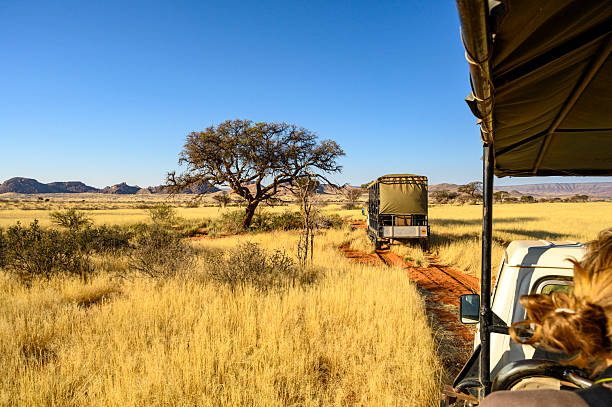
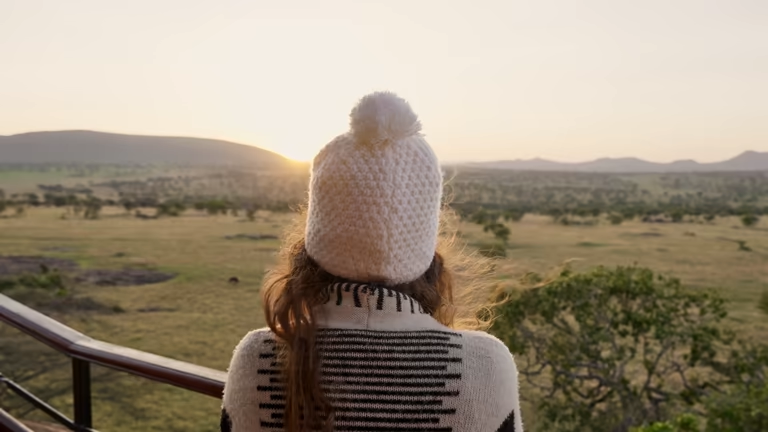
Safari and Coffee Tour From Moshi: The Ultimate Tanzania Experience
Moshi, a vibrant town nestled at the foot of Mount Kilimanjaro, serves as a unique starting point for travelers seeking more than just a typical Tanzanian adventure. For those who dream of combining the breathtaking wildlife encounters of a safari with the sensory pleasure of discovering world-class coffee, a Safari and Coffee Tour From Moshi offers an unparalleled experience. This comprehensive guide is designed to help you plan every aspect of this dual-destination journey, from understanding the appeal to finalizing your booking for trips in 2026 and 2027.
Imagine the thrill of spotting lions on the open plains, followed by the soothing ritual of learning about and tasting coffee grown in the fertile volcanic soils of Tanzania. This tour concept is perfect for those who appreciate both nature’s grand spectacles and the finer details of local agriculture and culture. It’s about experiencing Tanzania’s diverse offerings in a single, cohesive trip.
Quick Answers
- What is a Safari and Coffee Tour from Moshi? It’s a trip combining wildlife viewing in nearby national parks with visits to coffee plantations in the Kilimanjaro region.
- When is the best time to go? Generally, the dry seasons (June to October and December to February) are ideal for safaris, while coffee harvest seasons vary but often fall between April and July.
- What are the main safari destinations near Moshi? Tarangire National Park, Lake Manyara National Park, and the Serengeti (though further) are popular choices.
- What coffee experiences are available? Tours typically include plantation visits, coffee processing demonstrations, and tasting sessions.
- How long should the tour be? A typical tour ranges from 3 to 7 days, depending on the number of safari days and the depth of the coffee experience.
Table of Contents
- Tour Overview: Blending Wildlife and Aroma
- Why Choose a Safari and Coffee Tour from Moshi?
- Quick Facts: Safari and Coffee Tour
- Best Time to Plan Your Tour (2026-2027)
- Key Regions and Destinations
- Sample Itinerary: A Classic Safari and Coffee Journey
- What to Expect on Your Tour
- Inclusions, Packing, and Preparation
- Common Mistakes to Avoid
- Who is This Tour Best Suited For?
- Exploring Alternative Tanzania Experiences
- Planning Your 2026-2027 Safari and Coffee Tour
- Booking Your Safari and Coffee Tour
- Frequently Asked Questions
- Ready to Book Your Adventure?
Tour Overview: Blending Wildlife and Aroma
A Safari and Coffee Tour From Moshi is meticulously crafted to provide a balanced immersion into Tanzania’s natural wonders and its rich agricultural heritage. Unlike a standard safari that focuses solely on wildlife, this tour integrates the captivating journey of coffee, from bean to cup. Your adventure typically begins in Moshi, a town renowned for its proximity to Kilimanjaro and its role as a hub for coffee cultivation. From here, you’ll venture into the heart of Tanzania’s most celebrated wildlife parks and reserves, experiencing game drives that reveal the country’s diverse fauna. Interspersed with these safari excursions are visits to local coffee farms, where you’ll gain insights into the cultivation, harvesting, processing, and roasting of Tanzania’s prized coffee beans. This dual focus ensures a richer, more nuanced understanding of the region and its people.
The typical itinerary might involve several days dedicated to safari activities in areas like Tarangire, Lake Manyara, or even a glimpse of the vast Serengeti, followed by a day or two focused on the coffee plantations surrounding Moshi. This structure allows for both the excitement of wildlife encounters and the relaxed, sensory experience of a coffee tour. It’s an opportunity to connect with the land on multiple levels, appreciating its natural beauty and its productive capacity.
Why Choose a Safari and Coffee Tour from Moshi?
Choosing a Safari and Coffee Tour From Moshi offers a unique proposition that sets it apart from conventional travel packages. Here’s why it’s a compelling choice:
- Unique Combination: It’s not every day you find a tour that seamlessly blends the adrenaline of a safari with the comforting ritual of coffee. This duality provides a well-rounded cultural and natural experience.
- Proximity to Key Attractions: Moshi is strategically located. It’s a gateway to Northern Tanzania’s prime safari parks (like Tarangire and Lake Manyara) and is situated in one of Tanzania’s most significant coffee-growing regions. This reduces travel time and maximizes your experience.
- Cultural Immersion: Beyond wildlife, you’ll engage directly with local communities involved in coffee farming. This offers a deeper understanding of Tanzanian life, traditions, and the economic significance of coffee.
- Sensory Experience: The aroma of roasting beans, the taste of freshly brewed coffee, the visual spectacle of wildlife – this tour engages multiple senses for a truly memorable adventure.
- Support Local Economy: By visiting coffee farms and engaging with local guides and operators, you directly contribute to the livelihoods of Tanzanian communities.
- Distinctive Itinerary: For travelers who have already experienced a classic safari or are looking for something beyond the ordinary, this tour offers a fresh perspective on Tanzania.
Quick Facts: Safari and Coffee Tour
| Aspect | Details |
|---|---|
| Starting Point | Moshi, Tanzania |
| Primary Activities | Wildlife safaris (game drives), coffee plantation tours, coffee processing demonstrations, coffee tasting. |
| Duration | Typically 3 to 7 days. Shorter options might focus on one safari day and one coffee day; longer tours allow for more safari parks and in-depth coffee experiences. |
| Key Safari Parks Accessible | Tarangire National Park, Lake Manyara National Park, Arusha National Park. Serengeti and Ngorongoro Crater are accessible with longer itineraries. |
| Coffee Regions | Kilimanjaro region, often specific farms in areas like Marangu or Machame. |
| Best Time to Travel | Dry seasons (June-Oct, Dec-Feb) for safaris. Coffee harvesting is typically April-July, but processing and tours are available year-round. |
| Accommodation | Lodges, tented camps (on safari), guesthouses or lodges near coffee farms. |
| Travel Style | Can be customized for budget, mid-range, or luxury travelers. |
Best Time to Plan Your Tour (2026-2027)
Choosing the right time to undertake your Safari and Coffee Tour From Moshi significantly impacts your experience. Tanzania’s climate dictates optimal safari viewing conditions, while coffee processing seasons influence the farm visit aspect.
Safari Seasonality:
- Dry Seasons (June to October and December to February): These are generally considered the best times for safaris. Wildlife congregates around water sources, making animals easier to spot. Vegetation is less dense, improving visibility. Weather is typically sunny and pleasant, though mornings and evenings can be cool, especially at higher altitudes near Kilimanjaro. These periods are popular, so expect more travelers and potentially higher prices.
- Wet Seasons (March to May and November): These months offer lush landscapes and fewer crowds. However, game viewing can be more challenging due to scattered vegetation and dispersed wildlife. Roads can also become difficult to navigate, especially during the long rains (March-May). Birdwatching is exceptional during these times.
Coffee Seasonality:
- Harvest Season (typically April to July): This is when coffee cherries are picked. Visiting during this time offers a vibrant view of the harvest process, with farmers actively collecting beans. It can be a very rewarding time for a coffee tour, offering a firsthand look at the labor involved. However, this overlaps with the main rainy season in some parts of Tanzania, though the Kilimanjaro region often experiences slightly different microclimates.
- Processing and Roasting: Coffee processing and roasting activities occur year-round, though the intensity might be higher during and immediately after harvest. Many coffee farms welcome visitors at any time of year to showcase their operations.
Recommendations for 2026-2027:
- For optimal safari conditions combined with year-round coffee tour possibilities, consider June to October 2026 or December 2026 to February 2027.
- If you are particularly interested in witnessing the coffee harvest, aim for April to July 2027, understanding that this might coincide with some rainfall, though often manageable in the Kilimanjaro region.
- Shoulder Seasons (late March-May 2026, November 2026): These can offer a good balance of fewer crowds and decent wildlife viewing, with the added benefit of greener landscapes.
Key Regions and Destinations
A Safari and Coffee Tour From Moshi typically encompasses two primary types of landscapes and experiences:
Safari Destinations (Northern Circuit):
Moshi is ideally situated to access the famed Northern Circuit of Tanzania’s national parks. The most common destinations included in tours starting from Moshi are:
- Tarangire National Park: Known for its vast elephant herds and iconic baobab trees. It’s particularly spectacular during the dry season when large numbers of animals congregate along the Tarangire River.
- Lake Manyara National Park: Famous for its tree-climbing lions, large troops of baboons, and vibrant birdlife. The park is set against the dramatic backdrop of the Great Rift Valley escarpment and features a shallow alkaline lake.
- Arusha National Park: Closer to Moshi, this park offers diverse landscapes, including Mount Meru, alkaline lakes (Momella Lakes), and Ngurdoto Crater. It’s excellent for walking safaris and has a good population of giraffes and zebras, and is home to colobus monkeys.
- Serengeti National Park & Ngorongoro Crater (Optional/Longer Tours): While further afield, these iconic destinations can be incorporated into longer Safari and Coffee Tour From Moshi itineraries. The Serengeti is world-renowned for the Great Migration and vast predator populations. The Ngorongoro Crater, a UNESCO World Heritage Site, is a collapsed volcano caldera teeming with wildlife, offering incredible densities of animals in a compact area.
Coffee Regions (Kilimanjaro Area):
The fertile volcanic slopes of Mount Kilimanjaro provide an ideal climate for growing high-quality Arabica coffee. Tours will typically focus on farms in areas around Moshi, such as:
- Marangu: Famous for its waterfalls and coffee plantations, often visited by trekkers heading up Kilimanjaro’s Marangu route. It offers a lush, green environment for coffee cultivation.
- Machame: Another area known for its coffee farms, offering beautiful views and a chance to see the entire coffee-making process.
- Local Villages and Cooperatives: Many tours will include visits to smallholder farms or local cooperatives, providing an authentic glimpse into the lives of coffee farmers and the challenges and rewards of their work.
The combination allows travelers to experience both the wild, untamed beauty of Tanzania’s wildlife and the cultivated, fragrant world of its coffee beans, all within a relatively accessible geographical area from Moshi.
Sample Itinerary: A Classic Safari and Coffee Journey (5 Days)
This sample itinerary balances safari adventure with a deep dive into the local coffee culture, starting and ending in Moshi. This is a flexible template that can be customized based on your interests and the duration of your trip.
| Day | Morning | Afternoon | Evening | Accommodation Type |
|---|---|---|---|---|
| Day 1 | Arrive in Moshi. Meet your guide, briefing. Transfer to accommodation. | Relax or explore Moshi town. Visit a local market. | Welcome dinner. Preparation for safari. | Lodge/Guesthouse in Moshi |
| Day 2 | Drive to Tarangire National Park (approx. 3-4 hours). Morning game drive. | Picnic lunch. Afternoon game drive in Tarangire, focusing on elephant herds and baobab trees. | Drive to accommodation near the park. Dinner. | Tented Camp or Lodge near Tarangire |
| Day 3 | Morning game drive in Tarangire or drive to Lake Manyara National Park. | Game drive in Lake Manyara, looking for tree-climbing lions and diverse birdlife. Picnic lunch. | Drive back towards Moshi region (approx. 3-4 hours). Check into accommodation. | Lodge/Guesthouse near Moshi |
| Day 4 | Visit a local coffee plantation (e.g., in Marangu or Machame). | Participate in coffee processing demonstration, learn about roasting, and enjoy a tasting session. Enjoy a traditional lunch at the plantation. | Return to Moshi. Free time for souvenir shopping or relaxation. Farewell dinner. | Lodge/Guesthouse in Moshi |
| Day 5 | Enjoy a final Tanzanian breakfast. | Transfer to Kilimanjaro International Airport (JRO) for your departure, or to your next destination. | N/A | N/A |
Note: This is a basic 5-day outline. For longer tours, you could add a day in the Serengeti, a visit to Ngorongoro Crater, or spend more time exploring different coffee farms and cultural sites around Moshi.
What to Expect on Your Tour
A Safari and Coffee Tour From Moshi promises a rich and varied experience. Here’s a breakdown of what you can anticipate:
On Safari:
- Early Mornings: Safaris often start at dawn to catch animals when they are most active and for the best light for photography.
- Game Drives: You’ll spend hours in a specially adapted 4×4 safari vehicle with a pop-up roof, driven by an experienced guide. Expect bumpy roads and long stretches of driving between sightings.
- Wildlife Sightings: While guides are skilled, wildlife sightings are not guaranteed. Patience is key. You’ll likely see a variety of herbivores (zebras, wildebeest, giraffes, antelopes) and potentially predators (lions, leopards, cheetahs). Elephants are common in Tarangire.
- Scenery: Expect vast savannahs, acacia woodlands, riverine forests, and dramatic escarpments, depending on the park.
- Accommodation: Lodges offer comfort with amenities, while tented camps provide a closer-to-nature experience, often with en-suite bathrooms and comfortable beds.
- Meals: Most meals on safari are provided, often served buffet-style at lodges or as packed picnics during game drives.
On the Coffee Tour:
- Farm Visits: You’ll walk through coffee fields, learning about the different varietals, soil, climate, and cultivation practices.
- Processing: Witness the journey from cherry to bean, including washing, drying, hulling, and sorting. You might see both traditional and modern processing methods.
- Roasting and Tasting: Learn about the art of roasting and experience a coffee tasting (cupping) session to appreciate the nuances of flavor.
- Cultural Interaction: Engage with local farmers and their families, gaining insights into their way of life, the importance of coffee to their community, and the challenges they face.
- Scenery: Enjoy the lush, green landscapes of the Kilimanjaro slopes, often with stunning views of the mountain itself.
- Meals: Some coffee tours might include a traditional lunch prepared by the host family or at a local eatery.
General Expectations:
- Guides: You will have knowledgeable local guides for both safari and coffee aspects, enhancing your understanding and experience.
- Logistics: Transfers between locations will be in a safari vehicle. Roads can be unpaved and rough, especially within parks.
- Pace: The pace can be demanding with early starts for safaris, but the coffee tour days are generally more relaxed.
- Connectivity: Wi-Fi and mobile signal can be spotty in national parks and remote areas. Embrace the opportunity to disconnect.
Inclusions, Packing, and Preparation
To ensure a smooth and enjoyable Safari and Coffee Tour From Moshi, careful preparation is essential. Here’s what to consider:
Typical Inclusions in Tour Packages:
While packages vary, most reputable operators will include:
- All park entry fees.
- Accommodation as specified in the itinerary.
- All meals (breakfast, lunch, dinner) as specified.
- A dedicated safari vehicle with a professional English-speaking driver-guide.
- Coffee plantation tour, including processing and tasting.
- Bottled water during game drives.
- Airport transfers to/from Moshi.
- Government taxes and levies.
Common Exclusions:
- International flights.
- Visa fees.
- Travel insurance (mandatory).
- Tips for guides and staff.
- Alcoholic and soft drinks (unless specified).
- Personal expenses (souvenirs, laundry, etc.).
- Optional activities not listed in the itinerary.
Packing Essentials:
Pack light, breathable, and neutral-colored clothing. Layers are key.
- Clothing: Lightweight long-sleeved shirts and trousers (for sun and insect protection), t-shirts, shorts, a warm fleece or jacket (for cool mornings/evenings), a hat with a brim, sunglasses.
- Footwear: Comfortable walking shoes or hiking boots (if any walking is planned beyond the coffee farm), sandals or flip-flops for relaxing.
- Health: Personal first-aid kit, insect repellent (DEET recommended), sunscreen (high SPF), hand sanitizer, any personal medications. Consult your doctor about malaria prophylaxis and necessary vaccinations well in advance.
- Gear: Binoculars (highly recommended for wildlife viewing), camera with extra batteries and memory cards, power bank or adapter for charging electronics, headlamp or flashlight.
- Documents: Passport (with at least six months validity), visa (if required), flight details, travel insurance documents, vaccination certificates. Keep copies separate.
- Money: Some USD cash for tips and small purchases, credit/debit cards (inform your bank of travel dates).
Preparation Tips:
- Book in Advance: Especially for peak seasons in 2026 and 2027, book your tour and flights early.
- Get Fit: While not strenuous, being reasonably fit will enhance your enjoyment, especially if you plan any walking safaris or hikes.
- Learn Basic Swahili: A few phrases like ‘Jambo’ (Hello) and ‘Asante’ (Thank you) are appreciated.
- Research: Understand the wildlife you might see and the coffee-making process to get the most out of your guides’ explanations.
- Travel Insurance: Ensure it covers medical emergencies, evacuation, and trip cancellation.
Common Mistakes to Avoid
To ensure your Safari and Coffee Tour From Moshi is as enjoyable and stress-free as possible, be aware of common pitfalls:
- Underestimating Travel Times: Tanzania’s roads can be slow. Distances that look short on a map can take many hours to cover. Factor this into your expectations.
- Packing Inappropriately: Bright colors can scare wildlife, and white clothing gets dirty quickly. Avoid camouflage patterns. Pack layers for temperature changes.
- Not Bringing Binoculars: Wildlife is often viewed from a distance. Binoculars are essential for a rewarding safari experience.
- Forgetting Insect Repellent: Mosquitoes are present, especially during dawn and dusk and near water sources.
- Not Booking in Advance: Especially for popular times in 2026 and 2027, accommodations and safari vehicles can get fully booked.
- Expecting Guaranteed Sightings: Wildlife is wild. While guides are expert trackers, some animals are elusive. Be patient and enjoy the overall experience.
- Not Budgeting for Tips: Tipping guides and lodge staff is customary and a significant part of their income. Research appropriate amounts beforehand.
- Over-Scheduling: Trying to cram too many parks or activities into a short time leads to rushed experiences and fatigue. Allow for downtime.
- Ignoring Health Advice: Not consulting a doctor about vaccinations and malaria prevention can have serious consequences.
- Not Having Travel Insurance: This is non-negotiable. Medical emergencies or trip cancellations can be financially devastating without coverage.
- Not Understanding Inclusions/Exclusions: Confirm what your tour package covers to avoid unexpected costs.
- Disregarding Local Customs: While generally relaxed, dress modestly when visiting villages or interacting with communities outside safari lodges.
Who is This Tour Best Suited For?
The Safari and Coffee Tour From Moshi appeals to a specific type of traveler seeking a richer, more multifaceted Tanzanian experience. It is particularly well-suited for:
- Curious Travelers: Those who want to understand Tanzania beyond just its wildlife, appreciating its agricultural backbone and the stories behind its produce.
- Food and Drink Enthusiasts: Coffee lovers will revel in the opportunity to learn about and taste high-quality Tanzanian Arabica directly from the source.
- Cultural Explorers: Individuals interested in genuine interactions with local communities and learning about their traditions and livelihoods.
- Couples and Honeymooners: The blend of adventure and relaxation, combined with unique experiences, makes it a romantic and memorable trip.
- Small Groups and Families (with older children): The variety of activities can cater to different interests, though younger children might find long safari drives challenging.
- Photographers: The diverse landscapes, abundant wildlife, and the intricate process of coffee cultivation offer endless photographic opportunities.
- Travelers Seeking Authenticity: This tour provides a more grounded experience, connecting travelers with the land and its people.
- Repeat Visitors to Africa: Those who have experienced a classic safari might seek a new dimension to their African travel.
It is less suited for travelers who are solely focused on ticking off the ‘Big Five’ in the shortest possible time or those who prefer highly urbanized environments. The charm lies in its balance and the connection it fosters with Tanzania’s natural and agricultural heart.
Exploring Alternative Tanzania Experiences
While a Safari and Coffee Tour From Moshi offers a unique blend, Tanzania boasts an incredible diversity of travel experiences. If this specific combination doesn’t perfectly match your interests, consider these alternatives:
- Classic Northern Circuit Safari: For travelers prioritizing maximum wildlife viewing, a dedicated Northern Circuit safari (Serengeti, Ngorongoro, Tarangire, Lake Manyara) without the coffee component offers more time in each park and potentially a visit to the less-crowded Western or Southern circuits.
- Kilimanjaro Trekking: If you are drawn to the iconic mountain itself, a trek up Kilimanjaro is a world-class adventure. Moshi is the primary base for most Kilimanjaro expeditions.
- Zanzibar Beach Holiday: After a safari or trek, the tropical island of Zanzibar offers pristine beaches, turquoise waters, rich history (Stone Town), and spice tours. It’s a classic add-on to any Tanzanian adventure.
- Cultural Tourism Programs: Tanzania offers various cultural tourism initiatives, allowing deeper immersion into specific tribal communities, village life, and local crafts, often focusing on homestays and guided village walks.
- Southern Circuit Safaris (Selous, Ruaha): For a more remote and less crowded safari experience, the southern parks offer vast wilderness, river safaris (Selous), and excellent wildlife viewing, particularly large predator populations.
- Diving and Snorkeling in the Indian Ocean: Beyond Zanzibar, coastal areas like Mafia Island offer world-class diving and snorkeling, especially for whale shark encounters.
- Mto wa Mbu Cultural Village: This bustling agricultural hub near Lake Manyara is a melting pot of Tanzanian cultures and a great place for walking tours, banana plantation visits, and local craft exploration.
Each of these options provides a distinct facet of Tanzania. The Safari and Coffee Tour From Moshi stands out by weaving together two very different, yet complementary, aspects of the country’s identity.
Planning Your 2026-2027 Safari and Coffee Tour
Planning a trip to Tanzania for 2026 or 2027 requires foresight. Here’s a guide to help you organize your Safari and Coffee Tour From Moshi:
Key Planning Timeline:
| Timeframe | Action Items |
|---|---|
| 12+ Months Before: | Define your budget. Research tour operators. Decide on the approximate duration and time of year. Book international flights if you find good deals. |
| 9-12 Months Before: | Select your preferred tour operator. Request customized itineraries and quotes. Confirm your travel dates. Book Kilimanjaro climbs if applicable (these require early booking). |
| 6-9 Months Before: | Finalize and book your tour package. Pay the deposit. Start researching visa requirements for Tanzania. |
| 3-6 Months Before: | Apply for your visa (if required). Book any necessary vaccinations and consult your doctor. Purchase travel insurance. Start planning your packing list. |
| 1-3 Months Before: | Confirm all booking details with your tour operator. Settle the final balance for your tour. Purchase any specific gear (e.g., good binoculars, camera accessories). |
| 2-4 Weeks Before: | Pack your bags. Exchange some currency. Make copies of important documents. Inform your bank and credit card companies of your travel dates. |
| During Your Trip: | Enjoy the adventure! Stay hydrated, be respectful of local culture, and be open to unexpected moments. |
| Post-Trip: | Share your experiences and photos! Write a review for your tour operator. |
Budgeting Considerations for 2026-2027:
Costs can vary significantly based on the level of accommodation, duration, number of parks visited, and group size. Generally, expect:
- Mid-Range: This is the most common bracket, offering comfortable lodges and tented camps, private safari vehicles, and knowledgeable guides.
- Luxury: High-end lodges, exclusive concessions, gourmet dining, and personalized services.
- Budget: More basic accommodations, possibly shared vehicles (less common for this type of specialized tour), and potentially fewer inclusions.
Remember to factor in international flights, visa fees, travel insurance, tips, and personal expenses on top of the tour package cost.
Choosing Your Tour Operator:
When selecting an operator for your Safari and Coffee Tour From Moshi in 2026-2027:
- Look for companies with a strong track record and positive reviews specifically for customized tours.
- Ensure they have local expertise in both safari operations and coffee farm connections.
- Verify their commitment to responsible tourism and community engagement.
- Request detailed itineraries and clear inclusions/exclusions.
- Communicate openly about your expectations and any specific interests.
Booking Your Safari and Coffee Tour
Securing your Safari and Coffee Tour From Moshi is a crucial step. Here’s expert advice to make the process smooth and ensure you get the best experience:
Selecting the Right Operator:
- Local Expertise is Key: Choose a Tanzanian-based tour operator. They have firsthand knowledge of local conditions, better relationships with lodges and coffee farms, and can offer more competitive pricing. Look for operators with dedicated safari and cultural tour experience.
- Customization Focus: Ensure the operator is willing and able to customize itineraries. A good operator will listen to your interests (e.g., specific coffee varietals, particular wildlife you wish to see) and tailor the trip accordingly.
- Reputation and Reviews: Search for independent reviews on platforms like TripAdvisor, Google, and travel forums. Look for consistent positive feedback regarding guides, vehicles, organization, and customer service.
- Communication: A responsive and clear communication style from the operator is a good sign. They should answer your questions promptly and thoroughly.
Confirm What’s Included (and Excluded):
Before paying any deposit, get a detailed breakdown of your tour package. Key items to confirm:
- Accommodation: Type of lodges/camps, room types (single, double, twin), and specific properties if possible.
- Safari Vehicle: Type of vehicle (4×4 Land Cruiser is standard and recommended), number of seats, and if it’s a private or shared vehicle.
- Guide: Ensure you have a qualified, English-speaking driver-guide.
- Meals: Specify which meals are included (B=Breakfast, L=Lunch, D=Dinner).
- Park Fees: All park entrance fees should be itemized or confirmed as included.
- Activities: Clearly list all included activities, especially the specifics of the coffee tour (e.g., hands-on participation, tasting, lunch).
- Exclusions: Be explicit about what is NOT included (tips, drinks, personal expenses, international flights, visas, insurance).
Payment and Contracts:
- Deposit: Most operators require a deposit (typically 20-50%) to secure your booking. Understand the payment schedule for the balance.
- Payment Methods: Inquire about accepted payment methods (bank transfer, credit card – note that credit card payments may incur a surcharge).
- Cancellation Policy: Read and understand the cancellation policy thoroughly. This is crucial for protecting your investment.
- Terms and Conditions: Ensure you receive and agree to the operator’s terms and conditions.
Booking for 2026-2027:
The further in advance you book for 2026 and 2027, the better your chances of securing preferred accommodations and potentially better pricing. Peak seasons (July-October, December-February) fill up quickly.
Ready to Plan? Contact Us:
We specialize in crafting unique Tanzanian adventures, including unforgettable Safari and Coffee Tours From Moshi. Let our local expertise guide you.
WhatsApp: +255616946642
Email: topguideadventures@gmail.com
Backup Email: info@topguideadventures.com
Frequently Asked Questions
Q1: Is a Safari and Coffee Tour from Moshi suitable for solo travelers?
A1: Absolutely. Many tour operators offer ‘single supplement’ options or can group solo travelers with others on a safari to share costs. The experience is enriching for individuals looking for adventure and cultural immersion. You’ll have plenty of opportunities to interact with your guide and fellow travelers.
Q2: What is the typical group size for these tours?
A2: Safari vehicles typically seat a maximum of 6-7 passengers comfortably, allowing for a good viewing experience for everyone. Coffee tours are usually smaller, often just your group interacting directly with the farm owners or guides.
Q3: Can I customize the itinerary, for example, add more safari days or focus more on coffee?
A3: Yes, customization is a hallmark of good tour operators. You can extend safari days to include more parks like the Serengeti or Ngorongoro Crater, or dedicate more time to exploring different coffee farms and learning about specific aspects of coffee production. This flexibility is key to a personalized Safari and Coffee Tour From Moshi.
Q4: What kind of coffee is grown in the Kilimanjaro region?
A4: The Kilimanjaro region is primarily known for its high-quality Arabica coffee. Common varietals include Bourbon and Kent, grown in the fertile volcanic soil at altitudes ideal for producing beans with complex flavors and good acidity.
Q5: How much cash should I bring for tips in 2026-2027?
A5: Tipping is customary for safari guides, lodge staff, and coffee tour guides. A general guideline for a 5-day tour might be USD 10-15 per person per day for the safari guide, and smaller amounts for other staff. Your tour operator can provide specific recommendations based on the tour’s length and services. It’s best to have smaller USD denominations.
Q6: Is it safe to drink coffee prepared on the farms?
A6: Yes, coffee tasting sessions on reputable farms are generally safe. The coffee is typically brewed using purified water and is a highlight of the tour. Always follow your guide’s advice and hygiene recommendations.
Q7: What if I have dietary restrictions or allergies?
A7: Most tour operators and lodges in Tanzania are very accommodating of dietary needs. Inform your operator well in advance about any allergies, vegetarian, vegan, or other dietary requirements. They will liaise with the kitchens to ensure your meals are safe and enjoyable.
Q8: Can I buy coffee to take home?
A8: Yes, many coffee farms and cooperatives sell their freshly roasted beans. It’s a wonderful way to bring a piece of your Tanzanian experience home. Ensure you check your country’s regulations for importing agricultural products.
Q9: What is the difference between a lodge and a tented camp on safari?
A9: Lodges are permanent structures, often with more amenities like swimming pools and restaurants. Tented camps offer a more immersive experience with large, canvas tents that are furnished and usually include en-suite bathrooms. Both offer comfort and are situated in scenic locations within or near national parks.
Q10: How strenuous is the coffee farm tour part of the trip?
A10: The coffee farm tour is generally not strenuous. It involves walking through coffee fields, which are usually on gentle slopes, and standing during demonstrations. Comfortable walking shoes are sufficient. It’s a relaxed and educational experience, a pleasant contrast to the safari drives.
Ready to Book Your Adventure?
A Safari and Coffee Tour From Moshi offers a deeply rewarding way to experience the soul of Tanzania, blending the thrill of wildlife encounters with the rich, aromatic journey of coffee. For an expertly planned and unforgettable adventure in 2026 or 2027, trust our local knowledge and passion for creating exceptional travel experiences.
Let us help you craft your perfect itinerary. Contact us today:
WhatsApp: +255616946642
Email: topguideadventures@gmail.com
Backup Email: info@topguideadventures.com
Plan your Safari and Coffee Tour From Moshi with Top Guide Adventures
Tell us your travel dates, group size, comfort level, and dream experience. We will help you shape a clear, realistic, and memorable Tanzania itinerary.







 Veedesigner
 Fatma Kizanga
 Benjamin Waryuba
 Philip Philip
 John jr Itaja
 Antonia Optatus
 Edith Kanyere
 Neema Iddy
 Kelvin Boniphace
 Damari Maiga



