
Updated planning guide for 2026, 2027-2028
Mount Meru And Safari From Moshi: Best Guide 2026-2027-2028
Discover the ultimate guide to combining a trek up Mount Meru with an unforgettable safari experience starting from Moshi, Tanzania. This comprehensive resource covers everything you need to plan your 2026-2027 adventure, from itinerary options to practical tips.
WhatsApp +255616946642 | topguideadventures@gmail.com | info@topguideadventures.com
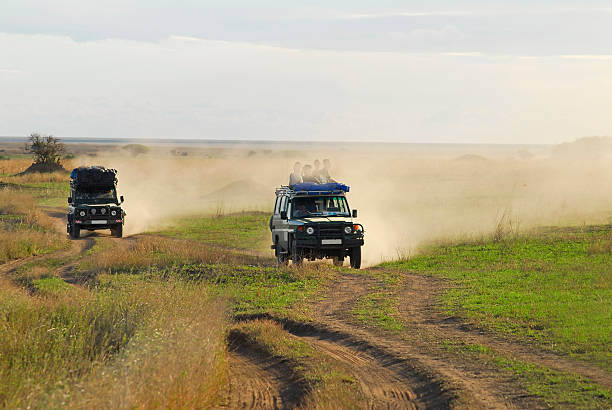
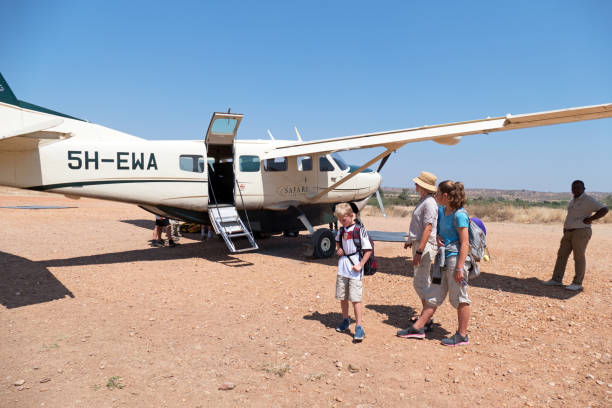
Mount Meru and Safari From Moshi: Your Ultimate Tanzania Adventure Guide
Moshi, Tanzania, serves as a vibrant gateway to some of East Africa’s most spectacular natural wonders. For many travelers, the allure lies in the chance to conquer the majestic Mount Meru, a challenging yet rewarding climb, followed by an immersive safari experience in the nearby world-renowned national parks. Combining Mount Meru and safari from Moshi offers a diverse and fulfilling Tanzanian journey, blending high-altitude trekking with thrilling wildlife encounters. This guide provides a detailed look at planning such an adventure, covering everything from itinerary options to essential preparation for 2026 and 2027 travels.
Whether you’re an experienced trekker or a wildlife enthusiast, understanding the nuances of this combined trip is key to a successful and memorable expedition. We’ll explore the best times to visit, typical routes, what to expect on the mountain and during your safari, and how to book the right tour operator for your needs.
| Feature | Details |
|---|---|
| Primary Destination | Mount Meru, Arusha National Park, Serengeti, Ngorongoro Crater, Tarangire National Park, Lake Manyara National Park |
| Starting Point | Moshi, Tanzania |
| Mount Meru Altitude | 4,566 meters (14,980 feet) |
| Typical Trek Duration | 3 to 4 days |
| Typical Safari Duration | 3 to 7 days (can be customized) |
| Best Time to Visit | June to October (dry season), January to February (short dry season) |
| Activities | High-altitude trekking, wildlife viewing, bird watching, landscape photography |
| Challenge Level (Meru) | Moderate to difficult, requires good fitness |
| Wildlife Highlights | Big Five, diverse birdlife, primates |
Why Combine Mount Meru and Safari from Moshi?
Moshi’s strategic location makes it an ideal base for this dual adventure. Mount Meru, often considered a ‘warm-up’ for Kilimanjaro, offers a distinct trekking experience with its dramatic volcanic landscapes, rich biodiversity, and stunning views of Kilimanjaro itself. It’s a fantastic mountain for acclimatization and provides a sense of achievement without the extreme demands of Kili.
Following the trek, embarking on a safari from Moshi immerses you in Tanzania’s legendary wildlife territories. Arusha National Park, the home of Mount Meru, is just the beginning. From there, you can venture to the vast plains of the Serengeti, the wildlife-rich Ngorongoro Crater, the elephant haven of Tarangire, and the tree-climbing lions of Lake Manyara. This combination provides a holistic Tanzanian experience, satisfying both the adventurer and the nature lover.
Understanding Mount Meru
Mount Meru is the second-highest mountain in Tanzania and the fourth-highest in Africa. Located within Arusha National Park, it’s an extinct volcano whose summit, Socialist Peak, stands at 4,566 meters. The trek is known for its varied terrain, from lush montane forests teeming with colobus monkeys and other wildlife to rocky, alpine desert landscapes near the summit.
Mount Meru Trekking Routes
There are two main routes to the summit of Mount Meru:
- The Momella Route: This is the more popular and scenic route, typically taking 3 to 4 days. It starts from the Momella Gate on the eastern side of Arusha National Park. The route passes through diverse vegetation zones, including grasslands, forests, and moorlands, offering excellent opportunities for wildlife spotting, including giraffes, zebras, and buffaloes, particularly in the lower sections. The trail is less steep than the other route but can be longer.
- The Eremito Trail (or Direct Route): This route is steeper and more direct, often completed in 3 days. It starts from the Usa River side and is known for its challenging ascents, especially the final push to the summit. It offers fewer wildlife sightings on the trail itself compared to Momella but is favored by those seeking a quicker ascent.
Most operators recommend the 4-day itinerary on the Momella Route to allow for better acclimatization, which is crucial for preventing altitude sickness. The 3-day trek is possible but requires a good level of fitness and a faster pace.
Key Stages of the Mount Meru Trek (Momella Route – 4 Days)
- Day 1: Momella Gate (1,500m) to Miriakamba Hut (2,100m)
The trek begins at Momella Gate, where park fees are paid and guides and porters are met. The initial part of the hike passes through lush montane forest and savannah, offering chances to see buffalo, giraffes, zebras, and various antelopes. The walk is approximately 8-10 km, taking 4-6 hours. - Day 2: Miriakamba Hut (2,100m) to Saddle Hut (3,500m)
This is a steeper day, ascending through montane forest and then into heath and moorland. The trail becomes more challenging as you gain altitude. You’ll reach Saddle Hut, the main campsite below the summit cone, after about 6-8 hours of hiking (approx. 8 km). - Day 3: Saddle Hut (3,500m) to Summit (Socialist Peak, 4,566m) and back to Miriakamba Hut (2,100m)
This is the longest and most demanding day. The ascent to the summit begins in the early morning hours (around 2-3 AM) to reach Socialist Peak by sunrise. The trail is steep and rocky, with a significant altitude gain. After enjoying the panoramic views, you descend back to Saddle Hut for a short rest before continuing the descent to Miriakamba Hut. This day involves about 10-12 hours of trekking. - Day 4: Miriakamba Hut (2,100m) to Momella Gate (1,500m) and transfer to Moshi
The final day involves a relatively easy descent back to Momella Gate, often taking 2-3 hours. From the gate, you will be transferred back to your hotel in Moshi.
What to Expect on Mount Meru
Scenery: Expect dramatic landscapes, from dense rainforests to arid alpine zones. The views of Kilimanjaro on clear days are breathtaking.
Wildlife: Arusha National Park is home to a variety of animals. While trekking, you might see buffalo, giraffes, zebras, warthogs, various antelopes, and numerous bird species. The higher reaches are less populated by large mammals but are home to unique alpine flora.
Accommodation: Basic park huts (Miriakamba and Saddle Hut) provide communal sleeping areas with bunks. You’ll need to bring your sleeping bag and mat. Meals are prepared by your cook.
Difficulty: Mount Meru is a significant climb. The altitude and steep sections require good physical fitness, endurance, and proper acclimatization. The final ascent is particularly challenging due to the altitude and steep, scree-covered slopes.
Guides and Porters: It is mandatory to trek Mount Meru with a licensed guide and armed ranger (especially for the lower slopes due to wildlife). Porters will carry your main luggage and camping equipment.
Planning Your Safari from Moshi
After descending Mount Meru, the adventure continues with a safari. Moshi is an excellent starting point for exploring Northern Tanzania’s famous safari circuit, often referred to as the ‘Northern Circuit’.
Popular Safari Destinations Accessible from Moshi
- Arusha National Park: While you’ve already been here for the trek, it’s worth a game drive for its stunning Momella Lakes and Ngurdoto Crater. It’s known for its diverse birdlife and populations of colobus monkeys and elephants.
- Tarangire National Park: Famous for its large elephant herds and iconic baobab trees. It’s particularly vibrant during the dry season (June-October) when animals congregate around the Tarangire River.
- Lake Manyara National Park: Known for its tree-climbing lions, large troops of baboons, and diverse birdlife. The park is set against the dramatic backdrop of the Great Rift Valley.
- Ngorongoro Conservation Area: Home to the Ngorongoro Crater, a UNESCO World Heritage Site. This natural amphitheater boasts an incredible density of wildlife, including the Big Five (lion, leopard, elephant, rhino, buffalo) in a relatively small area.
- Serengeti National Park: The most famous safari destination in Tanzania, renowned for its vast plains, abundant wildlife, and the Great Migration. Depending on the time of year, you can witness millions of wildebeest and zebras on the move.
Typical Safari Itinerary Logic
Safari itineraries are usually structured to maximize wildlife viewing opportunities and minimize travel time between parks. A common flow after trekking Mount Meru would be:
Example Safari Route (4 Days/3 Nights):
- Day 1: Moshi to Tarangire National Park
After breakfast in Moshi, you’ll be driven to Tarangire National Park. Enjoy a full-day game drive, focusing on the large elephant herds and unique landscape. Overnight at a lodge or campsite near Tarangire. - Day 2: Tarangire to Ngorongoro Crater
Morning game drive in Tarangire, then drive to the Ngorongoro Conservation Area. Descend into the Ngorongoro Crater for an afternoon game drive. Overnight at a lodge on the crater rim or nearby. - Day 3: Ngorongoro to Serengeti National Park
After a final morning game drive in Ngorongoro (or skip if time is tight and head directly to Serengeti), drive into the vast plains of the Serengeti. Begin your game drive as you enter the park, looking for predators and plains game. Overnight at a lodge or campsite in the Serengeti. - Day 4: Serengeti to Moshi/Arusha
Enjoy an early morning game drive in the Serengeti before beginning the journey back to Moshi or Arusha. This is a long travel day, often with a stop for lunch en route.
This 4-day itinerary can be extended to 5, 6, or 7 days to allow more time in the Serengeti, explore different regions of the Serengeti (Central, North, South, West), or add Lake Manyara. Longer safaris offer a more relaxed pace and a higher chance of witnessing specific wildlife events like the Great Migration.
Best Time for Mount Meru and Safari
The best time to combine Mount Meru trekking and safari in Tanzania depends on your priorities, but generally, the dry seasons are preferred for both activities.
| Period | Mount Meru Trekking | Safari Experience | Notes |
|---|---|---|---|
| June – October (Dry Season) | Excellent. Clear skies, stable weather, good visibility. Cooler temperatures at altitude. | Excellent. Animals concentrate around water sources. Vegetation is less dense, making spotting easier. Ideal for the Great Migration in the Serengeti. | Peak season for tourism. Book well in advance for 2026-2027. Higher prices. |
| November – December (Short Rains) | Possible, but trails can be muddy and visibility may be reduced. | Good. Landscapes are greener. Wildlife is dispersed but still abundant. Fewer crowds. | Short rains can be unpredictable. |
| January – February (Short Dry Season) | Good. Generally dry and stable, though occasional showers possible. | Excellent. Serengeti calving season. Good for predator sightings. Pleasant temperatures. | A good alternative to the long dry season. |
| March – May (Long Rains) | Challenging. Trails are very muddy, slippery, and can be dangerous. Visibility often poor. | Can be challenging. Heavy rains can make roads impassable. Wildlife disperses. However, landscapes are lush and prices are lower. | Generally considered the low season. Avoid trekking during peak rainy months. |
For a combined Mount Meru and safari trip in 2026 or 2027, the dry seasons (June-October and January-February) are highly recommended for the best overall experience. The long dry season (June-October) is particularly popular.
Mount Meru and Safari from Moshi: Sample Itinerary (7 Days)
This sample itinerary combines a 3-day Mount Meru trek with a 4-day safari. It’s a popular choice for travelers seeking a comprehensive introduction to Tanzania’s highlights.
Day 1: Arrival in Moshi & Preparation
Arrive at Kilimanjaro International Airport (JRO), meet your representative, and transfer to your hotel in Moshi. Briefing for your Mount Meru trek. Relax and prepare for the climb.
Day 2: Mount Meru Trek – Day 1 (Momella Gate to Miriakamba Hut)
After breakfast, drive to Momella Gate (1,500m). Meet your mountain crew. Begin trekking through the forest to Miriakamba Hut (2,100m). Enjoy wildlife sightings en route. (Approx. 4-6 hours trekking).
Day 3: Mount Meru Trek – Day 2 (Miriakamba Hut to Saddle Hut)
Ascend from Miriakamba Hut to Saddle Hut (3,500m). The trail passes through montane forest and heath. Enjoy views of Kilimanjaro. (Approx. 6-8 hours trekking).
Day 4: Mount Meru Summit & Descent (Saddle Hut to Miriakamba Hut)
Early morning (around 2 AM) summit attempt to Socialist Peak (4,566m) for sunrise. Descend back to Saddle Hut for breakfast, then continue descending to Miriakamba Hut. (Approx. 10-12 hours total trekking).
Day 5: Mount Meru Descent & Transfer to Safari Vehicle (Miriakamba Hut to Momella Gate, then to Tarangire)
Descend from Miriakamba Hut to Momella Gate. Meet your safari guide and vehicle. Drive to Tarangire National Park for an afternoon game drive. Overnight at a lodge/campsite near Tarangire.
Day 6: Tarangire to Ngorongoro Crater
Morning game drive in Tarangire. Afterwards, drive to the Ngorongoro Conservation Area. Descend into the Ngorongoro Crater for a game drive. Overnight on the crater rim or nearby.
Day 7: Ngorongoro to Moshi/Arusha
After breakfast, begin your journey back to Moshi or Arusha. Depending on your flight schedule, you might have a final game drive en route or visit a local craft market. Transfer to the airport or your hotel.
This is a fast-paced itinerary. For a more relaxed experience, consider adding an extra day to Mount Meru (making it 4 days) and/or extending your safari by 2-3 days to include the Serengeti.
What to Pack: Mount Meru Trekking Gear
Proper gear is essential for a successful and comfortable Mount Meru trek. Packing light but effectively is key, as porters have weight limits (typically 15kg per trekker).
Clothing:
- Base Layers: Thermal tops and bottoms (synthetic or merino wool)
- Mid Layers: Fleece jacket or down vest for warmth
- Outer Layer: Waterproof and windproof jacket and trousers
- Trekking Trousers: Comfortable, quick-drying (avoid jeans)
- Trekking Shirts: Moisture-wicking short and long-sleeved shirts
- Insulated Jacket: A warm down or synthetic jacket for summit night and cold evenings
- Headwear: Warm hat (beanie) and a sun hat or cap
- Gloves: Warm, waterproof gloves and liner gloves
- Socks: Wool or synthetic hiking socks (plenty of pairs)
Footwear:
- Hiking Boots: Broken-in, waterproof, sturdy hiking boots
- Camp Shoes: Comfortable trainers or sandals for evenings at the hut
Gear & Equipment:
- Backpack: A 40-60 liter waterproof backpack for your gear (porters carry this)
- Daypack: A 20-30 liter daypack for essentials during hikes (water, snacks, camera, rain gear)
- Sleeping Bag: Rated to at least -10°C (20°F)
- Sleeping Mat: For extra comfort (often provided by operators, but check)
- Trekking Poles: Highly recommended for ascents and descents
- Headlamp/Torch: With extra batteries (essential for summit night)
- Water Bottles/Hydration Reservoir: At least 2-3 liters capacity
- Water Purification: Tablets or filter (though boiled water is usually provided)
- Sunglasses: With UV protection
- Sunscreen: High SPF
- Lip Balm: With SPF
- Insect Repellent: For lower forest areas
- Personal First-Aid Kit: Include blister treatment, pain relievers, antiseptic wipes, bandages, personal medications
- Toiletries: Biodegradable soap, toothbrush, toothpaste, wet wipes
- Camera: With extra batteries and memory cards
- Power Bank: For charging electronics (limited charging opportunities)
- Snacks: Energy bars, nuts, dried fruit (though meals are provided)
- Small Towel: Quick-drying
- Duct Tape: For repairs
- Plastic Bags/Dry Bags: To keep gear dry
What to Pack: Safari Gear
Safari packing is generally more relaxed than mountain trekking. Comfort and practicality are key.
Clothing:
- Lightweight Trousers/Shorts: Neutral colors (khaki, beige, green)
- T-shirts/Polo Shirts: Breathable fabrics
- Long-Sleeved Shirts: For sun protection and cooler evenings
- Fleece Jacket or Sweater: For cool mornings and evenings
- Lightweight Waterproof Jacket: For occasional rain
- Hat: Wide-brimmed for sun protection
- Comfortable Shoes: Trainers or walking shoes
- Sandals/Flip-flops: For relaxing at the lodge
- Swimsuit: If your lodge has a pool
Other Essentials:
- Binoculars: Essential for wildlife viewing
- Camera: With zoom lens, extra batteries, memory cards
- Sunscreen, Sunglasses, Lip Balm
- Insect Repellent
- Personal First-Aid Kit
- Hand Sanitizer
- Adapter/Power Bank
- A good book
Safety and Health Considerations
Your safety and well-being are paramount. Here are key considerations for Mount Meru and safari:
Mount Meru Safety
- Altitude Sickness (AMS): This is the primary risk. Ascend slowly, stay hydrated, and listen to your body and guide. Symptoms include headache, nausea, dizziness, and fatigue. Descend if symptoms worsen.
- Guides and Rangers: Always follow your guide’s instructions. An armed ranger is mandatory for wildlife protection on lower slopes.
- Wildlife Encounters: While trekking, be aware of your surroundings. Elephants, buffalo, and monkeys can be encountered. Maintain a safe distance.
- Trail Conditions: Trails can be steep, rocky, and slippery, especially after rain. Proper footwear and trekking poles are vital.
- Hydration and Nutrition: Drink plenty of water (3-4 liters per day) and eat well to maintain energy levels.
Safari Safety
- Vehicle Safety: Stay inside the safari vehicle unless instructed otherwise by your guide. Do not lean out of the windows.
- Wildlife Respect: Never approach or feed wild animals. Maintain a safe distance, especially from predators and large herbivores.
- Driver/Guide Instructions: Always follow your guide’s instructions regarding game drives and interactions with wildlife.
- Camp/Lodge Safety: Be aware of your surroundings when outside your vehicle at camps or lodges, especially after dark.
Health Precautions
- Vaccinations: Consult your doctor or a travel clinic about recommended vaccinations (e.g., Yellow Fever, Hepatitis A/B, Typhoid) and malaria prophylaxis.
- Malaria: Tanzania is a malaria-risk area. Take preventative medication and use insect repellent, especially in the evenings.
- Travel Insurance: Ensure you have comprehensive travel insurance that covers trekking at altitude and safari activities.
- First Aid: Carry a personal first-aid kit with essential medications.
Common Mistakes to Avoid
Planning a trip like this involves many details. Here are common pitfalls to steer clear of:
- Underestimating Mount Meru: Many see it as just a warm-up for Kilimanjaro and don’t prepare adequately. It’s a serious climb requiring good fitness.
- Inadequate Acclimatization: Rushing the ascent of Mount Meru significantly increases the risk of altitude sickness. Stick to recommended itineraries.
- Packing Incorrect Gear: Bringing the wrong clothing or equipment can make the trek miserable or even unsafe. Refer to packing lists.
- Not Booking in Advance: Especially for peak seasons in 2026-2027, popular lodges and campsites get booked up months ahead.
- Choosing the Cheapest Operator: While budget is a factor, extremely low prices often mean compromised safety, guides, equipment, or ethical standards.
- Over-scheduling: Trying to cram too much into a short trip leads to exhaustion and less enjoyment. Allow for rest and flexibility.
- Ignoring Health Advice: Not taking malaria precautions or getting necessary vaccinations can lead to serious illness.
- Expectations vs. Reality: Understand that accommodation on the mountain is basic, and safari sightings are not guaranteed. Embrace the adventure.
Who is Mount Meru and Safari from Moshi Best For?
This combination trip is ideal for:
- Active Travelers: Those who enjoy trekking and want a physical challenge combined with wildlife viewing.
- Beginner Trekkers: Mount Meru is an excellent introduction to high-altitude trekking before attempting higher peaks like Kilimanjaro.
- Nature Enthusiasts: Individuals keen on experiencing diverse ecosystems, from mountain forests to savannah plains, and spotting a wide range of flora and fauna.
- Photographers: The dramatic landscapes of Mount Meru and the abundant wildlife offer incredible photographic opportunities.
- Those Seeking Variety: Travelers who want to experience both the thrill of conquering a mountain and the excitement of a classic African safari in one trip.
- Travelers with Limited Time: A well-planned 7-10 day trip can cover both experiences, offering a significant taste of Tanzania.
Alternatives to Mount Meru and Safari from Moshi
If this specific combination isn’t quite right, consider these alternatives:
- Kilimanjaro Trek and Safari: For a more challenging climb, combine Kilimanjaro with a safari. This requires more time and a higher level of fitness.
- Safari Only from Moshi: Focus solely on safari experiences, exploring the Northern Circuit parks for a longer duration.
- Mount Meru Trek Only: If your primary interest is trekking, dedicate more time to Mount Meru, perhaps exploring its diverse trails or enjoying its views without the pressure of a safari afterwards.
- Zanzibar Combination: Pair a Kilimanjaro trek or a shorter safari with a relaxing beach holiday in Zanzibar.
- Day Trips from Moshi: If time is very limited, opt for day trips to Arusha National Park for a short safari and hike, or visit local waterfalls and coffee plantations.
Planning Your 2026-2027 Trip: Key Considerations
Planning ahead is crucial, especially for trips in 2026 and 2027. Here’s what to focus on:
| Timeframe | Action |
|---|---|
| 12+ Months Before | Research destinations, tour operators, and potential dates. Consider peak seasons (June-Oct 2026/2027). |
| 9-12 Months Before | Select your preferred tour operator. Book your main trip (Mount Meru & Safari). Pay deposit. |
| 6-9 Months Before | Start focused physical training for Mount Meru. Book international flights. |
| 3-6 Months Before | Purchase necessary gear (hiking boots, clothing, backpack). Consult doctor about vaccinations and malaria prophylaxis. |
| 1-3 Months Before | Finalize insurance. Confirm all booking details. Pack your bags. Get any necessary visas. |
| 2-4 Weeks Before | Intensify training. Confirm flight details. Inform your bank of travel dates. |
| 1 Week Before | Final packing. Exchange currency. Make copies of important documents. |
Booking your Mount Meru and safari from Moshi well in advance, particularly for 2026 and 2027, will secure your preferred dates, lodges, and potentially better pricing. Early booking also allows ample time for physical preparation and gear acquisition.
Choosing the Right Tour Operator
Selecting a reputable tour operator is vital for a safe, enjoyable, and ethical trip. Look for:
- Experience: Operators with a proven track record in organizing Mount Meru treks and safaris.
- Safety Standards: Check their safety protocols, guide qualifications, and emergency procedures.
- Equipment Quality: For trekking, ensure they provide well-maintained tents, sleeping bags, and other gear.
- Guide Expertise: Guides should be certified, knowledgeable about flora, fauna, and mountain safety.
- Ethical Practices: Fair treatment of guides, porters, and drivers; responsible tourism practices.
- Reviews and Testimonials: Look for independent reviews from past clients.
- Communication: A responsive and helpful team that answers all your questions clearly.
Top Guide Adventures is a local Tanzanian tour operator committed to providing exceptional Mount Meru and safari experiences. We focus on safety, quality service, and responsible tourism, ensuring our clients have an unforgettable adventure. We are happy to discuss your specific needs for 2026-2027 trips.
Booking Your Mount Meru and Safari Adventure
Ready to plan your Mount Meru and safari from Moshi? Here’s how to proceed:
Step 1: Consultation
Contact us with your desired travel dates, group size, and any specific interests. We will help you tailor an itinerary that fits your needs.
Step 2: Itinerary & Quote
We will provide a detailed itinerary and a transparent quote covering all included services.
Step 3: Booking & Deposit
Once you approve the itinerary, we’ll guide you through the booking process and require a deposit to confirm your reservation.
Step 4: Preparation
We will provide you with comprehensive pre-trip information, including packing lists, training advice, and visa information.
Step 5: Your Adventure Begins!
We handle all the logistics on the ground, ensuring a smooth and memorable experience from arrival to departure.
Contact Us:
For inquiries, custom itineraries, and booking assistance for your Mount Meru and safari from Moshi adventure in 2026-2027, please reach out:
WhatsApp: +255616946642
Email: topguideadventures@gmail.com
Backup Email: info@topguideadventures.com
Frequently Asked Questions (FAQs)
Q1: Is Mount Meru harder than Kilimanjaro?
Mount Meru is generally considered less difficult than Kilimanjaro primarily due to its lower altitude and shorter duration. However, the final ascent of Meru can be very steep and challenging, especially in the dark. Both require good fitness, but Kilimanjaro’s extreme altitude presents a greater physiological challenge.
Q2: How many days are needed for Mount Meru and a safari?
A minimum of 7 days is recommended for a combined 3-day Mount Meru trek and a 4-day safari. For a more in-depth safari experience, especially in the Serengeti, 10-14 days would be ideal.
Q3: What is the best month to do Mount Meru and safari?
The dry seasons are best: June to October and January to February. These months offer the most stable weather for trekking and optimal wildlife viewing conditions for safaris.
Q4: Can I combine Mount Meru with a short safari?
Yes, it’s a very popular combination. A 3-day trek on Mount Meru can be paired with a 3-day safari, making for a fulfilling 6-day adventure starting from Moshi.
Q5: Do I need special permits for Mount Meru?
Yes, park entrance fees and climbing permits for Mount Meru are required. These are typically arranged by your tour operator as part of the package.
Q6: What is the typical cost for a Mount Meru and safari trip?
Costs vary significantly based on the duration of the safari, accommodation choices (budget camping, mid-range lodges, luxury lodges), group size, and the tour operator. A rough estimate for a combined 7-day trip could range from USD 1500 to USD 4000+ per person, excluding international flights.
Q7: Is Mount Meru safe for solo travelers?
Yes, Mount Meru is safe for solo travelers when booked with a reputable tour operator. You will be accompanied by licensed guides and porters, and it’s common for solo trekkers to join small groups.
Q8: What should I wear on safari?
Lightweight, breathable clothing in neutral colors (khaki, beige, green) is recommended for safaris. Long sleeves and trousers are good for sun and insect protection, especially during dawn and dusk game drives. A fleece or light jacket is useful for cooler mornings and evenings.
Q9: When is the best time to see the Great Migration?
The Great Migration is a year-round phenomenon, but its location varies. Generally, the wildebeest and zebras are in the northern Serengeti from June to October, crossing the Mara River. They calve in the southern Serengeti from January to March.
Q10: What is the altitude of Mount Meru?
Mount Meru’s summit, Socialist Peak, stands at 4,566 meters (14,980 feet) above sea level.
Q11: Can I book a custom Mount Meru and safari package for 2027?
Absolutely. We specialize in creating custom Mount Meru and safari packages for 2027 and beyond. Please contact us with your specific requirements, and we’ll design an itinerary tailored just for you.
Q12: What vaccinations are needed for Tanzania?
Consult your doctor or a travel clinic well in advance. Common recommendations include Yellow Fever (required for entry if coming from a risk country), Hepatitis A & B, Typhoid, and Tetanus. Malaria prophylaxis is also strongly advised.
Your Tanzanian Adventure Awaits!
Combining the adventure of climbing Mount Meru with the wonder of a Tanzanian safari offers an unparalleled travel experience. From the stunning volcanic landscapes and challenging ascents of Meru to the thrilling wildlife encounters in iconic national parks, this journey promises memories that last a lifetime. Whether you are planning for 2026 or 2027, careful preparation and choosing the right partner are key to success.
Let us help you craft your perfect Mount Meru and safari from Moshi adventure. We are passionate about showcasing the best of Tanzania and ensuring your trip is safe, comfortable, and truly unforgettable. Get in touch today to start planning!
Contact Top Guide Adventures:
WhatsApp: +255616946642
Email: topguideadventures@gmail.com
Backup Email: info@topguideadventures.com
Plan your Mount Meru and Safari From Moshi with Top Guide Adventures
Tell us your travel dates, group size, comfort level, and dream experience. We will help you shape a clear, realistic, and memorable Tanzania itinerary.







 Veedesigner
 Fatma Kizanga
 Benjamin Waryuba
 Philip Philip
 John jr Itaja
 Antonia Optatus
 Edith Kanyere
 Neema Iddy
 Kelvin Boniphace
 Damari Maiga



